
Overview of Futures Trading Platforms
Futures trading platforms serve as essential tools for traders engaging in the buying and selling of futures contracts, which are standardized agreements to purchase or sell an asset at a predetermined price and date in the future. These platforms facilitate real-time market access, providing traders with the necessary infrastructure to execute trades efficiently, analyze market data, and manage risk effectively. They are particularly vital for prop trading and proprietary trading firms that rely on rapid execution and sophisticated trading strategies to generate profits.
At their core, futures trading platforms offer a combination of advanced charting tools, customization options, real-time quoting, and instant order execution capabilities. Their design aims to support both novice and experienced traders in making informed trading decisions, managing multiple positions, and executing complex strategies seamlessly. Moreover, these platforms often integrate with other financial tools and data feeds, creating a robust environment for active trading and strategy deployment.

For prop trading firms, the importance of a reliable futures trading platform cannot be overstated. It directly influences trade speed, precision, and the ability to adapt quickly to market movements. By providing a centralized hub for trading activities, these platforms empower traders to capitalize on market opportunities while maintaining strict control over risk parameters. The selection of an appropriate platform is therefore foundational to the success of prop trading operations, as it enhances trading efficiency, supports compliance requirements, and helps maintain competitive advantage in fast-moving financial markets.
Key Features of Futures Trading Platforms
In the realm of futures trading, the effectiveness of a platform hinges on a suite of critical features designed to empower traders with precision, speed, and control. These tools serve as the backbone of successful trading operations, ensuring that market entries and exits are executed efficiently while risk is meticulously managed. Understanding these features helps traders and firms select platforms that align with their strategic goals and operational demands.
Real-Time Market Data and Alerts
Access to real-time data feeds is fundamental, providing instant insights into market movements, price fluctuations, and volume changes. Sophisticated platforms also offer customizable alerts that notify traders of significant events or price levels, enabling rapid decision-making and swift execution of trades. This immediacy is especially vital during volatile periods where prices can shift within seconds.
High-Speed Order Execution
Speed is crucial in futures trading, where milliseconds can make a difference between profit and loss. Top-tier platforms are optimized for rapid order execution, reducing latency and ensuring that trades are filled at desired levels. They often incorporate direct market access (DMA) channels and algorithms that refine trade entry and exit points, allowing traders to capitalize on fleeting market opportunities.
Advanced Charting and Analytical Tools
Comprehensive charting capabilities are essential for technical analysis, providing various indicators, drawing tools, and historical data for trend recognition. These features enable traders to identify patterns and signals that inform strategic decisions. Customization options allow traders to tailor their workspace, making analysis more intuitive and aligned with their trading methodologies.
Risk Management and Order Types
Effective risk control is vital in futures markets. Platforms typically include features like stop-losses, take-profits, and various order types—such as limit, market, and conditional orders—allowing traders to automate risk mitigation strategies. Portfolio margining and real-time risk assessment tools help traders monitor their exposure, ensuring adherence to predefined risk parameters.
Customization and Flexibility
Every trader has unique preferences and strategies, hence the importance of customizable user interfaces, hotkeys, and scripting capabilities. Advanced platforms often support algorithmic trading and backtesting, giving traders the ability to refine strategies before deploying them in live markets.
Integration with Other Financial Tools
Seamless integration with financial news feeds, economic calendars, and data analytics platforms enriches the trading environment. Such connectivity simplifies the operation process, centralizes information, and enhances strategic execution.
Overall, these features coalesce to create a trading environment that is fast, reliable, and adaptable—key attributes for successful futures trading.
Criteria for Selecting a Futures Trading Platform
Choosing a futures trading platform requires a comprehensive evaluation process that emphasizes stability, functionality, and adaptability. For proprietary trading firms, the platform's ability to support complex strategies and high-speed execution is paramount. Consider platforms that demonstrate a proven track record of reliability, with minimal downtime and efficient order matching, ensuring that traders can execute their strategies without interruption.
Equally important is the platform's user interface, which should be intuitive yet powerful enough to accommodate advanced trading features. A clutter-free layout, customizable workspace, and fast access to essential tools contribute to a smoother trading experience. Compatibility with various operating systems and devices extends flexibility, allowing trading to occur seamlessly across desktops, tablets, and smartphones.
Robust trading tools that facilitate technical analysis, such as real-time data feeds, customizable charts, and drawing tools, are vital. Platforms that support multiple order types—market, limit, stop-loss, and conditional orders—enable traders to implement diverse strategies and manage risk effectively. Integration with analytical and news platforms can enhance decision-making by providing timely market insights.
Fee structures represent a significant consideration. Transparent and competitive fee models—covering commissions, spreads, and deposit or withdrawal costs—are essential for maintaining profitability. Some platforms offer tiered pricing or reduced rates for high-volume traders, aligning costs with trading activity levels.
Security features are integral to safeguarding sensitive trading data and funds. Look for platforms employing encryption protocols, secure login procedures, and multi-factor authentication. Additionally, platforms that comply with industry standards and regulations ensure a reliable trading environment, fostering confidence among traders and supporting sustainable growth.
Integration with Prop Trading Strategies
Effective futures platforms support proprietary trading strategies through customizable automation and algorithmic trading capabilities. The ability to develop, test, and deploy scripts allows traders to execute complex orders swiftly and efficiently, often incorporating preset risk parameters. Compatibility with backtesting tools enables strategists to evaluate performance under historical market conditions, refining approaches before applying them in real-time.
Furthermore, a platform's integration with data analytics and market sentiment tools enhances strategic depth. Real-time alerts, news updates, and economic indicators feed into trading algorithms, enabling responsive adjustments aligned with evolving market conditions. Such integration is particularly vital in futures markets, where price movements can be highly volatile and rapid decision-making is essential.
Security and Compliance in Futures Trading Platforms
Security permeates every aspect of futures trading operations. Platforms must prioritize data encryption, secure APIs, and protection against unauthorized access. Continuous monitoring for suspicious activity along with regular security audits strengthens the safeguarding of sensitive information and funds.
Compliance features, such as audit trails, trade reporting, and record-keeping, facilitate adherence to industry standards. They enable firms to maintain detailed logs of all trading activities, simplifying reviews and audits. Secure account management, coupled with strong user authentication processes, further insulates trading operations against cyber threats.
Popular Futures Trading Platforms for Prop Trading Firms
Within the current marketplace, several platforms stand out due to their extensive feature sets, stability, and adaptability. MetaTrader 5, NinjaTrader, and CQG are among the preferred choices for prop trading environments, offering advanced analytical tools, automation options, and reliable execution speeds. These platforms are characterized by their professional-grade tools and capacity to handle high-volume trading with precision.
The choice of platform should align with specific trading strategies, desired automation capabilities, and integrative functionalities, ensuring that prop firms can optimize their trading operations effectively.
Future Trends in Futures Trading Platforms
Upcoming developments are likely to emphasize greater automation, AI-driven analysis, and enhanced connectivity. Cloud-based platforms are becoming increasingly prevalent, offering scalability and reduced infrastructure costs. Such systems facilitate instant updates, collaborative trading environments, and improved data security.
Moreover, integration of machine learning algorithms will enhance predictive analytics, enabling traders to identify market patterns with higher accuracy. As technological integration deepens, platforms will also offer more personalized user experiences, tailored to individual trader preferences, and adaptive to evolving trading methodologies.
Implementing a Futures Trading Platform in a Prop Trading Firm
When integrating a futures trading platform within a prop trading environment, the focus should be on comprehensive training, rigorous testing, and ongoing support. Ensuring that traders are proficient with the platform's features maximizes operational efficiency and trading outcomes. Additionally, establishing protocols for maintenance, security updates, and scalability ensures the platform remains aligned with evolving strategic objectives.
Integration with Prop Trading Strategies
Futures trading platforms serve as the backbone for prop trading firms, enabling the seamless deployment of proprietary trading strategies. Advanced Application Programming Interfaces (APIs) facilitate real-time data exchange between trading algorithms and platform infrastructure, allowing traders to automate order execution, risk management, and position adjustments with minimal latency. These APIs are crucial for integrating external analytical tools, custom-built algorithms, and third-party systems, providing a cohesive environment for complex trading operations.
Algorithmic trading capabilities embedded within these platforms empower prop firms to implement high-frequency, quantitative, and statistically driven strategies. Developers can design and test algorithms within the platform's environment, leveraging extensive historical and real-time data feeds. The platforms often support backtesting and simulation features, enabling traders to refine strategies under different market conditions before executing live trades.
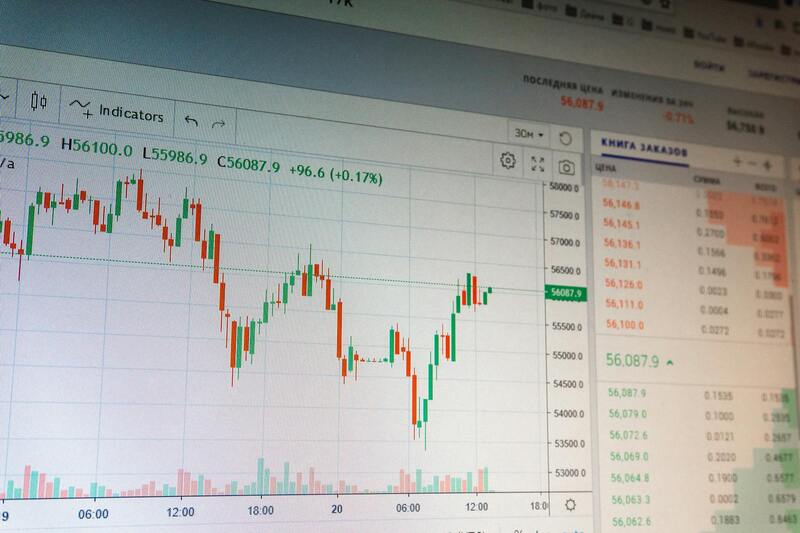
Advanced Analytics and Predictive Tools
Modern futures trading platforms incorporate sophisticated analytical tools that apply machine learning and statistical models to identify potential market movements. Prop firms utilize these features to gain insights into trends, volatility, and liquidity patterns, strengthening their decision-making process. Real-time analytics allow traders to adjust their strategies dynamically, responding promptly to evolving market conditions.
Additionally, some platforms feature customizable dashboards and alerts, which keep traders informed of important changes or anomalies in the market. This proactive approach enhances risk management, ensuring that positions are monitored continuously and adjustments are made swiftly to mitigate losses or capitalize on opportunities.
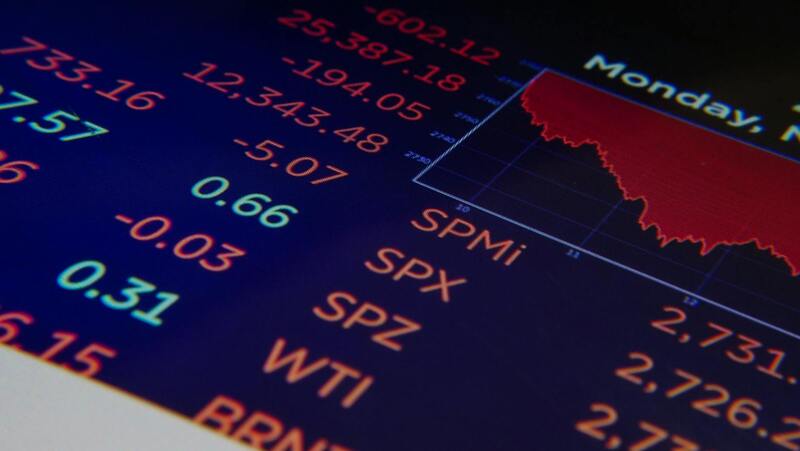
Automated Risk Management
Futures trading platforms enable prop firms to implement automated risk controls, including order throttling, stop-losses, and margin alerts. These features assist traders in maintaining disciplined trading practices and preventing excessive exposure. Automated risk management tools are designed to execute predefined safeguards promptly when market conditions shift beyond acceptable thresholds, reducing the likelihood of significant losses.
Furthermore, compliance modules embedded within these platforms help ensure adherence to internal policies and external regulations. They record all trading activities, provide audit trails, and generate reports for review, fostering transparency and operational integrity.
Enhancing Collaboration and Trade Management
Platforms tailored for prop trading often feature collaborative environments, where multiple traders and analysts can share insights, strategies, and real-time data seamlessly. These sharing capabilities facilitate teamwork and collective decision-making, which are vital for large-scale trading operations.
Trade management tools such as portfolio tracking, position sizing calculators, and automated order routing streamline workflow, reduce manual errors, and improve overall trading efficiency. By centralizing these functions, futures trading platforms empower prop firms to optimize their trading protocols and leverage their team’s collective expertise effectively.
Security and Compliance in Futures Trading Platforms
For prop trading firms, safeguarding sensitive data and maintaining operational integrity are paramount when choosing futures trading platforms. Advanced security protocols form the backbone of trustworthy systems, ensuring that proprietary strategies, client information, and transactional data remain protected from unauthorized access or cyber threats. Industry-standard encryption methods are employed to secure data in transit and at rest, effectively shielding information from interception and breaches.
User authentication mechanisms are integrated into these platforms to verify the identity of traders and administrators. Multifactor authentication (MFA) adds an extra layer of security by requiring multiple forms of verification, thus reducing the risk of unauthorized account access. Role-based access controls further restrict functionalities based on user roles, limiting the exposure of sensitive features to authorized personnel only.
Compliance with industry and regional regulations is embedded within mature futures trading platforms. These include features such as automated audit trails, comprehensive activity logs, and report generation tools. Audit trails document every action—order entry, modifications, cancellations, and system changes—building a transparent operational record that can be reviewed for internal assessments or regulatory inquiries. Automated reporting functionalities streamline the process of submitting required documentation, ensuring that prop firms remain aligned with evolving compliance standards.

Key Features Supporting Security and Compliance
- Data encryption protocols (SSL/TLS, AES encryption)
- Multi-factor authentication (MFA)
- Role-based access controls (RBAC)
- Real-time activity monitoring and alerts
- Automated audit trail recording
- Regulatory reporting tools
- Security incident response planning
Best Practices for Ensuring Security and Compliance
- Regular security audits and vulnerability assessments
- Implementation of strict access controls and user permissions
- Training staff on security protocols and regulatory requirements
- Maintaining updated software with the latest security patches
- Continuous monitoring for unusual activity and potential breaches
- Ensuring comprehensive documentation for audit purposes
Future Trends in Futures Trading Platforms
Advancements in technology are continuously transforming futures trading platforms, with emerging features designed to enhance efficiency, security, and trading precision. One notable trend is the integration of artificial intelligence (AI) and machine learning algorithms. These tools facilitate predictive analytics, helping traders identify market patterns and optimize entry and exit points with increased accuracy.
Another significant development is the adoption of blockchain technology, which promises enhanced transparency and security. Blockchain can streamline transaction processes and ensure an immutable record of all trades, thus reducing settlement times and mitigating errors. This advancement is particularly appealing to prop trading firms that seek to minimize operational risks and maintain high standards of auditability.
Additionally, cloud-based trading solutions are gaining popularity, offering scalability, cost-effectiveness, and remote access capabilities. Cloud platforms enable traders to operate seamlessly from any location, fostering flexible and responsive trading environments, which are critical for prop firms managing high-volume trading strategies.
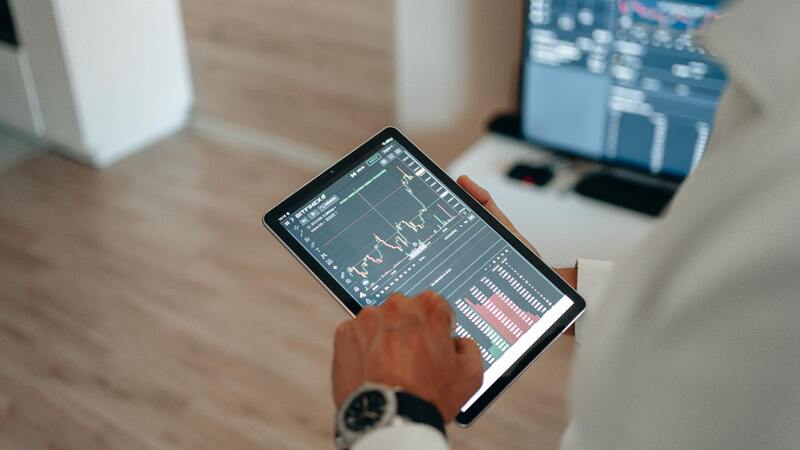
Interoperability between trading platforms and third-party tools is also on the rise. This integration allows traders to incorporate custom analytical tools, APIs, and specialized algorithms, resulting in a more customized trading experience. Such flexibility ensures that prop firms can adapt quickly to changing market conditions and maintain a competitive edge.
Moreover, enhanced user interfaces with intuitive design and real-time data visualization are improving trader engagement and decision-making capabilities. These interface improvements, coupled with faster execution speeds, support dynamic trading strategies essential in futures markets.
Security measures are evolving in tandem with technological advances. Future platforms will likely incorporate more sophisticated threat detection systems, automated compliance checks, and biometric authentication methods to safeguard trading activities and sensitive data.
Overall, the future of futures trading platforms points toward a blend of advanced analytics, heightened security, and greater operational agility, enabling prop trading firms to execute complex strategies more effectively and with confidence.
Criteria for Selecting a Futures Trading Platform
Choosing the optimal futures trading platform requires a comprehensive evaluation of several critical criteria that directly influence trading efficiency, risk management, and overall profitability. Traders and prop trading firms should prioritize platforms that offer robust execution capabilities, advanced analytical tools, and seamless integration with existing systems.
First and foremost, execution speed and order reliability are paramount. In the volatile environment of futures markets, milliseconds can determine profit or loss. Platforms must guarantee minimal latency and high order fill accuracy to meet the demands of high-frequency trading strategies typically employed by prop firms.
Next, an intuitive user interface with customizable dashboards enhances traders' ability to monitor multiple instruments and market data streams simultaneously. Effective data visualization, real-time alerts, and comprehensive charting tools facilitate quick decision-making—vital in fast-paced trading scenarios.
Thirdly, the platform’s analytical capabilities should be examined. Advanced charting, technical analysis tools, and integrated news feeds provide traders with valuable insights. Furthermore, support for algorithmic trading and automation through APIs allows prop firms to implement complex, pre-defined strategies with precision and consistency.
Security measures are equally important. Secure data encryption, multi-factor authentication, and rigorous access controls prevent unauthorized access and protect sensitive information. Platforms with adaptive risk management tools, such as margin and position limits, help mitigate potential losses under volatile conditions.
Compatibility and integration features also play a crucial role. The platform should support integration with third-party analytics, data providers, and custom applications to tailor the trading environment to specific strategy requirements. Compatibility with different operating systems and compatibility with mobile devices further enhances operational flexibility.
Customer support and platform reliability are additional considerations. Dedicated technical support, regular updates, and a stable platform infrastructure ensure continuous trading operations without unexpected disruptions.
Future Trends in Futures Trading Platforms
As the landscape of futures trading evolves, the integration of advanced technologies is poised to redefine operational efficiency and trading precision within prop trading firms. Among the most significant developments is the adoption of artificial intelligence (AI) and machine learning algorithms, which enable predictive analytics and adaptive trading strategies. These tools analyze vast amounts of market data in real time, identifying patterns and potential trading opportunities that can be leveraged for higher profitability.
Furthermore, the rise of blockchain technology is enhancing transparency and security in futures trading. By providing immutable transaction records and smart contract capabilities, blockchain platforms facilitate faster settlement processes and reduce counterparty risks. For prop trading firms, this translates into increased trustworthiness and streamlined operations.
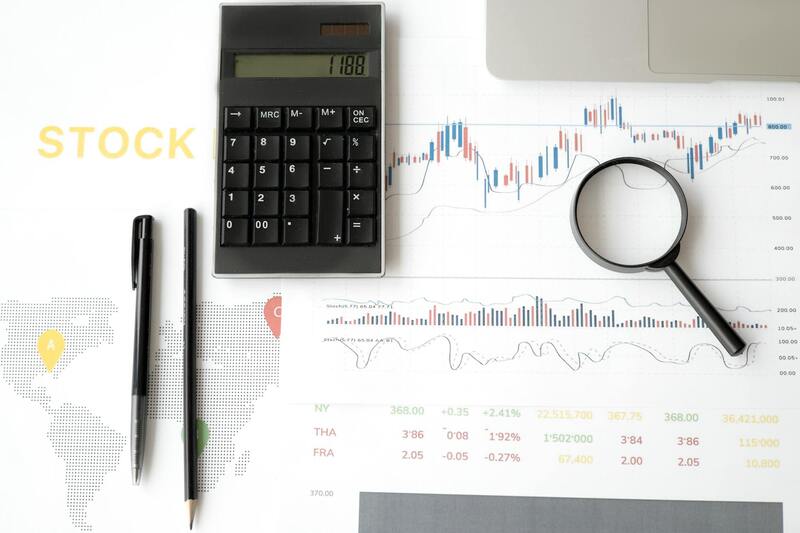
Another notable trend is the development of cloud-based trading solutions. Cloud platforms offer scalability, flexibility, and easier collaboration among trading teams. They enable access to trading environments from multiple devices and locations, fostering remote trading capabilities without compromising performance or security.
Educational tools and simulation environments integrated within trading platforms are also gaining prominence. These features allow traders to hone their skills in risk-free settings and stay updated with evolving market dynamics through real-time news and social sentiment analysis.
Lastly, the emphasis on user-centric interfaces that combine customization with intuitive design will continue to shape future platforms. Advanced customization options enable prop firms to tailor their trading environments precisely to their strategic needs, improving overall operational efficiency and trader satisfaction.
In Summary
- AI and machine learning for predictive analytics
- Blockchain for transparency and secure transactions
- Cloud-based solutions for remote and scalable trading environments
- Integrated educational tools for trader development
- User-focused interfaces for enhanced flexibility and efficiency
Staying abreast of these technological innovations will allow prop trading firms to maintain a competitive edge while optimizing their trading strategies and operational workflows. The continued evolution of futures trading platforms reflects a broader commitment to automation, security, and user engagement that is set to define the future of prop trading globally.
