
Criteria for Evaluating Futures Trading Platforms
When selecting the optimal futures trading platform, especially for proprietary trading firms, several critical factors come into play. The effectiveness of a platform is not solely measured by its interface but also by its underlying technological infrastructure and operational features. Quality futures trading platforms must excel in delivering speed, reliability, clear fee structures, and broad market access to facilitate efficient and profitable trading activities.

Speed and Reliability
Speed is paramount in futures trading due to the highly volatile and fast-moving nature of the markets. Platforms that provide rapid order execution capabilities enable traders to take advantage of fleeting opportunities. Alongside speed, reliability ensures that the system remains operational during critical market moments, minimizing risks associated with downtime or technical glitches. A trustworthy trading platform should have a robust infrastructure with minimal latency and consistent uptime, supported by advanced hardware and software solutions.
Fee Structures and Transparency
Cost efficiency directly impacts the profitability of proprietary traders. A transparent fee structure—comprising commissions, spreads, and any other associated costs—allows traders to accurately assess the economic implications of their trades. It is vital to choose platforms that offer clear, straightforward fee policies without hidden charges, thus supporting more predictable financial planning and performance analysis.
Market Access and Asset Coverage
Comprehensive market access enables traders to diversify their strategies across various futures contracts. Leading platforms provide access to a wide range of asset classes—including commodities, indices, currencies, and interest rates—facilitating increased trading opportunities. Reliable connectivity to multiple exchanges ensures that traders can execute a variety of strategies without restrictions, maximizing their potential for profit and portfolio diversification.
Visual Element
Conclusion
Choosing the right futures trading platform involves a careful assessment of technological capabilities, cost structures, and market access. By prioritizing speed, transparency, and broad asset coverage, proprietary trading firms can ensure they implement a foundation suitable for high-performance trading environments. The subsequent sections will explore the technological features, market execution, and infrastructure integration that further define the effectiveness of futures trading platforms for professional traders.
Criteria for Evaluating Futures Trading Platforms
When selecting a futures trading platform, traders should focus on several fundamental criteria that influence trading efficiency and success. One of these is the quality of execution speed and order placement precision. High-performance platforms utilize advanced algorithms and infrastructure to minimize latency, ensuring rapid order execution, which is crucial during volatile market conditions. Slow execution can lead to missed opportunities or unfavorable fills, which severely impact profitability.
Another pivotal factor is the platform's technological sophistication. Leading platforms offer a robust suite of trading tools, including advanced charting capabilities, custom indicator support, and integration with third-party analysis software. These features enable traders to make informed decisions based on comprehensive market data and technical analysis. Additionally, algorithmic trading support allows for automation of strategies, which is vital for high-frequency trading firms and professional traders aiming to optimize their trades for speed and accuracy.

Order types should be diverse and supported comprehensively within the platform. Standard orders like limit, market, and stop-loss should be supplemented by more sophisticated options such as OCO (one-cancels-the-other) and conditional orders. These types enable traders to implement complex strategies and manage risk more effectively. A user-friendly interface further streamlines the trading process, reducing the likelihood of errors and improving overall efficiency.
Market Access and Asset Coverage
Superior futures trading platforms provide wide-ranging access to various markets and asset classes. This diversification allows traders to execute strategies across commodities, equities indices, forex, and interest rate futures, among others. Broad asset coverage enhances the potential for profit by enabling traders to exploit different market conditions or hedge positions effectively.
Connectivity to multiple exchange venues ensures that traders can access the most favorable prices and liquidity pools. Platforms that support seamless cross-exchange order execution and real-time data feeds empower traders to act swiftly on emerging opportunities, maintaining competitive advantage. This extensive market access is especially vital for prop trading firms that rely on rapid, diversified trading activities to generate consistent profits.
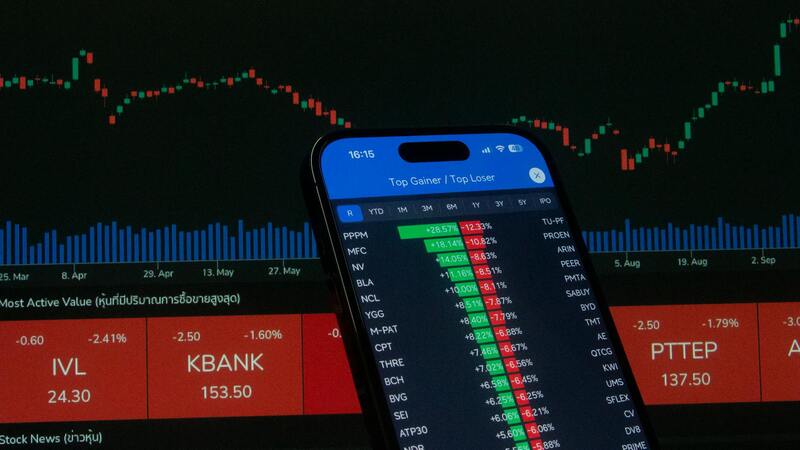
Accurate and timely data feeds are essential for analyzing market trends and executing trades with precision. Platforms with integrated news feeds, economic calendars, and real-time analytics allow traders to stay informed about macroeconomic events and market shifts that can influence futures prices.
Fee Structures and Cost Efficiency
Analyzing fee structures is a crucial component when evaluating trading platforms. The most efficient platforms maintain transparent and straightforward pricing models, including commissions, spreads, and other associated costs. Traders should prefer platforms that clearly outline their fee schedules to avoid hidden charges that could erode profit margins over time.
Cost efficiency extends beyond trading fees. Platforms offering low latency connects often do so at a reasonable cost, and some provide tiered pricing structures that reward high-volume traders. This combination of transparency and affordability allows traders to optimize their trading costs, directly impacting the bottom line.
Integration with Trading Infrastructure
Seamless integration with existing trading infrastructure enhances operational flow and reduces complexity. Platforms should support APIs and third-party software integration, allowing for custom algorithm deployment, automated risk management, and portfolio monitoring. Compatibility with multiple order management systems and back-office tools streamlines the entire trading process.
Robust infrastructure support reduces downtime and technical disruptions, ensuring continuous trading activity and risk control. This stability is a vital factor for prop traders who depend heavily on real-time execution and rapid data processing.
Security, Compliance, and Support
To protect sensitive data and trading operations, the platform must incorporate high-grade security measures, including encryption, two-factor authentication, and secure login protocols. Additionally, platforms should adhere to established industry standards for data privacy and transaction security.
Excellent technical and customer support, available 24/7, helps resolve issues swiftly, minimizing downtime and avoiding costly mistakes. Platforms with dedicated account managers and responsive support teams are preferred, offering peace of mind and operational continuity for professional traders.
Choosing the Right Platform for Prop Trading
The ideal futures trading platform for proprietary firms balances speed, reliability, broad market access, and cost transparency. It should support advanced trading tools, facilitate quick and accurate order execution, and integrate seamlessly with existing trading setups. Prioritizing these factors ensures that prop traders can maintain high performance and adapt efficiently to dynamic market conditions.
Criteria for Evaluating Futures Trading Platforms
Trading Execution and Speed
In the fast-paced environment of futures trading, the importance of rapid and reliable order execution cannot be overstated. Prop traders operate under the pressure of short-lived market opportunities; thus, a platform’s ability to process, execute, and confirm orders with minimal latency directly impacts profitability. High-speed infrastructure reduces the risk of slippage, improves fill accuracy, and ensures that trades are settled at the desired prices, especially during volatile market conditions.
Latency, the delay between order placement and execution, significantly influences trading performance. Platforms with optimized connectivity, proximity to major exchange servers, and advanced data processing capabilities offer traders a competitive edge. Additionally, infrastructure stability—meaning consistent uptime, minimal technical disruptions, and dependable server performance—is essential for sustaining continuous trading activity without unexpected interruptions. Such stability mitigates the risk of missing market movements and costly downtime, which can erode profits or increase risk exposure.
Market Access and Asset Coverage
Comprehensive access to multiple futures exchanges and asset classes broadens trading opportunities for prop firms. The ability to trade across diverse markets, including commodities, equity indices, currencies, and interest rate futures, allows traders to diversify strategies and hedge risks effectively. Platforms that provide seamless connectivity to leading exchanges and offer a wide product catalog enable traders to capitalize on market inefficiencies and execute complex strategies with ease.
Furthermore, high-quality data feeds and real-time market information are critical for making informed decisions. Access to depth-of-market data, historical quotes, and integrated news feeds enhances situational awareness and supports advanced analytical techniques. Secure, reliable access to these resources ensures that prop traders can react swiftly to market developments, maintaining an edge in competitive environments.

Fee Structures and Cost Efficiency
Effective cost management begins with transparent and competitive fee structures. Prop traders must evaluate platform charges, including commissions, spreads, overnight financing fees, and data feed costs. Platforms that offer clear, predictable pricing models help traders plan their strategies effectively, minimizing unforeseen expenses that could erode profit margins.
Cost efficiency also relates to order execution quality—slower or less precise executions can result in hidden financial costs like slippage. Platforms emphasizing low spreads and minimal transaction costs enable traders to operate more profitably. Additionally, some providers offer tiered or volume-based discounts, which can result in substantial savings as trading volume increases. Balancing cost considerations with speed, reliability, and access forms the foundation of an optimized trading environment.
Integration with Trading Infrastructure
Compatible connectivity with proprietary trading systems, order management platforms, and risk management tools enhances operational efficiency. The ability to integrate seamlessly reduces manual intervention, ensures data consistency, and accelerates decision-making processes. Most advanced futures platforms support APIs, FIX protocol connections, and other integration standards, allowing firms to customize their trading environment according to specific needs.
Integration extends to back-office and reporting systems, facilitating compliance, audit trails, and performance analysis. An interconnected infrastructure enables real-time monitoring of trading activity, portfolio risk, and compliance parameters, providing traders and risk managers with a holistic view of operations and enabling swift corrective actions when necessary.

Security, Compliance, and Support
Security measures—including encryption, multi-factor authentication, and secure login protocols—are fundamental to protect sensitive trading data and operational integrity. Proprietary trading environments handle large volumes of financial information and require robust safeguards against cyber threats or unauthorized access. Ensuring data privacy and secure transaction processing fosters confidence and stability in daily trading operations.
Platforms also adhere to recognized standards for data protection and operational compliance, facilitating adherence to internal policies and external regulations. Reliable technical support, available around the clock, minimizes downtime and expedites issue resolution. Dedicated account management and proactive customer service contribute to uninterrupted trading activity, especially during critical periods or system upgrades.
Criteria for Evaluating Futures Trading Platforms
When selecting the best futures trading platforms, traders must consider multiple crucial factors that influence both performance and operational security. Among these criteria, technological robustness stands out, encompassing advanced trading tools, connectivity, execution speed, and backend integrations. These elements directly impact a trader’s ability to capitalize on market movements and manage risk efficiently.
Moreover, a platform’s capacity to offer comprehensive market access is vital, especially for prop traders aiming to diversify their portfolios through various asset classes and international futures markets. Understanding the fee structures is equally important, as costs can significantly affect profitability. Platforms providing transparent, competitive pricing alongside efficient transaction execution tend to be more advantageous for sustained trading success.
Another fundamental aspect involves integration capabilities, enabling seamless connectivity with a trader’s existing infrastructure—such as order management systems (OMS), analytic tools, and proprietary trading algorithms. Security, compliance measures, and ongoing support form the backbone of trustworthiness, ensuring that sensitive data remains protected and that traders have reliable assistance when needed. Evaluating these elements systematically helps traders identify platforms that align with their specific trading strategies and operational requirements.

Technological Features and Trading Tools
High-performance futures trading platforms are equipped with sophisticated technological features designed to enhance execution precision and analytical depth. Traders should look for platforms offering customizable charting tools, real-time market data, and advanced order types, such as conditional orders, OCO (one-cancels-the-other), and global stop-loss settings. These features allow traders to implement complex strategies effectively and respond swiftly to market changes.
In addition to core trading tools, integrations with content analytics, news feeds, and economic calendars provide a comprehensive environment to inform decision-making. AI-driven algorithms and pattern recognition software further empower traders to identify potential trade setups more accurately, optimizing entry and exit points.

Trading Execution and Speed
Execution speed remains a primary factor in futures trading, where milliseconds can mean the difference between profit and loss. Leading platforms utilize direct market access (DMA) technology and co-location services to minimize latency, ensuring rapid order placement and fulfillment. Traders should verify the platform’s capacity for high-volume trading without slipping or delays, especially during peak hours.
Superior trading execution involves not only speed but also reliability; order slippage—when the order gets executed at a worse price than expected—can substantially erode margins. Platforms with advanced matching engines and optimized routing algorithms effectively reduce this risk. Furthermore, the platform’s ability to handle complex order execution scenarios, including partial fills and complex conditional orders, matches the needs of professional prop traders seeking precision and control in fast-moving markets.

Market Access and Asset Coverage
Extensive market access is fundamental for traders engaged in diversified futures strategies. A top-tier platform provides entry to multiple futures exchanges worldwide, covering commodities, financials, indices, interest rates, and currencies. This breadth of coverage allows traders to explore arbitrage opportunities, hedge positions, and diversify risk more effectively.
Additionally, access to emerging markets and emerging asset classes offers strategic advantages, enabling traders to capitalize on new trends and economic shifts. The integration of global connectivity ensures that traders can implement their strategies seamlessly across borders, maintaining consistency and efficiency in execution.
Fee Structures and Cost Efficiency
Cost efficiency directly impacts profitability, making fee structures a critical consideration. The best platforms disclose all pertinent charges upfront, including commission rates, spreads, overnight financing fees, and data feed costs. Trader-friendly platforms often provide tiered pricing models, offering reduced fees for high-volume traders, fostering a scalable environment for prop trading operations.
It is also essential to evaluate the platform’s overall operational costs, which include data subscriptions, platform maintenance, and technology upgrades. Low-cost structures paired with high reliability enable consistent profit margins, especially for prop traders executing frequent and large-volume trades.

Integration with Trading Infrastructure
Compatibility with existing trading infrastructure maximizes efficiency and minimizes operational disruptions. Platforms that support industry-standard APIs and FIX protocols facilitate direct integration with proprietary algorithms, order management systems, and analytics platforms. This compatibility allows traders to automate strategies, monitor positions meticulously, and execute trades swiftly.
Furthermore, integration with risk management tools and compliance systems ensures that all activities adhere to internal policies and external regulations. Seamless connectivity minimizes manual intervention, reduces errors, and accelerates execution, which is especially crucial during high-volatility periods.
Security, Compliance, and Support
Robust security protocols are non-negotiable in futures trading environments. Encryption for data transmission, multi-factor authentication, and regular security audits safeguard sensitive information. Compliance with industry standards for data management and operational practices reassures traders that their activities are protected under recognized guidelines.
Reliable technical support, available 24/7, ensures quick resolution of issues that may hinder trading activities. Dedicated account managers, comprehensive onboarding, and proactive customer service are integral to maintaining continuous trading operations and minimizing downtime, especially during critical market moments.
Choosing the Right Platform for Prop Trading
Selecting an appropriate futures trading platform involves aligning platform capabilities with the specific needs of prop trading. Key considerations include technological sophistication, market coverage, cost efficiency, integration capacity, and support services. Traders should perform thorough evaluations, including demo testing and consultative discussions with platform providers, to determine compatibility with their trading strategies and infrastructure.
Ultimately, the best futures trading platform enhances execution reliability, operational security, and strategic flexibility — all essential components for prop traders aiming to optimize performance in dynamic markets.
Criteria for Evaluating Futures Trading Platforms
When selecting the best futures trading platforms, traders must carefully evaluate several critical criteria that influence overall trading efficiency, security, and profitability. A comprehensive assessment involves examining technological robustness, operational capabilities, market access, cost structure, and support services to ensure the platform aligns with specific trading strategies and goals.
Technological Features and Trading Tools
High-quality futures trading platforms are equipped with advanced technological features that enable traders to execute trades swiftly and effectively. These include customizable charting tools, real-time data feeds, analytical indicators, and algorithmic trading support. The platform’s interface should be intuitive, allowing traders to navigate seamlessly between multiple assets and order types. Additionally, features such as automated trading algorithms, backtesting capabilities, and integrated news feeds contribute significantly to strategic decision-making.
Moreover, the availability of API integrations can be a decisive factor for prop traders who rely on custom-built trading systems. Platforms offering extensive API support facilitate flexibility, enabling traders to connect proprietary algorithms or third-party tools seamlessly, thereby enhancing operational efficiency and strategic versatility.
Trading Execution and Speed
In futures trading, the speed and reliability of order execution are paramount. Platforms that offer low latency execution minimize slippage and ensure that trades are filled at desired prices, an essential factor during rapid market fluctuations. Proprietary trading firms often prioritize platforms with direct market access (DMA) or co-location services, which colocate servers within the exchange premises, thus reducing transmission times and improving execution accuracy.
Furthermore, order types such as fill or kill (FOK), immediate or cancel (IOC), and advanced stop and limit orders provide traders with enhanced control over trade execution. Fast and reliable trade execution contributed to maintaining optimal entry and exit points, thus safeguarding profitability during high volatility.

Market Access and Asset Coverage
The scope of market access available through a trading platform directly impacts trading opportunities. Leading platforms typically offer access to a wide range of futures contracts across multiple asset classes including commodities, equity indices, currencies, and interest rates. Robust connectivity to various exchanges worldwide ensures traders can diversify strategies and capitalize on different market conditions.
Enhanced market depth, real-time order books, and capacity to trade across international markets allow prop traders to respond swiftly to global news events and economic shifts. Some platforms also support multichannel trading, enabling simultaneous management of multiple accounts or strategies, which adds a layer of operational flexibility vital for successful proprietary trading.
Integration with Trading Infrastructure
For professional traders and proprietary trading firms, seamless integration between trading platforms and existing technological infrastructure is paramount. Compatibility with proprietary trading systems (PTS), application programming interfaces (APIs), and order management systems (OMS) ensures that traders can automate strategies, execute trades swiftly, and monitor activities effectively. Robust API support allows traders to connect algorithmic models directly to the platform, facilitating rapid decision-making without manual intervention. This integration reduces latency and enhances execution precision, which is critical in fast-moving futures markets.

Additionally, compatibility with custom order management tools enables traders to customize their workflows, manage risk parameters, and execute complex trade sequences efficiently. Platforms that support industry-standard protocols such as FIX or REST APIs tend to offer greater flexibility for integration. These capabilities are especially vital for prop traders who rely on tailored software solutions to gain a competitive edge in high-frequency and algorithmic trading environments.
Advanced platforms often provide comprehensive SDKs and developer support, fostering innovation and enabling integrations that align with complex trading strategies. Compatibility with popular charting and analysis software further enhances traders’ ability to make informed decisions swiftly and accurately. Ensuring that the platform can sync seamlessly with existing infrastructure minimizes disruptions and maximizes operational efficiency.

Overall, the degree of integration capability directly correlates with a firm’s ability to maintain efficient, automated trading processes and respond dynamically to market movements. Platforms that prioritize compatibility and offer flexible integration options stand out as ideal choices for aggressive proprietary trading operations.
Security, Compliance, and Support
Security features and compliance protocols are critical components of a competitive futures trading platform. Proprietary traders handle significant capital and sensitive data; hence, robust security measures such as encryption, two-factor authentication (2FA), and dedicated secure servers are non-negotiable. High-quality platforms employ regular security audits and employ industry-standard compliance practices to safeguard client information and trading activities.
Support services also play a crucial role in maintaining operational continuity. Platforms offering 24/7 technical support, comprehensive onboarding, and prompt resolution of issues empower traders to focus on strategy without concern over technical disruptions. Educational resources, training sessions, and user forums contribute additionally to a stable trading environment that fosters skill improvement and quick adaptation to platform changes.

Ensuring ongoing platform updates and cybersecurity measures not only mitigates risks but also guarantees access to the latest features, functionalities, and regulatory requirements. For prop traders, this combination of security, compliance, and technical support forms the foundation upon which profitable and sustainable trading can be built.
Choosing the Right Platform for Prop Trading
Selecting an optimal futures trading platform involves evaluating its technological robustness, integration capabilities, security protocols, and support infrastructure. A platform that combines high-speed execution, extensive market access, seamless integration with proprietary systems, and comprehensive security measures will provide a solid foundation for aggressive trading strategies. It’s also crucial to consider the platform’s user interface, customization options, and scalability to ensure it evolves alongside trading demands.
Traders should prioritize platforms that regularly update their features based on industry advancements and client feedback. Trial periods or demo accounts can help assess compatibility and performance before committing. Understanding the specific needs of the trading operation— including asset coverage, automation capabilities, and support services— will guide the selection process towards a platform that enhances profitability and operational efficiency.
Criteria for Evaluating Futures Trading Platforms
When selecting a futures trading platform, professionals must scrutinize multiple core aspects to ensure it aligns with their trading objectives and operational expectations. Paramount among these is technological robustness, including reliable infrastructure that can withstand high loads and deliver consistent performance. The platform's ability to process large volumes of data swiftly without latency is crucial for executing timely trades based on rapid market movements.
Equally important is the platform’s capacity for customization and scalability. Traders should look for solutions that allow tailored dashboards, configurable trading tools, and adaptable workflows that can grow with their evolving strategies. Compatibility with existing hardware and software ecosystems also enhances operational continuity.
Technological Features and Trading Tools
Effective futures platforms provide advanced charting capabilities, real-time data analysis, and algorithmic trading options. These tools empower traders to develop and implement complex strategies with precision. Automated order routing, advanced order types, and risk management features such as stop-loss and take-profit orders are indispensable for managing trades efficiently.
Trading Execution and Speed
Speed of order execution is a fundamental criterion, impacting the trader’s ability to capitalize on fleeting market opportunities. Platforms leveraging direct market access (DMA) and co-location services place traders closer to the market’s core, reducing latency and enhancing execution accuracy. High-speed execution not only improves profitability but also minimizes the risk of slippage during volatile market conditions.
Market Access and Asset Coverage
Effective futures trading platforms offer access to multiple markets across various asset classes, including commodities, indices, currencies, and interest rates. Broader market coverage provides traders with diversification opportunities and enables sophisticated arbitrage strategies. Compatibility with international exchanges and extensive asset offerings are hallmarks of a comprehensive trading platform.
Fee Structures and Cost Efficiency
Cost efficiency depends on transparent fee structures that include commissions, spreads, and other charges such as data feed fees or platform licensing costs. Traders should compare these costs across providers to determine which platform offers the best value while maintaining high performance standards. Platforms with tiered pricing models or volume-based discounts can significantly impact overall profitability.
Integration with Trading Infrastructure
An optimized futures trading platform seamlessly integrates with a trader’s existing infrastructure, including proprietary trading systems, risk management tools, and back-office operations. Such integration enhances performance, data accuracy, and workflow automation. Support for APIs and third-party plugins facilitates customized setups tuned to specific trading styles and strategies.

Security, Compliance, and Support
Ensuring data integrity and operational security is paramount. The platform should employ encryption standards, multi-factor authentication, and regular security audits to safeguard sensitive trading information. Compliance with industry regulations and standards not only mitigates risks but also ensures the platform operates within the framework established by relevant authorities.
Robust customer support, including technical assistance, training, and responsive communication channels, constitutes a vital component. An accessible support infrastructure minimizes downtime, resolves issues swiftly, and helps traders maintain focus on their strategies rather than technical concerns.
In selecting a futures platform, traders must consider its ability to integrate security measures, adhere to regulatory standards, and offer dependable support. These elements form the backbone of a resilient trading environment capable of supporting high-frequency, high-stakes trading activities with confidence.
Criteria for Evaluating Futures Trading Platforms
Investors and traders should scrutinize several key factors when assessing futures trading platforms to ensure optimal performance, security, and usability. These criteria serve as benchmarks to identify platforms that can meet demanding trading needs and adapt to evolving markets.
Technological Infrastructure and Reliability
The foundation of any robust futures trading platform lies in its technological infrastructure. It must offer a stable, high-performance environment capable of handling large volumes of data and executing trades with minimal downtime. An evaluation of server uptime records, data center redundancies, and disaster recovery protocols provides insights into the platform’s reliability, which is crucial in volatile markets where milliseconds can mean significant gains or losses.
Advanced Trading Tools and Analytical Capabilities
Top-tier platforms incorporate sophisticated analytical tools, real-time charting, and customizable indicators. These features enable traders to analyze market trends, test strategies, and refine decision-making processes effectively. Platforms that support algorithmic and automated trading give traders a competitive edge by executing complex strategies swiftly and accurately, leveraging high-frequency data processing and order execution.
User Interface and Customization Options
An intuitive interface reduces the learning curve and enhances trader efficiency. Customizable layouts, hotkeys, and personalized dashboards help traders streamline their workflows. Ease of navigation, clear data visualization, and responsive design contribute to a seamless trading experience, especially during fast-moving market scenarios.
Market Data and Asset Coverage
An effective futures trading platform should provide comprehensive access to a wide array of markets, including commodities, indices, currencies, and bonds. Access to real-time, accurate data feeds supports informed decision-making. Additionally, integration with multiple exchanges allows traders to diversify their strategies across asset classes seamlessly.
Fee Structures and Cost Management
Understanding the fee structure is vital for maintaining cost efficiency. Transparent pricing models that specify commissions, spreads, and platform usage fees help traders manage overhead expenses. Platforms that offer tiered plans or volume-based discounts can further optimize trading costs, particularly for high-frequency traders or institutional participants.
Seamless API and Infrastructure Integration
Platforms supporting robust API access enable traders to connect with proprietary trading systems, risk management software, and third-party analytical tools. Compatibility with various trading infrastructure components ensures that opportunities for customization and automation are maximized, facilitating complex strategies tailored to specific trading styles.
Security Protocols and Compliance Standards
Data security measures such as encryption, secure login protocols, and multi-factor authentication safeguard sensitive information. Regular security audits, along with adherence to relevant regulatory standards, foster a secure environment for trading activities. Traders should assess the platform’s history of security incidents and its response mechanisms to potential threats.
Customer Support and Educational Resources
Reliable customer service plays a significant role in maintaining operational continuity. Platforms offering dedicated technical support, comprehensive training materials, and prompt assistance reduce downtime and technical hassles. An effective support infrastructure empowers traders to focus on their strategies without being hindered by technical challenges.
Choosing the Right Platform for Prop Trading
Prop firms and traders need to evaluate their specific operational demands, trading frequencies, and asset preferences when selecting futures platforms. While some prefer platforms with rapid order execution and low latency, others prioritize extensive market access or advanced analytical tools. A systematic assessment of platform capabilities against trading goals ensures optimal performance and strategic advantage.
Compatibility with existing trading infrastructure, flexibility for automation, and the potential for integration with proprietary risk management systems should also influence the decision-making process. Conducting trial periods or demo accounts allows traders to experience platform features firsthand before committing resources. Ultimately, selecting a platform that aligns with both technological requirements and trading objectives is paramount for sustained success.
