
Overview of Day Trading Software in Prop Trading
In the realm of proprietary trading, the efficiency and effectiveness of active trading strategies rely heavily on the tools employed. Central to these tools is day trading software, which acts as the essential interface between traders and the financial markets. These software systems are designed to facilitate rapid execution of trades, analyze market data, and manage risk in real-time, thereby empowering traders to capitalize on short-term market movements.
Prop trading firms depend on sophisticated platforms that can handle high-frequency trading activities with precision. The software's capacity to process large volumes of data swiftly allows traders to identify opportunities and execute trades faster than manual methods could achieve. Moreover, advanced day trading software incorporates a suite of analytical tools, customizable interfaces, and risk management features that are critical for maintaining a competitive edge.
The significance of these platforms extends beyond execution. They serve as comprehensive environments where traders can monitor multiple markets simultaneously, employ complex trading strategies, and adjust their approaches based on evolving market conditions. The integration of real-time charting, order management systems, and performance analytics enhances a trader’s ability to make informed decisions swiftly and accurately.
Visual aids underscore the technological foundation of successful day trading in prop trading setups.

As the landscape of financial trading continues to evolve, the role of innovative software solutions becomes increasingly vital in maintaining operational agility and trading success. The subsequent sections delve into the essential features that define top-tier day trading platforms, the importance of speed and reliability, and the critical factors to consider when selecting the right software for prop trading operations.
Key Features of Day Trading Software in Prop Trading
Day trading software used within prop trading firms is distinguished by its comprehensive array of functionalities designed to optimize trading efficiency and decision-making accuracy. These features are tailored to meet the high-paced environment of intra-day trading, where milliseconds can determine profit or loss.
First and foremost, real-time data feeds are fundamental. They provide traders with immediate access to market prices, news, and order book information, allowing for swift reactions to market movements. Coupled with this are advanced charting tools, offering a range of technical indicators, customizable layouts, and multiple timeframes. Such tools empower traders to analyze price patterns thoroughly and identify potential entry and exit points with precision.
Order execution capabilities form the core of day trading software, enabling traders to place, modify, or cancel orders seamlessly across multiple assets. High-speed execution reduces market slippage and ensures trades are entered at desired levels. Many platforms feature one-click trading and hotkeys to accelerate transaction speed, which is vital in volatile conditions.

Risk management functions are equally critical, providing traders with tools to set stop-losses, take-profit points, and position sizes aligned with their risk appetite. Automated alerts notify traders of significant market movements, preventing emotional decision-making.
Additional capabilities such as multi-monitor support, custom scripting, and integration with third-party analytics platforms further enhance a trader’s operational environment. These features collectively enable a comprehensive, tailored experience that can adapt to different trading styles and market conditions, maintaining an edge in fast-evolving markets.
Importance of Speed and Reliability in Prop Trading Platforms
The effectiveness of day trading software hinges significantly on its speed and consistent reliability. In volatile market scenarios, delays in data processing or order execution can lead to missed opportunities or unfavorable price fills. Advanced infrastructure and optimized algorithms ensure that data transmission, analysis, and order routing occur without perceptible lag.
Reliability encompasses system stability and robust connectivity. Platforms leveraging dedicated servers and redundant data centers mitigate risks of downtime, connectivity failures, or data corruption. This ensures that traders have uninterrupted access to market information and execution capabilities throughout trading hours.
Furthermore, trading software providers invest heavily in infrastructure upgrades and real-time system monitoring. Such measures prevent latency issues and guarantee that platform performance remains consistent under various market conditions. For prop firms, these technological assurances translate to a competitive advantage, safeguarding operational integrity and trade execution precision.
Selection Criteria for Day Trading Software
- Speed and execution quality: The software must deliver rapid data processing and trade execution capabilities to capitalize on fleeting market opportunities.
- Customizability: Platforms should allow traders to personalize layouts, indicators, and scripting functionalities to match individual trading strategies.
- Market coverage: A broad spectrum of tradable assets and markets enhances versatility and diversification within trading strategies.
- Integration capabilities: Compatibility with other analytical tools, APIs, and trading strategies is essential for a seamless workflow.
- User interface and ease of use: Despite advanced features, intuitive design minimizes errors and speeds up learning curves.
- Security features: Data encryption, secure login protocols, and compliance with data protection standards are crucial for safeguarding sensitive information.

Choosing the right platform involves evaluating these aspects alongside conducting trial periods or demos. Assessments based on real-world performance in simulated or live environments are imperative to determine suitability for specific prop trading operations.
Overview of Day Trading Software in Prop Trading
Day trading software is a vital component of modern proprietary trading environments, enabling traders to efficiently analyze market conditions, execute rapid trades, and adapt strategies in real-time. In the context of prop trading firms, these platforms serve as essential tools that streamline the trading process, reduce manual errors, and provide access to advanced analytical features. They underpin traders' ability to respond to market volatility swiftly and accurately, which is pivotal for achieving consistent profitability.
Authentic and effective day trading software integrates essential functionalities such as real-time pricing data, customizable technical indicators, automated trade execution, and comprehensive risk management tools. The selection of the right software is a strategic decision that influences trading performance, operational efficiency, and overall profitability. The platform’s capacity to handle high transaction volumes without lag, deliver precise execution, and seamlessly interface with other trading systems defines its value in a prop trading setting.

Moreover, quality software provides robust data analysis and visualization options, enabling traders to identify trends swiftly and adjust their tactics accordingly. As markets evolve, the necessity for adaptable, reliable, and secure trading platforms becomes increasingly apparent, making the choice of day trading software a cornerstone of successful prop trading operations.
Key Features of Day Trading Software
- Real-time Data Processing: Ability to handle live market data feeds with minimal latency ensures traders have current market insights, critical for timing trades effectively.
- Automated and Algorithmic Trading: Support for scripting and algorithms helps traders execute strategies without manual intervention, increasing speed and consistency.
- Customizable User Interface: Flexible layout options, customizable indicators, and scripting capabilities allow traders to optimize their workspace for specific strategies.
- Market Coverage: Access to multiple asset classes, including equities, forex, futures, and commodities, broadens the strategic scope.
- Advanced Risk Management: Integrated stop-loss, take-profit orders, and real-time risk assessment tools help in minimizing losses and managing exposure.
- Security and Data Integrity: Encrypted data transfer, secure login mechanisms, and compliance with data standards safeguard sensitive information and trading activity.

Choosing a platform with these features requires careful evaluation, including hands-on testing through demo sessions or trial periods. A tool that effectively combines speed, reliability, and functionality will significantly impact a trader's ability to capitalize on fleeting opportunities in the fast-paced landscape of prop trading.
Overview of Day Trading Software in Prop Trading
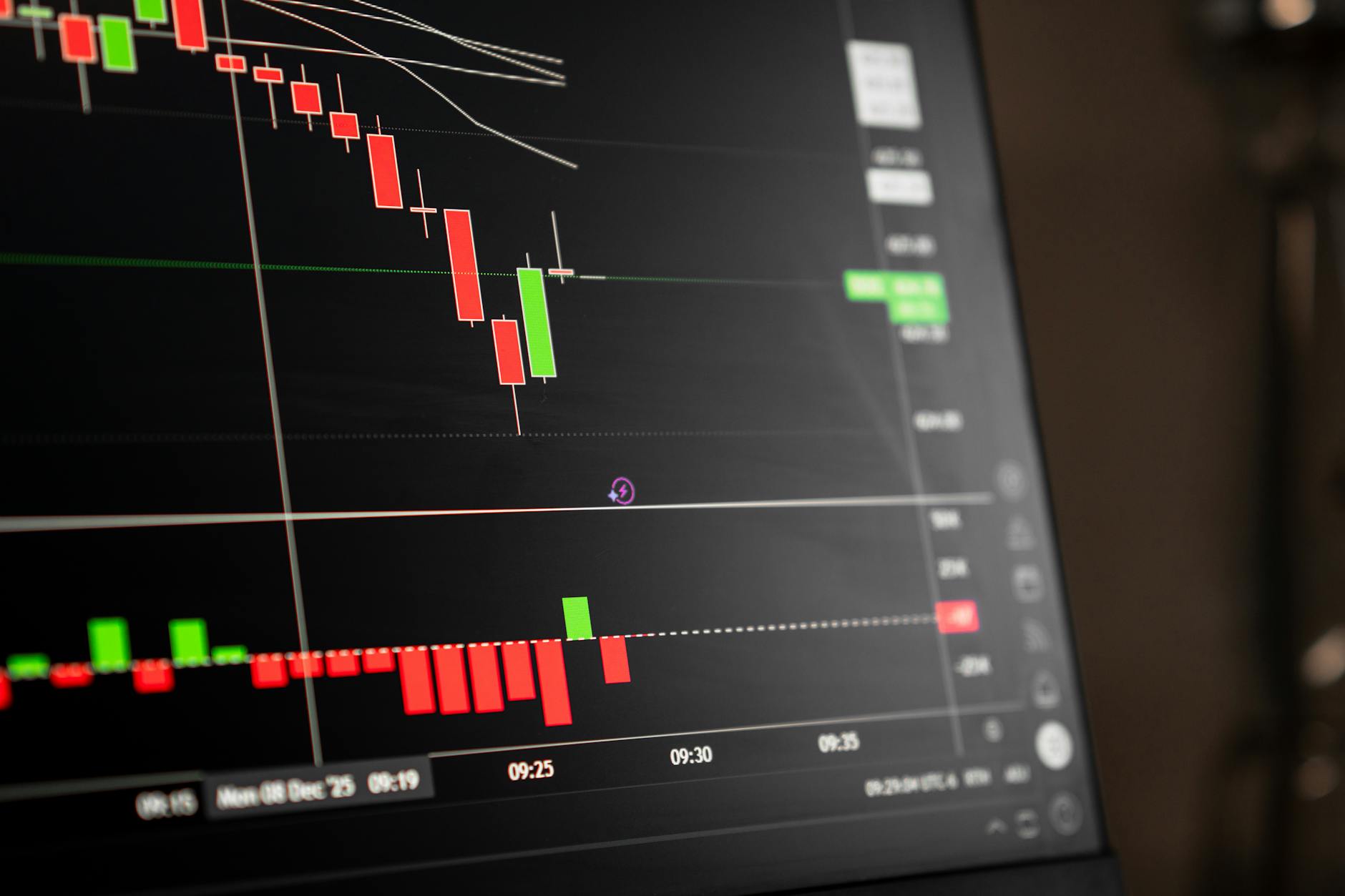
Day trading software serves as the backbone of proprietary trading operations, enabling traders to access vital market data, execute rapid trades, and manage risks effectively. These platforms are engineered to meet the demands of high-frequency trading environments, where milliseconds can determine profit or loss. Advanced software solutions facilitate streamlined workflows, integrating complex analytical tools and real-time feeds into a unified interface. They are designed to support traders in making swift, informed decisions within the highly volatile landscape of prop trading. High-performance software typically combines robustness with user-centric features, ensuring traders can modify their setup effortlessly to suit specific strategies and market conditions.
Key Features of Day Trading Software
Effective day trading software includes several essential features that are instrumental in maintaining a competitive edge:
- Real-time Data Processing: Critical for providing continuously updated market insights, these systems minimize latency, allowing traders to respond swiftly to market movements.
- Automated and Algorithmic Trading: Support for scripting and algorithm deployment enables high-frequency strategies, ensuring trades are executed based on predefined criteria without manual input.
- Customizable User Interface: Traders can tailor layouts, indicators, and tools to optimize their analytical workspace, aligning with individual strategies and preferences.
- Market Coverage: Access to a variety of asset classes broadens trading opportunities, including stocks, forex, futures, and commodities, thus increasing diversification and strategic flexibility.
- Advanced Risk Management: Built-in features such as stop-loss, take-profit, and real-time exposure analysis help limit losses and maintain disciplined trading practices.
- Security and Data Integrity: Encrypted data transmissions, secure login protocols, and compliance with data standards ensure the protection of sensitive trading information.
The integration of these core features with a stable technological infrastructure can significantly enhance a trader’s ability to capitalize on fleeting market opportunities. Thorough evaluation, including testing through demo sessions or trial periods, is essential to identify platforms that balance speed, security, and comprehensive functionality. An optimal solution seamlessly merges high-speed data processing with user-friendly controls, empowering traders to execute their strategies efficiently in dynamic trading environments.
Selection Criteria for Day Trading Software
When choosing day trading software, several key factors should guide the decision-making process:
- User Interface: An intuitive and accessible layout facilitates quick decision-making, reducing the risk of costly errors in fast-paced trading scenarios.
- Customization Options: Flexibility in setting up indicators, alerts, and workspace organization allows traders to tailor their environment for maximum efficiency.
- Compatibility with Trading Strategies: Software must support the specific analytical tools and automation techniques employed by traders, whether they focus on manual or algorithmic approaches.
- Cost and Licensing: While affordability is important, it should not come at the expense of essential features, security, or reliability. Transparent pricing models help in assessing value for investment.
Balancing these considerations ensures traders invest in platforms that align with their operational needs and strategic objectives.
Integration with Trading Platforms and Market Data
Effective day trading software must seamlessly interface with widely used trading platforms, allowing for integrated order execution and data management. Compatibility with feeds from multiple exchanges and data providers ensures comprehensive market coverage and up-to-the-second information. This integration minimizes discrepancies and delays, which are critical vulnerabilities in high-frequency trading environments. Advanced APIs enable smooth communication between the trading software and execution engines, facilitating automated strategies and real-time order adjustments.
Security and Compliance Considerations
Security protocols such as encrypted data transmission, multi-factor authentication, and secure login procedures are fundamental to protecting sensitive client data and maintaining operational integrity. Additionally, compliance with industry standards and regulatory requirements safeguards trading activities, reducing the risk of breaches and operational disruptions. Platforms that incorporate rigorous security measures and compliance frameworks provide a trusted environment conducive to consistent trading performance.
Role of Automation and Algorithmic Trading
Automation and algorithmic strategies are central to maximizing efficiency in prop trading environments. Trading software that supports sophisticated scripting and machine learning models allows traders to develop, backtest, and deploy strategies that execute automatically based on predefined parameters. This reduces emotional biases, accelerates reaction times, and enables the exploitation of micro-movements in markets. As technology advances, the integration of AI-driven decision-making tools further enhances the potential for high-frequency trades, making automation indispensable for modern prop trading operations.
Future Trends in Day Trading Software
The evolution of day trading software continues to be driven by advancements in artificial intelligence, machine learning, and cloud computing. Future developments are likely to include more intuitive interfaces, enhanced data analytics capabilities, and broader integration with various financial instruments. Cloud-based solutions will offer increased accessibility and scalability, enabling traders to operate from multiple devices and locations with consistent performance. Additionally, real-time sentiment analysis and predictive analytics are poised to become standard features, giving traders deeper insights into market dynamics and further refining their strategic decisions.
Integration with Trading Platforms and Market Data
For day traders engaged in prop trading environments, the ability to seamlessly integrate trading software with established trading platforms and access real-time market data is crucial. Effective day trading software acts as a bridge, connecting traders directly to exchanges and liquidity providers through APIs and other interface protocols. This integration ensures that traders receive live market updates, order execution capabilities, and risk management tools within a unified environment, reducing latency and streamlining decision-making processes.
Market data feeds incorporated into the trading software encompass a diverse range of information, including bid-ask spreads, depth of market (DOM), historical price charts, and news sentiments. Robust data integration allows traders to evaluate multiple assets simultaneously and execute complex strategies that depend on micro-movements within seconds. The fidelity and speed of data delivery are paramount, as even milliseconds can determine powerfully profitable trades or prevent substantial losses.
Furthermore, compatibility with popular trading platforms such as MetaTrader, NinjaTrader, or proprietary institutional platforms enables traders to leverage advanced features like customizable interfaces, analytical tools, and automated scripting languages. Through API connections, the trading software can also incorporate external analytical tools, social sentiment analytics, and third-party risk assessment modules, offering a comprehensive trading environment tailored to high-frequency and day trading demands.

Security and Compliance Considerations
Maintaining security and adhering to industry standards are foundational elements in choosing day trading software. Critical security measures include encryption protocols for data transmission, multi-factor authentication for account access, and regular security audits to identify vulnerabilities. Protecting sensitive trading data and client information minimizes the risk of breaches that could compromise assets or personal details.
Compliance features embedded within trading software help ensure adherence to regulatory frameworks and trading standards. These may include audit trails for all trading activities, real-time monitoring of trading limits, and automated reporting tools. Proper logging and record-keeping facilitate transparency during audits and investigations, supporting the verification of trades and adherence to pre-established risk parameters.
Advanced Automation and Algorithmic Trading
Automation plays an integral role in enhancing the efficiency and profitability of prop trading strategies. Sophisticated software supports algorithmic trading, which automates trade execution based on predefined criteria, technical signals, or machine learning models. This reduces human error and emotional biases that can adversely affect trading outcomes.
Developing, backtesting, and deploying algorithms allow traders to experiment with various strategies in safe environments before applying them in live markets. Higher levels of automation enable rapid response to market shifts, capitalize on fleeting arbitrage opportunities, and execute high-frequency trades that are impossible manually. As technology advances, the integration of AI-driven analytics further refines decision-making processes, offering predictive insights that can inform strategic adjustments in real time.
Future Trends in Day Trading Software
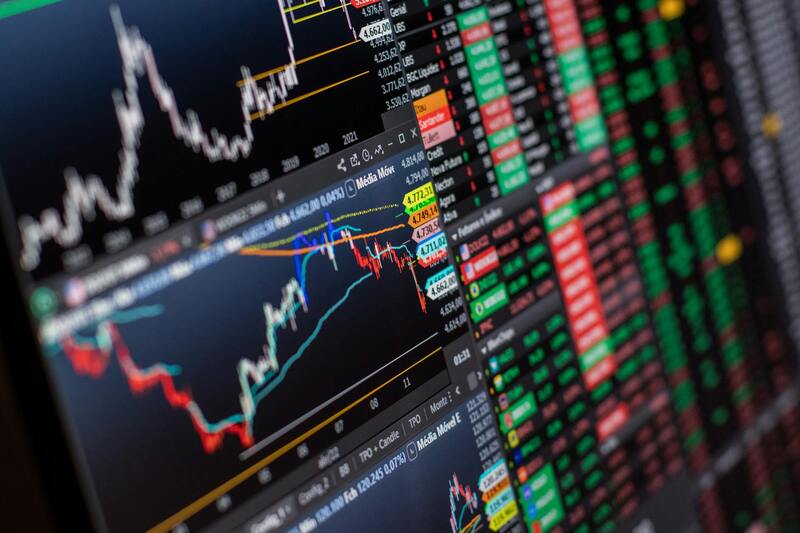
Day trading software is continually evolving, driven by cutting-edge developments in artificial intelligence, machine learning, and cloud computing. Future innovations are expected to focus on creating more intuitive user interfaces that facilitate rapid decision-making and reduce complexity for traders of all experience levels. Enhanced data analytics, driven by big data and sentiment analysis, will provide deeper insights into market trends, news impacts, and macroeconomic indicators.
Cloud computing will facilitate scalable and accessible trading environments, allowing traders to operate smoothly across multiple devices and locations without sacrificing performance. Real-time sentiment analysis tools, predictive analytics, and automated risk management features will become standard components, empowering traders with an unprecedented level of market understanding and operational efficiency. The ongoing integration of these advanced capabilities will redefine the landscape of day trading and prop trading software, making them indispensable tools for today's high-performance trading ecosystem.
Security and Compliance Considerations
In the realm of prop trading, the security of trading infrastructure and strict adherence to industry standards are paramount. Reliable day trading software incorporates advanced cybersecurity measures, including encryption protocols, multi-factor authentication, and regular vulnerability assessments to safeguard sensitive trading data and capital. Firms must also ensure their software complies with the latest regulatory requirements, which often involve audit trails, real-time monitoring, and data privacy safeguards. These measures not only protect operational integrity but also foster trust among traders and stakeholders, ensuring that trading activities are conducted within a framework of transparency and accountability.

Role of Automation and Algorithmic Trading
Automation forms the backbone of sophisticated day trading strategies. Automated trading systems utilize complex algorithms that analyze market data, identify trading opportunities, and execute orders at speeds unattainable by manual trading. These systems can incorporate predefined rules based on technical indicators, statistical models, or machine learning insights, allowing for consistent and emotion-free decision-making. Algorithmic trading enables traders to capitalize on fleeting market inefficiencies, manage multiple trades simultaneously, and optimize transaction costs through precise order placement. Over the years, these systems have matured from simple rule-based scripts to comprehensive platforms integrated with risk management tools, enabling high-frequency trading and dynamic portfolio adjustments.
Future Trends in Day Trading Software
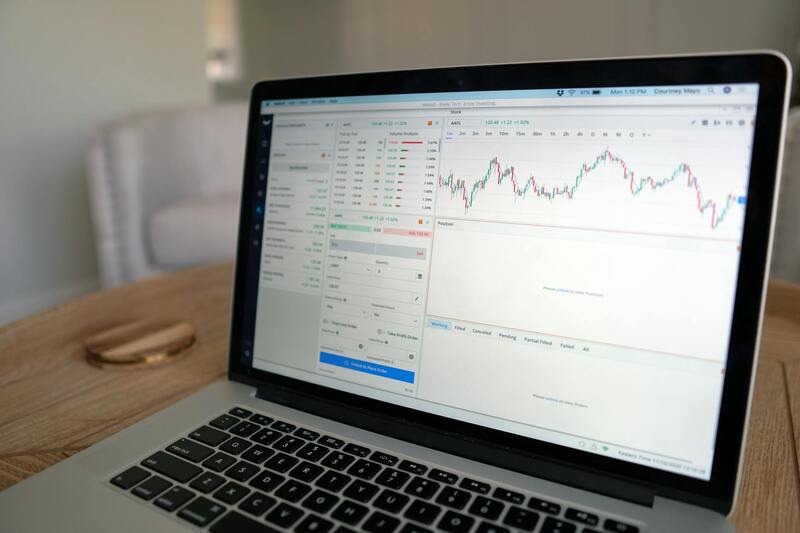
Looking ahead, day trading software is poised to embrace several transformative innovations. Artificial intelligence and machine learning will lead the way, providing traders with predictive analytics that adapt to unfolding market conditions. Sentiment analysis tools leveraging natural language processing will become more refined, gauging market mood from news sources, social media, and macroeconomic reports in real time. The integration of big data analytics will enable more accurate forecasts and risk assessments, empowering traders with comprehensive insights that inform their strategies.
Cloud-based platforms will continue to expand, offering scalable, highly responsive trading environments accessible across desktops, tablets, and smartphones. These platforms will feature more intuitive interfaces designed for quick navigation, reducing the learning curve and facilitating rapid decision-making. Automated risk control mechanisms, such as dynamic stop-loss adjustments and real-time compliance checks, will become standard, further protecting traders from sudden market volatility.
The evolution of day trading software will also see increased incorporation of virtual and augmented reality interfaces, allowing traders to visualize data streams and trading signals in immersive formats. Furthermore, cross-platform integrations will streamline workflows, enabling seamless communication between trading, research, and risk management systems. Overall, these advancements will enhance operational efficiency, reduce manual oversight, and provide a competitive edge to traders leveraging next-generation software solutions.
Overview of Day Trading Software in Prop Trading
Day trading software serves as an essential tool for prop trading firms aiming to optimize trading strategies, execute timely trades, and manage risk effectively. These sophisticated platforms provide traders with real-time market data, analytical tools, and order execution capabilities that are crucial in the fast-paced environment of intraday trading. The development and deployment of such software focus on maximizing trading efficiency, reducing latency, and enhancing decision-making processes. Prop trading firms often select proprietary or third-party solutions that are designed to handle high transaction volumes and deliver precise execution, allowing traders to capitalize on minute market movements. Additionally, these platforms often integrate with various financial exchanges, providing traders with direct access to liquidity pools and market depth views to inform their trading decisions.

Key Features of Day Trading Software
- Real-time Data Processing: Constantly updated market data feeds allow traders to react instantly to market fluctuations.
- Advanced Charting Tools: Customizable charting options enable visual analysis of price trends, volume, and technical indicators.
- Order Management Systems: Efficient placement, modification, and cancellation of trades with minimal delay.
- Risk Management Tools: Features like automatic stop-loss, take-profit orders, and real-time risk assessment dashboards.
- Customization & Automation: Ability to tailor interfaces, strategies, and automate routine trading tasks via scripting or APIs.
- Market Replay & Backtesting: Practicing strategies against historical data to refine trading approaches without risking real capital.
Importance of Speed and Reliability
In day trading, milliseconds can determine the profitability of a trade. Software platforms must ensure minimal latency in data transmission and order execution. Reliability involves robust server infrastructure, failover mechanisms, and consistent uptime to prevent disruptions that could lead to missed opportunities or losses. Prop trading firms prioritize platforms that demonstrate high throughput capabilities, enabling traders to process multiple market signals simultaneously and execute several trades within seconds. A dependable network connection and optimized software architecture mitigate the risks associated with market volatility and technical failures. The seamless execution of trades coupled with real-time updates sustains competitive advantage in the dynamic environment of intraday trading.
Selection Criteria for Day Trading Software
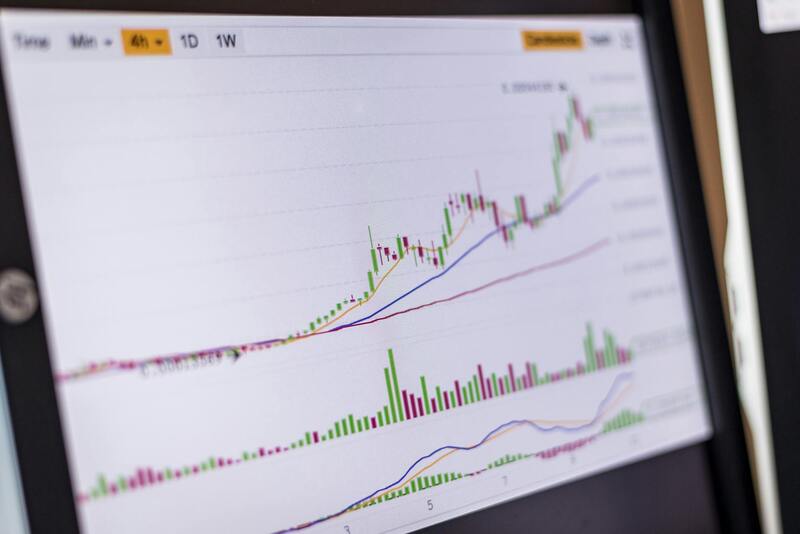
- Performance Metrics: Platforms must demonstrate low latency and high execution speed under real-market conditions.
- User Interface: Intuitive and customizable interfaces facilitate quick decision-making and reduce operational errors.
- Connectivity & Compatibility: Support for multiple trading venues, APIs, and integration with market data providers.
- Security Features: Robust encryption, secure login protocols, and access controls to safeguard sensitive trading data.
- Cost & Licensing: Competitive pricing models that align with trading volume and firm budgets.
- Technical Support & Updates: Reliable customer support coupled with regular updates to enhance functionality and security.
Integration with Trading Platforms and Market Data
Effective day trading software must seamlessly connect with trading platforms and market data sources. Integration ensures traders have consolidated access to order execution, account management, and real-time market insights. Compatibility with popular trading protocols like FIX (Financial Information Exchange) and APIs enables automated order placement and strategic testing. Market data integration provides access to depth-of-market information, news feeds, and economic indicators, which are vital to constructing timely and informed trades. Such integration reduces manual intervention, accelerates response times, and enhances the overall trading workflow, facilitating a more cohesive operational environment for prop traders.

Security and Compliance Considerations
Protecting trading data and ensuring adherence to industry standards are fundamental aspects of day trading software. Encryption protocols safeguard sensitive information during transmission and storage. Multi-factor authentication and role-based access controls restrict unauthorized usage and protect proprietary trading strategies. Logging and audit trails enable transparent monitoring of all system activities, facilitating compliance reviews and dispute resolution. Additionally, software must be designed to support regulatory requirements relevant to different trading jurisdictions, including trade reporting, record-keeping, and data retention policies. Continuous updates and security patches are crucial to defend against emerging threats, maintaining a resilient infrastructure capable of supporting high-volume trading operations without compromise.
Overview of Day Trading Software in Prop Trading
Day trading software plays a pivotal role in the success of proprietary trading firms by providing traders with sophisticated tools to execute, monitor, and analyze trades in real time. These platforms are designed to handle the rapid pace of intra-day trading, where milliseconds can determine profit or loss. They integrate various functionalities such as order execution, live market data, risk management, and charting tools, all within a seamless interface. Advanced features like multi-leg order capabilities, customizable dashboards, and real-time alerts empower traders to respond swiftly to market movements. Given the competitive nature of prop trading, selecting software that combines high performance with comprehensive control over trading strategies is essential for maintaining an edge in volatile markets.

Key Features of Day Trading Software
- Real-Time Data and Charting: Access to up-to-the-second market data coupled with advanced charting tools facilitates detailed technical analysis and timely trade decisions.
- Order Management: Efficient order placement capabilities, including stop-loss, take-profit, and conditional orders, enable precise execution aligned with trading strategies.
- Risk Management Tools: Incorporated risk assessment and position sizing calculators help traders manage exposure effectively during high-velocity trading sessions.
- Customizable Interface: Personalized layouts and workspace configurations improve workflow efficiency and trading focus.
- Trade Automation Features: Support for algorithmic trading allows traders to implement strategies that execute based on pre-set parameters, reducing reaction times and minimizing emotional bias.
Importance of Speed and Reliability
Speed is a critical factor in day trading software, where millisecond delays can significantly impact trade outcomes. Proprietary trading firms rely on low-latency connections and optimized software infrastructure to ensure their orders are executed promptly, especially during volatile market conditions. Reliability encompasses consistent uptime, minimal system errors, and effective failover mechanisms that safeguard trading operations against unexpected interruptions. High-availability systems ensure traders can capitalize on fleeting market opportunities without concern over technical disruptions. Dedicated hardware, optimized servers, and resilient network architecture form the backbone of dependable day trading environments, ensuring that traders' strategies execute flawlessly when it matters most.

Selection Criteria for Day Trading Software
When evaluating day trading software for prop trading, several key criteria should guide the decision-making process:
- Performance and Latency: Software must support ultra-fast order execution and data processing capabilities.
- Compatibility: Seamless integration with existing trading platforms and market data feeds is essential for operational coherence.
- User Interface: An intuitive, customizable interface enhances usability and reduces the learning curve for traders.
- Security Protocols: Robust security measures, including encryption, multi-factor authentication, and role-based access, protect sensitive trading data.
- Regulatory Support: Built-in compliance tools help meet reporting and record-keeping standards required by various trading jurisdictions.
- Cost and Scalability: The software should align with the firm's budget and possess scalability to accommodate growing trading volumes and strategies.
Integration with Trading Platforms and Market Data
Effective day trading software must integrate seamlessly with multiple trading platforms and data sources. Compatibility with protocols like FIX (Financial Information Exchange) and APIs allows for direct order placement and retrieval of market data. This integration supports features such as market depth analysis, news feeds, and economic indicators, which are indispensable for making informed trading decisions. Automated alert systems notify traders of significant market movements or trigger critical order executions, enhancing responsiveness. Consolidating data streams and trading channels into a unified interface reduces manual input, minimizes errors, and enhances strategic agility. Support for multiple markets and instruments ensures traders can diversify their approaches and capitalize on diverse trading opportunities across various asset classes.
Security and Compliance Considerations
Protection of trading information and adherence to operational standards are foundational in day trading software. Encryption protocols secure data transmission and storage, safeguarding sensitive information from unauthorized access. Multi-factor authentication and role-based permissions restrict system access, ensuring that only authorized personnel can execute significant trades or alter configurations. Audit logs capture every action within the system, enabling transparent review and swift investigation if irregularities arise. Additionally, software must be capable of supporting regulatory requirements such as trade reporting, trade record-keeping, and data retention policies, which vary across jurisdictions. Regular software updates and vulnerability patches are vital in maintaining system integrity and defending against emerging cyber threats, ensuring a robust operational environment for high-volume trading.
Role of Automation and Algorithmic Trading
Automation in day trading software facilitates the implementation of complex trading algorithms that can identify market opportunities, execute trades, and manage risk with minimal manual input. Algorithmic trading strategies leverage predefined rules, technical indicators, or machine learning models to adapt to market conditions swiftly. This capability reduces emotional bias, enhances execution speed, and enables the deployment of strategies across multiple instruments simultaneously. Automated order management systems can execute high-frequency trading techniques, take advantage of arbitrage opportunities, or perform statistical analyses that are infeasible for manual traders. As technology evolves, the integration of artificial intelligence and machine learning techniques into trading software promises to refine these automation processes further, offering prop traders a competitive advantage in identifying and capitalizing on fleeting trading opportunities.
