
Overview of AI Trading Software
Artificial Intelligence (AI) trading software represents a sophisticated technological advancement that automates and optimizes various aspects of financial trading. Designed to analyze vast datasets and execute trades with minimal human intervention, these systems help prop trading firms enhance their operational efficiency and market responsiveness. By leveraging advanced machine learning models and algorithmic strategies, AI trading solutions can identify market patterns, forecast price movements, and execute trades at speeds and accuracies unattainable by manual efforts.
The primary objective of AI trading software is to provide proprietary trading firms with a competitive edge through data-driven decision-making. This type of software integrates multiple streams of financial information, including real-time market data, news feeds, social sentiment analysis, and historical performance records. Through continuous learning and adaptation, AI systems refine their strategies to respond dynamically to market fluctuations, economic indicators, and geopolitical events.
Many prop trading companies utilize AI trading software to automate routine tasks, reduce emotional biases, and implement complex trading algorithms that operate 24/7 with persistent precision. This versatility not only accelerates trade execution but also allows firms to explore diverse trading opportunities across multiple asset classes such as equities, commodities, forex, and digital currencies.
Furthermore, AI trading software often includes risk management modules, enabling firms to set predefined parameters and automatic safeguards that limit potential losses. This integration ensures that the software not only seeks profit but also adheres to the firm’s risk appetite and operational guidelines.

As the landscape of financial markets continues to evolve, AI trading software remains a pivotal element for prop trading firms seeking to maintain agility and technological superiority. Its ability to analyze complex data efficiently and execute trades swiftly has made it an indispensable tool in modern trading strategies.
Overview of AI Trading Software
AI trading software has revolutionized the landscape of proprietary trading by enabling firms to automate complex decision-making processes with precision and speed. These systems are designed to harness the power of advanced algorithms combined with vast data sets, ensuring that traders and firms can identify profitable opportunities rapidly and consistently. Such software integrates various data streams, including real-time market prices, geopolitical news, economic indicators, and social sentiment, providing a comprehensive view of market conditions.
At their core, AI trading platforms utilize sophisticated machine learning models that continuously learn from new data inputs. This adaptive capability ensures their strategies evolve with changing market dynamics, allowing them to improve accuracy over time. For prop trading firms, this means the ability to respond promptly to market shifts, mitigate losses through automated risk controls, and capitalize on fleeting opportunities that manual trading might miss.

Many proprietary trading companies depend on AI systems to handle routine and time-sensitive tasks such as order execution, position management, and portfolio rebalancing. This automation not only accelerates trading throughput but also diminishes emotional biases that can impair judgment during volatile markets. Additionally, the ability of AI to continuously analyze multiple asset classes—ranging from equities and commodities to cryptocurrencies—enables firms to diversify their strategies effectively.
Robust risk management features are integral to these platforms. They incorporate predefined parameters for stop-loss, take-profit, and drawdown limits, all automatically enforced to safeguard capital. By blending these safeguards with predictive analytics, AI trading software supports sustainable trading practices while striving for profitability. The synergy of analytics, automation, and risk control empowers prop firms to operate efficiently within their risk appetite, making AI an indispensable component of their trading architecture.
Key Features of AI Trading Software
Critical functionalities of AI trading software center on decision automation, learning capabilities, and real-time data processing. These features enable firms to maintain a competitive edge in fast-moving markets.
- Algorithmic Decision-Making: AI systems generate trading signals based on complex calculations and pattern recognition, executing trades with minimal delay.
- Machine Learning Capabilities: Continuous learning processes refine trading models through feedback loops, enhancing prediction accuracy over time.
- Risk Management Tools: Automated safeguards, including dynamic stop-loss and position sizing algorithms, help limit potential losses and protect gains.
- Real-Time Data Processing: Instantaneous analysis of streaming data ensures strategies are always aligned with the latest market information.
- Multi-Asset Class Support: Ability to operate across various markets, including forex, stocks, commodities, and digital assets, enables diversification and optimized portfolio allocation.

Benefits for Prop Trading and Proprietary Firms
Implementing AI trading software confers multiple advantages to proprietary firms. Primarily, it enhances trading efficiency by enabling rapid analysis and execution, thus capturing short-lived market opportunities. The automated nature of these platforms significantly reduces the impact of human emotional bias, which often leads to inconsistent trading decisions.
Further benefits include improved risk management through predefined safety parameters, ensuring that losses are contained within acceptable thresholds even during heightened volatility. The ability to process large volumes of data to identify subtle market patterns boosts the likelihood of profitable trades. Additionally, AI-driven systems facilitate backtesting of strategies across historical data, allowing firms to validate approaches before deploying them in live environments.
Operational scalability is another critical benefit. As trading volumes increase, AI systems can handle the expanding workload without proportionate increases in staffing, ensuring cost efficiencies. This architecture enables firms to expand their trading scope across multiple markets simultaneously, often with minimal additional infrastructure investments. Moreover, automation frees up human resources to focus on strategic decision-making and system oversight, ultimately maximizing the firm's trading capacity and competitive positioning.
Overview of AI Trading Software
AI trading software has revolutionized the landscape of proprietary and prop trading firms by providing sophisticated tools that automate decision-making processes. These platforms leverage advanced machine learning algorithms and data analysis techniques to interpret vast amounts of market information swiftly. AI systems are capable of identifying patterns not easily visible to human traders, allowing for timely and precise trade execution. This technology enables firms to capitalize on fleeting market opportunities, minimize human error, and operate with a level of efficiency that was previously unattainable with traditional trading methods. As the complexity of global markets continues to escalate, reliance on AI trading software becomes increasingly commonplace, empowering firms to maintain a competitive edge in an environment characterized by rapid changes and high volatility.

Key Features of AI Trading Software
Understanding the core features of AI trading software is essential for firms aiming to leverage this technology optimally. These features include:
- Algorithmic Trading Capabilities: Enables automated trade execution based on predefined strategies, allowing for high-frequency trading and rapid response to market movements.
- Machine Learning and Predictive Analytics: Uses historical data and pattern recognition to forecast future price movements, enhancing decision accuracy.
- Real-Time Data Processing: Integrates live market feeds, news, and economic indicators to inform trading decisions instantaneously.
- Backtesting and Simulation: Allows traders to test strategies against historical data to evaluate performance before deployment.
- Risk Management Tools: Incorporates safety parameters such as stop-loss orders, position sizing, and volatility filters to manage potential losses effectively.
- Scalability and Flexibility: Designed to handle increasing trading volumes and adapt to different asset classes and markets.

Implementation and Integration Challenges
While AI trading software offers numerous advantages, integrating these systems into existing trading infrastructures can present challenges. Compatibility issues may arise with legacy trading platforms, necessitating additional middleware or customization. Data quality and security are critical, as inaccurate or compromised information hampers effective decision-making and could lead to financial losses. Moreover, the complexity of AI models often requires specialized technical expertise for setup, calibration, and ongoing maintenance. Ensuring seamless communication between AI modules and brokerage APIs is vital for reliable execution and data flow. Firms must also prepare their teams to adapt to new workflows and continuously monitor system performance to identify and rectify potential issues promptly.
Selecting the Right AI Trading Software
Choosing an appropriate AI trading platform involves evaluating several key factors. These include the robustness of the algorithms, ease of integration, and support services offered by providers. It is critical to consider the software's ability to handle diverse asset classes and adapt to different trading styles, whether high-frequency, swing, or long-term strategies. Evaluating the platform’s backtesting capabilities ensures strategies are thoroughly vetted before live deployment. User interface and customization options should align with the firm’s operational preferences, allowing traders to optimize their workflows. Additionally, transparency regarding the underlying AI models and data sources helps ensure confidence in the system’s decision-making processes. Cost considerations, licensing terms, and support infrastructure also play a role in selecting software suited to the firm's scale and objectives.
Implementation and Integration Challenges
Adopting AI trading software within proprietary trading environments necessitates addressing several technical and operational challenges. One of the primary hurdles is ensuring seamless integration with existing trading infrastructures, including brokerage APIs, data feeds, and trading platforms. Compatibility issues can arise due to differences in data formats, communication protocols, and software architecture, which require meticulous planning and expert technical support to resolve. Establishing stable and low-latency connections is vital for real-time decision-making, especially when deploying high-frequency trading strategies where milliseconds can determine profitability.
Data quality and management also influence the efficacy of AI trading systems. The accuracy, completeness, and timeliness of data Streams directly impact model performance. This demand necessitates robust data validation processes and infrastructure capable of handling large volumes of historical and streaming data. Synchronizing data feeds from multiple sources while maintaining consistency is critical to prevent discrepancies that could skew AI model outputs.
Developing and maintaining such integrations requires interdisciplinary teams comprising quantitative analysts, software developers, and IT specialists. Moreover, ongoing maintenance is essential to adapt to updates in API specifications, market conditions, and regulatory adjustments. Firms must also develop comprehensive testing protocols to validate every element of the AI system before deploying it live, minimizing risks associated with algorithmic errors or unforeseen market reactions.
Training and Human Oversight
While AI trading software automates many analytical and decision-making tasks, human oversight remains a cornerstone of effective implementation. Traders and analysts need training to interpret AI outputs and intervene appropriately when anomalies or unexpected market phenomena occur. Building a workflow that integrates AI insights with human judgment enhances decision quality and reduces the likelihood of costly mistakes.
Security and Data Privacy Concerns
Securing sensitive trading data and intellectual property is fundamental. AI systems often process proprietary algorithms, client information, and transaction details that require rigorous cybersecurity measures. Encryption, access controls, and regular security audits are necessary to safeguard the integrity of the trading environment. Furthermore, establishing strict protocols for data handling ensures compliance with enterprise standards and reduces vulnerability to external threats.
Overall, successful implementation hinges on comprehensive planning, cross-disciplinary collaboration, and continuous system improvements to adapt to evolving market conditions and technological advancements.
Implementation and Integration Challenges
Addressing Technological Complexity
Integrating AI trading software into existing trading infrastructure involves navigating substantial technological intricacies. Proprietary trading firms often operate with legacy systems that may not seamlessly interface with advanced AI solutions. Overcoming this requires detailed system analysis, meticulous planning, and collaborative efforts between IT teams and AI developers. Ensuring compatibility demands custom API integrations, upgrades to hardware, and sometimes the development of middleware that bridges compatibility gaps.
Moreover, the deployment process must consider scalability. AI algorithms often require significant computational resources, especially during periods of high market volatility. Implementing cloud-based solutions or investing in dedicated high-performance servers can mitigate latency issues and support real-time data processing necessary for effective decision-making.
Ensuring Data Quality and Integrity
The effectiveness of AI trading software heavily depends on the quality and accuracy of market data fed into the system. Prop firms must establish rigorous data management protocols that include validation, cleansing, and normalization processes. Incorrect or stale data can lead to flawed algorithm outputs, increasing the risk of undesirable trading decisions.
Continuous data monitoring and real-time feeds are essential to maintain baseline data integrity. It is also vital to have fallback mechanisms, such as redundant data sources, to counteract disruptions caused by network issues or data provider outages. Proper data governance enables the AI system to adapt appropriately to market shifts, thereby reducing errors that could impact profitability.
Strategies for Successful System Integration
- Comprehensive System Audit: Conduct an exhaustive review of existing infrastructure to identify compatibility issues and potential bottlenecks.
- Customized API Development: Design and implement specific API solutions that facilitate smooth data and command exchanges between the AI software and trading platforms.
- Iterative Testing Phases: Deploy phased testing to ensure stability and performance at each stage before full-scale implementation.
- Staff Training: Equip trading teams with the necessary skills to operate and oversee AI systems effectively, emphasizing the importance of human judgment in conjunction with automated outputs.
- Ongoing Monitoring and Maintenance: Establish protocols for continuous system performance evaluation, troubleshooting, and upgrades to adapt to evolving market dynamics.
Effective management of these challenges necessitates a strategic approach that combines technical expertise with operational agility. Firms that prioritize meticulous planning and robust testing are better positioned to leverage the full potential of AI trading software, achieving a competitive edge in the dynamic landscape of proprietary trading.
Implementation and Integration Challenges
Integrating AI trading software into existing trading infrastructure presents several technical and operational hurdles that require meticulous planning and execution. One of the primary challenges is ensuring seamless compatibility between the AI system and various trading platforms, data feeds, and order execution modules. Divergent data formats and APIs can hinder efficient communication, necessitating the development of customized integration solutions such as tailored API connectors or middleware that facilitate real-time data exchange with minimal latency.
Moreover, conducting comprehensive system audits prior to implementation helps identify potential points of failure within the current architecture. These audits reveal bottlenecks, compatibility issues, or outdated components that may obstruct AI functionality. Addressing these issues beforehand allows for phased deployment and reduces disruption during roll-out.
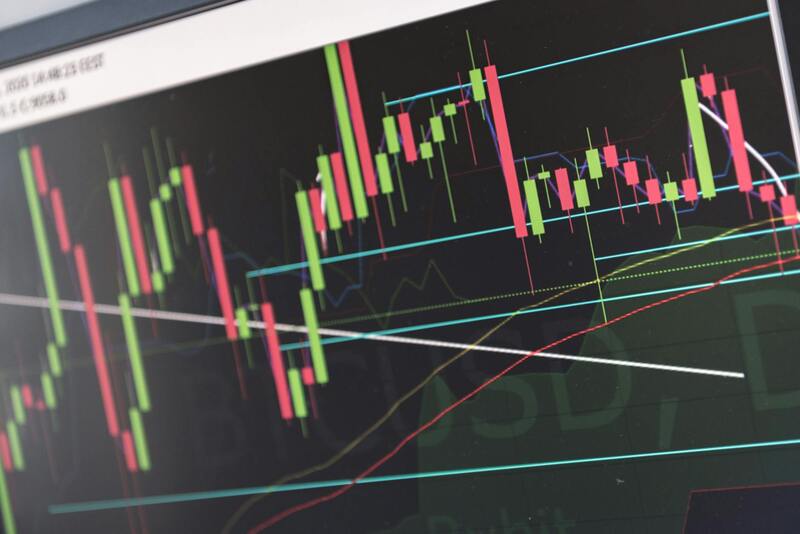
Implementing iterative testing phases is crucial to verify stability and performance at each stage of deployment. This process involves sandbox testing, simulated trading environments, and live pilot programs that help identify unforeseen glitches, optimize parameters, and confirm that the AI software adapts effectively to market conditions.
Staff training is another critical aspect of overcoming implementation challenges. Equipping trading teams with the skills to operate and oversee AI systems ensures that human judgment complements automated decision-making. Proper training programs cover system functionalities, risk management protocols, and troubleshooting procedures to minimize operational risks.
Maintaining ongoing system monitoring and maintenance protocols is vital to sustain performance and adapt to changing market dynamics. Continuous evaluation allows for timely updates, adjustments, and troubleshooting, avoiding costly downtimes or suboptimal trading outcomes.

Successfully navigating these implementation and integration challenges demands a strategic combination of technical expertise, operational agility, and a proactive approach to problem-solving. Firms that prioritize thorough planning, iterative validation, and staff competency are positioned to maximize the benefits of AI trading software and stay competitive within the fast-evolving prop trading landscape.
Overview of AI Trading Software
AI trading software refers to advanced systems that utilize artificial intelligence and machine learning techniques to analyze financial markets, identify trading opportunities, and execute trades with minimal human intervention. These platforms are designed to process vast amounts of market data, news feeds, and economic indicators in real-time, allowing for quicker and more informed decision-making. By leveraging complex algorithms and predictive models, AI trading software can adapt to changing market conditions and optimize trading strategies with a level of precision that surpasses traditional methods.
Traditionally, trading relied heavily on manual analysis and instinct, but AI solutions automate these processes, reducing emotional biases and increasing efficiency. In the context of prop trading firms, AI trading software empowers traders to operate at a higher level by providing real-time insights, automation capabilities, and risk management tools. This technology is particularly suited for high-frequency trading, scalping, and algorithmic strategies that depend on rapid execution and data-driven insights.
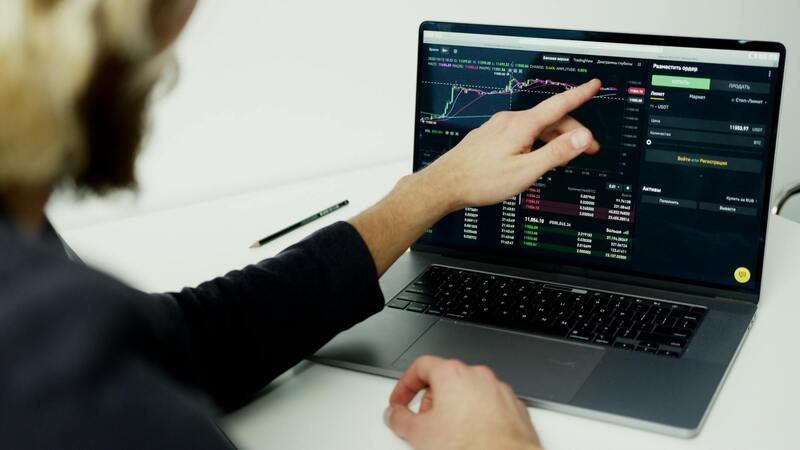
Key Features of AI Trading Software
- Advanced Data Analysis: Capability to process and analyze large datasets, including historical price data, economic reports, and social media sentiment.
- Machine Learning Models: Algorithms that learn and improve over time, enhancing trading accuracy and strategy adaptation.
- Automated Trade Execution: Fast and precise order placement, reducing latency and manual errors.
- Risk Management Tools: Features such as stop-loss, take-profit, and dynamic position sizing to mitigate potential losses.
- Backtesting and Simulation: Robust testing environments that enable strategy validation against historical data before deployment.
- Real-Time Monitoring: Continuous oversight of trading activities with alerts for anomalies or system issues.
Benefits for Prop Trading and Proprietary Firms
Prop firms stand to gain significantly from integrating AI trading software into their operations. These benefits include enhanced speed and execution accuracy, which are critical in highly competitive markets. The automation of routine tasks frees up traders to focus on strategic decision-making and market analysis. Furthermore, AI systems can identify opportunities that might be overlooked by human traders, especially in volatile or complex market environments.
Additionally, AI trading software offers improved consistency in strategy execution, minimizing deviations caused by human emotions or fatigue. Real-time risk assessment and dynamic adjustments help manage exposures effectively, thus safeguarding capital in unpredictable conditions. With scalable solutions, prop firms can expand their trading activities while maintaining high standards of operational control and compliance.

Types of AI Trading Algorithms Used
The landscape of AI trading incorporates various algorithmic approaches tailored to specific strategies and market conditions:
- Supervised Learning Algorithms: These algorithms analyze labeled datasets to predict future price movements, often used in trend following and classification tasks.
- Unsupervised Learning Algorithms: Employed for clustering market data and identifying hidden patterns, helping discover new trading signals without predefined labels.
- Reinforcement Learning: A dynamic approach where models learn optimal trading policies through trial-and-error interactions with the market environment, improving decision-making over time.
- Deep Learning Neural Networks: Used for complex pattern recognition, such as processing unstructured data sources like news articles or social media sentiment for high-frequency trading.
Implementation and Integration Challenges
Successfully deploying AI trading software within an operational environment presents several challenges that require careful planning and expertise. Compatibility with existing trading infrastructure is fundamental; integrating AI modules must not disrupt standard workflows or cause system conflicts. Firms often face issues related to data quality and volume, as the effectiveness of AI models depends heavily on the accuracy and comprehensiveness of input data.
Another significant factor is the need for ongoing system maintenance and updates. Market conditions evolve, and AI models must be retrained periodically to maintain relevance and performance. Managing these updates without causing operational disruptions requires disciplined change management processes.
Operational transparency and explainability of AI decisions also pose challenges. Traders and risk managers need to understand how the AI arrives at particular trading signals to trust and effectively oversee the system's actions. Developing interfaces and reporting tools that clarify decision pathways is crucial in this context.
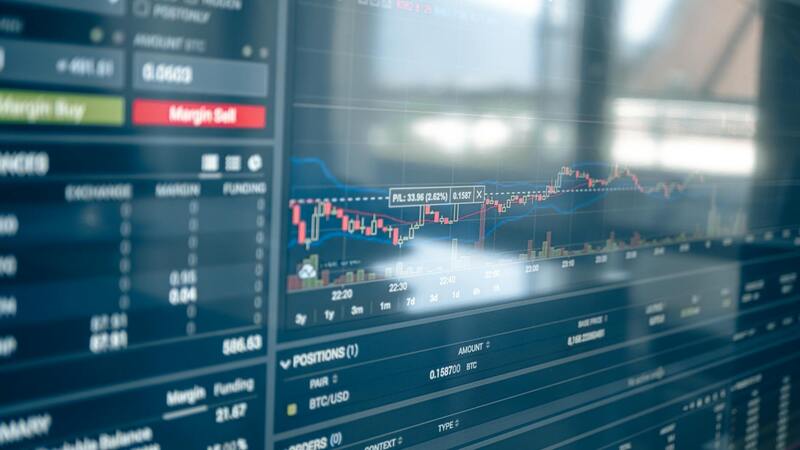
Selecting the Right AI Trading Software
Choosing appropriate AI trading solutions requires a thorough assessment of specific operational needs, data environment, and strategic goals. It is essential to evaluate the robustness of the algorithmic models, scalability, and ease of integration with existing systems. Compatibility across different asset classes and market conditions is also critical.
Stakeholder involvement, including quantitative analysts, IT specialists, and senior traders, ensures the selected software aligns with practical expectations and technical capabilities. Consideration should be given to vendor support, ongoing development updates, and the availability of customization options to tailor the platform to unique trading approaches.
Ultimately, a methodical approach to evaluation—incorporating testing phases, pilot deployments, and feedback loops—helps identify the most suitable AI trading platform for prop trading firms aiming to leverage cutting-edge technology while maintaining operational integrity.
Additional Considerations for Effective AI Trading Software Deployment
Implementing AI trading software within proprietary trading environments demands meticulous planning beyond selection and initial setup. A key factor often overlooked is the continuous model validation and performance monitoring, necessary to maintain the efficacy of AI-driven strategies over time.
Effective AI trading systems require regular recalibration to adapt to shifting market dynamics and emerging data patterns. This process involves back-testing updated algorithms against historical data, assessing real-time performance metrics, and adjusting parameters as necessary to optimize outcomes. Establishing automated alerts for deviations in expected performance can further enhance system resilience.
Another vital element is data management. Ensuring high-quality, clean, and organized data feeds is foundational to AI model accuracy. Proprietary firms should develop comprehensive data governance policies that encompass data acquisition, storage, processing, and security protocols. Reliable data pipelines enable seamless input into AI models and improve the reliability of trading signals generated.

System integration involves aligning AI modules with existing trading platforms, order management systems, and risk controls. Compatibility issues can arise, so technical teams must design interfaces that facilitate smooth communication and real-time data exchange. Establishing standardized protocols and APIs allows for modular enhancements and future scalability.
Security remains a paramount concern in deploying AI trading solutions. Protecting sensitive trading data and algorithms from unauthorized access is crucial. Encryption, multi-factor authentication, and secure network architecture mitigate vulnerabilities, ensuring the integrity of the trading environment.
Operational workflow adjustments are often necessary, as AI-driven processes may alter the traditional decision-making hierarchy. Training staff to interpret AI outputs and incorporate them effectively into trading strategies fosters better collaboration between human traders and automation systems. Well-defined procedures for oversight, exception handling, and manual intervention contribute to maintaining control.
Evaluating Performance and Ensuring Continuous Improvement
Prop trading firms should implement comprehensive performance review frameworks. These include detailed reporting on trading outcomes, risk-adjusted returns, and system reliability. Regular audits by internal teams or third-party specialists can uncover potential issues, ensuring that models remain aligned with strategic objectives.
Fostering a culture of innovation involves ongoing experimentation with new algorithms and data sources. Firms that prioritize research and development in AI trading stay ahead of competitive margins. Incorporating feedback from live trading experiences helps refine models and adapt strategies in an ever-evolving market landscape.
Summary
While AI trading software offers transformative potential, its success hinges on diligent deployment practices, continuous monitoring, and strategic integration. Proprietary trading firms that invest in robust infrastructure, rigorous validation processes, and staff training position themselves to leverage AI effectively, balancing automation with human oversight for optimal trading outcomes.
