
Definition and Role of Forex Prop Firms
Forex proprietary trading firms, commonly known as forex prop firms, are specialized organizations that provide traders with trading capital to execute trades within the foreign exchange market. Unlike traditional trading institutions such as banks or hedge funds, forex prop firms allocate their own funds to talented traders, allowing these individuals to trade sizeable volumes with the firm's resources at their disposal. Their primary purpose is to leverage the skills of experienced traders to generate profits, which are then shared between the firm and the trader based on predetermined agreements.
These firms serve as a bridge between individual traders seeking capital and larger financial markets. They act as facilitators, offering traders access to significant trading funds that might otherwise be inaccessible due to capital constraints. By doing so, they foster an environment where skilled forex traders can amplify their trading activities without risking their personal capital on every trade.

Forex prop firms differ from other trading entities such as retail brokerages or private investors by their business model. While retail brokers provide platforms for individual trading with personal funds, forex prop firms focus on creating partnerships with traders, investing their capital, and sharing in the profits. This model enables traders to access larger trading positions, sophisticated trading tools, and various support systems that are not typically available to retail traders.
Business Model of Forex Prop Firms
The core business of forex prop firms revolves around funding skilled traders and managing the risk associated with these investments. These firms earn revenue primarily through a share of profits generated by their traders, while traders receive a significant portion of the profits in exchange for their trading expertise and strategies. This arrangement incentivizes traders to perform at their best since their earnings are directly tied to their trading performance.
Prop firms often implement structured programs that include evaluation phases, training, and ongoing risk management protocols. These elements collectively form their comprehensive business model that aims to optimize profitability while maintaining controlled exposure to market risks.
Creating a Trader Profile and Evaluation Process
To become associated with a forex prop firm, traders are typically required to pass a detailed evaluation process. This process involves demonstrating consistent profitability, risk discipline, and adherence to trading rules over a designated assessment period. Evaluation criteria often include specific thresholds for profit targets, maximum loss limits, and trading frequency.
The evaluation phases test a trader's ability to manage risk effectively and execute trades aligned with the firm's strategies. Successful traders who meet these benchmarks are then offered funded accounts, opening opportunities to trade the firm's capital with greater leverage and support.
Funding and Capital Allocation
Upon successful completion of the evaluation, traders receive access to the firm’s resources for live trading. Funded accounts can vary in size, depending on the trader’s performance during the assessment and the firm’s internal policies. These firms allocate significant trading capital, allowing traders to diversify their approaches and capitalize on market opportunities beyond their personal resources.
Capital allocation is managed carefully, often with predefined risk limits and trading parameters designed to safeguard the firm's assets while providing enough flexibility for traders to optimize their strategies.
Business Model of Forex Prop Firms
Forex proprietary trading firms operate through a distinctive business structure centered on capital deployment and trader performance. They serve as intermediaries that allocate large pools of trading capital to skilled individuals who have demonstrably proven their trading abilities. These firms generate revenue primarily through profit-sharing arrangements, where a portion of the earnings generated by traders’ successful trades is retained by the firm. This collaborative model incentivizes traders to perform at their best, as their income directly correlates with their trading success.
Key components of their operational framework include robust infrastructure, risk management strategies, and systematic trading protocols. Forex prop firms typically provide their traders with advanced trading platforms, real-time analytics, and comprehensive risk management tools to ensure efficient execution of trading strategies. The infrastructure also encompasses risk mitigation mechanisms such as maximum loss thresholds, trading restrictions, and portfolio diversification requirements to protect both the firm’s assets and the traders’ capital.

Funding Traders and Profit-Sharing
Prop firms fund traders by assigning them capital that exceeds their personal resource base. These funds are managed within strict risk parameters, with traders executing trades based on selected strategies. Profits derived from successful trades are split according to predetermined terms, which often favor the trader to motivate high performance. This profit-sharing model creates a mutually beneficial environment where both the firm and trader thrive in a performance-driven setting.
Infrastructure and Support Systems
Supporting traders effectively requires an integrated technological backbone. This includes high-speed trading servers, secure data encryption, and sophisticated analytical tools that enable quick decision-making and execution. The infrastructure ensures seamless trade execution, real-time risk monitoring, and performance tracking, which are essential for maintaining competitive edge and operational stability.

Revenue Streams and Cost Structures
- Profit sharing: A proportion of profits earned by traders is retained by the firm, creating a scalable revenue model.
- Trading fees: Some firms charge traders platform fees or evaluation fees for assessment programs.
- Interest and funding charges: In certain cases, firms earn through interest on large leverage used during trading operations.
Cost components involve technological investments, risk management personnel, and marketing efforts to attract skilled traders. Overall, the profit-sharing arrangement aligns the interests of both the firm and traders, with the potential for significant financial returns when performance is optimized.
Definition and Role of Forex Prop Firms
Forex proprietary trading firms, commonly known as prop firms, are specialized entities that provide skilled traders with the capital to execute large-volume trades in the foreign exchange market. Unlike traditional investment firms or individual traders utilizing personal funds, prop firms allocate significant financial resources, allowing traders to access increased leverage and market exposure. These companies serve as crucial intermediaries in the forex ecosystem, facilitating trade execution at scale while fostering an environment where talented traders can operate without the constraints of personal capital limitations.
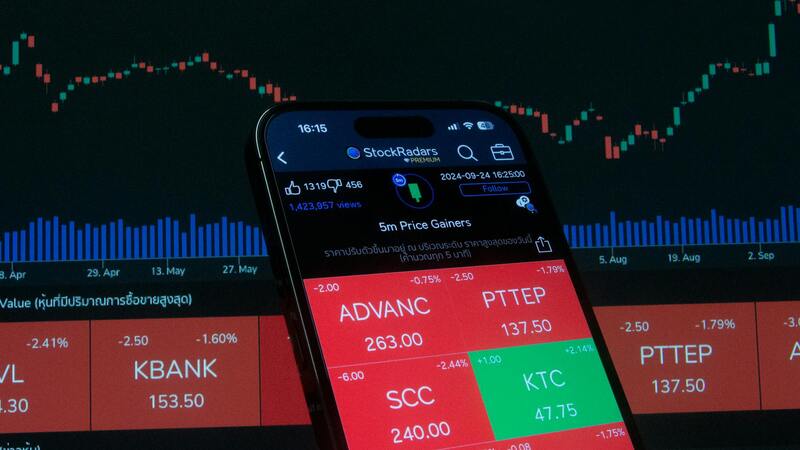
By acting as capital providers, forex prop firms play a pivotal role in market liquidity and efficiency. They enable experienced traders to implement complex trading strategies, often involving high-frequency or high-volume trades, that would be infeasible with personal funds alone. This symbiotic relationship also incentivizes skill development and disciplined trading, as traders are typically evaluated and supported based on their ability to manage risk and generate consistent profits within predefined parameters.
Business Model of Forex Prop Firms
The operational framework of forex prop firms hinges on a performance-driven system that aligns the interests of both the firm and its traders. These companies often operate under the principle of profit sharing, where traders are granted trading accounts backed by the firm's capital. Profits generated from successful trades are split according to negotiated terms, which are designed to motivate high performance and risk-aware trading behavior.
Philosophically, the business model emphasizes the significance of talented traders over the firm's own capital. This model reduces the firm's exposure to market risks, as traders are incentivized to profit while adhering to risk management protocols. The firm's revenue primarily derives from the share of profits, trading fees, and sometimes from assessment or evaluation programs that seed new traders into their system.
Infrastructure and Support Systems
Supporting traders effectively requires a robust technological backbone. This includes high-speed trading servers that minimize latency, secure data encryption protocols to protect sensitive information, and advanced analytical tools that aid in decision-making. These technological assets enable traders to execute precise and timely trades, while also facilitating real-time risk monitoring. The operational stability and scalability of the infrastructure are vital to ensuring consistent performance and managing trader accounts efficiently.

Moreover, comprehensive reporting and monitoring systems allow firms to track trader performance, enforce risk restrictions, and optimize trading strategies. This integrated approach ensures that the firm maintains a competitive edge in both technological innovation and operational risk management, thereby creating a sustainable trading environment.
Revenue Streams and Cost Structures
- Profit sharing: The principal revenue source is the profit share from successful trades, which scales with trader performance.
- Trading fees: Firms may charge evaluation or account setup fees as part of their onboarding process.
- Interest and funding charges: Some firms generate income through interest on leveraged trading positions, especially in cases involving high leverage ratios.
On the expense side, costs include technological infrastructure investment, personnel dedicated to risk management, compliance, and marketing. These expenditures are integral to maintaining operational efficiency and attracting top trading talent. The profit-sharing structure incentivizes traders to perform consistently, aligning their success with the firm's financial health.
Creating a Trader Profile and Evaluation Process
For traders interested in joining a forex prop firm, the initial evaluation process is a critical step that determines their potential to access firm capital and trade under its parameters. This process typically involves a comprehensive assessment of a trader's skills, experience, and risk management strategies through controlled evaluation stages that mirror real trading conditions.
Most firms require traders to undergo a verification phase, which may include trading a demo account before progressing to a live account. During this phase, traders are evaluated based on specific performance metrics such as consistency, risk control, and profitability within predefined limits. For instance, a firm might set maximum drawdown thresholds, daily loss limits, and target profit goals, ensuring traders can operate within prudent risk parameters.
The evaluation process often features multiple tiers or phases, with traders needing to demonstrate steady performance over a specified period. This approach ensures that traders possess sufficient discipline, resilience, and strategic thinking necessary for sustainable trading. Successful traders typically move forward with funded accounts that grant them access to the firm's capital, thereby amplifying their trading impact without risking their personal funds.

Throughout the evaluation, firms utilize robust tracking systems to monitor trading activity, providing real-time feedback and performance analytics. These tools help both the firm and traders identify strengths, weaknesses, and areas for improvement, fostering a disciplined and professional trading environment.
Another essential element of the evaluation is adherence to the firm’s trading rules and risk management protocols. Traders are expected to follow strict guidelines regarding position sizing, leverage usage, and trading hours, which are designed to maintain overall portfolio stability. The firm’s evaluation process prioritizes risk-adjusted returns, emphasizing quality over quantity in trading activities.
Importance of Consistency and Discipline
Fundamentally, successful evaluation outcomes depend on a trader’s ability to sustain consistent performance over time. Traders must demonstrate that they can manage emotions, avoid impulsive trades, and adhere to predetermined strategies. The discipline instilled during this phase often forms the foundation for a trader’s long-term success within the prop trading ecosystem.

In essence, the creation of a detailed and accurate trader profile allows the prop firm to assess the trader’s potential effectively. This profile encompasses trading history, risk management practices, and performance metrics, leading to a tailored evaluation process that aligns with both trader capabilities and firm expectations. Ultimately, this rigorous assessment ensures that only disciplined and skilled traders gain access to the firm’s funded trading environment, fostering mutual growth and sustainable profitability.
Funding and Capital Allocation
Forex prop firms allocate significant trading capital to their selected traders, providing access to larger sums than individual traders could typically secure on their own. This capital allocation forms the backbone of a prop trading environment, enabling traders to leverage the firm’s resources to maximize profit opportunities. The funds provided are typically divided into different tiers, depending on the trader’s experience, performance, and adherence to the firm’s evaluation standards.
Once a trader demonstrates proficiency during the evaluation process, they are granted a funded account, which allows them to operate with the firm’s capital. The allocation of funds is often structured to incentivize disciplined trading, where traders can keep a percentage of the profits they generate while adhering to predefined drawdown limits and risk management rules. This risk-sharing approach ensures that both the trader and the firm are motivated to sustain consistency and profitability over time.
In addition to initial funding, prop firms may increase a trader’s capital allocation as they demonstrate ongoing success. This scaling process is often tied to performance metrics such as profitability, adherence to risk parameters, and consistency in trading results. Such progressive funding reflects the firm’s confidence in a trader’s abilities and encourages continuous development of trading skills and strategic discipline. The dynamic allocation of funds serves as both motivation and a safeguard, designed to maintain a balanced risk exposure while fostering long-term growth potential.

Effective capital management within prop firms emphasizes risk control, ensuring that traders do not overextend themselves. By setting clear limits on daily, weekly, and overall drawdowns, firms protect their investments and safeguard the stability of their trading operations. These controls are integrated into the firm’s trading infrastructure, with automated alerts and restrictions to prevent breaches and to maintain disciplined trading practices.
Such structured funding models also facilitate the development of strategic trading plans, tailored to leverage the capital efficiently while managing potential losses. Traders are encouraged to formulate risk-aware strategies that optimize profit opportunities while respecting the firm’s risk thresholds. Proper capital deployment and rigorous oversight contribute to a professional trading environment where performance is driven by skill, strategy, and prudent risk management.
Developing a Trading Strategy within a Prop Firm Framework
When engaging with a forex prop firm, traders are expected to develop and adhere to a comprehensive trading strategy that aligns with the firm's objectives and risk management policies. This strategic framework involves a detailed analysis of market conditions, selection of appropriate trading instruments, and precise entry and exit points informed by technical and fundamental analysis.
An effective trading plan must incorporate clear risk parameters, including maximum allowable drawdowns, position sizing guidelines, and stop-loss placements. These measures are designed not only to protect the firm's capital but also to instruct traders on disciplined trading practices. Adapting to market volatility while maintaining consistency is crucial for long-term success in a prop trading environment.
Prop firms often encourage traders to focus on developing methodologies that can be systematically tested and refined. This might include backtesting strategies, employing trading journals, and continuously monitoring performance metrics. Such practices foster strategic clarity, accountability, and the ability to adjust approaches based on real-time data and evolving market dynamics.

Trade Execution, Monitoring, and Reporting Protocols
Within the operational framework of a forex prop firm, traders must execute trades in accordance with approved strategies and risk limits. The use of reliable trading platforms and automated execution tools facilitates timely and precise order placement, which is critical during highly volatile market sessions.
Monitoring active trades involves ongoing assessment of open positions to ensure compliance with predefined risk parameters. Automated alerts and real-time dashboards enable traders and risk managers to oversee trading activity effectively, allowing prompt adjustments or closures if market conditions deviate beyond acceptable thresholds.
Transparency in reporting is a key element of professional prop trading. Traders typically are required to maintain detailed trading logs that document entry and exit points, rationale behind trade decisions, and adherence to risk protocols. These records serve as valuable feedback mechanisms, allowing both traders and firm analysts to evaluate performance comprehensively and make data-driven improvements.

Performance Evaluation and Feedback Loops
Regular performance evaluations are integral to a trader’s development within a forex prop firm. These assessments consider various factors, such as profitability, consistency, adherence to risk management practices, and strategic discipline. Comprehensive review sessions help traders identify strengths and areas for improvement, fostering continuous skill development.
Feedback loops involve the analysis of trading performance data to refine strategies and adjust risk parameters. Transparent communication channels between traders and firm analysts encourage a culture of learning and accountability. Additionally, periodic testing of new trading approaches and simulations can prepare traders for different market scenarios, ensuring adaptability and resilience.
Ultimately, these structured evaluation and feedback mechanisms promote professional growth, enabling traders to escalate their trading capacity and contribute significantly to the firm’s overall performance.
Funding Options and Capital Allocation
Forex prop firms typically provide traders access to substantial trading capital, allowing them to navigate forex markets more effectively than individual retail traders. These firms allocate their funds in various ways, depending on their structure and risk mitigation strategies. Some may offer pooled accounts where cumulative trader activities contribute to a shared capital base, while others provide individual accounts tailored to each trader's profile. This allocation is usually backed by rigorous evaluations of trader skill levels, risk appetite, and trading experience.
Capital is often released in phases, contingent upon the trader’s adherence to performance benchmarks and risk parameters. Once traders demonstrate consistent profitability and effective risk management, they may be granted larger trading limits, enabling access to more significant market positions. Such scaling facilitates more comprehensive trading strategies and diversification, which are essential for maximizing profit potential while maintaining manageable risk exposure.

Effective funding strategies also incorporate contingency plans for potential market downturns or unexpected losses. Some firms implement predetermined drawdown limits that trigger automatic account restrictions, helping safeguard the firm’s capital reserves. Additionally, risk management tools like leverage control and position sizing are meticulously enforced to prevent excessive exposure. These measures collectively forge a framework whereby trader success is aligned with the firm’s financial stability, fostering sustainable growth and prudent capital deployment.
Risk Management and Trading Restrictions
Robust risk management protocols form the core of any reputable forex prop firm. Such frameworks are designed to minimize adverse impacts on the firm’s financial health while enabling traders to pursue profitable opportunities. Typical risk control measures include setting maximum daily or per-trade loss limits. These restrictions are implemented automatically through trading platforms, preventing traders from exceeding predefined thresholds that could jeopardize capital reserves.
Another common aspect involves imposing trading restrictions based on market conditions or specific currency pairs. During highly volatile periods, certain trades might be restricted or require additional approval, ensuring risk exposure remains within acceptable limits. Firms also enforce specific rules for leverage usage, often restricting high-leverage trades to mitigate potential catastrophic losses.
Trade execution strategies within prop firms are aligned with their risk policies. Traders are often required to adhere to disciplined trading practices, including maintaining proper stop-loss and take-profit levels, to contain potential downside risk. Monitoring and enforcement are carried out through sophisticated dashboard interfaces, allowing compliance teams to oversee trading activities and quickly intervene when necessary. This proactive oversight helps maintain a balanced approach between aggressive trading and risk minimization.

Ultimately, these risk control measures are designed not only to protect the firm’s assets but also to foster disciplined trading habits among traders. Consistent adherence to these protocols contributes to a professional trading environment, where risk is managed transparently and proactively, promoting sustained profitability and operational stability.
Understanding the Role of Forex Prop Firms in the Trading Ecosystem
Forex proprietary trading firms serve as specialized entities that support skilled traders by providing access to substantial trading capital. These firms act as facilitators, enabling talented traders to execute sizable trades without risking their personal funds. Their core function is to harness experienced trading talent while managing exposure and operational risks through a structured framework of rules and strategic oversight.
At their foundation, forex prop firms aim to identify promising traders, evaluate their skill levels, and offer them an environment where they can maximize their trading potential with firm-backed resources. By doing so, they not only foster competitive trading talent but also position themselves as pivotal players within the global currency markets. Their involvement extends beyond mere capital provision to include mentorship, trading infrastructure, and operational support, which collectively contribute to a competitive and disciplined trading atmosphere.
Operational Dynamics and Capital Deployment Strategies
Fund allocation in forex prop firms is carefully orchestrated to balance risk and opportunity. Typically, a trader’s initial evaluation involves a structured assessment phase, which aims to determine their trading capabilities, discipline, and consistency. Once verified, traders gain access to a funded account with a predetermined trading capital, which can scale based on their performance. The firm then allocates a portion of its capital for trading activities, often through tiered funding models that incentivize profitable trading while maintaining risk controls.
The capital utilized by these firms is often divided into several pools, allowing flexibility in managing different trading styles or currency pairs. This strategic diversification helps mitigate concentrated risk and ensures availability of funds across various market conditions. The allocation process involves continuous monitoring and adjustment, based on real-time performance metrics and compliance adherence, ensuring the firm's capital remains protected while supporting active trading strategies.
Implementing Robust Risk Controls and Trading Restrictions
Risk management is a cornerstone in the operational structure of forex prop firms. They establish stringent limits on trading parameters, including daily loss thresholds, maximum position sizes, and leverage usage. These controls safeguard both the firm's assets and the trader’s reputation, encouraging disciplined trading behavior.
- Pre-set stop-loss and take-profit levels are mandatory for all trades, ensuring downside protection and profit realization.
- Trading restrictions are often put in place during high volatility periods, reducing exposure to unpredictable market fluctuations.
- Leverage is typically capped at lower levels to prevent catastrophic losses, especially in highly volatile currency pairs.
- Trade execution is monitored through sophisticated platforms, enabling real-time oversight and swift intervention if necessary.
Such policies foster a controlled trading environment where profitability is balanced with prudent risk management. Continuous oversight ensures that traders adhere to the established rules, maintaining a consistent approach suitable for long-term stability.
Advantages and Potential Challenges of Engaging with Forex Prop Firms
Partnering with a forex prop firm offers numerous benefits, such as access to significant trading capital, professional infrastructure, and analytical tools that enhance trading efficiency. Traders benefit from a platform where they can scale their trading activities and leverage expertise from risk management teams. Moreover, successful traders can often retain a large share of their profits due to the profit-sharing arrangements most firms implement.
However, engaging with such firms introduces specific challenges. Traders must adhere to strict rules and trading styles mandated by the firm, which may limit certain strategies or market choices. The evaluation processes can be rigorous, and failure to meet performance benchmarks may result in the termination of funding. Additionally, some firms impose penalties for rule violations, make adjustments based on market conditions, or restrict trading during volatile periods, requiring traders to remain adaptable and disciplined.
Selecting a Suitable Forex Prop Firm for Long-Term Success
Choosing the right partner involves assessing various criteria, including transparency in their evaluation process, capital provision levels, risk control mechanisms, and the firm’s reputation within the trading community. It is essential to understand their rules for profit sharing and the mechanisms for scaling trading accounts, as these factors significantly influence potential earnings and trading flexibility.
Interviewing the firm’s support team and reviewing feedback from existing traders can provide insights into their operational stability and support infrastructure. Ensuring that the firm’s compliance standards align with your trading philosophy helps establish a productive, mutually beneficial relationship that fosters growth and sustained profitability in the competitive forex landscape.
