
Understanding Proprietary Trading Firms in Forex
Proprietary trading firms, often referred to as prop trading firms, play a distinct role within the broader forex trading ecosystem. These firms utilize their own capital to take trading positions, allowing individual traders to leverage significant financial backing without risking personal funds. This model provides traders with access to substantial resources, advanced technology, and professional training, all aimed at maximizing their trading potential.
Unlike retail forex brokers, which act as intermediaries between traders and the forex market, prop firms enable traders to operate directly with the firm's capital under structured trading programs. This setup creates a unique environment where the focus shifts from client services to trading performance and capital growth.
The core function of forex prop trading firms involves selecting skilled traders, providing them with funding, and setting specific trading parameters. These parameters often include risk management rules, trading styles, and profit targets. The firms benefit from a successful trader’s performance by sharing a portion of the profits, creating a symbiotic relationship that incentivizes disciplined and strategic trading behavior.

One of the defining features of these firms is their emphasis on systematic training and evaluation. Many offer rigorous testing phases where traders demonstrate their skills and adherence to risk parameters before being granted funding. This structured assessment ensures that only capable and disciplined traders manage significant capital, which is vital for maintaining the firm's overall growth and stability.
In addition to offering funding, best forex trading prop firms often provide traders with cutting-edge trading platforms, real-time data feeds, and advanced analytical tools. These resources equip traders with the necessary environment to execute high-quality trades and develop consistent trading strategies.
Since the primary goal of forex prop firms is to generate profits through skilled trading, they typically implement strict trading rules to prevent excessive losses and ensure sustainable growth. Traders operating within these firms benefit from a collaborative and highly professional setting, making proprietary trading a highly competitive and sought-after avenue in the forex industry.
Understanding Proprietary Trading Firms in Forex
Proprietary trading firms, often called prop firms, play a pivotal role in the forex trading landscape by providing traders with access to substantial capital, advanced trading tools, and professional support structures. These firms operate by funding traders who demonstrate the ability to adhere to strict trading protocols, managing risk effectively while seeking consistent profitability. The core operational model revolves around traders executing forex trades within predefined guidelines, with profits shared between the trader and the firm, creating a mutually beneficial framework.
At the heart of these firms is a thorough evaluation process designed to identify skilled traders capable of managing significant trading capital responsibly. Candidates typically undergo a series of testing stages—commonly simulated trading assessments or challenge programs—that evaluate their trading skills, discipline, and risk management capabilities. Passing these evaluations grants traders access to the firm's trading capital, enabling them to scale their strategies without risking personal funds.

Beyond capital access, top forex prop firms equip their traders with state-of-the-art technology and resources. This includes professional trading platforms optimized for speed and reliability, real-time data feeds for accurate market analysis, and sophisticated analytical tools that support high-quality decision-making. The investment in cutting-edge infrastructure allows traders to develop and execute refined trading strategies, essential for competing effectively in the dynamic forex markets.
Operational rules within these firms focus sharply on risk management. Traders are bound by rules that limit leverage, daily loss thresholds, and overall drawdown limits, all aimed at minimizing losses and promoting sustainable growth. Such regulations foster a disciplined trading environment where consistent performance is prioritized over reckless risk-taking. This approach not only safeguards the trader’s capital but also preserves the firm's stability amid market volatility.
Participation in a reputable prop firm often offers opportunities for ongoing professional development. Many firms provide comprehensive training programs, mentorship, and analytic resources that help traders refine their skills continuously. The collaborative environment encourages knowledge sharing, which elevates the overall quality of trading strategies and fosters a professional community committed to excellence.
Additionally, transparency and adherence to established procedures are fundamental attributes of leading proprietary trading firms. Clear communication regarding payout structures, fee arrangements, and criteria for evaluation ensures traders understand their obligations and rewards. This openness reinforces trust and aligns the interests of traders and firms, enabling long-term profitability and growth.
Overall, the best forex trading prop firms operate through a combination of rigorous evaluation processes, advanced technological support, disciplined risk management, and professional development opportunities. They serve as a launchpad for talented traders aiming to scale their strategies within a controlled and resource-rich environment, ultimately contributing to a thriving and resilient forex trading ecosystem.
Funding and Capital Allocation Strategies
Proprietary trading firms employ diverse funding models to support their traders' activities, directly impacting the trading environment's flexibility and potential profitability. A critical factor in assessing a firm's suitability is understanding how it allocates capital and offers leverage. Typically, top-tier firms provide traders with an initial trading account size that ranges from modest to substantial, often starting around $50,000 and scaling upwards based on performance and experience.
Leverage options are pivotal in optimizing trading strategies, allowing traders to amplify their positions within predefined risk parameters. Reputable firms utilize leverage ratios that balance growth opportunities with prudent risk management, often ranging from 10:1 to 20:1, depending on the asset class and market conditions. This scaling capability, integrated with strict risk controls, enables traders to maximize their trading potential without overexposing themselves to unnecessary risks.
In addition to initial funding, many firms adopt progressive scaling strategies, where consistent performance over time leads to increased capital allocation. Such programs incentivize traders to refine their methods, demonstrating discipline and skill while gradually gaining access to larger accounts. This structured growth model fosters a performance-based environment that rewards reliability and strategic development, ensuring sustained trading opportunities.
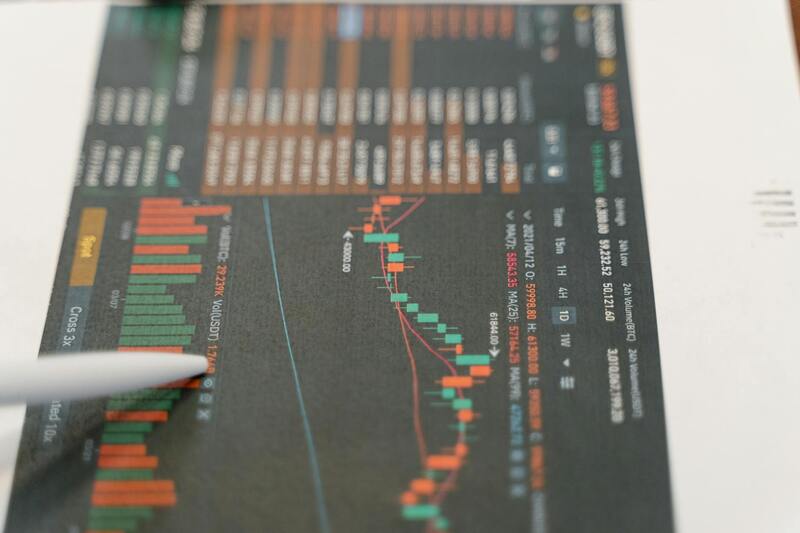
Some firms also utilize pooled capital systems, where multiple traders share a collective pool, facilitating diversified risk exposure and resource optimization. This model enables firms to deploy risk capital effectively while empowering talented traders to operate within a stable, well-funded environment. Clear policies about capital deployment, drawdowns, and scaling thresholds are fundamental to maintaining operational stability and aligned trader-firm interests.
Trading Conditions and Rules
Establishing a transparent set of trading conditions and operational rules is crucial for maintaining an equitable trading environment. Leading prop firms define their trading parameters meticulously, specifying permissible trading hours, allowable instruments, and risk management procedures such as maximum drawdowns and position limits. These rules serve as guardrails, ensuring traders operate within a disciplined framework that safeguards both individual accounts and the firm's broader stability.
Most reputable firms enforce strict risk management protocols, including mandatory stop-loss orders and real-time monitoring systems. These measures are designed to prevent reckless trading and mitigate exposure during volatile market periods. In addition, firms outline clear criteria for trade approval, order execution standards, and reporting procedures, fostering consistency and accountability across all trading activities.

Another aspect of trading conditions involves the evaluation of trading styles. Many firms prefer systematic or rule-based trading approaches, such as algorithmic systems or proven technical strategies, over impulsive or overly risky tactics. They often provide guidelines designed to promote sustainable profitability and reduce the chances of significant losses, which benefits both traders and the firm’s long-term stability.
Profit Sharing, Payouts, and Fees
Understanding the compensation structure is essential for evaluating a prop firm’s appeal. Most reputable firms operate on a profit-sharing model where earnings are split between the trader and the firm, often favoring the trader with shares ranging from 70% to 80%. Such arrangements reflect the firm's focus on attracting high-caliber traders motivated by real profit potential rather than flat fees or high upfront costs.
Payment schedules vary, with many firms offering weekly or monthly payouts contingent upon meeting performance criteria. Transparency regarding fees is equally important; top firms typically do not impose excessive or hidden charges. Instead, they may charge initial registration or evaluation fees, which are clearly outlined in the trader’s agreement. These fees often cover assessments, training, or platform access, but they are kept reasonable to ensure traders retain a fair share of their trading profits.
Trader Support and Development Programs
A key differentiator among the best prop firms is the availability of comprehensive support structures that promote continuous trader development. Leading companies invest in training sessions, webinars, mentorship opportunities, and detailed analytics to help traders hone their strategies. Such resources not only improve individual performance but also foster a culture of learning and professional growth within the firm.
Mentorship programs often connect less experienced traders with seasoned professionals, enabling knowledge transfer and strategic refinement. Additionally, access to advanced trading platforms, real-time data feeds, and customized analytical tools are standard offerings that bolster decision-making processes. These development programs serve both as a foundation for skill-building and as a motivation for traders to sustain high levels of performance over time.

Furthermore, innovation in trading technology and consistent updates on market trends are actively provided, ensuring traders stay ahead in dynamic market conditions. Firms committed to trader development often establish feedback channels to cater to individual needs and adapt their offerings accordingly, underscoring their dedication to sustainable trader success.
Trading Conditions and Rules
When evaluating top-tier forex trading prop firms, understanding their trading conditions and rules is crucial. These parameters directly influence your ability to operate effectively within the firm's framework while optimizing your operational flexibility and risk management. Leading firms establish clear policies regarding maximum drawdown limits, which serve as essential risk controls to protect both the trader’s and firm's capital. Typically, these limits range from 5% to 10%, ensuring that traders maintain disciplined trading habits and prevent excessive losses that could jeopardize their funded account.
Trading hours are another critical aspect. Most premier prop firms align their active trading periods with major forex market sessions, such as London, New York, and Asian sessions. This alignment ensures traders can access liquid markets and optimal trading environments. Some firms also specify allowable trading instruments, often focusing on major currency pairs while restricting trading on highly volatile or illiquid assets. Such restrictions help maintain a stable trading environment and protect traders from unforeseen market manipulations.
Evaluation periods act as checkpoints for assessing trader consistency and adherence to risk management protocols. Leading firms typically enforce evaluation phases ranging from 30 to 60 days, during which traders must meet set profit targets without exceeding risk parameters. Successful completion of these evaluations results in a funded status, allowing traders to access the firm's capital for larger trade sizes and more significant profit opportunities. Adherence to these rules is non-negotiable, as they underpin the firm’s risk mitigation strategies while enabling traders to operate confidently within structured guidelines.

Profit Sharing, Payouts, and Fees
Effective profit sharing models and transparent payout structures are defining features of the most reputable forex prop firms. These firms typically operate on revenue-sharing arrangements, where traders earn a significant percentage of the profits generated from funded accounts—often ranging from 70% to 80%. Such arrangements incentivize traders to maximize their performance while maintaining disciplined risk management practices.
Payout schedules vary but are usually processed on a monthly basis, with some firms offering weekly payouts for consistent performers. The fee structures involved in participating in prop trading programs vary depending on the firm’s model. Many reputable firms utilize a one-time evaluation fee or a subscription fee for ongoing training and platform access, with the evaluation fee often ranging from a few hundred to a thousand dollars. These fees fund the infrastructure and support programs offered by the firms.
Some firms also charge platform or technology fees, but the best companies ensure transparency, with no hidden charges that could adversely affect traders’ net earnings. When choosing a prop firm, it’s essential to analyze how profit sharing, payout schedules, and associated fees align with your trading goals and operational preferences. A straightforward and fair compensation structure signifies a firm’s commitment to supporting trader success while maintaining fiscal clarity.

Understanding Proprietary Trading Firms in Forex
Proprietary trading firms, commonly known as prop firms, play a vital role in the forex trading landscape by offering traders access to substantial capital allocations, advanced trading tools, and structured support systems. These firms typically operate with the core objective of leveraging talented traders to generate profits using the firm's funds, while sharing a predetermined portion of those profits. Unlike retail trading, where individual traders use their personal capital, prop firms provide the infrastructure and resources necessary for traders to deploy strategies at a larger scale.
The primary appeal of partnering with a prop firm lies in the combination of risk mitigation and increased trading capacity. Traders are generally required to pass evaluation processes that demonstrate their trading skills and adherence to risk management rules before gaining access to funded accounts. Once accepted, traders benefit from professional-grade platforms, real-time market data, and risk control protocols designed to prevent excessive losses. Furthermore, many reputable firms foster an environment that emphasizes continuous development through educational initiatives, mentorship programs, and performance analytics.

Successful prop firms establish clear operational frameworks that detail the conditions for trading, profit sharing, and risk management. These operational models focus on transparency and fairness, ensuring traders can execute strategies within defined risk limits while maximizing profit potential. As the forex market continues to evolve, the most reputable firms adapt by integrating innovative technology, expanding trading instruments, and refining their evaluation criteria—helping traders to grow within a structured environment.
Criteria for Evaluating the Best Forex Trading Prop Firms
Choosing a prop firm requires careful analysis of several key factors that influence both immediate trading conditions and long-term success. Potential traders should prioritize firms with well-established reputations, transparent policies, and effective support systems. Essential evaluation criteria include:
- Transparency of Rules and Fees: Clear communication regarding evaluation processes, profit splits, payout timelines, and any associated costs ensures traders understand the financial dynamics of their partnership.
- Risk Management Protocols: Mature prop firms enforce strict risk controls such as maximum drawdown limits, position sizing, and stop-loss policies to minimize losses.
- Capital Support and Funding Models: The amount of capital allocated to traders and the flexibility within the trading environment significantly impact potential earnings.
- Evaluation and Onboarding Procedures: The robustness of the assessment process, including the difficulty and fairness of tests, affects the quality of traders onboarded.
- Trading Platforms and Technology: Access to user-friendly, high-performance trading platforms with real-time data feeds plays a pivotal role in executing effective trading strategies.
- Profit Sharing and Payout Practices: Competitive profit splits and timely payouts reinforce trust and motivate traders to perform at their best.
- Educational and Support Programs: Ongoing training, mentorship, and access to market analysis provide traders valuable resources for continuous improvement.
Funding and Capital Allocation Strategies
Prop firms utilize diverse funding models to support their traders' activities. Some operate on a revenue-sharing basis, where traders keep a fixed percentage of profits, often ranging from 70% to 80%. Others may implement a tiered structure that rewards consistent high performance with increased capital allocation or profit share enhancements. The initial capital provided varies across firms and often correlates with the trader's experience, evaluation scores, and adherence to risk management rules.
Beyond the initial funding, reputable firms frequently increase allocated capital as traders demonstrate consistent profitability and discipline. This dynamic allows traders to scale their strategies, take larger positions, and generate higher earnings. The strategic distribution of capital also serves as a risk management tool for the firms, ensuring that exposure remains controlled while enabling traders to execute sizeable trades effectively.
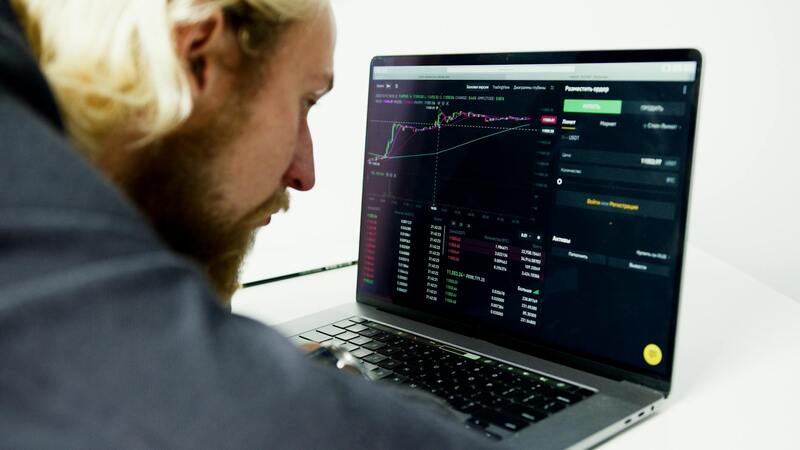
Effective capital allocation strategies include periodic review processes, where trader performance is assessed, and capital is adjusted accordingly. Firms that prioritize a balance between trader independence and risk oversight tend to foster a more productive trading environment, supporting sustained profitability and career development for their traders.
Understanding Proprietary Trading Firms in Forex
Proprietary trading firms, commonly known as prop firms, play a significant role in the forex trading industry by providing traders with the necessary capital to execute large-scale trades. These firms often operate as a bridge between individual traders looking for substantial funding and the broader forex market. They offer an environment where skilled traders can leverage firm resources, including advanced trading technology, research tools, and risk management systems, to maximize their profitability. Unlike retail trading, trading within a prop firm involves adhering to specific rules and performance benchmarks that ensure the firm's capital is protected while allowing traders to execute their strategies effectively.

One of the core reasons traders seek out the best forex trading prop firms is the access to larger pools of capital, which significantly enhances trading capacity and potential earnings. These firms typically operate under official protocols that include evaluation phases, trading objectives, and performance metrics designed to identify consistent, disciplined traders. By understanding how these firms operate and what defines an advantageous partnership, traders can align their skills with firm expectations and develop sustainable trading careers.
Criteria for Evaluating the Best Forex Trading Prop Firms
Choosing the optimal prop firm involves assessing multiple key factors that influence your trading success and personal development. Prominent elements include funding capacity, trading conditions, support systems, and transparency of operations. The best firms are those that prioritize trader growth, maintain fair profit-sharing arrangements, and implement clear operational standards. Examining these criteria makes it easier for traders to identify organizations that align with their goals and trading styles.
- Funding Availability: Look for firms that offer substantial initial capital and options for scaling as performance improves.
- Trading Conditions: Analysis of leverage options, allowed trading instruments, and risk management policies helps determine suitability.
- Support and Resources: Access to quality mentorship, educational materials, and technology platforms enhances trader development.
- Reputation and Reliability: Confirm the firm's track record in transparent payouts and adherence to ethical standards.
Furthermore, a reputable firm provides comprehensive evaluation procedures that are straightforward and transparent, ensuring traders are aware of the criteria and feedback loop. This clarity helps traders refine their strategies and meet the firm’s standards efficiently.
Funding and Capital Allocation Strategies
Funding models within top-tier prop firms are designed to support sustainable trader development while safeguarding firm assets. Many firms use tiered funding structures that reward traders with increased capital as they demonstrate consistent profitability and disciplined risk management. This approach encourages ongoing performance improvement and risk awareness. An initial investment typically aligns with the trader's experience level, and further capital is allocated based on performance metrics and adherence to trading rules.

Progressive funding allows traders to scale their operations, execute larger trades, and maximize returns. Firms often employ periodic reviews to assess performance, which facilitates the redistribution of capital towards those demonstrating consistent, disciplined trading. Importantly, the capital allocation process integrates risk management controls, ensuring traders operate within defined parameters to avoid substantial losses. This managed growth fosters a disciplined trading culture, beneficial for both traders and firms.
Trading Conditions and Rules
The trading environment within a prop firm must strike a balance between trader autonomy and risk control. The best firms establish clear, enforceable rules such as maximum drawdown limits, minimum trading days, and profit targets, which serve to mitigate risk while allowing traders the flexibility to develop effective strategies. These rules are often outlined in detailed trading agreements, emphasizing transparency and mutual understanding.
Leverage plays a pivotal role in forex trading, and reputable firms provide leverage ratios that are optimized for risk management. Trading conditions typically include restrictions on certain trading behaviors like holding positions overnight or trading around news events unless explicitly permitted. Ensuring traders are aware of these conditions upfront leads to a more disciplined trading approach and reduces the likelihood of undesired losses.
- Drawdown Limits: Enforced thresholds to prevent excessive losses and protect capital
- Profit Targets: Set milestones that guide trading activity and measure success
- Maximum Trade Size: Policies on position sizes to control exposure
- Trading Hours and Instruments: Restrictions aligned with market volatility and firm risk appetite
Adherence to trading rules is typically monitored through advanced technology platforms that track trading activity, ensuring compliance and facilitating swift interventions if necessary. This structured environment allows traders to focus on strategy execution while maintaining consistent risk controls.
Profit Sharing, Payouts, and Fees
Profit-sharing models within top forex prop firms are designed to incentivize performance securely and fairly. Most firms operate on a percentage split, where traders retain between 70% to 80% of profits generated, depending on their agreement and performance tier. This structure rewards consistent, disciplined trading and provides a clear motivation for traders to maximize their effectiveness.
Payment schedules are typically organized monthly, with transparent payout procedures that delineate the net profit, fees, and any applicable taxes. Reputable firms ensure prompt payouts, often within a few days of the monthly close, which builds trust and financial stability for traders.
Some firms may operationalize fees related to evaluation processes or platform access. These fees, if present, are clearly outlined, and many companies offer trial or evaluation phases without upfront costs, allowing traders to demonstrate their skills before committing financially. The combination of fair profit sharing and upfront transparent fee structures creates an environment where traders are motivated to perform at their best with predictable compensation channels.
Understanding Proprietary Trading Firms in Forex
Proprietary trading firms, often referred to as prop firms, operate as specialized entities that provide traders with access to significant capital for trading in the forex market. Unlike retail traders who use their personal funds, traders within these firms are allocated a portion of the firm's capital to execute trades, allowing them to leverage larger positions and potentially generate higher profits. These firms typically establish structured programs, including evaluation phases or trading challenges, to assess the capabilities and discipline of prospective traders. Once accredited, traders gain the opportunity to trade with the firm's resources under specified rules, fostering an environment that emphasizes risk management, strategic execution, and consistent performance.
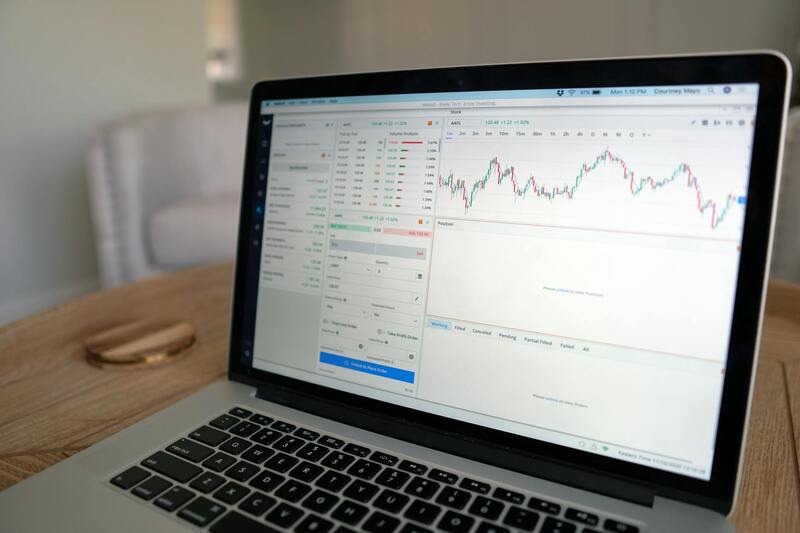
Essentially, forex prop firms serve as crucial bridges connecting experienced traders with substantial trading capital, offering a mutually beneficial platform. Traders gain access to a pool of resources that often surpass personal investment limits, while firms benefit from the talent and strategies of skilled traders without directly bearing the full market risk. This symbiotic relationship requires clear, official channels of operation that ensure transparency, accountability, and professionalism. Understanding how these firms operate is fundamental for traders seeking to build a sustainable, career-focused approach within the dynamic forex landscape.
Criteria for Evaluating the Best Forex Trading Prop Firms
Choosing a reputable and effective forex prop firm hinges on multiple factors rooted in transparency, performance standards, and operational stability. First, it’s essential to examine the firm’s track record of payouts and trader testimonials, which serve as indicators of credibility and consistent performance. The firm’s operational history, including the length of time in business and regulatory awareness, adds an extra layer of confidence for prospective traders.
Additional criteria include the firm’s trading evaluation structure, with clear rules on profit targets, allowable drawdowns, and trading restrictions. Transparency in these areas prevents misunderstandings and aligns trader expectations with firm policies. Equally important are the firm’s technology platforms—reliable, user-friendly, and equipped with advanced risk management tools, ensuring secure and compliant trading operations. Overall, the best firms foster an environment of trust through consistent communication, fair profit-sharing schemes, and detailed Terms of Engagement, making them attractive options for traders aiming for longevity and success in forex trading.
Funding and Capital Allocation Strategies
Proper capital management is central to the functioning of top forex prop firms. These firms often deploy sophisticated funding strategies that balance risk exposure with profit potential. Upon passing the initial evaluation or trading challenge, traders are allocated a specific trading account size, tailored to match their skill level and demonstrated discipline. This allocated capital is then managed within predefined risk parameters, ensuring sustainability in trading activities.
Firms typically implement tiered capital deployment models, where trader performance influences access to larger trading accounts and additional funding. This progression incentivizes continual improvement and disciplined trading, as increased success leads to greater trading capacity. Furthermore, firms often allocate capital dynamically based on ongoing performance metrics, with strict oversight integrated into every trading session. Implementing these strategies ensures robust capital utilization while safeguarding the firm's overall financial stability and providing traders with the resources they need to optimize their trading strategies.
Trading Conditions and Rules
Official trading conditions within premier forex prop firms are tailored to promote disciplined and strategic trading practices. These include defined profit targets, maximum daily and overall drawdowns, and restrictions on trading styles or instruments. Clear rules on leverage, lot sizes, and order placement are universally enforced through real-time monitoring platforms.
Trade execution environments are optimized for rapid, accurate order processing, often integrated with risk management modules that automatically alert traders when approaching positional limits. Additionally, firms enforce rules on trading hours, ensuring compliance with market hours and reducing the likelihood of overtrading. Emphasizing adherence to these regulations helps protect both the traders and the firm, maintaining a balanced risk-reward profile that underpins long-term profitability.
Profit Sharing, Payouts, and Fees
Profit sharing is a cornerstone of reputable forex prop firms, with most operating on a performance-based split where traders retain a significant percentage of profits—typically ranging from 70% to 80%. This structure provides substantial motivation for disciplined trading and consistent performance. Payout schedules are generally monthly, with transparent processes that clearly delineate net earnings, applicable fees, and tax obligations.
Reputable firms ensure prompt payments within days following the end of each payout cycle, establishing financial confidence and stability for traders. Some firms implement nominal evaluation fees or platform access charges, but these are transparently disclosed upfront. Many companies also offer trial phases or evaluation periods without initial costs, allowing traders to demonstrate skill before committing financially. The combination of fair profit sharing, transparent fee policies, and consistent payout procedures creates an environment conducive to sustainable trading careers.
Trader Support and Development Programs
Effective trader support initiatives are fundamental components of the best forex prop firms. These include comprehensive training modules, mentorship programs, and access to advanced trading tools and analytics. Reputable firms invest in ongoing education, offering webinars, strategy reviews, and performance feedback to cultivate skill development and strategic growth.
Moreover, it’s common for top firms to facilitate community engagement through online forums or trader groups, fostering shared learning and collaboration. Some firms also provide psychological coaching or stress management resources, recognizing the importance of mental resilience in consistent trading. Overall, these support structures not only help traders refine their skills but also contribute to a professional, disciplined trading environment that maximizes the potential for long-term success.
Advanced Strategies for Partnering with Top Forex Prop Firms
Successfully engaging with reputable forex trading prop firms requires a strategic approach beyond initial evaluation. Experienced traders understand that ongoing collaboration, continuous skill enhancement, and adherence to broker-specific rules are crucial for sustained success within these environments. This section explores advanced methods for leveraging your relationship with top-tier prop firms, focusing on maximizing trading efficiency, developing a competitive edge, and maintaining compliance.
Optimizing Your Trading Approach within Prop Firms
Adapting your trading style to align with the specific conditions and criteria of your chosen prop firm is essential. For instance, some firms favor short-term trading strategies like scalping or day trading, while others may support longer-term position trades. Familiarizing yourself with these preferences allows you to tailor your methodologies, ensuring your trading aligns with firm policies and maximizes profitability.
Utilize the firm's proprietary trading platforms effectively by mastering all features—advanced charting tools, automated trading options, and risk management functionalities. Many prop firms offer custom analytics dashboards that can provide valuable insights into performance metrics, trader behavior, and market conditions. Regularly reviewing these metrics helps identify strengths and areas for improvement, enabling data-driven adjustments to your trading plan.
Maintaining Compliance and Risk Management
- Adherence to Risk Parameters: Most prop firms impose strict risk limits regarding daily loss caps and position sizes. Strict compliance with these limits preserves your account status and ensures uninterrupted trading opportunities.
- Consistent Record-Keeping: Document your trading activities, decisions, and rationale systematically. This not only helps in performance analysis but also satisfies any audits or reviews conducted by the firm.
- Ongoing Education: Engage with the firm's training modules regularly, participate in webinars, and stay updated on market trends. Continuous learning keeps your trading strategies sharp and aligned with evolving market dynamics.
- Software and Data Security: Protect your trading accounts through strong passwords and secure devices. Restoring account access promptly in case of issues demonstrates professionalism and allows you to maintain momentum.
Building a Sustainable Trading Practice
Consistent profitability while operating within the parameters of a prop firm hinges on disciplined trading habits and psychological resilience. Developing personal routines—such as pre-trade analysis, situational awareness, and post-trade reviews—enhances decision-making and reduces emotional biases.
Many top firms provide psychological coaching or stress management resources, emphasizing the importance of mental discipline. Integrating these practices into your routine can foster resilience during volatile market conditions, leading to more reliable results over the long term.

Leveraging Support and Community Networks
Engaging actively with the trading community fostered by reputable prop firms can provide invaluable shared knowledge and support. Participating in forums, group discussions, or mentorship programs allows for the exchange of strategies, insights, and emotional support—crucial components of a successful trading career.
Additionally, take advantage of ongoing support programs, including personalized coaching sessions and regular performance reviews. These resources can help identify blind spots, refine your trading approach, and adapt strategies to changing market conditions.

Conclusion: Strategic Partnership for Long-term Success
Partnering with the best forex trading prop firms is a continuous process that involves adherence to best practices, strategic adaptation, and active engagement with available resources. By integrating advanced analytical tools, maintaining disciplined risk management, and utilizing the supportive community environment, traders can elevate their performance and build sustainable trading careers. Strategic alignment with firm policies and ongoing development efforts are fundamental for capitalizing on the opportunities offered by top-tier prop firms, ensuring growth and profitability in the competitive forex landscape.
