
Definition and Role of Proprietary Trading Firms
Proprietary trading firms, commonly known as prop trading firms, are specialized financial organizations that engage in the buying and selling of securities, derivatives, and other financial instruments using their own capital. Unlike brokerage firms that execute trades on behalf of clients and earn commissions or fees, prop trading firms operate primarily for their own profit. The primary aim is to generate trading income by leveraging market opportunities, often employing sophisticated strategies and advanced technological tools.
At their core, these firms serve a vital function within the financial markets, providing liquidity and facilitating efficient price discovery. They actively participate in various segments, including equities, commodities, foreign exchange, and derivatives markets. By doing so, they help maintain market stability and depth, which benefits other market participants such as institutional investors and retail traders.
Key functions of proprietary trading firms include assessing market trends, executing large-volume trades, and managing risk effectively. Their traders and quantitative analysts work together to develop models, identify arbitrage opportunities, and execute high-frequency trading strategies that capitalize on small price movements. Given their significant capital resources and technological prowess, prop trading firms can execute trades at a speed and scale that many individual traders cannot match.

Overall, proprietary trading firms are integral components of modern financial ecosystems, utilizing their resources and expertise to achieve profitable trading outcomes while contributing to the overall health and functionality of financial markets.
Business Models and Structures of Prop Trading Firms
Proprietary trading firms employ a variety of organizational frameworks and operational models tailored to their trading strategies and target markets. These structures are designed to optimize capital deployment, risk management, and technological integration, enabling firms to maintain competitive advantages within high-frequency and large-volume trading environments.
One common model is the standalone proprietary trading firm, which operates independently with its own capital and management team. Such firms often focus on specific asset classes—equities, options, futures, or foreign exchange—and implement proprietary algorithms and quantitative models to guide trading decisions. They may also have dedicated teams for research, risk control, and technology development that work closely to enhance trading efficiency.
In contrast, some large financial institutions incorporate proprietary trading units within broader banking operations. These units often function alongside client-focused services, sharing infrastructure and resources while maintaining distinct trading strategies aimed at generating profit from market activities. This hybrid structure allows firms to leverage existing client relationships and technological assets, balancing trading profits with other banking income streams.
Another notable model involves partnership-based structures, where proprietary trading activities are managed by specialized teams or funds operating under strict governance and shared risk protocols. These arrangements often enable flexible capital allocation and foster innovation through collaborative decision-making.

Operational frameworks in prop trading firms frequently emphasize risk-adjusted returns and scalability. Many firms adopt a dual-layered approach: a front office responsible for implementing trading strategies, and a risk management division that continuously monitors exposures and enforces policies aimed at preserving capital integrity. This clear delineation ensures that aggressive trading strategies are balanced against robust oversight.
Moreover, advanced technological infrastructure underpins many of these models. Firms invest heavily in high-speed data feeds, low-latency trading platforms, and algorithmic development environments. This integration facilitates rapid decision-making and execution, crucial in today's volatile and fast-paced markets.
- Dedicated Quant Teams: Small, highly specialized groups focused on developing predictive models and automation tools.
- Risk Management Units: Teams tasked with real-time monitoring of trading activities and implementing risk mitigation protocols.
- Technology Divisions: Departments that build and maintain trading infrastructure, ensuring minimal latency and system stability.
- Research Departments: Analysts and traders dedicated to market analysis, alternative data, and emerging trading strategies.
The combination of these structural components forms a resilient framework, enabling proprietary trading firms to pursue aggressive trading strategies while maintaining disciplined risk controls. The choice of structure is often influenced by the firm's scale, market focus, and strategic goals, but all aim to foster an environment where innovation and operational efficiency are prioritized.
Business Models and Structures of Prop Trading Firms
Proprietary trading firms utilize diverse organizational frameworks tailored to their strategic objectives, technological capabilities, and market focus. These structures generally encompass specialized units, each dedicated to distinct facets of trading, risk management, research, and technology. The architecture of these firms is designed to foster agility, innovation, and resilience amidst rapidly evolving market conditions.
At the core, most prop trading firms operate with a combination of trading desks, each staffed by traders focusing on specific asset classes such as equities, futures, foreign exchange, or options. These desks often work under a centralized risk management and compliance framework to ensure adherence to internal policies and sound trading practices. Additionally, some firms adopt a multi-layered hierarchy, with senior traders or portfolio managers overseeing junior traders, thus facilitating mentorship and strategic oversight.
Infrastructure also plays a pivotal role. Many firms develop or acquire advanced trading systems, low-latency connectivity, and data management platforms designed to optimize execution speed and data analysis. These technological investments enable rapid adaptation to market shifts and improve the precision of trading algorithms.
Strategic distinctions exist primarily between smaller boutique firms and large, multi-strategy entities. Boutique firms often specialize in niche markets with a high degree of operational agility, allowing them to implement highly bespoke trading strategies. Conversely, larger firms typically operate multiple trading desks across asset classes, employing a mix of quantitative, discretionary, and hybrid approaches to diversify risk and capitalize on various market opportunities.
Furthermore, many firms incorporate dedicated research departments that continuously analyze market data, develop predictive models, and explore emerging trading avenues. Quant teams focus on algorithm development and automation, providing the backbone for algorithmic and high-frequency trading strategies. The structure also often includes risk management units responsible for real-time exposure monitoring, enforcing risk limits, and executing contingency plans.

Adapting to Market Evolution
Prop trading firms frequently revisit their structural configurations to adapt swiftly to market changes, technological advances, and regulatory updates. This dynamic restructuring helps maintain competitive edge, foster innovation, and mitigate risks effectively. Whether through integrating sophisticated artificial intelligence tools, expanding into new asset classes, or refining risk management protocols, these structural adaptations are essential for sustained success in proprietary trading.
Funding, Capital, and Risk Management
Proprietary trading firms primarily rely on their internal capital pools to sustain trading operations. These capital resources are often accumulated through initial seed funding, reinvested profits, or capital raised from firm stakeholders. Maintaining sufficient capital is critical to support trading activity across multiple strategies and asset classes, especially during periods of market volatility.
Capital allocation within prop trading firms is typically managed with discipline and strategic foresight. Firms often set aside a dedicated amount for each trading desk or strategy, ensuring diversified deployment of resources. Flexibility in capital deployment allows firms to swiftly pivot towards emerging opportunities or to exit underperforming positions, maintaining operational agility.
Beyond internal funds, some firms incorporate external financing to expand their trading capacity. Such arrangements might involve multi-investor structures or partnerships with institutional investors seeking exposure to proprietary trading gains. These arrangements often come with contractual stipulations related to profit sharing and risk exposure, which are meticulously structured to align the interests of all parties involved.

Effective risk management is integral to safeguarding capital and ensuring long-term profitability. Risks are managed through sophisticated models that monitor market, credit, and operational exposures in real-time. These models utilize a blend of quantitative analytics, historical data, and scenario analysis to estimate potential losses and set risk limits accordingly.
Stop-loss orders, position sizing protocols, and diversification strategies further help mitigate adverse market movements. Additionally, firms employ stress testing and back-testing procedures to evaluate resilience under extreme conditions. Risk officers or dedicated teams oversee adherence to risk policies, preventing over-leverage and excessive exposure to single assets or market sectors.
Technology and Infrastructure in Proprietary Trading
At the core of a prop trading firm’s success lies its technological infrastructure. Advanced hardware and optimized software platforms enable rapid execution, real-time data analysis, and algorithmic trading. High-performance servers, co-location facilities near major exchanges, and robust network infrastructure ensure low latency and high reliability during trading activities.
Firms invest heavily in developing, testing, and deploying trading algorithms. These algorithms are designed to capitalize on market inefficiencies, exploit arbitrage opportunities, or implement statistical models. The integration of machine learning and artificial intelligence further enhances predictive accuracy and decision-making speed, giving firms a competitive edge in fast-moving markets.
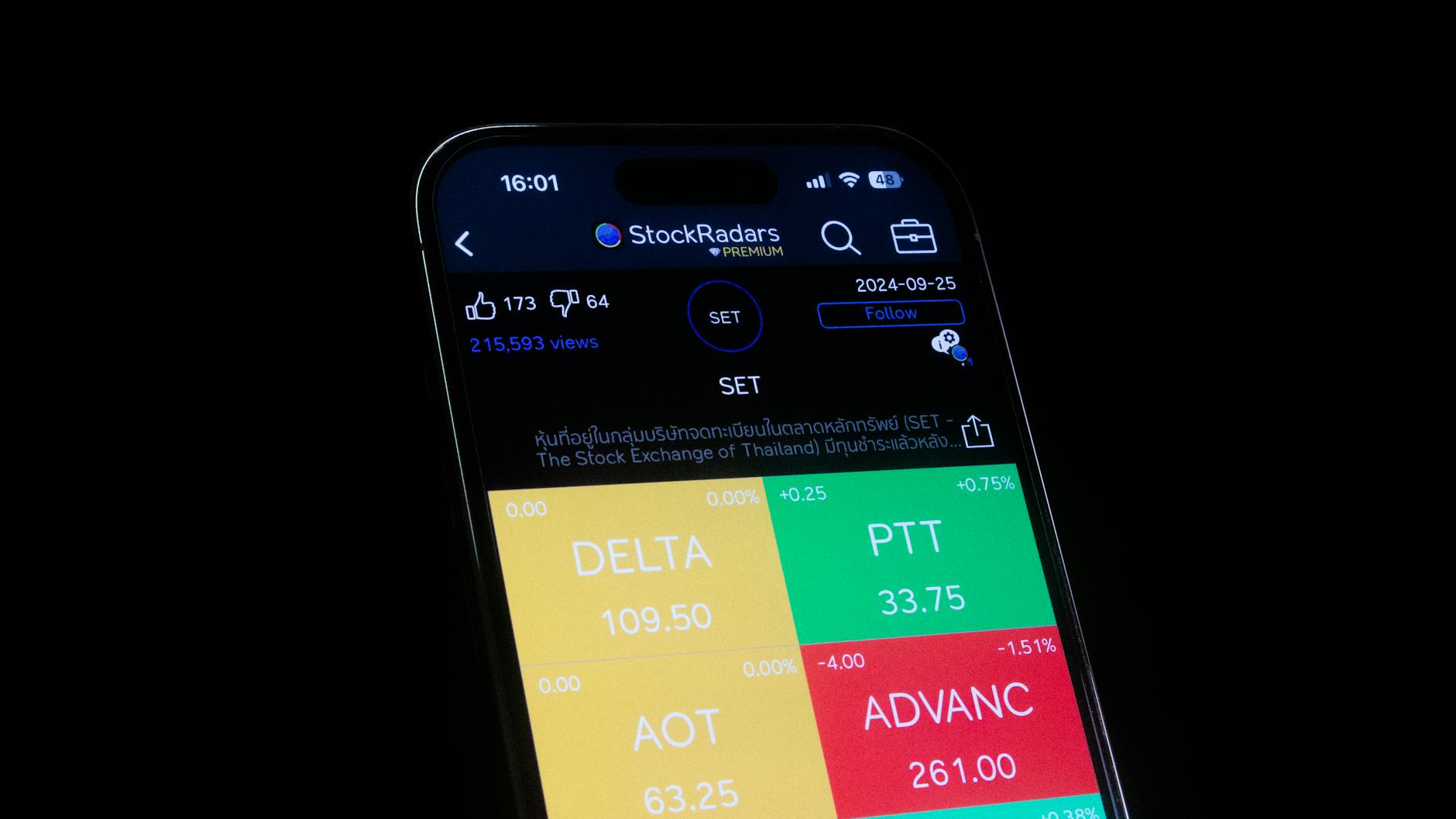
Data management systems are equally vital; they aggregate information from multiple sources including real-time market feeds, news outlets, and economic indicators. Clean, processed data enhances model accuracy and reduces the likelihood of errors during trading operations. Moreover, cybersecurity protocols are critical in safeguarding proprietary information and preventing unauthorized access or cyberattacks.
Funding, Capital, and Risk Management
Proprietary trading firms rely heavily on effective funding strategies to sustain their trading operations and maximize profitability. These firms typically allocate substantial capital reserves, often sourced from the firm's own investments or through external investors who are interested in bootstrap trading success. The capital serves as the foundation for trading activities, enabling firms to sustain multiple trades simultaneously, diversify their approaches, and adapt quickly to market opportunities.
Managing risk is central to the sustainability and growth of prop trading firms. These entities employ comprehensive risk management protocols to control exposure and safeguard capital. Advanced risk assessment tools analyze potential losses, monitor real-time portfolio performance, and enforce strict stop-loss orders. By setting predefined limits on position sizes, profit targets, and loss thresholds, firms ensure disciplined trading and prevent impulsive decisions that could jeopardize their financial stability.

Capital allocation strategies are tailored to optimize returns while balancing risk. Firms often segment their capital among different trading desks, asset classes, or strategies to mitigate concentrated risks. These strategies include statistical arbitrage, trend following, market making, and news-based trading, each requiring distinct capital deployment models. To further enhance risk management, many proprietary trading firms employ sophisticated modeling techniques that simulate various market scenarios. These models incorporate historical data, volatility estimates, and macroeconomic factors to predict potential outcomes and adjust trading parameters accordingly. Real-time monitoring dashboards provide traders and risk officers with instant insights into portfolio health, exposure levels, and risk-adjusted performance metrics, facilitating swift corrective measures. Additionally, firms often implement compliance and risk protocols that align with regulatory standards and internal risk policies. These include regular audits, stress testing, and contingency planning, ensuring that the firm remains resilient against unpredictable market shocks or operational failures. Overall, the combination of robust funding, strategic capital management, and meticulous risk oversight forms the backbone of sustainable prop trading operations, allowing firms to capitalize on market opportunities while maintaining resilience against adverse events.
Funding, Capital, and Risk Management
Proprietary trading firms operate within a complex framework of funding and capital management strategies designed to optimize trading performance while safeguarding against potential losses. These firms typically allocate substantial capital resources to support diverse trading strategies across multiple asset classes, including equities, options, futures, and foreign exchange. The initial capital infusion often comes from proprietary sources or through strategic partnerships, enabling traders to execute large positions that would be infeasible with individual funds.
Efficient capital deployment is fundamental to maximizing profit generation. Firms often segment their capital according to the specific risks and expected returns of each trading strategy. For instance, risk capital might be allocated to high-frequency trading strategies that require rapid execution and minimal margin, whereas longer-term directional bets may receive a different allocation profile. This segmentation facilitates targeted risk management and allows firms to adjust exposures dynamically based on market conditions.

Rigorous risk management protocols are integral to sustaining liquidity and profitability over time. These include real-time risk monitoring using robust dashboards that aggregate data on trade exposures, profit and loss metrics, and potential loss limits. Such systems employ advanced analytics to flag deviations from predefined risk parameters promptly, thus allowing traders and risk managers to respond swiftly to emerging threats.
Furthermore, firms implement comprehensive capital risk models that incorporate scenario analysis, stress testing, and volatility assessments. These models simulate adverse market conditions to evaluate the potential impact on trading portfolios. Stress tests may involve hypothetical market crashes, interest rate shocks, or currency fluctuations, providing insights into vulnerabilities that must be addressed proactively.
Risk management extends beyond market exposure, encompassing operational and compliance risks. Many firms establish strict internal controls, such as segregation of duties, regular audits, and compliance reviews, to prevent operational failures and maintain transparency. They also adhere to internal risk policies aligned with regulatory standards, which include maximum loss thresholds, position limits, and mandatory risk disclosures.
The maintenance of significant capital reserves, coupled with advanced risk mitigation tools and disciplined operational procedures, fosters a resilient trading environment. This framework enables proprietary trading firms to pursue aggressive strategies while maintaining the stability needed for long-term success, even amid volatile market conditions.
Understanding and implementing these sophisticated approaches to funding and risk management is vital for the sustainability and profitability of proprietary trading firms, allowing them to capitalize on market opportunities while effectively mitigating potential downsides.
Funding, Capital, and Risk Management
Proprietary trading firms rely heavily on a robust framework of funding and capital allocation to sustain their trading activities. Unlike traditional firms, prop trading entities often operate with a combination of internal capital and external credit lines that are specifically tailored to support their risk appetite and trading strategies. The core principle involves deploying available capital efficiently across various asset classes, ensuring that each position aligns with the firm's overall risk management policies.
Effective risk management is integral to the operational success of proprietary trading firms. These firms utilize sophisticated models that incorporate real-time market data, historical trend analysis, and forward-looking stress tests. By simulating adverse market scenarios—such as sharp declines in equity markets, interest rate shocks, or currency devaluations—they can evaluate the potential impact on their portfolios. This process provides early warnings of vulnerabilities, enabling preemptive adjustments to positions or risk limits.

Many firms maintain substantial capital reserves as a buffer against unforeseen market movements. These reserves are managed with discipline and precision, ensuring liquidity remains available during periods of heightened volatility. Risk mitigation tools such as stop-loss orders, dynamic hedging, and diversification strategies are often employed to contain downside risks and protect capital. Additionally, automated trading algorithms and real-time monitoring systems enable quick responses to market fluctuations, minimizing potential losses.
Position limits and maximum loss thresholds are rigorously enforced through internal policies and trading algorithms. Regular scenario analysis helps firms align their risk appetite with evolving market conditions, ensuring that they do not overextend and remain agile in volatile environments. Internal audits and compliance checks are conducted periodically to verify adherence to these policies, maintaining transparency and internal accountability.
The combination of ample capital, advanced risk assessment models, and disciplined operational procedures allows proprietary trading firms to engage in high-risk strategies confidently. This structure provides the foundation for sustainable trading, enabling firms to capitalize on opportunities while safeguarding their long-term viability.

Advanced Infrastructure Supporting Risk Management in Prop Trading
To sustain a competitive edge, proprietary trading firms invest heavily in cutting-edge infrastructure that enhances their risk management capabilities. High-performance computing systems and low-latency connectivity enable traders to execute orders swiftly and respond to market changes in real time. These technological investments are vital for maintaining market competitiveness and ensuring risk is closely monitored and controlled.

Advanced data analytics and machine learning algorithms are integrated into trading platforms to forecast market trends and identify potential risk exposures proactively. These tools analyze vast datasets, capturing subtle market signals and providing actionable insights that inform trading decisions. This technological backbone allows firms to dynamically adjust positions and hedge against potential losses effectively.
Risk management software also plays a key role, offering comprehensive dashboards and real-time alerts that facilitate swift decision-making. Automated trading systems enable a consistent application of risk policies, ensuring that predefined risk thresholds are respected without manual intervention. Such systems are crucial for managing massive trading volumes and minimizing human error, especially during volatile market conditions.

In addition to technological advancements, firms maintain robust communication networks and secure data storage solutions to protect sensitive information. Cybersecurity measures guard against potential threats that could compromise risk data or trading operations. This comprehensive approach to infrastructure affirms the firm’s capacity to operate efficiently while maintaining rigorous risk controls in an increasingly digital trading environment.
Continuously adapting to technological innovations and upgrading trading systems ensures proprietary trading firms can stay ahead in managing risks effectively, maintaining stability and profitability in fluctuating markets.
