
How to Create a Prop Firm
Understanding Prop Trading and Prop Firms
Proprietary trading, commonly known as prop trading, involves a firm trading stocks, commodities, or other financial instruments with its own capital, rather than on behalf of clients. Prop firms operate as specialized entities that employ traders to capitalize on market opportunities, aiming to generate profit through their trading strategies. Establishing a prop firm requires a clear understanding of its core functions, the value it offers to traders, and the operational benefits it can deliver.
A successful prop firm serves as a hub where talented traders can execute their strategies with access to significant capital, cutting-edge technology, and dedicated risk management support. The primary advantage of starting a prop firm lies in creating an environment that fosters innovative trading approaches while providing traders with the necessary resources and infrastructure to optimize their performance.
The benefits of establishing a reputable prop firm extend beyond simple profit generation. It offers traders an opportunity to scale their activities without the constraints of personal capital, encourages a collaborative trading environment, and creates a platform for developing sophisticated trading strategies. Moreover, a well-structured prop firm can attract skilled traders seeking institutional-grade support and resources that boost their trading potential.


Legal and Regulatory Requirements
Establishing a legitimate prop trading operation necessitates thorough attention to legal standards and adherence to regulatory frameworks pertinent to the region of operation. One of the first essential steps involves registering the business entity under the appropriate legal structure, such as a Limited Liability Company (LLC), Corporation, or other suitable designations, depending on jurisdictional guidelines. This registration not only legitimizes the business but also provides a formal foundation for operational activities.
Occupation-specific licenses and permits may be required, especially if the firm plans to manage client funds, offer trading advice, or operate within financial markets that demand licensing. It is crucial to consult with legal professionals experienced in financial regulations to ensure compliance with local, national, and international standards, as this shields the firm from unnecessary legal complications and contributes to a sustainable operation.
Furthermore, implementing internal compliance policies aligned with applicable regulations helps in maintaining transparency and operational integrity. This includes establishing policies for anti-money laundering (AML), know your customer (KYC), data security, and reporting obligations. Proper documentation and record-keeping, including trade logs, financial statements, and compliance reports, are vital for demonstrating adherence to regulatory standards during audits or inspections.

It is also advisable to explore whether specific regulatory bodies oversee proprietary trading activities in your jurisdiction. While some regions may have minimal direct oversight for prop trading, operating transparently and within the bounds of established financial laws fosters trust and long-term growth. Building relationships with legal and financial advisors from the outset can streamline compliance processes and ensure strategic alignment with legal expectations.
Implementing a Strong Compliance Framework
To maintain a compliant operation, develop comprehensive internal policies covering trading conduct, risk management, and employee oversight. Conduct regular compliance training for staff and traders to ensure awareness of policies and regulatory changes. Leveraging compliance software tools can streamline documentation, reporting, and monitoring activities.
In sum, understanding the legal landscape and establishing robust compliance measures are indispensable components of creating a prop firm that can operate smoothly, attract reputable traders, and sustain profitability over time.
Understanding Prop Trading and Prop Firms
Proprietary trading firms, commonly known as prop firms, serve as catalysts for traders looking to leverage company capital to maximize trading opportunities. Unlike traditional trading, where individuals trade on behalf of clients or institutions, prop firms focus on internal capital deployment, aiming to generate profits through strategic market participation. Establishing a successful prop firm requires a thorough grasp of how these entities operate, including the dynamics of capital allocation, trading methodologies, and the internal risk controls that safeguard the firm's assets.

At the core of a prop firm's foundation is a clear understanding of how to structure trading desks and recruit skilled traders. These firms often focus on niche markets or specific asset classes, allowing for specialization and deeper expertise. Developing unique trading strategies that align with the firm’s risk appetite and market insights is essential for long-term profitability. A comprehensive approach to risk mitigation, including predefined stop-loss levels, position limits, and daily risk assessments, supports sustainable growth.
Researching Market Opportunities and Business Models
Before venturing into creating a prop firm, extensive market research should be conducted to identify viable opportunities within targeted asset classes and trading styles. This involves analyzing market liquidity, volatility patterns, and the competitive landscape. Understanding how different business models operate—whether they prioritize short-term scalping, swing trading, or discretionary strategies—helps in tailoring your firm's approach for optimal performance.
Part of this research involves studying successful existing prop firms to learn from their operational frameworks, technological infrastructure, and funding strategies. By evaluating their models, you can gain insight into industry standards and innovative practices, shaping a differentiated approach for your enterprise.
Developing a Clear Business Plan and Strategy
A well-structured business plan acts as a blueprint for your prop firm's trajectory. It should include detailed financial projections, operational plans, staffing requirements, and marketing strategies. Defining specific goals for profitability, trader development, and market reach allows for ongoing assessment and adjustment of your business practices.
Additionally, crafting a comprehensive trading strategy—detailing the markets, instruments, and trading techniques—ensures operational consistency. This plan must incorporate risk management protocols to mitigate potential losses and protect capital, establishing a resilient foundation for your firm's activities.
Building a Robust Infrastructure
The technological backbone of a prop firm is critical for real-time execution, efficient data analysis, and compliance tracking. Investing in high-performance trading platforms, secure data storage, and reliable internet connectivity ensures smooth operation. Significantly, robust infrastructure facilitates quick decision-making and reduces latency, both vital for competitive trading.

Alongside technological setup, operational procedures such as trade logging, audit trails, and compliance documentation are essential. Employing specialized software solutions can streamline these processes, facilitating transparency, accountability, and regulatory adherence.
Recruiting Expert Traders and Support Staff
Successful prop firms rely heavily on talented traders with proven track records. Establishing rigorous selection criteria, including testing trading skills and evaluating market understanding, ensures quality talent acquisition. Continuous training programs help traders refine their techniques, stay updated with market trends, and adhere to internal risk policies.
Support staff, like risk managers, compliance officers, and technical experts, contribute to the operational integrity of the firm. Building a team with diverse expertise enhances decision-making and maintains the firm's competitive edge.
Implementing a Comprehensive Compliance and Risk Framework
Maintaining transparency and integrity within a prop firm involves implementing detailed policies governing trading conduct, financial reporting, and risk management. Regular audits and compliance checks not only foster trust but also promote a culture of accountability.
Risk management strategies should include diversification across assets, setting exposure limits, and establishing contingency plans for market downturns. Employing advanced analytics and monitoring tools allows for real-time oversight, ensuring that trading activities align with the firm’s risk appetite and regulatory expectations.
Implementing Effective Trading Strategies and Mitigating Risks
Building a successful prop firm requires the development of robust trading strategies that are both adaptable and grounded in comprehensive market analysis. These strategies should be tailored to current market conditions, incorporating technical indicators, fundamental data, and quantitative models to identify profitable opportunities. A diversified approach across various asset classes — including equities, commodities, forex, and cryptocurrencies — helps mitigate concentrated risk and adapt to shifting market dynamics.
Beyond strategy formulation, establishing clear risk management policies is crucial. These policies serve to safeguard the firm's capital and ensure sustainable growth. Setting precise risk limits for individual traders and overall trading activity helps prevent excessive exposure to any single position or asset class. For instance, implementing maximum drawdown thresholds and position sizing rules guards against significant losses that could jeopardize the firm's stability.

Regular review and adjustment of these policies ensure they remain aligned with market developments and emerging risks. Employing advanced analytics and real-time monitoring tools enables immediate detection of anomalies or risk breaches, allowing prompt corrective action. Automation of risk control measures, such as stop-loss orders and margin calls, can further enhance operational safety.
Establishing Capital and Funding Structures
Securing adequate capital is foundational to launching a prop trading operation. Initial funding can come through personal savings, angel investors, or partnerships with institutional backers interested in alternative investment avenues. It is important to demonstrate a compelling business plan, outlining trading strategies, risk controls, and growth projections to attract capital infusions.
To expand financial resources, some prop firms explore multiple funding channels, including private capital, venture capital, or proprietary trading capital contributions from experienced traders. Structured funding models that allocate capital based on trader performance, risk metrics, and overall firm growth help maintain financial stability while incentivizing high performance.
Developing Infrastructure and Trading Technology
Establishing a reliable technological backbone is essential for efficient and secure trading operations. This includes setting up secure servers, trading platforms, and communication systems capable of handling high-frequency data and transactions. Integrating multi-asset platforms, algorithmic trading tools, and risk management software creates a seamless environment for traders to execute strategies effectively.
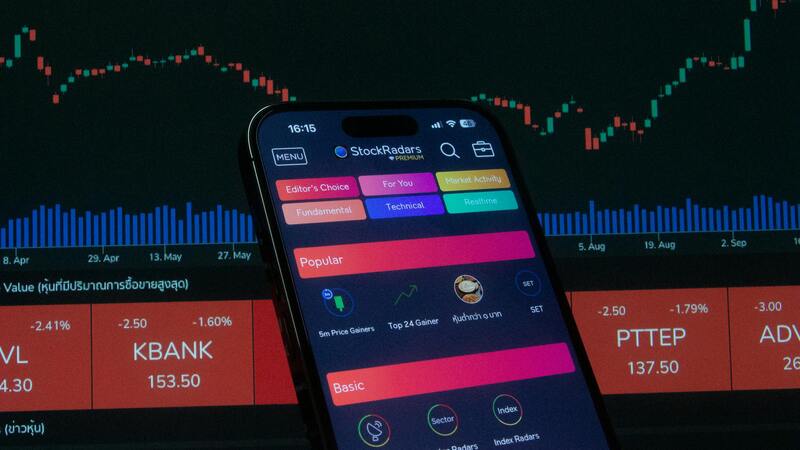
Employing cutting-edge cybersecurity measures protects sensitive data and proprietary trading algorithms from threats. Additionally, deploying analytics dashboards and real-time reporting systems provides operational oversight, ensuring compliance with set policies and quick response to market events.
Hiring and Training Skilled Traders
Recruiting talented traders with a thorough understanding of market mechanics, disciplined trading behaviors, and a strong track record is a core component of successful prop firms. Selection processes should involve rigorous testing, interviews, and review of trading histories to identify candidates with consistent performance and a strategic mindset.
Ongoing training programs are equally important. They ensure traders stay current with new market developments, employ best risk practices, and refine their techniques through simulated trading, mentorship, and performance feedback. Fostering a culture of continuous learning helps attract and retain top talent, directly impacting the firm’s growth potential.
Launching and Scaling the Prop Firm
With foundational elements in place, a prop firm can proceed to operations. Launching involves executing initial trades within defined risk parameters, establishing client and trader relationships, and monitoring performance. As the firm gains momentum, scaling can be achieved by expanding trading teams, diversifying asset offerings, and increasing capital allocations.
Strategic marketing, industry networking, and participation in trading communities can accelerate growth and establish the firm's reputation. Maintaining strict adherence to operational protocols and continuously refining strategies based on market feedback ensures sustained development and success.
Securing Capital and Funding Strategies
Establishing a solid financial foundation is essential when creating a prop firm. Funding options include utilizing personal savings, seeking investments from private investors, or forming strategic partnerships with entities interested in the trading sector. Each approach offers distinct advantages and considerations. Personal funds provide full control but may limit initial scale. Investor funding can accelerate growth but requires transparent communication of the firm’s business model and risk management strategies.
Effective financial planning involves setting clear capital allocation strategies that align with the firm’s trading goals. Maintaining a detailed budget, anticipating operational costs, and preparing for unforeseen expenses are vital components. Additionally, establishing a contingency fund enhances resilience against market fluctuations and unexpected setbacks.
For ongoing capital requirements, establishing relationships with capital providers or exploring funding avenues such as trading credit lines or leverage arrangements can be beneficial. These strategies support increased trading volume and diversification opportunities, ultimately contributing to the firm's expansion.

Setting Up Infrastructure and Trading Technology
Building a reliable and efficient technological infrastructure is critical for a prop firm's success. This involves selecting and integrating trading platforms that offer robust features, fast execution speeds, and compatibility with various asset classes. The choice of trading software must align with the firm’s trading strategies and risk management protocols.
Equally important is establishing a secure, high-performance trading environment. This includes investment in high-speed internet connections, backup systems, and cybersecurity measures to protect sensitive data and prevent technical disruptions.
The infrastructure should also support real-time data feeds and analytical tools necessary for informed decision-making. Integrating advanced charting, algorithmic trading capabilities, and risk assessment modules enhances traders’ efficiency and effectiveness.
Setting up comprehensive IT support structures ensures ongoing maintenance, updates, and quick resolution of technical issues, minimizing downtime. Proper infrastructure not only sustains daily operations but also provides the scalability needed for continuous growth.

Hiring and Training Traders
Recruiting skilled traders forms the operational core of a prop firm. The selection process should involve detailed assessments of candidates' technical skills, trading experience, and psychological resilience. Effective evaluation techniques include simulation tests, interview panels, and review of past trading performance to identify candidates capable of consistent profitability.
Once onboard, traders require dedicated training programs focused on the firm’s specific trading systems, risk policies, and operational procedures. Continuous education through workshops, mentorship, and access to analytical resources is vital for skill enhancement.
Implementing a structured performance review system helps identify strengths and areas for improvement. Rewarding high performers and providing targeted support to those struggling fosters a motivated and disciplined trading environment.
Ultimately, a well-trained trading team equipped with ongoing development opportunities ensures the prop firm's adaptive capability and sustained competitiveness.

Understanding Prop Trading and Prop Firms
Proprietary trading firms, commonly known as prop firms, operate by trading financial instruments using their own capital rather than client funds. These entities seek to generate profits through strategic trading in various markets, including stocks, options, futures, and forex. A clear understanding of how these firms function, their core objectives, and operational models is essential before embarking on the creation process.
Defining the Business Model
Launching a prop firm involves selecting an appropriate business model that aligns with your experience, market focus, and capital availability. Common models include:
- Self-funded Prop Trading: The firm is financed solely by its founders or partners, investing personal capital into trading operations.
- Investor-funded Prop Trading: Capital is raised from external investors, who seek returns based on the firm’s trading performance.
- Hybrid Models: Combining personal and external funding sources to diversify risk and increase operational capacity.
Understanding these distinctions helps in devising tailored strategies for capital management, risk exposure, and growth planning.

Market Focus and Strategies
Defining the markets and instruments your prop firm will target is a fundamental step. Whether specializing in equities, commodities, forex, or derivatives, each market demands specific expertise, trading tools, and risk parameters. Establishing clear entry and exit strategies, along with robust risk controls, forms the backbone of a sustainable trading operation.
Operational Structure and Team Composition
Determining the size and composition of your team influences the scope of your operations. This includes hiring traders, risk managers, analysts, and administrative staff. Structuring the organization to facilitate efficient communication, compliance, and operational oversight ensures a cohesive environment conducive to profitability.
Technology and Infrastructure Planning
Investing in appropriate technology infrastructure is a critical component for operational success. Modern prop firms leverage sophisticated trading platforms, high-performance hardware, and secure data feeds to facilitate rapid execution and data processing. A reliable infrastructure minimizes downtime and provides scalability for expanding trading activities.

Setting Up Infrastructure and Trading Technology
Establishing a solid technological foundation is essential for the success of a prop trading firm. The choice of trading platforms should align with the targeted markets and trading strategies. Most reputable firms opt for professional-grade trading software that offers advanced charting tools, algorithmic trading capabilities, and seamless order execution. Easy integration with multiple data feeds allows traders to access real-time market information, which is vital for making informed decisions.
Hardware also plays a pivotal role. High-performance computers with robust processing power and minimal latency are necessary to execute high-frequency trades swiftly. Securing reliable internet connections, backup power supplies, and secure data storage ensures operational continuity and protection against technical failures. Additionally, firms need secure network infrastructure to protect sensitive data and comply with cybersecurity standards.
Furthermore, integrating risk management tools directly into trading systems enhances oversight and compliance. Automated monitoring of trading activities can detect anomalies in real time, enabling prompt corrective actions to mitigate potential losses. Cloud services are increasingly utilized for scalable data storage and backup, providing both flexibility and security. Employing robust cybersecurity measures—including encryption, firewalls, and regular audits—safeguards proprietary information and trading algorithms.
Implementing Compliance and Data Security Protocols
Compliance extends beyond operational procedures; it encompasses data security and privacy. Setting up secure login credentials, multi-factor authentication, and regular security audits prevents unauthorized access. Establishing protocols for data encryption, both at rest and in transit, ensures sensitive information remains protected. Maintaining detailed logs of trading activity and system access is crucial for audit trails and internal review processes.
Continuous System Testing and Upgrades
Technology is dynamic, and maintaining a competitive edge requires ongoing updates. Regular testing of trading algorithms, software, and hardware ensures they operate correctly and adapt to changing market conditions. Upgrading systems to incorporate new features or improve speed and reliability helps sustain operational efficiency. Training staff to utilize updates effectively ensures that the entire team benefits from technological advancements.
Building a Support and Maintenance Team
Technical support personnel must be available to troubleshoot issues swiftly. Establishing relationships with software vendors and IT service providers guarantees prompt assistance when needed. Documenting standard operating procedures for common technical issues and conduct routine maintenance checks minimizes disruptions. Investing in staff training for system management and cybersecurity further strengthens the firm’s technological resilience.
Steps to Launch and Grow a Profitable Prop Firm
Establishing a profitable prop trading firm involves strategic planning, precise execution, and continuous adaptation to market changes. After setting up the necessary infrastructure and assembling a skilled team, the focus shifts to launching trading operations effectively and scaling the enterprise sustainably.
Implementing Robust Trading Operations
Successful propagation of trading activities requires careful execution of pre-established strategies within a controlled environment. This involves deploying trading systems that are capable of executing high-frequency orders, maintaining operational consistency, and adhering to risk management protocols. It is essential to establish clear execution guidelines, such as order types, trade limits, and market conditions under which trading can occur.
Regularly reviewing trading logs and performance metrics provides insights into the effectiveness of strategies. Monitoring key performance indicators (KPIs) — including win rates, average profit per trade, and drawdowns — enables prompt adjustments to optimize results. Additionally, automation tools should be fine-tuned to adapt to evolving market conditions, ensuring seamless execution.
Monitoring Performance and Fine-Tuning Strategies
Continuous performance evaluation is vital for maintaining a competitive edge. Data analytics tools allow for in-depth review of trading activity, helping identify patterns and areas for improvement. Risk-adjusted return metrics, such as the Sharpe Ratio, facilitate a balanced assessment of profitability and volatility.
Based on performance insights, strategies should be refined through rigorous backtesting. This process involves simulating trades over historical data to estimate future performance and assess the robustness of trading algorithms. Systematic testing helps prevent overfitting and ensures strategies are resilient across different market scenarios.
Scaling the Property Trading Business
Once the initial operations are stabilized and strategies optimized, focus shifts toward expansion. Scaling can be achieved by increasing capital allocations, diversifying trading assets, or deploying additional trading algorithms that target different market segments.
Growth also depends on expanding the trader team, which requires ongoing training programs to uphold trading standards. Integrating advanced analytics platforms and leveraging machine learning technologies can enhance decision-making processes, providing a competitive advantage.

Ensuring Sustainable Operations
Sustainable growth hinges on maintaining operational efficiency and managing risks proactively. Continuous monitoring of the firm’s financial health, adherence to risk limits, and performing regular audits ensure the long-term stability of the enterprise. Investments in scalable infrastructure, security enhancements, and staff development are crucial components for supporting growth.
Developing a culture of continuous improvement encourages innovation and adaptability. Regularly revisiting the firm's strategic direction, technological capabilities, and trader performance metrics sustains a competitive position in the rapidly changing trading environment.
