
Overview of Trading Technologies
Trading technologies encompass a broad spectrum of systems, software, and hardware solutions designed to facilitate efficient, accurate, and fast execution of trades within proprietary trading environments. These technologies serve as the backbone for prop trading firms, enabling traders to analyze market data, develop quantitative strategies, and execute trades with precision. Their role in prop trading is vital, as they provide the essential infrastructure that supports complex decision-making processes and high-frequency trading operations. As the financial markets evolve rapidly, the sophistication and robustness of trading technologies become increasingly critical to maintaining competitive advantage. By integrating advanced data analysis tools, algorithmic platforms, and secure order execution systems, prop trading firms can enhance their operational effectiveness, optimize risk management, and capitalize on market opportunities in real-time.
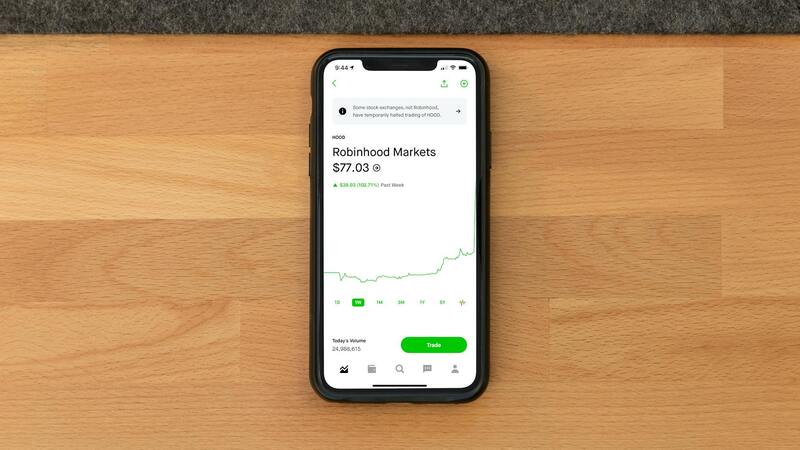
In essence, trading technologies are not merely supporting tools; they are strategic assets that influence a firm’s ability to deliver consistent performance and adapt swiftly to market changes. Whether through automated trading algorithms, strategic data acquisition, or fortified security measures, these systems fundamentally reshape how trading operations are conducted, ensuring firms operate at peak efficiency and remain competitive in an ever-changing landscape.
Core Components of Trading Technology Systems
- High-frequency data processing and analytics engines
- Automated order management systems (OMS)
- Market data feed handlers
- Trade execution algorithms
- Security and compliance modules
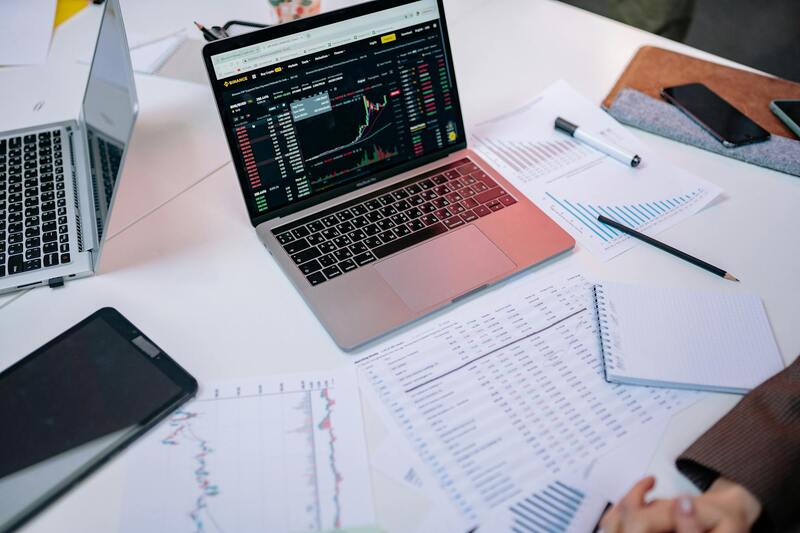
Through integrating these core components, trading firms can achieve a seamless flow from market data reception to order placement, ensuring high-speed and reliable trade execution. The development and maintenance of these systems require specialized expertise and a deep understanding of market mechanics, emphasizing the importance of precision and robustness in all aspects of trading technology development.
Core Components of Trading Technology Systems
Effective trading operations are underpinned by a sophisticated and reliable technological foundation. This foundation comprises a combination of hardware, software, and data infrastructure that work harmoniously to facilitate rapid decision-making and precise order execution. Understanding these components provides insights into how prop trading firms maintain their edge in competitive markets.
Hardware Infrastructure
At the heart of any trading technology system lies robust hardware infrastructure. This typically includes high-performance servers, low-latency network switches, and specialized storage solutions. High-frequency trading demands hardware that can process vast quantities of market data instantaneously, minimizing delays and ensuring that trading decisions are based on the freshest information available. Many firms utilize colocated servers within data centers close to major exchange hubs, reducing transmission times and enabling ultra-fast order routing.
Software Solutions
The software ecosystem includes trading platforms, risk management applications, and custom-developed algorithms. Trading platforms serve as the interface through which traders and algorithms interact with various markets, often providing real-time analytics, order entry, and monitoring features. Automated trading algorithms are programmed to execute pre-defined strategies, reacting to market conditions faster than human traders ever could. Complementary risk management software continuously monitors positions, limits, and exposures, ensuring compliance with internal policies and external regulations.
Market Data and Connectivity
Efficient access to market data streams is critical for decision-making. Firms invest in advanced market data feed handlers that can process multiple sources simultaneously, merging and analyzing data streams in real-time. Reliable connectivity solutions enable direct market access, reducing latency and providing traders with a competitive advantage. This infrastructure ensures that trading decisions are based on comprehensive, timely insights into market conditions.
Order Management Systems and Execution Platforms
Order Management Systems (OMS) integrate seamlessly with trading platforms, automating order routing, execution, and post-trade processing. These systems are designed for reliability and speed, handling large volumes of orders with minimal latency. Execution algorithms embedded within the OMS analyze market liquidity, spread, and other conditions to optimize order placement, minimizing slippage and transaction costs. Precision in these systems ensures that trade entries and exits are executed exactly as intended, essential for maintaining profitability.
Security, Compliance, and Data Integrity
As trading becomes increasingly data-driven, security modules safeguard sensitive information and operational integrity. These include encryption protocols, access controls, and intrusion detection systems to prevent unauthorized access and cyber threats. Compliance modules facilitate adherence to regulatory standards by monitoring trading activities and maintaining detailed audit logs. Ensuring data integrity and security safeguards firms against operational disruptions and enhances their credibility within financial markets.
The Role of High-Quality Data Feeds
Reliable data feeds are the backbone of profitable trading strategies. Firms subscribe to premium data providers delivering comprehensive and low-latency market information. These feeds include order book depths, real-time trade prices, and historical data, enabling quantitative models and algorithms to make informed decisions swiftly. Quality market data directly influences the precision and success of trading algorithms, especially in high-frequency environments where milliseconds matter.
Implementation of Robust Communication Protocols
Communication protocols define how data packets are transmitted between hardware and software components. Proprietary protocols are often developed to maximize throughput and minimize latency, ensuring that market information and order instructions are transmitted efficiently. Seamless integration of these protocols within the trading infrastructure minimizes delays, giving firms a critical advantage in executing trades at the opportune moments.
Conclusion
The integration of these core technological components forms the essential framework upon which prop trading firms base their strategic advantage. A focus on high-performance hardware, sophisticated software solutions, reliable data feeds, and rigorous security measures creates an environment where trading activities can be executed swiftly and accurately. Continuous innovation and maintenance of this infrastructure are crucial as market dynamics evolve, demanding ever faster and more reliable trading systems.
Core Components of Trading Technology Systems
Trading technology systems are composed of various interconnected components that work synergistically to facilitate efficient, accurate, and rapid trading execution. These components often include trading platforms, hardware infrastructure, APIs, data feeds, and risk management tools, all integrated to optimize the trading process and support strategic decision-making.
Trading Platforms
At the heart of trading operations are advanced trading platforms that provide traders with real-time market data, order management capabilities, and analytical tools. These platforms are designed with user interfaces that enable traders to execute complex strategies seamlessly. They often support custom algorithm deployment, automated trading, and sophisticated charting functionalities, ensuring traders can respond swiftly to market movements.
Hardware Infrastructure
High-performance hardware is essential for supporting low latency trading activities. Servers housed in proximity to data centers enable rapid data processing and order execution. Network equipment such as ultra-fast switches and routers facilitate efficient data transmission, reducing delays and ensuring synchronization of information across trading systems.
Application Programming Interfaces (APIs)
APIs serve as vital communication channels between trading software and external data providers or exchanges. Robust APIs facilitate direct market access, allowing traders and algorithms to place orders, receive market updates, and perform risk assessments in real-time. Well-designed APIs minimize latency and support high volumes of concurrent transactions, which are critical for executing fast-paced trades.

Market Data Feeds
Accurate and timely market data is foundational for making informed trading decisions. Data feeds from premium providers deliver essential information such as order book depths, trade executions, and historical price data. Advanced feed handlers process this information immediately, allowing algorithms to analyze and act on the latest market conditions.
Risk Management Tools
Effective risk management systems are integrated into trading infrastructure to monitor trading activities and enforce compliance. These tools include position limits, automated stop-loss orders, and real-time monitoring dashboards. They help prevent excessive risk exposure and ensure adherence to trading policies, ultimately contributing to stability in trading operations.
Connectivity and Data Integration
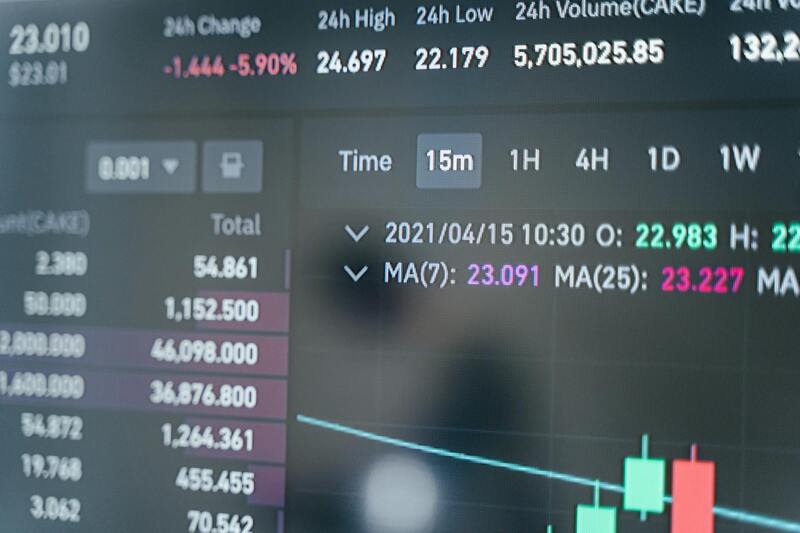
Streamlined connectivity between various technological components ensures uninterrupted data flow and transaction processing. Integration platforms coordinate the exchange of information across different APIs, data feeds, and execution engines, minimizing latency and reducing potential points of failure. Cloud-based solutions increasingly support these functions, offering scalability and flexibility for growing trading operations.
Security and Compliance Measures
Maintaining security within trading infrastructure involves encryption, multi-factor authentication, and regular vulnerability assessments. These measures protect sensitive data and prevent unauthorized access, fostering trust and operational integrity. Alongside security, compliance protocols ensure that trading activities adhere to industry regulations and reporting standards, safeguarding firms against potential legal or financial penalties.
Continuous Monitoring and Maintenance
To sustain peak performance, ongoing monitoring of hardware performance, software functionality, and network integrity is essential. Automated alerts can detect anomalies or system failures proactively, enabling rapid remediation. Regular updates and hardware upgrades ensure the infrastructure remains aligned with evolving market demands and technological advancements.
Order Execution and Risk Management Tools
In the realm of professional trading, the sophistication of order execution and risk management tools directly influences trading efficiency and overall safety. These tools are designed to ensure that trades are executed promptly and accurately, all while maintaining the trader's predefined risk parameters.
Order execution algorithms have been refined to optimize the placement of trades across multiple venues, aiming to reduce slippage and improve fill rates. Such algorithms can automatically adjust order types and sizes in response to market conditions, providing traders with a competitive edge. High-frequency traders rely heavily on these systems to capitalize on short-term market movements with minimal latency.
Complementing execution systems are risk management tools that serve as safeguard mechanisms. They continuously monitor positions, leverage, and market exposure, issuing alerts or halting trading activity when risk thresholds are breached. Automated stop-loss and take-profit orders are standard features, enabling immediate action without manual intervention, which is crucial during unpredictable market volatility.
Implementation of multi-layered risk controls is essential. These include real-time portfolio analysis, margin monitoring, and stress testing to assess potential vulnerabilities. Many trading platforms integrate real-time analytics, providing traders with comprehensive insights into their risk exposure and enabling informed decision-making under dynamic market conditions.
Such tools are often supplemented by custom scripting capabilities, allowing traders to tailor risk protocols to their specific strategies. For example, algorithmic traders may embed risk limits directly within their trading algorithms. This integration helps prevent costly errors and enhances compliance with internal risk policies, which are fundamental in high-stakes trading environments.
Essential to the robustness of these systems are features like audit trails and transaction recordkeeping. They ensure transparency and facilitate post-trade analysis, essential for refining strategies and demonstrating adherence to operational standards. Automated backtesting features allow traders to simulate how recent trades would have performed under recent market conditions, aiding in strategy optimization.
Global Market Data Integration
Reliable, real-time data feeds serve as the backbone of effective order execution and risk management. Ensuring access to comprehensive market data from various exchanges equips traders to make timely, informed decisions. These data feeds encompass price quotes, order book details, and news alerts, all critical for assessing market conditions and adjusting strategies accordingly.
Seamless integration of these data streams with trading platforms minimizes latency and data discrepancies, fostering more accurate and rapid trade execution. Advanced data management systems facilitate the consolidation of market information from diverse sources, enabling a holistic view that supports nuanced trading strategies and sophisticated risk assessments.
Order Execution and Risk Management Tools
Implementing Automated Execution Strategies
Order execution tools are integral to modern trading platforms, providing traders with the ability to automate the entry and exit of positions based on predefined criteria. These systems utilize advanced algorithms that can execute trades at optimal prices by monitoring market conditions in real-time. By automating order placement, traders can capitalize on short-lived opportunities without manual intervention, ensuring prompt execution during volatile market movements.
Automated order routing capabilities direct trades to specific exchanges or liquidity pools that offer the best pricing, often employing smart routing algorithms to optimize outcomes. This process reduces slippage, enhances fill rates, and ensures that traders have comprehensive control over trade parameters, including order size, timing, and price thresholds.
Advanced Risk Management Features
Risk management tools within trading systems serve to protect trading capital and preserve strategic integrity. These features include real-time monitoring of open positions, setting strict limits on exposure across various asset classes, and the ability to configure automatic stop-loss and take-profit orders. Such tools help prevent significant financial losses by enabling traders to react swiftly to market changes and enforce their risk parameters without manual oversight.
Sophisticated systems incorporate scenario analysis and stress testing modules that simulate potential market shocks, providing traders with insights into portfolio resilience. Moreover, integration with compliance systems ensures that trading activities align with internal policies and regulatory standards. Audit trails automatically record every order modification, execution, and cancellation, supporting transparency and facilitating post-trade analysis.
Real-Time Monitoring and Portfolio Management
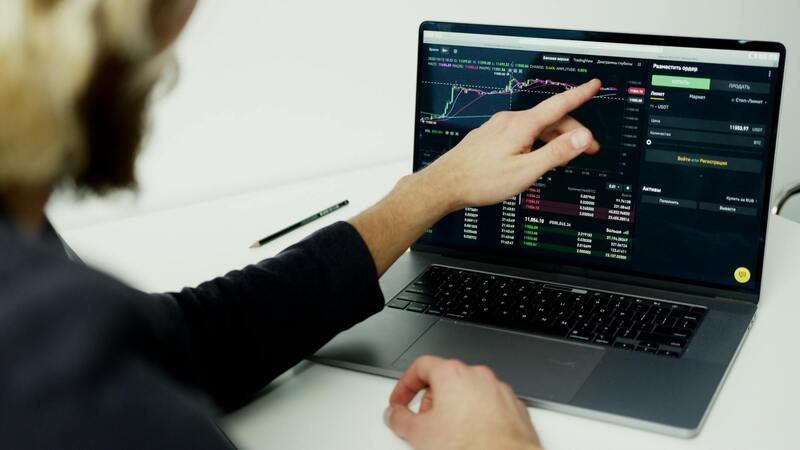
Effective risk management is supported by real-time dashboards that deliver instant updates on position sizes, margin utilization, and profit/loss metrics. Portfolio management modules enable traders to adjust strategies dynamically, responding to market signals or new data inputs. These dashboards often incorporate alerts and notifications that flag risk breaches or unusual activity, empowering traders to act proactively.
Ensuring Operational Transparency and Compliance
Maintaining granular records of all trading activity supports operational transparency and enhances oversight capabilities. Automated logging of trades, order modifications, and system alerts creates an auditable trail that facilitates compliance checks and strategic reviews. This infrastructure minimizes operational errors and supports adherence to internal control standards.
Furthermore, integrating risk controls with compliance workflows helps to enforce trading limits automatically, preventing unauthorized activities. The deployment of sophisticated alert systems ensures that deviations from established risk procedures are promptly flagged and addressed, reinforcing the integrity of trading operations.
Overview of Trading Technologies
Trading technologies serve as the backbone of modern financial markets, enabling traders and institutions to execute orders efficiently, analyze vast amounts of market data, and manage risk with precision. These systems integrate various hardware and software components to provide seamless connectivity to exchanges, high-speed processing capabilities, and robust security features. An effective trading technological framework enhances decision-making, reduces latency, and ensures operational stability, which is vital in rapidly fluctuating markets.
Core Components of Trading Technology Systems
At the heart of trading technology lie several essential elements that work in concert to optimize trading activities:
- Market Data Infrastructure: Facilitates real-time access to price quotes, order book data, news feeds, and economic indicators, forming the foundation for informed trading decisions.
- Order Management Systems (OMS): Enable traders to create, modify, and submit orders across multiple venues, ensuring accurate and timely execution.
- Execution Algorithms: Automate trading activities by employing predefined strategies that adapt to market conditions, minimizing slippage and transaction costs.
- Connectivity Protocols: Provide fast and reliable links to trading venues via low-latency network connections and standardized communication protocols.
- Trading Analytics and Reporting: Offer detailed insights into trading performance, compliance, and strategy effectiveness, supporting continuous improvement.

Algorithmic and Quantitative Trading Platforms
Algorithmic trading platforms are sophisticated environments that allow traders to develop, test, and deploy complex trading algorithms. These platforms support quantitative analysis, risk modeling, and strategy optimization, making them indispensable for prop trading firms focusing on data-driven decision-making. They often feature programming interfaces compatible with languages such as Python and C++, enabling traders to implement custom algorithms with high precision.
Backtesting functionalities are integral, allowing traders to evaluate strategies against historical market data to identify potential weaknesses or redundancies. Once validated, these strategies can be deployed in live trading environments, often with automated monitoring to detect anomalies or deviations from expected performance.
Order Execution and Risk Management Tools
Order execution tools are engineered to maximize speed and accuracy, ensuring that trades are completed in accordance with predefined parameters. Features include smart order routing, which identifies the best execution venues, and partial fill handling to accommodate large orders without undue market impact.
Risk management tools provide real-time oversight of trading activities. Dashboards display key metrics such as current positions, margin levels, profit and loss, and exposure limits. Automated alerts and risk controls help prevent over-leverage, unauthorized trading, and other risk exposures that could impact the firm's stability. Integration with compliance systems ensures that trading activities adhere to internal strategies and external regulations.
Data Feeds and Market Access
Comprehensive data feeds deliver continuous, high-fidelity market information, allowing traders to stay ahead of market movements. These feeds are often aggregated from multiple exchanges and sources, providing a holistic view of global markets. Access to diverse trading venues is facilitated through dedicated infrastructure that guarantees minimal latency and high availability.
Market access technologies include colocation services, dedicated fiber optics, and specialized network hardware designed to reduce transmission delays. These solutions provide traders with the speed necessary to execute high-frequency strategies and capitalize on fleeting market opportunities.

Exploring the Advanced Trading Technologies Employed by Prop Trading Firms
High-Performance Data Feeds and Connectivity Solutions
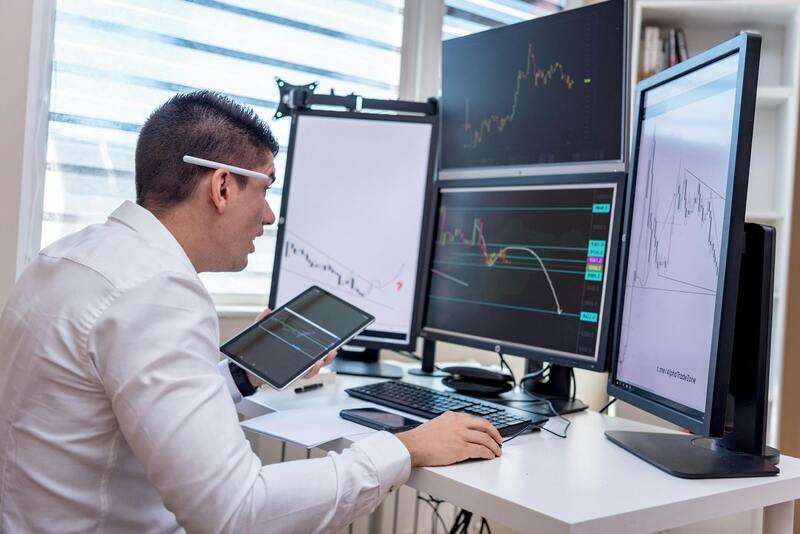
In the fast-paced environment of proprietary trading, accessing real-time market data with minimal latency is paramount. Cutting-edge data feed technologies aggregate information from multiple exchanges using redundant, high-bandwidth channels, ensuring traders receive timely updates on price movements, order book changes, and news sentiment. These feeds are optimized for low latency, providing a critical advantage in executing high-frequency trading strategies where milliseconds can determine profitability.
To achieve absolute speed, prop trading firms often utilize colocation services, placing their servers within or near data centers physically hosting exchange infrastructures. This physical proximity drastically reduces transmission delays, enabling traders to act swiftly on market data. Complementing colocation, dedicated fiber optic connections and advanced network hardware such as programmable switches and network interface cards ensure that data packets are transmitted and processed with minimal delay, maintaining the integrity of high-volume and high-frequency trading operations.

Robust Market Access Technologies
Effective market access technologies are vital for executing complex trading algorithms efficiently and reliably. Proprietary trading firms leverage specialised network architectures that include direct market access (DMA) platforms, which connect traders directly to exchanges' matching engines, bypassing third-party intermediaries. This direct connection significantly reduces order transmission times, improving the firm's ability to seize fleeting trading opportunities.
Additionally, firms implement resilient connectivity architectures that support failover capabilities. Multiple redundant internet connections, load balancing, and automated routing protocols safeguard against connectivity disruptions, ensuring uninterrupted trading operations even during network outages. For firms engaged in high-frequency trading, colocation with exchange infrastructure and utilization of advanced network hardware further enhance execution speed and reliability.
Security and Compliance in Trading Infrastructure
As trading technologies evolve, so does the importance of safeguarding data and maintaining adherence to operational standards. High-grade security measures include encryption protocols for data in transit, multi-layered firewalls, intrusion detection systems, and regular vulnerability assessments. These security layers protect sensitive trading algorithms, client data, and transaction information from threats.
Compliance with industry standards and regulatory requirements is integral to maintaining trust and operational integrity. Trading systems incorporate audit trails, access controls, and automated compliance checks that monitor trading activity for suspicious behaviors or violations. This proactive approach streamlines regulatory reporting and reduces the risk of penalties or operational disruptions.
- Encryption algorithms safeguard data integrity and privacy.
- Multi-factor authentication enhances access security.
- Continuous monitoring detects potential security breaches in real time.
- Automated compliance systems ensure trade activities conform to regulatory standards.
Summary
Trading technologies form the backbone of prop trading firms, empowering traders with advanced tools for market access, data analysis, and risk management. By integrating high-speed data feeds, resilient connectivity, and robust security protocols, these firms can execute complex strategies and adapt swiftly to changing market conditions. Technological innovation continues to drive the evolution of trading systems, paving the way for even more sophisticated and efficient trading operations.
Advanced Components and Emerging Trends in Trading Technologies
Integration of Artificial Intelligence and Machine Learning
Recent advancements in artificial intelligence (AI) and machine learning (ML) are reshaping the landscape of trading technologies. These systems utilize vast datasets to identify subtle market patterns, predict price movements, and optimize trade execution strategies. AI-driven analytics enable traders to process complex market signals in real time, improving decision-making accuracy and reducing reaction times. Proprietary algorithms continuously learn from market conditions, refining their predictive capabilities and adapting to evolving trading environments without manual intervention.
Machine learning models, including neural networks and reinforcement learning algorithms, are embedded within trading platforms to facilitate automated strategy development. They can evaluate historical data, identify arbitrage opportunities, and execute trades autonomously, subject to predefined risk parameters. This integration enhances efficiency and allows for nuanced risk-adjusted returns, especially in volatile markets where rapid data processing can be decisive.
Cloud Computing and Distributed Infrastructure
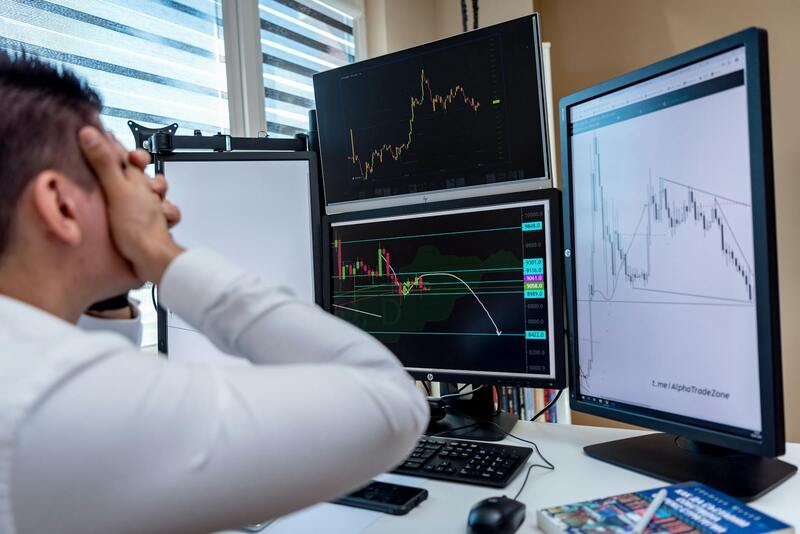
Cloud-based solutions and distributed computing infrastructures are increasingly vital components of trading technology systems. They offer scalable, flexible environments where traders and firms can run intensive data processing tasks without relying solely on physical servers. Cloud platforms facilitate rapid deployment of trading algorithms, real-time data analysis, and high-frequency trading operations, enabling firms to expand their computational capabilities with minimal infrastructure investment.
This approach also fosters collaboration among remote trading teams, allowing secure access to trading tools and data from anywhere, at any time. Cloud security measures, including encryption, identity management, and continuous monitoring, ensure that sensitive information remains protected. Additionally, the elasticity of cloud infrastructure allows firms to handle sudden surges in trading volume or market volatility seamlessly.
Enhanced Connectivity and Market Data Ecosystems
Advanced trading technologies leverage ultra-low latency connectivity solutions to ensure traders have immediate access to market data and order execution channels. Fiber optic connections, microwave transmission, and satellite links are used to minimize delays, providing a competitive edge in high-frequency trading strategies. These connections are integrated with sophisticated market data ecosystems that aggregate real-time information from multiple exchanges and liquidity providers.
This augmented data flow grants traders comprehensive visibility into market depth, order book dynamics, and trade execution metrics. Proprietary analytics tools sift through this data to generate actionable insights, facilitating swift and precise trading decisions. Integrating multiple data sources also helps in constructing more accurate market models, leading to better risk assessment and strategy refinement.
Robust Security and Compliance Technologies
As trading systems become more interconnected and data-driven, their security and regulatory compliance infrastructures are evolving concurrently. Encryption protocols protect sensitive information during transmission and storage, while multi-factor authentication ensures secure access. Compliance modules automate reporting processes and monitor transactions to identify potential irregularities, aligning with evolving regulatory standards.
Proprietary trading firms invest heavily in cybersecurity measures such as intrusion detection systems, behavioural analytics, and real-time threat intelligence. These technologies guard against cyber threats, unauthorized access, and potential data breaches, safeguarding client assets and maintaining operational integrity. Regular security audits and vulnerability assessments further strengthen defense mechanisms, ensuring that the technological backbone supports resilient and compliant trading operations.
Adoption of Blockchain and Distributed Ledger Technologies
Blockchain technology offers promising applications within professional trading environments, notably in improving transparency, reducing settlement times, and enhancing auditability. Distributed ledger systems facilitate secure, tamper-evident records of trades and transactions, streamlining reconciliation processes while reducing operational risks. Smart contracts automate settlement procedures, reducing manual intervention and potential errors.
Although blockchain implementations in trading are still emerging, forward-thinking prop firms are exploring pilot projects to integrate these technologies into their workflows. This could lead to significant efficiencies, lower costs, and increased trust in trade validation processes.

Utilizing Data Analytics and Visualization Tools
Advanced data analytics platforms and visualization tools are critical in transforming raw market data into strategic insights. Sophisticated dashboards provide traders with real-time analytics on trade performance, risk metrics, and market trends. These tools enable rapid hypothesis testing and strategy adjustment based on current market conditions.
By integrating predictive analytics with visual displays, traders can better interpret complex data and make more informed, timely decisions. Real-time alerts, heatmaps, and scenario simulations further improve responsiveness, ensuring acting on opportunities while managing exposure effectively.
Future Outlook: Continuous Innovation and Integration
As technological capabilities advance, the integration of diverse systems will become increasingly seamless. The focus will shift toward creating unified platforms that combine AI, cloud computing, enhanced connectivity, and security measures into cohesive solutions. Automation in trading will expand with the development of more intelligent decision support systems that operate in harmony with human traders to achieve superior outcomes.
Innovation will also emphasize environmental, social, and governance (ESG) factors, incorporating analytics that assess sustainability metrics alongside financial indicators. This integrated approach will support broader strategic objectives, aligning technological evolution with evolving industry standards and market demands.
