
Overview of Proprietary Trading in the USA
Proprietary trading, commonly known as prop trading, involves financial firms or traders using their own capital to execute trades with the goal of generating profits. Unlike traditional brokerage operations, which facilitate client transactions, prop trading firms focus solely on making trades that capitalize on market inefficiencies, price movements, and technical analysis. In the United States, this activity plays a vital role within the broader financial ecosystem, serving as a mechanism for liquidity provision and market depth enhancement.
Prop trading firms operate across various asset classes, including equities, options, futures, currencies, and commodities. They employ sophisticated algorithms, quantitative models, and experienced traders to identify profitable opportunities. The significance of prop trading in the US stems from its contribution to market efficiency, the creation of employment opportunities, and the advancement of trading technologies and strategies.
For individual traders and institutional participants, engaging in prop trading opens avenues for substantial earnings, provided they possess the necessary skills, market insight, and risk management techniques. This environment fosters innovation in trading methods and provides traders with access to capital that might otherwise be unavailable through traditional investing channels.

Understanding the Role of Prop Trading in the US Market Ecosystem
Prop trading acts as an essential component of the US financial markets by offering liquidity and facilitating efficient price discovery. These firms often engage in high-frequency trading, arbitrage, and trend-following strategies that leverage advanced technology. The dynamic nature of prop trading contributes to the robustness and resilience of financial markets, enabling other market participants to execute transactions with confidence.
Furthermore, the growth of prop trading has led to a competitive landscape fostering innovation, sophisticated risk management systems, and increased participation in markets that offer potential for high returns. This activity benefits the broader economy by supporting capital flow and enabling companies to access diverse investment opportunities.

Types of Prop Trading Firms in the USA
In the United States, proprietary trading firms encompass a diverse range of operational structures, each tailored to specific trading strategies and market niches. Broadly, they can be categorized into two primary types: proprietary trading desks within larger financial institutions and independent proprietary trading firms, often known as prop shops.
Proprietary trading desks housed within major banks serve a dual purpose: generating profits through market-making and trading activities while supporting the bank's overall liquidity and risk management operations. These desks typically focus on specific asset classes such as equities, fixed income, or derivatives, and employ advanced analytical tools and trading algorithms. The integration within larger banking groups provides liquidity advantages, access to extensive capital resources, and robust risk controls.

Independent prop shops operate separately from banking institutions, often establishing their own risk management policies and trading cultures. These firms range from small startups to large, well-established entities with significant capital bases. They typically attract traders with specialized expertise across various asset classes, leveraging technology-driven trading platforms and proprietary algorithms to identify market inefficiencies and exploit arbitrage opportunities.
Both types of firms prioritize talent acquisition and trader development. Whether embedded within large banks or functioning as standalone entities, prop trading firms emphasize disciplined risk management, innovation in trading techniques, and continuous strategy refinement to stay competitive in dynamic markets.
Structural Characteristics of Prop Trading Firms in the USA
- Ownership and management: Many independent firms are privately owned, fostering a flexible operational environment that encourages innovation.
- Capital allocation: Firms typically allocate substantial capital for trading activities, often sourced from the firm's own funds or external investors.
- Risk policies: While risk appetite varies, most firms establish clear guidelines to ensure sustainable trading practices and protect capital integrity.
- Technology infrastructure: Cutting-edge trading systems, high-speed connectivity, and data analysis tools are critical for successful prop trading operations.
- Trader qualifications: Firms seek traders with proven market expertise, advanced analytical skills, and the ability to operate within rigorous risk management frameworks.
Understanding the distinctions and operational nuances of these firm types is essential for aspiring traders and investors interested in the U.S. prop trading landscape. Each setup offers unique opportunities and challenges, aligned with specific strategic goals and risk profiles.
Regulatory Environment for Prop Trading in the USA
In the United States, proprietary trading firms operate within a complex regulatory landscape designed to oversee financial activities, ensure market fairness, and promote transparency. These regulations shape how firms establish their operational frameworks, compliance protocols, and risk management practices. Notably, laws such as the Dodd-Frank Wall Street Reform and Consumer Protection Act have introduced guidelines that impact trading activities, capital requirements, and reporting obligations, even if specific restrictions on prop trading itself are less explicit.
Regulatory bodies, including the Securities and Exchange Commission (SEC) and the Commodity Futures Trading Commission (CFTC), monitor trading operations affecting securities and derivatives markets. Despite the absence of dedicated regulations explicitly targeting proprietary trading firms, these agencies enforce rules related to market manipulation, insider trading, and financial reporting that all trading entities must adhere to diligently.
Firms engaged in prop trading are expected to maintain comprehensive compliance programs, implement robust risk controls, and ensure transparent trading practices. Many companies also establish internal protocols aligned with industry standards, such as the Global Investment Performance Standards (GIPS), to reinforce integrity and accurate reporting of trading results. Additionally, registration requirements may apply to certain asset classes or trading activities, particularly those involving derivatives or futures contracts, further influencing operational procedures.
Market resiliency initiatives, driven by regulatory reviews and ongoing policy updates, aim to mitigate systemic risks that could arise from aggressive trading strategies. As a result, prop trading firms must stay vigilant, continuously adapt to regulatory changes, and embed compliance into their strategic frameworks. This proactive approach helps firms sustain their trading operations while aligning with the evolving standards set forth by authorities overseeing the U.S. financial markets.

Overall, understanding the regulatory environment is fundamental for executing legitimate and compliant prop trading activities. Firms that invest in robust compliance infrastructure and adhere to established standards create a sustainable foundation for long-term trading success, while fostering trust among clients, investors, and market participants.
Funding and Capital Requirements for Prop Trading
Proprietary trading firms in the USA typically rely on a combination of internal capital allocations and external funding to sustain their operations. These firms often allocate substantial funds to ensure sufficient liquidity for executing large trades and managing market positions effectively. The initial capital is usually derived from the firm's own funds, raised through investment from founders, partners, or institutional investors committed to the firm's strategic objectives.
Trader funding programs have become a prominent method to leverage external capital while managing risks efficiently. These programs often involve providing traders with a predetermined trading account size—sometimes referred to as a trading buffer—that enables them to execute their strategies without compromising the firm’s overall risk threshold. Traders are usually required to meet specific financial benchmarks, such as minimum account balances, trading performance criteria, or risk management standards, before gaining access to such funds.
Financial benchmarks are critical in prop trading operations. Many firms set strict thresholds, including minimum net worth or trading experience levels for traders, to ensure that only qualified individuals manage significant capital. This approach not only minimizes exposure to potential losses but also promotes disciplined trading behaviors aligned with the firm’s risk appetite. Regulatory entities and industry standards influence how firms structure these funding mechanisms, emphasizing transparency, responsible leverage use, and comprehensive risk controls.

For firms engaged in high-frequency trading or complex derivatives, maintaining robust capital buffers and adhering to specific leverage limits is essential. Capital adequacy assessments are often conducted periodically to ensure ongoing compliance with internal risk policies and external industry standards. These processes help sustain operational stability, especially during volatile market conditions, and foster confidence among investors and trading partners.
Overall, accessing and managing capital efficiently forms the backbone of successful prop trading ventures in the USA. Establishing a balance between adequate funding and prudent risk management ensures sustainable profitability and operational resilience. As the industry evolves, firms continuously refine their capital requirements and funding strategies to adapt to changing market dynamics and regulatory requirements.
Funding and Capital Requirements for Prop Trading
Proprietary trading firms in the USA operate with carefully structured funding mechanisms designed to optimize capital deployment while managing risk effectively. These firms typically establish clear thresholds for traders, such as minimum capital contributions or net worth, to ensure that traders are financially committed and aligned with the firm's risk appetite. In certain scenarios, firms provide initial capital to selected traders based on proven track records, trading skills, and adherence to risk management protocols.
To maintain operational stability and safeguard client assets, prop trading firms enforce capital adequacy policies. These policies often include maintaining minimum capital reserves as dictated by internal risk models and industry best practices. Capital buffers allow firms to absorb losses during turbulent market conditions without jeopardizing their overall financial health. They also serve to regulate leverage, preventing traders from taking excessively risky positions that could lead to substantial losses.
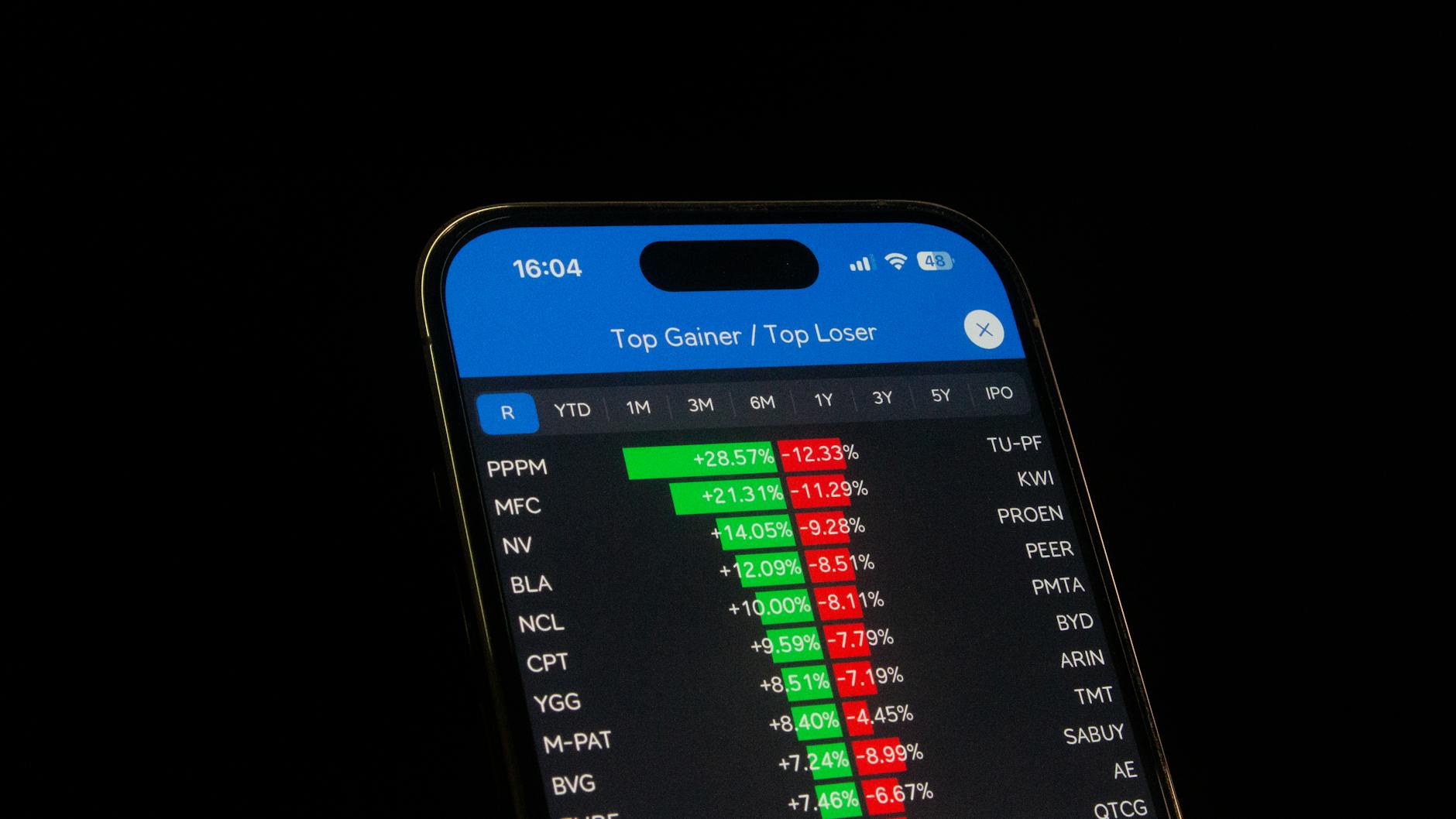
Many firms utilize disciplined leverage limits, often setting maximum borrowing levels relative to their capital base. Regular assessments and stress testing are common procedures to evaluate the firm's resilience and reveal potential vulnerabilities under adverse market scenarios. These evaluations support proactive adjustments to leverage ratios and trading strategies, facilitating a sustainable growth trajectory.
Funding structures also include escrow arrangements, profit-sharing models, and performance-based funding, which incentivize traders to adhere to risk controls and optimize their trading performance. Transparency in these funding modalities fosters trust and aligns interests between trading staff and the firm. By maintaining stringent oversight and continuous monitoring, firms aim to create a stable environment where high-quality trading can flourish without undue exposure to financial or operational risks.
Funding Structures and Profit-Sharing Models in US Proprietary Trading
Effective funding mechanisms are fundamental to the sustainable operation of proprietary trading firms in the United States. These structures ensure that traders have access to sufficient capital to execute their strategies while maintaining the firm’s overall risk management standards. Common funding modalities include profit-sharing arrangements, performance-based incentives, escrow accounts, and tiered capital contributions.

Profit-Sharing and Incentive Models
Profit-sharing models are designed to align traders' interests with those of the firm, fostering a culture of responsible risk-taking and consistent performance. Typically, these arrangements allocate a significant portion of the profits generated by traders back to them, often in the range of 50% to 80%. The specific division depends on the firm's policies, the trader’s experience, and the asset class involved.
Performance-based incentives further motivate traders to optimize their strategies while maintaining disciplined risk controls. These incentives might include tiered profit splits, bonuses tied to trading volumes or risk metrics, and additional capital allocation as traders demonstrate consistent results over time. This hybrid approach fosters a performance-driven environment while safeguarding the firm against excessive risk exposure.
Escrow and Capital Contribution Systems
Many US prop firms utilize escrow accounts to mitigate operational risks. Traders might need to deposit an initial capital or collateral, which serves as a buffer during volatile market conditions. These escrow arrangements not only provide a safety net but also encourage traders to maintain disciplined trading practices.
Capital contributions from traders—either as upfront deposits or ongoing funds—are often tied to their experience level and trading track record. As traders prove their capabilities, firms may increase their allocated capital or unlock additional trading opportunities. This incremental funding approach promotes responsible growth and fosters a meritocratic environment within the firm.
Transparency and Oversight in Funding Approaches
Clear communication regarding funding structures and profit-sharing policies is crucial for building trust among traders. Transparent terms help align expectations, reduce misunderstandings, and promote a collaborative atmosphere. Regular performance reviews, detailed reporting, and risk assessments ensure that both traders and firms remain aligned with their mutual objectives.

Conclusion
Structured funding and profit-sharing models form the backbone of effective proprietary trading operations in the USA. By implementing transparent, performance-based, and risk-adjusted funding policies, firms create an environment that encourages responsible trading, aligns the interests of stakeholders, and promotes long-term growth. Such frameworks are integral to maintaining a competitive edge in the dynamic US trading landscape while safeguarding the financial health of the firm and its traders.
Additional Insights into Funding and Growth Opportunities in US Proprietary Trading
Capital Allocation and Risk Management Protocols
Within the US prop trading ecosystem, a critical element that underpins operational efficiency involves meticulous capital allocation and robust risk management. These firms typically establish standardized protocols that govern the utilization of trading capital, ensuring that exposure is carefully controlled to optimize returns while mitigating potential losses. Traders are often assigned specific risk parameters, which include daily loss limits and overall drawdown thresholds, to protect both their trading accounts and the firm's financial integrity.
By maintaining disciplined adherence to risk management strategies, firms can sustain long-term profitability and stability. Many companies deploy advanced trading analytics and real-time monitoring tools to supervise trading activities continuously. These systems flag abnormal trading behaviors, prevent excessive leverage usage, and facilitate timely intervention when risks escalate. This structured approach to funding and risk oversight ensures that traders operate within defined safety boundaries, promoting sustainable growth and protecting against market unpredictability.

Incremental Funding and Performance-Based Incentives
In the US, a common practice among reputable prop trading firms involves incremental funding strategies, which are directly tied to a trader’s proven track record and ongoing performance metrics. New traders often start with a smaller allocation of capital, allowing them to demonstrate their skill and consistency without exposing the firm to excessive risk. As traders achieve specified profit milestones and adhere to risk controls, their trading capital is gradually increased, unlocking new opportunities for growth.
This merit-based system incentivizes traders to refine their strategies, adhere to disciplined trading habits, and consistently perform at a high level. Such performance-based funding models foster a culture of accountability and continuous improvement. Moreover, they align the interests of traders and firms, creating a collaborative environment aimed at maximizing profitability while safeguarding against unnecessary risks.
Profit Sharing and Transparent Compensation Structures
Transparent profit-sharing arrangements are vital in maintaining trust and motivation within US proprietary trading firms. Commonly, traders receive a percentage of the profits generated, with the remaining allocated to the firm to cover operational costs and risks. The exact division varies depending on the firm's policies, trader experience, and the specific asset classes traded.
Clear communication of these structures at the outset, including details on profit splits, performance bonuses, and any clawback provisions, helps prevent misunderstandings and fosters a positive working relationship. Frequent performance reviews and detailed reporting enable traders to understand their earnings potential and identify areas for improvement. Furthermore, such transparency supports the development of a meritocratic environment where top-performing traders are recognized and rewarded appropriately.

Conclusion
Structured funding and incentive mechanisms are central to the success of US proprietary trading initiatives. By employing risk-aware capital allocation, performance-based growth opportunities, and transparent profit-sharing policies, firms cultivate an environment where disciplined trading thrives. These practices not only bolster the financial stability of trading operations but also motivate traders to excel, ultimately supporting the dynamic and competitive landscape of US prop trading.
Comprehensive Methods for Engaging in Prop Trading in the USA
Participating in proprietary trading within the United States demands a strategic approach rooted in established and authorized pathways. Prospective traders and firms must prioritize adherence to recognized methodologies that emphasize professionalism, transparency, and operational integrity. The following outlines the most credible avenues for engaging in prop trading activities in the US.
Securing Employment with Reputable Prop Trading Firms
One of the most straightforward methods involves applying for positions directly within established proprietary trading firms. These businesses often have structured recruitment processes designed to evaluate traders' skills, risk management capabilities, and market understanding. Engaging with firms known for their robust training programs and clear operational policies provides a secure environment for traders to develop and execute strategies across diverse asset classes.
- Application Process: Candidates are typically required to submit a comprehensive resume highlighting relevant trading experience, technical proficiency, and financial knowledge. Many firms conduct multiple interview rounds, including simulated trading assessments to gauge decision-making under pressure.
- Onboarding and Training: Successful applicants often undergo rigorous training sessions focusing on firm-specific protocols, risk controls, and compliance standards. This initial phase ensures traders align with the firm's operational ethos and risk appetite.
- Funding and Account Access: Post training, traders receive access to trading accounts funded by the firm, and they begin executing live trades under the firm's supervision or within predefined risk limits.

Participation in Regulated Trading Competitions and Challenges
Many established trading firms and financial organizations host official competitions designed to identify talented traders. Participating in these challenges allows individuals to demonstrate their skills within a controlled, transparent environment. Success in such contests can lead to direct recruitment offers or opportunities to trade under the firm’s funding once certain performance benchmarks are achieved.
- Official Platforms: Competitions on regulated platforms ensure transparency and fairness, maintaining high standards for entrants.
- Evaluation Criteria: Performance is judged based on consistency, risk management, and profitability within set rules and timeframes.
- Post-competition Opportunities: Winners or top performers are often considered for employment or funded trading accounts, providing a recognized route into professional prop trading.

Engagement with Certification and Education Programs
Structured educational initiatives focusing on proprietary trading methodologies are available through reputable financial training providers. These programs not only enhance knowledge of market analysis and trading strategies but often incorporate assessment components that qualify individuals for funding programs or entry into well-established firms.
- Certified Courses: Completing recognized certification programs, such as those offered by industry associations or accredited educational institutions, demonstrates commitment and competence.
- Practical Skill Development: Hands-on trading simulations and mentorship sessions provide practical exposure necessary for success in live environments.
- Pathway to Funding: Many certification programs are tied to funding opportunities, where successful participants gain access to capital for trading activities.
Establishing Legitimate Independent Trading Frameworks
For experienced traders, establishing one's own trading operation under the guidance of compliance standards and risk management protocols is a viable route. Such enterprise should be aligned with regulatory requirements, including proper licensing, reporting, and adherence to financial industry conduct standards.
- Operational Licensing: Obtain necessary approvals to operate as a financial services entity, ensuring all activities fall within legal frameworks.
- Transparency and Auditing: Maintain thorough documentation and regularly audit trading activities to uphold integrity and build trust with stakeholders.
- Capital Management: Secure backing through personal capital, investor funds, or third-party capital sources in compliance with regulatory guidelines.

Engaging solely through credible, regulated channels remains the most reliable method for participating in prop trading activities across the United States. Throughout this process, transparency, professionalism, and adherence to established standards form the foundation of sustainable and successful trading careers and businesses within the sector.
