
Definition and Types of Trading Companies
Trading companies serve as vital entities in the financial markets by facilitating the buying and selling of securities, derivatives, currencies, and commodities. They operate across various sectors of the financial industry, providing liquidity, market efficiency, and strategic trading services. Among these, proprietary trading firms—commonly referred to as prop trading firms—stand out due to their unique business model and operational focus.
Proprietary Trading Firms
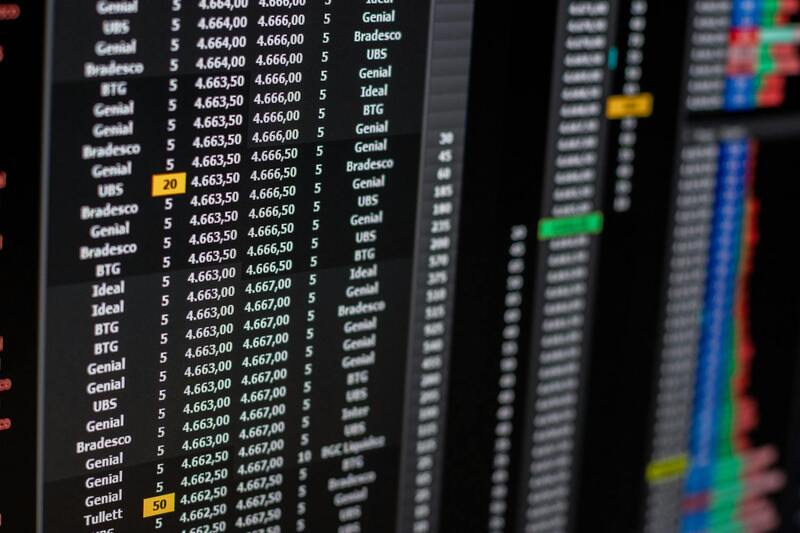
Proprietary trading firms are specialized trading companies that utilize their own capital to execute trades in the financial markets. Unlike firms that execute trades on behalf of clients, prop trading companies take on the risk and reward directly, aiming to generate profits through strategic market positions. These firms often employ professional traders, quantitative analysts, and algorithm developers to optimize their trading strategies.
Other Types of Trading Companies
- Brokerage Firms: These companies act as intermediaries, facilitating trades between clients and financial markets. They earn commissions and fees based on trade execution.
- Market Makers: Entities that provide liquidity by quoting both buy and sell prices for securities, profiting from the bid-ask spread.
- Asset Management Firms: Companies managing investment funds on behalf of clients, focusing on portfolio management rather than active trading for profit.
Understanding these distinctions helps clarify the varied roles and functions that different trading companies serve within the broader financial ecosystem.
Role of Prop Trading Firms
Proprietary trading firms play a crucial role by providing liquidity and market depth, often engaging in high-frequency trading, arbitrage, and directional strategies. Their operations help reduce spreads, improve price discovery, and contribute to overall market stability. These firms often operate in highly competitive and technologically advanced environments, leveraging sophisticated algorithms and data analysis to identify profitable trading opportunities.
Business Models of Trading Companies
Trading companies adopt diverse business models depending on their focus and strategic priorities. Prop trading firms typically generate revenue through trading profits, optimized via advanced quantitative methods. Brokerage and market maker firms rely primarily on commissions, spreads, and fees for their income streams. Asset management companies earn management fees and performance-based incentives. Each model requires tailored infrastructure and risk management approaches to ensure sustainable operations.
Funding and Capital Structure
Funding sources for trading companies vary widely. Prop trading firms often accumulate capital through private investments, partner contributions, and retained earnings. Some leverage external funding or investor capital to expand their trading capacity. Capital structure management is vital to balance risk exposure and liquidity needs, allowing these firms to adapt in volatile markets.
Regulations and Compliance
While operating within formal regulatory frameworks, trading companies must adhere to specific standards designed to ensure transparency and market integrity. Compliance involves rigorous internal controls, reporting procedures, and adherence to market conduct standards. These measures safeguard against illicit trading activities and foster trust within the financial system.
Technology and Trading Infrastructure
The advancements in technology have transformed trading company operations dramatically. Modern firms leverage high-performance computing, order execution algorithms, and real-time data analytics. Infrastructure includes co-location servers near exchange data centers, sophisticated risk management software, and secure communication networks, enabling rapid and precise execution of trades.
Career Opportunities and Skill Requirements
The industry offers diverse career paths, including trading, quantitative analysis, software development, and risk management. Successful professionals typically possess strong backgrounds in finance, mathematics, computer science, and data analysis. Continuous learning and technological proficiency are essential to thrive in this fast-evolving environment.
Current Trends and Future Outlook
Emerging trends in trading companies involve increased automation, artificial intelligence integration, and data-driven decision-making. The shift towards more transparent and compliant trading practices continues to influence industry standards. Moving forward, the focus on sustainable and responsible trading practices is expected to shape strategic developments within this sector.
Definition and Types of Trading Companies
Trading companies encompass a broad spectrum of businesses involved in the exchange of financial instruments, commodities, or foreign currencies. They are typically categorized based on their operational objectives and market engagement methods. The primary types include retail trading firms, institutional trading companies, high-frequency trading firms, and proprietary trading companies. Each type operates within specific frameworks designed to meet distinct trading strategies, risk management protocols, and client service models.
Retail trading firms predominantly serve individual investors, providing platforms for stock, forex, or commodity trading. These companies focus on facilitating accessible trading environments, offering educational resources, and leveraging customer-friendly technology solutions. Institutional trading companies operate on a larger scale, executing trades for hedge funds, pension funds, and other large entities. Their infrastructure is often highly sophisticated, enabling bulk order execution and advanced risk analysis.
High-frequency trading (HFT) firms utilize cutting-edge technology to execute a vast number of trades within fractions of a second, exploiting minute price discrepancies across markets. These firms invest heavily in high-performance computing and proximity hosting to minimize latency, aiming for rapid profit extraction through quantitative strategies.

Proprietary trading companies, often referred to as prop trading firms, trade with their own capital rather than client funds, focusing on strategies such as market making, arbitrage, and trend following. The operational models of trading companies are driven by their overall objectives—whether risk appetite, technological dominance, or client service excellence. They adopt structured approaches that align trading strategies with their capital management frameworks, thereby enabling sustained performance within competitive markets.
Definition and Types of Trading Companies
Trading companies encompass a broad spectrum of entities that facilitate and execute transactions across various financial markets. These entities are distinguished primarily by their operational focus, capital sources, and strategic objectives. Understanding the different types of trading companies is essential for navigating the landscape effectively.
Proprietary Trading Firms
Proprietary trading firms, commonly known as prop trading companies, utilize their own capital to execute trades across diverse financial instruments such as stocks, forex, commodities, and derivatives. Their primary goal is to generate profit directly from market activity rather than managing client funds. Prop firms often employ sophisticated trading strategies, including market making, arbitrage, trend following, and quantitative algorithms, often supported by intensive research and cutting-edge technology.

Agency Trading Firms
Agency trading firms act as intermediaries between clients and the financial markets. They execute client orders efficiently and seek to maximize execution quality and speed. These firms typically earn commissions or fees based on trading volume and may provide additional services such as market analysis, order routing, and trade execution optimization.
Market-Making Companies
Market makers provide liquidity by continuously quoting bid and ask prices for securities or commodities, facilitating easier entry and exit for traders. They profit from the spread between buying and selling prices, utilizing their capital to sustain inventories and manage risks associated with holding positions. Their role is crucial in maintaining market stability, especially in less liquid markets or during volatile periods.
Role of Prop Trading Firms
Prop trading firms play a vital role within financial ecosystems by actively seeking opportunities for profit through their own trading activities. They harness advanced technological tools, such as algorithmic trading systems, high-performance computing infrastructure, and direct market access channels to execute rapid and large volume trades. This enables them to capitalize on small price movements, discrepancies across markets, and systemic inefficiencies.
Additionally, these firms often invest heavily in research and development, fostering innovative trading methodologies. The focus is on optimizing strategies that balance risk and reward while ensuring consistent performance in fluctuating markets. As key players in market liquidity and price discovery, prop firms contribute significantly to the overall efficiency of financial systems.

Summary
Trading companies encompass a variety of entities such as proprietary firms, agency traders, and market makers, each fulfilling distinct roles in financial markets. Proprietary trading firms, in particular, are distinguished by their use of firm-owned capital to pursue profit through strategic, often algorithm-driven, trading activities. The interplay of these varied entities sustains liquidity, enhances price stability, and fosters a dynamic trading environment that continuously adapts to evolving market complexities.
Funding and Capital Structure
Trading companies rely on diverse funding sources to support their operations and expand their trading activities. Proprietary trading firms, in particular, often utilize a combination of internally generated capital, external investments, and leverage to maximize their market presence. Internal funding is derived from the firm's accumulated profits, providing a sustainable financial foundation that enables continued trading without relying solely on external sources.
Many prop firms also secure capital through arrangements with financial institutions or dedicated investors who provide supplementary funding, allowing for increased trading volume and risk exposure. This external capital infusion is typically accompanied by strict risk management protocols to safeguard both the firm's and investors' interests.

Leverage plays a critical role in trading company operations, providing the ability to amplify trading positions beyond these firms' initial capital. The strategic application of leverage allows firms to capitalize on small market movements, enhancing profit potential. However, effective risk controls are essential to mitigate the adverse effects of market volatility, ensuring that leverage is used judiciously to balance growth opportunities with financial stability.
In addition to traditional capital sources, some trading companies explore alternative financing options, such as lines of credit or partnership agreements, to diversify their funding streams. This multi-faceted approach supports sustained growth, enables rapid adaptation to market conditions, and provides the flexibility necessary for innovative trading strategies.
Regulations and Compliance
Operating within the framework of financial regulations and compliance standards is fundamental for trading companies. These entities are required to adhere to national and international trading rules, which encompass reporting obligations, capital adequacy requirements, and ethical trading practices. Compliance ensures transparency, fosters investor confidence, and maintains the integrity of trading activities.
To achieve this, firms often employ dedicated compliance officers and utilize sophisticated monitoring systems that track trading behavior and flag potential violations. Staying current with regulatory changes is crucial, as it enables trading companies to adjust their procedures proactively and avoid sanctions or operational disruptions.
Technology and Trading Infrastructure
The backbone of successful trading companies is their advanced technological infrastructure. High-frequency trading algorithms, market data feeds, and direct electronic access to exchanges allow for rapid execution and precise market timing. Investment in robust hardware, data centers, and secure communication channels ensures minimal latency and high reliability.
Additionally, data analysis platforms, machine learning tools, and risk management software facilitate informed decision-making and strategic adjustments in real-time. This technological prowess enables trading firms to stay ahead of market trends, execute complex strategies efficiently, and maintain a competitive edge despite fluctuating market dynamics.
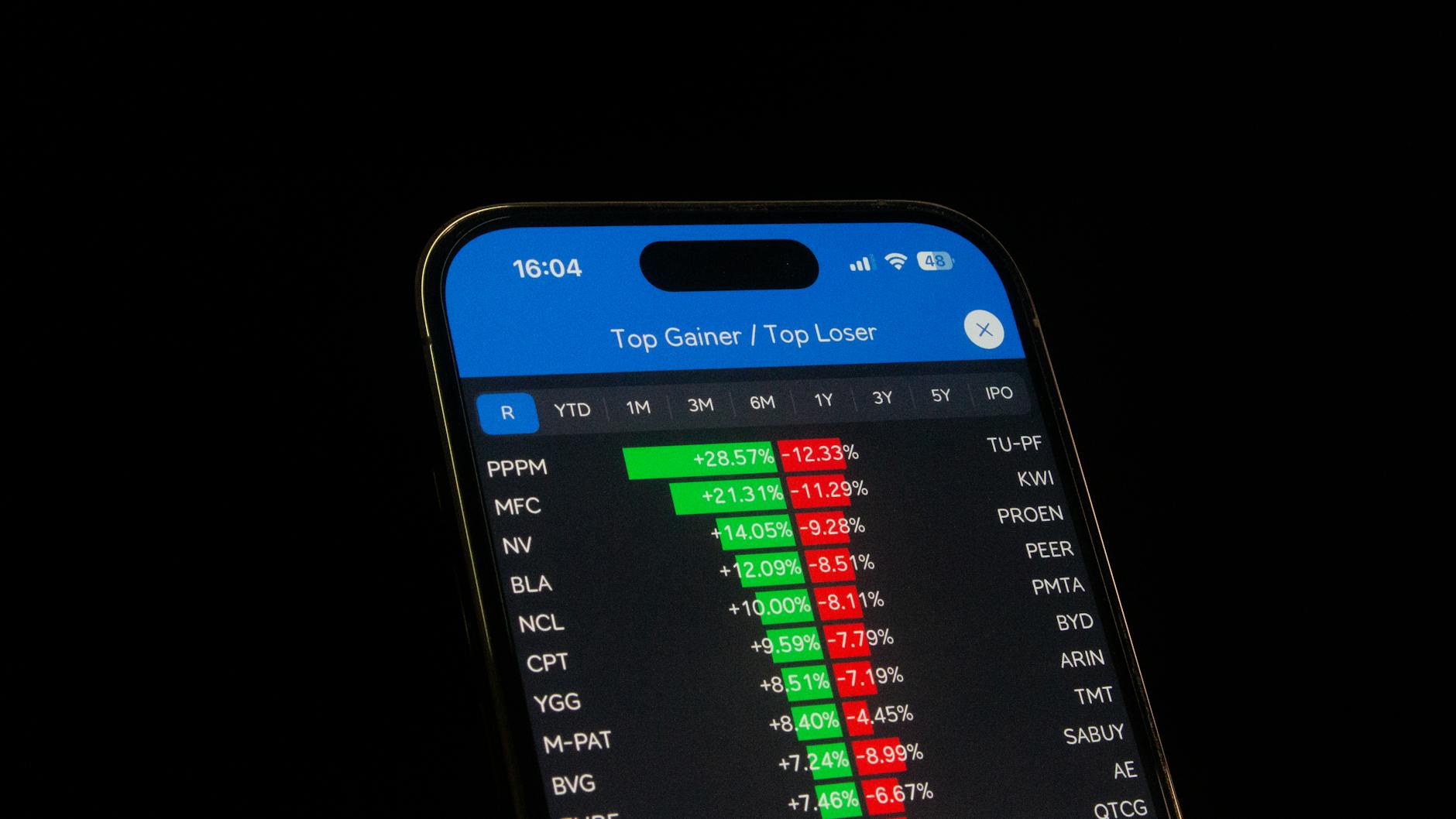
Maintaining this infrastructure requires continuous updates to incorporate the latest technological innovations. Cybersecurity measures are also a priority to protect sensitive trading algorithms, client data, and corporate networks from cyber threats. Overall, a well-developed trading infrastructure is a critical asset that underpins the success and resilience of trading companies.
Career Opportunities and Skill Requirements
Trading companies offer a wide array of career paths, from quantitative analysts and algorithm developers to risk managers and compliance specialists. Success in these roles depends on a deep understanding of financial markets, mastery of quantitative methods, and proficiency with advanced technology tools.
For aspiring professionals, developing skills in programming languages such as Python, C++, or Java is highly valuable. Expertise in statistical analysis, machine learning, and data interpretation enhances one’s ability to develop and refine trading algorithms. Experience with electronic trading platforms and infrastructure management further adds to a candidate’s credentials.
Strong analytical thinking, problem-solving capabilities, and the ability to perform under pressure are also vital traits. Continuous learning—through certifications, workshops, and industry research—is essential to stay current with evolving market conditions and technological developments.
Current Trends and Future Outlook
The landscape of trading companies is rapidly evolving, driven by technological advancements and changing market dynamics. Automation and algorithmic trading continue to dominate, with innovations like artificial intelligence and machine learning increasingly integrated into trading strategies. These tools enable companies to process vast amounts of data, identify patterns, and execute trades with minimal human intervention.
Moreover, the adoption of blockchain technology is beginning to influence trading operations, enhancing transparency, security, and settlement efficiencies. Firms are also exploring environmental, social, and governance (ESG) factors, aligning their trading strategies with sustainable investment principles.
Looking ahead, trading companies are expected to prioritize resilience and agility, leveraging real-time data analytics and adaptive algorithms to navigate volatile markets. As global markets become more interconnected, firms will need to continuously innovate and refine their methodologies to maintain competitive advantages in an increasingly complex trading environment.
Funding and Capital Structure
Reliable trading companies employ diverse funding approaches to sustain and expand their operations. These methods often include a combination of proprietary capital, external investments, and strategic partnerships. Proprietary trading firms, in particular, allocate their own funds directly into financial markets, which allows them to maintain control over their strategies and risk management processes.
Many trading companies leverage seed funding or initial capital injections from institutional investors, venture capitalists, or private equity firms. This external capital enables rapid scaling and the adoption of advanced trading technology without diluting ownership. Some firms also participate in consortium agreements, where multiple entities pool resources to finance large-scale trading operations.
The capital structure within these organizations is meticulously managed to optimize leverage, risk exposure, and liquidity. Risk-adjusted capital allocation is a core principle, ensuring that trading activities align with the firm’s risk appetite and regulatory constraints. Sophisticated portfolio management systems are utilized to monitor capital utilization in real-time, facilitating prompt adjustments in response to market volatility.

Trading firms also implement rigorous internal controls for capital deployment. These include risk limits, margin requirements, and contingency reserves designed to safeguard against significant losses. Transparent reporting and audit mechanisms are critical components, ensuring that all funding activities adhere to established policies and standards.
Moreover, trading companies increasingly adopt innovative financing techniques such as leverage optimization and hedging strategies. These approaches are essential for managing exposure, especially when engaging in high-frequency trading or executing complex derivatives transactions. The capacity to mobilize capital swiftly and responsibly is vital to maintaining competitiveness in dynamic market environments.

An effective capital structure fosters operational flexibility, allowing trading companies to seize emerging opportunities while mitigating potential downturns. This balance hinges on precise risk assessment, strategic resource allocation, and adherence to industry best practices. As markets continue to evolve, so too will the methodologies for funding and capital management, ensuring that trading firms remain resilient and adaptable amid shifting financial landscapes.
Funding and Capital Structure
Trading companies rely heavily on a robust funding framework to sustain their operations and ensure the capacity to execute diverse trading strategies. These firms typically accumulate capital through a mix of private investments, partnerships, and internal reserves. Many prop trading firms opt for a combination of founder capital and external funding sources, which can include institutional backing or venture capital, to diversify risk and amplify trading capacity.
High levels of liquidity are vital for accommodating rapid market movements, particularly in high-frequency and derivatives trading. To manage this effectively, trading companies often employ sophisticated capital allocation strategies that optimize the use of available funds. These include tiered collateral arrangements, margin finance, and leverage optimization, which facilitate increased trading volumes without compromising risk levels.
Structures such as pooled funds or dedicated trading accounts are common, allowing firms to segregate operations and monitor capital deployment precisely. Such arrangements enable better risk management, transparency, and compliance adherence. Capital reserves are also strategically maintained to buffer against unforeseen market downturns, ensuring uninterrupted trading activity and solvency.
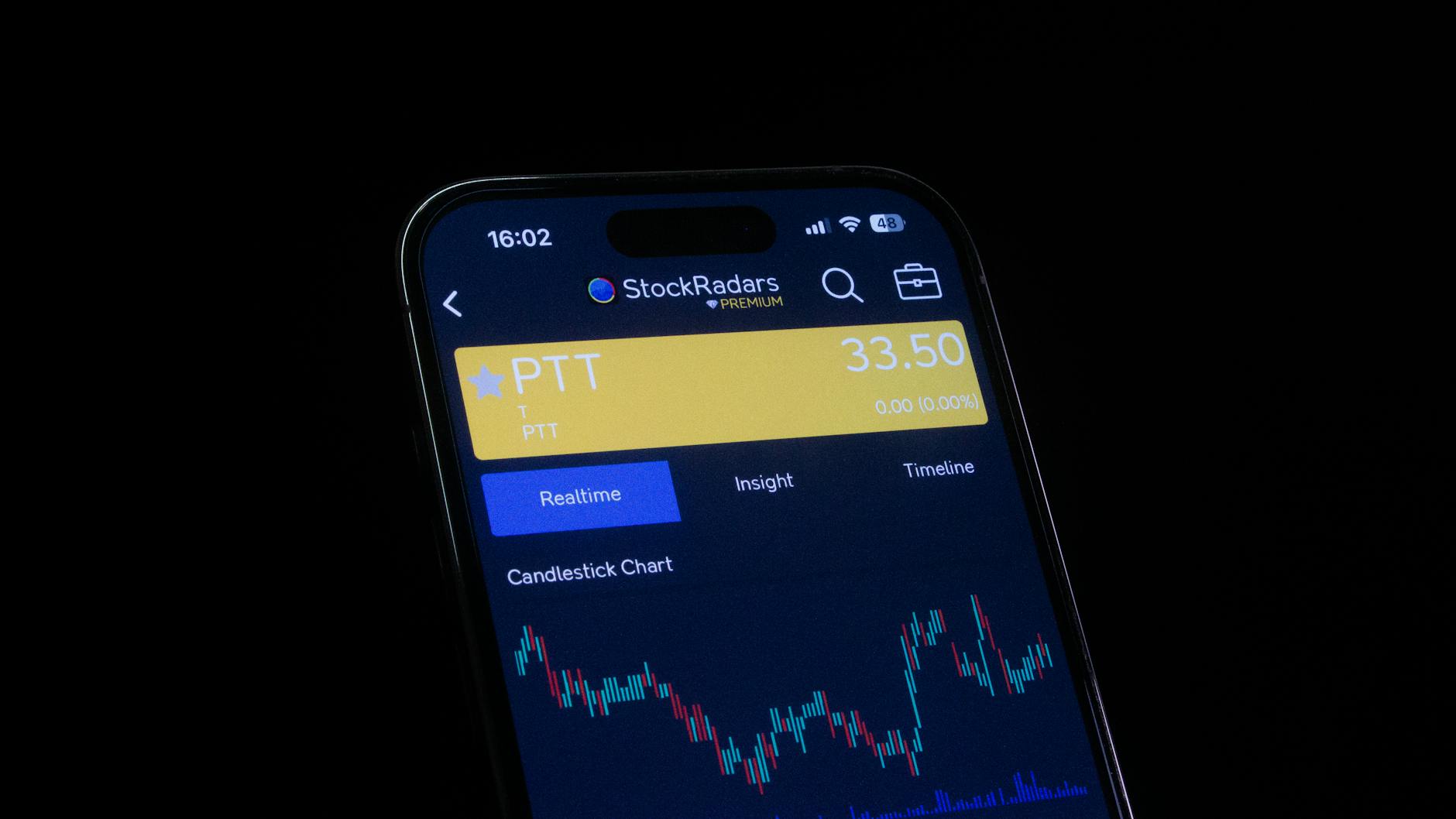
Effective management of funding sources and capital structure is essential for maintaining competitiveness and operational agility. It allows trading firms to capitalize on emerging market opportunities swiftly while safeguarding against potential losses. A well-balanced financial foundation also supports technological investments, talent acquisition, and research initiatives—all critical drivers of continued success in the fast-paced trading environment.
Regulations and Compliance
Within the realm of trading companies, maintaining compliance with various regulatory standards is crucial for legitimizing operations and ensuring fair trading practices. Although specific requirements can differ based on jurisdiction, firms generally adhere to industry-standard frameworks that emphasize transparency, risk management, and financial reporting.
Regulatory oversight often involves periodic audits, detailed reporting of trading activities, and rigorous internal controls to prevent market abuse and ensure proper execution of trades. Trading firms implement compliance protocols aligned with best practices, such as pre-trade risk checks, real-time monitoring systems, and comprehensive audit trails to verify transactions.
Furthermore, the adoption of advanced compliance technology helps firms stay ahead of evolving regulatory expectations. These solutions facilitate automated monitoring for suspicious activities, support regulatory reporting, and help maintain a culture of integrity within the organization. While navigating complex financial regulations, trading companies remain committed to operational excellence, which enhances their reputation and fosters long-term stability.
Funding and Capital Structure of Trading Companies
Understanding the funding mechanisms and capital structure is fundamental to grasping how trading companies operate efficiently and sustain their activities. Most trading firms rely on a combination of proprietary capital, external investors, and specialized financial arrangements to maintain liquidity and support trading operations.
In proprietary trading firms, the primary source of capital typically comes from the company's own reserves. This internal funding allows them to retain full control over trading decisions and risk management strategies. However, some firms also seek external funding through private investors or institutional partners, which can enhance their trading capacity and diversify risk exposure.
Many trading firms utilize leverage—borrowing funds to increase trading position sizes—carefully balancing the potential for higher returns against the risk of significant losses. The level of leverage adopted varies depending on the firm's risk appetite, trading strategies, and available collateral. Proper management of leverage is crucial, as excessive borrowing can jeopardize the firm’s financial health, especially during volatile market conditions.
Capital adequacy is maintained through rigorous risk assessment and conservative capital allocation policies. Trading firms often implement strict capital reserve requirements to cushion against adverse movements in the markets. They also frequently reevaluate their funding sources to ensure they have sufficient liquidity for ongoing operations and strategic expansion.

Regulations and Compliance in Trading Companies
Operational integrity within trading companies is maintained through strict adherence to regulatory frameworks and compliance protocols. While specific requirements vary across jurisdictions, firms universally emphasize transparency, risk controls, and accurate reporting to uphold their reputation and operational stability.
Regulatory oversight involves periodic audits, detailed disclosures of trading activities, and robust internal controls. Pre-trade risk checks ensure that trading desks do not take on excessive leverage or risky positions, while real-time monitoring helps detect suspicious activities and prevent market abuse.
To meet compliance standards efficiently, many firms adopt advanced technology solutions such as automated monitoring systems, compliance analytics, and real-time reporting tools. These systems support the swift identification of irregularities and streamline reporting obligations, reducing the risk of errors and enhancing operational transparency.
Maintaining a culture of ethical trading and strict compliance not only safeguards a firm against regulatory sanctions but also boosts its credibility within financial markets. Firms committed to these principles are better positioned to adapt to evolving regulatory landscapes and sustain long-term growth.

Funding and Capital Structure of Trading Companies
Trading companies, particularly proprietary trading firms, often operate with diverse funding mechanisms tailored to their strategic objectives and operational scope. These firms typically rely on a combination of personal or institutional capital, external investment, and revenue generated from trading activities to sustain and expand their operations.
In many cases, proprietary trading firms are backed by founders' personal wealth or private investor contributions, enabling a degree of independence from external financing sources. This internal capital serves as the foundation for launching trading desks, acquiring technology infrastructure, and managing operational expenses.
Some trading companies also attract capital through partnership arrangements or by raising funds from sophisticated investors who seek exposure to managed trading strategies. These investments are often structured with clear terms regarding profit sharing, risk management, and operational control, ensuring alignment of interests between the firm and its financiers.
Leverage plays a significant role within trading firms, providing the capacity to amplify trading positions without requiring proportional capital increases. Effective leverage management is crucial, as improper use can lead to substantial losses, while appropriate leverage can significantly enhance profitability.
Risk management frameworks are integral to maintaining financial stability within trading companies. These include detailed capital adequacy assessments, stress testing scenarios, and stop-loss protocols designed to protect against adverse market moves and preserve the firm's capital base.

Regulatory Frameworks and Their Impact
Despite the focus on operational security, trading companies must navigate a complex landscape of regulatory frameworks that influence how they raise capital and structure their finances. Clear reporting standards, transparency requirements, and risk disclosures help maintain market integrity and foster investor confidence.
Understanding these financial and regulatory considerations is essential for operating efficiently and maintaining a resilient capital structure. Firms capable of balancing growth ambitions with prudent risk management benefits from stable funding sources and strategic financial planning.
