
Overview of Prop Trading and Prop Firms
Proprietary trading, commonly known as prop trading, involves financial firms or investors trading stocks, commodities, currencies, or other financial instruments with their own capital rather than on behalf of clients. This approach allows traders and firms to capitalize on market opportunities directly, aiming for profit generation from market movements. Prop firms are specialized organizations that provide traders with the resources, capital, and infrastructure necessary to execute trades, acting as platforms for skilled traders to operate efficiently.
These firms play a crucial role in the financial markets by offering liquidity, fostering innovation in trading strategies, and enabling capital-efficient market participation. For traders, especially those starting their careers or seeking substantial capital to amplify their trading efforts, prop firms offer a structured environment with access to sophisticated tools, mentorship, and risk management practices. Conversely, for the firms themselves, prop trading represents a strategic avenue to generate revenue and stay competitive by leveraging innovative trading techniques and seasoned expertise.
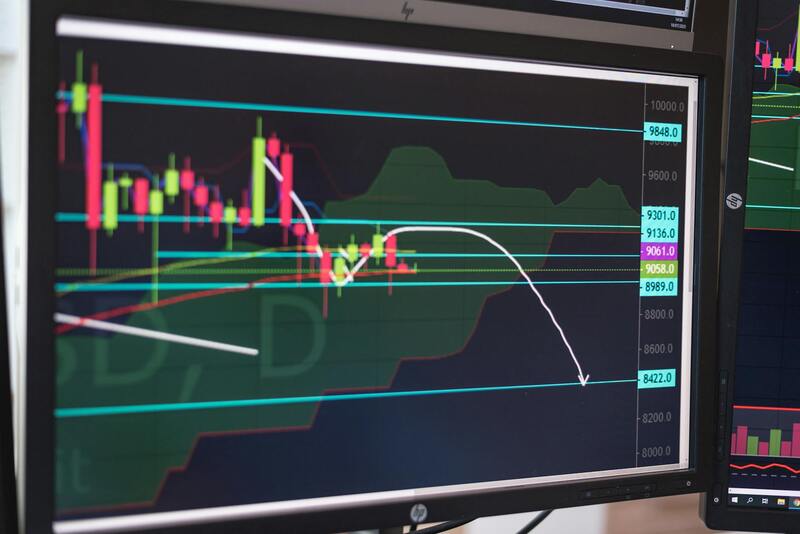
Overall, prop firms serve as vital hubs within the financial ecosystem, enabling talented traders to refine their skills while contributing to market efficiency and depth. Their importance is underlined by the continuous development of new trading strategies and the technological infrastructure that sustains the dynamic landscape of modern financial trading.
Emergence of Future Prop Firms
As the scope of financial markets expands and technological innovations continue to redefine trading methodologies, new prop trading firms are emerging with distinct attributes tailored to modern industry demands. These future-oriented firms are characterized by their emphasis on advanced analytics, algorithmic trading, and robust risk management systems. They often invest heavily in developing proprietary trading platforms that harness artificial intelligence, machine learning, and big data to identify and capitalize on market opportunities with greater precision.
The criteria for establishing these advanced prop firms include securing substantial initial capital, assembling a team of skilled traders and technologists, and fostering a culture of continuous innovation. The firms focus on creating scalable business models that integrate seamlessly with global markets, allowing them to operate across multiple asset classes and geographical regions. Additionally, they prioritize compliance with evolving regulatory requirements, implementing sophisticated compliance and risk controls within their frameworks.

The landscape is also shaped by market dynamics, such as increased volatility, the rise of cryptocurrencies, and the growing importance of automation. These factors create opportunities for innovative firms to develop new trading strategies that leverage automation, data analytics, and real-time market insights. Consequently, future prop firms are positioned at the forefront of market transformation, utilizing technological advancements to enhance trading efficiency, reduce risks, and increase profitability.
Key Features of Future Prop Firms
Modern prop firms are distinguished by several core features indicative of their potential for sustained growth and adaptability:
- Integration of Technology: Use of sophisticated algorithms, trading bots, and machine learning models to inform decision-making processes.
- Focus on Data-Driven Strategies: Reliance on big data analytics to identify market patterns and optimize trade execution.
- Global Market Access: Capabilities to operate across stocks, commodities, forex, cryptocurrencies, and derivatives worldwide.
- Dynamic Risk Management: Implementation of real-time risk assessment tools to monitor positions and minimize losses.
- Advanced Infrastructure: Investment in high-speed trading platforms, secure data centers, and robust connectivity solutions.
Technology and Innovation in Prop Trading
The integration of cutting-edge technology is central to the evolution of future prop firms. Automated trading systems, powered by artificial intelligence and machine learning, enable rapid execution and adaptation to market conditions. These firms often develop proprietary trading algorithms that analyze historical data, current market signals, and sentiment analysis to generate actionable insights.
Additionally, cloud computing and distributed ledger technology are transforming data management and transaction security. Many firms are adopting these innovations to improve scalability, reduce costs, and enhance the transparency of their operations. The convergence of such technologies results in more efficient, adaptive, and resilient trading infrastructure.

Trader Qualification and Training
With the rise of technological sophistication, a high level of expertise is required from traders within future prop firms. Firms are increasingly emphasizing rigorous screening processes, including technical proficiency assessments, trading simulations, and behavioral evaluations. Successful traders often possess a deep understanding of market mechanics, quantitative analysis, and risk control principles.
Training programs are structured to cultivate skill sets aligned with the latest trading tools and strategies. These include mentorship initiatives, continuous professional development, and access to proprietary platforms and analytics. Emphasis on disciplined trading, psychological resilience, and data interpretation ensures traders are well-equipped to navigate complex market environments.
Regulatory Environment and Compliance
As the industry evolves, so do the compliance requirements governing trading activities. Future prop firms invest in comprehensive compliance systems that incorporate real-time reporting, audit trails, and cybersecurity measures. Staying ahead of regulatory changes is crucial, especially with the expanding scope of markets, new financial instruments, and cross-border transactions.
Firms adopt strict internal controls and compliance protocols to ensure their operations align with regulatory standards. Regular training for personnel on compliance obligations and ethical trading practices further fortifies the firm's integrity and operational stability.
Challenges and Opportunities Ahead
Despite the growth and innovation, future prop firms face challenges including rapid technological changes, market uncertainty, and regulatory pressures. Staying adaptable and investing strategically in research and development are vital to maintaining competitive advantage.
Opportunities lie in emerging markets, such as cryptocurrency trading, and in leveraging artificial intelligence to develop more predictive algorithms. Collaborations with technology providers and continuous talent acquisition further enable firms to stay at the cutting edge of trading innovation.
Key Features of Future Prop Firms
Modern future prop firms are distinguished by their innovative structure and advanced technological frameworks. These firms typically operate on funding models that allow professional traders to access significant capital pools, often through tiered or performance-based arrangements. Traders may start with a smaller risk capital allocation, with the potential to scale up as they demonstrate consistent profitability and disciplined trading behaviors.
Profit-sharing models in future prop firms are usually designed to motivate and reward high performance. Common approaches include a percentage split of profits, where traders retain a sizable share of their earnings, incentivizing skill and disciplined execution. Many firms also implement bonus structures tied to risk management and adherence to internal trading protocols, ensuring that profitability does not compromise overall risk controls.
The technological infrastructure supporting these firms is robust and state-of-the-art. Trading platforms integrate seamlessly with advanced analytics, algorithmic trading tools, and real-time data feeds. Artificial intelligence and machine learning are increasingly embedded within these platforms, providing traders with predictive insights that enhance decision-making processes. Cloud-based systems offer scalability and flexibility, enabling rapid deployment of new strategies and adaptation to market dynamics.
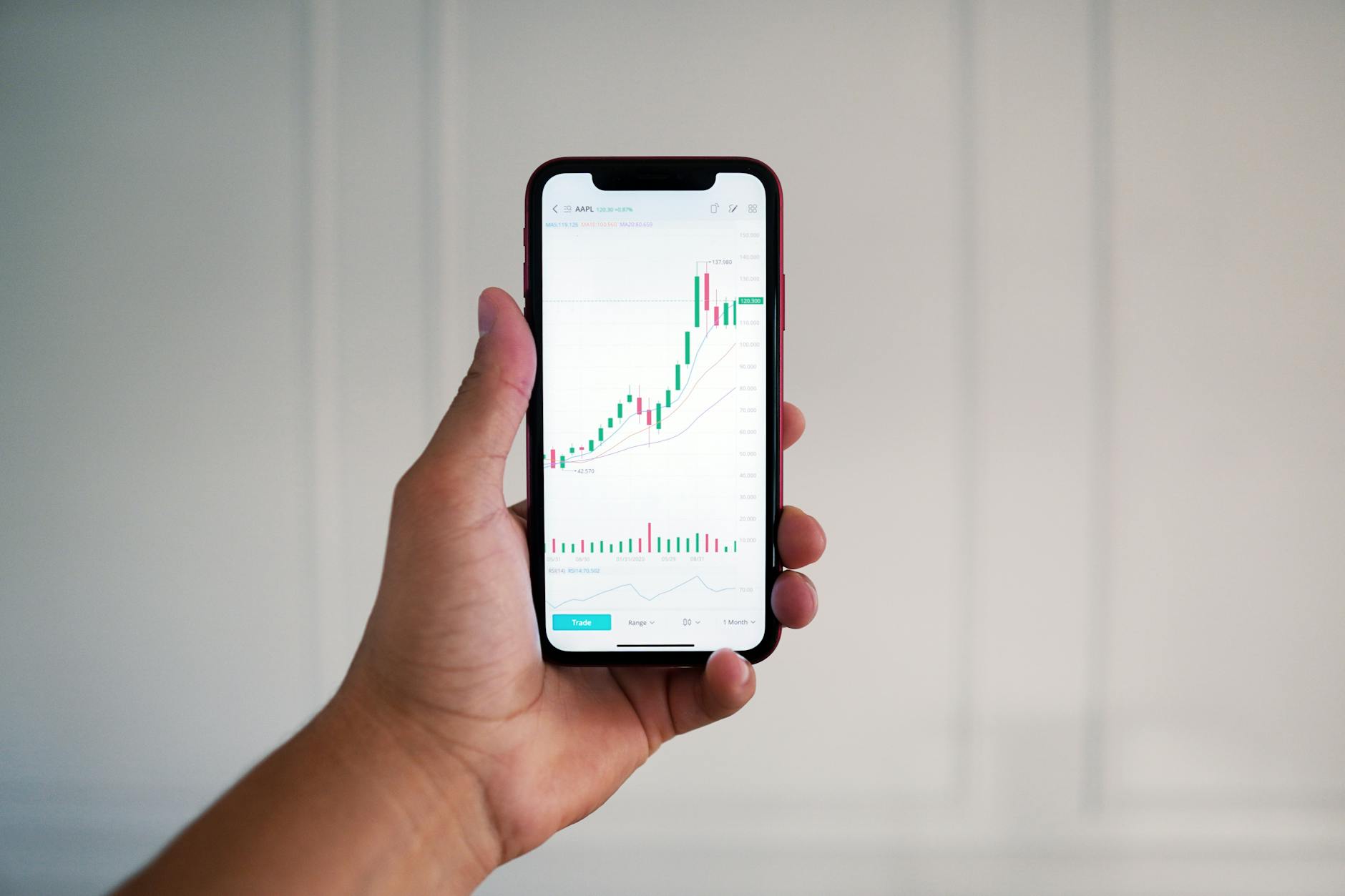
Additionally, security measures such as encrypted communications, multi-factor authentication, and continuous cybersecurity assessments safeguard proprietary trading algorithms and sensitive data. These technological advancements facilitate high-frequency trading, automated execution, and comprehensive performance analytics, allowing firms to optimize strategies at an unprecedented pace and accuracy.
Technology and Innovation in Prop Trading
Investment in cutting-edge technology is a hallmark of future prop firms. They leverage artificial intelligence to develop predictive algorithms capable of analyzing vast datasets, identifying market patterns, and executing trades with minimal latency. Machine learning models continuously adapt to changing market conditions, improving their accuracy over time.
Automation is integral to these firms, reducing human error and increasing operational efficiency. Automated risk controls monitor trading activity in real-time, executing protective measures swiftly to prevent substantial losses. Cloud computing and high-speed data transfer capabilities ensure that traders have continuous, uninterrupted access to essential information, even during volatile market periods.
Data analytics play a crucial role, providing insights into market trends, trader performance, and strategy effectiveness. These insights inform ongoing adjustments, enabling traders to refine their approaches with precision. Moreover, collaboration with technology providers often facilitates the integration of proprietary tools, creating unique advantages in market access and response times.
Trader Qualification and Training
Future prop firms place significant emphasis on rigorous trader qualification processes. Candidates typically undergo comprehensive evaluations involving simulations, psychometric assessments, and interviews to gauge their technical skills, psychological resilience, and adherence to disciplined trading practices.
Once onboarded, traders participate in continuous training programs that encompass technical skill development, risk management protocols, and ethical trading standards. These training modules are delivered through interactive platforms, incorporating real-world scenarios and performance feedback to foster skill improvement and behavioral discipline.
Success in the evolving landscape of prop trading requires adaptability and ongoing education. Firms regularly update their training curricula to include emerging market trends, technological innovations, and regulatory updates, ensuring traders remain equipped to handle complexity and volatility.
Regulatory Environment and Compliance
To support sustainable growth, future prop firms implement comprehensive compliance frameworks that adapt to the expanding scope of trading activities. These frameworks incorporate real-time monitoring systems, audit trail capabilities, and cybersecurity protocols to secure trading operations and client data.
Regular compliance training ensures that all personnel are aware of evolving standards and internal policies. Firms also invest in compliance automation tools to streamline reporting obligations and maintain transparency with regulators and stakeholders.
Adherence to risk limits and ethical guidelines is enforced through sophisticated internal controls. Such measures help to mitigate potential conflicts and safeguard the firm's reputation in a competitive landscape that demands integrity and accountability at every level.
Challenges and Opportunities Ahead
As the industry continues to innovate, future prop firms face several challenges. Rapid technological advancements necessitate continuous investment in infrastructure, talent, and R&D to maintain a competitive edge. Market unpredictability, driven by geopolitical tensions and macroeconomic factors, complicates risk management and strategy formulation.
Regulatory pressures also evolve, requiring firms to adapt swiftly to new compliance standards and reporting requirements. Cybersecurity threats pose additional risks, demanding ongoing vigilance and investment in security measures.
On the opportunity side, emerging markets such as cryptocurrency trading offer high-growth potential for prop firms willing to navigate the complexities of these new asset classes. The integration of artificial intelligence helps develop highly predictive models that can capitalize on fleeting market opportunities.
Partnerships with technology vendors and ongoing talent acquisition are strategic imperatives. These collaborations enable firms to harness innovative solutions, develop proprietary algorithms, and expand their market reach. The focus on continuous learning and technological adoption will be vital to capitalizing on future market opportunities while managing inherent risks effectively.
Impact on the Trading Industry
The evolution of future prop firms influences the broader trading industry by elevating standards for technology adoption, risk management, and trader development. Their emphasis on transparency and compliance fosters trust among investors and regulators alike, paving the way for a more resilient and efficient marketplace.
Innovations driven by these firms contribute to market liquidity, price discovery, and volatility management. As they expand into new asset classes and geographies, their operational models serve as benchmarks for best practices across trading platforms worldwide.
Technology and Innovation in Prop Trading
As the landscape of proprietary trading continues to evolve, technological advancements remain central to the development of future prop firms. Innovation in trading algorithms, artificial intelligence (AI), and data analytics not only enhances the efficiency of trading operations but also enables firms to identify market opportunities with unprecedented speed and accuracy. These technologies facilitate real-time market analysis, allowing traders to execute high-frequency trades that capitalize on fleeting price movements, thus increasing potential profitability while reducing human error.
Machine learning models are increasingly integrated into trading strategies, providing predictive insights derived from vast datasets encompassing historical price action, macroeconomic indicators, social sentiment, and alternative data sources. This capability empowers traders to anticipate market shifts more reliably than traditional methods. Additionally, advances in data analytics help firms optimize trading parameters, manage risk more effectively, and refine their strategies continuously.
Furthermore, the adoption of sophisticated order execution systems minimizes slippage and market impact, ensuring trades are executed at the most favorable prices. Cloud computing infrastructure enables these firms to process enormous volumes of data efficiently and scale their operations seamlessly. These innovations collectively create a competitive edge in a highly dynamic market environment, fostering a culture of technological excellence within future prop firms.
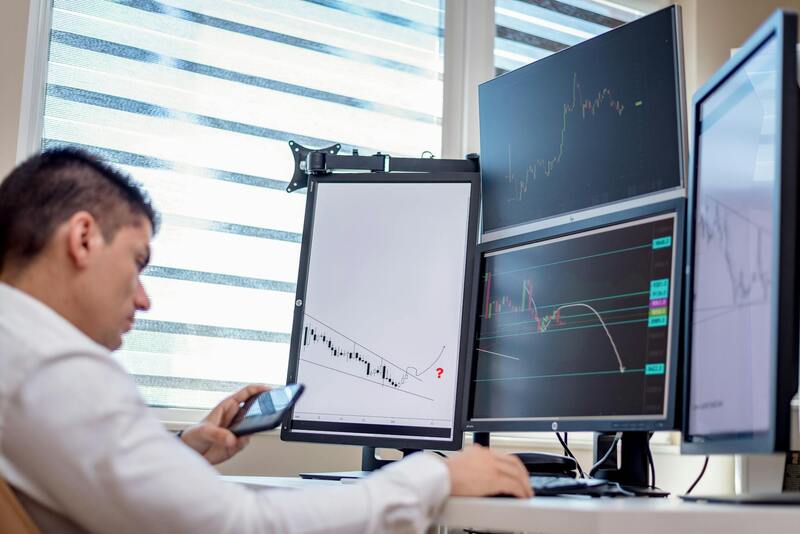
To stay ahead, firms are investing heavily in research and development, fostering collaborations with technology vendors and data providers. This strategic approach ensures they remain at the forefront of innovation, continuously updating their infrastructure and trading models. Such investments are essential in adapting to the rapid pace of technological change and in exploiting new asset classes like cryptocurrencies and emerging markets.
Trader Qualification and Training
Building on technological expertise, the focus on trader qualification and ongoing training has become integral to the future of prop firms. Candidates are expected to possess strong quantitative skills, familiarity with algorithmic trading, and a deep understanding of risk management principles. Rigorous assessment processes are implemented during recruitment, often including simulated trading environments and problem-solving tests to evaluate decision-making under pressure.
Once onboarded, traders receive continuous education that emphasizes mastery of advanced trading platforms, interpretation of complex data, and adherence to evolving regulatory standards. Training programs incorporate virtual reality simulations, interactive modules, and mentorship from experienced traders to accelerate skill development and ensure adherence to best practices. This systematic approach to trader qualification aims to cultivate disciplined, adaptable, and tech-savvy professionals capable of thriving in a rapidly changing trading landscape.
Regulatory Environment and Compliance
Future prop firms are committed to maintaining high standards of transparency and compliance through robust internal controls and adherence to industry guidelines. They implement comprehensive compliance frameworks that include automated reporting, record-keeping, and real-time monitoring of trading activities. Employing sophisticated compliance software helps detect irregularities promptly, reducing operational risks and ensuring adherence to market standards.
Building relationships with regulatory bodies and staying informed about global regulatory developments is a key part of operational strategies. As firms expand into new asset classes and geographic regions, they adapt their compliance protocols accordingly, fostering trust with investors and market participants. This proactive approach minimizes disruptions and positions firms as responsible market participants.
Challenges and Opportunities Ahead
Future prop firms face several challenges, including rapid technological changes, fierce competition, and evolving regulatory expectations. Staying at the cutting edge of innovation requires substantial investment and a flexible organizational structure capable of adapting swiftly to change. Additionally, managing the risks associated with high-frequency trading and algorithmic strategies demands sophisticated risk mitigation tools.
However, these challenges present opportunities to pioneer new trading models and expand into emerging asset classes and markets. The ability to harness AI, leverage alternative data, and develop proprietary algorithms offers a pathway to significant returns. As the industry progresses, collaboration with technology providers and continuous talent development will be crucial in capturing these opportunities and shaping the future of prop trading.
Trader Qualification and Training
As the landscape of prop trading evolves, future prop firms place a premium on rigorous trader qualification and comprehensive training programs. Selecting the right talent involves a multi-layered evaluation process designed to identify individuals with not only technical proficiency but also strategic thinking and disciplined decision-making skills. Many firms conduct multiple stages of assessment, including psychometric testing, simulated trading exercises, and behavioral interviews, to gauge a trader’s aptitude for high-pressure environments and complex market scenarios.
Once selected, traders undergo structured training programs that emphasize both theoretical knowledge and practical application. These programs often blend classroom instruction, e-learning modules, and supervised trading sessions. Advanced training modules include algorithmic trading fundamentals, risk management techniques, and the use of proprietary trading platforms equipped with cutting-edge analytics tools. Continuous development is a core component, with ongoing mentorship and periodic skills assessments designed to refine trader performance and adapt to shifting market conditions.
Moreover, future prop firms leverage technological advancements to enhance onboarding and training processes. Virtual reality (VR) simulations, for example, enable traders to experience realistic trading environments and test their reactions to sudden market fluctuations without real financial exposure. AI-driven analytics track traders' progress, providing tailored feedback and identifying areas for improvement. This combination of technology and structured education ensures that traders are well-prepared to meet the demands of modern prop trading, fostering a culture of continuous improvement and high-performance standards.
Regulatory Environment and Compliance
While navigating the regulatory landscape remains a complex task, forward-thinking prop firms proactively develop compliance strategies aligned with international standards. They establish robust internal policies that encompass anti-money laundering (AML), know-your-customer (KYC) protocols, and data protection measures. Embracing compliance technology allows these firms to automate routine checks, monitor trading activities in real time, and generate comprehensive audit reports.
Maintaining transparency and adhering to global regulatory expectations not only minimizes operational risks but also enhances firm reputation among investors and partners. These firms often participate in industry forums and collaborate with compliance consultants to stay informant about the latest developments and best practices. Regulatory awareness and adaptive compliance strategies are vital in enabling future prop firms to operate seamlessly across multiple jurisdictions and asset classes, fostering trust and long-term sustainability.
Furthermore, the implementation of advanced surveillance tools and machine learning models facilitates early detection of irregular trading patterns, ensuring swift corrective actions. The integration of compliance into the core operational framework exemplifies a forward-looking approach, accommodating evolving market standards while driving innovation in trading methodologies.

Challenges and Opportunities Ahead
Adapting to rapid technological advancements, such as artificial intelligence and big data analytics, presents both significant challenges and vast opportunities for future prop firms. The need for continuous investment in infrastructure, cybersecurity, and data management systems requires strategic planning and resource allocation. Competition among firms intensifies as innovative trading strategies emerge and operational efficiencies become industry benchmarks.
Nevertheless, these challenges serve as catalysts for innovation. Firms that leverage AI for predictive analytics or develop proprietary algorithms can gain a competitive edge. Expanding into emerging markets and niche asset classes offers new revenue streams, diversifying risk and increasing market influence. By fostering collaborations with technology providers and investing in talent acquisition, future prop firms position themselves as pioneers of the new trading era.
In essence, the intersection of technological innovation and strategic agility shapes the trajectory of prop trading. Firms that adapt swiftly to regulatory changes, harness data-driven insights, and prioritize trader development will be well-positioned to capitalize on market opportunities and redefine industry standards.
Technology and Innovation in Prop Trading
Advancements in technology are transforming the landscape of future proprietary trading firms, creating opportunities for increased efficiency, more sophisticated trading strategies, and improved risk management. The integration of artificial intelligence (AI), machine learning, big data analytics, and automation tools enables these firms to analyze vast datasets quickly and accurately, leading to predictive insights and strategic advantages. AI-assisted trading algorithms can identify emerging market patterns, optimize trade execution, and adapt to real-time market developments, significantly enhancing traders’ decision-making capabilities.
Moreover, cloud computing infrastructure facilitates scalable and flexible data storage solutions, allowing prop firms to operate more dynamically across global markets. This technological shift not only reduces operational costs but also accelerates innovation, empowering traders to develop and deploy sophisticated algorithms with minimal latency. The utilization of blockchain technology further enhances transaction transparency and security, making trading operations more trustworthy and resilient against potential cyber threats.

Firms investing in cutting-edge technological tools are better positioned to navigate volatile market conditions and leverage emerging asset classes. These tools support real-time risk assessments, enabling traders to modify strategies proactively and minimize potential losses. As the industry shifts towards more data-driven approaches, the emphasis on cybersecurity, infrastructure resilience, and compliance with data protection standards intensifies, demanding continuous upgrades and strategic foresight.
Trader Qualification and Training
A key differentiator for future prop firms is their focus on rigorous trader development programs. Such firms are committed to cultivating highly skilled traders capable of interpreting complex data sets and executing trades based on quantitative insights. Training regimes incorporate advanced financial modeling, programming skills, and behavioral economics to prepare traders for the demands of modern markets.
In addition to technical expertise, future prop firms prioritize ethical trading practices and compliance awareness. Continuous education modules, simulated trading environments, and mentorship initiatives ensure traders remain adaptive and resilient in the face of ever-changing market dynamics. These training frameworks not only enhance individual performance but also promote a culture of disciplined, responsible trading.
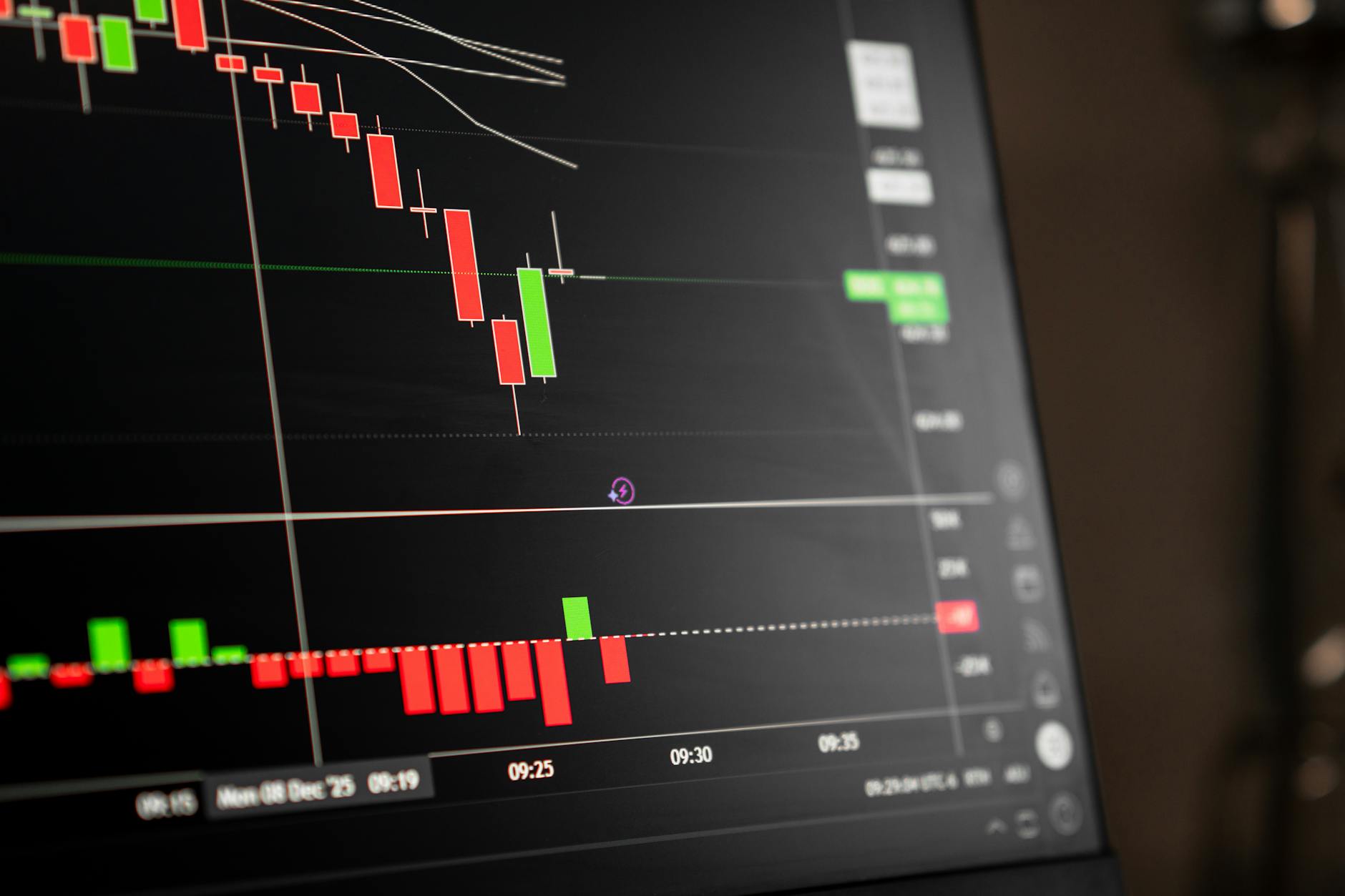
By investing in technology-driven education and skill development, future prop firms aim to build a resilient trading workforce capable of thriving in competitive environments. Such focus on trader proficiency supports sustainable growth and helps streamline operations, reduce errors, and foster innovation within their trading ecosystems.
Technology and Innovation in Prop Trading
Advancements in technology serve as a cornerstone for the evolution of future prop firms, transforming traditional trading practices into sophisticated, data-driven operations. These firms leverage cutting-edge hardware and software solutions, including high-frequency trading platforms, artificial intelligence algorithms, and machine learning models, to gain competitive advantages. Automated trading systems enable traders to execute large volumes of transactions with speed and precision, capitalizing on minute market movements that were previously inaccessible through manual trading.
Moreover, cloud computing solutions offer scalable infrastructure that allows prop firms to process massive datasets in real time. This capability enhances decision-making accuracy and minimizes latency, which is crucial in fast-paced financial markets. Firms that incorporate advanced analytics and visualization tools can identify emerging trends and trading opportunities earlier than competitors, leading to better risk management and increased profitability.
Artificial intelligence-powered predictive models are now integral to modern trading strategies. These models analyze historical data, news sentiment, macroeconomic indicators, and other relevant information to forecast market movements. As a result, traders equipped with AI-driven insights can make more informed decisions, reducing reliance on intuition and subjective judgment.
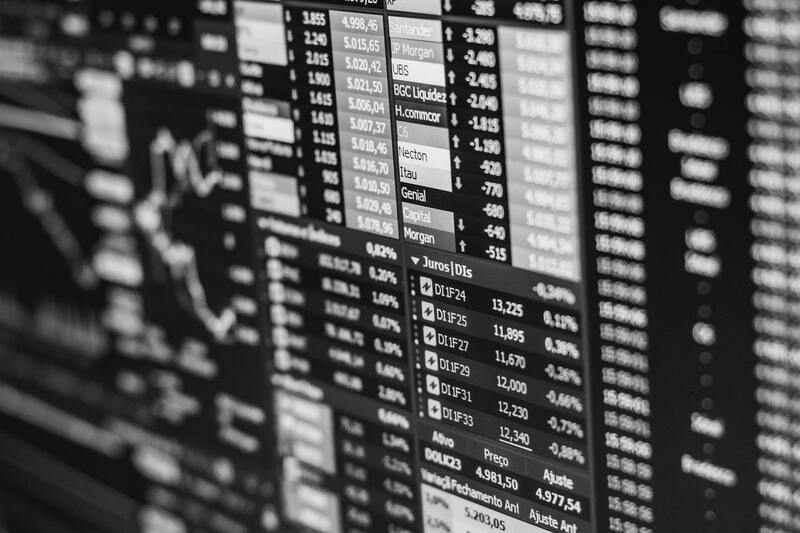
Furthermore, blockchain technology increasingly influences operational transparency and security in prop trading environments. By utilizing distributed ledger systems, firms can facilitate more secure transactions, enhance audit trails, and streamline settlement processes. These technological innovations not only improve operational efficiency but also promote participants’ confidence in the firm's infrastructure.
Trader Qualification and Training
As technological tools become more prevalent, the profile of successful traders within future prop firms evolves. Comprehensive training programs now encompass programming, algorithm development, and data analysis techniques. These programs aim to develop traders who are as comfortable interpreting financial models as they are executing trades.
Interactive simulation platforms allow traders to practice strategies under various market conditions without risking real capital. This hands-on experience accelerates skill acquisition and reinforces disciplined trading habits. Continuous professional development through workshops, certifications, and mentorships further ensures traders stay abreast of technological advances and market changes.
Educational initiatives emphasize ethical practices aligned with regulatory standards, cultivating responsible traders who appreciate the importance of compliance in safeguarding the firm's reputation and operational integrity. As a result, firms can maintain high standards of market conduct while capitalizing on technological efficiencies.
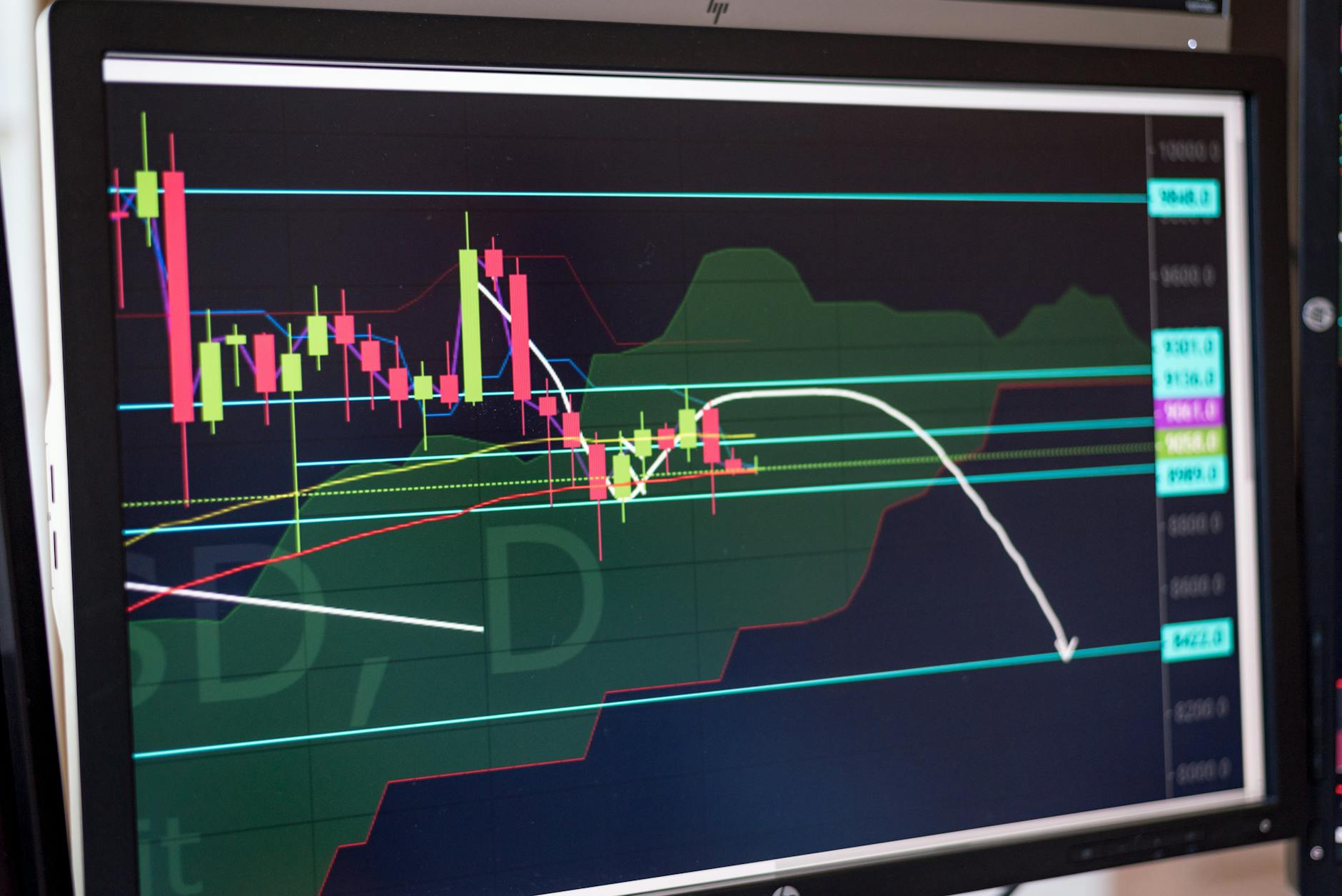
Overall, the integration of advanced technology in prop firms paves the way for a more resilient, innovative, and competitive trading environment. Traders equipped with the latest tools and knowledge are better positioned to navigate complex markets and exploit emerging opportunities, creating a sustainable growth trajectory for future industry players.
Impact of Future Prop Firms on the Trading Ecosystem
The advent of future prop firms is reshaping the landscape of financial trading by introducing innovative models that leverage advanced technology and rigorous trader development programs. These firms are instrumental in influencing various facets of the trading ecosystem, from market liquidity to competitive dynamics within the industry.
Enhancement of Market Liquidity
One of the most significant contributions of future prop firms is their ability to augment market liquidity. By deploying sophisticated trading algorithms and engaging in high-frequency trading strategies, these firms contribute to narrower bid-ask spreads and increased liquidity. This improvement facilitates smoother transactions for a broad spectrum of market participants, reducing transaction costs and enhancing market efficiency.
Fostering Competitive Innovation
Future prop firms are often at the forefront of technological advancements, continuously experimenting with new trading algorithms, data analytics, and machine learning models. This culture of innovation drives competition not only among proprietary firms but also prompts traditional trading entities to upgrade their methodologies. The competitive pressure results in more refined trading strategies, better risk management practices, and the development of cutting-edge trading platforms that benefit the entire industry.
Influence on Financial Market Stability
While prop firms contribute positively to liquidity and innovation, their rapid trading activities also present challenges related to market stability. The use of highly automated systems can sometimes lead to sudden liquidity shocks or flash crashes if risk controls are insufficient. Recognizing these potential risks, many future prop firms place a strong emphasis on compliance, risk management, and adherence to regulatory standards, ensuring their operations support a balanced and resilient market environment.
Propagation of Advanced Trading Knowledge
As these firms emphasize trader training and technological proficiency, there is a trickle-down effect wherein the skills and tools developed within these entities influence broader market practices. Traders trained in these environments carry forward sophisticated analytical capabilities and disciplined trading methodologies, elevating the overall standard of market participation.
Global Impact and Expansion
The globalization of financial markets means future prop firms are increasingly operating across borders, impacting regional liquidity pools, and introducing cross-market arbitrage opportunities. This expansion fosters interconnected markets with synchronized trading behaviors, enhances price discovery processes, and encourages harmonization of market practices worldwide.
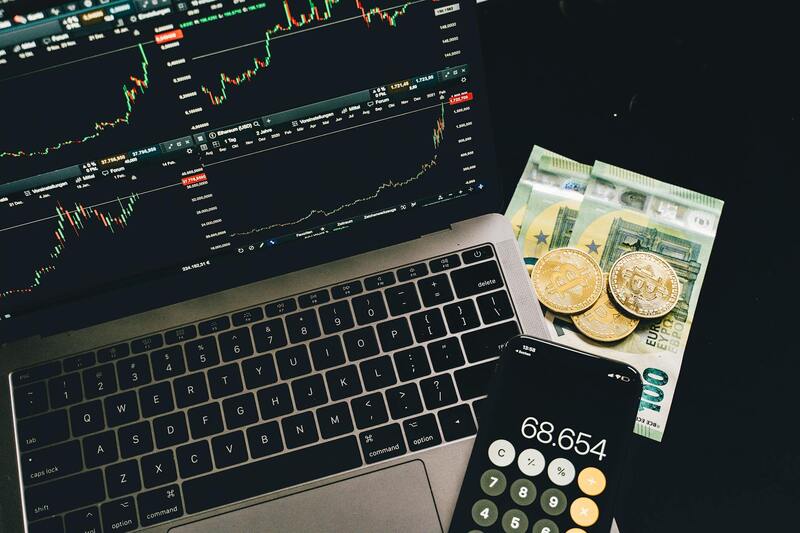
Ultimately, the evolving nature of future prop firms signifies a transformative period for global financial markets. Their strategic use of technology, emphasis on comprehensive trader training, and commitment to market integrity not only boost market efficiency but also set new standards for responsible trading practices. As these firms continue to innovate and expand, they will play a crucial role in defining the future direction of the trading industry, fostering environments that are more dynamic, resilient, and adaptable to emerging economic conditions.
