
Role and Responsibilities of a Match Trader
Match traders play a vital role within proprietary trading firms by acting as the key link between traders and the firm's risk management parameters. Their primary responsibility is to oversee and execute trading strategies that align with the firm’s risk appetite while maximizing profit opportunities. Unlike individual traders who operate independently, match traders facilitate the flow of trades, ensuring that strategies are efficiently implemented within predefined guidelines.
One of the core duties of a match trader is to monitor and manage active trades, making real-time decisions to optimize outcomes. This involves closely tracking market conditions, price movements, and volume patterns to identify optimal entry and exit points. By doing so, they help mitigate potential losses while capitalizing on emerging profit opportunities.
In addition to executing trades, match traders are tasked with managing the firm’s overall risk exposure. They must carefully balance the pursuit of profit with the need to maintain a controlled risk environment. This often requires the continual assessment of aggregate positions, ensuring that no single trade or portfolio exceeds established risk thresholds. Through this meticulous oversight, match traders contribute directly to the stability and profitability of the trading operations.

Effective communication with traders is another essential aspect of a match trader’s responsibilities. They serve as a bridge, providing feedback on trade execution, market conditions, and risk assessments. This collaborative approach helps traders adjust their strategies in real time, ensuring that trading activities stay aligned with the firm's overall objectives.
Ultimately, match traders operate with a high degree of professionalism and analytical skill. They must interpret complex market signals, enforce risk management protocols, and execute trades swiftly. Their role is crucial in maintaining the operational efficiency and financial success of prop trading firms, making their responsibilities essential to the firm’s trading ecosystem.
Skills and Qualifications Required for Match Traders
Role and Responsibilities of a Match Trader
Match traders serve as the critical operational link between traders executing individual positions and the risk management framework of proprietary trading firms. Their core responsibility is to oversee live trading activities, ensuring that orders are executed precisely and efficiently in a fast-paced environment. This involves meticulously matching incoming trading orders with existing market conditions, as well as verifying the accuracy of trade execution to prevent errors that could impact overall profitability.
One of the primary tasks of a match trader is to monitor multiple trading screens and real-time market data feeds. They analyze bid-ask spreads, order flow, and liquidity levels to confirm that trades are executed at optimal prices and within acceptable risk parameters. By doing so, match traders help maintain the integrity of the trading process, minimizing slippage and trade rejections.

Beyond executing trades, match traders are vital for managing the firm’s aggregate risk exposure. They interpret complex market signals and aggregate data from multiple sources to identify potential risks or anomalies. This continuous assessment allows them to intervene quickly when sudden market movements threaten the firm’s positions, thereby preventing significant losses.
Risk management is not solely reactive; match traders also implement proactive measures by setting clear trading limits and alerts based on market volatility and trading volume. This layered approach ensures the firm maintains a balanced portfolio and avoids overexposure to volatile assets or markets. Through this vigilant oversight, match traders contribute significantly to the firm's long-term stability and profitability.
Effective communication is an integral component of a match trader's responsibilities. They act as a communication hub between traders and other operational teams, relaying marketplace insights, execution feedback, and risk assessments. This facilitates quick adjustments to trading strategies, aligning daily activities with the firm's overarching risk management policies.
Performing these duties requires a high level of professionalism, analytical rigor, and technical expertise. Match traders must be capable of interpreting complex market data under pressure, executing trades swiftly, and adhering strictly to risk guidelines. Their role is instrumental in maintaining operational efficiency, ensuring seamless coordination between market activity and risk mitigation strategies, ultimately upholding the firm's trading discipline and success.
Role and Responsibilities of a Match Trader
Match traders serve a specialized function within trading firms, primarily responsible for ensuring that orders are executed efficiently and at the best possible prices. They act as a critical link between traders, clients, and the market, facilitating smooth transaction flow and maintaining market integrity. Their core duties include monitoring trading activities in real-time, executing and offsetting orders promptly, and managing risk by aligning trades with predefined parameters. Additionally, match traders are tasked with maintaining transparency during trading operations, ensuring compliance with internal policies and external regulations, and preventing market abuses.
One of the primary responsibilities involves real-time order matching, where match traders scrutinize incoming orders to determine optimal execution strategies. They must quickly assess market conditions, including bid-ask spreads, order book depth, and recent price movements, to execute trades that benefit both the firm and its clients. To do this effectively, they rely on sophisticated trading platforms that provide detailed market data, liquidity metrics, and automation tools for rapid decision-making. Beyond execution, match traders continuously analyze market trends to anticipate potential disruptions or volatility spikes that could impact existing positions.

Risk management is a paramount aspect of a match trader's role. They review trade limits, monitor order flow for unusual activity, and make adjustments to mitigate potential losses. Such oversight involves setting alerts for price deviations, sudden volume surges, or liquidity shortages. These proactive measures help maintain a balanced portfolio and ensure adherence to risk parameters established by the firm. A match trader’s vigilance hampers market manipulations, reduces exposure to volatile assets, and aligns trading activities with the firm’s strategic objectives.
Effective communication is vital for match traders—serving as liaisons among market participants and internal teams. They relay essential market insights, execution updates, and risk assessments to traders, compliance officers, and management, enabling prompt decision-making. This coordination helps adapt trading strategies in response to changing market conditions, ensuring the firm's activities remain efficient and compliant. Such communication also plays a role in preemptively addressing operational bottlenecks or potential issues that could affect trading continuity.
Skills and Qualifications Required for Match Traders
Successful match traders possess a blend of technical skills, market insights, and disciplined execution capabilities. A strong foundation in finance, economics, or quantitative fields is often essential, complemented by expertise in trading systems and programming languages such as Python or C++. Analytical rigor allows them to interpret complex market data swiftly, identify anomalies, and implement contingency plans effectively. Precision, calm under pressure, and quick decision-making are critical, as market conditions can change within seconds, requiring instant responses.
Moreover, effective communication skills facilitate seamless coordination with trading teams and technical departments. Knowledge of regulatory standards and compliance protocols ensures activities are within legal frameworks, safeguarding the firm’s reputation. A proactive mindset, openness to continuous learning, and adaptability to new technologies and market developments further enhance a match trader’s ability to succeed in this fast-paced environment.
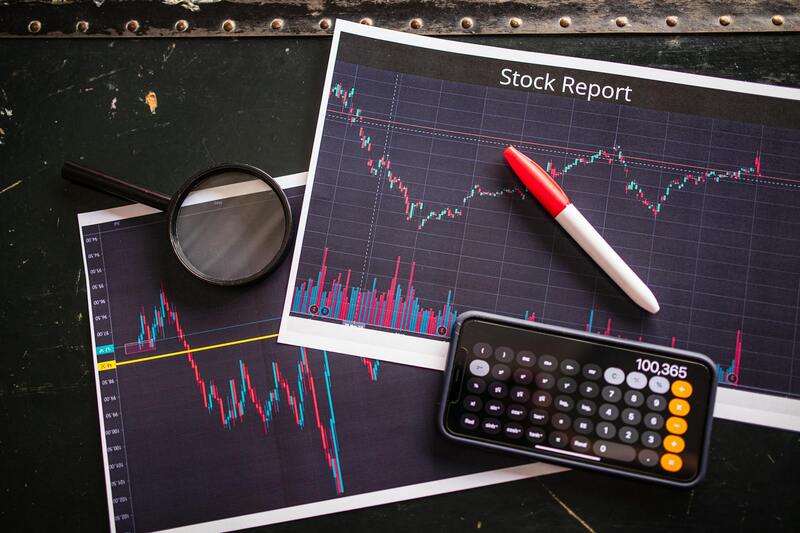
In addition to technical competence, integrity and professionalism are valued traits. Match traders must demonstrate meticulous attention to detail and a strong sense of accountability. Regular training and certifications related to trading standards, risk management, and financial regulations are often recommended to stay current with industry best practices. Their role demands ongoing skills development to cope with evolving market dynamics and technological advancements, positioning them as vital contributors to the firm's operational stability and financial performance.
Role and Responsibilities of a Match Trader
Match traders occupy a distinct position within trading organizations, primarily tasked with the critical function of executing and managing trade orders in a manner that ensures smooth market operation and optimal profitability. Their core responsibility involves closely monitoring incoming trade orders, assessing market conditions in real-time, and matching buyers with sellers effectively and efficiently. This process requires a high degree of precision and speed to capitalize on fleeting market opportunities and minimize exposure to adverse price movements.
Beyond immediate order execution, match traders also serve as the backbone of liquidity provision within the firm. They manage the delicate balance of inventory levels, making it possible for clients or the firm's trading desks to execute large transactions without causing significant market disruptions. This balancing act often involves adjusting bid-ask spreads, controlling exposure to price fluctuations, and maintaining a consistent flow of trades to support overall market stability.
In addition to executing trades, match traders continuously analyze market data to identify patterns and anomalies that could influence their trading strategy. They work in close coordination with other trading teams, technical staff, and compliance officers to ensure all activities adhere to established protocols. This interdepartmental collaboration fosters a comprehensive approach to trading, emphasizing transparency, efficiency, and adherence to regulatory standards. The role often demands staying updated with the latest technological tools and analytical techniques to adapt swiftly to dynamic market conditions.
Effective communication and meticulous record-keeping are crucial, enabling the firm to evaluate performance, comply with reporting standards, and develop strategies for future trading cycles. Match traders are also responsible for maintaining the integrity of their trading practices, avoiding conflicts of interest, and ensuring that all transactions are executed within the parameters set by the firm's policies and market regulations.
Skills and Qualifications Required for Match Traders
To succeed as a match trader, individuals must possess a blend of technical expertise, analytical capabilities, and interpersonal skills. A strong foundation in financial markets, combined with proficiency in trading systems, is essential. Many match traders hold degrees in finance, economics, mathematics, or related fields, fostering a solid understanding of market principles and quantitative analysis.
Technical skills are particularly relevant, encompassing the ability to operate complex trading platforms, understand algorithmic trading concepts, and utilize programming languages such as Python or C++ for custom analytics. Comfort with data analysis tools and real-time monitoring software enhances a match trader’s capacity to respond swiftly and accurately to evolving conditions.
Critical thinking, problem-solving, and attention to detail enable match traders to interpret vast streams of market data and make informed decisions under pressure. Additionally, strong communication skills facilitate effective coordination with the wider trading team, technical personnel, and compliance officers.
Relevant certifications, such as the Financial Industry Regulatory Authority (FINRA) Series licenses or specialized training in risk management and trading strategies, bolster a candidate’s profile. Continuous learning and staying abreast of technological advancements and market trends are fundamental to maintaining a competitive edge.
How Match Trading Differs from Other Trading Roles
While many trading roles share common objectives — such as profit generation and risk management — match trading distinguishes itself through its focus on order facilitation rather than direct asset acquisition or proprietary trading. Unlike traders who take directional bets on market movements, match traders primarily serve as intermediaries, ensuring that buy and sell orders are accurately matched in real-time.
This operational role demands a meticulous approach with less emphasis on market prediction and more on precision and speed. Match traders do not typically engage in speculative activities but concentrate on creating efficient, liquid markets that benefit both clients and the firm. Their success hinges on minimizing slippage, reducing transaction costs, and maintaining seamless trading flows.
In contrast, other trading functions, such as proprietary trading or hedge fund strategies, may involve sophisticated risk-taking, complex portfolio management, and active market positioning. Nonetheless, all trading roles require a deep understanding of market mechanics, regulatory compliance, and technological proficiency, underscoring the specialized nature of match trading within the broader trading ecosystem.
Tools and Technology Used by Match Traders
Match traders rely heavily on advanced software and technological tools to execute their responsibilities with precision and efficiency. The foundation of their work involves sophisticated trading platforms that facilitate real-time order matching, monitor market activity, and enable rapid execution of trades. These platforms are integrated with high-frequency trading algorithms and connectivity solutions to ensure minimal latency, which is crucial for maintaining an advantageous position in dynamic markets.
In addition to trading platforms, match traders utilize a range of analytical tools designed to provide instant insights into market conditions. These may include real-time data feeds, market depth displays, and order flow analysis software that help traders predict short-term price movements and identify optimal matching opportunities.
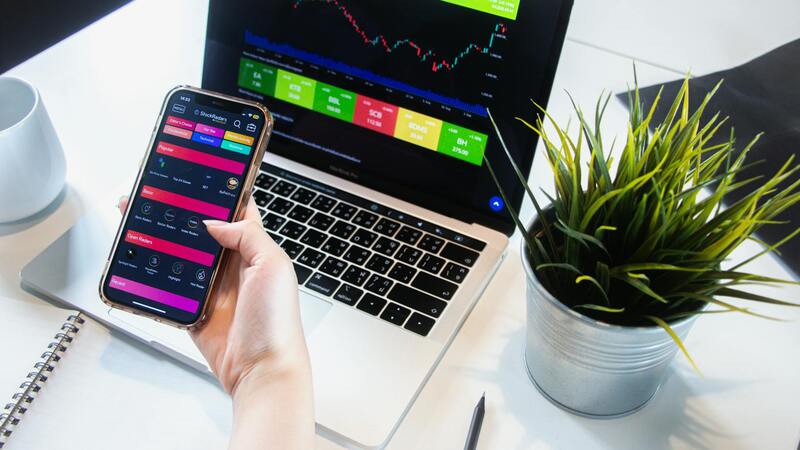
Furthermore, risk management and compliance software are integrated into their workflows to ensure all trades adhere to regulatory standards and internal protocols. Automated alerts and reporting systems support oversight and enhance transparency, allowing match traders to swiftly respond to market anomalies or operational issues.
Business intelligence systems and customized dashboards also play a vital role in decision-making processes. These tools aggregate data from multiple sources, providing comprehensive visibility into trading activities, order volumes, and execution quality. Such integration ensures that match traders can adapt quickly to changing market conditions and uphold the firm's trading standards.
Additional Technologies Supporting Match Traders
- Order Management Systems (OMS)
- Electronic Communication Networks (ECNs)
- Predictive analytics and artificial intelligence algorithms for real-time decision support
- Market surveillance tools to monitor for irregularities and ensure compliance

Role and Responsibilities of a Match Trader
A match trader operates as a pivotal figure within proprietary trading firms, primarily responsible for executing trades that align with the firm's strategic objectives and risk management protocols. Their core duty involves connecting buy and sell orders in a manner that optimizes liquidity and trading efficiency. This role demands a nuanced understanding of both market dynamics and the specific trading environment the firm operates within.
Match traders meticulously analyze incoming data to identify overlapping order flows and time-sensitive trading opportunities. They ensure that trades are executed swiftly to maintain market stability and fulfill client or firm objectives. Additionally, they are tasked with balancing the firm's order book, preventing significant discrepancies that could lead to adverse price movements or operational vulnerabilities. Ensuring robust compliance with established trading protocols and internal policies forms an integral part of their responsibilities.
Beyond execution, match traders also monitor trading activities for irregularities, employing surveillance tools that detect suspicious patterns or potential market manipulations. They collaborate closely with compliance teams to adhere to regulatory standards, maintain transparency, and mitigate risks associated with complex trading operations.
Skills and Qualifications Required for Match Traders
Success as a match trader depends on a combination of technical expertise, analytical prowess, and interpersonal skills. A deep understanding of financial markets, order execution strategies, and trading platform functionality forms the foundation of their proficiency. Typically, candidates possess a background in finance, economics, or related quantitative disciplines, coupled with relevant certifications such as Series 7 or 63 licenses.
Advanced analytical skills are essential, as match traders interpret real-time data feeds, market depth information, and order flow signals to make split-second decisions. Proficiency with trading systems, order management platforms, and data analytics tools allows traders to execute strategies efficiently and adapt to changing market conditions.
Effective communication and teamwork are critical, as match traders often coordinate with other trading desk members, risk management teams, and compliance officers. Strong problem-solving abilities and resilience are also vital, given the fast-paced environment and high-pressure scenarios they navigate daily.
How Match Trading Differs from Other Trading Roles
Match trading distinguishes itself through its emphasis on order fulfillment and liquidity provision rather than directional betting. Unlike proprietary traders who speculate on market movements for profit, match traders focus on executing existing orders efficiently, minimizing the spread between bid and ask prices, and maintaining a balanced orderbook.
This operational focus necessitates a high degree of precision in timing and execution. Match traders serve as the intermediary that ensures seamless matching of buy and sell orders, often operating in a high-frequency environment where milliseconds matter. Their role is less about forecasting price trends and more about facilitating stable trading conditions and executing strategies with consistent speed and accuracy.
Additionally, the use of sophisticated software and automation tools in match trading enables traders to respond rapidly to market fluctuations. Their work complements algorithmic trading strategies, supporting liquidity and enhancing market depth, as opposed to solely pursuing profit through directional trades.
Daily Workflow and Trading Practices
A typical day for a match trader begins with reviewing market conditions and internal trading dashboards. They monitor real-time data incoming from multiple sources—such as market feeds, order book states, and alerts—to identify potential matching opportunities. The day often involves coordinating with risk management to ensure trades are within prescribed parameters and compliance is maintained.
Throughout trading hours, match traders execute a high volume of small, quick trades, carefully balancing order books and adjusting strategies based on evolving data. They use automated systems to capture minute discrepancies and exploit spreads, ensuring the firm maintains optimal liquidity levels.
They also perform routine audits of trading activities, ensuring all executions adhere to internal and external standards. Communication with other team members, including developers, analysts, and compliance officers, supports smooth operation and rapid response to any anomalies or market disruptions. Post-market, traders analyze performance metrics, review executed trades, and prepare reports to inform future strategies.
Tools and Technology Used by Match Traders
Match traders rely heavily on an integrated suite of advanced technological tools designed to optimize their trading efficiency. Central to their workflow are Order Management Systems (OMS), which facilitate the precise execution and recording of trades across multiple platforms. These systems automate much of the matching process, reducing latency and errors.
Electronic Communication Networks (ECNs) serve as vital infrastructure components, allowing traders to connect with multiple liquidity providers and other market participants swiftly. ECNs improve execution speeds and help achieve competitive spreads.
Predictive analytics and artificial intelligence algorithms support match traders in making data-driven decisions. These tools analyze historical and real-time data to forecast short-term market movements and identify optimal matching opportunities. Market surveillance platforms are also employed to scan for irregular trading patterns or potential manipulation, safeguarding the firm's trading operations.
Additionally, customized dashboards and business intelligence systems aggregate data from various sources, providing comprehensive visibility and aiding decision-making. Automated alert systems notify traders of significant market events or deviations from expected patterns, enabling rapid responses. Together, these technologies foster a high-performance trading environment where speed, accuracy, and compliance are seamlessly integrated.
Role and Responsibilities of a Match Trader
Match traders serve as critical linkages within trading ecosystems, primarily responsible for facilitating seamless execution of trades between buyers and sellers across various financial instruments. Their core task involves matching order flows efficiently to ensure optimal price discovery and liquidity provision. This role demands meticulous attention to detail, as match traders need to verify order accuracy, manage trade confirmations, and ensure smooth settlement processes. Additionally, they monitor real-time market conditions, swiftly adjusting strategies to align with prevailing trends and liquidity levels. Furthermore, match traders act as intermediaries, liaising with liquidity providers, clients, and internal risk teams to uphold trading integrity and operational compliance. Their ability to adapt quickly to market changes directly influences the firm's overall trading performance and reputation in highly competitive environments.
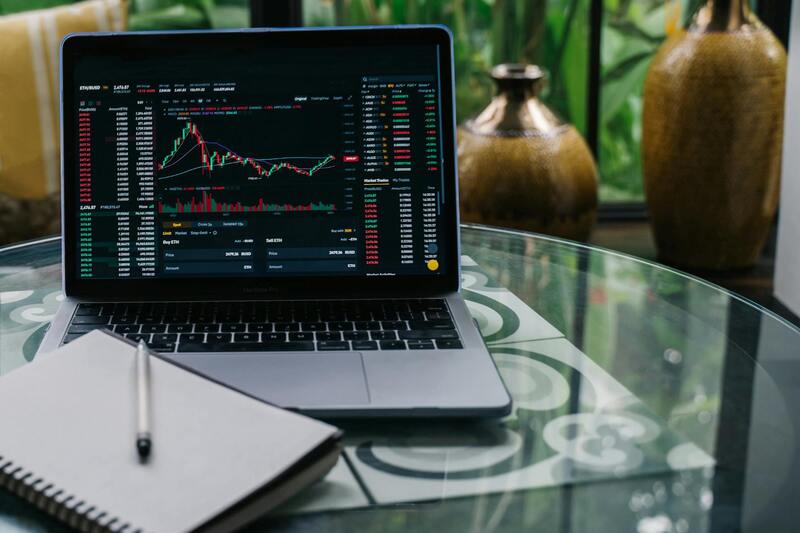
Key Responsibilities of a Match Trader include:
- Executing and matching buy and sell orders efficiently to minimize slippage and maximize profitability.
- Ensuring all trades adhere to regulatory and internal compliance standards.
- Managing liquidity and balancing order book positions to facilitate optimal trade matching.
- Utilizing advanced trading systems for real-time market analysis and trade execution.
- Maintaining detailed records of trades, discrepancies, and communication logs for audit and review purposes.
- Collaborating with market makers and liquidity providers to source the best available prices.
- Implementing risk mitigation techniques to reduce exposure from adverse market movements.
- Resolving any trade discrepancies promptly to prevent settlement delays or financial losses.
Skills and Qualifications Required for Match Traders
Effective match traders possess a unique blend of technical expertise, market knowledge, and interpersonal skills. A strong foundation in financial markets, with familiarity in various asset classes, is essential. Analytical skills are crucial, enabling traders to interpret complex data quickly and make informed decisions under pressure. Proficiency in trading software, order management systems, and data analysis tools is a must, ensuring they can operate cutting-edge technology efficiently. Moreover, attention to detail prevents costly errors and enhances trade accuracy.
Educational qualifications typically include degrees in finance, economics, or related fields. Certifications such as the Chartered Market Technician (CMT) or Financial Risk Manager (FRM) can boost credibility. Experience in high-frequency trading, market making, or brokerage services further refines skillsets relevant to match trading roles. Additionally, strong communication skills facilitate effective collaboration within teams and with external counterparts, maintaining the integrity and smooth operation of trading activities.
How Match Trading Differs from Other Trading Roles
While many trading roles involve investment decision-making or asset management, match traders focus specifically on the execution and matching of orders within the trading infrastructure. Unlike discretionary traders, who may rely heavily on macroeconomic analysis and intuition, match traders excel in leveraging sophisticated technology and data to optimize trade matching. Their responsibilities are less about predicting market direction and more about operational efficiency, precision, and risk control.
In contrast to market makers, who actively provide liquidity and aim to profit from bid-ask spreads, match traders concentrate on facilitating smooth transactional flows, often acting as impartial intermediaries. This role requires rapid responsiveness, technical dexterity, and a deep understanding of platform capabilities. The focus on matching accuracy and operational risk mitigation distinguishes match trading from other trading functions that may emphasize strategic investment or portfolio management.
Daily Workflow and Trading Practices
A typical day for a match trader starts with a review of overnight market developments and any significant news events that may influence liquidity and trading conditions. They then proceed to monitor real-time data streams through advanced trading platforms, paying close attention to order flow, spreads, and liquidity levels. The morning hours often involve executing initial order matches, addressing any discrepancies, and coordinating with counterparties to ensure optimal trade pairing.
Throughout the day, match traders continuously adjust their strategies based on market dynamics. This includes managing order book imbalances, reacting to sudden price movements, and executing trades swiftly to capitalize on fleeting opportunities. Regular communication with liquidity providers and internal risk teams helps maintain operational integrity and risk limits.
Advanced analytics tools play an integral role during these processes, assisting traders in identifying matching patterns, potential arbitrage situations, or irregular activity. Automated alerts notify traders of notable deviations, enabling rapid response. End-of-day routines involve reconciling transaction data, updating logs, and analyzing performance metrics to refine subsequent trading activities.
Tools and Technology Used by Match Traders
Match traders rely on a sophisticated array of technological resources tailored to high-speed, high-accuracy trading environments. Key tools include:
- Order Management Systems (OMS): These platforms automate the routing, execution, and recording of trades across multiple liquidity venues, ensuring precision and reducing latency.
- Electronic Communication Networks (ECNs): ECNs facilitate rapid connectivity with liquidity providers, enabling efficient trade matching at competitive spreads.
- Trading Algorithm Engines: Custom algorithms support predictive analytics and automated decision-making, enhancing matching precision and execution speed.
- Market Surveillance Platforms: Designed to monitor for potential misconduct or irregular trading patterns, these systems help maintain a transparent trading environment.
- Business Intelligence Dashboards: These aggregate data from various sources, offering real-time insights into market liquidity, order flow, and trade performance.
- Risk Management Software: Integrated tools that monitor exposure levels, enforce compliance rules, and trigger alerts for unusual activity or risk thresholds.
Technological proficiency is crucial, as match traders must seamlessly navigate between these tools to maintain operational efficiency and adapt swiftly to evolving market conditions.
Role and Responsibilities of a Match Trader
Match traders play a critical role within trading firms and proprietary trading environments by acting as the frontline in the execution and management of trades. Their primary responsibility is to facilitate the seamless matching of buy and sell orders, ensuring that trades are executed efficiently and at favorable prices for their firm or clients. This involves continuously monitoring market conditions, order flow, and liquidity levels to identify optimal trading opportunities. Match traders are also tasked with maintaining a keen awareness of market dynamics, adjusting strategies in real-time to respond to fluctuations and emerging trends. They must uphold high standards of accuracy and speed, as even minor delays or errors can lead to significant financial implications. Additionally, match traders are responsible for maintaining compliance with trading protocols and internal risk management policies, safeguarding the integrity and operational soundness of their trading activities. They often collaborate with research analysts, risk managers, and technology teams to refine their trading approaches and leverage advanced tools for optimal performance.

Skills and Qualifications Required for Match Traders
Successful match traders possess a combination of technical expertise, analytical capability, and decisiveness. A strong foundation in financial markets, trading principles, and market microstructure is essential. Many match traders have backgrounds in finance, economics, or related disciplines along with specialized training in electronic trading systems. Technical proficiency is paramount, encompassing mastery of order management systems (OMS), trading algorithms, and market surveillance tools. Analytical skills enable traders to interpret complex market data quickly and identify potential trading opportunities or risks. Good decision-making under pressure is crucial, as traders must execute large volumes of transactions rapidly while maintaining accuracy. Effective communication skills aid in coordinating with internal teams and external liquidity providers. A keen eye for detail and a disciplined approach to risk management are also fundamental, helping to prevent costly trading errors. Certifications such as the Chartered Market Technician (CMT) or specific training in algorithmic trading further enhance a match trader's credentials and effectiveness.

How Match Trading Differs from Other Trading Roles
Unlike proprietary traders or market makers who may operate with broader strategic goals, match traders focus specifically on the precise matching of incoming buy and sell orders. The role demands high-speed execution and a high level of accuracy, often operating within a structured environment that emphasizes efficiency and minimal market impact. While proprietary traders might employ longer-term strategies based on market forecasts, match traders tend to work within a highly reactive framework, responding to real-time order flow and liquidity conditions. Their work is closely aligned with technological infrastructure, often relying on automation and algorithms to optimize trade matching processes. Conversely, market makers typically provide continuous liquidity in securities, quoting bid and ask prices, whereas match traders facilitate the actual matching process without necessarily maintaining quotes. Overall, the core distinction lies in the transactional focus: match traders aim for rapid, precise execution rather than strategic positioning or market provision.
Daily Workflow and Trading Practices
The daily routine of a match trader begins with the review of overnight market activity and any significant news that could impact liquidity or trade flow. Throughout the trading day, they monitor electronic trading platforms, market data feeds, and liquidity levels to identify suitable trades. They employ advanced algorithms and proprietary tools to facilitate rapid order matching, often executing thousands of transactions within a single session. Real-time decision-making is crucial, requiring traders to adjust orders, respond to market anomalies, and manage risks dynamically. They also collaborate with other team members to analyze trading patterns and optimize matching algorithms. End-of-day procedures include reconciling executed trades, assessing performance metrics, and updating risk assessments. Maintaining a high level of discipline, adherence to trading protocols, and meticulous record-keeping are integral aspects of their responsibilities.
Tools and Technology Used by Match Traders
Match traders rely on a sophisticated array of technological resources tailored to high-speed, high-accuracy trading environments. Key tools include:
- Order Management Systems (OMS): These platforms automate the routing, execution, and recording of trades across multiple liquidity venues, ensuring precision and reducing latency.
- Electronic Communication Networks (ECNs): ECNs facilitate rapid connectivity with liquidity providers, enabling efficient trade matching at competitive spreads.
- Trading Algorithm Engines: Custom algorithms support predictive analytics and automated decision-making, enhancing matching precision and execution speed.
- Market Surveillance Platforms: Designed to monitor for potential misconduct or irregular trading patterns, these systems help maintain a transparent trading environment.
- Business Intelligence Dashboards: These aggregate data from various sources, offering real-time insights into market liquidity, order flow, and trade performance.
- Risk Management Software: Integrated tools that monitor exposure levels, enforce compliance rules, and trigger alerts for unusual activity or risk thresholds.
Technological proficiency is crucial, as match traders must seamlessly navigate between these tools to maintain operational efficiency and adapt swiftly to evolving market conditions.
Performance Metrics and Success Factors
Performance measurement in match trading is centered on several key metrics. Trade execution speed and accuracy are fundamental; the ability to match orders swiftly minimizes market impact and maximizes profitability. A high fill rate indicates effective matching capability, while low error rates reflect precision and reliability. Liquidity provision and the ability to operate effectively under varying market volatility are also vital performance indicators. Risk-adjusted returns, compliance with internal and external regulations, and the efficiency of order routing further define success. Consistent performance improvements are driven by ongoing analysis of metrics, proactive adjustments to trading algorithms, and adherence to operational protocols. Success factors extend beyond raw performance to include the trader’s adaptability to dynamic market conditions, technological competence, and ongoing skill development.
Career Path and Advancement Opportunities
Progression within the match trading sector often begins with roles such as trading analyst or junior match trader, where foundational skills are developed. Demonstrated proficiency can lead to more senior trading positions, including lead match trader or trading desk manager. Advanced traders may take on responsibilities related to strategy development, algorithm optimization, and technology integration. For those seeking broader horizons, opportunities exist to transition into roles such as trading strategist, risk manager, or technology specialist, leveraging their operational expertise. Continuous learning and certification in areas like quantitative analysis, automated trading systems, or risk management can facilitate upward mobility. Firms value professionals who contribute to improving trading processes, innovate in algorithm development, and uphold high standards of operational excellence.
