What Is a Prop Firm in Trading
Proprietary trading firms, commonly known as prop firms, play a significant role in the financial markets by providing traders with the necessary tools, capital, and infrastructure to execute trades. Unlike retail traders who use personal funds, prop firms operate with pooled capital, allowing traders to leverage larger positions and utilize sophisticated trading strategies. This business model enables the firm to generate profits not only from market movements but also through the fees and profit-sharing arrangements with traders.

Roles and Functions of a Prop Trading Firm
Prop trading firms serve multiple functions within the financial ecosystem. Central to their operations is the provision of trading capital, which empowers talented traders to execute large-volume trades without risking their own funds. They also offer trading infrastructure, analytics tools, and risk management systems to optimize trader performance and mitigate potential losses. Additionally, these firms often provide training, mentorship, and access to proprietary algorithms, which enhance the overall trading capabilities of their members.
Definition of a Prop Firm in Trading
A proprietary trading firm is a financial organization that allocates its capital to skilled traders to execute trades across various markets such as stocks, forex, commodities, or derivatives. Instead of trading on behalf of clients or to generate brokerage commissions, prop firms focus on generating revenue through trading profits. They often operate with a culture of competitiveness and innovation, seeking traders who demonstrate consistent profitability and strategic thinking.
How Prop Firms Operate
Proprietary trading firms operate by onboarding skilled traders through recruitment or evaluation processes. Once accepted, traders gain access to the firm's trading capital and resources. The firm's revenue is primarily derived from a portion of the profits generated by its traders, following profit-sharing arrangements. Risk management protocols are integral, with strict rules to control drawdowns and preserve capital. Continuous analysis, performance reviews, and training sessions aim to maintain high standards and adapt to market dynamics.
Functioning and Business Model of Prop Trading Firms
The core business model of a prop firm revolves around leveraging the skills and strategies of its traders to capitalize on market movements. The firm supplies trading accounts, technology, and market insights, while traders execute trading strategies based on proprietary algorithms or personal approaches. The profit split incentivizes traders to perform optimally, aligning their success with the firm's profitability. Some firms also offer evaluation programs or funding phases to identify promising traders who meet set performance criteria.
The Trading Capital and Leverage in Prop Firms
One of the key advantages of working with a prop firm is access to substantial trading capital and high leverage. This allows traders to take larger positions than their personal funds would permit, increasing potential gains. Nevertheless, this leverage amplifies risk, requiring rigorous risk management measures to prevent significant losses. Prop firms carefully balance leveraging opportunities with safeguards to protect both the firm's capital and its traders.
Capital and Risk Management in Prop Trading
Effective capital and risk management are vital aspects of a prop firm's stability. These firms enforce strict trading limits, such as maximum drawdown thresholds, to control exposure. Advanced risk assessment tools monitor traders’ positions in real-time, ensuring compliance with risk protocols. This disciplined approach safeguards the firm's financial health while allowing traders the flexibility to implement diverse trading strategies.
Core Responsibilities and Daily Operations within Prop Trading Firms
Within the ecosystem of a proprietary trading firm, several core responsibilities are pivotal to ensuring smooth operation and sustained profitability. These firms maintain a structured environment where traders operate under defined guidelines, utilizing sophisticated trading platforms, algorithms, and market data to execute trades. Daily operations often involve meticulous planning, real-time monitoring, and ongoing analysis of market conditions to identify trading opportunities aligned with the firm’s strategic objectives.
Traders are responsible for making informed decisions, adhering to risk management protocols, and documenting their trades to facilitate performance reviews. Prop firms employ advanced technological tools such as trading dashboards, automated alerts, and real-time risk controls to assist traders in maintaining compliance with established trading parameters. These tools also optimize execution speed and accuracy, which are critical in volatile markets.

In addition to executing trades, traders often participate in ongoing training programs, attend strategy meetings, and collaborate with analysts and other traders to refine their techniques. The environment fosters continuous learning and adaptation, which are vital for staying competitive in fast-changing financial landscapes. Regular performance evaluations and feedback sessions help traders identify areas for improvement and develop personalized growth pathways, ensuring they meet evolving performance benchmarks set by the firm.
Capital Allocation Strategies in Proprietary Trading
A critical aspect of a prop firm’s operation is how it allocates trading capital across its traders and strategies. Capital allocation is based on the traders’ skill level, historical performance, and the specific trading approaches they employ. Typically, firms implement tiered funding models, starting traders with smaller accounts that can be scaled up as they demonstrate consistency and profitability.
This approach minimizes risk exposure while incentivizing high performance. Capital is also dynamically redistributed based on real-time results, with profitable traders often receiving increased funding, enabling the deployment of larger positions. Such practices allow prop firms to diversify their risk and capitalize on a broad array of trading strategies, from day trading to swing trading or algorithmic approaches.
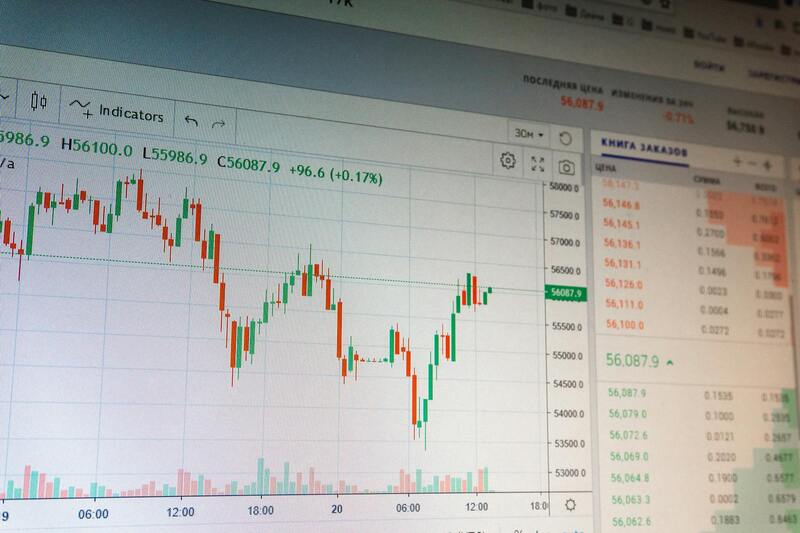
Additionally, prominent risk management frameworks guide the deployment of capital. These include setting strict maximum drawdowns, position limits, and stop-loss protocols—tools that help prevent large-scale losses and stabilize the firm’s financial health. The balance between aggressive growth strategies and prudent risk controls is fundamental to the long-term success of proprietary trading operations.
Technology and Infrastructure Supporting Operational Excellence
Prop firms rely heavily on cutting-edge technological infrastructure to support their trading activities. This includes high-speed internet connections, low-latency trading servers, and sophisticated algorithmic trading platforms capable of executing complex strategies autonomously. Technology not only enhances execution efficiency but also improves data analysis, enabling traders to backtest strategies, identify market signals, and adapt rapidly to emerging trends.
Moreover, compliance monitoring software ensures that trading activities adhere to internal policies and regulatory standards. These systems generate audit trails, record all trades, and flag irregular activity for investigation, thus maintaining the integrity of the firm’s operations. The integration of technology and operational protocols creates a resilient framework that promotes consistent performance while safeguarding the firm against operational risks.
Roles and Functions of a Prop Trading Firm
Proprietary trading firms play a pivotal role in financial markets by deploying internal capital to generate profits through direct trading activities. These firms serve as specialized entities that focus solely on executing trades across various asset classes, including equities, commodities, currencies, and derivatives, without client funds involved. Their core functions encompass developing and executing trading strategies, managing risk, and optimizing technological infrastructures to facilitate high-frequency and algorithmic trading. Additionally, prop firms provide vital support structures such as training programs, research analytics, and oversight to ensure traders operate within defined risk parameters.

These firms serve as an incubator for trading talent and innovation. They invest heavily in quantitative research, fostering the development of proprietary algorithms designed to exploit market inefficiencies. Through comprehensive risk management protocols, prop firms monitor real-time trades, prevent excessive losses, and maintain financial stability. They also play a crucial role in analyzing market trends and disseminating insights to support strategic decision-making. This combination of strategic execution, technological prowess, and regulatory oversight helps prop firms sustain their competitive edge in dynamic markets.
Definition of a Prop Firm in Trading
A proprietary trading firm, commonly known as a prop firm, is an organization that uses its own capital to engage in trading activities with the goal of profit generation. Unlike firms managing third-party funds, prop firms assume full financial responsibility for their trades, giving them flexibility to implement aggressive and innovative strategies. These firms often operate in fast-paced environments where swift decision-making, sophisticated technology, and disciplined risk controls are essential.

By focusing solely on market transactions using their own resources, prop firms can pursue a diverse array of trading approaches, from long-term asset accumulation to high-frequency trading. The primary aim is to maximize profitability while maintaining strict risk controls. Agreements with traders often include performance-based compensation structures, such as profit splits, which incentivize skilled trading while aligning interests with the firm's success.
Key Responsibilities and Core Functions of a Prop Trading Firm
Prop trading firms maintain a multifaceted operational framework that centers on executing precise and strategic trading activities. Their core responsibilities include deploying substantial proprietary capital across a variety of asset classes, which may encompass equities, commodities, forex, derivatives, and other financial instruments. This capital deployment aims to exploit market inefficiencies, capitalize on emerging trends, and generate consistent profits, all while adhering to established risk parameters.
These firms utilize advanced trading technology, in-house algorithms, and data analytics to implement high-speed, automated, or discretionary trading strategies. They actively monitor market movements, utilize sophisticated risk management tools, and adjust trading positions in real time to mitigate potential losses and optimize gains. The operational infrastructure often includes dedicated research teams, quantitative analysts, and risk officers who work collaboratively to refine trading models and maintain market edge.
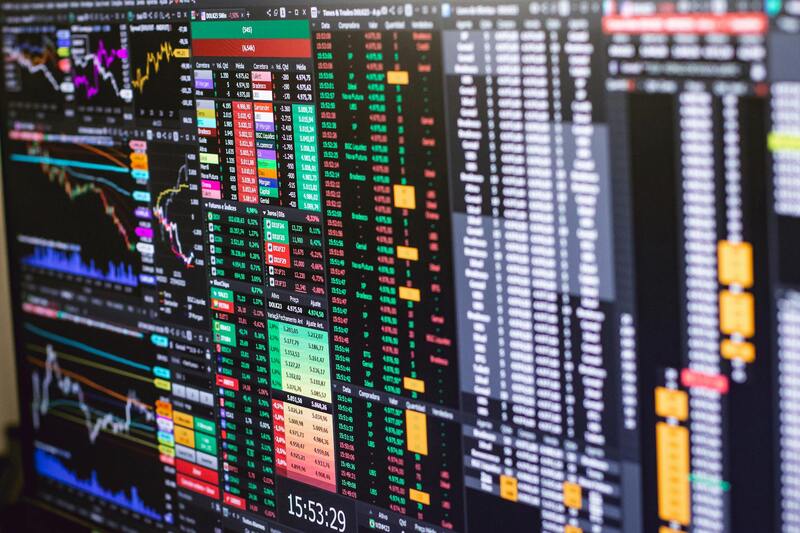
Prop firms also play a vital role in financial markets by providing liquidity, facilitating price discovery, and supporting market efficiency. Their activities can influence asset prices and market stability, especially during periods of high volatility or low liquidity. Furthermore, many firms foster a culture of continuous improvement and innovation, embedding technological advancement and data-driven decision-making into their daily operations.
Strategic Approach and Business Models Employed by Prop Trading Firms
Many prop trading firms adopt distinctive business models tailored to their trading philosophies and risk appetite. Some focus on algorithmic and high-frequency trading, leveraging speed and automation to exploit tiny price discrepancies across markets. Others may pursue longer-term strategies that involve fundamental analysis, macroeconomic modeling, or sector-specific research to identify investment opportunities.
Profit-sharing arrangements typically serve as a core incentive structure, aligning traders’ interests with those of the firm. Traders are often offered a percentage of the profits generated from their trades, incentivizing skillful and disciplined trading practices. In return, traders are required to adhere to strict risk management protocols, including maximum loss limits and pre-defined position sizes, to preserve the firm’s capital integrity.

The operational scope of prop trading firms extends beyond day-to-day trading. These firms actively participate in market research, develop proprietary trading algorithms, and sometimes engage in market-making activities. Their goal remains to balance aggressive trading ambitions with rigorous risk controls, ensuring sustainable growth and market presence over the long term.
Roles and Functions of a Prop Trading Firm
Proprietary trading firms serve as sophisticated entities that engage directly in financial markets using their own capital. Their primary role is to identify lucrative trading opportunities across various markets, including equities, derivatives, commodities, and forex. These firms harness advanced technology, quantitative strategies, and disciplined risk management to maximize profitability while maintaining stability and sustainability.
One of the core functions of prop trading firms is to develop and deploy proprietary trading algorithms that analyze market data in real-time. These algorithms are often crafted by in-house quantitative analysts and traders, enabling rapid execution of trades at speeds unattainable by manual trading. This technological edge is crucial for executing high-frequency trading strategies that profit from fleeting market inefficiencies.
Beyond executing trades, these firms play a significant role in market making, providing liquidity, and stabilizing markets during volatile periods. Their active participation facilitates smoother price discovery and narrower bid-ask spreads, which benefits other market participants. Additionally, prop firms conduct extensive market research, leveraging macroeconomic analysis and sector-specific insights to inform their trading strategies.

Prop firms also contribute to trader development and training, offering mentorship programs, simulation environments, and ongoing education to enhance trading skills. They create structured environments where disciplined trading and risk management are enforced, fostering a culture of accountability and continuous improvement.
Definition of a Prop Firm in Trading
A proprietary trading firm, commonly referred to as a prop firm, is an organization that uses its own funds to trade financial instruments with the goal of generating profits. Unlike investment firms or hedge funds, prop firms do not manage client assets; instead, their revenue is derived from successful trading activities performed by their traders and algorithms.
These firms typically employ traders who operate under specified risk parameters, often incentivized through profit-sharing arrangements. The focus is on disciplined, high-skill trading strategies that align the firm's interests with those of its traders, fostering an environment centered around performance and risk control.
How Prop Firms Operate
Propagation of trading strategies within a prop firm hinges on advanced technology infrastructure, research, and human expertise. Traders within these firms often have access to significant trading capital, optimized for quick execution and effective risk management. The operational model emphasizes the balance between aggressive profit pursuit and strict adherence to predefined risk limits to protect the firm's capital.
Prop firms utilize a combination of algorithmic trading, discretionary trading, and hybrid approaches depending on their strategic focus. They also invest heavily in proprietary software, data feeds, and analytics tools to stay competitive. The structure often includes team-based environments where traders collaborate, share insights, and continually refine their strategies based on market conditions.
Functioning and Business Model of Prop Trading Firms
The core of a prop firm's business model revolves around deploying its own capital through a variety of trading strategies aimed at exploiting market inefficiencies. These firms often operate with high leverage to amplify returns while implementing comprehensive risk controls to cap potential losses.
Profit sharing is a typical component of trader compensation, aligning individual and firm-wide interests. Traders usually operate within strict guidelines regarding maximum loss limits, position sizes, and trading hours. Risk management teams monitor all activities in real-time, adjusting positions or halting trading during adverse market conditions.
Market research, algorithm development, backtesting, and continuous monitoring are vital functions within a prop firm’s daily operations. These activities ensure adaptability and resilience across changing market environments. Many prop firms also explore opportunities in market-making and liquidity provision, further diversifying their revenue streams.

Roles and Functions of a Prop Trading Firm
Proprietary trading firms serve as specialized financial entities that utilize their own capital to engage in a wide array of trading activities across different markets and asset classes. The primary function of these firms is to generate profits through strategic investments, market-making, and liquidity provision, often leveraging advanced technology and quantitative models to identify trading opportunities.
Beyond merely trading, prop firms also play a pivotal role in market stabilization by providing liquidity and facilitating smoother market operations. They act as key intermediaries in price discovery, helping to maintain market efficiency and depth. Moreover, these firms often serve as hubs of innovation, employing skilled traders, quantitative analysts, and developers to craft sophisticated trading algorithms, risk models, and execution strategies that can adapt to evolving market conditions.
Definition of a Prop Firm in Trading
A proprietary trading firm, commonly known as a prop firm, is a financial organization that employs traders to invest the firm’s own capital rather than clients’ money. This setup enables the firm to retain full control over its trading activities, risk parameters, and profit distribution models. Unlike traditional investment firms managing external assets, prop firms focus solely on generating income from proprietary trading strategies, which can span from discretionary day trading to algorithmic and quantitative approaches.
How Prop Firms Operate
Operating under a framework that emphasizes strategic agility and risk management, prop firms maintain a structured yet dynamic trading environment. They employ a diverse team of traders, analysts, and technologists who collaborate to develop, backtest, and deploy trading strategies across various markets such as equities, forex, commodities, and derivatives.
Procurement of cutting-edge trading tools, real-time data streams, and machine learning models is common practice, enabling traders to execute high-frequency or long-term trades based on empirical evidence. The operational workflow typically involves continuous performance monitoring, regular strategy review, and adaptive risk controls to minimize downside exposure.
Functioning and Business Model of Prop Trading Firms
The core revenue model of a prop trading firm is predicated on the profit generated from trading activities conducted with the firm’s own capital. This model encourages a culture of disciplined risk-taking and strategic innovation. The firm invests heavily in research and development, establishing backtesting environments to rigorously test trading algorithms against historical data before deployment in live markets.
Profit sharing arrangements often serve as incentives for traders, aligning their interests with the overall success of the firm. Traders are subject to maximum loss limits and specific trading guidelines, which are tightly monitored by the risk management team to ensure compliance and safeguard capital.

The Trading Capital and Leverage in Prop Firms
Prop trading firms typically operate with a substantial pool of capital allocated specifically for trading activities. This capital allows traders to take positions that could be significantly larger than personal investment levels, primarily through the use of leverage. The leverage ratios can vary widely, often reaching multiple times the actual capital, thereby amplifying both potential returns and risks.
Effective management of leverage is a critical component of a prop firm's risk controls. Strict limits are usually in place to prevent excessive exposure that could threaten the firm’s capital reserve. Additionally, real-time risk monitoring systems track positions continuously, with automatic halts or adjustments triggered when predefined thresholds are exceeded to safeguard the firm's assets.
Using high leverage, while enhancing profitability opportunities, necessitates rigorous risk management frameworks that include stop-loss orders, position size restrictions, and diversified trading strategies to mitigate possible losses. This disciplined approach ensures that the firm maintains resilience during volatile market periods and significant drawdowns.
Roles and Functions of a Prop Trading Firm
Proprietary trading firms serve as specialized entities that facilitate the professional trading activities of skilled traders using the firm’s own capital. These firms are tasked with executing trades across various financial markets, including equities, commodities, forex, and derivatives, often employing advanced trading strategies and leveraging cutting-edge technology. Their core functions include providing traders with the necessary capital, risk management infrastructure, and technological support to optimize trading performance.
One of the primary roles of a prop firm is to identify talented traders through meticulous evaluation processes. Once selected, traders are granted access to the firm's trading environment, which includes state-of-the-art trading platforms, detailed market data, and risk monitoring tools. The firms act as catalysts for commercial success by enabling traders to focus on execution and strategy development without the burden of managing capital or compliance logistics. The overall goal is to generate profits for the firm while maintaining strict control over associated risks.

Definition of a Prop Firm in Trading
A proprietary trading firm, often called a prop firm, is a company that primarily uses its own financial resources to engage in securities or derivatives trading. Unlike traditional investment firms that manage client assets, prop firms trade with their own equity, aiming to capitalize on market efficiency and generate profits directly. These firms recruit experienced traders who are given trading capital, sometimes coupled with margin and leverage, to execute trades designed to exploit market opportunities.
Prop firms distinguish themselves through their focus on internal profit-sharing models, providing incentivized environments where successful traders can significantly increase their earnings based on their performance. This setup encourages skill development and strategic risk-taking, with the entity bearing the majority of the financial risk associated with trading activities.
How Prop Firms Operate
At the operational core, prop firms craft a comprehensive ecosystem that combines manpower, technology, and capital. Traders operate within a framework of defined trading strategies and risk parameters, guided by the firm’s policies. The firm invests in research, trading infrastructure, and compliance monitoring systems to facilitate efficient operations.
The trading process typically involves the following steps:
- Trader onboarding and assessment
- Provision of trading accounts with allocated capital
- Implementation of risk controls and real-time monitoring
- Trade execution and performance tracking
- Profit distribution based on predefined metrics and agreements
Operational efficiency is maintained through continuous oversight and technological integration, ensuring adherence to risk thresholds and compliance standards.
Functioning and Business Model of Prop Trading Firms
The core business model revolves around traders executing trades that generate profits exceeding the firm’s operational costs and risk provisions. Typically, profit-sharing arrangements incentivize traders to perform at their best, often through a split that favors high performers.
Profit-sharing structures vary but generally include:
- Percentage of profits allocated to traders
- Performance thresholds that traders need to meet to qualify for specific payouts
- Reinvestment strategies for remaining capital gains to expand trading capacity
Risk management teams continually oversee all trading activities, adjusting strategies and imposing limits as necessary to minimize downside risks. The firm's success depends on maintaining a delicate balance that maximizes gains while controlling exposure to significant losses.
The Trading Capital and Leverage in Prop Firms
Proprietary firms operate with substantial pools of trading capital, often significantly larger than that of individual traders. This capital is augmented through leverage, allowing traders to take larger positions relative to their own funds. Leverage ratios can range from manageable levels to multiples exceeding ten times the invested capital, depending on the firm’s policies and the markets involved.
Effective leverage management is central to the firm’s risk strategy. High leverage amplifies potential returns but also increases the risk of severe losses. As a result, strict controls—such as position limits, stop-loss orders, and automated risk metrics—are employed to ensure the firm’s capital reserves are protected.

Capital and Risk Management in Prop Trading
Capital and risk management are fundamental to sustaining profitable operations within a prop trading firm. To mitigate potential losses, firms implement comprehensive risk protocols including:
- Maximum drawdown limits that restrict overall loss levels within specified periods.
- Real-time trading oversight with automated alerts for excessive exposure.
- Trading guidelines that enforce position size and diversification rules.
- Structured stop-loss and take-profit orders to lock in gains and limit downside.
- Regular performance reviews and strategy audits to identify vulnerabilities and adapt to evolving market conditions.
These measures ensure that the firm maintains its financial stability while providing traders a controlled environment for their strategies, fostering consistent performance and reducing the risk of catastrophic losses.
Capital and Risk Management in Prop Trading
Effective capital allocation and rigorous risk management protocols are fundamental components of a prop trading firm’s operational framework. These structures are designed to safeguard the firm’s financial health while enabling traders to execute strategies with confidence. One of the core practices involves setting maximum drawdown limits, which define the threshold of acceptable losses over specific periods. Adhering to these limits ensures that a decline in trading capital remains within manageable bounds, preventing catastrophic financial setbacks.
Real-time trading oversight is another critical element, often facilitated through automated alerts and monitoring systems that flag excessive exposure or deviations from established trading parameters. Automated controls help enforce strict adherence to risk policies and enable swift corrective actions to mitigate potential losses.
Trading guidelines are meticulously crafted to manage position sizes and encourage diversification across different assets and markets. These rules help minimize the impact of adverse market movements and avoid overexposure to a single instrument or sector. Additionally, structured stop-loss and take-profit orders serve as essential tools for locking in gains and limiting downside risks, providing traders with predefined exit points that help maintain disciplined trading practices.
Regular performance reviews and strategy audits are integral to maintaining high standards, facilitating continuous improvement, and adapting to dynamic market conditions. Such evaluations help identify areas of vulnerability and refine risk management techniques, ensuring the firm can sustain profitability while balancing the risks inherent in proprietary trading.

Cap Management and Risk Controls in Proprietary Trading
Effective capital management and risk control are fundamental to the success and sustainability of proprietary trading firms. These firms operate under strict frameworks designed to protect their financial soundness while enabling traders to exploit market opportunities within defined parameters. Such rigorous oversight involves comprehensive monitoring systems that provide real-time data on trading activity, ensuring adherence to established risk limits and maintaining overall portfolio stability.
Central to risk management are automated systems that track trade sizes, position concentrations, and margin utilization continuously. These systems alert traders and risk managers if trading activity approaches predefined thresholds, prompting immediate review or intervention. Automated controls can dynamically adjust trading limits or temporarily halt trading if certain risk parameters are exceeded, effectively preventing catastrophic losses in volatile market phases.

Another critical aspect encompasses risk diversification strategies, which include spreading trades across various asset classes and markets. Diversification reduces the exposure to any single instrument or sector, thus mitigating potential losses stemming from adverse movements in specific markets. Prop firms often employ structured stop-loss orders, designed to limit individual trade losses, alongside take-profit levels to secure gains at predefined points, fostering disciplined trading behaviors.
To maintain high standards, regular performance reviews and strategy audits are conducted. These assessments serve multiple purposes: they identify vulnerabilities in trading strategies, evaluate adherence to risk protocols, and help in refining risk management techniques. Continuous monitoring and evaluation facilitate a proactive approach to risk mitigation, ensuring that the firm remains resilient amidst market fluctuations.
By implementing comprehensive control mechanisms, prop trading firms not only safeguard their capital but also create an environment where traders can operate within a structured and disciplined framework. This balance of risk and reward is crucial for long-term profitability and stability in proprietary trading.
Roles and Functions of a Prop Trading Firm
Proprietary trading firms serve as specialized financial entities that invest their own capital in various markets to generate profits. Unlike traditional investment firms that manage client funds, prop firms focus on leveraging their resources to execute trades across a broad spectrum of financial instruments, including equities, forex, commodities, and derivatives. The core role of these firms is to identify lucrative trading opportunities through advanced market analysis and sophisticated strategies, and then execute trades that maximize gains while maintaining risk controls.
In addition to direct trading activities, prop trading firms play a significant role in providing liquidity to markets, contributing to price discovery, and supporting efficient market functioning. They often utilize cutting-edge technology such as algorithmic trading systems and high-frequency trading platforms to gain an edge in market execution. These firms also focus on developing proprietary trading algorithms and strategies, which are continuously refined based on market dynamics and performance evaluations. This innovation-driven environment fosters a culture of constant improvement and strategic advancement within the firm.

Definition of a Prop Firm in Trading
A proprietary trading (prop) firm is a financial organization that uses its own capital for trading activities, rather than managing client funds. The primary motive is profit generation through strategic trading in financial markets. Prop firms often employ traders who are either hired directly or operate as independent contractors, with the firm providing the necessary capital, tools, and infrastructure to support their trading efforts. The distinctions of a prop firm include a focus on in-house trading activities, the use of advanced technology, disciplined risk management practices, and a performance-based compensation structure.
How Prop Firms Operate
Prop firms operate through a combination of technology-driven trading strategies, expert analysis, and rigorous risk management protocols. They typically allocate substantial capital to various trading desks or teams that specialize in different asset classes, allowing for diversification and risk mitigation. These firms rely heavily on sophisticated trading software and algorithmic systems that enable rapid decision-making and execution in high-volume markets. Traders are granted access to the firm's capital and are incentivized through profit sharing, performance bonuses, or salary structures based on their trading results.
Operationally, prop firms maintain strict compliance with internal risk policies, including limits on individual trades, position sizes, and overall exposure. They employ real-time monitoring tools to oversee trading activities and ensure adherence to risk thresholds. Regular analysis, review, and strategy adjustments are integral to maintaining optimal performance and resilience in volatile market conditions.

Functioning and Business Model of Prop Trading Firms
The business model of a prop trading firm revolves around deploying the firm's capital for trading, with the goal of generating substantial returns. The firm invests in skilled traders, cutting-edge technology, and research to discover and exploit market inefficiencies. The trading strategies encompass a wide range of approaches, from scalping and day trading to long-term trend following and arbitrage. The firm retains a significant portion of the profits, often reinvesting a portion back into the trading capital to facilitate larger trades and expand its market footprint.
Profit sharing and performance incentives motivate traders to perform at their best, aligning individual goals with the firm's overall objectives. This model also emphasizes disciplined risk management to prevent catastrophic losses, maintaining the firm's stability and capacity for sustained trading activity.
The Trading Capital and Leverage in Prop Firms
One of the defining features of a prop trading firm is the availability of substantial trading capital, often significantly higher than what individual traders could access independently. This capital allows them to take larger positions and potentially generate greater returns. Leverage, provided by the firm, amplifies trading positions and can magnify profits, but it also increases risk exposure. Therefore, prop firms implement strict leverage limits and risk controls to protect their capital while maximizing trading opportunities.

Capital and Risk Management in Prop Trading
Effective capital and risk management are cornerstones of any successful prop trading operation. Firms allocate capital across various strategies and asset classes, balancing risk and potential reward. They employ advanced risk assessment tools, including real-time monitoring systems, to track exposure and implement safeguards such as stop-loss orders and position limits.
Regular performance evaluations and strategy audits ensure traders adhere to risk protocols, fostering an environment where disciplined trading minimizes the likelihood of large-scale losses. The use of a unified risk management architecture helps identify vulnerabilities early, allowing for prompt corrective actions to preserve the firm's capital base.
Roles and Functions of a Prop Trading Firm
Proprietary trading firms play a pivotal role in the financial markets by providing a platform where skilled traders can deploy substantial capital to identify and capitalize on market inefficiencies. These firms are responsible for managing large pools of capital, developing sophisticated trading strategies, and continuously optimizing risk management protocols. They actively contribute to market liquidity and price discovery, often executing trades across a broad spectrum of assets, from equities and commodities to derivatives and Forex. The core function of a prop trading firm is to leverage their expertise and resources to generate profits, which are shared with the traders based on predetermined arrangements. These firms also offer extensive training programs and access to cutting-edge trading technology, thus fostering an environment conducive to professional growth and high-performance trading.
Definition of a Prop Firm in Trading
A prop trading firm is an organization that uses its own capital to conduct trading operations. Unlike retail traders who trade personal funds, traders associated with these firms access the company's financial resources to execute trades across diverse financial markets. The primary goal is to maximize profits through strategic market participation while maintaining strict controls on risks and investments. Prop firms often operate with a team of seasoned traders, quantitative analysts, and risk managers who collaborate to optimize trading strategies, enhance decision-making, and ensure regulatory compliance. The profit-sharing model incentivizes traders to perform at their best, aligning individual success with the firm's overall profitability.

How Prop Firms Operate
Proprietary trading firms typically operate with a blend of advanced technological platforms, proprietary algorithms, and skilled traders. The process involves executing high-frequency trades, arbitrage opportunities, and market-making activities that require rapid decision-making and precise execution. These firms invest in research and development to refine their trading algorithms continually. They often utilize quantitative models, data analytics, and real-time market data feeds to inform trading decisions. The firm’s infrastructure is designed to facilitate seamless order execution, monitor risk exposures, and adapt strategies dynamically to changing market conditions. Operationally, prop firms maintain close supervision of traders, employing strict risk controls and compliance measures to safeguard the firm's capital against adverse market movements.

Functioning and Business Model of Prop Trading Firms
The functioning of a prop trading firm is centered on the deployment of the firm’s capital into lucrative trading strategies. The business model relies heavily on the skill of its traders combined with sophisticated risk control systems. Traders operate under specific mandates—such as maximum drawdown limits and position sizes—to preserve overall capital. The firm earns profits primarily through trading gains, which are then distributed among traders and the firm based on profit-sharing agreements. Most prop firms emphasize risk-adjusted returns, ensuring that they maintain liquidity and profitability even during market downturns. Besides trading activities, many prop firms also generate revenue through offering training programs, software licensing, and algorithm development services.

The Trading Capital and Leverage in Prop Firms
One of the defining features of a prop trading firm is the substantial trading capital available, which vastly exceeds individual retail trader funds. This capital allows traders to engage in larger trades, access advanced financial instruments, and exploit market opportunities that would be impossible with personal resources alone. Leverage, embedded within the firm's operational framework, amplifies trading capacity and potential returns. For instance, a trader might have access to leverage ratios of 10:1 or higher, depending on the firm's policies and asset classes traded. Nevertheless, managing leverage prudently is critical, as it substantially increases both profit potential and the risk of significant losses. Therefore, rigorous risk management protocols are implemented to prevent overexposure and protect the capital pool from adverse market moves.

Capital and Risk Management in Prop Trading
In prop trading environments, maintaining robust capital and risk management strategies is vital for sustainability. Firms allocate capital systematically across various trading strategies, ensuring diversification to mitigate risks. Advanced risk assessment tools, such as real-time exposure monitoring, stress testing, and scenario analysis, help identify vulnerabilities ahead of time. Common risk controls include setting strict stop-loss levels, enforcing position limits, and employing automated trade halts during volatile periods. Regular performance reviews and audits further support compliance with risk protocols, fostering a disciplined trading culture. These measures help safeguard the firm's assets while maximizing the likelihood of consistent profitability over the long term.

Roles and Functions of a Prop Trading Firm
Proprietary trading firms perform a specialized role within financial markets by directly engaging in buying and selling securities, commodities, forex, or other financial instruments using their own capital. Their core function is to generate profits through strategic trading practices while managing the inherent risks associated with high-frequency and large-volume trading. These firms often employ experienced traders, quantitative analysts, risk managers, and technology specialists who work collectively to develop trading models and strategies that leverage market opportunities effectively.

Beyond trading, prop firms serve as innovation hubs for developing cutting-edge trading algorithms, risk mitigation tools, and market analysis techniques. They also play a crucial role in creating liquidity in various markets, ensuring smoother and more efficient trading environments. By focusing on their own capital, these firms operate independently of external clients, allowing them to implement aggressive or highly sophisticated trading strategies that are often off-limits to retail traders or institutional investors.
Definition of a Prop Firm in Trading
A proprietary trading firm is a financial entity that allocates its own resources to trade in the financial markets, aiming for profit rather than serving external clients. Unlike asset management or brokerage firms that act as intermediaries for clients, prop firms rely on internal capital and sophisticated trading techniques to capitalize on market inefficiencies. This structure grants them agility and flexibility to deploy diverse strategies, from long-term trend following to high-frequency trading, tailored to evolving market conditions.
How Prop Firms Operate
Prop firms operate through a combination of capital allocation, strategic trading, and risk management frameworks designed to maximize profit potential. Their operations are characterized by a highly competitive environment where traders are often incentivized through profit-sharing models. The firm’s trading capital is divided among traders based on experience, strategy, or performance, with systematic oversight to ensure adherence to risk protocols. Advanced trading platforms and sophisticated analytics systems support decision-making, providing real-time market data, trade execution, and risk control tools.
Functioning and Business Model of Prop Trading Firms
The business model of prop firms revolves around leveraging their own funds and technological infrastructure to exploit market opportunities. Traders are typically given access to trading capital, with the firm's profitability depending on their ability to execute profitable trades within established risk parameters. Many prop firms adopt a tiered profit-sharing scheme, where successful traders receive a percentage of their generated profits. They also invest heavily in technology and infrastructure to gain competitive edges such as low-latency trading systems, machine learning algorithms, and data analytics.
The Trading Capital and Leverage in Prop Firms
Prop firms are endowed with substantial trading capital, enabling them to enter large-volume trades and utilize leverage to amplify their market exposure. Leverage levels can vary significantly, often reaching ratios of 10:1 or higher, depending on the asset class and risk appetite. Proper management of leverage is critical, as it directly impacts both profit potential and the possibility of losses. Firms implement strict guidelines to control leverage usage, ensuring that traders do not overextend themselves during volatile market conditions. This disciplined approach helps maintain the firm’s overall financial health and sustainability.
Capital and Risk Management in Prop Trading
Effective risk management is the cornerstone of a prop firm’s operational stability. These firms employ sophisticated tools and strategies to monitor real-time exposure and prevent significant losses. They enforce strict stop-loss orders, set position limits, and employ automated trading halt mechanisms during periods of high volatility. Regular performance assessments, audits, and stress testing are integral components of their risk protocols. By distributing capital across various strategies and asset classes, prop firms aim to mitigate risks while pursuing consistent profitability, ensuring resilience amid unpredictable market conditions.
Benefits of Joining a Prop Trading Firm
- Access to substantial trading capital that enables larger position sizes and trading opportunities.
- Structured training programs and mentorship that develop advanced trading skills.
- Utilization of cutting-edge technology platforms for trade execution and analysis.
- Performance-based incentives, including profit sharing and bonuses.
- Opportunity to trade across diverse markets and instruments with fewer restrictions.
Trader Selection and Evaluation Process
Proprietary trading firms employ rigorous procedures to evaluate potential traders, aiming to identify candidates with strong analytical skills, disciplined trading behavior, and a good understanding of market dynamics. The selection process usually involves multiple stages, including skill assessments, simulated trading tests, technical interviews, and psychological evaluations. Firms look for traders who demonstrate consistent performance, risk awareness, and a strategic mindset, as these traits are vital for sustaining long-term profitability within the firm’s risk management framework.
Requirements and Evaluation for Traders
To become a trader for a prop firm, candidates generally need a proven track record of trading success, either through personal trading accounts or simulated environments. A strong grasp of risk management principles, technical analysis, and market fundamentals is essential. Many firms specify minimum account sizes, profitability benchmarks, and experience levels, often seeking traders with at least 1-3 years of active trading history. Additionally, psychological resilience and the ability to operate under pressure are highly valued attributes.
Types of Proprietary Trading Strategies
- Trend Following: Exploiting long-term market trends across various asset classes.
- Market Making: Providing liquidity through continuous bid-ask quoting, earning the spread.
- High-Frequency Trading: Utilizing algorithms to execute a large number of trades within milliseconds.
- Arbitrage Strategies: Taking advantage of price discrepancies across markets or instruments.
- Mean Reversion: Trading based on the expectation that prices will revert to a historical average.
Risks and Challenges Faced by Prop Firms
Prop trading firms encounter several intrinsic risks, including market volatility, liquidity shortages, and technological failures. Sudden market shocks can lead to significant losses if risk controls are not adequately enforced. Additionally, maintaining a competitive edge requires continuous technological innovation and adapting trading strategies to changing market dynamics. Regulatory scrutiny and compliance also pose ongoing challenges, requiring firms to implement comprehensive governance structures and transparent operations. Despite these challenges, disciplined risk management and strategic planning are essential for long-term success in proprietary trading.
Roles and Functions of a Prop Trading Firm
Proprietary trading firms play a critical role in the financial ecosystem by acting as specialized entities that trade with their own capital to generate profits. Their core function is to identify and capitalize on market opportunities across various asset classes, including equities, commodities, forex, and derivatives. These firms employ skilled traders equipped with sophisticated algorithms and trading strategies, often supported by advanced technology infrastructures. Beyond profit generation, prop firms contribute to market liquidity and efficiency, facilitating smoother transactions and tighter bid-ask spreads.
In addition to trading activities, prop firms often engage in research and development to refine trading algorithms, optimize risk management protocols, and adapt to evolving market conditions. Some firms also provide training and mentorship for aspiring traders, fostering skill development within the industry. Their financial strength and operational stability allow them to undertake large-scale trades, making them influential players in the market landscape.
Definition of a Prop Firm in Trading
A proprietary trading firm, commonly known as a prop firm, is an organization that uses its own capital to execute trades across various financial markets. Unlike traditional brokerage firms that primarily execute client orders for fees, prop firms focus on internal trading strategies aimed at profit maximization. They often leverage cutting-edge technology, quantitative analysis, and well-honed trading strategies to identify lucrative opportunities. The ultimate goal of these firms is to generate consistent returns for their own balance sheets, positioning them as significant stakeholders within financial markets.
How Prop Firms Operate
Prop firms operate by deploying professional traders who execute trades based on analytical models, market insights, and strategic algorithms. These traders are typically employed full-time and operate under strict risk management policies to safeguard the firm’s capital. The firms provide traders with the necessary technological tools, such as high-speed trading platforms, market data feeds, and analytical software, to maximize their trading efficiency.

Operational protocols include predefined trading limits, profit targets, and loss thresholds. Trades are monitored in real-time by risk managers who oversee the adherence to established policies. Many prop firms adopt algorithmic trading models that execute large volumes of trades within milliseconds, leveraging high-frequency trading strategies to capitalize on fleeting market inefficiencies. Continuous strategy refinement and technological updates are vital for maintaining competitive advantage.
Functioning and Business Model of Prop Trading Firms
The business model of prop firms hinges on their ability to generate profits from internal trading activities. These firms allocate a portion of their capital to different trading desks and strategies, often diversifying across asset types to reduce exposure to singular market risks. Successful firms maintain a rigorous process of strategy validation, backtesting, and performance review to ensure sustained profitability.
Revenue streams primarily include:
- Profits earned from trading activities
- Performance fees or revenue sharing models with traders, where applicable
- Technological licensing or infrastructure services provided to external traders or firms
Risk management remains integral to operational success. Firms implement comprehensive protocols to limit losses, including stop-loss orders, position sizing rules, and real-time exposure monitoring. They often employ statisticians and quantitative analysts to continuously improve trading algorithms, ensuring consistent adaptation to volatile market conditions.
The Trading Capital and Leverage in Prop Firms
Prop trading firms typically operate with significant financial resources, often exceeding several million dollars of proprietary capital. This extensive capital base enables them to execute large trades and employ leverage—borrowed funds that amplify trading positions. Leverage ratios vary based on the firm’s risk appetite, regulatory environment, and asset class. It allows traders to access more substantial market exposure with smaller initial investment, but also introduces higher risk levels that must be managed meticulously.

Effective utilization of leverage enhances profit potential but necessitates stringent risk controls. Proprietary firms rigorously monitor leverage ratios to prevent catastrophic losses, often requiring traders to adhere to maximum position sizes and stop-loss procedures. The leverage tools available are tailored to align with the firm’s overall risk strategy, industry standards, and regulatory requirements.
Capital and Risk Management in Prop Trading
Capital management in prop trading involves deploying funds efficiently while safeguarding against substantial losses. Risk management frameworks are embedded into the operational culture of these firms, utilizing advanced analytics and automated systems to control exposure.
Key techniques include:
- Position Size Limitations: Ensuring individual trades do not disproportionately affect the overall capital
- Stop-Loss and Take-Profit Orders: Automating risk and profit protections
- Real-Time Exposure Monitoring: Continuously tracking open positions and market conditions
- Stress Testing and Scenario Analysis: Preparing for adverse market events
- Diversification Across Strategies and Assets: Minimizing concentrated risks
These measures are critical to maintaining the financial health of the firm and ensuring that risk-taking aligns with strategic objectives.
Roles and Functions of a Prop Trading Firm
Proprietary trading firms serve as specialized entities within the financial industry that directly utilize their own capital to seek profits through trading activities. Their core function is to deploy trading strategies across various financial markets, including equities, derivatives, commodities, and forex, aiming to capitalize on market movements and anomalies. These firms act as facilitators of liquidity, often providing vital market functions such as order matching and price discovery, while also engaging in proprietary trades designed to generate high returns for their own account.
Their operations are supported by teams of skilled traders, quantitative analysts, and risk managers who work collaboratively to develop, implement, and optimize trading strategies. These firms often invest heavily in technology, utilizing high-frequency trading systems and advanced analytics to identify opportunities swiftly and execute trades with minimal latency. Their overarching goal is to balance risk and reward through disciplined trading protocols, leveraging their capital effectively while maintaining stringent risk controls.

Definition of a Prop Firm in Trading
A proprietary trading firm, often abbreviated as a 'prop firm,' is an organization that trades financial instruments using its own funds rather than client capital. Unlike traditional asset managers or brokerages that execute client trades for fees, prop firms focus on generating profits internally. They employ specialized traders who operate under specific risk parameters set by the firm, often utilizing sophisticated algorithms and trading models. This structure allows for greater flexibility, innovation, and the ability to take advantage of short-term market movements without client constraints.
How Prop Firms Operate
Prop trading firms operate through a combination of advanced technology, strategic trading methodologies, and rigorous risk management protocols. These firms typically allocate capital among a team of traders who are selected based on their skills, experience, and consistency in achieving profit targets. Traders are often given a defined trading environment, including access to leverage and proprietary trading tools, alongside clear risk limits to contain potential losses.
Profit sharing models vary, but many prop firms offer traders a percentage of their profits as an incentive. The firm’s business model hinges on the ability to generate consistent positive returns while managing risk effectively—this includes creating trading algorithms, conducting backtests, and refining strategies in real-time market conditions.
Functioning and Business Model of Prop Trading Firms
The core functioning principle of prop firms revolves around deploying trading capital in markets where their strategies are most effective. They often utilize a combination of discretionary and algorithmic trading approaches. The business model emphasizes the importance of ongoing research, technological investment, and strategic adjustments to adapt to dynamic market environments.
Revenue streams are primarily derived from the firm's profits on trades, with some firms also offering training, technology services, or strategic consulting. A significant component of their operation involves monitoring and controlling exposure to prevent catastrophic losses that could jeopardize their financial stability.
The Trading Capital and Leverage in Prop Firms
One of the defining features of prop trading is the use of leverage, which allows traders to amplify their positions and potential profits. Prop firms often provide leverage ratios that exceed typical retail limits, thereby enabling traders to take larger positions relative to their own capital. This leverage, however, comes with increased risk, making effective risk management crucial for sustainable profitability.

Capital and Risk Management in Prop Trading
Successful prop trading depends on meticulous capital and risk management strategies. These firms employ various techniques to ensure positions remain within acceptable risk parameters:
- Position Size Limitations: Ensuring individual trades do not exceed a predefined proportion of the firm's capital, reducing exposure to single-event losses.
- Stop-Loss and Take-Profit Orders: Automating exit points to protect gains and limit potential losses.
- Real-Time Exposure Monitoring: Continuously tracking open positions and market conditions to respond swiftly to adverse movements.
- Stress Testing and Scenario Analyses: Simulating adverse market conditions to assess resilience and improve risk controls.
- Diversification: Spreading trades across different assets and strategies to mitigate concentrated risks.
These measures help maintain the financial health of the firm, ensuring traders operate within a disciplined framework that balances opportunity and risk.
Roles and Functions of a Prop Trading Firm
Proprietary trading firms serve as specialized financial organizations that engage directly in the buying and selling of financial instruments using their own capital. Their primary roles include generating profit through strategic trading, managing a diverse portfolio of assets, and employing advanced trading techniques. These firms act as catalysts of liquidity in the markets, often operating across multiple asset classes such as equities, commodities, forex, and derivatives. Additionally, prop firms provide traders with the tools, resources, and support systems necessary to execute complex trades efficiently.
Key functions encompass research and analysis, risk assessment, and the implementation of proprietary trading algorithms. They leverage sophisticated technology to identify market inefficiencies and capitalize on trading opportunities that often elude retail traders. Operating with a focus on short-term gains, prop firms also serve as training grounds for talented traders who demonstrate consistent performance and strategic insight.

Definition of a Prop Firm in Trading
A proprietary trading firm, or prop firm, is a financial organization that allocates its own capital to trade various assets with the aim of generating profits. Unlike traditional investment firms that manage client funds or assets, prop firms utilize their financial resources to execute trades, often employing advanced algorithms, quantitative analysis, and high-frequency trading techniques. By focusing solely on their capital, prop firms are free to pursue aggressive trading strategies without the pressure of managing external investor funds.
How Prop Firms Operate
Operationally, prop firms function by deploying a team of skilled traders, data analysts, and technologists. These entities provide traders with access to state-of-the-art trading platforms, leverage, and capital that surpasses retail trading limits. They often set specific trading parameters, such as maximum drawdowns or position sizes, to ensure disciplined risk management. The firm's profitability depends on the successful execution of trading strategies, quick decision-making, and continuous adaptation to changing market conditions.
Functioning and Business Model of Prop Trading Firms
The core business model revolves around leveraging proprietary capital to identify and exploit market opportunities. Traders operate under predefined guidelines that aim to balance risk and reward. The revenue model is primarily based on a share of the profits generated through trading activities, with some firms also charging participation or training fees. These firms often incentivize traders with profit-sharing arrangements, motivating high performance while maintaining control over risk exposure. Technology infrastructure, data analysis tools, and ongoing training are critical components of their operational success.
The Trading Capital and Leverage in Prop Firms
Prop firms are characterized by their substantial trading capital, often exceeding millions of dollars, which allows traders to take advantage of significant leverage. Leverage ratios can vary widely but typically surpass retail market limits, enabling traders to control larger positions relative to their individual capital. This amplified capacity enhances potential profit margins but requires stringent risk controls to prevent catastrophic losses. The efficiency of capital deployment and leverage management directly influences the firm's profitability and stability.
Capital and Risk Management in Prop Trading
Effective risk management is fundamental in prop trading to safeguard capital and ensure sustainable operations. Firms implement robust risk controls such as:
- Position size limits aligned with the firm's risk appetite
- Automated stop-loss and take-profit orders to manage potential losses and lock profits
- Real-time monitoring of open positions and exposure
- Scenario analysis and stress testing to prepare for adverse market movements
- Diversification across multiple assets and trading strategies to reduce concentration risk
Adhering to disciplined risk management practices helps maintain operational stability even in volatile markets, enabling traders and firms to sustain profitability over the long term.