
Fundamentals of Risk Management in Trading
Risk management in trading is a disciplined approach to identifying, assessing, and mitigating potential losses in financial markets. Within proprietary trading environments, where traders use firm capital to execute trades, implementing robust risk management practices is essential to safeguard assets and maintain ongoing operational viability. Proper risk management acts as a safeguard against market volatility, unexpected price movements, and strategic miscalculations that could lead to substantial financial setbacks. It ensures that traders do not overexpose themselves or the firm to unnecessary risks, thereby fostering sustainable growth over the long term.
In prop trading, the significance of risk management cannot be overstated. Proprietary trading firms often operate with a high degree of leverage, amplifying both potential gains and losses. An effective risk management framework provides a structured methodology to control exposure levels, set trading limits, and establish protocols that prevent impulsive or emotionally driven decisions. By rigorously applying risk management principles, traders can focus on executing well-informed strategies rather than reactive responses to market swings, ultimately creating a more stable trading environment.
Implementing risk management in trading encompasses several core components. Firstly, it involves defining clear risk tolerance levels based on individual or firm-wide financial parameters. This includes determining the maximum amount of capital to risk per trade and overall portfolio limits. Secondly, it requires continuous monitoring and adjustment of these limits as market conditions evolve, ensuring that risk exposure remains within prudent thresholds.
Furthermore, a fundamental aspect of risk management involves the development of systematic procedures to handle adverse scenarios. These procedures include predefined stop-loss orders, risk-reward ratios, and diversification strategies designed to minimize the impact of unfavorable market movements. Such measures work collectively to preserve trading capital, reduce the likelihood of catastrophic losses, and support steady performance.
Successful risk management also demands transparency and discipline within trading teams. Traders must adhere to established protocols, report deviations, and participate in ongoing training to stay aligned with industry best practices. Integrating these elements into daily trading routines fosters a risk-aware culture that enhances decision-making quality across the organization.

Overall, mastering the fundamentals of risk management in trading serves as a critical element for prop firms aiming to sustain profitable operations in volatile markets. This foundational discipline underpins all advanced risk strategies, enabling traders to navigate complex environments with confidence and resilience, ultimately maximizing the potential for consistent profits while safeguarding vital capital resources.
Risk Measurement and Metrics
Effective risk management in trading hinges on precise measurement and the continuous assessment of potential exposure. Quantitative tools such as Value at Risk (VaR), Expected Shortfall, and drawdown analysis provide traders and risk managers with insights into the magnitude of potential losses under various market scenarios. These metrics facilitate a clear understanding of the risk-reward profile of individual trades and entire portfolios, enabling informed decision-making and timely adjustments.
Besides statistical measures, volatility is a key indicator, reflecting market uncertainty and the likelihood of substantial price swings. Monitoring volatility levels helps traders adjust their position sizes and leverage to prevent overexposure. For instance, trading strategies can be scaled down during periods of heightened volatility to preserve capital and avoid excessive losses.
Another essential metric is the risk-to-reward ratio, which guides traders in evaluating whether a trade justifies the risk involved. By consistently analyzing this ratio, traders can select setups that favor favorable payoff conditions, thereby improving the likelihood of profitable outcomes over time.
Regularly reviewing these risk metrics in conjunction with market developments ensures traders remain aligned with their risk appetite. This disciplined approach to measurement is vital for maintaining sustainable trading practices and preventing impulsive decision-making driven by transient market volatility.
Risk Management Strategies and Techniques
Implementing robust strategies is fundamental in mitigating potential losses. Stop-loss orders are among the most widely used tools, designed to automatically close a position once the price reaches a predetermined threshold. This technique limits downside risk and enforces disciplined exit points, reducing emotional decision-making during turbulent periods.
Position sizing strategies emphasize controlling the amount allocated to each trade relative to the total capital. Proper sizing ensures that no single trade can deplete a disproportionate share of assets, preserving overall portfolio stability. Traders often employ fixed fractional methods, which allocate a consistent percentage of capital based on current account size, adapting dynamically as the account grows or contracts.
Diversification remains a cornerstone of risk reduction, spreading investments across different assets, sectors, or markets to mitigate the impact of adverse movements in any single segment. By balancing exposure, traders can smooth out fluctuations and protect profits in unpredictable environments.
Risk-adjusted performance metrics such as the Sharpe Ratio, Sortino Ratio, and Calmar Ratio provide additional layers of analysis, allowing traders to measure their strategies against the risks they undertake. These metrics emphasize the importance of balancing profit objectives with acceptable risk levels, fostering sustainable growth over the long term.
Role of Trading Algorithms and Automation
Automation in trading introduces repeatability and objectivity, reducing the influence of emotion and impulsive decisions. Algorithms equipped with predefined rules for risk management execute trades precisely and consistently, adhering to the parameters set by the trader or risk manager.
Advanced algorithms leverage real-time data to dynamically adjust stop-loss levels, position sizes, and risk exposure based on market conditions. This adaptability enhances the effectiveness of risk control measures, especially during rapid market shifts.
Automated systems also facilitate backtesting - rigorous evaluation of strategies across historical data to identify potential flaws and optimize risk controls prior to deployment. This process allows traders to fine-tune parameters, ensuring strategies are resilient and aligned with their risk appetite.
Incorporating automation into risk oversight streamlines the monitoring process, providing traders with immediate alerts and decision support. Such integration enhances the responsiveness and precision of risk controls in fast-moving trading environments.
Risk Management Policies and Compliance
Formal policies set the framework for consistent risk control practices within proprietary trading firms. These policies specify limits on position sizes, leverage, and exposure to specific asset classes or markets, establishing clear boundaries that safeguard capital.
Enforcing compliance with internal policies is crucial; deviations can lead to significant losses and reputational damage. Regular audits, automated monitoring tools, and mandatory reporting protocols reinforce adherence, fostering a disciplined trading environment.
Transparency in risk management policies ensures that all trading personnel understand their responsibilities and the rationale behind specific limits and procedures. This clarity cultivates a culture of accountability and continuous improvement.
Tools and Software for Risk Oversight
Modern risk management relies heavily on technology-driven tools integrated into trading platforms. Real-time dashboards provide instant visibility into portfolio risk metrics, exposure concentrations, and compliance status. These tools often include scenario analysis features, enabling traders to simulate potential market shocks and their impact on portfolios.
Risk management software also automates alert generation for threshold breaches, allowing traders to take immediate corrective actions. Integration with back-end systems supports comprehensive reporting, audit trails, and strategic reviews.
By utilizing advanced systems, prop trading firms enhance the accuracy, speed, and effectiveness of their risk oversight, creating a resilient environment that adapts swiftly to evolving market conditions.
Fundamentals of Risk Management in Trading
Effective risk management in trading serves as the backbone of sustainable profit generation and capital preservation. It begins with establishing a comprehensive framework that identifies, assesses, and mitigates potential threats posed by market volatility, liquidity fluctuations, and operational lapses. Central to this process is the development of systematic procedures that set clear exposure limits, define acceptable risk thresholds, and outline contingency plans for unforeseen events.
One of the main objectives in risk management is to control downside risk without unduly restricting potential gains. This balance is achieved through detailed analysis of market conditions, position sizing, and the strategic use of stop-loss orders, which serve as automated exit points designed to limit losses during adverse market movements. It is essential that these controls are rigorously tested and updated regularly to adapt to changing market dynamics.
In an environment where rapid decision-making and real-time data are critical, integrating sophisticated risk management tools directly into trading platforms enhances oversight. These tools provide instant insights into risks at both the portfolio and individual trade levels. For example, real-time dashboards compile key risk indicators such as current exposure, profit and loss trajectories, and compliance metrics, facilitating quick responses and adjustments.

Moreover, regular risk evaluations and stress testing are vital to understanding vulnerabilities under extreme market conditions. Scenario analysis allows traders to simulate various shocks—such as sudden price gaps or market crashes—and their impact on portfolios. These simulations enable proactive adjustments to risk policies, ensuring the trading operation maintains resilience during turbulent periods.
Key Elements of a Robust Risk Management Program
- Risk Position Limits: Defined thresholds for individual instruments, sectors, or overall portfolio exposure.
- Automated Monitoring: Continuous oversight through alerts and automated controls that trigger actions when risk parameters are breached.
- Reporting and Documentation: Transparent records of risk assessments, decisions, and compliance activities that support ongoing reviews.
- Operational Controls: Procedures that prevent unauthorized trading and ensure adherence to established risk policies.
Implementing a Risk Management Ecosystem
Establishing an integrated risk management environment involves combining technological tools with clear policies and disciplined practices. These include configuring trading desks to adhere to predefined risk limits, utilizing software that automatically flags deviations, and conducting regular audits to verify adherence and identify areas for improvement.
Additionally, fostering a culture that prioritizes risk awareness is crucial. Traders and risk professionals should be encouraged to communicate openly about potential concerns and participate in ongoing training programs to stay updated on best practices. This collaborative approach ensures that risk management remains a core component of the trading process, rather than a reactive afterthought.

Risk Management Strategies and Techniques
Effective risk management in trading demands the implementation of well-defined strategies that serve to protect capital and ensure sustainable growth. Diversification stands as a cornerstone technique, spreading investments across various assets, sectors, or instruments to mitigate the impact of adverse movements in any single market segment. This approach helps reduce the overall volatility of a trading portfolio and limits potential losses.
Hedging further enhances risk mitigation by implementing positions that offset potential losses in primary trades. For example, employing options or futures contracts can serve as insurance coverage, locking in prices and reducing exposure to price swings. Proper hedging techniques require thorough understanding of market behaviors and correlation dynamics, emphasizing the importance of precise execution and ongoing oversight.
Setting predefined risk limits is fundamental to controlling exposure. These limits, typically expressed as a percentage of trading capital or on specific instruments, are designed to cap potential losses and prevent excessive risk-taking. Consistent adherence to these thresholds helps preserve capital and maintain a disciplined trading approach.
Using Stop-Loss and Take-Profit Orders
Stop-loss orders automatically trigger a sale when an asset's price reaches a specified level, effectively capping potential losses. Conversely, take-profit orders secure gains by closing a position once it hits a predetermined profit target. Both mechanisms are crucial for enforcing disciplined exit strategies, reducing emotional decision-making, and ensuring consistent risk management practices.
Position Sizing and Leverage Control
Determining the appropriate size for each trade relative to the total portfolio is vital. Proper position sizing prevents overexposure to single trades and maintains a balanced risk-reward profile. Additionally, managing leverage effectively ensures that trading positions do not amplify losses beyond manageable levels, supporting sustainable trading operations.
Regular Risk Reviews and Adjustments
Market conditions are dynamic, requiring active monitoring and periodic reevaluation of risk management measures. Regular reviews allow traders to adjust their strategies, update risk limits, and incorporate new information, ensuring that the risk management framework remains aligned with current market realities and trading objectives.
Implementing Advanced Risk Control Protocols
Utilizing advanced protocols such as scenario analysis and stress testing helps traders anticipate potential adverse scenarios. These techniques simulate extreme market movements, enabling traders to assess their portfolios' resilience and refine risk mitigation measures accordingly. Integrating these practices into routine risk assessments enhances preparedness and reduces the likelihood of catastrophic losses.
Fundamentals of Risk Management in Trading
Effective risk management in trading hinges on a comprehensive understanding of the core principles that govern financial exposure. It begins with the establishment of clear risk parameters for every trade, including maximum loss thresholds and profit targets. These parameters serve as safeguards to prevent excessive losses and promote disciplined trading behaviors. A systematic approach to risk management ensures that traders can maintain control over their positions, even amidst volatile market conditions, reducing the likelihood of emotionally driven decisions that could jeopardize trading capital.
Central to these principles is the implementation of stringent entry and exit criteria, leveraging technical analysis, fundamental insights, and market sentiment indicators. By adhering to predefined rules, traders can mitigate impulsive trades and maintain a consistent approach. Proper diversification across various asset classes also plays a critical role in risk reduction, ensuring that a setback in one sector does not disproportionately impact the overall portfolio.
Key Risks in Prop Trading
Proprietary trading involves exposing capital to several inherent risks, each demanding targeted management strategies. Market risk remains the most prominent, encompassing the possibility of adverse price movements that erode potential gains or generate losses. Liquidity risk is also significant, especially in less liquid markets where executing trades at desired prices can be challenging. Additionally, operational risks, such as system failures or human errors, threaten the consistency of trading activities.
- Market volatility: Rapid shifts in prices can lead to unpredictable outcomes, underscoring the need for adaptive risk controls.
- Execution risk: Delays or failures in order execution due to technical issues can adversely affect trade outcomes.
- Leverage risks: High leverage amplifies both gains and losses, making careful management crucial.
- Counterparty risk: The failure of brokers or financial institutions to honor obligations can result in significant losses.
Risk Measurement and Metrics
Quantifying risk is fundamental to effective risk management. Metrics such as Value at Risk (VaR) provide estimates of potential losses within a specified confidence interval over a given period. This helps traders gauge the vulnerability of their portfolios to adverse market movements. Another critical measure is the maximum drawdown, which indicates the largest peak-to-trough decline, highlighting the worst-case scenario for a trading cycle.
Position sizing strategies also rely on risk metrics, dictating how much capital to allocate per trade based on the acceptable risk level. Using stop-loss orders in conjunction with these measurements ensures losses remain within predefined limits, fostering disciplined trading practices. Additionally, the calculation of risk-reward ratios assists traders in selecting trades that offer favorable return prospects relative to their risk exposure.
Risk Management Strategies and Techniques
Implementing a suite of proven techniques enhances a trader’s ability to control risk effectively. One such approach is the use of fixed fractional position sizing, where a fixed percentage of total capital is risked on each trade. This method ensures that losses do not escalate rapidly, preserving capital during downturns.
Stop-loss orders are indispensable in safeguarding against excessive losses by automatically closing positions when prices breach certain levels. Trailing stop-losses dynamically adjust as the market moves, locking in profits while limiting downside risk. Regular portfolio reviews and rebalancing allow traders to adapt to evolving market conditions and mitigate emerging risks. Combining these tactics with disciplined trade journaling and analysis improves overall risk awareness and management precision.
The integration of advanced risk control protocols, such as scenario analysis and stress testing, is crucial for understanding potential impact under various adverse conditions. These techniques simulate extreme market scenarios, allowing traders to evaluate the robustness of their portfolios and adjust risk limits accordingly. Dynamic hedging strategies, including options and futures positions, further help in offsetting potential losses from underlying assets, providing an extra layer of protection during turbulent periods.
Risk Management Policies and Compliance
Developing comprehensive risk management policies is fundamental to maintaining disciplined and consistent trading practices within proprietary firms. These policies should outline clear guidelines for capital allocation, risk limits, and decision-making procedures, ensuring that all team members operate within predefined boundaries. Formalized documentation of risk protocols not only fosters transparency but also provides a reference point for evaluating adherence to established standards and protocols.
Monitoring compliance with these policies involves routine checks and audits to identify deviations and address potential vulnerabilities promptly. It is essential that firms implement systematic reporting mechanisms, which enable traders and risk managers to track real-time exposure levels and respond swiftly to emerging threats. Regular training programs reinforce the importance of adherence to risk policies, maintaining a high level of awareness and accountability across the organization.
In addition, maintaining detailed records of trading activities and risk assessments aids in regulatory and internal reviews. These records serve as evidence of diligent oversight and help in identifying patterns that could indicate emerging risks, facilitating proactive adjustments to trading strategies and risk limits.
Tools and Software for Risk Oversight
Advanced technological solutions play a critical role in enabling effective risk management in prop trading environments. Modern risk oversight tools provide real-time analytics, historical data analysis, and scenario simulations, allowing traders and risk officers to identify vulnerabilities and respond swiftly. Trading platforms integrated with risk management modules can automatically flag positions that approach predefined risk thresholds, preventing inadvertent over-leverage or excessive exposure.
Portfolio management software also offers granular control over risk metrics, including Value at Risk (VaR), stress testing results, and margin utilization. These tools streamline the monitoring process, providing comprehensive dashboards that enable quick assessments of the overall risk landscape. Such automation reduces reliance on manual calculations, minimizes errors, and enhances decision-making efficiency.
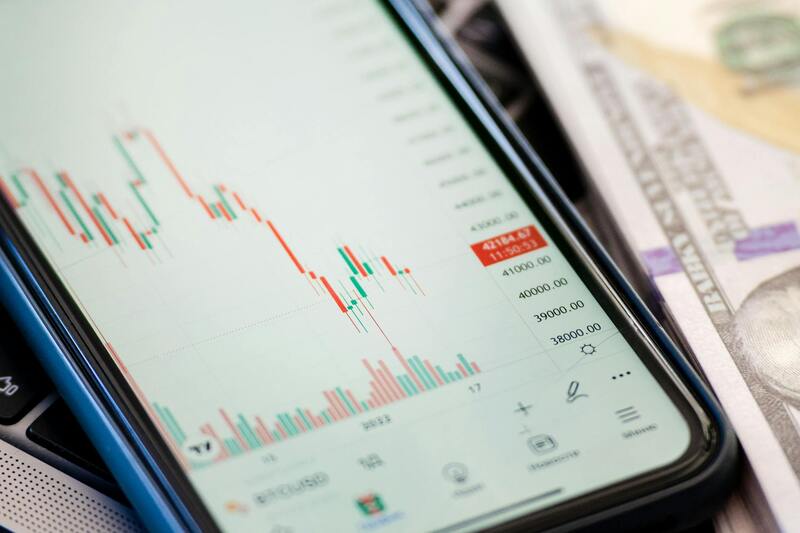
Furthermore, data visualization tools help in illustrating complex risk profiles through charts and heatmaps, making it easier for risk managers to interpret information and communicate findings effectively to traders and stakeholders. The integration of these technological resources into daily operations supports a proactive risk culture, facilitating continuous monitoring and timely intervention.
Building a Risk-Aware Trading Culture
Fostering a corporate culture that prioritizes risk awareness is vital for sustainable prop trading success. This begins with leadership setting clear expectations about the importance of disciplined risk management and leading by example. Promoting transparency and open communication encourages traders to discuss risks openly and to take responsibility for their risk decisions.
Training sessions, workshops, and continuous education programs emphasize the significance of adhering to risk protocols, understanding risk metrics, and recognizing behavioral biases that could lead to reckless trading. Recognizing and rewarding disciplined risk practices reinforces positive behavior, motivating traders to maintain vigilance and accountability.
Creating an environment where risk management is viewed as an integral part of trading strategy—rather than an external constraint—enhances decision-making quality. Encouraging traders to incorporate risk assessments into their routine workflows ensures that risk considerations become second nature. This holistic approach elevates the entire organization’s resilience against adverse market movements, enabling it to navigate volatility more effectively.
Fundamentals of Risk Management in Trading
Effective risk management in trading hinges on understanding and implementing official, proven techniques designed to mitigate potential losses while optimizing profit opportunities. Core principles involve establishing a clear risk-reward ratio for each trade, maintaining disciplined position sizing, and adhering to predefined stop-loss limits. These foundational practices help traders avoid overexposure to volatile markets or unpredictable events.
At the heart of a robust risk management framework is the development of a comprehensive trading plan that incorporates specific risk parameters. This plan should detail permissible risk levels relative to trading capital, set maximum drawdown thresholds, and dictate procedures for adjusting or halting trading activities when risk metrics breach established boundaries. Consistently applying such disciplined strategies positions traders to sustain performance through market fluctuations.
Key Risks in Prop Trading
Prop trading involves various inherent risks that necessitate precise management strategies to protect capital and ensure continued profitability. These risks include market volatility, adverse price movements, liquidity constraints, technology failures, and emotional decision-making. Recognizing these risks allows traders and risk managers to develop targeted policies that address each challenge individually and as part of an integrated risk mitigation plan.
Market volatility, for example, can lead to rapid and unpredictable price swings. Managing this risk involves employing dynamic position sizing techniques that adapt to changing market conditions, thereby limiting potential losses during turbulent periods. Bid-ask spread widening and low liquidity can also impact trade execution, requiring traders to monitor market depth actively and avoid entering large positions in thin markets, unless supported by suitable risk controls.
Risk Measurement and Metrics
Quantifying risk using official and standardized metrics forms the backbone of disciplined risk management. The most common measures include:
- Value at Risk (VaR): Estimates the potential maximum loss over a specified timeframe at a given confidence level. This metric allows traders to understand the worst-case scenario within normal market conditions.
- Maximum Drawdown: Tracks the largest peak-to-trough decline in trading capital. This helps in assessing the trader’s resilience and the effectiveness of current risk controls.
- Sharpe Ratio: Measures risk-adjusted return, indicating how much excess return is earned for each unit of risk taken. A higher ratio signifies more efficient risk management.
Implementing these metrics through official software solutions enables ongoing monitoring and quick adjustments in response to market developments, fostering a disciplined risk environment.
Risk Management Strategies and Techniques
Several advanced strategies are employed within prop trading to maintain risk controls without stifling potential gains. These include:
- Diversification: Spreading capital across diverse assets or strategies reduces dependence on a single market segment, thereby lowering overall risk exposure.
- Hedging: Utilizing derivatives or offsetting positions to counteract potential losses from primary trades helps preserve capital during adverse movements.
- Position Sizing: Adjusting trade size based on volatility and current risk levels prevents overconcentration, especially during high-market turbulence.
- Stop-Loss Orders: Predefined exit points protect against excessive losses by automatically closing positions once certain loss thresholds are reached.
- Regular Risk Assessments: Conducting periodic reviews of open positions and overall exposure ensures compliance with risk policies and facilitates timely recalibration.
Role of Trading Algorithms and Automation
Automated trading systems and algorithms significantly enhance risk management by executing trades based on predefined rules and real-time data analysis. These systems help eliminate emotional biases and ensure consistent application of risk parameters across all trades. They can swiftly respond to market shifts, adjusting or closing positions as dictated by risk thresholds, thereby minimizing human errors and emotional decision-making that often lead to overexposure.
In addition, algorithmic strategies can diversify risk across multiple instruments and timeframes, managing exposure more effectively than manual trading alone. Integrated with advanced analytics and risk metrics, these tools provide traders with granular insights and automation that support proactive risk controls, contributing to a more resilient trading approach.

Risk Management Policies and Compliance
Adherence to formalized risk management policies is essential for maintaining operational integrity and consistency. These policies formalize risk limits, response procedures, and audit mechanisms, ensuring that all trading activities align with the organization’s strategic risk appetite. Regular audits and compliance checks serve to verify that traders and risk managers follow established protocols, preventing deviations that could lead to unintended exposures.
Training programs focused on the enforcement of risk policies empower traders to recognize compliance requirements and understand the importance of disciplined risk practices. Moreover, integrating these policies into daily trading workflows ensures risk considerations are a routine part of decision-making, strengthening overall organizational resilience against market unpredictability.
Tools and Software for Risk Oversight
Modern prop trading environments increasingly depend on sophisticated tools and software to maintain effective risk oversight. These technological solutions are designed to enhance traders’ capacity to monitor, analyze, and control risk exposure in real-time, ensuring trading activities remain aligned with predefined risk parameters.
One critical category of risk management tools involves risk analytics platforms that aggregate data from multiple trading instruments and strategies. These platforms provide visual dashboards, real-time alerts, and detailed reports that highlight potential overexposure, emerging trends, and deviations from risk limits. By integrating data feeds from market data providers, these tools enable traders and risk managers to make informed decisions swiftly, mitigating potential losses before they materialize.
Another essential component is order management systems (OMS) with embedded risk controls. These systems facilitate seamless order execution while embedding risk checks, such as position limits, leverage restrictions, and stop-loss triggers. Automated enforcement of these controls helps prevent human errors, such as exceeding established limits, which can lead to significant financial setbacks.
Trade automation and algorithmic trading platforms also play a pivotal role. They incorporate predefined risk parameters into trading algorithms, allowing for systematic execution that adheres to risk management rules without constant human oversight. This reduces emotional decision-making and ensures consistent adherence to risk thresholds across the trading desk.
Additionally, compliance and audit software are instrumental in tracking trading activities, monitoring adherence to risk policies, and logging compliance issues. These tools facilitate thorough audits, helping maintain transparency and accountability in trading operations.

Integrating these tools within a robust risk management infrastructure enables prop trading firms to maintain a disciplined approach, swiftly respond to market shifts, and uphold regulatory standards. Combining technological innovation with well-defined policies creates a resilient framework that supports sustainable profitability while managing risk effectively.
