
Understanding Risk Management in Trading
Risk management in trading encompasses a systematic approach designed to identify, assess, and mitigate potential losses in the execution of trading strategies. For proprietary trading firms, the primary goal of effective risk management is to safeguard trading capital while maximizing potential returns. In a high-stakes environment characterized by rapid market movements and complex financial instruments, establishing robust risk controls is crucial for maintaining long-term profitability and ensuring sustainability.
In prop trading, where traders often operate with firm capital and are accountable for their performance, the implementation of disciplined risk management protocols serves as the backbone of operational success. These protocols enable firms to set clear boundaries for trading activities, prevent excessive exposure to market volatility, and foster a culture of responsible trading. Proper risk management practices not only protect individual traders but also support the overall financial stability of the trading organization.
Effective risk management involves a combination of strategic planning, disciplined execution, and technological tools. By systematically analyzing risk factors and establishing predefined rules for trade entry and exit, trading entities can reduce emotional decision-making and improve consistency. This strategic approach ensures that trades align with the firm’s risk appetite and capital allocation policies, thereby creating a resilient trading environment.
Implementing comprehensive risk management measures is essential in today's complex trading landscape. It ensures that firms can navigate market uncertainties confidently, protect their assets from unexpected adverse movements, and sustain growth over time. For prop trading firms committed to long-term success, developing a deep understanding of risk management principles is not optional but fundamental to their operational framework.

Types of Risks in Trading
Understanding the different types of risks inherent in trading activities is crucial for implementing effective risk management strategies. These risks can significantly impact a firm's capital and its ability to maintain consistent performance. A comprehensive approach involves identifying, evaluating, and mitigating these risks proactively.
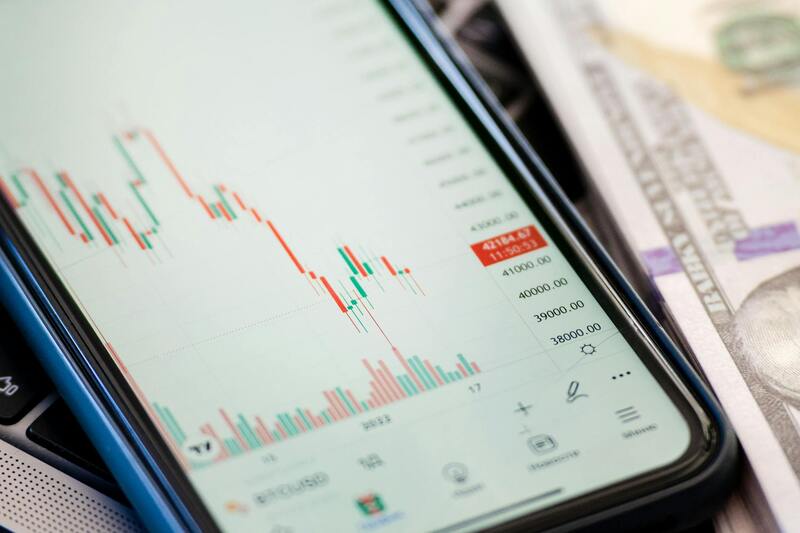
Market Risk
Market risk refers to the potential for financial loss resulting from unfavorable price movements in the assets being traded. This type of risk is influenced by economic indicators, geopolitical events, and market sentiment. Proper risk management requires traders to understand the volatility of their trading instruments and set appropriate limits to avoid substantial losses during sudden market swings.
Liquidity Risk
Liquidity risk arises when an asset cannot be sold quickly without significantly affecting its price. This risk is particularly relevant in less liquid markets or with instruments that have low trading volumes. Managing liquidity risk involves monitoring market depth, diversifying trading instruments, and avoiding holding positions that cannot be easily exited when necessary.
Credit Risk
Credit risk involves the possibility that a counterparty may fail to fulfill its obligations, leading to financial losses. Although more prevalent in over-the-counter (OTC) trading and derivatives, proper due diligence and the use of reputable counterparties are key to mitigating this risk.
Operational Risk
Operational risk stems from failures in internal processes, system breakdowns, or human errors. This can lead to incorrect trade executions, data breaches, or other operational setbacks. Robust internal controls, staff training, and reliable technological infrastructure are essential measures to minimize operational risk.
Implementing a Holistic Approach to Risk Management
Successfully managing these varied risks calls for a layered approach that integrates strategic planning, technological solutions, and adherence to best practices. Establishing clear procedures for risk identification and analysis forms the foundation for developing a resilient trading framework.
- Regularly review and update risk assessments to reflect current market conditions.
- Utilize advanced analytics and trading software to identify potential vulnerabilities.
- Develop contingency plans and predefined responses to adverse scenarios.
- Encourage transparent communication within the trading team to swiftly address emerging risks.
Conclusion
Addressing the spectrum of trading risks through diligent identification and mitigation strategies ensures that trading operations remain robust in the face of market unpredictability. An emphasis on comprehensive risk evaluation supports sustainable growth and safeguards capital, ultimately contributing to the long-term stability of trading firms.
Key Risk Management Strategies
Implementing effective risk management strategies forms the cornerstone of sustainable trading. One of the primary techniques involves position sizing, which entails determining the appropriate amount of capital to allocate to each trade based on the overall portfolio risk. Proper sizing prevents excessive exposure to individual trades that could jeopardize the entire account, especially during volatile market conditions.
Restating the importance of stop-loss orders: these are predetermined exit points for trades to limit potential losses. By setting stop-loss levels at logical points in relation to market analysis, traders can automate the exit process, reducing emotional decision-making and maintaining discipline.

Diversification plays a vital role in risk distribution. Rather than concentrating assets into a few instruments, spreading investments across different asset classes, sectors, or geographic regions minimizes the impact of adverse movements in any single market. Diversification acts as a buffer, reducing total exposure and smoothing overall portfolio performance.
Controlling leverage is another crucial aspect. While leverage can amplify gains, it can equally magnify losses. Proper leverage management entails setting limits that align with market volatility and individual risk tolerance, ensuring that traders do not overextend their capital.
Role of Risk-Reward Ratio and Trade Planning
An understanding of the risk-reward ratio guides traders in assessing the potential profitability of each trade relative to its risk. A favorable ratio, such as 1:3, indicates that the potential reward significantly outweighs the risk involved, fostering disciplined decision-making.
Comprehensive trade planning involves specifying entry and exit points, stop-loss levels, and take-profit targets before executing trades. This pre-established framework helps mitigate impulsive decisions driven by market fluctuations or emotions.
Risk Management Tools and Technologies
Advanced trading platforms offer a suite of tools designed specifically for risk mitigation. Real-time risk analytics enable traders to monitor exposure levels continuously, allowing for immediate adjustments if risks exceed predefined thresholds.
Automated trading algorithms can incorporate risk parameters directly into their logic, executing trades that conform to the trader’s risk appetite without manual intervention. Stress testing and scenario analysis tools simulate adverse conditions, helping traders evaluate the resilience of their strategies under various market stresses.
Risk Limits and Capital Preservation
Establishing clear risk limits ensures that traders do not exceed a maximum loss threshold within a specified period. These limits safeguard trading capital by regulating the size and frequency of trades, especially during volatile periods.
Capital preservation remains paramount, with strategies focusing on protecting downside while allowing for moderate gains. Maintaining a portion of liquid reserves provides flexibility to seize opportunities while minimizing reliance on borrowed funds.
Risk Monitoring and Continual Adjustment
Constant monitoring of risk metrics and portfolio performance is crucial. Market conditions evolve rapidly; hence, traders must regularly review their risk exposure and make necessary adjustments.
Utilizing real-time dashboards and analytics allows for prompt recognition of emerging risks. Periodic reviews, coupled with data-driven insights, support dynamic strategy adjustments, ensuring that risk controls stay aligned with prevailing market realities.
Best Practices and Regulatory Considerations
Adhering to industry best practices involves maintaining discipline, documenting trading plans, and applying consistent risk management methodologies. Proper record-keeping facilitates auditability and continuous improvement.
While distinct from specific regulatory mandates, compliance with industry standards and guidelines fosters responsible trading. Transparent risk reporting and ethical practices build trust and establish a solid foundation for long-term trading success.
Utilizing Proper Risk Management Tools and Technologies
Effective risk management in trading heavily relies on the deployment of specialized tools and technologies designed to monitor and control exposure. Traders and firms employ a variety of software solutions that provide real-time analytics, automated alerts, and detailed reporting capabilities. These tools assist traders in maintaining awareness of current risk levels, enabling swift response to market fluctuations and preventing excessive losses.
Trend analysis platforms help traders identify potential reversals or confirmations of market movements, which are crucial inputs in managing risk. Portfolio management systems aggregate data across multiple assets, offering a comprehensive view of exposure and facilitating diversification strategies that mitigate overall risk.
Automated trading systems, or algorithmic trading platforms, incorporate preset risk parameters and execute trades that do not violate predefined limits. These systems help eliminate emotional decision-making and maintain discipline during volatile periods.
Furthermore, risk management in trading involves the use of stop-loss and take-profit orders, which are configured within trading platforms to automatically close positions at specified levels. This automation ensures that losses are restrained and gains are secured without requiring constant manual oversight.
Establishing Concrete Risk Limits and Focused Capital Preservation
To safeguard trading capital, defined risk limits are essential. These limits specify maximum allowable losses per trade, per day, or within a designated period, serving as a financial buffer against unexpected market movements. Establishing such thresholds aligns trading behavior with the trader’s risk appetite and capacity, reducing impulsive decisions driven by short-term market noise.
Capital preservation strategies involve disciplined position sizing and careful allocation of resources. Traders often adopt conservative exposure levels, especially during turbulent markets, to prevent significant drawdowns. The allocation of liquid reserves functions as a safeguard, ensuring the availability of funds for future trading opportunities and mitigating the risk of over-leverage.
Continual Risk Monitoring and Dynamic Adjustment
Ongoing risk assessment is a cornerstone of resilient trading practices. Market conditions can shift rapidly, necessitating regular reevaluation of exposure and risk controls. Traders must employ live dashboards and analytic tools that provide real-time insights into open positions, profit and loss, and risk metrics such as Value at Risk (VaR).
Periodic review sessions enable traders to scrutinize their performance against established risk parameters, identify emerging threats, and adapt strategies accordingly. This might involve tightening stop-loss levels, reducing position sizes, or temporarily pulling back from high-volatility assets.
Incorporating adaptive risk models that respond to volatility patterns ensures that risk controls stay relevant and effective. For example, increasing stop-loss margins during periods of heightened volatility can prevent premature liquidation of positions, while reducing them in stable conditions helps lock in gains and avoid unnecessary exposure.
Adhering to Industry Best Practices and Maintaining Ethical Standards
Disciplined documentation of trading strategies and meticulous record-keeping are fundamental to strong risk management. These practices support transparency, facilitate performance reviews, and provide insight into the effectiveness of risk controls over time. Maintaining detailed logs of trades, including decision rationale, risk parameters, and outcomes, fosters accountability and continuous learning.
Aligning trading activities with established industry standards promotes a culture of responsibility. Implementing comprehensive risk management procedures, such as regular audits and compliance checks, encourages discipline and minimizes operational errors.
Transparent communication regarding risk exposure with stakeholders and adherence to internal policies reinforce integrity and trust. Such practices not only protect the trader’s reputation but also contribute to sustainable profitability by avoiding reckless trading behaviors.
Implementing Effective Stop-Loss and Take-Profit Orders
One of the most fundamental and widely adopted methods for managing risk in trading involves the strategic placement of stop-loss and take-profit orders. These tools serve as automatic exit points that activate when a trade reaches a predetermined level of loss or profit, respectively. Proper utilization of stop-loss orders helps traders limit potential downside, preventing emotional decision-making from causing excessive losses. Conversely, take-profit orders secure gains when a trade moves favorably, ensuring that profits are realized before market reversals occur.
Effective placement of stop-loss orders requires thorough analysis of market conditions, including volatility and support/resistance levels. An overly tight stop may prematurely exit profitable positions due to normal market fluctuations, whereas a stop set too wide could expose the trader to substantial losses. Balancing these parameters based on the specific asset, trading timeframe, and risk appetite is essential for optimal risk management. Traders often employ trailing stops that adjust dynamically with price movements, locking in gains while allowing room for continued upward momentum.
Similarly, take-profit orders should be accurately calibrated to maximize gains without exposing the trader to the risk of missed opportunities. Setting realistic exit points based on technical analysis and market forecasts ensures that profits are captured efficiently. Implementing these orders as part of an overall trade plan enforces discipline and reduces subjective decision-making during fast-moving markets.

Utilizing Position Sizing for Risk Control
Position sizing forms the backbone of sound risk management strategies. By determining the appropriate amount of capital to allocate to each trade, traders can control the overall level of exposure in their portfolio. Proper position sizing considers factors such as the trader’s risk tolerance, the specific trade’s risk-reward profile, and current market volatility.
Calculating position size involves assessing the maximum acceptable loss per trade, often expressed as a percentage of total trading capital. For example, a common approach is risking no more than 1-2% of the total capital on any single trade. This approach helps prevent a series of losing trades from significantly eroding the account balance.
Traders often employ risk management formulas, such as the Fixed Fractional method or the Kelly Criterion, to systematically determine optimal position sizes. These frameworks adapt to changing market conditions and allow traders to scale their trades proportionally, maintaining consistent risk levels and avoiding overexposure.

Diversification and Portfolio Risk Management
Another vital aspect of risk management is diversification across multiple assets or trading strategies. By spreading investments throughout various markets, sectors, or instruments, traders reduce their reliance on the performance of any single asset. This strategy minimizes the impact of adverse movements in specific segments, preserving overall portfolio stability.
Effective diversification involves selecting uncorrelated or negatively correlated assets. For instance, combining commodities, indices, and currency pairs can help balance risk and enhance overall resilience. Regular portfolio reviews are crucial to identify and adjust exposures, especially as market conditions evolve.
In addition, adopting a multi-strategy approach—employing different trading styles, timeframes, or risk profiles—can further cushion against unexpected risks. Systematic monitoring and rebalancing ensure the portfolio maintains an optimal risk-reward balance aligned with the trader’s objectives.

Regular Risk Assessment and Adaptive Strategies
Constant monitoring of risk metrics and market conditions is essential for effective risk management. Traders should routinely review their open positions, adjust stop-loss and take-profit levels, and reassess their exposure in light of new information or volatility shifts. Real-time risk assessment tools provide valuable insights, enabling prompt responses to market fluctuations.
Adaptive strategies involve modifying risk controls based on evolving market dynamics. During periods of heightened volatility, traders might tighten stop-loss margins or reduce position sizes to mitigate potential losses. Conversely, in stable conditions, they can afford to expand margins slightly or increase trade volumes to capitalize on opportunities.
Implementing a systematic review process—including trade journaling, performance analysis, and feedback loops—helps identify weaknesses and refine risk management protocols continually. This disciplined approach ensures that risk controls remain aligned with the trader’s overarching objectives and market realities, fostering sustainable trading practices.
Risk Management in Trading: Implementing Effective Limits and Capital Preservation Strategies
Establishing robust risk limits is essential for safeguarding trading capital and ensuring long-term stability in volatile markets. Determining appropriate risk thresholds involves defining the maximum acceptable loss per trade, over a specified period, or across an entire trading portfolio. These limits serve as pre-set boundaries that help traders avoid excessive exposure and prevent emotional decision-making during market swings.
One fundamental aspect of risk limitation involves calculating the daily or weekly maximum drawdown permissible within the trading account. This measure enables traders to maintain control over potential losses and to identify early signs of deteriorating performance. By setting clear stop-loss levels aligned with their risk appetite, traders can automatically exit unfavorable positions before losses escalate beyond manageable levels.

In addition to predefined loss limits, traders should implement strategic position sizing to prevent over-concentration in any single asset or market. Proper size adjustments relative to account balance and volatility conditions help mitigate the impact of adverse price movements. For instance, reducing position sizes during periods of heightened volatility minimizes the risk of significant capital drain.
Managing drawdowns effectively involves monitoring cumulative losses and employing recovery strategies to restore the account to pre-loss levels. This could include pausing trading after reaching a predetermined loss threshold or reducing leverage temporarily. Such measures assist in preserving overall capital, allowing traders to approach subsequent trades with renewed discipline and confidence.
Maintaining Firm Stability Through Capital Preservation
Capital preservation focuses on protecting the core trading funds against substantial adverse events. Strategies include diversifying trades to spread risk across various assets and sectors, avoiding exposure to concentrated risks that could amplify losses.
- Use of Hedging Instruments: Implementing options or futures contracts as hedges provides insurance against adverse price movements, lowering overall portfolio risk.
- Liquidity Management: Maintaining adequate liquidity ensures that traders can meet margin calls or capitalize on new opportunities without being forced to exit positions prematurely.
- Consistent Profit Retention: Regularly withdrawing a portion of profits and reinvesting the remaining capital helps maintain liquidity and reduces the risk of losing accumulated gains during downturns.
It’s crucial for traders to adopt a disciplined approach to capital management by integrating risk assessment protocols into their daily routines. Regular review of individual trade performance and portfolio health ensures that risk levels remain aligned with market conditions and trading objectives.

Ultimately, the goal is to sustain trading activities over the long term by minimizing the erosive effects of losses. Implementing structured risk limits, diversifying holdings, and employing protective tools contribute significantly to this objective. Continuous evaluation and adjustment of these measures, in response to shifting market landscapes, are key to maintaining a resilient trading operation capable of weathering volatility and unexpected shocks.
Understanding Risk Management in Trading
Dynamic Risk Monitoring and Adjustment
Effective risk management in trading is an ongoing process that necessitates persistent vigilance and adaptability. Since market conditions are fluid and often unpredictable, traders must implement continuous risk assessment protocols that provide real-time insights into their positions and potential vulnerabilities. This involves leveraging advanced monitoring tools capable of tracking market movements, volatility levels, and individual trade performances simultaneously.
One of the fundamental practices in robust risk management is the use of real-time dashboards, which aggregate critical metrics such as margin levels, drawdowns, and profit/loss ratios. These platforms enable traders to identify adverse trends swiftly, allowing for timely adjustments to their strategies. For instance, if market volatility escalates unexpectedly, traders may decide to tighten stop-loss orders or reduce position sizes to mitigate potential losses.

Complementing technological solutions, disciplined trade review processes are vital. Regularly scheduled assessments of trading performance help identify patterns indicating increased risk or deteriorating trade quality. These reviews should include a comprehensive analysis of trade outcomes versus predefined risk parameters, ensuring that deviations are promptly addressed and corrective measures implemented.
Risk management also involves strategic contingency planning. Traders should establish predefined thresholds for risk exposure, such as maximum acceptable drawdowns or single-position risks. When these levels are approached or breached, automatic or manual intervention protocols must be triggered, including closing or hedging positions, to prevent further erosion of capital.
Adapting Strategies in Response to Market Shifts
Markets are highly susceptible to macroeconomic changes, geopolitical events, and unforeseen shocks. Consequently, traders must remain agile, adjusting their risk management tactics in response to evolving conditions. Adaptive strategies include recalibrating position sizes, modifying risk-reward parameters, and diversifying asset allocations to distribute exposure more effectively.
For example, during periods of heightened volatility, reducing trade frequency and narrowing profit targets can help manage risk more conservatively. Conversely, in stable periods, traders may cautiously expand their trading scope, always aligning their risk appetite with current market realities.
Utilizing Analytical Tools and Scenario Planning
Scenario analysis and stress testing form an integral part of ongoing risk evaluation. These techniques allow traders to simulate potential adverse conditions, measuring how their portfolios might perform under extreme market fluctuations. Incorporating such simulations ensures preparedness and guides the refinement of risk mitigation measures.
Additionally, employing statistical and analytical tools, such as volatility indices and correlation matrices, helps anticipate risk concentrations and identify assets or sectors that may pose disproportionate threats to the overall portfolio. By proactively addressing these vulnerabilities, traders can safeguard their capital against unexpected downturns.

Continuous education and staying informed about market developments are also critical. Traders should regularly review risk management literature, attend seminars, and participate in professional forums to stay updated on best practices. This proactive approach supports the development of resilient trading frameworks capable of adapting swiftly to changing environments.
Effective Risk Management Techniques in Trading
Ensuring rigorous risk management in trading involves adopting a structured approach that emphasizes discipline, prudence, and continuous oversight. Key methodologies include always defining clear stop-loss and take-profit points before executing any trade, thereby limiting potential losses and securing gains align with market conditions. Persistent monitoring of open positions allows traders to react swiftly when market movements deviate from expected trajectories, preventing losses from escalating unnecessarily.
Position sizing is another fundamental technique. It involves adjusting trade volume relative to the size of the trading account, ensuring that no single transaction can significantly impact overall capital. This practice reduces exposure to high-risk trades and preserves capital for future opportunities. Incorporating diversification strategies across different assets, sectors, or markets further spreads risk, lessening the impact of adverse moves in any one area.

Utilizing trailing stops is a dynamic risk management tool that allows traders to lock in profits while still permitting gains to accrue as the market moves favorably. Unlike fixed stop-loss orders, trailing stops adjust automatically, providing a balance between risk mitigation and profit maximization. Additionally, setting appropriate leverage levels aligned with the trader’s risk appetite limits potential losses during volatile periods.
Regular Review and Post-Trade Analysis
Continual evaluation of trading performance and risk metrics is critical for refining risk management protocols. Analyzing past trades—identifying what risks were effectively mitigated and where vulnerabilities emerged—provides insights to improve future decision-making. Maintaining detailed trading journals, documenting rationale, conditions, and outcomes of trades, can reveal patterns and inform risk adjustments.
Incorporating off-market risk assessments through scenario analysis can reveal how external events—such as economic data releases, geopolitical developments, or unexpected market shocks—might influence positions. Conducting such simulations allows traders to prepare contingency plans, enhancing resilience against unforeseen turbulence.
Aligning Risk Practices with Market Conditions
Flexibility in risk management practices is vital due to the dynamic nature of financial markets. During periods of increased volatility, traders may tighten stop-loss thresholds, reduce position sizes, or temporarily suspend trading to weather turbulence. Conversely, in calmer markets, cautious expansion of trading scope can capitalize on opportunities while maintaining risk controls.

By consistently applying these official and proven techniques—ranging from disciplined trade planning, utilization of risk management tools, to ongoing review and adjustment—traders can effectively navigate market uncertainties, safeguard their capital, and enhance long-term trading success.
