Overview of Proprietary Trading Firms
Proprietary trading firms, commonly referred to as prop trading firms, are specialized financial organizations that utilize their own capital to execute trades in various markets, including stocks, commodities, currencies, and derivatives. Unlike traditional brokers or asset managers who operate on client funds, prop trading firms assume the trading risk themselves with the goal of generating profits directly for the company. Their core activity revolves around identifying market inefficiencies and executing strategic trades to capitalize on these opportunities, leveraging advanced technology and sophisticated analysis tools.
These firms play a vital role in modern financial markets by providing liquidity and enhancing market efficiency. By engaging in high-frequency trading, arbitrage, or momentum strategies, prop traders help to narrow bid-ask spreads and facilitate smoother market operations. Although they share some similarities with hedge funds or investment firms, prop trading firms usually focus solely on proprietary capital rather than managing external investor assets.

It is important to understand that prop trading firms differ from retail trading platforms or investment advisory services. While retail brokers serve individual traders and investors based on commissions and fees, prop trading firms are primarily driven by their own profit objectives, often employing staff of highly skilled traders, quantitative analysts, and risk managers. This focus allows them to implement aggressive trading strategies and utilize substantial technological infrastructure to stay competitive in fast-paced markets.
Distinct Characteristics of Prop Trading Firms
- In-house Capital: Trading is conducted using the firm's own funds, not client money.
- Risk Management: The firm maintains a structured approach to monitor and control trading risks.
- Profit Incentive: Revenue is generated directly from trading activities rather than client commissions.
- Employment of Technology: Extensive use of trading algorithms, data analysis, and real-time market data.
- Talent Focus: Recruitment of experienced traders and analysts with specialized expertise.
Understanding these fundamentals clarifies how proprietary trading firms influence market dynamics and why they are often at the forefront of trading innovation and efficiency. The evolving landscape of prop trading continues to attract talented traders and technology developers committed to navigating and capitalizing on complex financial environments.
Criteria for Evaluating the Best Prop Trading Firms
When considering the top proprietary trading firms, it is essential to assess several critical factors that can influence trader performance and overall experience. The primary considerations include the quality of funding and trading conditions offered by the firm, profit-sharing arrangements, risk management protocols, and the support infrastructure provided to traders. These elements collectively determine a trader's capacity to operate efficiently and profitably within the firm's environment.
Funding constitutes a fundamental aspect, as it directly impacts the trading capital available to execute strategies. Firms that provide substantial and flexible funding reserves enable traders to pursue larger positions and diversify their trades, thereby potentially increasing profit opportunities. Equally important are the trading conditions, such as tight spreads, efficient execution, and access to advanced trading platforms. These technical aspects ensure that traders can act swiftly and accurately in volatile markets.
Profit splits and revenue sharing models are also vital metrics. Leading firms often offer transparent profit-sharing agreements that motivate traders while maintaining a fair balance between risk and reward. Effective profit-sharing structures incentivize traders to maximize their performance without compromising the firm's risk management standards.
Risk management protocols embedded into the trading framework help mitigate losses and protect the firm's capital. The best prop trading firms employ sophisticated risk controls, including daily loss limits, automated shutdowns, and strict adherence to trading plans. These measures streamline the risk profile and foster disciplined trading behavior.
Support services play a significant role in a trader’s success. Firms that provide comprehensive educational resources, mentorship programs, and 24/7 technical support enable traders to improve skill levels continually. Additionally, access to cutting-edge analysis tools, real-time market data, and trading algorithms enhances decision-making in real-world conditions.
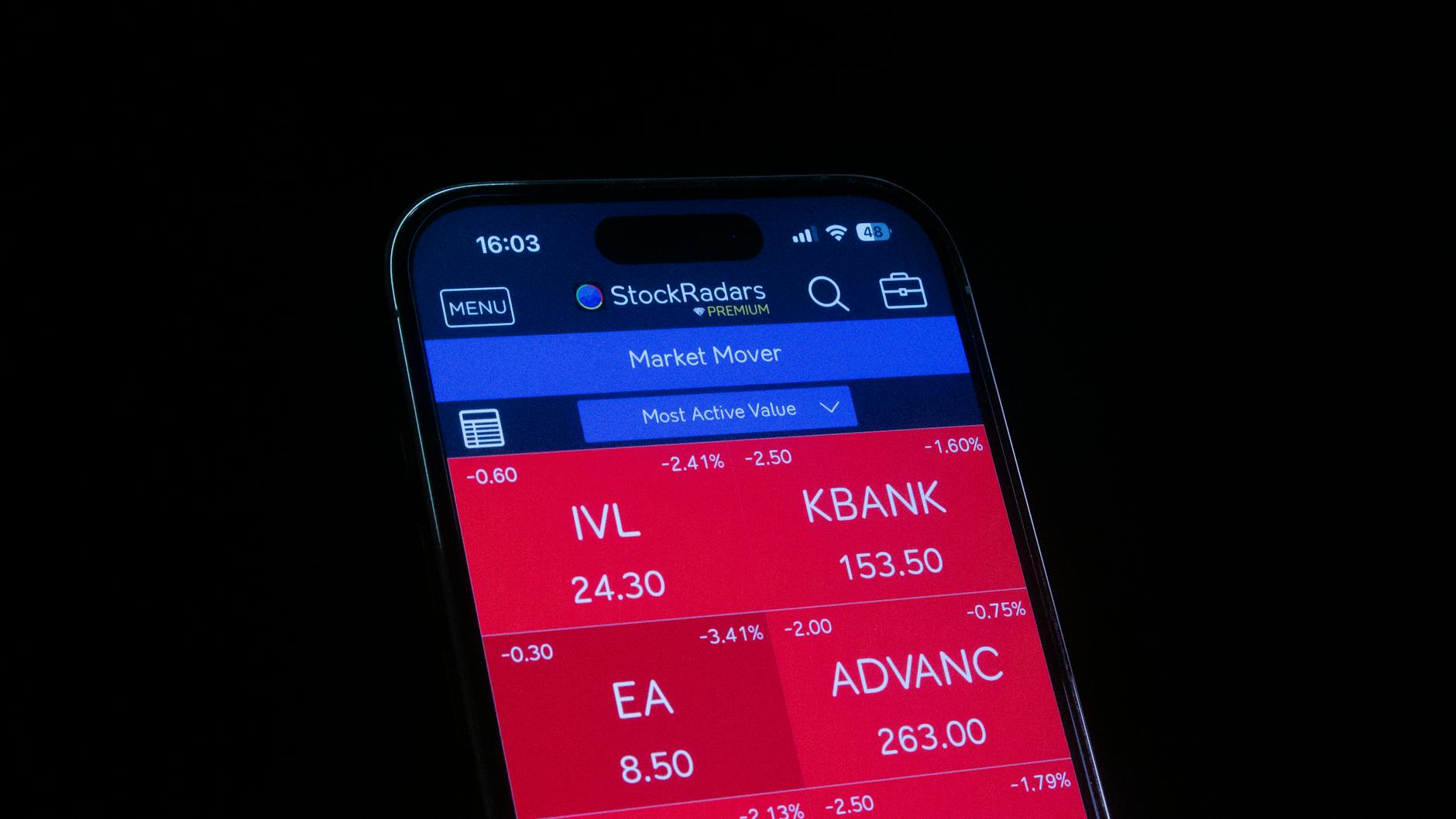
Another aspect to consider is the firm’s overall reputation and track record of transparency. A well-established firm with a history of fair dealings and positive feedback from traders is more likely to provide a stable environment conducive to sustainable growth. Ultimately, assessing these criteria comprehensively ensures that traders align with a prop firm that supports their trading style, risk appetite, and professional goals.
Types of Prop Trading Firms and Business Models
Proprietary trading firms operate under diverse business models, each catering to different trading preferences and risk management strategies. Understanding these models helps traders identify a firm that aligns with their approach and professional goals.
- In-House Capital Models: These firms allocate their own capital directly to traders, often providing extensive resources and infrastructure. Traders benefit from access to significant funding, advanced trading platforms, and comprehensive support systems. Since the firm bears the trading risk, they implement rigorous evaluation processes to ensure trader skill and discipline.
- Funding Programs: Many firms operate structured funding programs where traders initially demonstrate their skills through evaluation phases. Upon successful assessment, traders receive a funded account with a predetermined capital allocation. Funding models often incorporate profit-sharing arrangements, and traders are typically required to adhere to specific risk parameters.
- Hybrid Structures: Combining elements of in-house capital and funding programs, hybrid models offer flexibility for traders. These firms may allow traders to trade with a blend of firm-provided funds and their own capital, supported by mentorship and educational resources. This model caters to experienced traders seeking scaled opportunities without the full responsibility of risking firm capital.

Each model emphasizes adherence to risk controls, transparency, and performance metrics, ensuring that traders operate within defined parameters. The selection of a business model often depends on the trader’s experience, risk appetite, and long-term objectives.
Overview of Proprietary Trading Firms
Proprietary trading firms, often known as prop trading firms, are specialized entities that allocate their own capital to traders who execute trades across various financial markets. These firms operate with the primary goal of generating profits from their trading activities, rather than executing client orders or managing external funds. By providing traders with access to substantial capital, advanced technology, and professional resources, prop trading firms serve as incubators for traders aiming to develop their skills and maximize profitability.
Unlike traditional investment firms or asset managers, prop trading firms emphasize performance-based rewards, rigorous risk management, and disciplined trading practices. This focus ensures that the traders work within well-defined parameters that align with the firm’s financial goals and risk appetite. The structure of these firms often varies, ranging from firms that fully fund their traders’ accounts to those offering structured programs that evaluate and fund traders upon successful demonstration of skill.
Given the competitive nature of financial markets, top prop trading firms distinguish themselves through their robust infrastructure, comprehensive training programs, and a strong emphasis on transparency and trader development. Many of these companies operate across multiple asset classes, including equities, futures, options, forex, and cryptocurrencies, providing diverse trading opportunities.

Criteria for Evaluating the Best Prop Trading Firms
When considering potential prop trading firms, traders should assess several critical factors that contribute to their overall growth, safety, and profitability. These include:
- Capital Allocation and Funding Programs: The amount of trading capital provided and the structure of funding programs are paramount. Leading firms often offer large accounts and tiered funding options based on demonstrated skill and consistency.
- Risk Management and Trading Rules: Effective risk controls, such as maximum drawdowns and position limits, protect traders from significant losses while maintaining the firm’s stability. Clear trading guidelines ensure a disciplined approach.
- Training and Support: Comprehensive training modules, mentorship, and educational resources help traders improve their strategies and adapt to market conditions. Ongoing support is essential for continuous development.
- Technology and Infrastructure: Access to cutting-edge trading platforms, real-time data, and analytical tools enhances traders’ ability to execute precise and timely trades.
- Profit Sharing and Compensation: Attractive profit split arrangements incentivize traders while ensuring fair compensation for their efforts and performance.
- Reputation and Transparency: Legally compliant and reputable firms maintain transparent policies and have positive track records within the trading community.
Types of Prop Trading Firms and Business Models
Prop trading firms generally adopt various operational models, each catering to different trader profiles and risk preferences. Understanding these models helps traders select the firm best suited for their objectives:
In-House Capital Firms
These firms allocate their proprietary funds directly to traders, often implementing rigorous evaluation processes to ensure trader capability. The firm assumes most of the trading risk, providing extensive resources and infrastructure. Traders are typically required to meet specific performance and risk criteria to maintain their accounts.
Funding Program Firms
Structured funding programs are prevalent, where traders first pass evaluation phases demonstrating their skills and risk management. Once approved, they gain access to funded accounts with predetermined capital. Profit-sharing agreements are common, and traders usually operate within strict risk limits.
Hybrid Models
Hybrid structures combine elements of in-house capital and external funding, offering greater flexibility. Traders might trade with a mix of firm-provided funds and their own capital, supported by educational resources and mentorship programs. This approach attracts experienced traders seeking larger scale opportunities without risking full firm capital.
Each business model prioritizes adherence to sound risk management practices and transparency, creating a disciplined environment that fosters trader growth. Selecting the right model depends on individual trader experience, risk tolerance, and long-term ambitions.
Criteria for Evaluating the Best Prop Trading Firms
When searching for the best prop trading firm, traders should employ a comprehensive set of criteria to assess each company's offerings, transparency, and overall suitability to their trading style and objectives. Key factors include the firm’s reputation within the industry, which can be gauged through reviews, testimonials, and historical performance data. The firm's operational transparency, including clear communication of rules, profit-sharing models, and risk management policies, is also crucial. Reliable firms provide extensive educational resources, mentorship, and training programs that support traders at various experience levels.
Another vital consideration is the firm’s evaluation process for traders. A competitive and fair evaluation phase measures the trader’s skills, risk management, and adaptability under real trading conditions. The duration and difficulty of this process can vary, but it should be balanced enough to identify capable traders without discouraging genuine talent. Additionally, the structure of profit splits and fee requirements significantly impacts potential earnings. Firms that offer favorable profit-sharing agreements and transparent fee schedules are typically more attractive.
Risk management policies are paramount. Top firms enforce strict risk controls, such as maximum drawdown limits, position sizing rules, and trading restrictions, to ensure sustainable trading environments. These policies also protect traders from excessive losses and help maintain consistency in performance. Lastly, consider the technological infrastructure, including trading platforms, analytical tools, and customer support services. Efficient, user-friendly systems enhance trading effectiveness and ensure traders have reliable access to their accounts and market data.

Overview of Proprietary Trading Firms
Proprietary trading firms, often referred to as prop trading firms, are specialized financial organizations that use their own capital to engage in trading activities across various markets. Unlike traditional brokerage services that facilitate client trades, prop trading firms focus on their own portfolios, aiming to generate profits through active trading strategies. These firms attract skilled traders by providing capital, advanced trading infrastructure, and comprehensive support systems. They prioritize profitability and risk management while maintaining a competitive environment for traders to excel.

Core Functions and Operations
Proprietary trading firms operate by designing structured trading programs, offering traders access to significant capital and sophisticated technological tools. They develop trading algorithms, execute high-frequency trades, and manage large positions while adhering to strict risk controls. The focus is on maximizing returns from market movements, including stocks, commodities, currencies, and derivatives. The firms also continuously analyze market trends to adapt their trading tactics and optimize profit potential.
Trader Engagement and Development
Firms typically recruit talented traders through rigorous selection processes that evaluate their skills, strategy development, and risk management capabilities. Once onboarded, traders often participate in ongoing training, mentorship programs, and performance assessments designed to refine their techniques and align their activities with the firm’s objectives. The collaborative environment fosters continuous learning, innovation, and strategic improvement, benefiting both the trader and the organization.

Overview of Proprietary Trading Firms
Proprietary trading firms, commonly known as prop trading firms, serve as specialized financial entities that allocate their own capital to execute trading strategies across various markets. These firms are distinct from brokerage firms, as their primary objective is to generate profits from market activities rather than facilitating client transactions. They typically operate with a focus on stocks, options, futures, forex, and commodities, leveraging advanced technology, sophisticated trading algorithms, and extensive market analysis to identify lucrative opportunities.
Established prop firms often enroll talented traders through competitive selection processes, offering them a platform that combines significant trading capital with cutting-edge technological infrastructure. The firms' core functionalities encompass developing proprietary trading algorithms, executing high-frequency trading strategies, and managing substantial risk exposure with a focus on profitability and sustainability. The dynamic environment fosters continuous innovation and strategic refinement, allowing firms to stay ahead of market trends and exploit emerging opportunities.

Criteria for Evaluating the Best Prop Trading Firms
Prospective traders and investors must scrutinize numerous factors to select the most suitable prop trading firm. Essential criteria include transparency of operational procedures, the structure of profit sharing, risk management policies, and technological resources. Trustworthy firms provide clear guidelines regarding profit splits, capital allocation, and trading parameters, fostering an environment of fairness and accountability.
- Reputation and track record in the trading community
- Operational clarity and transparency
- Availability and quality of trading infrastructure
- Comprehensive training and development programs
- Risk management and compliance standards
- Flexibility in trading styles and asset classes offered
Types of Prop Trading Firms and Business Models
Prop trading firms adopt diverse operational models tailored to their strategic goals. Some focus on high-frequency trading (HFT), executing trades within milliseconds based on algorithmic signals, requiring state-of-the-art infrastructure and technological prowess. Others may emphasize discretionary trading, relying on the judgment and experience of individual traders. Additionally, some firms operate on a scaled profit-sharing basis, incentivizing traders with a percentage of the profits generated, while others offer salary-based compensation combined with performance bonuses.

Benefits of Joining a Leading Prop Trading Firm
Engaging with a top-tier prop trading firm provides numerous advantages. Firstly, traders gain access to substantial trading capital, which relieves personal funding constraints and enables the pursuit of larger positions. The firms also provide sophisticated technology, including advanced trading platforms, real-time analytics, and high-speed data feeds, essential for executing profitable trades. Moreover, risk management frameworks and continuous mentorship programs help traders refine strategies and optimize performance.
Additionally, prominent prop firms cultivate a professional environment conducive to skill development and career growth. Traders benefit from comprehensive training resources, collaborative peer networks, and performance evaluation systems that promote ongoing improvement. The support systems, combined with a focus on transparency and fairness, create a stable foundation for traders to operate confidently within competitive markets.

Common Challenges and Risks in Prop Trading
Despite the promising opportunities, proprietary trading encompasses inherent challenges. The volatility of financial markets means traders face the risk of substantial losses, especially when leveraging high capital levels. Rapid market movements and unforeseen events can adversely impact positions, necessitating rigorous risk controls and disciplined trading practices.
New traders often encounter a steep learning curve, with significant pressure to perform in a competitive environment. Furthermore, strict adherence to firm-specific risk management policies is crucial to prevent operational and financial setbacks. Behavioral biases, emotional decision-making, and over-leverage are common pitfalls that can undermine trading performance.
- Market volatility leading to unexpected losses
- Risk of over-leverage and margin calls
- Psychological stress impacting decision-making
- Operational risks related to technology failures
- Regulatory changes influencing trading activities
Top Prop Trading Firms in the Market
Many firms have established strong reputations within the trading community, distinguished by their technological infrastructure, trader support, and profit-sharing policies. Notable entities include firms known for rigorous selection, comprehensive training, and emphasis on risk management. These firms often attract high-caliber traders by providing their own capital and fostering a professional and innovative environment.
Elite firms implement meticulous trader assessment programs, ensuring alignment with their strategic objectives, and often maintain transparent communication regarding their trading policies, profit distribution, and risk protocols. They leverage industry-leading technology and offer continuous development opportunities, establishing themselves as significant players within the proprietary trading industry.

How to Choose the Best Prop Trading Firm for You
Selecting the optimal proprietary trading firm requires a comprehensive understanding of your individual trading style, goals, and readiness to adapt to different operational environments. Candidates should focus on transparency, supportive infrastructure, and alignment with their risk appetite and growth aspirations. Here are key factors to consider during the selection process:
Assessment of Firm Transparency and Reputation
It's crucial to evaluate the firm’s reputation within the trading community. Reliable firms openly communicate their trading policies, profit-sharing structures, and risk management protocols. Seek out reviews and firsthand trader testimonials to gauge the firm's credibility and operational standards. Transparent firms also provide clear guidelines on trader expectations, training programs, and performance metrics, which can significantly influence your trading journey.
Technological Infrastructure and Trading Platforms
Leading prop trading firms invest heavily in robust technological infrastructure. Look for firms that offer state-of-the-art trading platforms, real-time data feeds, and advanced analysis tools. The availability of cutting-edge technology enhances execution speed and accuracy, reducing slippage and operational risk. Additionally, reliable connectivity and minimal downtime are essential features to ensure seamless trading experiences.
Profit-Sharing and Compensation Models
Profit distribution varies widely among firms. While some adopt a traditional split model, others offer performance-based incentives or tiered profit-sharing. It's vital to verify how profits are calculated, what fees or splits apply, and whether there are any hidden costs or restrictions. A fair and transparent profit-sharing model aligned with your trading performance ensures motivation and financial viability.
Training, Support, and Development Opportunities
Many top firms provide comprehensive training programs, mentorship, and ongoing educational resources tailored to traders at different experience levels. Such support helps refine skills, adapt strategies, and stay updated with industry trends. Firms that prioritize development typically foster a loyal trading community and facilitate long-term growth.
Risk Management Policies and Trader Autonomy
Effective risk management is central to prop trading success. Determine whether the firm empowers traders with autonomy over their trading decisions or enforces strict risk and position size limits. Reliable firms establish clear guidelines that emphasize disciplined trading and safeguard both trader and firm capital.
Support Systems and Community Engagement
Participating in a vibrant, professional community bolsters trading confidence and knowledge sharing. Look for firms that encourage collaboration, provide access to trader forums, and regularly host webinars or workshops. Active community engagement fosters continuous learning and adaptation in the dynamic trading landscape.
Legal and Contractual Clarity
Ensure all contractual terms are clear, including confidentiality clauses, non-compete agreements, and termination procedures. Transparent legal documentation indicates a firm’s integrity and commitment to fair dealings. Review these documents carefully before committing to a partnership.