
Overview of Proprietary Trading Firms in Futures Markets
Proprietary trading firms, commonly known as prop firms, play a significant role in the futures markets by providing experienced traders and capable investors with the opportunity to trade using the firm’s capital. These firms act as financial entities that utilize their own funds to engage in trading activities across various futures exchanges, including commodities, financial indices, currencies, and more. Unlike traditional trading environments where individuals or clients trade on their own accounts, prop firms assume the risk and share in the profits generated through strategic trading on behalf of the firm.
The principal aim of futures trading prop firms is to leverage their capital, technology, and market expertise to generate consistent profits. They differ markedly from typical brokerage firms or individual traders by providing structured environments that support professional traders with a focus on high-frequency and strategic trading approaches. This model allows traders to focus solely on developing and executing trading strategies, while the firm manages the financial resources, compliance, and operational infrastructure.

In this setup, traders often operate under specific rules and risk management protocols, which are designed to protect the firm’s capital while maximizing potential gains. Prop firms in futures markets typically attract skilled traders with track records of success, providing them with the necessary tools, market data, and sometimes training to execute their trading strategies effectively. This symbiotic relationship amplifies market liquidity and encourages innovation in trading methodologies.
How Futures Trading Prop Firms Differ from Traditional Trading Firms
Traditional trading firms usually engage in market operations with their own funds but often maintain client-based operations, offering brokerage services, advisory, and asset management. In contrast, futures trading prop firms focus specifically on trading activities within their own capital pools, making their business models highly specialized.
The emphasis for prop traders is on performance; their compensation often depends on the profitability of their trading activities, with many firms implementing performance-based profit sharing equations. This setup incentivizes traders to deploy disciplined strategies, risk mitigation, and market expertise to achieve favorable trading outcomes.
Structure and Business Model of Futures Trading Prop Firms
Futures trading proprietary firms operate on a distinct organizational framework that emphasizes internal capital deployment, performance-based rewards, and strict risk controls. These firms typically source their capital from a combination of owner investments, reinvested earnings, and sometimes external funding sources dedicated to trading activities. The core objective is to generate consistent, high-quality returns through strategic trading operations.
Most prop firms establish a clear tiered structure where traders are granted specific trading accounts based on their experience, proven skills, and risk management capabilities. These accounts are funded directly by the firm, allowing traders to execute large-scale futures trades while maintaining the firm's overall risk management protocols. The allocation of capital is often linked to the trader’s track record, trading discipline, and adherence to the firm's risk parameters.
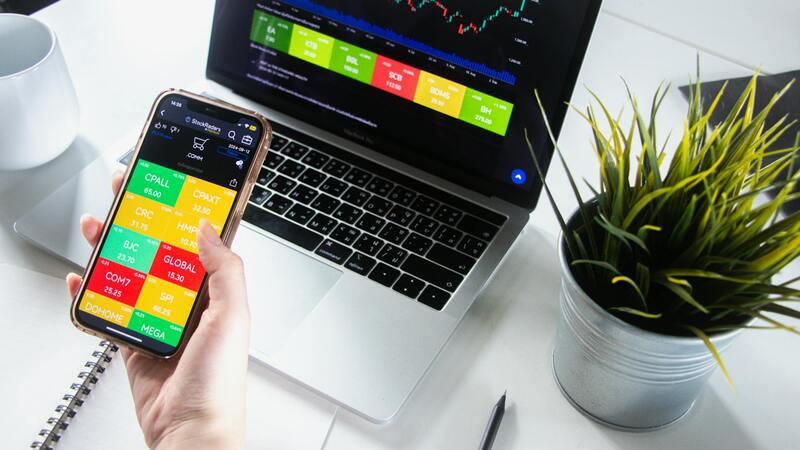
In terms of profit sharing, the typical model involves a split where the firm retains a percentage of the gains generated by the trader, with the remaining amount credited to the trader’s account as compensation. This split can vary significantly across firms, but it usually incentivizes traders to maximize their performance within defined risk limits. Profits are often disbursed periodically, such as monthly or quarterly, enabling both parties to align their interests toward sustained profitability.
Risk management is a cornerstone of these firms' operations, incorporating predefined stop-loss limits, position size restrictions, and continuous performance monitoring. Advanced risk controls are implemented through proprietary trading platforms, real-time data feeds, and automated risk assessment tools that prevent excessive losses and safeguard the firm's capital pool. These measures also serve to promote disciplined trading behaviors among traders, which is essential for the long-term stability of the trading enterprise.
Requirements for Traders in Futures Prop Firms
For traders seeking to collaborate with futures trading prop firms, meeting defined qualifications and demonstrating trading competence is essential. Typically, traders are expected to possess a verified track record of successful trading, a deep understanding of futures markets, and an ability to adhere strictly to risk management protocols. Many firms prefer traders with experience in technical analysis, pattern recognition, and algorithmic trading, as these skills often translate into consistent execution of well-defined trading strategies.
Capital Allocation and Trading Access
Access to trading capital is granted incrementally, often based on performance during evaluation phases such as trading assessments or demo contests. Once approved, traders are provided with trading accounts that vary in size according to their skill level and risk profile. This structure enables novice traders to build their experience gradually while offering seasoned professionals the opportunity to manage substantial capital pools. Through this access, traders can execute a broad spectrum of futures trades, including commodities, financial indices, interest rates, and currency pairs.
Trading Strategies and Market Approaches
Proprietary futures firms support a wide array of trading strategies, from macroeconomic trading and trend following to scalping and arbitrage. Traders often utilize technical analysis, quantitative models, and market sentiment indicators to inform their decisions. Many firms also facilitate algorithmic trading systems, allowing skilled developers and traders to deploy automated strategies that operate efficiently and with minimal emotional bias. Continual research and adaptation of strategies are vital to maintaining an edge in these highly competitive markets.
Profit Sharing, Fees, and Incentives
Profit sharing arrangements typically include a split where the trader receives a percentage of the profits they generate, usually ranging from 50% to 80%. Some firms also impose performance hurdles or training fees, which are deducted from the traders' earnings. These incentives align traders’ interests with the firm’s success, incentivizing disciplined trading and consistent risk management. Additionally, firms often provide bonuses or escalated profit shares for traders who exceed performance benchmarks or demonstrate exceptional skill over extended periods.
Advantages and Risks of Trading with Prop Firms
Engaging with futures prop firms offers numerous advantages such as access to substantial trading capital, advanced trading tools, and mentorship opportunities. These factors enable traders to scale their operations and refine their strategies within a supportive infrastructure. Moreover, traders can focus solely on trading activity without worrying about capital constraints or clearing responsibilities.
However, trading within a prop firm environment also involves inherent risks. Stringent risk controls mean that traders must operate within defined limits; failure to do so may result in account restrictions or termination. The pressure to perform consistently can also induce emotional stress, especially during periods of market volatility. Maintaining discipline and adhering to the firm’s risk management protocols are essential to minimizing potential losses and sustaining a successful trading career within this model.
Future Trends and Developments in Futures Prop Trading
The landscape of futures trading prop firms is constantly evolving through technological advancements and market innovation. The integration of artificial intelligence, machine learning algorithms, and cloud-based trading platforms is enabling traders to execute highly sophisticated strategies with increased speed and precision. Additionally, firms are placing greater emphasis on data-driven decision making, which offers the potential for improved predictive analytics and trading performance.
As regulatory environments continue to develop, prop firms are also investing in compliance infrastructure to ensure transparent and efficient operations. The rise of global markets and forex trading platforms presents new opportunities for diversification but also requires traders to adapt to different regulatory frameworks and market dynamics. Overall, the ongoing evolution promises a more resilient and technologically advanced futures prop trading ecosystem, providing talented traders with expanded avenues for capital deployment and strategic innovation.
Requirements for Traders in Futures Prop Firms
Joining a futures trading proprietary firm typically involves a comprehensive evaluation process designed to identify traders with the skills and mindset necessary for success in high-stakes markets. These firms look for individuals with a solid understanding of market dynamics, technical analysis, and risk management protocols. Prior professional experience in trading or related financial roles can provide a competitive edge, though many firms also value strong foundational knowledge demonstrated through testing or simulation platforms.
Proven discipline and emotional resilience are critical qualities, as trading futures requires the ability to execute strategies consistently without succumbing to market volatility or psychological pressures. Many prop firms require candidates to pass specific assessments, which often include simulated trading challenges that evaluate their decision-making under pressure, adherence to risk parameters, and overall profitability potential.
In addition to technical skills, traders must meet certain educational requirements. A background in finance, economics, mathematics, or related disciplines is often preferred, as it indicates analytical capabilities beneficial for market interpretation. Regulatory compliance training or certification may also be a prerequisite, ensuring traders understand proper procedures, reporting standards, and risk disclosures requisite to professional trading environments.
These evaluation procedures are designed to identify traders who can sustain performance over time, balancing aggressive strategies with prudent risk controls. An emphasis on continuous learning, adaptability, and disciplined trading habits ensures that traders are well-prepared to capitalize on market opportunities while maintaining compliance with firm policies.
Prospective traders often undergo a phased onboarding process, which may include initial interviews, skill assessments, and trial trading periods. During these phases, the emphasis is placed on evaluating the trader's strategic approach, consistency, and ability to operate within predefined risk limits. Successful completion of these stages can then lead to a formal offer of capital allocation and access to live trading accounts.
Furthermore, traders must demonstrate an understanding of the specific futures markets they intend to operate in, whether commodities, indices, or currencies. Each market exhibits unique characteristics, requiring tailored strategies and risk management techniques. Prop firms also value traders who display a proactive approach to continuing education, staying updated with market news, technological tools, and evolving trading methodologies.
This rigorous selection process helps ensure that only traders with the requisite skills and psychological resilience join the ranks, supporting the mutual goal of consistent profit generation and sustainable trading careers.
Capital Allocation and Trading Access
Prop trading firms specializing in futures markets allocate trading capital based on a trader’s skill level, proven performance, and adherence to risk management protocols. This capital typically serves as the trader’s operating fund, allowing them to execute trades without risking their own personal assets. The size of the allocated capital can vary significantly, ranging from modest amounts suitable for emerging traders to substantial funds for experienced professionals. Such allocations are structured to maximize the firm’s capital efficiency while aligning with individual trader capabilities.
Access to trading accounts within these firms is usually granted after a thorough evaluation process. Traders are often required to demonstrate consistent profitability during simulation or trial trading phases that follow initial assessments. Once verified, traders gain access to live trading environments where they can operate within predefined risk limits, leveraging the firm’s resources to implement their strategies effectively.
The variety of futures contracts available for trading through prop firms encompasses commodities like energy, metals, and agricultural products; market indices that track economic performance; and currency pairs relevant to foreign exchange markets. Each instrument offers unique trading opportunities and risks, necessitating tailored approaches. Prop firms typically provide traders with a robust technological infrastructure, including advanced trading platforms, real-time market data, and risk management tools, to facilitate informed decision-making and execution.

This structured approach to capital distribution not only fosters a disciplined trading environment but also ensures that traders can focus on strategy execution without unnecessary concerns over capital constraints. The firm’s ability to efficiently allocate resources plays a crucial role in maintaining competitive edge and fostering long-term trading relationships based on trust and mutual benefit.
Understanding the Logistics of Capital Allocation and Trading Access
Futures trading prop firms provide traders with a structured environment where they can leverage the firm's capital to execute their trading strategies. This access is governed by robust procedures designed to ensure risk management and consistency in trading performance. After successfully passing evaluation stages—often involving simulated trading or trial periods—traders are granted permissions to operate with the firm's capital on live markets.
Central to this process is the firm’s capital allocation system. These firms typically employ a tiered approach, where traders start with a specific trading account size, which can increase based on verified performance metrics. The allocation process is continuously monitored to ensure adherence to risk parameters and trading discipline, fostering a stable environment for both the trader and the firm.

The trading access granted usually includes specific permissions regarding the types of futures contracts that can be traded, the maximum position sizes allowed, and the overall risk exposure limits. This controlled environment ensures traders operate within predefined boundaries, minimizing potential losses while allowing flexibility to pursue profitable opportunities across various markets.
Technological Infrastructure Supporting Futures Trading
Prop firms invest heavily in cutting-edge trading technology to support their traders. Advanced trading platforms provide real-time market data, sophisticated order execution capabilities, and integrated risk management tools. These platforms often offer customizable interfaces tailored to individual trading styles and preferences, ensuring traders can execute strategies efficiently and with minimal latency.
Furthermore, data analytics and automated trading systems are increasingly integrated into these platforms. Traders can utilize algorithmic models to identify market patterns or execute high-frequency trades, which are particularly advantageous in the fast-paced futures markets. The technological backbone of prop firms enhances decision-making accuracy and operational efficiency, contributing to overall trading success.
Maintaining Risk Control and Compliance
Effective risk control measures are at the core of futures prop trading operations. Firms implement strict limit-setting protocols, such as daily loss caps and maximum drawdown restrictions, to prevent excessive risk-taking. Continuous performance monitoring ensures traders stay within their risk boundaries, and automated alerts notify management of any deviations.
Compliance with these risk parameters is crucial, and traders are expected to adhere strictly to the firm's trading protocol. Regular audits and performance reviews help maintain high standards of trading discipline, reinforcing a culture of responsible trading that benefits both the trader and the firm.

Requirements for Traders in Futures Prop Firms
Entering the realm of futures trading through proprietary firms necessitates a comprehensive understanding of their specific requirements. These criteria are designed to identify traders who possess not only technical proficiency but also the discipline to operate within the firm's risk management frameworks. Typically, firms look for candidates with a solid grasp of market mechanics, technical analysis, and risk control principles.
Most prop firms conduct rigorous evaluation processes, often including simulated trading challenges or real-money assessments, to gauge a trader’s capability to generate consistent profitability. During these evaluations, firms prioritize traders who demonstrate disciplined decision-making, adherence to trading plans, and resilience under market stress.

Educational and Experience Expectations
While formal qualifications such as degrees are less emphasized, a strong foundation in finance, economics, or related fields can provide an advantageous starting point. Many successful traders in prop firms have backgrounds in quantitative analysis, computer science, or engineering, enabling them to excel with algorithmic and automated trading tools.
Equivalent practical experience, including trading in live or simulated environments, also enhances candidacy. Firms often prefer traders who can demonstrate a history of disciplined trading, risk management, and the ability to adapt to changing market conditions without succumbing to emotional biases.
Technical Skills and Trading Platforms
Proficiency with advanced trading platforms, order execution systems, and analytical tools is essential. Traders should be comfortable navigating real-time data feeds, customizing interfaces, and utilizing algorithmic strategies. Additionally, understanding order types, leverage, margin requirements, and position sizing is vital for effective trading within a proprietary environment.
Discipline and Risk Management
Futures prop firms prioritize traders who display high levels of discipline, especially in adhering to predefined risk parameters. Traders must demonstrate the ability to limit losses, maintain consistent trading routines, and avoid emotional decision-making. Most firms enforce strict daily loss limits and drawdown restrictions to safeguard capital and ensure sustainable trading practices.
Continuous Performance Monitoring
Ongoing evaluation is a cornerstone of futures prop trading. Firms employ performance analytics, trade audits, and regular reviews to assess trader effectiveness. Success hinges on maintaining profitability while sticking to risk disciplines, with traders receiving feedback aimed at refining their strategies and operational discipline.
Conclusion
Meeting the specific requirements set by futures trading prop firms involves a combination of technical capability, disciplined risk management, and consistent performance demonstration. These standards ensure that traders are well-equipped to navigate the fast-paced and high-stakes environment of futures markets, contributing to the overall stability and efficiency of the trading operation.
Understanding the Funding Mechanisms and Profit Structures in Futures Trading Prop Firms
Participating in futures trading through proprietary firms offers traders access to capital that significantly amplifies trading power beyond personal funds. This often involves a structured profit-sharing model where profitable traders receive a portion of the gains, incentivizing performance while ensuring the firm retains a portion to cover operational costs and risk exposure. Profit sharing arrangements typically vary among firms, with some offering fixed split percentages while others adopt a tiered system that rewards higher profit levels with increased payout ratios.
Most futures prop firms implement fee structures designed to sustain ongoing trading support, including platform costs, data feeds, and educational resources. These fees may be upfront for registration or earned through performance-based payouts, depending on the firm's approach. Traders should examine these arrangements carefully to understand how their earnings are affected, especially considering the potential for performance fees, monthly retainers, or fixed membership costs.

Trade profitability within these structures hinges on not only effective market strategies but also disciplined risk management. Traders benefit from profit sharing only if they maintain consistent performance exceeding costs and fees, while firms benefit from trader success by recouping initial capital investments through profit retention. This symbiotic arrangement aligns the interests of traders with that of the firm, fostering a performance-oriented trading environment.
Additional Incentives and Rewards Programs
Many futures trading prop firms incentivize top-performing traders through reward programs that include bonuses, enhanced leverage, or preferential access to trading tools. These initiatives aim to motivate traders to refine their strategies and uphold high standards of operational discipline. Regular performance reviews and milestone achievements are often prerequisites for accessing such incentives, encouraging continuous improvement and sustained profitability.
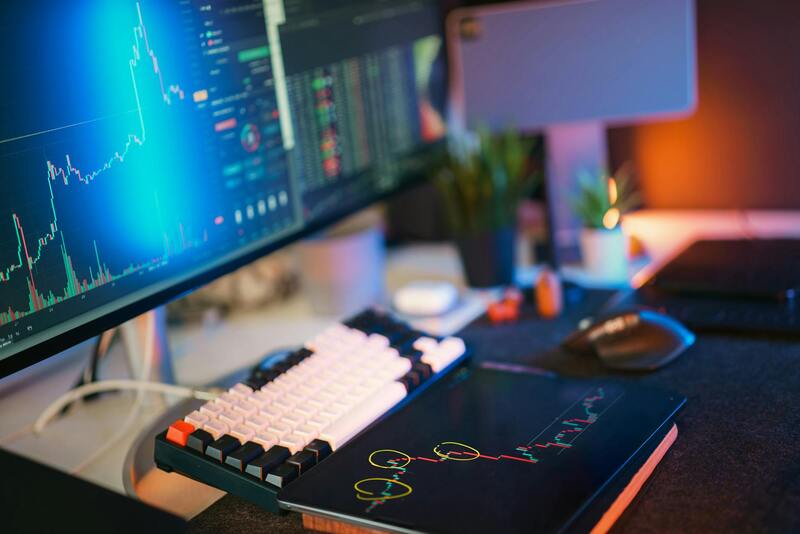
Ultimately, the combination of profit-sharing agreements, fee structures, and performance incentives creates a transparent and goal-oriented environment. Traders who demonstrate consistency, discipline, and strategic acumen can maximize their earnings potential, while firms maintain a balanced risk profile and operational efficiency. It is vital for traders to thoroughly understand these financial arrangements before committing to a prop trading firm, ensuring that their trading objectives align with the firm’s incentive models and operational policies.
Future Trends and Developments in Futures Prop Trading
As the landscape of futures trading prop firms continues to evolve, several emerging trends and technological advancements are poised to significantly influence how traders operate and how firms structure their programs. Staying informed of these developments enables traders to adapt strategies proactively and capitalize on new opportunities within a dynamic environment.
Technological Innovations Driving Change
Advancements in trading technology have become a core driver of change within proprietary futures trading. High-frequency trading (HFT) algorithms and sophisticated data analytics tools now enable traders to execute complex strategies with greater speed and precision. Firms invest heavily in developing proprietary trading platforms equipped with real-time market data feeds, backtesting capabilities, and risk management features that improve decision-making and operational efficiency.
Artificial Intelligence (AI) and machine learning (ML) are increasingly integrated into trading models, allowing for pattern recognition, predictive analytics, and adaptive strategy development. These technologies facilitate the identification of market anomalies and improve the accuracy of trade entries and exits, enhancing overall profitability while managing associated risks.
Growing Emphasis on Data-Driven Strategies
The ability to harness large volumes of market data has become a critical competitive advantage for traders in futures prop firms. Advanced data analytics and visualization tools allow traders to interpret complex market signals, identify emerging trends, and optimize their trading approaches more effectively. This shift toward data-driven decision-making encourages the adoption of systematic trading methodologies, minimizing emotional biases and fostering consistency across different market conditions.
Enhanced Risk Management and Compliance
With the increase in trading complexity and volume, firms are emphasizing comprehensive risk management systems. These include real-time monitoring of trading activity, strict leverage controls, and automated position limits to prevent excessive exposure. Proprietary firms are also adopting more robust compliance protocols aligned with evolving regulatory standards, ensuring traders adhere strictly to established policies and procedures.

Expansion of Virtual Trading Environments
The rise of virtual or simulated trading environments allows traders to hone skills, test strategies, and validate performance without risking real capital. These environments are increasingly sophisticated, providing realistic market conditions, historical scenarios, and performance tracking. Such tools are essential for onboarding new traders, continuous skill development, and fostering disciplined trading practices.
Integration of Social and Collaborative Trading
Innovative communication and collaboration tools are fostering a community-driven approach within futures prop firms. Traders share insights, strategies, and market forecasts through secure platforms, which can lead to collective learning and improved decision-making. Collaborative environments encourage mentorship and knowledge exchange, boosting overall performance and fostering a culture of continuous improvement.
Potential Impact of Blockchain and Digital Assets
The rise of blockchain technology and digital assets presents new avenues for futures trading within prop firms. Smart contracts and transparent transaction ledgers promise increased efficiency, security, and trust in trading operations. While primarily focused on traditional futures markets, these innovations could pave the way for integrating new asset classes and expanding trading opportunities.
Adapting to Market Volatility and Global Events
Current geopolitical and economic uncertainties require traders to develop resilient trading frameworks capable of navigating volatile conditions. Fututes prop firms are investing in adaptive algorithms and scenario analysis tools that help traders respond swiftly to unexpected market shifts. This proactive approach allows traders to mitigate downside risks while positioning themselves for potential rallies.
In sum, the future of futures trading prop firms is marked by technological evolution, data-centric methodologies, and an increased focus on risk mitigation. Traders who stay ahead of these trends and leverage innovative tools will enhance their potential for consistent success and long-term growth within the competitive environment of proprietary trading.
