Overview of Futures Desk Prop Firms
Futures desk proprietary trading firms, commonly known as futures desk prop firms, play a critical role within the trading industry by providing a platform where skilled traders can utilize firm capital to execute futures contracts. These firms serve as a bridge between individual traders and the broader financial markets, focusing on strategies that capitalize on price fluctuations in commodities, indices, currencies, and other financial derivatives. Unlike traditional investment firms, futures desk prop firms operate with the primary goal of generating profit through active trading rather than managing client assets.
Futures desk prop firms differ significantly from other types of trading establishments, such as hedge funds or asset managers. While hedge funds typically invest in a range of assets on behalf of clients and charge management fees, futures desk firms allocate capital directly to traders based on performance and proficiency, often implementing profit-sharing or commission-based compensation models. This structure incentivizes traders to maximize their trading efficiency and risk control measures, aligning individual performance with the firm’s overall profitability.
Within the proprietary trading ecosystem, futures desk firms are distinguished by their focus on the futures markets, which are characterized by high leverage, liquidity, and the opportunity for both short-term and medium-term trading strategies. Traders working within these firms often rely on sophisticated analytical tools, real-time data feeds, and advanced execution platforms to identify and exploit trading opportunities. By fostering an environment of disciplined trading and rigorous risk management, futures desk prop firms aim to sustain consistent performance amid dynamic market conditions.

Understanding the Role of Futures Desk Prop Firms in the Industry
The significance of futures desk prop firms extends beyond profit generation; they also serve as incubators for talented traders, providing access to capital, infrastructure, and mentorship that might otherwise be unavailable to individual traders working independently. This symbiotic relationship benefits both parties: traders gain resources and a structured environment, while firms enhance their trading capacity and diversify their revenue sources.
Moreover, futures desk firms contribute to market liquidity and efficiency. By engaging in high-frequency, speculative, or hedging activities, they help facilitate smoother market operations. Their ability to quickly respond to market signals and execute large-volume trades helps stabilize prices and manage risk effectively across various asset classes.
Structure and Business Model of Futures Desk Prop Firms
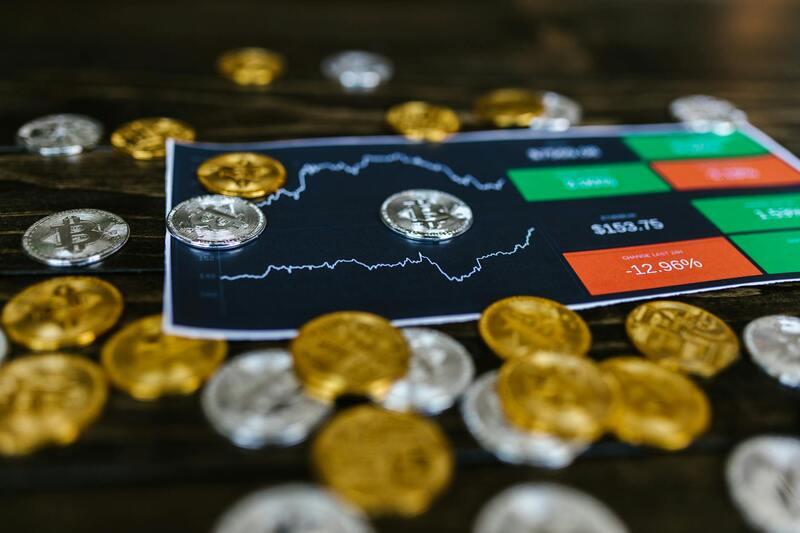
Futures desk prop firms operate with a defined organizational framework designed to maximize profitability while maintaining disciplined risk management. These firms typically consist of a proprietary trading desk, administrative support, risk management teams, and technological infrastructure that facilitates efficient trade execution. Central to their operation is the trading desk, staffed by skilled traders who execute strategies based on real-time market analysis and quantitative models.
Revenue generation primarily stems from trading profits realized when traders execute successful positions in futures markets. Some firms implement profit-sharing arrangements, where traders receive a percentage of their trading gains, aligning individual incentives with firm-wide success. Additional revenue streams can include subscription-based access to proprietary trading tools, data services, and risk management software, which enhance traders’ ability to make informed decisions.
Futures desk prop firms often rely on a combination of capital supplied by the firm itself and traders' own funds, especially in arrangements where traders are given trading accounts funded by the firm. These setups allow traders to execute large-volume trades that would be difficult to accomplish independently, leveraging the firm's financial strength and infrastructure. The firms manage capital allocation dynamically, adjusting trading limits based on trader performance, market conditions, and strategic objectives.
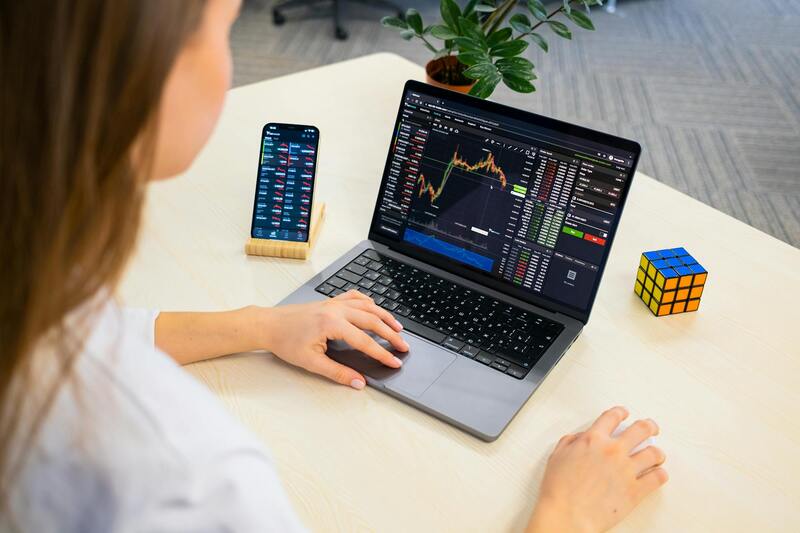
Operationally, the firms maintain strict compliance with internal risk controls and leverage limits to prevent excessive losses. Automated monitoring systems track trading activity in real time, allowing risk managers to intervene swiftly if trading deviates from predefined parameters. This framework ensures a balanced approach, fostering an environment where traders can innovate within a secure financial boundary.
Trading Strategies Employed by Futures Desk Teams
Futures desk traders utilize a diverse array of strategies tailored to market conditions and their expertise. These include scalping, where traders seek to profit from small price movements over short periods, and day trading, which involves opening and closing positions within a single trading session. Medium-term strategies may incorporate trend-following or mean-reversion models, aiming to capture sustained price movements or return to equilibrium levels.
Directional trading, based on technical and fundamental analysis, also features prominently, with traders trying to anticipate price shifts driven by economic data, geopolitical events, or market sentiment. Some desks focus on arbitrage opportunities, exploiting discrepancies between related futures contracts or between futures and other asset classes. High-frequency trading (HFT) algorithms are increasingly integrated into these strategies, leveraging speed and data processing power to capitalize on fleeting market inefficiencies.
Risk Management and Capital Allocation
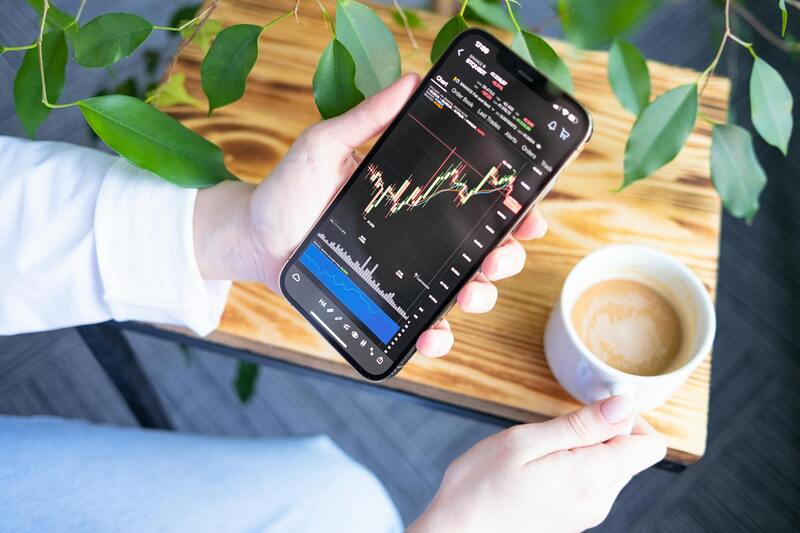
Robust risk management is integral to the sustainability of futures desk prop firms. Clear guidelines are established for position sizes, leverage limits, and stop-loss levels to mitigate potential losses. Advanced analytics and real-time data monitoring are employed to detect increasing risk exposure promptly.
Capital allocation decisions are driven by trader performance metrics, historical data, and prevailing market conditions. Traders demonstrating consistent profitability and disciplined risk-taking are allocated larger trading limits, empowering them to participate actively in the firm's trading activities. Conversely, underperforming traders or those exhibiting risky behaviors may see their trading limits reduced or be subjected to additional oversight.
By continuously refining their risk parameters, futures desk firms aim to sustain profitability while protecting their capital base during volatile market periods. This disciplined approach helps balance aggressive trading with necessary caution, ensuring long-term operational viability.
Overview of Futures Desk Prop Firms
Futures desk proprietary trading firms operate with dedicated trading desks that focus exclusively on futures markets. These offices are staffed by professional traders who execute high-volume transactions across various futures contracts, including commodities, equity indices, currencies, and interest rates. Unlike external trading houses, futures desk prop firms typically have a concentrated structure, emphasizing in-house expertise, advanced technology, and strategic risk management to maintain competitive advantage.
Futures desk firms are distinguished by their specialized approach, functioning as centralized hubs of market activity that capitalize on discrepancies across futures exchanges and related asset classes. They leverage real-time data feeds, sophisticated analytical tools, and cutting-edge trading algorithms to identify lucrative opportunities. This setup allows them to operate efficiently, execute rapid trades, and adapt swiftly to market conditions, which is crucial in the fast-paced environment of futures markets.
Structure and Business Model of Futures Desk Prop Firms
The core structure of futures desk prop firms revolves around a team of highly skilled traders, each operating under specific risk and reward parameters. These firms often employ a hybrid business model combining profit-sharing, fixed salary components, and performance bonuses. Traders are typically incentivized through a profit split, aligning their interests with the firm’s overall profitability.
The infrastructure supporting futures desk operations includes high-speed trading platforms, direct market access (DMA), and connectivity to multiple exchanges. This technological backbone facilitates rapid order execution, minimizes latency, and ensures traders can respond instantaneously to market movements. Additionally, risk management systems monitor real-time exposures, enforce trading limits, and alert risk managers of potential issues before they escalate.
Capital allocation is dynamic, with trader performance and market analysis driving adjustments. Successful traders are granted larger trading limits, access to riskier but potentially more profitable strategies, and broader market exposure. Conversely, traders facing challenges may see their limits reduced or be given additional oversight and training to enhance their decision-making capabilities.
Futures desk firms also prioritize compliance and operational transparency, implementing strict procedures for trade validation, audit trails, and reporting. These processes ensure that all trades align with the firm's risk appetite and strategic objectives, fostering a disciplined trading environment essential for sustained success.
Visual Representation of Trading Strategies

Risk Management and Capital Allocation in Futures Desk Prop Firms
Effective risk management and prudent capital allocation are fundamental pillars underpinning the operational stability and long-term profitability of futures desk prop firms. These firms deploy sophisticated systems and protocols to monitor, assess, and mitigate trading risks, ensuring that their trading activities align with their strategic objectives and risk appetite.
One core aspect of risk control involves real-time oversight of market exposures. Advanced risk management software continuously tracks positions across all traders and strategies, providing immediate alerts when exposures approach predefined limits. This proactive approach helps prevent overleveraging and substantial losses caused by rapid market movements. Moreover, firms often utilize value-at-risk (VaR) models to estimate the potential maximum loss over a given time frame, facilitating informed decision-making regarding capital deployment.
Capital allocation within futures desk operations is a dynamic process influenced heavily by trader performance and market conditions. Top-performing traders demonstrating consistency and sound risk management are rewarded with increased trading limits and access to higher-risk, higher-reward strategies. This incentivizes disciplined trading practices and fosters a performance-driven environment. Conversely, traders facing challenges may have their trading limits reduced or may undergo additional training to refine their skills and risk awareness.
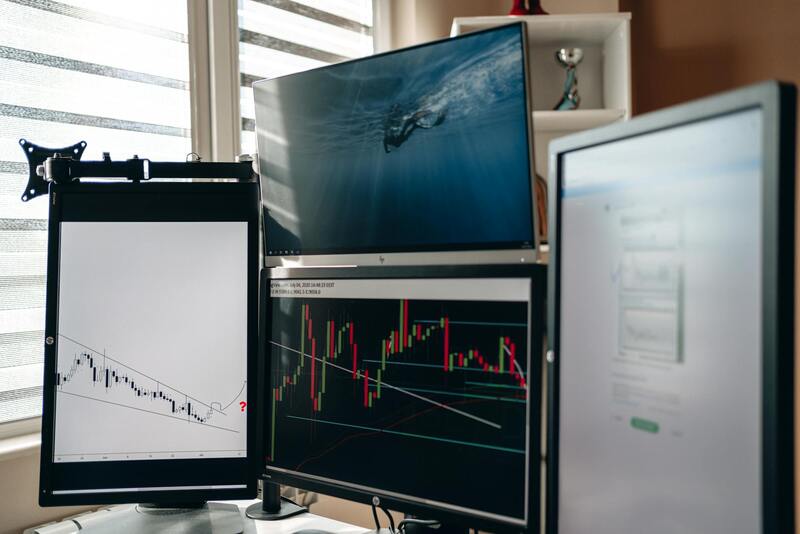
Firms implement strict procedures for trade validation, including multi-layered approval processes for complex or high-value transactions. This ensures a robust audit trail, enhances operational transparency, and adheres to internal protocols. Periodic performance reviews and risk assessments further aid in reallocating resources efficiently, ensuring that capital is deployed where it yields the most consistent returns with manageable risk levels.
In addition to these internal controls, futures desk firms often partner with technological providers to enhance their risk mitigation capabilities. Integration of cutting-edge analytics and machine learning algorithms allows for more precise risk evaluation, early detection of anomalous trading patterns, and timely intervention when necessary.
The risk management framework extends beyond individual traders to encompass the overall firm’s exposure. Firm-wide stress testing, scenario analysis, and contingency planning prepare firms to withstand adverse market shocks and maintain operational resilience under volatile conditions.
Effective Strategies for Maintaining Portfolio Integrity
Futures desk firms must balance aggressive trading strategies with cautious risk oversight to optimize profitability without exposing themselves to excessive losses. This involves employing diversified trading algorithms, hedging positions where appropriate, and maintaining sufficient liquidity buffers. Additionally, constant review and calibration of risk parameters help adapt to changing market dynamics, ensuring that risk controls remain effective and aligned with business growth objectives.
Risk Management and Capital Allocation in Futures Desk Prop Firms
Within a futures desk proprietary trading firm, risk management and capital allocation are fundamental to sustained profitability and operational stability. These firms adopt a comprehensive approach that integrates advanced analytics, quantitative models, and real-time monitoring to navigate the inherent volatility of futures markets.
Effective risk management begins with establishing strict trading parameters. These parameters delineate the acceptable levels of leverage, position sizes, and loss thresholds, which are enforced through automated trading systems. Such systems incorporate algorithms that continuously assess market conditions and trader activity, enabling immediate response to adverse movements. This proactive stance minimizes potential losses stemming from unexpected market swings or errant trades.
Capital allocation decisions are driven by systematic evaluation of trader performance, market conditions, and strategic objectives. Proprietary firms allocate funds based on quantitative performance metrics that consider risk-adjusted returns, trading consistency, and adherence to established protocols. This dynamic allocation process allows firms to optimize the deployment of capital across various trading strategies, market sectors, and temporal horizons, maintaining a balanced portfolio that aligns with risk appetite and profitability targets.
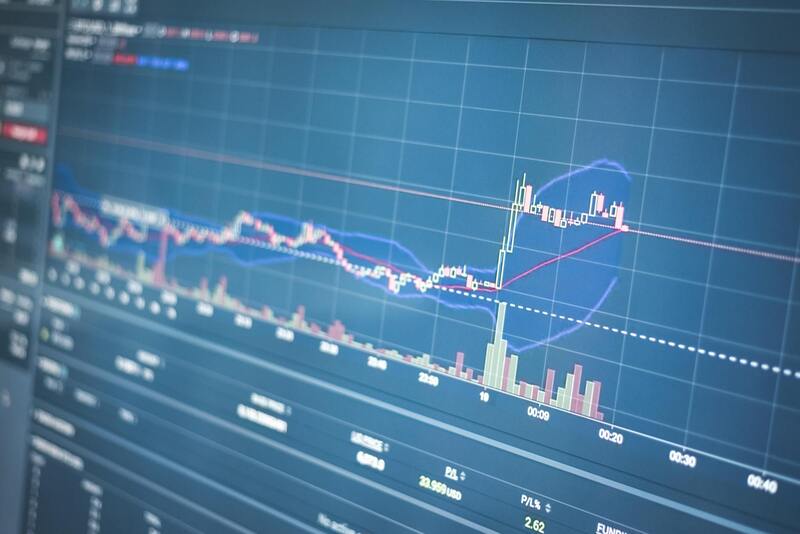
Technological integration plays a critical role in refining risk control mechanisms. Real-time analytics platforms gather market data, trader activity logs, and system alerts to facilitate a holistic view of the trading environment. Machine learning models analyze historical and streaming data to identify patterns indicative of emerging risks, allowing traders and risk managers to adjust strategies proactively.
Stress testing and scenario analysis form another core component of risk mitigation. These procedures simulate extreme market conditions to evaluate the resilience of trading positions and overall capital allocation. Regular review of stress test outcomes informs risk policies and helps in exploring contingency plans to counteract potential downturns or systemic shocks.
By continuously calibrating risk parameters, futures desk firms maintain agility in response to shifting market dynamics. This approach ensures that trading activities remain within predefined risk boundaries while capitalizing on volatility and market opportunities. The balance of aggressive trading and prudent risk oversight reflects a sophisticated risk management ethos, integral to the sustainable growth of futures desk prop firms.
Trading Strategies Employed by Futures Desk Teams
Futures desk prop firms leverage a diverse array of trading strategies to optimize their market positions and generate consistent profits. The selection and execution of these strategies are tailored to market conditions, liquidity levels, and the firm’s overall risk appetite. These strategies encompass both short-term techniques designed for quick gains and longer-term approaches aimed at capturing broader market trends.
One prevalent strategy involves arbitrage trading, where traders exploit price discrepancies between related futures contracts or between futures and underlying assets. This requires precise execution and real-time data analysis to identify minimal risk opportunities before market corrections occur. Another common approach is market making, where the futures desk provides bid and ask quotes to facilitate liquidity, earning profit margins on bid-ask spreads while managing inventory risk carefully.
Momentum trading is also widely adopted, with traders capitalizing on high-volume moves and trending markets. Using technical indicators, such as moving averages or Relative Strength Index (RSI), traders identify entry and exit points aligned with prevailing market momentum. Conversely, mean reversion strategies focus on price deviations from historical averages, betting on correction movements that restore assets to their typical levels.

Algorithmic and quantitative trading have become integral to futures desk operations. These methods utilize complex mathematical models and algorithms to identify trading opportunities at speeds impossible for manual traders. Such systems analyze vast datasets, including market prices, news flow, economic indicators, and historical patterns, to execute trades with precision and minimal latency. High-frequency trading (HFT) strategies, for instance, capitalize on fleeting market inefficiencies, demanding robust technological infrastructure to support rapid order placement and cancellation.
Beyond purely quantitative approaches, discretionary trading still holds a significant role. Experienced traders interpret market sentiment, macroeconomic news, and geopolitical developments to inform their decisions. Integrating fundamental analysis with technical signals enables a comprehensive view of potential market movements, fostering more nuanced trading strategies.
Risk Management and Capital Allocation
Effective risk management remains fundamental to sustainability in futures desk operations. Firms employ multifaceted techniques to monitor, control, and allocate capital efficiently. The deployment of advanced analytics and real-time monitoring ensures traders operate within predefined risk boundaries, safeguarding the firm’s financial stability.
Position sizing is calibrated based on volatility measures, margin requirements, and the risk-reward profile of each trade. Diversification across different futures markets and asset classes helps spread risk and avoid overexposure to single market shocks. Leverage levels are carefully managed, balancing the need for profit amplification against the potential for amplification of losses.
Trade review and performance analysis are ongoing processes, utilizing historical trade data to refine risk parameters continually. These processes help diagnose weaknesses in trading strategies and prevent the recurrence of previous errors. Stress testing under various market scenarios evaluates resilience, ensuring that capital buffers are sufficient to absorb shocks during tumultuous periods.

Modern futures desks incorporate machine learning and AI-powered tools that predict volatility spikes and identify emerging risk factors. These technologies enable proactive adjustments to trading strategies and risk parameters, reducing potential drawdowns during adverse market conditions. Continuous calibration of these models ensures they adapt dynamically to evolving market patterns.
Trader Evaluation and Recruitment Process
Recruiting skilled traders for futures desk prop firms involves a rigorous, multi-stage process designed to identify candidates with proven track records and robust trading acumen. Initial assessments often include comprehensive interviews, testing of trading knowledge, and simulation of trading scenarios. The goal is to evaluate a candidate's ability to manage risk, adapt strategies to changing market conditions, and demonstrate disciplined trade execution.
Proven historical performance is heavily weighted, with firms scrutinizing track records in live markets to gauge consistency and risk-adjusted returns. Technical proficiency with trading platforms, quantitative analysis, and understanding of relevant markets are also critical criteria. Firms may use simulated trading environments to observe decision-making processes under controlled conditions, verifying analytical skills and emotional resilience.
Once selected, traders undergo continuous training and performance review. This ongoing evaluation ensures alignment with the firm’s risk policies and strategic objectives. Top performers are often incentivized through profit-sharing arrangements, performance bonuses, and career development opportunities, fostering an environment of continuous improvement and excellence.
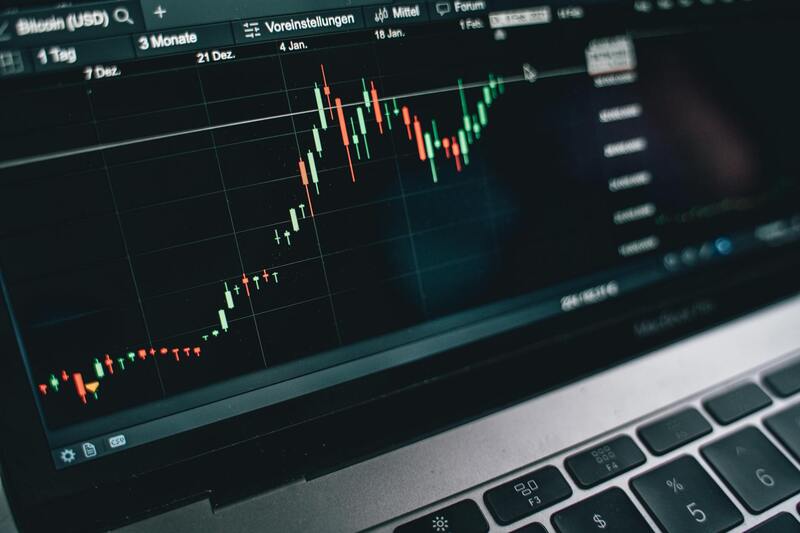
Technology and Infrastructure in Futures Desk Operations
Effective technology infrastructure is fundamental to the seamless operation of futures desk prop firms. These firms rely heavily on advanced trading platforms, real-time data feeds, and high-frequency communication systems to ensure rapid execution and accurate market analysis. A resilient and secure IT environment minimizes latency and prevents disruptions, which are critical factors given the volatile and fast-paced nature of futures markets.
Futures desk teams employ sophisticated order management systems (OMS) and electronic trading platforms compatible with a range of asset classes, including commodities, indices, and currencies. Integration of these systems with comprehensive market data feeds allows traders to access live quotes, news, and analytics, facilitating informed decision-making. Customizable dashboards and analytical tools enable traders to monitor market movements, assess risk exposure, and execute trades efficiently.
Additional technological support includes algorithmic trading capabilities, ensuring the execution of preprogrammed strategies with minimal slippage. Cybersecurity measures are also prioritized to protect sensitive data and prevent breaches that could compromise trading integrity. Cloud computing solutions are increasingly adopted for scalable storage, data analysis, and uninterrupted operations across multiple trading desks.
To maintain competitive advantage, futures desk prop firms regularly update their infrastructure, incorporating the latest technological innovations. Investment in hardware, such as high-performance servers and low-latency networks, alongside software improvements, ensures traders can capitalize on fleeting market opportunities while maintaining robust risk controls.
Futures Desk Compliance and Ethical Trading
Upholding high standards of compliance and ethical trading is integral to futures desk operations. Firms implement comprehensive policies to regulate trading activities, monitor for excessive risk-taking, and prevent manipulative practices. Automated compliance tools and trade surveillance systems scrutinize orders in real-time, flagging irregularities and ensuring adherence to trading protocols.
Traders are continually trained on regulatory changes and internal policies, fostering a culture of responsibility and integrity. Transparent records of trades and comprehensive audit trails facilitate regulatory reporting and internal reviews. These practices not only bolster the firm’s reputation but also promote a disciplined trading environment conducive to sustained profitability.
Risks and Challenges Faced by Traders in Futures Desk Prop Firms
Operating within futures desk prop firms entails navigating a complex landscape of risks and operational challenges. Traders must be prepared to identify, assess, and mitigate these risks to maintain sustainable performance and uphold the firm’s trading standards. A thorough understanding of these elements is essential for professional traders who seek long-term success in the dynamic futures markets.
Market Volatility and Price Gaps
Futures markets are inherently volatile, driven by macroeconomic developments, geopolitical events, and market sentiment shifts. Sudden price gaps can occur with little warning, leading to slippage that affects trade execution and profitability. Traders need to be adept at employing strategies such as limit orders and real-time risk controls to adapt swiftly to abrupt market movements. The quick decision-making required underscores the importance of advanced trading technology and real-time data feeds provided by futures desk firms.
Leverage and Margin Risks
Leverage amplifies both potential gains and losses in futures trading. While futures desk firms often provide traders with access to significant margin, excessive leverage can lead to rapid account depletion during unforeseen market swings. Proper risk management protocols, including strict adherence to margin requirements and disciplined position sizing, are critical for mitigating these hazards. Firms typically enforce margin calls and loss limits to prevent catastrophic drawdowns, fostering a controlled trading environment.
Operational and Technological Failures
Relying on sophisticated infrastructure and software introduces vulnerabilities such as system outages, connectivity disruptions, or data breaches. These failures can impede trading execution, result in missed opportunities, or lead to incorrect trade fills. Consequently, futures desk firms invest heavily in redundant systems, backup power supplies, and cybersecurity measures. Traders are also trained to respond swiftly to technical issues, reducing downtime and potential financial losses.
Compliance and Ethical Dilemmas
Adherence to trading protocols and regulatory frameworks is a cornerstone of futures desk operations. Traders must avoid practices such as market manipulation, wash trading, or insider trading, which can carry severe reputational and financial repercussions. Regular training, automated trade monitoring, and internal audits help ensure operations align with established standards. Maintaining high ethical standards reinforces trust and sustainability within the trading environment.
Trader Performance and Mental Pressure
The high-stakes environment of futures trading can exert significant mental and emotional stress on traders. Continuous performance evaluation, combined with support systems like coaching and stress management programs, contributes to maintaining trader resilience. Prop firms often set clear performance benchmarks and provide feedback to ensure traders stay aligned with the firm’s objectives, fostering a disciplined approach despite market pressures.