
Understanding Future Prop Firms: Definition and Role in the Financial Industry
Proprietary trading firms, commonly referred to as prop firms, operate as specialized entities within the financial markets, primarily engaging in the use of their own capital to execute trades. Unlike traditional investment firms or asset managers that manage clients' assets, prop firms focus on deploying their resources to generate profits through various trading strategies. Their core operational model centers on leveraging advanced trading techniques, sophisticated market analysis, and cutting-edge technology to capitalize on market movements and achieve consistent returns.
Prop trading firms play a pivotal role in enhancing market liquidity and efficiency. They often employ traders who excel in spotting short-term market opportunities, including arbitrage, momentum trading, and high-frequency trading. These firms serve as vital players in the financial ecosystem by providing liquidity, which can help reduce bid-ask spreads and facilitate smoother market functioning. The unique investment approach of prop firms, which involves deploying internal capital rather than client funds, enables them to adopt innovative trading strategies and adapt swiftly to market conditions.
The operational objectives of these firms revolve around achieving high trading volumes and employing risk management techniques that safeguard their capital while maximizing profit potential. Their success often hinges on rigorous research, advanced analytics, and technological prowess, making them integral contributors to modern financial markets. As the industry evolves, future prop firms are expected to incorporate emerging technologies such as artificial intelligence, machine learning, and cloud-based trading platforms to stay competitive and optimize performance.

Key Features of Future Prop Firms
As the landscape of proprietary trading evolves, future prop firms are anticipated to exhibit distinctive characteristics that set them apart from traditional models. Central to this progression is their comprehensive integration of advanced technological solutions, allowing them to operate with unprecedented speed, precision, and adaptability. These firms are expected to prioritize the adoption of state-of-the-art trading platforms that leverage artificial intelligence (AI), machine learning (ML), and big data analytics to inform their decision-making processes.
One of the defining features of these innovative firms is their commitment to building flexible and scalable infrastructure. Cloud-based systems will enable rapid deployment of trading algorithms, facilitate real-time data processing, and support seamless collaboration across multiple geographic locations. This agility allows future prop firms to respond swiftly to market shifts and capitalize on fleeting opportunities with minimal latency.
Furthermore, future prop firms are likely to adopt an integrated risk management framework that employs predictive analytics and automated controls. This approach enhances their ability to monitor exposure, enforce compliance, and optimize profit margins while safeguarding their capital against adverse market movements. The emphasis on robust, real-time risk assessment contributes substantially to the resilience and sustainability of these firms.
The operational strategies of future prop firms will also reflect a shift towards diversification. They are expected to utilize a mix of quantitative, discretionary, and hybrid trading approaches, each supported by rigorous research and data-driven insights. This multidimensional strategy allows firms to adapt to different market conditions, from highly liquid environments to volatile trading sessions, ensuring consistent performance across asset classes and trading horizons.
In parallel, these firms will prioritize talent acquisition and development, fostering a culture of innovation, continuous learning, and technological proficiency. Employing data scientists, quantitative analysts, and experienced traders alike, future prop firms will create multidisciplinary teams capable of developing and refining sophisticated trading algorithms and strategies. Their focus on cultivating such talent underscores their commitment to staying at the forefront of technological and strategic advancements in the industry.
Moreover, future prop firms are expected to embrace sustainability and ethical trading practices, integrating environmental, social, and governance (ESG) factors into their investment criteria. This development aligns with an broader industry trend towards responsible trading, which not only enhances brand reputation but also mitigates systemic risks associated with unsustainable practices.
Finally, the evolution of regulatory frameworks and technological innovations will influence the structure and operations of these firms. They will likely leverage blockchain technology for transparency in transaction recording and capital allocation, while also navigating increasingly sophisticated compliance protocols designed to promote market stability. Overall, the technological, strategic, and cultural features of future prop firms will collectively propel the industry towards a more resilient, efficient, and innovative paradigm.
Understanding the Funding Models and Capital Allocation of Future Prop Firms
One of the most critical aspects of future prop trading firms is their approach to funding and how they allocate capital. Unlike traditional investment entities, prop firms primarily leverage pooled capital and proprietary funds to execute trades. This allows them to maintain significant control over their strategies while optimizing risk management and return targets.
In the evolving landscape, future prop firms are expected to adopt more sophisticated funding models that enhance flexibility and operational efficiency. These models may include multi-layered capital structures, where risk capital is segregated by trading desks or strategies, enabling better risk containment and strategic diversification. Proprietary capital, often supplemented by external funding sources or investor contributions in some cases, will be managed with precision to maximize trading opportunities.
Effective capital allocation remains a cornerstone of these organizations. Future firms will likely leverage advanced analytics and AI-driven decision-making tools to determine optimal capital deployment across various asset classes and trading strategies. This data-driven approach ensures capital is directed towards high-probability trades, reducing idle funds and increasing overall profitability. It also allows firms to swiftly reallocate capital in response to changing market conditions, thereby maintaining a competitive edge.

Moreover, some future prop firms may integrate innovative funding structures such as hedge funds or joint ventures to expand their operational capacity without diluting ownership. These arrangements enable firms to access additional pools of capital while sharing risk and reward with strategic partners.
Another promising development is the increased use of real-time risk management tools that monitor exposure and payout thresholds, helping firms dynamically adjust their leverage and position sizes. This agility in capital management allows for enduring stability and sustainable growth, even amidst turbulent markets.
The Role of Technology and Infrastructure in Supporting Future Prop Firms
To harness the full potential of their capital and trading strategies, future prop firms will depend heavily on cutting-edge technology and infrastructure. High-performance computing systems, low-latency trading platforms, and cloud-based solutions will be integral to their operational setup. These technological tools facilitate rapid data analysis, streamlined trade execution, and real-time risk assessment, giving traders a significant advantage in competitive markets.
Furthermore, future firms will employ advanced cybersecurity protocols to safeguard sensitive trading algorithms, client data, and capital information. As technology becomes more embedded in their core operations, reliable infrastructure will underpin everything from order routing to compliance monitoring, ensuring seamless, transparent, and efficient trading activities.

Additionally, the integration of blockchain technology may become standard for recording transactions, enhancing transparency and reducing settlement times. These innovations support a data-rich environment where traders and analysts can leverage comprehensive insights for strategic decision-making.
Adapting to Regulatory Changes and Compliance Requirements
As the industry evolves, so will the regulatory and compliance landscape. Future prop firms will need to develop agile frameworks that can adapt to new standards and reporting mandates. This involves investing in compliance-focused technologies such as automatic reporting tools, audit trail systems, and real-time monitoring solutions, which help ensure adherence to all applicable rules and best practices.
Moreover, embedding environmental, social, and governance (ESG) considerations into their trading and investment processes will become more prevalent. This shift not only aligns with broader societal expectations but also fosters sustainable growth and risk mitigation. Firms that proactively integrate these principles into their operational models and trading algorithms will likely gain a competitive advantage within an increasingly conscientious marketplace.
By embracing transparent practices and adopting innovative compliance strategies, future prop firms can navigate complex regulatory environments while maintaining strong market confidence and operational resilience.
Funding Models and Capital Allocation
Future prop trading firms employ diverse funding models to sustain their operations and facilitate trader activity. The primary approach involves internal capital pools, where the firm allocates a portion of its proprietary funds specifically for trading initiatives. This method offers control over capital use and aligns trading strategies with the firm’s risk appetite. Additionally, many firms are exploring innovative funding sources such as third-party investments or strategic partnerships that can provide additional liquidity without compromising existing capital frameworks.
Effective capital allocation is essential for optimizing profits while maintaining prudent risk management. Prop firms typically divide their capital across multiple trading accounts, each dedicated to different asset classes, strategies, or risk levels. This segmentation allows for diversification, reducing exposure to systemic risks associated with any single trading approach. Advanced risk management software and real-time analytics support the dynamic allocation of funds, enabling firms to respond swiftly to market changes and emerging opportunities.
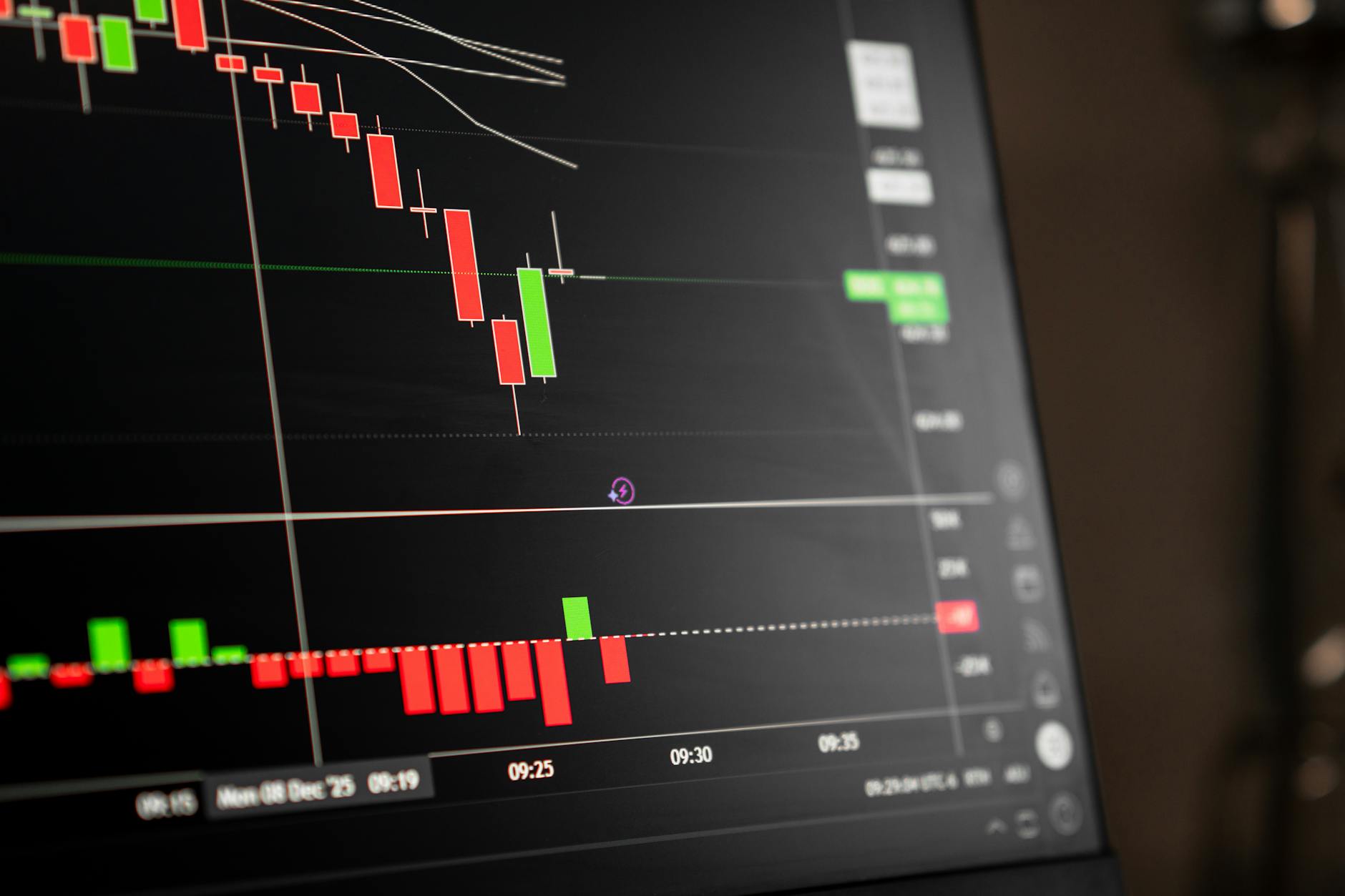
Furthermore, the integration of automated risk assessment tools facilitates continuous monitoring of account performance, ensuring that leverage, margin requirements, and exposure limits are adhered to. As the industry evolves, emerging models such as profit-sharing arrangements or performance-based funding are also gaining traction. These models motivate traders to employ responsible trading practices while aligning their incentives with the firm’s overall profitability and stability.
Technology and Infrastructure Supporting Future Prop Firms
Technological innovation remains a cornerstone of future prop trading entities. Cutting-edge trading platforms, equipped with high-frequency data feeds, advanced order execution algorithms, and real-time analytics, form the backbone of operational infrastructure. Cloud computing resources enable scalable data storage and processing capabilities, facilitating rapid decision-making in volatile markets. Moreover, blockchain technology's potential for secure and transparent transaction recording could become a standard feature, enhancing trust and operational efficiency across all trading activities.

Artificial intelligence and machine learning algorithms also play an integral role by providing predictive insights and automating complex trading strategies. These tools enable proprietary firms to identify patterns, optimize entry and exit points, and adapt to market conditions proactively. Cybersecurity measures, including multi-factor authentication, encrypted data channels, and intrusion detection systems, are continuously refined to protect sensitive information and uphold operational integrity.
Regulatory Environment and Compliance
As future prop firms develop and expand, adherence to regulatory standards and compliance requirements will be vital. The evolving landscape demands that firms implement comprehensive compliance frameworks, leveraging automated reporting tools and real-time surveillance systems. These technologies facilitate timely reporting and help detect suspicious activities, thereby maintaining transparency and operational integrity.
Environmental, social, and governance (ESG) practices are increasingly incorporated into trading strategies, aligning firms with global sustainability objectives. This integration involves monitoring and reporting on ESG metrics, aligning investment choices with societal expectations, and promoting responsible trading practices. Being proactive in compliance and responsible investing not only minimizes operational risks but also enhances the firm's reputation in the marketplace.
Career Opportunities and Industry Growth
The future landscape of prop trading is expected to generate numerous career opportunities, ranging from quantitative analysts and algorithm developers to compliance officers and risk managers. As firms continuously innovate with technology and expand their operational scope, demand for highly skilled professionals in data science, cybersecurity, and financial engineering will grow significantly.
Moreover, industry growth will be fueled by increased adoption of AI-driven trading strategies, expanding global markets, and a rising interest in alternative investment strategies. This environment offers prospects for entrepreneurs and seasoned traders alike, emphasizing the importance of continuous learning and adaptation to maintain a competitive edge.
Challenges and Future Outlook for Prop Firms
While technological and strategic advancements offer numerous advantages, they also introduce complexities. Rapid technological developments require substantial investment and ongoing expertise to maintain competitive readiness. Navigating an increasingly regulated environment demands agility and robust compliance systems, which could pose resource challenges for smaller or emerging firms.
Market volatility and geopolitical uncertainties remain persistent hurdles, requiring prop firms to deploy sophisticated risk management tools and maintain flexible trading strategies. As the industry progresses, a focus on sustainable growth, innovation, and responsible trading practices will be essential for long-term success. Firms that can balance technological advancements, regulatory compliance, and effective capital management are positioned to thrive in this dynamic landscape.
Funding Models and Capital Allocation
Future prop trading firms employ diverse funding models tailored to optimize capital efficiency and growth potential. The most prominent approach involves proprietary capital, where the firm allocates a designated pool of funds to traders based on performance metrics and risk management capabilities. This model enables firms to maintain control over trading strategies while fostering an environment of high performance.
Additionally, some firms adopt hybrid funding methods that incorporate third-party or external investment, providing an influx of capital to amplify trading opportunities. These arrangements often include profit-sharing agreements or performance-based fees, aligning interests between traders and the firm. The flexibility inherent in hybrid models allows firms to scale operations rapidly while maintaining prudent risk controls.
Capital allocation strategies in future prop firms increasingly leverage advanced risk management tools and quantitative analysis. This ensures optimal distribution of resources across various trading desks, asset classes, and geographic markets. Efficient capital allocation not only maximizes return on investment but also mitigates exposure to adverse market movements, safeguarding the firm’s sustainability in volatile conditions.

Operational agility is further enhanced through the integration of automated trading systems and adaptive allocation algorithms. These tools enable firms to dynamically adjust capital deployment based on market trends and real-time performance metrics, ensuring a nimble response to evolving market conditions.
The focus on sophisticated funding mechanisms underscores the importance of robust financial planning and risk oversight. By adopting a strategic and data-driven approach to capital management, future prop firms aim to sustain growth, enhance trader productivity, and secure a competitive edge in the rapidly changing financial landscape.
Funding Models and Capital Allocation in Future Prop Firms
As prop trading evolves to incorporate more sophisticated structures, future prop firms are adopting innovative funding models that ensure optimal use of available capital while maintaining robust risk controls. These models often blend traditional equity investments with performance-based funding mechanisms, giving traders access to substantial capital pools that are managed carefully through advanced analytics and real-time monitoring systems.
One prominent approach involves hybrid funding structures, where firms allocate resources based on trader performance, risk profile, and market expertise. This dynamic allocation allows high-performing traders to scale their operations, while less certain strategies undergo more cautious funding. The result is a flexible environment that encourages talent development without compromising overall stability.
Capital allocation strategies are increasingly dependent on sophisticated risk management tools that utilize machine learning algorithms and real-time data analysis. These tools facilitate adaptive adjustments in capital deployment based on market volatility, liquidity, and geopolitical factors. Automated systems can redistribute capital rapidly, shifting resources away from high-risk trades and toward those with better risk-adjusted returns.

In addition, many firms are leveraging hybrid models that combine proprietary trading capital with external funding sources, such as institutional investors or high-net-worth individuals. These arrangements enable the firms to increase their trading capacity without overextending their own reserves. Profit-sharing agreements, tiered performance bonuses, and escrow arrangements help align the interests of traders with the firm’s financial health.
The operational agility of future prop firms is further enhanced by integrating automated trading systems and adaptive algorithms that can quickly respond to market shifts. With real-time analytics, capital can be reallocated efficiently to capitalize on emerging opportunities or to reduce exposure during downturns, ensuring continuous optimization of resources.
Capital management in upcoming prop trading enterprises focuses heavily on maintaining a balance between aggressive growth objectives and prudent risk control. This approach minimizes the potential for large-scale losses during volatile periods, safeguarding the firm’s longevity and expanding its competitive capability in dynamic markets.
Funding Models and Capital Allocation in Future Prop Firms
As the landscape of proprietary trading evolves, future prop firms are adopting innovative funding models to enhance their capacity and agility. These models focus on efficient capital deployment, risk management, and maximizing profit potential while maintaining operational stability. One prevalent approach involves hybrid funding strategies, where firms combine proprietary capital with external sources such as institutional investors, high-net-worth individuals, or specialized investment funds. This method allows firms to scale their trading operations without overcommitting their own reserves, thereby reducing risk exposure and increasing flexibility.
In hybrid models, profit-sharing agreements and tiered performance bonuses play crucial roles in incentivizing traders and aligning their interests with the firm's overall health. Escrow arrangements or fund-of-funds structures can also be utilized to safeguard external contributions and ensure transparency in capital management. Such frameworks not only facilitate capital growth but also foster long-term relationships with funding partners, who typically seek consistent performance and disciplined risk management from trading firms.

Operational efficiency hinges on sophisticated automation systems that enable dynamic capital reallocation in response to market conditions. Automated trading algorithms can monitor real-time analytics, adjusting leverage, and reallocating resources to capitalize on emerging opportunities or mitigate exposure during downturns. This adaptability ensures that firms can optimize their capital deployment continuously, balancing growth ambitions with prudent risk controls.
Effective capital management involves rigorous risk assessment protocols, comprehensive stress testing, and layered controls to prevent large-scale losses during volatile periods. By utilizing advanced analytics and adaptive algorithms, future prop firms can maintain a delicate balance between aggressive market participation and risk mitigation, ensuring long-term sustainability and competitive advantage in rapidly changing markets.
Technology and Infrastructure Supporting Future Prop Firms
The technological backbone of future prop firms is built on cutting-edge trading platforms, high-speed connectivity, and advanced analytics tools. These components collectively enable rapid decision-making, automated execution, and real-time risk assessment. Cloud computing and data storage solutions further empower firms to handle vast datasets for predictive modeling and trend analysis, facilitating more accurate and timely trading strategies.
Moreover, artificial intelligence and machine learning are becoming integral to the operational framework of these firms. AI-driven models can adapt to new data streams, optimize trading algorithms, and enhance predictive accuracy, giving firms a competitive edge. High-performance computing infrastructure minimizes latency, ensuring traders can execute orders swiftly while automated systems continuously monitor market movement and adjust strategies accordingly.

Cybersecurity also plays a pivotal role in safeguarding sensitive financial data and maintaining operational integrity. Robust security protocols, encryption standards, and vigilant monitoring protect firms from cyber threats and ensure compliance with industry regulations.
Regulatory Environment and Compliance
Operating within an evolving regulatory landscape necessitates that future prop firms prioritize compliance and transparency. They adopt comprehensive internal controls, risk management frameworks, and reporting protocols aligned with industry standards. Staying ahead in regulatory requirements involves leveraging automated compliance systems that monitor trading activities, flag irregularities, and ensure adherence to established policies.
Firms also invest in educating their traders and staff on regulatory updates, ethical standards, and best practices to foster a culture of compliance. Continuous engagement with industry regulators and participation in relevant industry groups help shape adaptive compliance strategies that accommodate changing rules and directives.
This proactive approach minimizes operational risks and reinforces the firm's reputation, ensuring sustainable growth and trusted relationships with clients, partners, and regulators.
Funding Models and Capital Allocation
Future prop trading firms are increasingly adopting innovative funding models to optimize capital deployment and reduce risk exposure. Traditional models often involve a single capital pool managed centrally, but modern firms are leveraging diversified funding sources, including investor-backed capital, profit-sharing arrangements, and external financing options. This diversification allows firms to scale their trading operations efficiently while maintaining financial stability.
Capital allocation strategies are also evolving. Firms are utilizing sophisticated risk management tools to dynamically allocate funds across various trading strategies and asset classes. This approach ensures that risk-adjusted returns are maximized while safeguarding the firm's capital against adverse market movements. Automated portfolio management systems analyze real-time data, adjusting exposure and reallocating funds with precision.
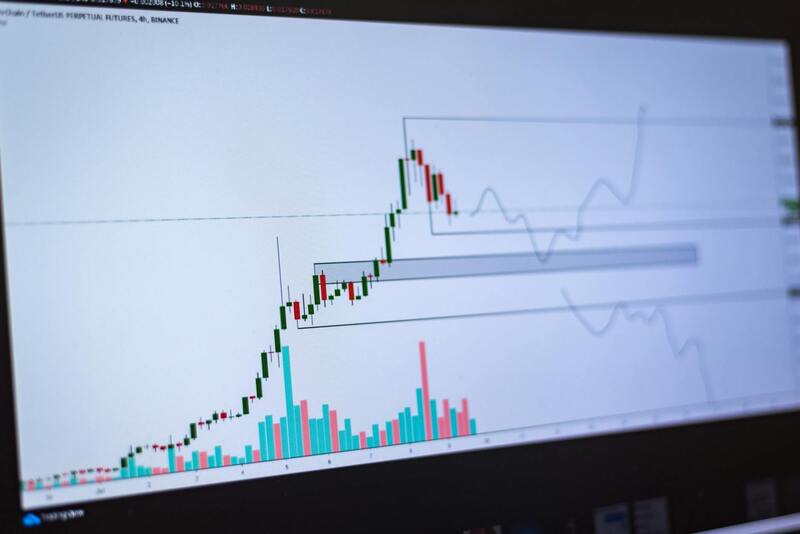
Moreover, some firms are experimenting with performance-based funding models, where traders are provided with capital contingent upon their trading track record and risk management discipline. This method incentivizes disciplined trading behaviors and aligns traders' interests with firm profitability, fostering a culture of accountability and continuous skill development.
Technology and Infrastructure Supporting Future Prop Firms
The backbone of future prop firms lies in cutting-edge technological infrastructure that facilitates rapid, data-driven decision-making. Advanced trading platforms integrate real-time market data feeds, algorithmic execution capabilities, and risk management systems into a seamless environment. Cloud computing solutions offer scalability, enabling firms to handle large volumes of data and perform complex computations efficiently.
Artificial intelligence (AI) and machine learning (ML) are transforming trading strategies by providing predictive analytics, pattern recognition, and automated signal generation. These technologies enable traders to identify market opportunities more accurately and execute trades with minimal latency.

Cybersecurity measures are integral to safeguarding operational integrity. Firms employ multilayered security protocols, including end-to-end encryption, intrusion detection systems, and regular security audits. Ensuring operational continuity and data integrity remains a top priority as reliance on digital systems grows.
Regulatory Environment and Compliance
Operating within a complex regulatory landscape requires future prop firms to establish comprehensive compliance frameworks. These include automated reporting systems that monitor trading activities, flag anomalies, and ensure transparency. Staying current with evolving regulations involves ongoing staff training, investment in compliance technology, and active engagement with regulatory bodies.
Firms are also adopting best practices for internal controls and risk management, which are critical for maintaining trust and stability. Compliance considerations extend to ethical trading standards, disclosure requirements, and operational procedures designed to prevent fraud and market manipulation. Regular internal audits and independent reviews help verify adherence, ensuring the firm operates earnestly within the industry standards.
Career Opportunities and Industry Growth
The surge of innovation and technological advancement positions the prop trading industry as a dynamic career landscape. Opportunities are expanding beyond traders, encompassing data scientists, quantitative analysts, software developers, risk managers, and compliance officers. The industry's growth is driven by an increasing appetite for diversified trading strategies, sophisticated technology, and global market participation.
As firms continue to invest in infrastructure and talent, the demand for skilled professionals will rise. Training programs, industry certifications, and continuous learning initiatives are vital components of career development within this space. The evolving environment promises long-term industry expansion, with future prop firms serving as hubs for financial innovation and technological excellence.
