
Overview of Prop Firm Technology
Prop trading firms rely heavily on advanced technology to optimize their trading operations, improve decision-making accuracy, and enhance overall efficiency. These firms utilize sophisticated trading platforms, data analytics tools, automation solutions, and risk management systems to maintain a competitive edge in dynamic financial markets.
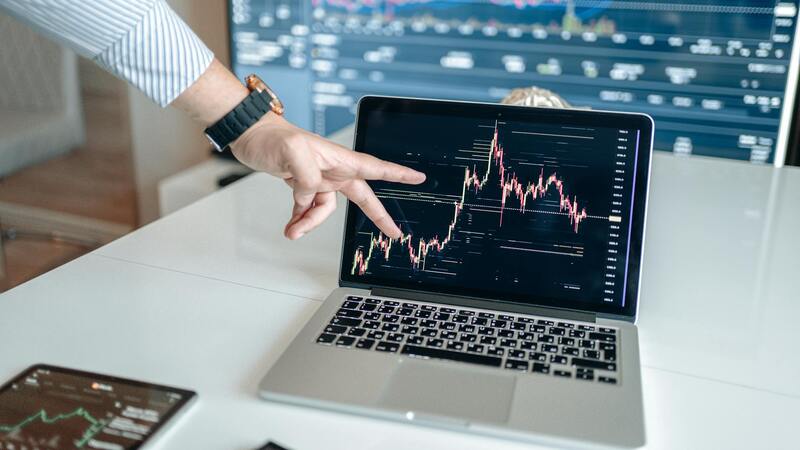
The integration of innovative technologies allows prop trading firms to analyze vast datasets rapidly, execute trades with precision, and adapt swiftly to market fluctuations. Tech-driven insights empower traders with real-time market information, enabling informed decision-making in high-pressure environments. Moreover, automation and algorithms significantly reduce human error, streamline workflows, and facilitate high-frequency trading strategies, which are essential in today’s fast-paced trading landscape.
Trading Platforms and Software
Modern prop trading firms utilize specialized trading platforms that support various asset classes and trading strategies. These platforms provide traders with comprehensive tools for chart analysis, order execution, and portfolio management. Leading software solutions are designed to handle high volumes of transactions while maintaining low latency, which is critical for executing algorithmic and high-frequency trades.
Additionally, robust trading systems often integrate seamlessly with market data feeds, news sources, and risk management modules to offer traders a holistic view of the market environment. Customizable interfaces and automation capabilities further enhance operational flexibility and trading precision.
Data Analytics and Market Insights
The backbone of effective prop trading is data analytics. Firms leverage advanced analytics tools to sift through massive amounts of market data, identify patterns, and forecast price movements. These insights are crucial for developing trading strategies rooted in quantitative analysis and machine learning models.
Real-time analytics platforms enable traders to monitor live market conditions, evaluate trading signals, and adjust positions accordingly. Historical data analysis also aids in strategy refinement, risk assessment, and performance tracking, essential components in complex prop trading environments.
Automation and Algorithmic Trading
Automation forms the cornerstone of many prop trading operations. Algorithmic trading systems execute trades based on pre-defined criteria, minimizing human intervention and latency. These systems can analyze multiple data streams, identify trade opportunities instantly, and execute orders with precision at speeds unattainable via manual trading.
Trend-following, arbitrage, and market-making strategies often rely on sophisticated algorithms that employ machine learning techniques to adapt to evolving market conditions. The capability to back-test these algorithms against historical data allows firms to optimize their trading models continually.
Risk Management Technologies
Effective risk management technologies are integral for maintaining stability and profitability. Modern prop firms deploy real-time risk monitoring systems that track exposure levels across asset classes, evaluate stress scenarios, and enforce trading limits automatically. These tools help prevent excessive losses and ensure adherence to risk policies.
Advanced risk analytics incorporate predictive modeling to forecast potential drawdowns, adjust trading strategies proactively, and maintain a balanced risk-reward profile. Cybersecurity measures also play a vital role in safeguarding proprietary data and trading infrastructure from external threats.
Cybersecurity in Prop Trading Firms
Security protocols are vital in protecting sensitive trading data and infrastructure. Prop firms invest in robust cybersecurity defenses, including encryption, multi-factor authentication, and intrusion detection systems. Protecting client information, trading algorithms, and financial data ensures operational integrity and maintains stakeholder confidence.
Future Trends in Prop Firm Tech
The landscape of prop trading technology is continually evolving. Emerging trends include the integration of artificial intelligence for predictive analytics, blockchain for transparent transaction records, and augmented reality tools for enhanced trading visualization. These technological advancements aim to further streamline trading workflows, improve analytical capabilities, and bolster security.
Selecting Prop Firm Technology Vendors
Choosing the right technology vendors involves assessing their offerings for reliability, security, customization, and support services. Effective vendors provide scalable solutions that can adapt to a firm’s growth trajectory and technological demands. Due diligence in evaluating software scalability, user interface design, and vendor reputation ensures seamless integration and long-term operational success.
Advanced Trading Platforms and Proprietary Software in Prop Firms
In the fast-paced environment of proprietary trading, access to cutting-edge trading platforms and customized software solutions is vital for maintaining competitive advantage. Prop trading firms utilize a variety of platforms that enable real-time market analysis, rapid trade execution, and seamless portfolio management. These platforms often incorporate proprietary features tailored to the firm’s trading strategies, risk parameters, and operational workflows.
Typical trading environments include desktop applications, web-based interfaces, and mobile solutions that ensure traders can operate efficiently from any location. High-frequency trading (HFT) setups demand specialized hardware and software that minimize latency and optimize the speed of trade execution. Consequently, many prop firms invest heavily in developing or acquiring sophisticated trading algorithms, backtesting tools, and execution modules that enhance decision-making and streamline operational processes.

Dependence on proprietary software often entails integrating advanced analytical tools, such as real-time data feeds, order management systems, and risk assessment modules. These software solutions support traders in executing complex strategies with precision and compliance, ensuring operational transparency and accountability. Additionally, cloud-based deployment options are gaining popularity due to their scalability, ease of updates, and collaborative capabilities, enabling teams to remain connected and productive regardless of geographical boundaries.
Market Data and Analytical Tools
Accurate, timely market data is fundamental to informed trading. Prop firms leverage comprehensive data feeds that cover a broad spectrum of financial instruments and markets. Sophisticated analytical tools, such as charting software, sentiment analysis modules, and event-driven data filters, help traders identify emerging opportunities and mitigate potential risks.
- Real-time news aggregation and analysis
- Historical data repositories for backtesting
- Predictive analytics powered by machine learning algorithms
- Customizable dashboards with key performance indicators
These tools not only facilitate decision-making but also support compliance with internal risk policies and external regulations. The integration of data analytics platforms with trading execution systems creates a cohesive ecosystem that enhances trading efficiency and operational accuracy.
Automation and Algorithmic Trading Solutions
Automation plays a crucial role within proprietary trading environments, enabling traders to implement algorithmic strategies that can operate around the clock without human intervention. These automated systems analyze market conditions, generate trading signals, and execute orders with high speed and consistency. Developing effective algorithms requires integrating complex mathematical models, risk controls, and execution logic into the trading software.
Prop firms often employ a combination of pre-programmed algorithms and live adaptive models that adjust dynamically based on market conditions. Furthermore, simulation environments allow traders to backtest algorithms extensively before deployment, minimizing unintended risks and maximizing strategy robustness.
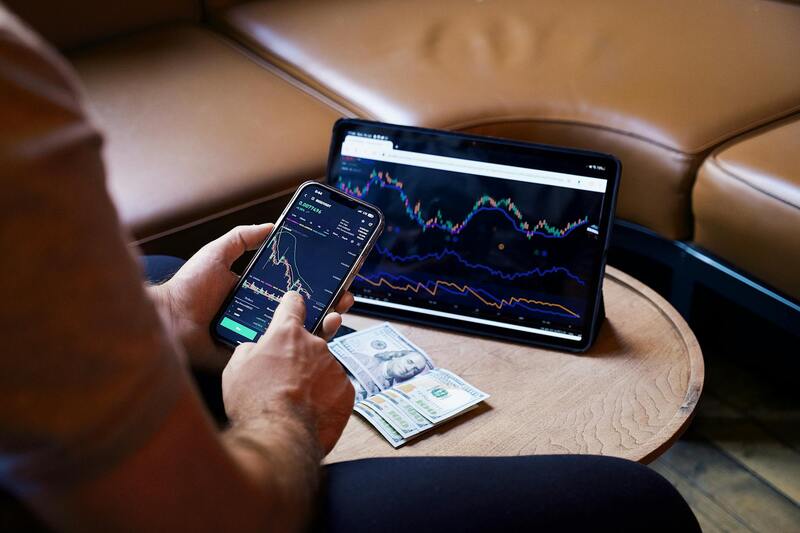
Risk Management Technologies
Maintaining controlled risk exposure is instrumental for sustainable prop trading. Advanced risk management tools integrate seamlessly into trading platforms, continuously monitoring exposure levels, profit and loss metrics, and compliance with internal thresholds. These modules employ real-time data analytics to identify anomalies and potential breaches of risk parameters, triggering automated interventions or alerts for manual review.
Effective risk management systems also incorporate scenario analysis and stress testing capabilities, allowing traders and risk managers to evaluate the impact of adverse market movements on the portfolio. Historical simulations and probabilistic models help in shaping strategies that adapt to changing market volatility, ultimately safeguarding capital and ensuring regulatory adherence.
Ensuring Secure and Reliable Infrastructure
The technological backbone of prop trading firms must be resilient against operational disruptions and external threats. This involves deploying secure servers, redundant data centers, and comprehensive cybersecurity frameworks. Firms prioritize encryption, multi-factor authentication, and regular vulnerability assessments to uphold the integrity of their trading operations.

Operational continuity and data security are central to maintaining trader confidence and regulatory compliance. As technological innovations continue to shape the prop trading landscape, ongoing investment in secure, scalable, and adaptable systems remains paramount for future success.
Trading Platforms and Software
Proprietary trading firms heavily rely on advanced trading platforms that serve as the primary interface between traders and global financial markets. These platforms must offer stability, speed, and customizable features to accommodate different trading styles and asset classes. Many firms develop proprietary software tailored specifically to their strategies, while others utilize well-established third-party platforms that are integrated with their risk management and back-office systems.
Popular trading software solutions include MetaTrader 4 and 5, NinjaTrader, and TradingView, each offering a suite of tools suited for forex, futures, and equities trading. Custom algorithms can often be embedded within these interfaces, providing traders with real-time signals and automated order execution capabilities. Additionally, institutional-grade platforms incorporate direct market access (DMA), order routing, and sophisticated charting tools to enhance trading precision and efficiency.
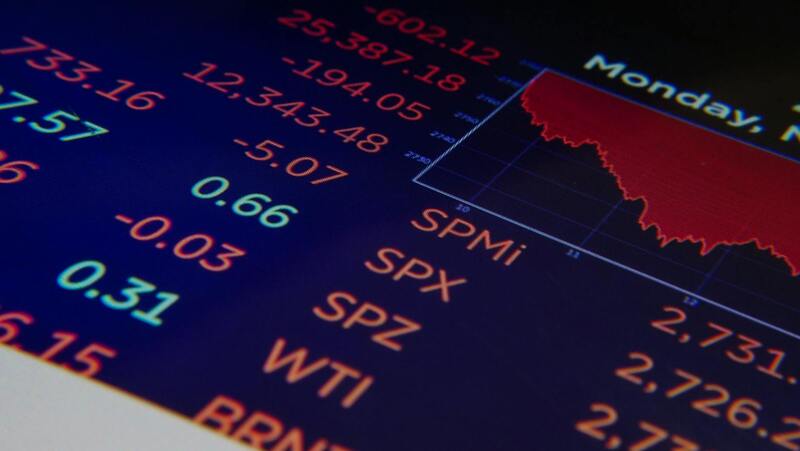
In the realm of prop trading, the robustness of the platform’s infrastructure is crucial. High-frequency trading (HFT) and algorithmic strategies depend on ultra-low latency environments, making the selection of infrastructure components such as dedicated servers or cloud solutions vital. Many firms invest in colocated data centers close to major exchanges to reduce transmission delays, ensuring that traders operate with the fastest possible execution times.
Security features within trading platforms include encryption protocols to safeguard order data, secure login procedures, and multi-factor authentication. These measures prevent unauthorized access and ensure that proprietary strategies and sensitive financial information remain protected at all times.
Operational transparency is supported through audit trails, real-time monitoring dashboards, and compliance tracking tools embedded within the trading software. These elements assist firms in maintaining regulatory standards while providing traders with clear visibility into their activities and risk exposures.
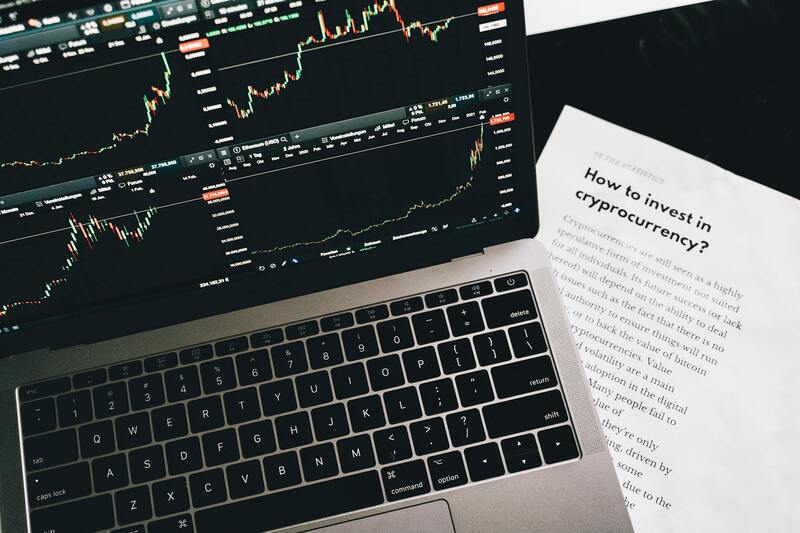
Data Analytics and Market Insights
Effective prop firms harness data analytics to sharpen decision-making. Real-time market data feeds serve as the backbone for developing and testing trading hypotheses, allowing traders to stay ahead of market movements. Advanced algorithms analyze vast datasets, identifying patterns, anomalies, and emerging trends that may influence asset prices.
Quantitative models and machine learning techniques are increasingly integrated to create predictive insights. These tools process historical data, current market conditions, and macroeconomic indicators to generate actionable signals. Data visualization dashboards enable traders to interpret complex information efficiently, facilitating rapid and informed responses.
Furthermore, back-testing and simulation environments allow firms to evaluate strategies against historical scenarios, refining their approach before live deployment. This rigorous analytical process ensures that trading decisions are grounded in solid data-derived evidence, reducing risk exposure and enhancing profitability.
Trading Platforms and Software
Prop trading firms rely heavily on sophisticated trading platforms to execute trades efficiently and accurately. These platforms serve as the foundation for traders' activities, providing real-time access to market data, order execution, and risk management tools. Many prop firms choose proprietary trading software tailored to their specific operational needs, while others utilize well-established third-party platforms known for their reliability and comprehensive features.
Key features common to advanced prop firm trading software include customizable interfaces, algorithmic trading capabilities, advanced charting tools, and seamless integration with data feeds. These platforms often support multiple asset classes, such as equities, forex, commodities, and cryptocurrencies, enabling traders to diversify their strategies within a unified environment.
Additionally, mobile compatibility allows traders to manage positions and analyze data on-the-go, ensuring responsiveness regardless of location. Some prop firms incorporate cloud-based solutions, facilitating scalable, secure, and accessible trading environments that can be updated or expanded without disrupting daily operations.
Integration of Analytical Tools and APIs
To optimize trading workflows, many firms embed analytical tools directly into their platforms, providing insights into market trends, volume analysis, and economic indicators. Application Programming Interfaces (APIs) enable seamless data exchange between the trading software and external systems, including data providers and execution venues. This integration supports algorithmic trading, back-testing, and real-time decision-making processes.
Enhanced automation capabilities embedded within these platforms allow for rapid order execution based on predefined criteria and algorithmic signals. The robustness of the platform’s architecture ensures minimal latency, which is crucial for high-frequency trading strategies often employed in prop trading environments.
Security and Compliance Features
Security is paramount in prop firm technology. Trading platforms are equipped with encryption protocols, multi-factor authentication, and secure data storage to protect sensitive information. Compliance management tools monitor trading activities to ensure adherence to regulatory requirements, providing audit trails and reporting functions that streamline oversight processes.
Conclusion
Adoption of advanced trading software and platform integrations significantly enhances operational efficiency and strategic execution within prop trading firms. Continuous innovation and integration of analytical, automation, and security features are key drivers in maintaining competitive advantages in dynamic markets.
Trading Platforms and Software
At the core of prop firm technology are advanced trading platforms that facilitate rapid and efficient execution of trades, comprehensive market analysis, and risk management. These platforms are designed to support a wide range of trading strategies, from manual trading to fully automated systems, ensuring traders can operate with precision and speed in fast-moving markets.
Leading prop trading firms utilize platforms that offer customizability, robustness, and integration capabilities. Such platforms often come with multi-asset support, detailed charting tools, real-time order tracking, and sophisticated order types. Compatibility with various operating systems ensures traders can access their preferred tools regardless of their device setup.

Essential software solutions also include proprietary or licensed trading terminals that connect directly to financial exchanges and liquidity providers. These connections enable traders to execute large volumes with minimal slippage, while advanced order routing algorithms optimize trade performance.
Integration features are critical in prop trading setups. Platforms often offer APIs and SDKs that allow seamless communication with third-party applications such as data feeds, algorithmic trading scripts, and risk management modules. This interconnectedness enhances operational flexibility and empowers traders to implement complex strategies effectively.
Data Analytics and Market Insights
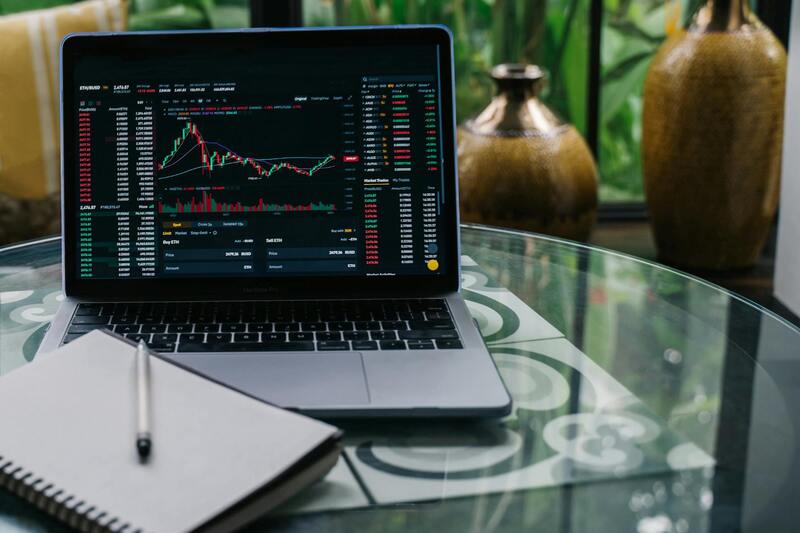
An integral aspect of prop firm technology involves sophisticated data analytics tools. These tools analyze historical market data, identify patterns, and generate actionable insights to inform trading decisions. Access to high-quality, real-time data feeds ensures traders can monitor market conditions closely, stay ahead of trends, and adapt swiftly to market changes.
- Real-time market data streams from multiple sources, including exchanges and news providers.
- Technical analysis tools such as indicators, oscillators, and trend charts.
- Fundamental data analysis, including economic indicators and corporate financials.
- Sentiment analysis platforms that gauge market mood based on news and social media.
Automation and Algorithmic Trading
Automation plays a pivotal role in prop trading technology. Algorithmic trading systems execute pre-defined strategies with minimal latency, often outperforming manual trading by eliminating emotional bias and executing trades based on quantitative signals. These systems rely heavily on APIs and scripting environments that allow traders to develop, back-test, and deploy algorithms efficiently.
To achieve high-performance automation, prop firms leverage specialized infrastructure, such as colocated servers close to exchange data centers, which significantly reduce latency. This setup supports high-frequency trading strategies that require ultra-fast execution times.
Risk controls are embedded within automated systems to prevent excessive exposure and to manage drawdowns. These include stop-loss orders, position limits, and real-time monitoring that alerts traders of significant deviations from expected performance metrics. Continuous optimization of algorithms ensures they adapt to evolving market conditions, maintaining competitive edge.
Improvements in artificial intelligence and machine learning are also shaping the future of algorithmic trading in prop firms. These technologies enable systems to learn from new data and refine strategies without human intervention, further reducing response times and enhancing profitability potential.
Data Analytics and Market Insights
Modern prop trading firms rely heavily on advanced data analytics to gain a competitive edge in rapidly shifting markets. Sophisticated analytical tools process vast amounts of real-time and historical market data, enabling traders to identify patterns, correlations, and anomalies that inform strategic decisions. The integration of big data technologies allows firms to handle large-scale datasets efficiently, fostering a deep understanding of market dynamics at micro and macro levels.
These analytics platforms often incorporate machine learning algorithms that continuously adapt to new information, enhancing predictive accuracy. By analyzing order flow, volatility, and liquidity metrics, prop firms can refine entry and exit points, manage risk more effectively, and optimize trade execution. Visual dashboards provide comprehensive insights, consolidating multiple data sources into intuitive displays for rapid interpretation.

Moreover, real-time news feeds and sentiment analysis systems supplement quantitative data, offering traders immediate awareness of geopolitical events, economic reports, and social media trends that could influence market movements. This multi-layered approach to data analysis enables prop firms to maintain agility and responsiveness in unpredictable environments.
Automation and Algorithmic Trading
Automation plays a pivotal role in prop trading technology. Algorithmic trading systems execute pre-defined strategies with minimal latency, often outperforming manual trading by eliminating emotional bias and executing trades based on quantitative signals. These systems rely heavily on APIs and scripting environments that allow traders to develop, back-test, and deploy algorithms efficiently.
To achieve high-performance automation, prop firms leverage specialized infrastructure, such as colocated servers close to exchange data centers, which significantly reduce latency. This setup supports high-frequency trading strategies that require ultra-fast execution times.
Risk controls are embedded within automated systems to prevent excessive exposure and to manage drawdowns. These include stop-loss orders, position limits, and real-time monitoring that alerts traders of significant deviations from expected performance metrics. Continuous optimization of algorithms ensures they adapt to evolving market conditions, maintaining competitive edge.
Improvements in artificial intelligence and machine learning are also shaping the future of algorithmic trading in prop firms. These technologies enable systems to learn from new data and refine strategies without human intervention, further reducing response times and enhancing profitability potential.
Cybersecurity in Prop Trading Firms
In the high-stakes environment of proprietary trading, a robust cybersecurity framework is essential. Protecting sensitive proprietary data, client information, and trading infrastructure against cyber threats ensures operational continuity and maintains client trust. Tech solutions often include multi-layered firewalls, intrusion detection systems, and encrypted data channels.
Regular security audits and staff training programs are crucial components of a comprehensive cybersecurity strategy. These measures help identify vulnerabilities and educate personnel on best practices to prevent breaches, such as phishing attacks or insider threats. Additionally, implementing strict access controls ensures that only authorized personnel can access critical systems and sensitive information.
Future Trends in Prop Firm Tech
Prop trading technology continues to evolve rapidly, with emerging trends focused on artificial intelligence, blockchain integration, and enhanced data processing capabilities. The adoption of AI-driven predictive models and decision-support systems is expected to increase, providing traders with deeper insights and more accurate forecasts.
Blockchain technology could revolutionize trade settlement processes, offering greater transparency and reducing counterparty risk. Moreover, advancements in cloud computing will enable scalable, flexible infrastructure that supports complex algorithms and large data sets without significant capital expenditure.
Selecting Prop Firm Technology Vendors
Choosing the right technology vendors involves assessing their expertise, track record, and the scalability of their solutions. Firms should prioritize vendors with proven experience in financial markets and a comprehensive understanding of trading infrastructure. Customization capabilities, ongoing support, and compliance adherence are critical factors to consider when evaluating potential partners.
Prop Firm Technology: A Deep Dive into Cutting-Edge Solutions
Trading Platforms and Software
At the core of prop trading operations are advanced trading platforms that enable traders to execute strategies efficiently and precisely. These platforms integrate real-time market data, order execution tools, and customizable interfaces to adapt to diverse trading styles. Many prop firms employ proprietary software tailored to their specific needs, often built on robust programming frameworks to ensure stability and speed. Additionally, third-party solutions such as MetaTrader, NinjaTrader, or TradingView are popular for their versatility and extensive community support.

Enhancements in trading software include features like multi-asset class support, automated order routing, and integration with external data sources. These capabilities provide traders with comprehensive control over their strategies and enhance decision-making efficiency. Cloud-based deployment of trading platforms offers scalability and Disaster Recovery (DR) benefits, ensuring minimal downtime and continuous operation even during system failures.
Data Analytics and Market Insights
Accurate and timely data analysis is vital for prop traders aiming to identify profitable opportunities and manage risks effectively. Prop firms leverage sophisticated analytics tools that process vast volumes of market data, news feeds, and economic indicators. Machine learning algorithms extract patterns and predict market movements with increasing precision, offering traders a competitive advantage.
These analytics often include real-time dashboards, customizable alerts, and historical data analysis to support strategic decisions. The integration of social sentiment analysis and alternative data sources is also becoming prevalent, providing additional layers of market insight that were previously unavailable.
Automation and Algorithmic Trading
Automation plays a pivotal role in prop firm technology, with algorithmic trading systems executing trades based on predefined parameters. These systems eliminate human emotion from trading, executing strategies at optimal speeds and scales. Programmers develop complex algorithms utilizing Python, C++, or proprietary scripting languages to automate arbitrage, trend following, or market-making activities.
Backtesting environments allow traders to simulate strategies with historical data, refining algorithms before deploying them live. Real-time monitoring systems ensure continuous oversight, with automated systems capable of pausing or adjusting strategies in response to market anomalies or technical issues.
Risk Management Technologies
Effective risk management is fundamental to sustaining profitability in prop trading. Contemporary risk management solutions incorporate real-time portfolio tracking, value-at-risk calculations, and scenario analysis tools. These technologies enable traders and risk officers to set precise stop-loss levels, position limits, and leverage controls.
Many prop firms use integrated risk management modules within their trading platforms, providing a unified view of all risk exposures. Advanced features include automated risk mitigation protocols that activate when predefined thresholds are breached, reducing exposure to large unexpected losses.
Cybersecurity in Prop Trading Firms
Protecting sensitive data and trading infrastructure from cyber threats is critical in the high-stakes environment of proprietary trading. Prop firms employ multi-layered cybersecurity strategies, including encryption protocols, multi-factor authentication, and intrusion detection systems. Regular vulnerability assessments and penetration testing help identify and mitigate potential security gaps.
Employee training continues to be a cornerstone of cybersecurity strategies, emphasizing the importance of recognizing phishing tactics and safeguarding login credentials. Access controls are strictly enforced, ensuring that only authorized personnel can reach critical systems and proprietary data. Incident response plans are also maintained to address potential breaches swiftly and effectively, minimizing operational disruptions.
Risk Management Technologies in Prop Firm Operations
In prop trading environments, sophisticated risk management technologies are indispensable for safeguarding capital and maintaining trading discipline. These systems integrate seamlessly with trading platforms to offer real-time monitoring of all positions and exposures. They utilize a variety of tools such as scenario analysis, value-at-risk (VaR) calculations, and stress testing to forecast potential losses under different market conditions. This comprehensive approach enables traders and risk managers to identify vulnerabilities proactively, adjusting strategies before capital is at undue risk.
Modern prop firms leverage automated risk mitigation protocols that trigger when predefined thresholds are exceeded. For example, if a trader’s position surpasses a certain loss limit, the system can automatically liquidate or hedge the position to prevent further losses. These automated safeguards ensure immediate response to market volatility, reducing emotional decision-making and minimizing human error.

In addition, integrated risk management modules provide a consolidated dashboard that displays exposures across various trading desks and asset classes. This centralized view simplifies oversight for risk officers and ensures compliance with internal policies and external regulations. The ability to implement real-time alerts and notifications is also crucial, allowing traders to be promptly informed of significant market movements or violations of trading limits.
Cybersecurity Measures in Proprietary Trading
Cybersecurity stands as a pillar for protecting prop firm's trading infrastructure and sensitive data. Cryptocurrency wallets, trading algorithms, client information, and financial reports are prime targets for cyber threats. Prop firms deploy multi-layered security protocols that include encryption, multi-factor authentication, and intrusion detection systems to safeguard their digital assets.
Regular vulnerability assessments and penetration testing form part of a proactive cybersecurity strategy, helping to identify weak points within the system infrastructure. Employee training programs are routinely updated to emphasize the importance of recognizing phishing attempts, secure login practices, and data handling procedures, ensuring a security-conscious trading environment.
Forecasting Future Developments in Prop Firm Technology
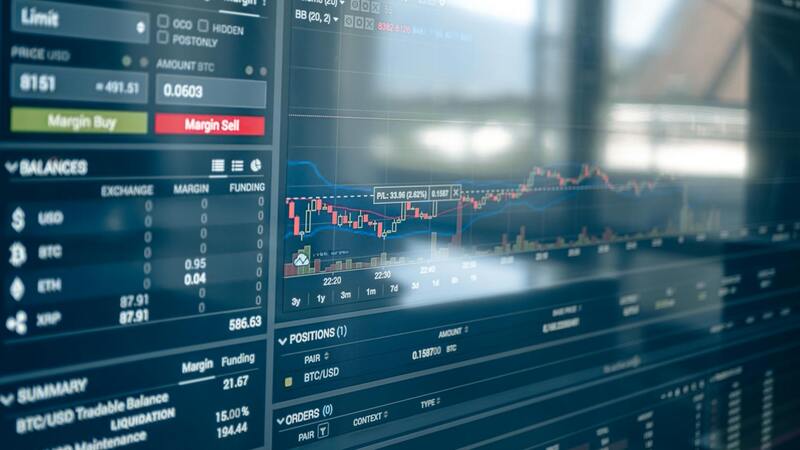
The future landscape of prop firm technology is poised to embrace advanced innovations, with artificial intelligence (AI) and machine learning leading the charge. These technologies will enhance data analysis capabilities, enabling real-time pattern recognition and predictive modeling that surpass human analytical limits. Automation of trading decisions through algorithmic strategies will become even more sophisticated, allowing traders to capitalize on fleeting market opportunities with minimal latency.
Blockchain and distributed ledger technology are also expected to play an increasing role in securing transaction records and enhancing transparency in trade executions. As cloud computing resources become more robust and secure, prop firms will gain greater flexibility to scale operations dynamically, supporting a diverse array of trading strategies. Such technological advancements will empower prop firms to refine their risk management frameworks, optimize operational efficiency, and develop new revenue streams.
