
Build Your Prop Firm: An Essential Guide to Establishing a Successful Proprietary Trading Business
Understanding Prop Trading and Prop Firms
Proprietary trading, often called prop trading, involves financial firms leveraging their own capital to conduct trading activities across various markets, including stocks, commodities, forex, and derivatives. These firms are unique in that they do not primarily generate revenue through client commissions or fees; instead, they aim to profit directly from their trading positions. Prop firms serve a critical role in financial markets by providing liquidity, enabling in-depth market analysis, and supporting innovative trading strategies.
Establishing a prop firm offers numerous advantages. It provides traders with access to substantial capital, technological infrastructure, and a collaborative trading environment. For entrepreneurs and experienced traders alike, building a proprietary trading firm can serve as a pathway to financial growth and industry influence. The core benefit lies in controlling trading strategies without relying on third-party clients, allowing the firm to develop proprietary approaches and cultivate talented traders under one unified operational umbrella.

Laying the Foundation for Your Prop Firm
Successful prop firms are built on a solid foundational framework. This entails a clear business plan outlining the firm's vision, target markets, and operational goals. First, identify the trading strategies and asset classes you intend to focus on, as this influences your technology requirements and staffing needs. A comprehensive understanding of the trading landscape helps in shaping a competitive edge.
Developing a corporate structure is essential, including registering the business, establishing proper governance, and ensuring compliance with pertinent regulations. Setting up this legal establishment early on clarifies ownership, responsibilities, and financial flows, laying the groundwork for future growth.

Securing Capital and Funding Your Prop Firm
Funding remains a central pillar in establishing and scaling a prop trading enterprise. The initial capital can come from personal savings, angel investors, or venture capital sources interested in financial technology and trading innovation. Some aspiring entrepreneurs consider partnerships with experienced traders who contribute their expertise in exchange for equity or profit-sharing arrangements.
It is crucial to develop transparent financial plans and projections to attract investors or secure loans when needed. A well-documented business plan that highlights risk mitigation strategies, projected profitability, and growth pathways enhances credibility with potential funders.

Setting Up Infrastructure and Tools
Operational infrastructure forms the backbone of a proficient prop trading firm. This includes investing in advanced trading platforms, market data feeds, and high-speed internet connections to ensure seamless trading execution. Modern prop firms rely heavily on cutting-edge software for order routing, risk management, and performance analytics.
Additionally, establishing a secure and scalable IT environment is vital. This encompasses server protections, data encryption, and disaster recovery plans, all of which safeguard sensitive trading information and ensure operational continuity.

Recruiting and Training Traders
The quality of the trading team directly impacts the success of your prop firm. It is essential to attract traders with proven track records, robust trading discipline, and a strategic mindset. Recruiting typically involves a process of evaluation, including trading performance simulations and interviews to assess adaptability and risk awareness.
Once onboard, traders should undergo comprehensive training to align with the firm’s trading philosophy, risk policies, and technological platforms. Continuous education and performance reviews foster an environment of improvement and strategic cohesion within the trading team.

Implementing Risk Management Strategies
Risk management is at the core of sustainable prop trading. Establishing clear policies on position sizes, stop-loss levels, and leverage ratios mitigates potential losses and preserves capital. Automated risk controls integrated within trading software help enforce these policies in real-time.
Furthermore, diversifying trading strategies and asset classes can reduce overall exposure. Regular risk assessments and stress testing ensure resilience against market volatility, fostering long-term profitability and operational stability.

Scaling and Growing Your Prop Firm
Growth involves expanding your trading team, diversifying strategies, and increasing capital allocations. Scaling effectively requires maintaining rigorous risk controls, optimizing operational efficiencies, and leveraging technology to analyze trading performance.
Building strategic partnerships, exploring new markets, and reinvesting profits are vital steps in establishing a resilient, scalable prop trading enterprise capable of long-term expansion.

Legal, Compliance, and Operational Considerations
Establishing a prop firm involves navigating regulatory requirements, which vary by jurisdiction. Setting up robust compliance procedures, including record-keeping, reporting, and governance standards, ensures smooth operational flow and aligns with industry best practices. Operationally, implementing comprehensive policies and training regimes helps uphold integrity and efficiency across all activities.
Securing legal counsel to review contractual agreements, trading policies, and data protection measures is essential to prevent operational disruptions and safeguard your firm’s reputation as it grows.
Understanding Prop Trading and Prop Firms
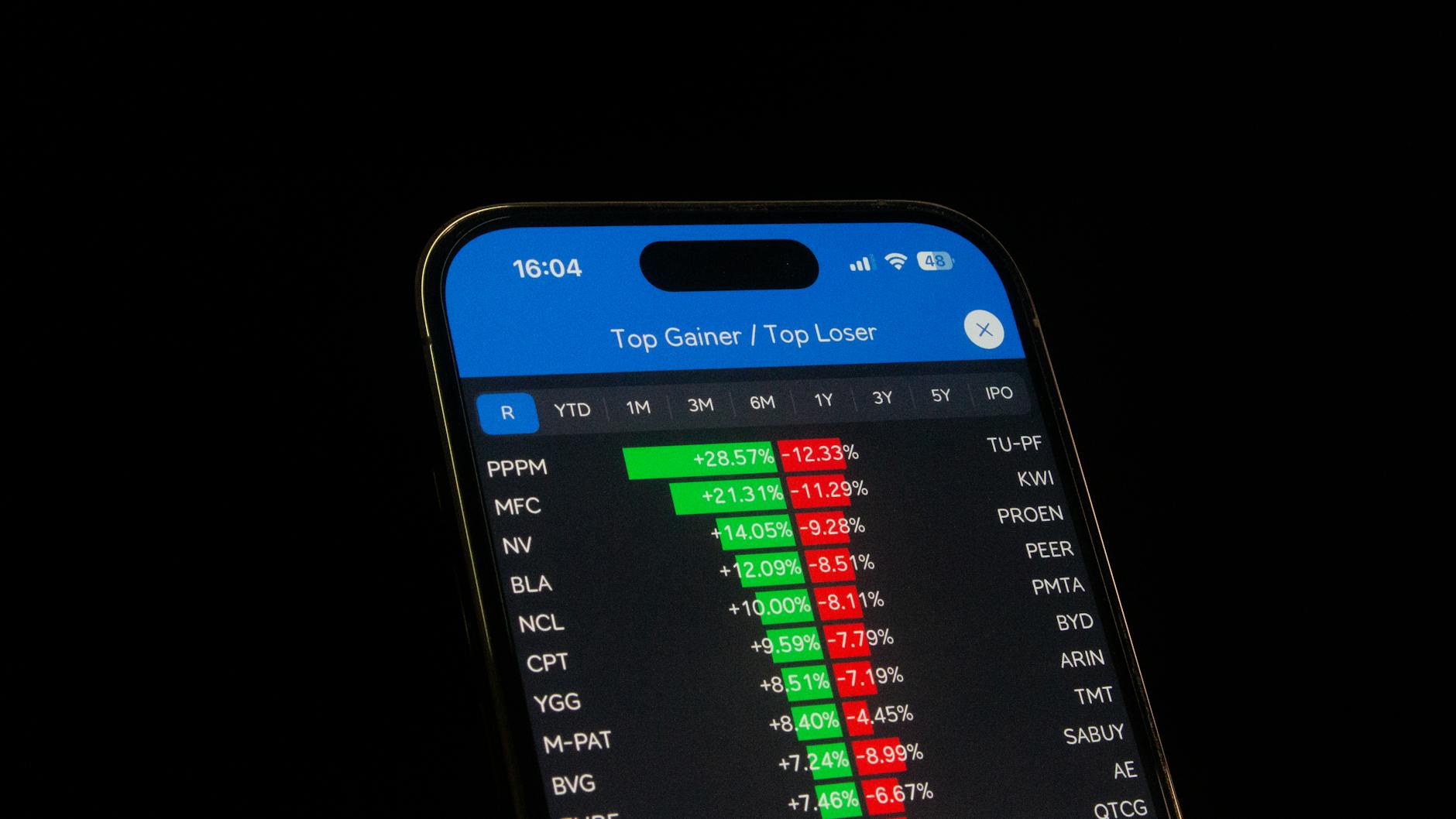
Proprietary trading, commonly known as prop trading, involves firms using their own capital to trade various financial instruments, aiming to generate profits independently of client assets or commissions. Prop firms serve as a bridge between experienced traders looking to maximize their performance and institutional capital seeking reliable, high-yield opportunities in diverse markets.
Core Elements of Prop Trading
- Capital Allocation: Securing an initial trading fund is essential, often sourced from personal savings, angel investors, or institutional partners.
- Trading Strategies: Developing well-defined strategies tailored to specific markets, asset classes, and risk profiles forms the core of prop trading success.
- Trading Infrastructure: Advanced technology platforms, data feeds, and trading software provide the necessary tools to execute and monitor trades effectively.
- Risk Management: Implementing systematic controls helps mitigate losses and protect the firm's capital during volatile market conditions.
The Role of a Prop Firm
Prop firms not only facilitate traders' access to significant trading capital but also offer educational resources, mentorship programs, and operational support. They function as ecosystems where skilled traders can hone their craft, test new strategies, and scale their performance within a structured environment.
Offshore and Onshore Opportunities
Depending on jurisdictional considerations, aspiring prop firms can establish operations domestically or offshore. Each option presents unique advantages related to regulatory frameworks, tax considerations, and market access.
Building a Supportive Ecosystem
Assembling a competent team—including analysts, risk managers, and compliance officers—enhances the firm's capacity to navigate complex markets while maintaining operational integrity. Continuous education and technological upgrades also play critical roles in sustaining growth and competitiveness.
Securing Capital and Funding Your Prop Firm
Establishing a solid financial foundation is critical for the successful launch and sustainability of your proprietary trading enterprise. There are several legitimate avenues to secure the necessary capital, each suited to different levels of experience, network access, and strategic goals.
Personal Funds: One of the most straightforward sources of initial capital involves using personal savings or assets. This approach allows for complete control over your operations without the need to satisfy external investors' expectations. However, it requires careful financial planning and risk assessment to ensure that personal resources are not excessively exposed to potential losses.
Investor Funding: Raising capital through private investors or venture capital can provide substantial financial backing. Building credibility through a well-crafted business plan, demonstrating trading experience, and showcasing a clear risk management strategy are essential steps in attracting investment. Formal agreements and transparent communication foster trust and set clear expectations regarding profit-sharing, operational oversight, and exit strategies.

Funding Platforms and Programs: Numerous industry-specific funding platforms offer programs tailored for aspiring prop traders and firms. These programs often provide access to trading capital in exchange for a share of profits or performance-based fees. Participating in such programs can be an effective way to grow your firm's resources without upfront capital obligations. It's essential to evaluate the credibility and track record of these platforms to ensure alignment with your strategic goals.
When pursuing capital, maintaining transparency and adhering to a disciplined approach in negotiations and contractual agreements is vital. Properly structured funding arrangements support sustainable growth and enable the deployment of capital efficiently across asset classes and trading strategies.
Developing a Robust Infrastructure and Selecting Trading Tools
Effective infrastructure forms the backbone of a well-run prop trading operation. Securing reliable trading technology, high-speed data feeds, and robust execution platforms ensures you can capitalize on market opportunities efficiently and accurately. Consider integrating advanced trading software capable of automating strategies, performing backtesting, and providing real-time analytics to gain a competitive advantage while maintaining risk controls.
Building a resilient technological environment involves selecting scalable tools that can adapt as your firm expands. Regular upgrades and maintenance are necessary to keep pace with evolving market conditions and to address emerging cyber-security threats. Collaboration with technology vendors that offer dedicated support can streamline implementation and troubleshooting processes.

Recruitment and Training of Talent
Assembling a talented team of traders, analysts, and operational staff is a strategic step toward building a sustainable prop firm. Recruitment should focus on individuals with proven trading records, a strong understanding of risk management, and alignment with your firm's trading philosophy. Complementing trading skills with training programs ensures team members stay current with market developments and technological advancements.
Implementing ongoing education and development initiatives enhances the team's ability to adapt to changing market dynamics and refine strategies. Cultivating a collaborative environment where traders can share insights and strategies fosters innovation and collective growth.
Establishing and Enforcing Risk Management Protocols
Risk management is fundamental to preserving capital and maintaining operational stability. Implementing systematic controls—such as position size limits, stop-loss orders, and daily loss ceilings—protects the firm from significant drawdowns. Regular review and refinement of risk parameters based on market volatility and performance metrics are essential practices.
Automated risk monitoring tools provide real-time alerts and facilitate swift decision-making. Combining technology with disciplined oversight creates a comprehensive risk management framework that safeguards your trading capital and enhances long-term profitability.
Developing a Robust Operational Framework
Assembling a successful prop trading firm extends beyond initial funding and talent acquisition. Establishing a comprehensive operational framework is vital for sustainable growth and efficient management. This involves designing standardized procedures for trade execution, risk assessment, and compliance monitoring that align with industry best practices. Clear protocols minimize operational errors and foster consistency across trading activities.

Effective communication channels are essential within the organization to ensure that trading signals, risk alerts, and operational updates are shared promptly. Integrating a centralized platform for reporting and oversight allows for real-time monitoring of trading positions and operational metrics, enabling swift responses to potential issues.
Operational Tools and Technology Integration
Choosing reliable trading technology and infrastructure underpins the effectiveness of your prop firm. Robust trading platforms with low latency execution, comprehensive analytics, and custom strategy development capabilities are crucial. Automation tools that facilitate trade entry, exit, and risk management reduce manual errors and enhance precision.
- Market data feeds providing accurate, real-time information
- Trade execution systems capable of handling high-volume transactions
- Risk management software with customizable parameters and alerts
The deployment of these tools should emphasize seamless integration to prevent siloed or conflicting systems. Adequate staff training on these technologies ensures they are used optimally, maximizing trading efficiency and safeguarding firm assets.
Operational Risk Management and Audit Processes
Operational stability depends on diligent risk oversight beyond trading parameters. Regular audits of trading activities, internal controls, and compliance procedures help identify vulnerabilities and reduce operational risks. Establishing a dedicated compliance team or appointing compliance officers ensures adherence to internal standards and external regulations.
Implementing internal review processes, such as periodic risk assessments and performance evaluations, supports continual improvement. These reviews help refine operational workflows, prevent discrepancies, and uphold professional standards.
Scaling Strategies and Infrastructure Expansion
Growth requires strategic scaling of infrastructural capabilities and human resources. This includes upgrading hardware for higher processing power, expanding data feed subscriptions for broader market access, and enhancing cybersecurity measures to protect sensitive information. As your firm expands, consider geographic diversification to access new markets and trading opportunities.
Investing in scalable systems ensures that operational capacity matches trading volume and complexity, facilitating sustainable expansion. Building strong relationships with technology vendors, data providers, and compliance consultants can streamline scaling efforts and keep the firm aligned with evolving industry standards.

Implementing Effective Risk Management Strategies
Building a successful proprietary trading firm requires a robust risk management framework that protects capital and sustains long-term profitability. Establishing clear risk parameters for each trader, such as maximum daily loss limits, position sizing, and stop-loss orders, helps mitigate potential losses and maintains financial stability. These parameters should be consistently monitored and adjusted in response to changing market conditions to ensure they remain effective.
Leveraging advanced risk analytics and real-time monitoring tools allows for proactive oversight of trading activities. Automated alerts can flag deviations from predefined risk thresholds, enabling quick intervention to prevent runaway losses. Additionally, instituting a risk committee responsible for reviewing trading results and risk exposures provides an extra layer of oversight and strategic direction.

Developing a comprehensive risk policy includes:
- Defining risk limits for individual traders and trading desks
- Establishing procedures for risk approval and escalation
- Implementing regular stress testing and scenario analysis
- Maintaining detailed risk logs and audit trails
- Providing ongoing training on risk awareness and best practices
Complementary Measures to Enhance Risk Control
- Utilize portfolio diversification strategies to spread risk across multiple assets and markets
- Maintain sufficient liquidity buffers to weather adverse market movements
- Ensure transparent reporting mechanisms for risk exposures and performance metrics
- Incorporate feedback loops for continuous improvement of risk protocols
By embedding these strategies within operational processes, proprietary trading firms can effectively navigate market volatility, minimize unexpected losses, and cultivate a resilient trading environment capable of supporting growth and sustainability.

Enhancing Operational Efficiency and Monitoring
Maintaining operational efficiency involves integrating risk management into day-to-day trading activities and ensuring that risk controls are seamlessly embedded into trading workflows. Automated compliance checks and real-time dashboards enable traders and risk officers to identify issues proactively, reducing the likelihood of compliance breaches or operational disruptions. Regular training and updates on evolving risk protocols further reinforce a culture of disciplined trading.
Legal, Compliance, and Operational Considerations
Building a reputable prop trading firm requires meticulous attention to legal, compliance, and operational frameworks that facilitate smooth and responsible business conduct. Establishing clear operational protocols ensures that your firm adheres to established standards and maintains trust within the trading community. It also helps in mitigating operational risks that could potentially disrupt trading activities or damage your firm’s reputation.
Operationally, it’s vital to develop comprehensive policies and procedures covering every facet of the trading environment, from trade execution to client engagement and risk management. These policies should be regularly reviewed and updated to reflect regulatory changes and evolving industry best practices. Effective operational flowcharts, detailed process documentation, and standardized protocols help streamline daily operations and prevent lapses that could lead to compliance issues or financial losses.
From a compliance standpoint, implementing robust monitoring systems is crucial. Automated transaction monitoring, trade auditing, and surveillance systems help maintain oversight over trading activities, ensuring adherence to internal policies and external regulations. Consistent internal audits and periodic reviews of trading activities validate compliance efforts and identify areas for improvement.
Legal considerations encompass the selection of appropriate business structures, drafting comprehensive legal agreements, and understanding the regulatory landscape applicable to proprietary trading. Employing legal professionals to develop terms of service, confidentiality agreements, and client contracts safeguards your firm against potential disputes and liabilities. Familiarity with industry standards and regulatory requirements related to capital adequacy, data protection, and reporting ensures that your operations remain compliant.
Furthermore, establishing clear lines of authority and responsibility within your firm promotes accountability. Separate compliance officers and operational managers should be designated to oversee risk mitigation efforts and ensure adherence to legal obligations. This segregation not only enhances oversight but also fosters a culture of integrity and professionalism.

Investing in staff training is equally important. Regular educational sessions on compliance updates, operational procedures, and ethical trading practices build awareness and prevent inadvertent violations. As regulation evolves, continuous learning equips your team to adapt swiftly, maintaining adherence to industry standards and fostering a compliant trading environment.
In summary, the foundation of a sustainable prop trading firm hinges on meticulous legal, operational, and compliance planning. Integrating these considerations into daily operations ensures the firm operates responsibly, mitigates risks effectively, and sustains long-term growth within the dynamic landscape of proprietary trading.
Build Your Prop Firm: Expansion Strategies
After establishing a solid operational foundation and securing initial capital, the next critical phase involves scaling your proprietary trading firm to maximize growth and profitability. A thoughtful, strategic approach to expansion ensures sustainable development while maintaining risk controls and operational integrity.
Diversification of Trading Strategies
One effective means to bolster your firm's performance is the diversification of trading strategies. Relying solely on a single market or trading approach exposes your firm to higher risk and limits opportunities for growth. Expanding into various asset classes, including equities, commodities, forex, and cryptocurrencies, allows for a more balanced portfolio of trading activities.
Implementing multiple strategies—such as short-term scalping, swing trading, and algorithmic trading—can capitalize on different market conditions. Using quantitative analysis and data-driven models enhances decision-making accuracy, helping traders identify high-probability setups. This approach not only spreads risk but also attracts a broader range of traders and investors.
Increasing Capital and Facilitating Investment
As your trading operations grow, increasing the capital allocated to your firm is essential. This can involve reinvesting profits, attracting external investment, or establishing partnerships with institutional investors. Demonstrating a consistent track record of profitability and risk management builds confidence and encourages larger funding injections.
For firms looking to raise external capital, transparent reporting and robust performance analytics are vital. Clear documentation of trading strategies, risk profiles, and historical returns instills trust among potential investors. Moreover, engaging with capital-raising platforms specifically geared toward trading firms can streamline this process while maintaining regulatory adherence.
Expanding Geographical Reach
Global expansion serves as another pillar of growth. Venturing into international markets exposes your firm to different economic cycles and trading opportunities. Ensuring compliance with different jurisdictions' regulations, understanding local market dynamics, and adapting trading strategies accordingly are fundamental to successful international operations.

Investing in Advanced Technology and Infrastructure
Technology remains at the heart of successful prop trading. Upgrading trading platforms, analytical tools, and risk management software enhances efficiency and decision-making capabilities. Implementing machine learning algorithms and artificial intelligence can provide a competitive edge by automating complex analyses and executing rapid trades.
Maintaining robust IT infrastructure with high-speed data feeds and secure servers ensures latency reduction and data security. Cloud-based systems facilitate scalability and facilitate collaboration across remote trading desks or teams.
Developing a Talent Acquisition and Retention Plan
Scaling your firm also involves attracting experienced traders, analysts, and operational staff. An attractive compensation package, along with clear career progression paths, helps retain top talent. Offering continuous training and opportunities for professional growth motivates employees and fosters a performance-oriented culture.
Building a strong team environment where traders can share insights and strategies promotes innovation and collective success. Establishing mentorship programs and leadership development initiatives prepares your firm for sustained growth and leadership in the industry.
Monitoring Performance and Continual Improvement
Implementing comprehensive performance monitoring systems across all levels helps in identifying strengths and areas for improvement. Regular reviews of trading results, risk exposures, and operational efficiency prepare your firm to adapt to evolving market conditions.
Adopting a culture of continuous learning and responsiveness allows your firm to refine strategies, adopt new technologies, and adhere to the highest standards of integrity and performance.
Legal, Compliance, and Operational Considerations
Establishing a reputable prop trading firm demands careful attention to a multitude of operational best practices. This involves designing a robust legal framework, implementing compliance protocols, and maintaining efficient operational processes to ensure sustainable growth and integrity within the trading environment.
Legal Framework and Business Structure
Choosing the appropriate legal structure is paramount for operational clarity and risk management. Many prop firms opt for LLCs or corporations, which provide liability protection and facilitate clear financial management. Establishing clear internal policies regarding ownership, management, and operational procedures enhances accountability and provides a solid foundation for the firm’s operations.
Licensing and Regulatory Compliance
While proprietary trading companies often operate with a certain degree of flexibility, adherence to regional regulatory standards is crucial. This includes registering with relevant authorities, maintaining transparent reporting practices, and ensuring compliance with trading and financial regulations. Regular audits and reviews help in maintaining regulatory adherence and foster trust among investors, traders, and stakeholders.

Risk Management and Operational Security
Effective risk management extends beyond trader oversight to encompass operational security measures. Implementing cybersecurity protocols, secure data handling, and regular system audits protect sensitive information and trading algorithms from potential threats. Access controls and multi-factor authentication reinforce security for critical systems.
Technology Infrastructure and Data Management
Reliable and scalable technology infrastructure forms the backbone of a successful prop trading operation. This includes high-performance trading servers, data feeds, and analytic platforms. Data backup systems and disaster recovery plans ensure operational continuity during unforeseen disruptions. Automating routine operational tasks reduces human error and optimizes efficiency.
Operational Procedures and Documentation
Documenting all operational procedures, including onboarding, trading protocols, compliance checks, and risk assessment processes, creates clarity and consistency. Regular training sessions ensure staff are well-versed in operational protocols, fostering a professional and compliant trading environment.
Staff Training and Development
Continuous education on industry standards, new technologies, and regulatory updates is vital for operational excellence. Developing comprehensive onboarding programs and ongoing training initiatives helps keep staff aligned with industry best practices, reducing operational risks and enhancing overall performance.
Monitoring and Continual Improvement
Maintaining an effective oversight framework allows for ongoing assessment of both operational and compliance performance. Key performance indicators (KPIs) related to security, efficiency, and regulatory adherence guide improvements. Regular internal audits and external reviews support the firm's commitment to operational integrity and excellence.
