
Overview of Prop Trading and Prop Firms
Proprietary trading, commonly known as prop trading, involves financial firms trading stocks, commodities, currencies, or other financial instruments with their own capital rather than client funds. These firms aim to generate profits through their traders’ expertise and market insights, operating in various financial markets worldwide. Proprietary trading firms serve as pivotal players within the broader financial ecosystem, providing liquidity, contributing to market efficiency, and offering lucrative opportunities for skilled traders.
Prop trading firms typically develop a business model centered on recruiting talented traders, offering them access to advanced trading platforms, capital, and risk management tools. In exchange, they often take a portion of the profits generated by their traders. This arrangement incentivizes traders to perform at their highest potential, driving profit generation for the firm while providing traders with the opportunity to leverage substantial capital that they might not have access to independently.
Rather than managing client funds like traditional investment firms or banks, prop firms operate on their own capital, which allows for more flexible trading strategies and reduced regulatory constraints. The core function of these firms is to identify lucrative trading opportunities, execute trades efficiently, and maximize returns, often across multiple markets and asset classes. This symbiotic relationship benefits both the firms, through profit sharing, and individual traders, by offering access to significant trading capital and professional resources.

What Are Daily Payout Prop Firms?
Daily payout prop firms are a specialized category of proprietary trading organizations that distribute earnings to traders on a daily basis, based on the profits they generate. Unlike traditional profit-sharing models that may involve monthly or quarterly settlements, daily payout companies facilitate consistent cash flow for their traders, aligning compensation directly with their daily trading performance.
This payout structure offers traders immediate access to their earnings, providing increased liquidity and flexibility to reinvest or manage their finances. Such models encourage traders to sustain high performance levels, as the immediate reward for successful trades fosters motivation and accountability. For traders, daily payout prop firms serve as an appealing platform to operate with tangible monetary feedback, helping them maintain discipline and focus on their trading strategies.

Overview of Prop Trading and Prop Firms
Proprietary trading firms, commonly known as prop firms, play a pivotal role in financial markets by enabling traders to leverage firm resources while trading various asset classes, including stocks, forex, commodities, and cryptocurrencies. These firms conduct trades using the company’s capital rather than client funds, allowing for potentially higher risk tolerance and innovative trading strategies. Their core mission is to identify promising trading opportunities, execute trades efficiently, and generate profits that are shared between the firm and the traders, fostering a mutually beneficial environment.
Prop firms typically provide traders with advanced trading platforms, premium market data, risk management tools, and sometimes customized training programs to sharpen their skills. The relationship is built on a foundation of trust, skill, and performance; thus, traders are often evaluated through a funding process or challenge account before gaining access to significant trading capital. As the industry evolves, various models have emerged, with daily payout structures gaining popularity for their ability to offer consistent income and incentivize ongoing performance.
What Are Daily Payout Prop Firms?
Daily payout prop firms are a niche within the broader ecosystem of proprietary trading firms that focus on providing traders with an immediate or near-immediate financial reward based on their daily trading performance. This payout model sets them apart from traditional arrangements that often settle earnings on a weekly, bi-weekly, or monthly basis. The operational structure ensures that traders receive their earnings every day, directly reflecting their daily profit or loss, and thus making trading outcomes transparent and timely.
Key features that distinguish daily payout firms include real-time profit calculation, rapid fund transfers, and performance-based compensation. These firms often utilize automated systems to track trader results, calculate earnings, and process payouts swiftly, ensuring traders have ongoing access to their capital and profits. The emphasis on daily settlements encourages disciplined trading habits, as traders can adjust their strategies based on recent results, maintaining heightened motivation and focus.
Understanding the Benefits of Daily Payouts
- Immediate Liquidity: Traders can access their earnings quickly, supporting reinvestment or personal expenses without delay.
- Enhanced Accountability: Daily payouts foster a performance-driven mindset, as traders are aware of the direct impact of their daily activities.
- Consistent Cash Flow: Regular payouts help traders maintain steady income, reducing financial stress and enabling better financial planning.
- Encourages High Performance: Motivates traders to sustain or improve performance to ensure daily rewards, cultivating discipline and resilience.
Selection Criteria for Daily Payout Prop Firms
Choosing a reputable daily payout prop firm involves evaluating several critical factors. A legitimate firm should transparently outline its payout processes, trading conditions, and risk management protocols. Traders must verify that the firm employs secure, reliable technology for calculations and fund transfers. Additionally, the firm's overall reputation within the trading community, supported by reviews and testimonials, provides insight into its operational integrity and performance incentives.
Furthermore, traders should assess the firm's eligibility criteria, trading requirements, and any associated costs, such as platform fees or subscription charges. Accessibility to educational resources, mentorship programs, and customer support further enhances the trader experience. It is essential to understand the specific rules regarding profit sharing, payout thresholds, and the duration of trading challenges or assessments, to align expectations and optimize trading strategies.
Funding Models and Payout Structures
Daily payout models are often implemented through various funding arrangements designed to balance risk and reward. Some firms utilize a profit-sharing scheme where a predetermined percentage of the daily profits is allocated to the trader, with a portion retained by the firm for risk mitigation. Others may offer fixed payout amounts based on trading performance thresholds, coupled with bonus incentives for exceeding targets.
Automation plays a crucial role, with many firms employing sophisticated trading management software capable of real-time profit calculation, risk assessment, and payout processing. In some cases, traders operate under a revenue split or a fixed salary plus performance bonuses, depending on the firm’s compensation policy. The goal is to create a process that is transparent, efficient, and aligned with traders' performance, encouraging sustainable profitability and professional growth.
Structuring Payout Cycles
While the standard is a daily payout, some firms may also implement intra-day bonus schemes or weekly performance summaries that reinforce consistency. The structure of payouts often adapts to the trader’s experience level, trading volume, and asset class specialization. Clear communication of payout timing, calculation method, and minimum profit thresholds are vital for traders to plan and execute their strategies effectively.
Advantages of Daily Payouts in Prop Trading
Choosing a prop trading firm that offers daily payouts provides traders with tangible financial benefits that can significantly enhance their trading experience and operational efficiency. One of the primary advantages is improved cash flow management, which allows traders to access their profits promptly, facilitating better financial planning and investment in trading tools or educational resources. Immediate access to funds helps traders respond quickly to evolving market conditions without unnecessary delays, fostering a more dynamic and responsive trading environment.
From a risk management perspective, daily payouts serve as a form of financial discipline. Their frequency encourages traders to maintain consistent trading patterns and adhere closely to risk management protocols, as prolonged profit accumulation is immediately rewarded. Moreover, daily payouts reduce the accumulation of unrealized profits or losses, enabling traders to assess their performance more transparently and make necessary adjustments on a daily basis.
Another notable benefit is the motivation and reinforcement of disciplined trading behaviors. When traders receive their earnings daily, they can experience regular reinforcement of successful trading strategies, which cultivates confidence and encourages the development of sustainable trading habits. Additionally, this payout structure diminishes the financial stress often associated with waiting periods in traditional trading setups, thereby contributing to a more stable mental approach to trading activities.

Enhancement of Risk Management and Consistency
Daily payout schemes inherently promote improved risk management practices by emphasizing the importance of consistent performance and disciplined trading routines. Traders are incentivized to maintain steady profitability, as irregular or risky trading behaviors could result in inconsistent earnings and potential payout reductions. This structure encourages traders to focus on strategic positioning, proper leverage use, and adherence to predefined trading plans.
Furthermore, daily payouts can facilitate better tracking of trading performance, allowing traders and firms to identify patterns, strengths, and areas for improvement swiftly. This real-time feedback loop enhances the development of trading skills and ensures that traders remain aligned with their financial goals while adapting strategies in response to market fluctuations.
Impact on Trader Confidence and Business Stability
Trade consistency supported by daily payouts often results in increased confidence among traders. Knowing that profits are paid out regularly provides reassurance and reduces financial anxiety, which can positively influence trading decisions and overall performance. For prop firms, this payout model fosters a stable trading ecosystem where productivity and profitability are continually reinforced, strengthening the firm's reputation and operational stability.
Overall, the availability of daily payouts fosters a mutually beneficial environment where traders are motivated, disciplined, and financially supported in their trading pursuits. This approach not only enhances trader well-being but also contributes to the sustainable growth of the proprietary trading operation.
Funding Models and Payout Structures
Prop trading firms adopt various funding models and payout structures to accommodate the needs and preferences of their traders. When it comes to daily payout prop firms, understanding the underpinning financial arrangements is crucial for traders aiming for transparent and consistent income streams.
One common approach involves the use of a pooled funding structure, where traders operate within a collectively managed capital pool. Profits generated from trading activities are then distributed among traders based on their individual contributions, risk management adherence, and overall performance. This model typically supports daily payouts, ensuring traders receive their earnings promptly and can reinvest or allocate funds as needed.
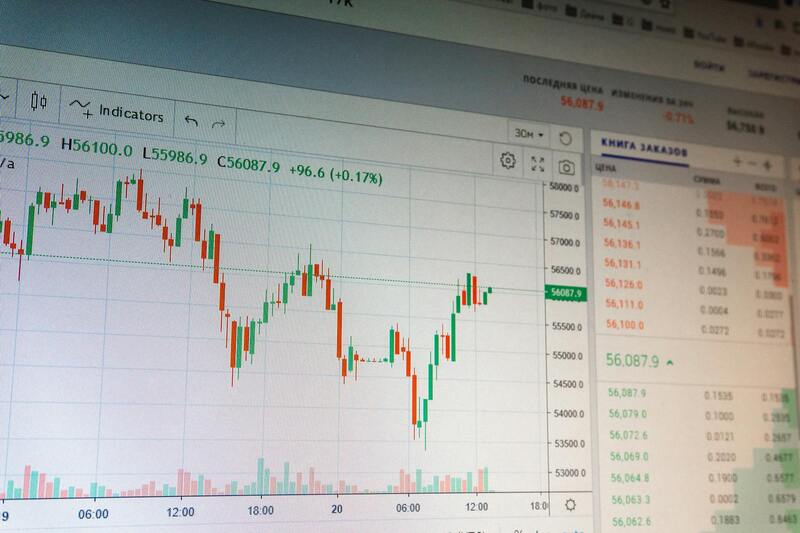
Alternatively, some firms utilize a profit-sharing or revenue-sharing scheme, where a designated percentage of the daily profits is allocated for payouts. This method encourages consistent trading performance, as traders have a direct incentive to maximize efficiency and adhere to trading guidelines. Daily payouts under this model typically involve automatic transfers into traders' linked accounts or wallets, often facilitated through secure banking or financial transfer channels.
Another prevalent structure involves flat-rate daily payments for traders who meet specific performance benchmarks. For example, a certain minimum profit level or trading activity threshold may qualify traders to receive predetermined payouts daily, regardless of fluctuations in overall profit margins. Such arrangements help create predictability and financial stability for traders, fostering confidence in their trading environment.
In terms of payout frequency, while the term 'daily payout' emphasizes the regularity, some firms also incorporate weekly or bi-weekly adjustments to account for cumulative performance or exceptional risk management considerations. Ensuring clarity on how profits are calculated, withdrawals processed, and potential fees deducted is essential for traders to plan their finances effectively. Transparency in payout structures enhances trust and aligns expectations between traders and firms, ultimately fostering a professional and disciplined trading ecosystem.
It is also important to consider whether the firm offers flexible payout options, such as partial withdrawals or reinvestment opportunities, which can significantly impact a trader’s ability to manage liquidity and grow their trading capital sustainably.

Funding Models and Payout Structures
Understanding the financial arrangements within daily payout prop firms is crucial for traders aiming to optimize their trading strategies and manage their accounts effectively. These firms typically utilize diverse funding models that determine how profits are shared and how payouts are scheduled, often reflecting the firm's risk management policies and operational procedures.
Many daily payout prop firms operate on a profit-sharing basis, where traders receive a predetermined percentage of their daily profits. This percentage can vary significantly based on the firm’s policies and the trader’s experience level. For example, some firms might allocate as much as 80% of the trader’s daily earnings, while others may retain a larger portion for reinvestment or operational costs. The distribution of profits is usually processed automatically, providing transparency and immediacy in payouts.
In addition to profit-sharing arrangements, some firms implement a fixed daily payout schedule that guarantees traders a set amount each day, provided they meet specific performance benchmarks. This structure offers stability and predictability, allowing traders to plan their finances with confidence. Firms may also incorporate tiered payout models, where the percentage share or fixed payment increases as traders demonstrate consistent profitability or meet certain milestones, incentivizing ongoing performance improvements.

Fee arrangements are another vital aspect of payout structures. Many firms deduct management or platform fees directly from profits or incorporate them into the payout calculation to ensure smooth operations. Understanding the fee structure helps traders evaluate net earnings accurately and make informed decisions about maintaining or adjusting their trading activities.
Impact of Payout Timing and Flexibility
While the focus is on daily pay, some firms offer flexibility in payout timing, such as options for weekly or bi-weekly withdrawals, especially for traders with larger account sizes or specific financial needs. Flexible schedules can contribute to traders’ liquidity management and allow for strategic reinvestment of profits.
Another consideration involves how firms handle performance fluctuations. Daily payout models often incorporate performance buffers or minimum profit thresholds, ensuring payouts are consistent and not overly affected by market volatility or isolated losing days. Such mechanisms help traders sustain their operations and reduce financial uncertainty.
Transparency in these models is fundamental. Clear communication about payout schedules, profit sharing percentages, fee deductions, and performance thresholds helps foster trust and develop a professional trading environment. Traders should scrutinize the detailed terms provided by each firm to identify potential limitations or costs associated with these funding and payout structures.

Legal and Regulatory Aspects
Engaging with daily payout prop firms requires careful attention to the framework under which these firms operate. While many reputable firms adhere to established industry standards, understanding their compliance measures and operational transparency is essential for traders seeking consistent and reliable income streams. Regulatory oversight can vary by jurisdiction, but firms often implement procedures to ensure adherence to financial protocols, such as client fund segregation, transparent reporting, and adherence to anti-fraud measures.
It is important to evaluate the official licensing and registration details provided by a prop firm. These credentials can indicate adherence to legal standards and operational integrity. Traders should review the firm’s disclosures about their licensing body, regulatory filings, and compliance history. Such due diligence helps mitigate risks related to operational disruptions or unfair practices.
Moreover, reputable firms typically maintain clear communication channels regarding their policies on dispute resolution, data protection, and confidentiality. Confirming these policies aligns with best practices helps establish a secure trading environment. Openness about their compliance standards reassures traders about the legitimacy and stability of the partnership, ensuring that their earnings and personal information are protected under a regulated framework.

In addition, understanding the contractual obligations and terms of service outlined by the prop firm is critical. This includes details on payout procedures, fee structures, account management, and dispute handling. Transparent, comprehensive agreements serve as a safeguard for traders, delineating their rights and obligations clearly. Firms that provide detailed documentation and proactive communication reflect a commitment to professionalism and consistent operational standards.
As the industry evolves, many companies seek accreditation and certification from industry watchdogs or trade associations, which can further validate their adherence to best practices. Traders should prioritize partnerships with firms demonstrating clear regulatory compliance, detailed operational transparency, and proactive customer support. This approach fosters a trustworthy trading environment, enabling traders to focus on their strategies while ensuring that their daily earnings are managed within a structured, reputable framework.
Funding Models and Payout Structures
Understanding the funding mechanisms and payout arrangements of daily payout prop firms is critical for traders aiming to optimize their earning potential and manage their financial flow effectively. Unlike traditional models where profits are accrued over a fixed period before being paid out, daily payout firms facilitate a more immediate transfer of earnings, often on a daily basis. This setup provides traders with quicker access to their capital, which can be reinvested or withdrawn according to their strategic preferences.

Most firms operate on a straightforward payout structure that credits traders’ accounts daily, often at a predetermined time each trading session ends. Some firms implement automated withdrawal systems that allow traders to transfer funds seamlessly into their personal bank accounts or trading wallets. The specifics vary among firms, but the key elements typically include:
- Fixed Percentage Payout: A set share of the daily profit, often ranging from 70% to 90%, is automatically credited to the trader’s account each day.
- Profit Limits and Drawdowns: Certain firms impose daily profit targets or maximum drawdown thresholds, influencing the payout frequency and amounts.
- Fee Structures: Some firms incorporate performance fees or commissions deducted from daily payouts, which are transparently itemized.
- Withdrawal Procedures: Clear guidelines exist on how and when traders can request withdrawals, with many firms supporting instant or scheduled payout options.
These arrangements emphasize efficiency and trader autonomy, as consistent daily payouts align well with traders’ cash flow needs and risk management strategies. It’s vital for traders to review payout policies carefully, considering the timing, fee deductions, and withdrawal limits to ensure alignment with their financial planning.

By choosing a firm with transparent payout schedules and user-friendly withdrawal processes, traders gain the flexibility to manage their finances effectively, reinvest quickly, or take profits without unnecessary delays. This operational transparency fosters a more dynamic and responsive trading environment, where earnings are not only generated efficiently but also accessible in a timely manner, empowering traders to capitalize on market opportunities as they arise.
Understanding the Funding and Revenue Sharing Models of Daily Payout Prop Firms
One of the critical aspects that traders must comprehend when engaging with daily payout prop firms is the structure of their funding and revenue sharing mechanisms. These models not only influence the consistency of payouts but also determine the trader’s overall profitability and risk exposure.
Profit-Sharing Agreements and Payout Mechanics
Most reputable daily payout prop firms operate on profit-sharing agreements, where the earnings generated from trading are split between the trader and the firm based on predetermined terms. These agreements typically specify the percentage of daily profits that the trader can expect to receive. Commonly, traders might see payout rates ranging from 70% to 90%, depending on the firm’s policies and the trader’s performance level.

In addition to profit-sharing, some firms implement a commission-based structure, where a fixed fee or percentage is deducted per trade or per day’s trading activity. Transparency around these fees is vital, as they directly impact the net payout and the trader's real earning potential. Firms often provide detailed breakdowns of how the profit split and fees are calculated, enabling traders to plan their trading strategies effectively.
Caps on Daily Payouts and Profit Limits
To manage risk, daily payout prop firms often establish specific profit targets and maximum drawdown limits. These caps serve as performance safeguards, ensuring the firm’s stability and the trader’s discipline. When traders hit predefined profit figures for the day, their payouts are typically processed immediately, unless they choose to reinvest or allocate funds differently. Conversely, if a trader encounters a loss surpassing the permitted threshold, trading might be halted or subject to review, reflecting the firm’s risk management protocols.
Scheduled vs. Instant Payout Arrangements
The payout schedule is another aspect that varies among firms. Some offer scheduled payouts, such as end-of-day or weekly transfers, which provide a predictable cash flow. Others facilitate instant payouts, allowing traders to access their earnings immediately after profit realization. Instant payouts are especially advantageous in managing personal cash flow, reinvesting profits, or covering unforeseen expenses, contributing to a more dynamic trading experience.
Operational Transparency and Accountability
Transparency is paramount in understanding how funds are allocated and how profits are calculated. Firms that publish clear policies and regular statements foster trust and enable traders to verify their earnings accurately. These firms often utilize sophisticated trading platforms that track and display real-time profit and loss metrics, allowing traders to monitor their accounts throughout the trading day. Consistent documentation and open communication channels enhance accountability, ensuring traders are well-informed about their financial status at all times.
Technological Infrastructure Supporting Payment Accuracy
Reliable payment processing technology is fundamental to maintaining an efficient payout system. Leading firms integrate secure banking APIs and automated payout algorithms that ensure timely transfers, minimize errors, and support multiple payout methods tailored to traders’ preferences. Robust technological support reduces administrative bottlenecks and allows traders to focus on trading rather than operational concerns.
In summary, the financial model employed by daily payout prop firms plays a significant role in traders’ profitability and operational flexibility. By understanding profit-sharing agreements, payout schedules, fee structures, and risk management measures, traders can make informed decisions that align with their financial goals and trading strategies, thereby optimizing their trading performance within a consistent payout framework.
