
Understanding Prop Trading in Forex
Proprietary trading in the forex market, commonly known as prop trading forex, involves trading with a firm’s own capital rather than using personal funds. This approach allows traders to access larger trading amounts, aiming to maximize profitability through strategic currency exchange positions. Prop trading firms function as specialized organizations that recruit skilled traders, providing them with the necessary capital, tools, and resources to execute trades that contribute to the firm’s overall success. These firms typically operate under detailed risk management protocols to ensure sustainability and growth, making them distinct from individual retail traders who trade independently with personal funds.
In the realm of forex, prop trading firms act as intermediaries that facilitate high-volume, high-leverage trading environments. They often employ advanced technology platforms, analytical tools, and automated systems to monitor market movements and execute trades efficiently. The core role of a prop trading firm is to identify profitable trading opportunities within the currency markets, employing both fundamental and technical analysis to inform trading decisions. Traders working with prop firms benefit from access to capital that exceeds personal savings and are often provided with performance-based incentives, such as profit sharing or bonuses based on their trading success.
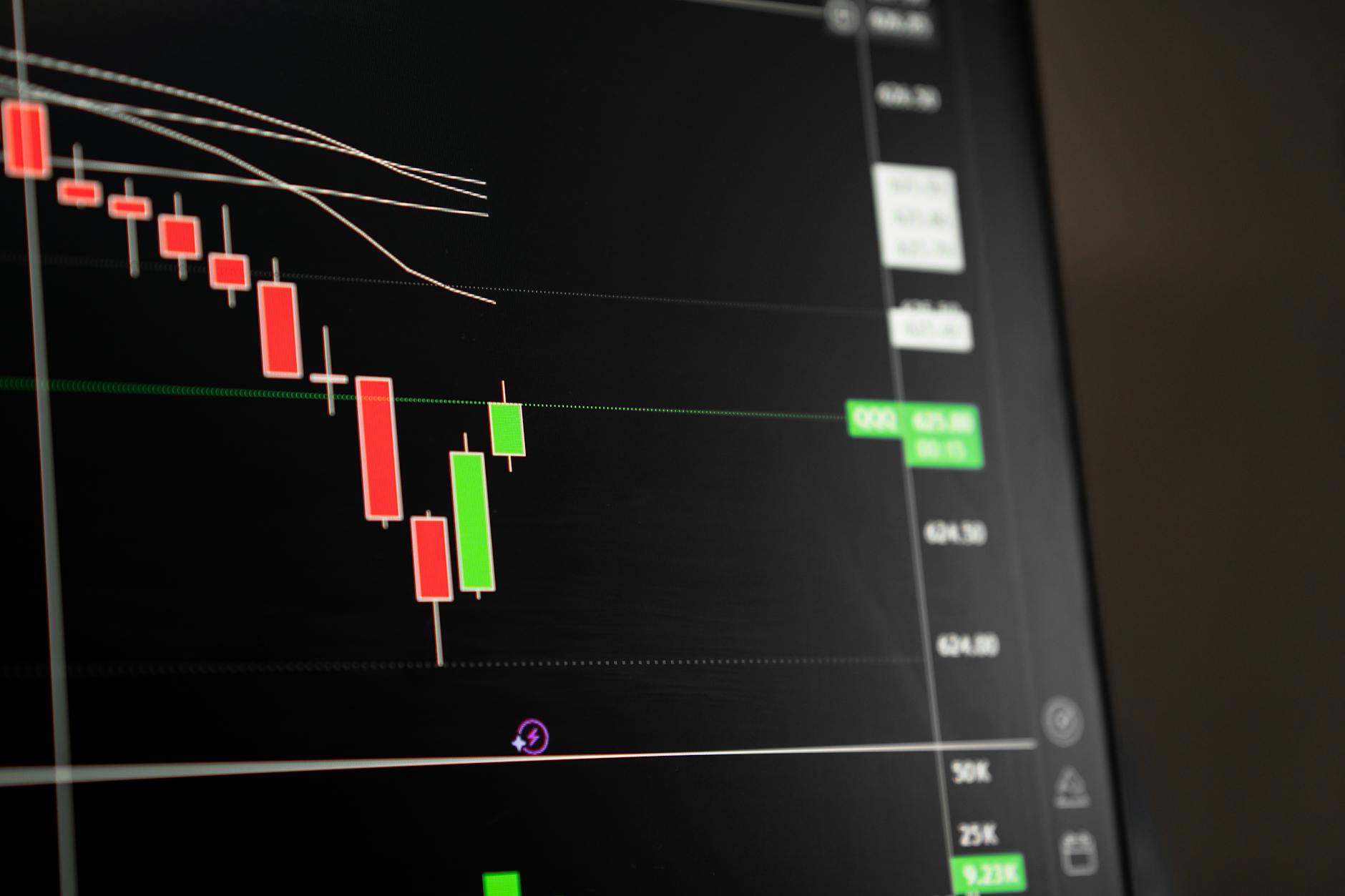
This form of trading fosters a professional environment where experienced traders collaborate within a structure that promotes disciplined, strategic trading. Firms also invest in continuous education and development initiatives to enhance trader skills, stay ahead of market trends, and adapt to changing economic conditions. With a focus on risk management and profitability, prop trading in forex represents a compelling avenue for capable traders seeking to leverage larger capital pools, optimize trading strategies, and achieve significant financial growth within the highly liquid currency markets.
Eligibility and Requirements for Prop Trading Forex
Engaging in prop trading within the forex market necessitates meeting specific criteria established by reputable firms aiming to ensure that traders possess the requisite skills, knowledge, and discipline to operate effectively under leveraged environments. Typically, these prerequisites serve to identify traders capable of managing large sums of capital responsibly and executing strategic trading plans consistent with the firm's risk management protocols.
Most prop trading companies require traders to demonstrate their proficiency through rigorous evaluation processes. This often involves completing a series of simulated trading assessments designed to evaluate your ability to develop sound trading strategies, sustain discipline under pressure, and manage risk effectively. These assessments may include testing your knowledge of technical and fundamental analysis, trading psychology, and adherence to the firm’s trading rules.
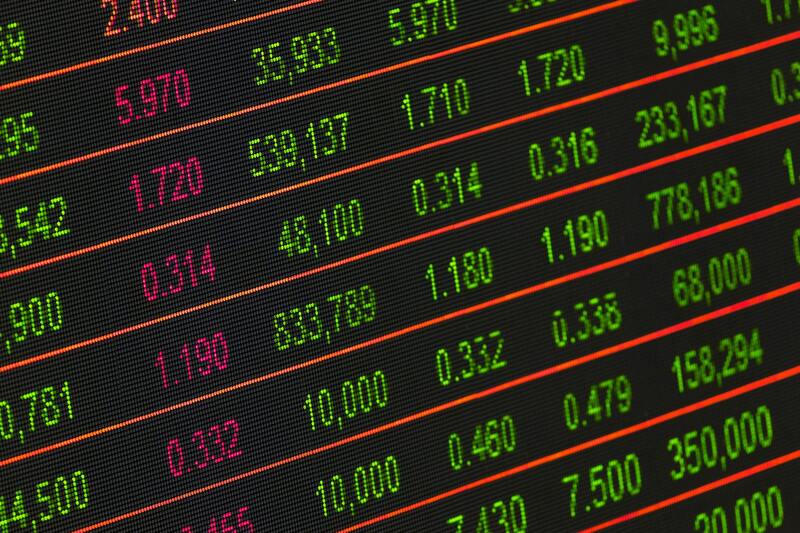
Fundamental Criteria for Eligibility
- Proven Trading Experience: Many firms look for traders with a verifiable track record demonstrating consistent profitability, typically spanning at least several months or years.
- Risk Management Skills: An understanding and application of strict risk controls, including position sizing, stop-loss placement, and drawdown limits, are essential traits.
- Discipline and Psychological Resilience: Traders must adhere to predetermined trading plans and avoid emotional decision-making, especially under high volatility conditions.
- Technical Knowledge and Analytical Skills: A solid grasp of technical indicators, chart patterns, and economic factors impacting currency movements is critical.
- Regulatory Compliance and Documentation: Completing necessary paperwork, including KYC (Know Your Customer) procedures, ensuring adherence to legal trading standards within your jurisdiction.
Additional Requirements Commonly Encountered
- Minimum Capital Threshold: Some firms impose minimum capital requirements or trading thresholds that traders must meet before qualifying for a funded account.
- Trading Style Compatibility: Firms may favor traders proficient in specific trading styles such as scalping, day trading, or swing trading, depending on their operational preferences.
- Demo Trading Evaluation: Many firms require a successful demonstration of trading skills within a demo environment, emphasizing consistency and profitability over a designated period.
- Compliance with Trading Limits: Adherence to firm-specific rules regarding maximum drawdowns, position sizes, and trading hours to ensure sustainable risk levels.
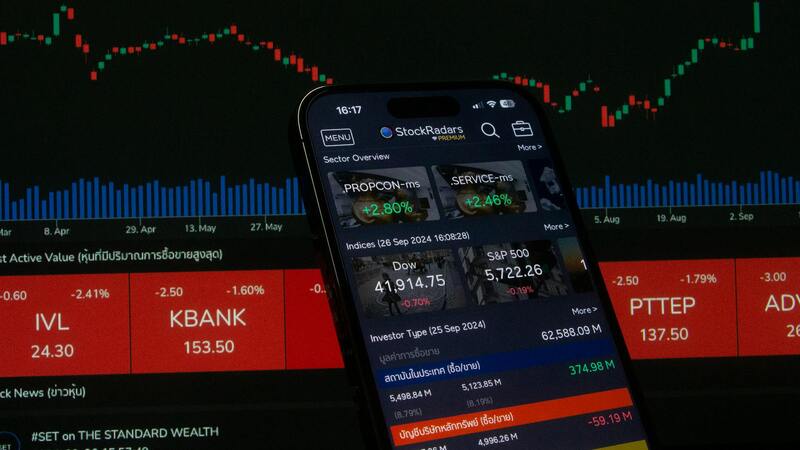
Enhancing Your Eligibility for Prop Trading Forex
Prospective traders can boost their chances of acceptance by continuously refining their trading skills through educational resources, practicing disciplined trading routines, and maintaining a detailed trading journal that highlights strengths and areas for improvement. Successfully passing evaluation stages often hinges on demonstrating consistency, disciplined risk management, and a comprehensive understanding of market dynamics.
Understanding Prop Trading in Forex
Proprietary trading, often referred to as prop trading, involves traders executing trades using a firm's capital rather than their own. This model allows skilled traders to leverage substantial financial resources, aiming to generate significant profits while trading forex. Unlike retail trading, where individual traders rely solely on personal funds and accounts, prop trading firms provide a structured environment designed to assess and leverage traders’ expertise. These firms often have rigorous evaluation processes to ensure their traders can operate effectively within predefined risk parameters. Successful traders in a prop trading setup benefit from access to advanced trading tools, research, and a collaborative environment that fosters skill development and strategic planning.

Core Elements of Prop Trading Forex
- Capital Allocation: Traders are provided with capital significantly exceeding their personal funds, allowing for more substantial positions and potential returns.
- Evaluation Process: Firms typically implement a series of assessments, including demo trading phases and performance benchmarks, to identify capable traders.
- Risk Management: Strict adherence to risk limits, including maximum drawdowns and position sizes, is fundamental to sustain profitability and ensure firm stability.
- Profit Sharing: Compensation structures generally involve profit splits, wherein traders and firms share the earnings generated through trading activities.
- Trade Monitoring and Oversight: Continuous supervision and rule enforcement help maintain disciplined trading practices and prevent excessive risk exposure.
Legal and Regulatory Compliance
Involving proper documentation and documentation, such as compliance with KYC procedures and adherence to jurisdiction-specific trading rules, forms a core part of the prop trading environment. Firms ensure all traders are well-versed in operational standards, aligning their trading activities with regulatory frameworks, which helps foster a secure and stable trading ecosystem.
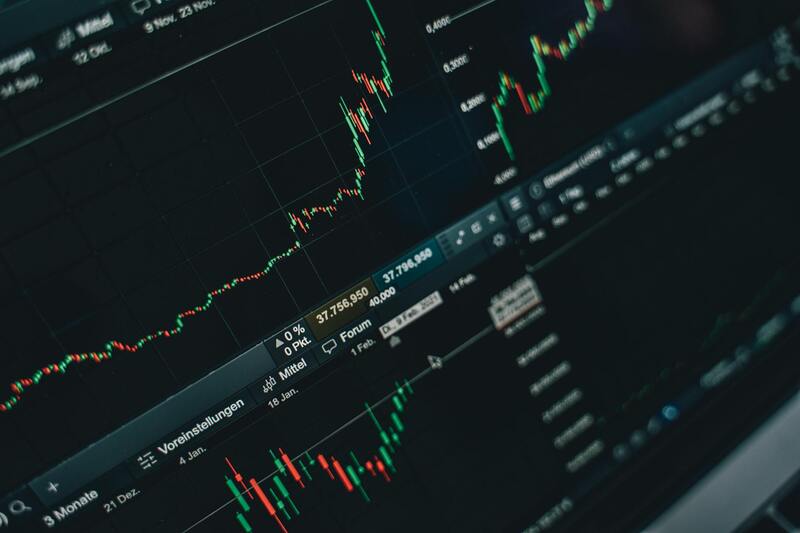
How Prop Trading Forex Differs from Retail Trading
While retail traders operate independently with personal funds, prop traders function within an institutional framework that emphasizes rigorous evaluation and risk control measures. Prop trading offers access to larger pools of capital, more sophisticated technology, and a collaborative environment that can accelerate skill development. Additionally, the trading objectives differ: prop traders focus on consistent performance and strategy refinement, often operating under tighter risk parameters, whereas retail traders may pursue more individualistic and varied trading styles.
Key Differences Include:
- Capital Resources: Greater access to pooled financial resources versus personal funds.
- Evaluation Metrics: Structured assessment phases to qualify for funded accounts.
- Risk Control: Stricter risk management policies driven by firm objectives.
- Training and Support: Access to educational resources and mentorship programs compared to individual retail trading.
- Profits and Incentives: Revenue sharing models and performance bonuses are common, unlike retail trading profit structures.
These distinctions highlight the professional nature of prop trading, emphasizing formal evaluation and risk adherence—elements that are crucial for maintaining a sustainable trading environment in the forex market.
Understanding Prop Trading in Forex
Prop trading in the forex market involves traders working on behalf of a proprietary trading firm, utilizing the firm's capital to execute trades rather than personal funds. This model provides traders access to significant financial resources, state-of-the-art trading technology, and a structured environment designed to optimize performance. Such environments prioritize disciplined trading strategies, comprehensive risk management protocols, and performance evaluation, all within a framework that emphasizes consistency and professional development.
Typically, traders are recruited based on their skill, discipline, and potential to adhere to the firm's trading parameters. Once onboarded, they often operate within predefined trading rules, including maximum drawdowns, position sizes, and leverage limits, ensuring that trading activity aligns with the firm's risk appetite. This setup not only fosters a disciplined trading culture but also offers traders the opportunity to scale their activities without capital constraints that retail traders face.

Beyond access to capital, prop traders benefit from advanced trading platforms, real-time market analysis tools, and data feeds—resources that are often beyond reach for individual traders. These tools facilitate precise entry and exit points, improve risk assessment, and support strategic decision-making. The collaborative environment of prop firms also encourages knowledge sharing, mentorship, and continuous learning, which are critical for honing trading skills and adapting to evolving market conditions.
Key Elements of Prop Trading in Forex
- Capital Accessibility: Traders have access to pooled funds, removing personal capital limitations.
- Structured Evaluation: Rigorous testing phases assess a trader’s ability to follow risk management rules and produce consistent results.
- Risk Management Protocols: Strict parameters are in place to mitigate losses and protect the firm’s capital.
- Educational Support: Training programs, mentorships, and continuous learning opportunities are integral components.
- Performance Incentives: Revenue sharing, bonuses, and other performance-based rewards motivate traders and align interests with the firm’s success.

Understanding Prop Trading in Forex
Prop trading in forex involves traders utilizing a firm's capital to execute trades in currency markets. Unlike retail traders, who use their personal funds, proprietary firms allocate significant pooled resources, enabling traders to operate with larger positions and increased leverage. This environment promotes more aggressive and diversified trading strategies that aim to capitalize on market volatility and liquidity. Prop traders are typically evaluated through standardized testing or performance assessments designed to ensure they adhere to risk management protocols and demonstrate consistent profitability before gaining full trading privileges. These evaluations often include strict metrics on drawdowns, profit targets, and adherence to trading rules, ensuring that only disciplined traders benefit from the firm's resources.

Fundamentals of Prop Trading Forex
At its core, prop trading forex operates on the premise of leveraging a firm's financial strength to optimize trading opportunities. This model enables the trading of larger positions than typically permissible with retail accounts, thereby amplifying potential returns. Additionally, prop firms often provide access to cutting-edge trading platforms, real-time market data, and institutional-grade analysis tools. These resources foster an environment where traders can implement sophisticated strategies, meticulously manage risk, and learn from shared expertise within the firm’s community.
Key Components of Prop Trading in Forex
- Capital Access: Traders can utilize pooled funds, removing personal capital restrictions and enabling larger trades.
- Evaluation and Certification: Prospective traders often undergo simulated trading assessments to verify their ability to manage risk and generate consistent results.
- Risk Management Frameworks: Strict policies are in place to control losses and ensure sustainability of trading operations.
- Educational and Support Programs: Continuous training, mentorship, and shared knowledge help traders refine their skills and adapt to market changes.
- Performance Incentives: Rewards such as revenue sharing and bonuses align trader success with the firm’s objectives, motivating disciplined trading practices.
By providing institutional-grade tools combined with comprehensive support and evaluation mechanisms, prop firms create an environment conducive to professional growth and consistent profitability in forex trading.
Understanding Prop Trading in Forex
Proprietary trading, commonly known as prop trading, involves trading financial instruments such as forex using a firm’s capital rather than personal funds. This approach offers traders access to a significant pool of resources, allowing for the execution of larger positions and more diverse trading strategies. In forex prop trading, traders operate within the framework set by the firm, adhering to specific risk management protocols and trading guidelines designed to protect both the trader and the organization’s financial health.
Through prop trading in forex, traders gain entry into a highly competitive environment where performance directly influences rewards. The process often emphasizes disciplined execution, continuous learning, and strategic risk control, making it a preferred avenue for skilled traders seeking to scale their trading activities without the constraints typically imposed by retail accounts. Access to institutional-grade tools, such as advanced charting software, real-time analytics, and high-speed execution platforms, further enhances the capabilities of forex prop traders, empowering them to capitalize on market movements with precision and agility.
How Prop Trading Forex Differs from Retail Trading
The primary distinction between prop trading forex and retail trading lies in the source of capital. While retail traders use their personal funds to execute trades, prop traders operate using the capital pooled by the trading firm. This difference allows prop traders to access larger trading volumes, which can result in higher profits but also demands rigorous risk management and consistent performance.
Additionally, prop trading firms tend to provide extensive support systems, including professional-grade trading platforms, advanced analytics, and educational resources. Traders are often required to undergo evaluation processes designed to assess their proficiency and risk management skills before gaining access to the firm’s capital. Such assessments might include simulated trading tests or trading challenges that mirror real market conditions.
Another key difference is the structure of rewards and incentives. Prop traders typically earn a percentage of the profits they generate, aligning their interests closely with those of the firm. This profit-sharing model motivates traders to develop disciplined trading habits and focus on consistent profitability. Conversely, retail traders retain 100% of their profits but bear all the operational and financial risks associated with their trading activities.
Eligibility and Requirements for Prop Trading Forex
Entering the realm of prop trading forex requires meeting specific prerequisites that demonstrate a trader's ability to handle professional trading environments. Most firms look for a combination of demonstrated trading skill, risk management discipline, and psychological resilience.
- Proven Trading Experience: Candidates should have a track record of consistent profitability over an extended period, often validated through trading accounts or performance reports.
- Risk Management Skills: An ability to control drawdowns, adhere to trading plans, and implement effective stop-loss strategies is essential.
- Technical Proficiency: Familiarity with advanced trading platforms, analytical tools, and forex market mechanics.
- Educational Background: While not always mandatory, relevant financial education or training enhances a candidate’s attractiveness.
- Psychological Readiness: The capacity to maintain discipline under pressure and manage emotional responses to market volatility is critical for success in prop trading.
Most firms require traders to pass a series of assessments, including simulated trading evaluations, which allow them to gauge the trader’s consistency, risk controls, and strategic approach. Successful completion of these tests often leads to a probationary period where traders can prove their suitability before gaining full access to the firm’s trading capital.
Popular Prop Trading Forex Strategies
Prop traders employ diverse strategies tailored to their risk appetite, market conditions, and account objectives. Some of the most widely adopted commercial strategies include:
- Trend Following: Capitalizing on sustained market movements by entering trades in the direction of the trend, typically using moving averages or breakout indicators.
- Range Trading: Exploiting price oscillations within a defined range by buying at support levels and selling at resistance points.
- Scalping: Making rapid, small-position trades to profit from minor price fluctuations, requiring high liquidity and fast execution capabilities.
- News Trading: Reacting swiftly to economic releases, data releases, or geopolitical events that cause volatility, aiming to capitalize on quick market reactions.
- Mean Reversion: Trading on the assumption that prices will revert to their average after significant deviation, often complemented by statistical analysis and oscillators.
Each strategy demands tailored risk management protocols and discipline. Proper analysis, combined with a clear trading plan and consistent application, is fundamental to mastering prop trading forex.
Risks and Rewards of Prop Trading Forex
Engaging in prop trading forex offers significant potential rewards, primarily driven by access to larger capital pools and institutional-grade resources. The possibility of generating substantial profits exists, especially for skilled traders capable of executing strategies effectively in volatile market conditions. Additionally, traders benefit from professional support, extensive training, and collaboration within a community of experienced traders.
However, risks are inherent in this environment. Larger trading positions heighten exposure to market swings, requiring disciplined risk controls to prevent significant drawdowns. Profit-sharing structures motivate traders to perform at their best but can also pressure traders to take risky trades if not managed properly. As such, maintaining a rigorous risk management framework, including the use of stop-loss orders and position sizing, is vital for sustainable success.
Official Pathways to Enter Prop Trading Forex
Engaging in prop trading forex through established channels requires adhering to specific procedures that confirm adherence to professional standards and platform expectations. The initial step involves comprehensive research to identify reputable proprietary trading firms that maintain transparent operational policies and credibility within the industry.
Prospective traders should focus on firms that offer structured evaluation programs, known as trading challenges or assessments, designed to gauge proficiency without necessitating initial capital investment. These programs typically involve trading a simulated account under set rules, with strict performance targets and risk parameters. Successfully completing these challenges can lead to funding offers that formalize the trader’s role within the firm.

Joining such firms often requires fulfilling criteria such as demonstrating trading competence, adherence to risk management protocols, and a disciplined trading approach. Candidates may need to submit trading records, pass interviews, or undergo assessments to verify their trading acumen. Maintaining proper documentation of trading history and performance is vital, as firms tend to assess consistency, discipline, and strategic approach during selection processes.
Many reputable firms provide educational resources, trading tools, and mentorship opportunities to facilitate trader development, emphasizing the importance of continuous learning and skill enhancement. These platforms also often enforce data security and compliance standards, which contribute to an environment conducive to professional growth.
Practical Steps to Secure Prop Trading Accounts
- Identify Trustworthy Prop Trading Firms: Conduct in-depth research, reviews, and verify credentials to select firms that align with your trading goals and standards.
- Complete the Application Process: Submit comprehensive application forms, including trading history, background information, and any required documentation about your trading experience.
- Participate in Evaluation Challenges: Engage in the firm’s trading assessments, which typically involve trading simulated accounts to meet specific performance criteria.
- Pass Risk and Performance Benchmarks: Achieve the required profit targets while maintaining risk management rules, such as maximum drawdown limits and position size constraints.
- Secure Funding and Trading Rights: Upon successful completion of the evaluation phase, receive the opportunity to trade with the firm’s capital under established guidelines.
- Adhere to Ongoing Compliance: Maintain consistent performance, risk discipline, and reporting standards to sustain trading privileges and growth opportunities within the firm.
Building a solid foundation through official means not only enhances credibility but also exposes traders to valuable resources and support systems necessary for long-term success in prop trading forex.
How to Optimize Your Approach in Prop Trading Forex
Successfully engaging in prop trading forex requires more than just understanding official methods — it demands strategic planning, disciplined execution, and continual refinement of your trading techniques. Here are essential practices to elevate your trading performance and maximize your potential within reputable prop trading environments.
Continuous Education and Skill Enhancement
Staying updated with the latest market developments, economic indicators, and technological tools is fundamental. Many prop firms offer educational resources, webinars, and mentorship programs. Leveraging these opportunities improves analytical skills, deepens understanding of market behaviors, and refines risk management tactics.

Rigorous Practice with Demo Accounts
Before trading with a funded account, traders should dedicate ample time to practicing on demo platforms. This phase allows for testing strategies without financial risk, calibrating risk parameters, and building confidence. A disciplined approach to demo trading often translates seamlessly into live trading success.
Emphasizing Risk Management
Developing a comprehensive risk management plan is essential. This includes setting strict maximum drawdown limits, adhering to stop-loss protocols, and maintaining appropriate position sizes. Effective risk control preserves capital, ensures compliance with prop firm standards, and sustains long-term profitability.
Adopting Data-Driven Decision Making
Utilize analytical tools, backtesting, and review of trading journals to refine decision-making processes. Identifying patterns, understanding market volatility, and adjusting strategies based on empirical evidence enhances consistency and reduces impulsive trades.
Building a Professional Trading Routine
Consistent trading hours, systematic review sessions, and disciplined adherence to strategies underpin proficiency in prop trading forex. Cultivating a professional mindset ensures a trader remains focused, minimizes emotional interference, and maintains high standards of performance.
Engagement with Prop Trading Communities
Joining reputable forums, online groups, or professional networks facilitates knowledge exchange, exposure to diverse strategies, and updates on industry advancements. Such engagement fosters continuous learning and can lead to mentorship opportunities that accelerate growth.
Monitoring Performance and Feedback Loops
Regular review of trading outcomes, adherence to risk protocols, and self-assessment are vital. Utilizing performance analytics helps identify strengths and weaknesses, guiding strategic adjustments. Maintaining documentation of trades also supports accountability and ongoing improvement.
Integrity and Professionalism
Operating transparently and ethically aligns with the standards of trusted prop firms. Respecting firm policies, reporting accurately, and demonstrating responsibility not only uphold your reputation but also ensure sustained trading privileges.
Technological Optimization and Security
Employ reliable trading platforms, ensure cybersecurity practices are in place, and stay updated with technological innovations such as algorithmic trading tools. These enhance execution speed, accuracy, and safety of transactions, vital for competitive prop trading forex.
