Overview of Prop Trading Firms
Proprietary trading firms, commonly known as prop firms, play a vital role in the landscape of futures trading. These firms provide traders with access to substantial capital, enabling them to execute large-scale trades that might be otherwise inaccessible through personal funds. The core concept of prop trading firms revolves around leveraging the firm’s resources to generate profits through strategic trading activities. Unlike retail traders, individuals in prop firms operate with the firm’s money, which shifts the focus toward disciplined trading and effective risk management.
Prop trading firms function by offering a structured environment where traders can develop and execute their trading strategies within predefined risk parameters. They often employ sophisticated technology, including advanced trading platforms and real-time analytics, to facilitate efficient trade execution and monitoring. This environment fosters professional development for traders, with many firms providing training, mentorship, and access to proprietary tools that enhance trading performance.
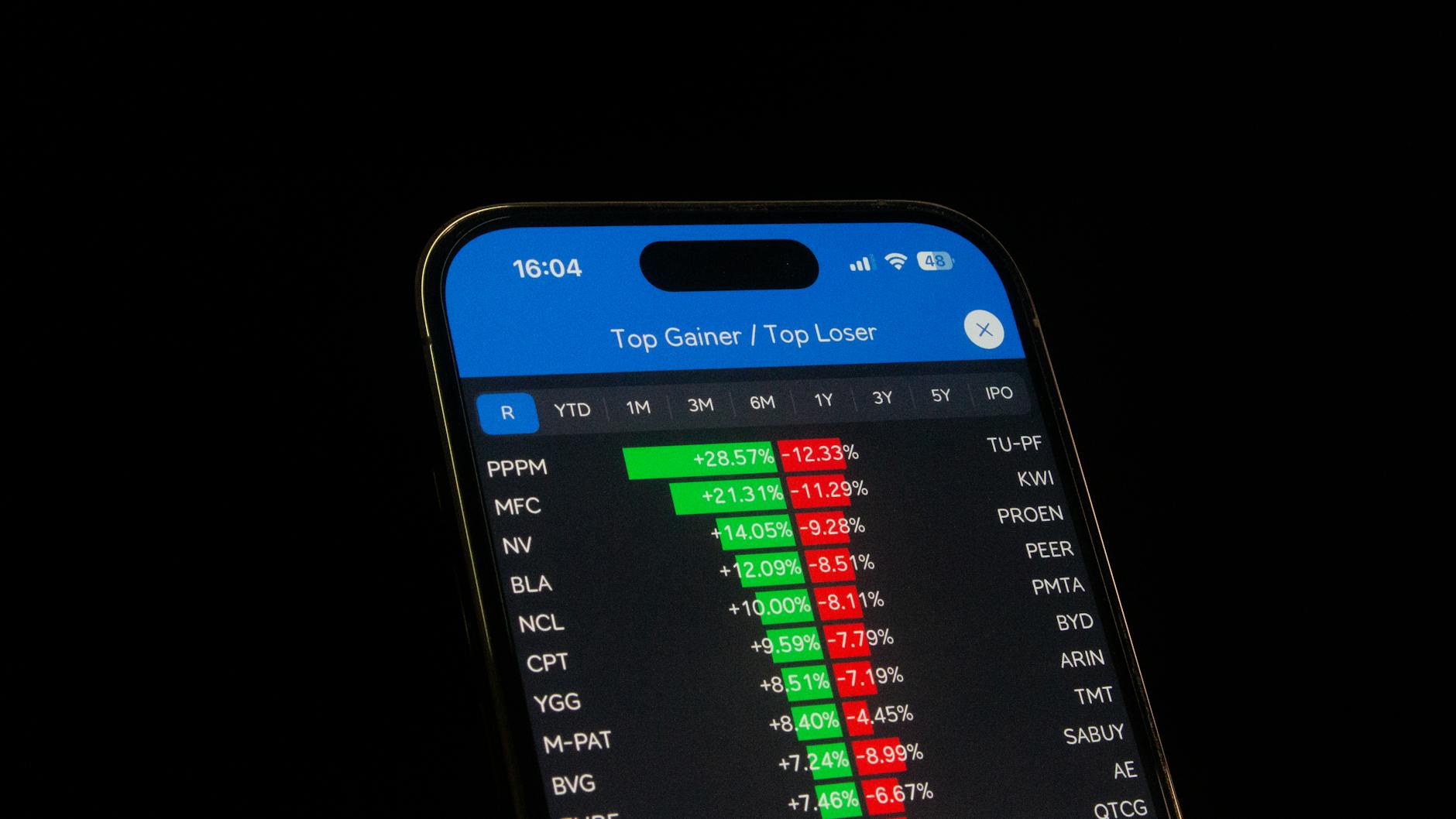
The significance of prop firms in the futures trading industry lies in their ability to bridge the gap between individual traders and large-scale market participation. They offer a mutually beneficial setup: traders gain valuable capital and infrastructure, while firms aim to profit from collective trading activities. This synergy drives innovation, liquidity, and efficiency within futures markets, making prop trading a prominent avenue for professional traders seeking to scale their operations intelligently.
Introduction to Futures Trading in Prop Firms
Futures trading within prop firms involves buying and selling futures contracts based on various underlying assets, such as commodities, financial instruments, or indices. It provides traders with opportunities to speculate on price movements or hedge existing positions with leverage, all while operating under the guidance and support of the prop firm’s resources.
Trading futures with a prop firm typically entails adhering to specific trading protocols, risk parameters, and performance metrics established by the firm. Traders are often evaluated based on their skill, strategy consistency, and adherence to risk management principles, which are crucial for maintaining the firm’s profitability and stability.
Many prop firms provide proprietary trading platforms tailored for futures markets, featuring real-time data feeds, advanced order types, and customizable interfaces to accommodate different trading styles, whether day trading, swing trading, or algorithmic approaches.
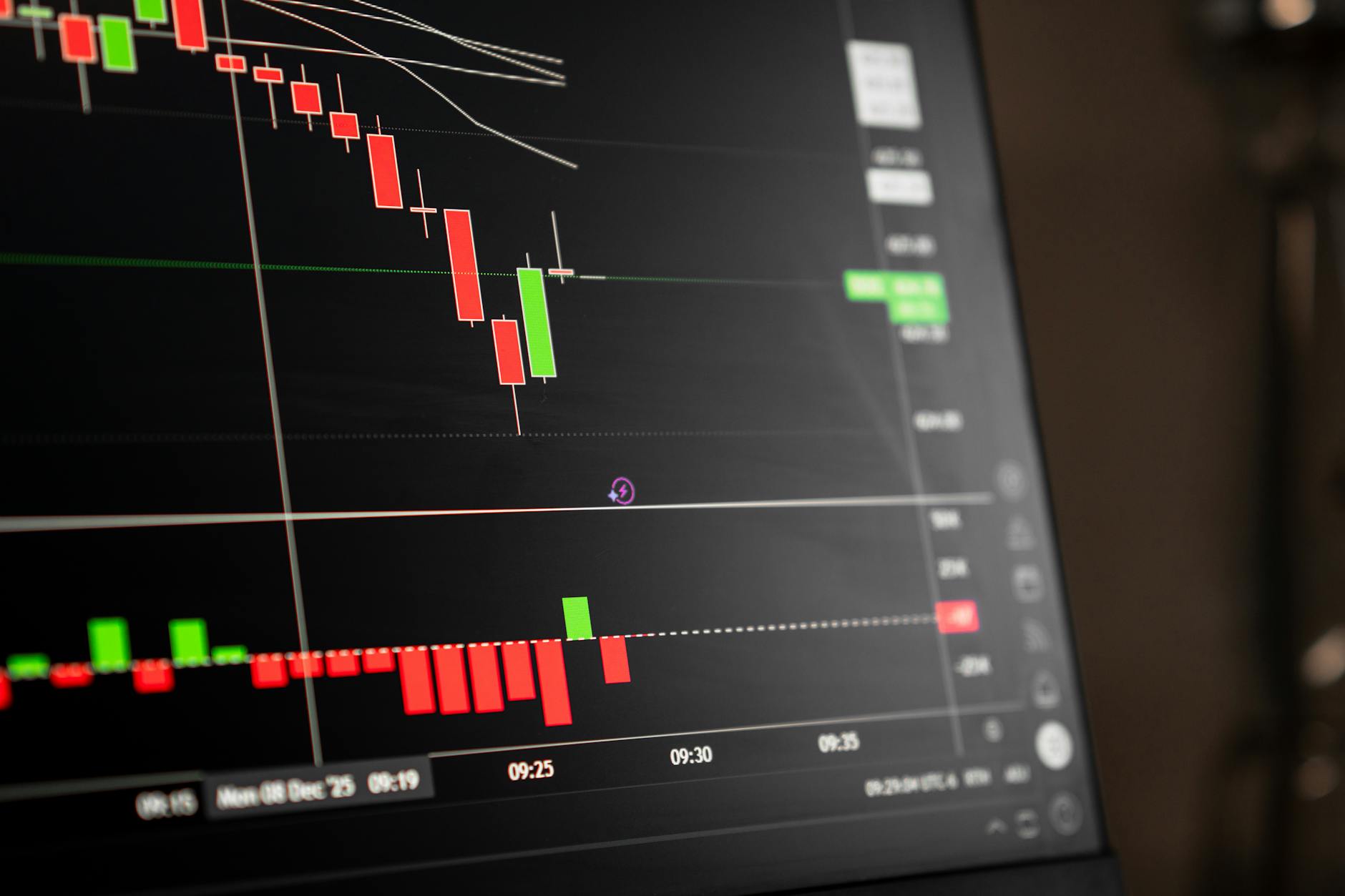
Engagement in futures trading through a prop firm not only grants access to significant capital but also fosters an environment of continuous learning and strategic optimization. Traders can leverage the firm’s infrastructure to refine their skills, implement innovative strategies, and improve overall trading performance in a competitive yet supportive setting.
Requirements for Traders in Prop Firms
Entering the realm of prop firm futures trading necessitates meeting specific prerequisites designed to assess a trader's skills, discipline, and market understanding. Most reputable firms establish standards tailored to uphold operational integrity and foster a professional trading environment.
Fundamental qualifications typically include a demonstrated ability to analyze markets effectively, a solid understanding of futures contracts, and a proven track record of disciplined trading. Prior experience, particularly in futures or derivatives markets, is highly valued and often required as evidence of competency.
Some firms may require prospective traders to pass rigorous evaluation phases, including simulated trading assessments or trial periods. These tests often evaluate a trader's ability to develop and execute strategies within predefined risk parameters, emphasizing consistency and risk control.
Furthermore, traders are expected to possess strong psychological resilience to withstand market volatility, alongside disciplined money management practices. A commitment to ongoing learning and adherence to the firm’s trading protocols are essential to ensure alignment with regulatory and operational standards.
Compliance with the firm’s code of conduct, adherence to trading schedules, and maintaining accurate trading logs are also essential requirements. These practices ensure transparency, facilitate performance review, and help in refining trading techniques over time.
Education and Certification
Although formal certifications are not universally mandatory, a solid educational foundation in finance, economics, or related fields can significantly enhance a trader’s prospects. Many firms value traders who have completed courses or earned certifications in derivatives trading or risk management, as these credentials demonstrate a foundational understanding of complex financial instruments.
Participation in specialized training programs—offered either internally by the firm or through recognized external courses—can also serve as a confidence booster, showcasing a trader’s commitment to professional growth.
Technology and Infrastructure Proficiency
Proficiency in trading platforms, understanding of algorithmic trading tools, and the ability to interpret real-time market data are important for success in futures trading within prop firms. Traders should be comfortable navigating advanced trading software, managing multiple screens, and executing complex order types efficiently.
Having robust internet connectivity, a well-configured trading workstation, and familiarity with automated trading systems contribute to seamless execution and effective market participation. Most firms provide training to enhance traders' technical skills, but foundational technological competence is generally a prerequisite.
Personal Traits and Professional Conduct
The ideal candidate for futures trading at a prop firm demonstrates discipline, patience, and adaptability. Emotional control amid market fluctuations minimizes impulsive decisions that could jeopardize capital. A professional attitude, ethical conduct, and transparent communication further strengthen a trader’s standing within the firm.
Success in prop futures trading is as much about psychological resilience and continuous improvement as it is about analytical skill. Those who meet these requirements position themselves for a sustainable trading career supported by the resources and infrastructure offered by reputable prop firms.
Overview of Prop Trading Firms
Proprietary trading firms serve as specialized entities that enable skilled traders to leverage the firm's capital to execute trades across various financial instruments, including futures contracts. Unlike traditional brokerage accounts, where traders operate using their personal funds, prop firms provide the infrastructure, capital, and technological support necessary to maximize trading efficiency and profit potential. These firms typically establish a competitive environment that encourages disciplined trading, adherence to risk management protocols, and continuous skill development. They often offer comprehensive training programs and mentorship opportunities to ensure traders are well-equipped with the knowledge and tools needed for success.
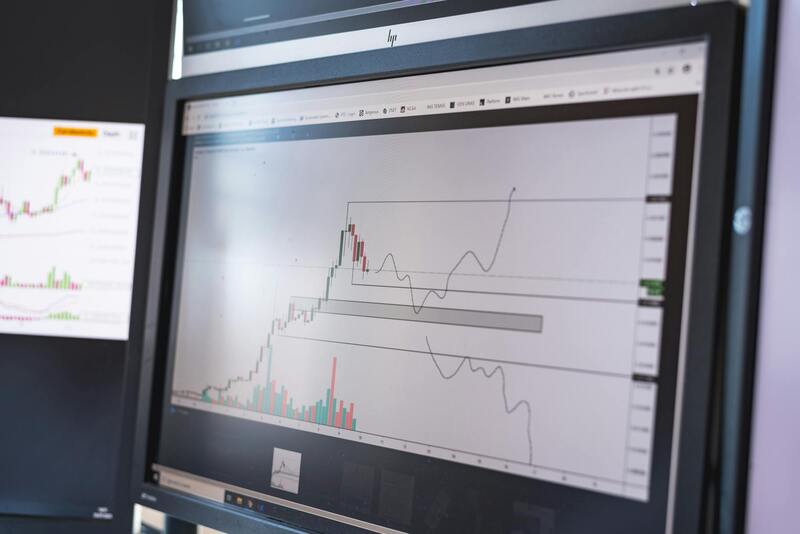
In recent years, the landscape of prop trading has evolved significantly, driven by advances in technology, data analytics, and market access. Many firms specialize solely in futures trading, given the market’s liquidity and leverage capabilities, which can amplify returns when managed with proper risk controls. Prop firms also set clear evaluation criteria for prospective traders, assessing their trading skills, risk management discipline, and psychological resilience before granting access to the firm's capital. This vetting process ensures a high level of professionalism and commitment among traders, fostering an environment conducive to long-term profitability.
Introduction to Futures Trading in Prop Firms
Futures trading within prop firms opens a pathway for traders to access significant capital and sophisticated trading platforms without the need to risk their personal funds. Futures contracts are standardized agreements to buy or sell an underlying asset at a predetermined price and date. Their flexibility, liquidity, and leverage options make them attractive for traders seeking to capitalize on short-term price movements across commodities, indices, currencies, and other assets. For prop traders, this environment offers the opportunity to deploy advanced strategies, including spread trading, trend following, and hedging, within a framework that emphasizes risk management and disciplined execution.
Participating in futures trading through a prop firm involves adhering to specified trading rules and parameters established by the firm. These guidelines often include maximum drawdowns, daily loss limits, and position sizing rules designed to protect both the trader and the firm’s capital. Successful futures traders demonstrate proficiency in technical analysis, market timing, and the use of trading algorithms. Given the volatile nature of futures markets, managing emotional responses and maintaining strict discipline are critical for sustaining profitability over time.

Key Aspects of Futures Trading in Prop Environments
- Leverage and Margin: Futures trading allows significant leverage, enabling traders to control larger positions with a relatively small amount of capital. Proper understanding and management of margin requirements are vital to avoid margin calls and liquidation.
- Market Accessibility: Prop firms offer direct access to futures exchanges, facilitating rapid order execution and real-time data analysis essential for responsive trading strategies.
- Risk Control Measures: Firms enforce strict risk controls, including profit targets and stop-loss levels, to guard against substantial losses and preserve capital.
- Trading Infrastructure: Traders are equipped with high-speed internet, multiple monitors, and customizable trading software to execute complex strategies efficiently.
- Data and Analytical Tools: Advanced analytical tools, algorithmic trading systems, and real-time news feeds form the backbone of a successful futures trading operation within prop firms.
Funding and Capital Allocation for Futures Trades
Within prop trading environments, the allocation of capital for futures trading is a carefully structured process that ensures traders have sufficient resources to execute effective strategies while maintaining rigorous control over exposure. Prop firms typically allocate specific capital pools to individual traders based on their experience, demonstrated skill, and past trading performance. This approach allows the firms to optimize the utilization of their overall capital reserves, balancing risk and reward.
Futures trading offers notable leverage, often enabling traders to control positions significantly larger than their deposited capital. This leverage is a double-edged sword—amplifying potential gains but also increasing the risk of substantial losses. Consequently, prop firms set defined leverage limits in accordance with the specific futures markets being traded. These limits are designed to prevent overexposure while providing traders the ability to capitalize on market opportunities.
Capital allocation decisions are influenced by a trader's risk management profile, historical performance, and the strategic approach to trading futures. Firms may allocate a fixed amount of capital initially, with opportunities for additional funding contingent upon consistent performance and adherence to risk protocols. Such structured funding ensures that traders can leverage the firm's financial resources without jeopardizing its overall stability.

To support successful futures trading operations, prop firms also invest in sophisticated risk management tools, such as real-time monitoring systems and automated alerts, which help traders stay within predefined risk parameters. This systematic approach to capital allocation ensures that trading activities remain aligned with the firm’s financial stability and strategic objectives.
Official and Legitimate Methods for Funding Futures Trading Accounts
When engaging with prop firms for futures trading, adhering to established and acknowledged funding methods is crucial for maintaining transparency and operational efficiency. Reputable prop trading firms typically offer structured financing options that are clearly defined within their onboarding procedures. These methods often include initial evaluation phases, where traders demonstrate their skills and risk management capabilities through simulated and live trading accounts. Successful completion of these phases results in access to real trading capital, often under a profit-sharing agreement.
Most validated prop firms provide their traders with a comprehensive onboarding process that involves a series of assessments. These assessments evaluate trading discipline, consistency, and risk control—key factors that determine funding eligibility. Once approved, traders are granted access to trading accounts with predefined capital limits, which are managed via proprietary trading platforms. These platforms are designed to ensure proper risk oversight and facilitate seamless capital deployment.
Reliable prop firms also maintain a secure and transparent funding cycle. This includes regular performance reviews, risk assessments, and capital reallocation procedures designed to optimize trading efficiency while safeguarding the firm's financial interests. Additionally, many firms enforce strict compliance with trading rules and risk parameters, utilizing built-in platform features for real-time monitoring, limit alerts, and automated risk controls. This systematic approach ensures that funding remains consistent with the trader’s performance and adherence to firm policies.
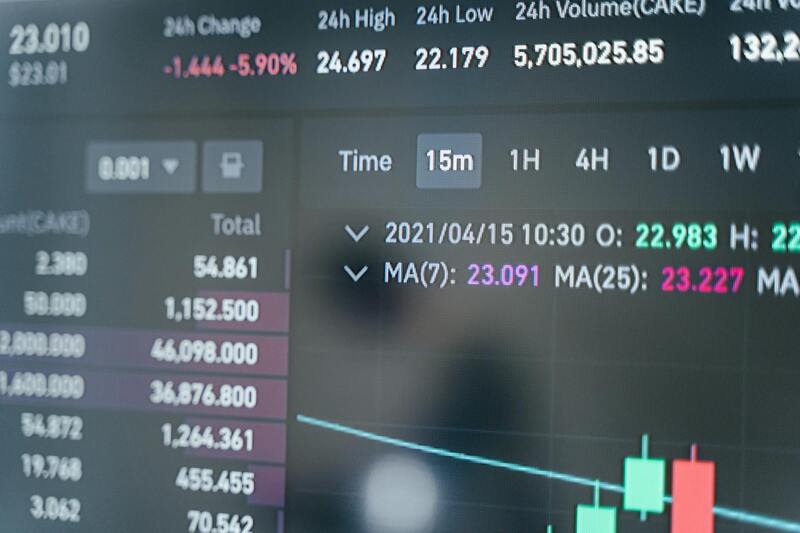
Engaging with firms that prioritize standardized funding protocols not only provides clarity but also encourages responsible trading practices. Traders should seek firms that emphasize detailed contract terms, clear profit-sharing arrangements, and consistent performance evaluation processes. These elements foster a professional trading environment, ensuring that funding is managed responsibly and aligned with the best practices for futures trading within prop firm frameworks.
Requirements for Traders in Prop Firms
Operating within prop futures trading requires adherence to strict standards set forth by the firms. Traders need to demonstrate a solid grasp of futures markets, including technical analysis, market discipline, and risk management skills. Many firms impose minimum trading experience and proficiency levels, often validated through assessments or trading simulations. These evaluations gauge the trader’s ability to execute disciplined trades, maintain adherence to risk limits, and sustain consistent performance over time.
Additionally, traders are expected to show a responsible trading mindset aligned with the firm’s risk parameters. This includes avoiding over-leveraging and preventing excessive drawdowns that could jeopardize the trading account and the firm’s capital. Firms often require traders to pass comprehensive background checks to confirm financial stability and professional integrity.
Communication skills and compliance awareness are crucial components of the onboarding process. Traders must be familiar with the firm’s policies on disclosure, trade documentation, and adherence to industry standards. Continuous education and training may be provided to ensure traders stay updated on market developments and internal protocols.

Traders who meet the firm’s stringent requirements are then granted access to trading accounts with defined risk limits. These limits are designed not only to protect the firm's capital but also to foster disciplined trading practices among individuals. Ongoing performance monitoring ensures that traders consistently adhere to the company’s standards, with adjustments to capital allocation made based on demonstrated skill and risk control capabilities.
In the realm of futures trading, a strong understanding of market mechanics combined with disciplined execution practices lays the foundation for success within a prop firm environment. Proper compliance and a professional approach are critical for gaining and maintaining funding from these firms.
Detailed Methods to Engage in Prop Firm Futures Trading
Participating in futures trading within proprietary trading firms involves adhering to structured procedures that ensure both the trader’s success and the firm’s risk management protocols. These procedures are designed to maintain consistency, uphold operational standards, and align with the firm’s strategic objectives. Here, we focus on legitimate methods that traders employ to operate within the framework of prop firm futures trading, emphasizing the importance of disciplined strategies, proper onboarding, and ongoing compliance.
Comprehensive Onboarding Process
Before traders can access futures trading accounts, they typically undergo a rigorous onboarding process. This includes submitting thorough documentation to verify their identity, trading experience, and financial background. Many firms conduct background checks to assess a trader's professional integrity and financial stability. Traders may be required to complete a series of assessments or simulations designed to evaluate their understanding of futures markets, trading platforms, and risk management practices.
Additionally, firms often provide training modules focused on their specific trading standards, compliance policies, and risk parameters. This education ensures that traders are well-versed in firm procedures, trading ethics, and the technical intricacies of futures markets. Completing this phase successfully is essential to gain access to live trading capital.
Utilizing Official Trading Platforms and Tools

Traders conduct futures transactions through official trading platforms authorized by the prop firm. These platforms provide real-time market data, advanced charting tools, and risk management features designed to support disciplined trading. Proper use of these tools enables traders to execute trades efficiently, monitor positions continuously, and implement predefined risk controls.
Adherence to Trading Protocols
Prop firms establish detailed trading protocols that specify acceptable trading hours, position sizes, and risk limits. Traders must follow these protocols precisely, as deviations could result in account restrictions or termination. Routine performance reviews and trade audits ensure compliance, helping traders refine their strategies and adhere to best practices.
Advancing Based on Performance and Risk Compliance
Many firms operate a phased approach to funding, where traders initially start with a smaller trading account. As they demonstrate consistent profitability and discipline under the firm’s risk management standards, they may receive increased capital allocation. This systematic scaling rewards responsible trading behavior and fosters sustainable growth within the firm’s capital framework.
Traders are expected to utilize official risk management tools embedded within the trading platform. These tools include setting stop-loss orders, position limits, and margin controls to avoid overexposure. Regular analysis of trading performance, accompanied by adjustments based on market conditions, encapsulates an official approach to ensuring long-term profitability and compliance.
Engagement in Continuous Learning and Professional Development
Successful prop futures traders pursue ongoing education aimed at sharpening their market knowledge, understanding new financial instruments, and refining their risk management techniques. Firms often support this through webinars, mentorship programs, and access to proprietary research. Engaging with these resources enhances the trader’s ability to make informed decisions and adhere to official trading methods.
Maintaining Ethical Standards and Documentation
All trading activities must be conducted transparently and in accordance with the firm’s policies. Proper documentation of trades, timely reporting, and adherence to disclosure standards are critical. Traders should also stay updated on industry regulations and internal compliance directives to maintain their standing within the firm.
Summary of Legitimate Methods for Prop Firm Futures Trading
- Completion of comprehensive onboarding and verification procedures
- Use of approved trading platforms equipped with risk management tools
- Strict adherence to defined trading protocols and risk limits
- Consistent performance evaluation and capital scaling based on proven discipline
- Ongoing education and professional development
- Meticulous documentation and compliance with internal policies
Engaging in futures trading through a prop firm using these established methods promotes a disciplined, transparent, and strategically sound approach. It ensures that traders operate within authorized boundaries, while also building a foundation for long-term profitability and career growth in the futures trading domain.
Legitimate Methods for Prop Firm Futures Trading
Engaging in futures trading within a proprietary firm involves a strict adherence to established, transparent procedures designed to uphold integrity and operational efficiency. These methods are centered around rigorous evaluation, disciplined trading practices, and structured compliance protocols that ensure traders operate within the firm’s framework effectively and ethically.
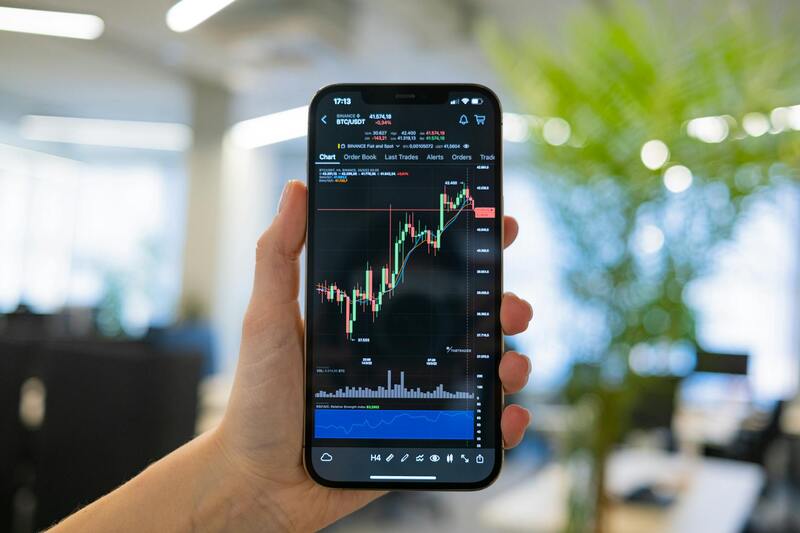
Comprehensive Onboarding and Verification Procedures
Initial onboarding forms the foundation of legitimate futures trading within a prop firm. This process entails detailed background checks, verification of trading experience, financial standing assessments, and agreement to firm policies. Traders are often required to complete assessments or simulations to demonstrate their capability to execute futures trades according to approved methodologies.
Utilization of Approved Trading Platforms
Legitimate prop firms mandate the use of approved trading platforms that come equipped with built-in risk management tools. These platforms facilitate transparent trade execution, real-time monitoring, and compliance checks. Traders are trained on platform functionalities, ensuring they leverage all available features to adhere to risk protocols and trading limits.
Adherence to Official Trading Protocols and Risk Management Strategies
Engaging with official trading methods involves strict compliance with the parameters set by the prop firm. These include predefined trade entry and exit criteria, position sizing limits, and stop-loss orders. Consistent risk management practices such as portfolio diversification and quality trade setups are integral, helping to preserve capital and optimize trading performance.
Performance Evaluation and Capital Scaling
Traders’ performance is regularly monitored through formal evaluation processes. These assessments focus on profitability, consistency, adherence to risk limits, and professional conduct. Based on successful performance, traders may qualify for capital scaling, which involves increased trading limits and larger position sizes, all within the framework of officially approved trading strategies.
Ongoing Education and Professional Development
Prop firms support traders’ growth by providing continuous educational resources, including webinars, mentorship programs, and access to proprietary research. Staying updated with market trends, new strategies, and evolving risk management techniques is critical for maintaining compliant trading practices and enhancing overall performance.
Documentation and Commitment to Internal Policies
Transparency is maintained through meticulous documentation of all trades and adherence to internal reporting standards. Traders record their trades accurately and submit reports that help the firm verify compliance with trading protocols. This process supports a culture of accountability and strategic integrity within the firm.
Summary of Official Approaches to Futures Trading in Prop Firms
- Completion of thorough onboarding and verification steps, including financial checks and skill assessments
- Use of approved trading platforms with risk management capabilities
- Adherence to predefined trading strategies and risk parameters
- Regular performance reviews ensuring compliance and discipline
- Investment in ongoing education to refine trading skills and strategies
- Proper documentation to ensure transparency and accountability