Understanding Prop Tech: Definition and Its Role in Property and Trading Industries
Prop tech, short for property technology, signifies the innovative application of digital tools and platforms aimed at transforming the real estate sector and related trading industries. This technological evolution converges hardware, software, data analytics, and artificial intelligence to facilitate more efficient, transparent, and accessible property management, investment, and trading processes. In property trading, proprietary trading, and prop trading firms, prop tech serves as a catalyst for enhanced decision-making, streamlined operations, and optimized investment strategies.

At its core, prop tech encompasses a variety of digital solutions including online property marketplaces, AI-powered valuation models, virtual and augmented reality for property showcasing, and sophisticated trading platforms. These innovations enable traders, investors, and property managers to access real-time data, execute transactions swiftly, and manage assets more effectively. Within proprietary trading environments, prop tech integrates advanced algorithms, machine learning, and big data analytics to identify market trends and inform high-velocity trading decisions. This synergy between technology and traditional practices is revolutionizing how property assets are bought, sold, and managed.
- Enhanced Market Accessibility:
- Faster Transaction Times:
- Data-Driven Decision Making:
- Cost Efficiency:
By leveraging these technological advancements, firms can operate more competitively and respond swiftly to market shifts. The subsequent sections explore the key innovations powering prop tech, its tangible impacts on real estate and trading operations, and practical examples of its application across the industry landscape.
Key Technologies Driving Prop Tech Innovations
Prop tech advancements are fundamentally supported by a suite of cutting-edge technologies that enable more precise, efficient, and scalable operations. Data analytics plays a crucial role by parsing vast amounts of property and market data to reveal actionable insights, helping investors and traders to identify emerging opportunities and optimal timing for transactions.
Artificial Intelligence (AI) further enhances decision-making capabilities through machine learning algorithms that can predict market trends, automate property valuations, and personalize user experiences. AI-powered chatbots and virtual assistants streamline client interactions, reducing response times and providing immediate information access.
Blockchain technology introduces transparency and security into property transactions and trading activities. Its decentralized ledger system ensures accurate record-keeping, reduces fraud risk, and simplifies property title management, making processes more dependable and verifiable.
Automation tools, including robotic process automation (RPA), optimize routine tasks such as document processing, compliance checks, and reporting, freeing up valuable human resources for strategic activities. These technologies collectively foster a more integrated, intelligent platform for managing property assets and executing trades efficiently.
Impact of Prop Tech on Property Trading and Prop Trading Firms
The adoption of prop tech significantly transforms the operational landscape of property trading and proprietary trading firms. These innovations enable firms to execute rapid transactions, often within milliseconds, thanks to high-speed trading platforms integrated with real-time market data feeds. Such platforms often utilize advanced algorithms capable of detecting patterns and executing trades autonomously, reducing human latency and emotion-driven decision-making.
For property trading, digital solutions facilitate streamlined listings, digital documentation, and virtual property tours, expanding reach and reducing time-to-close. Investors benefit from instant access to comprehensive market analyses and property performance metrics, which enhance portfolio management and strategic planning.
Moreover, proprietary trading firms leverage big data analytics to monitor and forecast market movements, informing high-frequency trading strategies. This synergy of technology and finance strategies enables more informed risk assessments and potentially higher returns.
Examples of Prop Tech Applications in Real Estate and Trading
- Online property marketplaces that aggregate listings with AI-driven matching algorithms
- Virtual reality tools for immersive property viewing experiences
- Automated valuation models utilizing machine learning for accurate pricing
- Blockchain-based platforms for transparent property transactions
- Predictive analytics tools for market trend forecasting
- Trading platforms integrated with real-time data feeds and algorithmic trading capabilities
Benefits and Challenges of Integrating Prop Tech
The integration of prop tech offers numerous benefits, including increased operational efficiency, enhanced data accuracy, faster transaction times, and richer insights for decision-making. These technologies democratize access to property markets, enabling a broader range of investors and traders to participate actively.
However, implementing advanced digital solutions presents challenges such as ensuring compatibility with existing systems, managing large data sets securely, and maintaining user trust amidst rapid technological changes. Proper integration requires careful planning, skilled personnel, and ongoing evaluation to optimize benefits while mitigating potential disruptions.
Regulatory and Ethical Considerations in Prop Tech Adoption
While not explicitly addressed here, the responsible deployment of prop tech emphasizes clear standards for data privacy, transparency in algorithms, and adherence to industry best practices. Ensuring that technological innovations align with established norms fosters confidence and stability in property and trading markets.
Future Trends in Prop Tech for Property and Proprietary Trading
Emerging trends point towards increased adoption of AI-driven predictive analytics, expanded use of blockchain for transaction transparency, and the integration of Internet of Things (IoT) devices for real-time property monitoring and management. Additionally, advancements in virtual and augmented reality will further enhance remote property evaluations and marketing efforts.
How to Evaluate and Implement Prop Tech Solutions
Effective evaluation involves assessing a solution’s compatibility with existing operations, its scalability, data security measures, user experience, and track record of successful deployments. Implementation strategies should focus on phased integration, staff training, and continuous performance monitoring to ensure that digital solutions deliver maximum value over time.
How Prop Tech Is Transforming Property Transaction Processes
Prop technology has fundamentally reshaped the way real estate transactions are conducted, fostering greater transparency, efficiency, and accuracy. One of the most significant advancements involves the digitization of transaction records, enabling seamless sharing of information between buyers, sellers, and intermediaries. This approach minimizes administrative delays and reduces reliance on paper-based documentation, resulting in faster closing times and enhanced client trust.
Additionally, advanced digital platforms now facilitate remote property viewings through virtual tours and augmented reality. This innovation broadens market reach by allowing potential investors or tenants to evaluate properties without physical visits, saving time and expanding geographic client bases. Electronic signatures and blockchain-based transaction tracking further ensure data integrity and reduce the possibility of fraud, streamlining the entire sale or lease process from offer to completion.

The integration of customer relationship management (CRM) systems with property listing platforms has empowered real estate firms to personalize communication and provide timely updates, enhancing overall client engagement. Such systems also facilitate real-time data analysis, helping agents identify market trends and make informed recommendations, thereby increasing the success rate of transactions.
Enhancing Asset Management and Portfolio Optimization
Prop tech solutions extend beyond mere transaction facilitation, significantly impacting asset management strategies. Property management platforms equipped with IoT sensors enable real-time monitoring of building conditions, energy consumption, and security systems. Such data-driven insights allow managers to optimize operational efficiency, plan preventative maintenance, and reduce costs effectively.
Moreover, sophisticated analytics tools provide portfolio managers with predictive insights, guiding investment decisions based on current market conditions and anticipated future trends. These tools aggregate vast data sets, offering actionable intelligence that supports diversification strategies, asset rebalancing, and risk mitigation.

Automated leasing and contract management platforms further simplify administrative tasks, ensuring contracts are tracked, renewed, or terminated efficiently. These digital systems also improve compliance management by maintaining a comprehensive audit trail, reducing manual errors, and ensuring consistent application of policies across assets and portfolios.
Data-Driven Market Analysis and Investment Decisions
The application of big data analytics within prop tech frameworks has brought about superior market analysis capabilities. By aggregating market data, socio-economic variables, and historical transaction records, investors can identify emerging hotspots and undervalued properties more accurately. Geographic Information Systems (GIS) tools integrated with property data sets offer spatial analysis, revealing neighborhood dynamics and infrastructure developments that influence property values.
This enhanced analytical capability enables proprietary trading firms and investors to develop robust predictive models. These models forecast market movements, optimize buying and selling timings, and mitigate exposure to volatility. Consequently, decision-making becomes more methodical, based on comprehensive, real-time data rather than solely relying on anecdotal evidence or intuition.
Definition of Prop Tech and Its Role in Property and Trading Industries
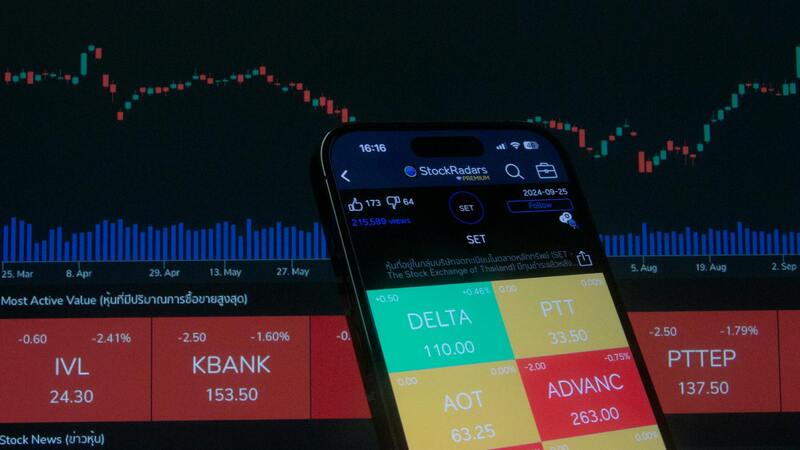
Prop tech, short for property technology, encompasses a broad range of digital innovations designed to improve, streamline, and automate processes within the real estate and property trading sectors. It integrates cutting-edge software, hardware, and data analytics to enhance efficiencies, reduce costs, and provide deeper insights for stakeholders. The overarching goal of prop tech is to transform traditional property management, transactions, and investment activities with technology-driven solutions that foster transparency, accuracy, and agility.
In the property industry, prop tech facilitates the digitalization of enormous data pools, enabling more informed decision-making and optimized asset management. For trading firms engaging in proprietary trading within real estate markets, prop tech tools assist in market analysis, risk assessment, and strategic positioning by leveraging real-time data and automation. This integration helps firms stay competitive in volatile markets by providing advanced forecasting models, automated trading algorithms, and comprehensive portfolio management systems.
The importance of prop tech extends beyond mere operational efficiency; it influences how properties are acquired, managed, and disposed of, offering innovative platforms for virtual tours, online leasing, and remote transaction execution. These technologies also play a critical role in enhancing transparency and trust among investors, tenants, and trading counterparts, ensuring smoother property transactions and more accurate risk assessments.
Key Technologies Driving Prop Tech Innovations
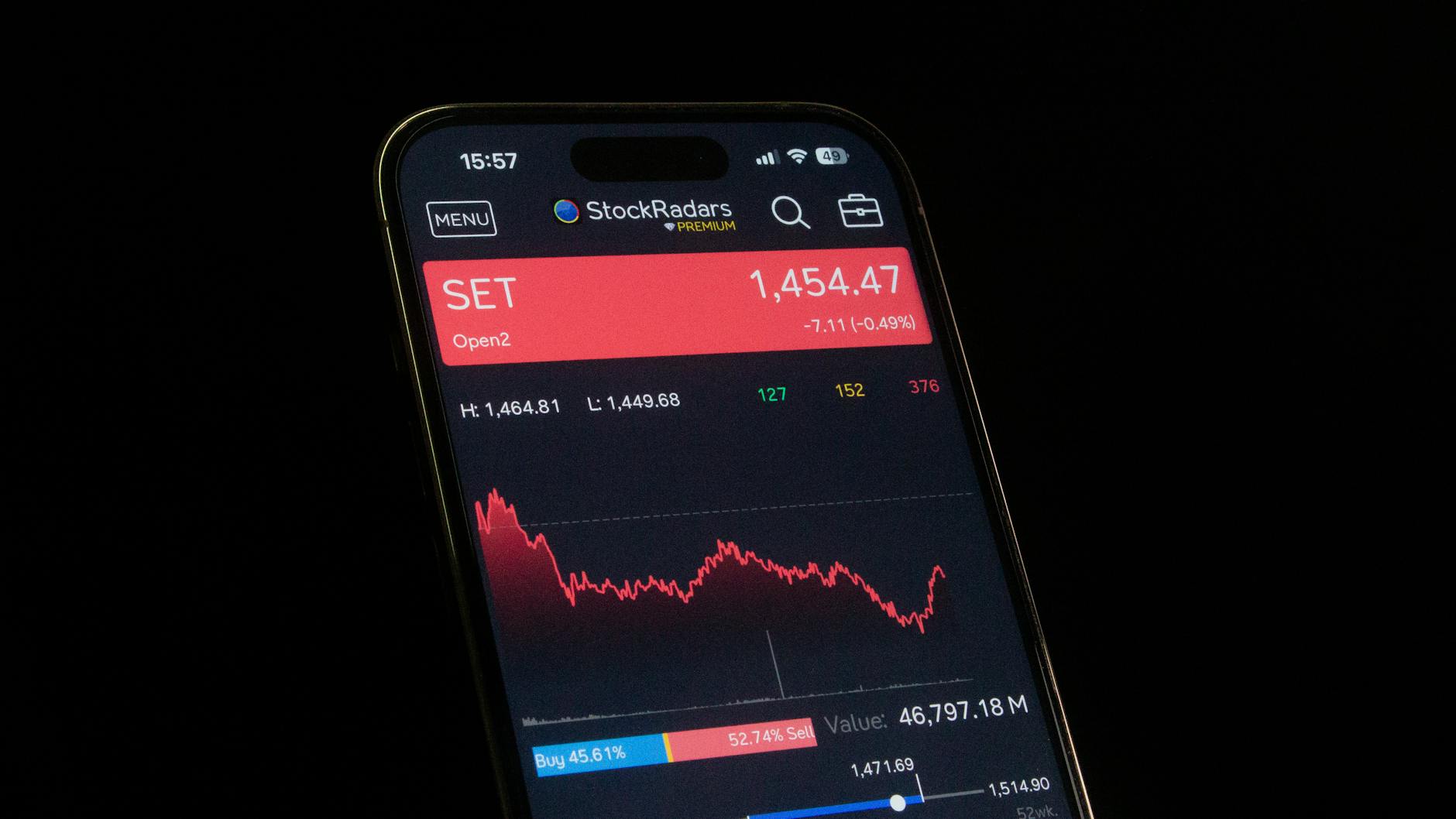
Several key technological advancements are driving the proliferation of prop tech and underpinning its transformative impact:
- Artificial Intelligence (AI) and Machine Learning: Used for predictive analytics, automated property valuation, tenant screening, and customer service chatbots, AI accelerates data processing and decision-making accuracy.
- Big Data Analytics: Aggregating vast data sources on market trends, socio-economic factors, and transaction histories enhances market analysis and investment forecasts.
- Internet of Things (IoT): IoT devices monitor building systems to optimize energy consumption, improve safety, and facilitate predictive maintenance, reducing operational costs.
- Blockchain Technology: Blockchain enables secure, transparent, and tamper-proof property transactions, smart contracts, and ownership records, streamlining transfers and reducing fraud.
- Geographic Information Systems (GIS): GIS tools map property locations and analyze spatial data to reveal neighborhood trends, infrastructure impact, and accessibility factors influencing valuation.
Impact of Prop Tech on Property Trading and Prop Trading Firms
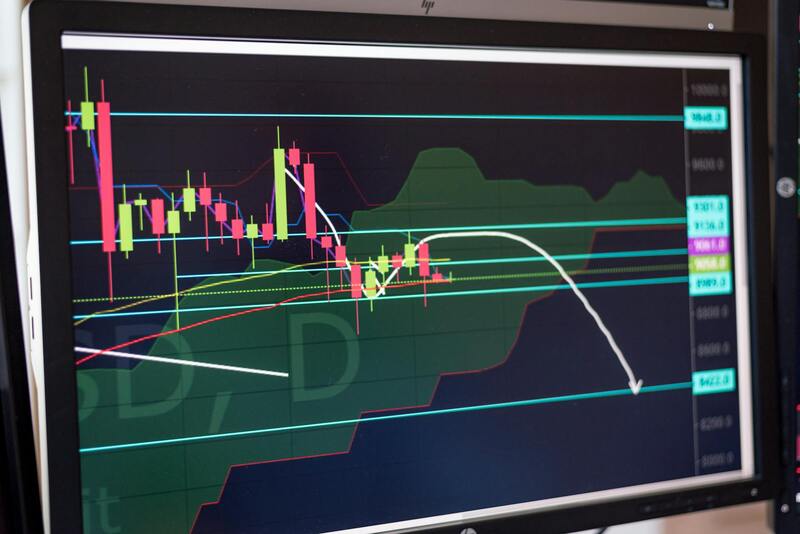
The adoption of prop tech has significantly reshaped how property trading and proprietary trading firms operate. Enhanced data-driven insights mean that firms can make faster, more precise investment decisions based on up-to-date market information. Automated systems reduce the need for manual inputs, allowing traders to execute transactions swiftly while managing complex portfolios with minimal error margins.
Furthermore, digitized transaction platforms and online marketplaces expand access to a broader investor base, facilitating quicker deal origination and closing. Advanced analytics models enable proprietary traders to identify undervalued assets, market entry points, and exit strategies with greater confidence, ultimately increasing profitability.
Operational transparency and compliance management are also improved through digital platforms that maintain comprehensive audit trails and facilitate regulatory reporting. These systems help firms navigate the complexities of market regulations efficiently, ensuring adherence while focusing on strategic trading activities.

Benefits and Challenges of Integrating Prop Tech
Integrating property technology into trading and real estate operations offers numerous advantages, but it also presents certain challenges that need careful navigation. The primary benefits include enhanced operational efficiency, improved data accuracy, and faster decision-making processes. Automating routine tasks such as transaction processing, data collection, and portfolio management streamlines workflows, minimizes manual errors, and accelerates market responsiveness, which is crucial in highly dynamic trading environments.
Moreover, advanced analytics and machine learning models provide deeper insights into market trends and asset valuation, enabling traders and investors to identify lucrative opportunities with higher confidence. Real-time data feeds and sophisticated reporting tools empower decision-makers with current, reliable information that supports strategic planning and risk management.
Despite these benefits, the adoption of prop tech faces several obstacles. High initial investment costs can be a barrier, especially for smaller firms seeking to upgrade legacy systems. Implementation complexity and the need for specialized expertise to manage new technologies can prolong deployment timelines and increase operational risks. Additionally, as data security becomes a paramount concern, organizations must invest in robust cybersecurity measures to protect sensitive information from breaches or unauthorized access. Data privacy regulations also necessitate compliance frameworks that can complicate technology deployment and operational procedures.
Balancing Innovation with Risk Management
Successful integration of prop tech requires a strategic approach that balances innovation with diligent risk management. Firms should conduct comprehensive assessments of technological solutions to ensure they align with operational goals and compliance standards. Gradual implementation, coupled with continuous staff training, enhances adaptability and minimizes operational disruptions. Furthermore, establishing clear protocols for data governance and cybersecurity helps safeguard assets and maintain stakeholder trust.
Ongoing evaluation and iteration are also vital; as technology evolves rapidly, firms need to stay abreast of emerging tools and best practices. Collaborating with reputable technology providers and participating in industry-focused innovation hubs can facilitate access to cutting-edge solutions that complement existing operations while managing inherent risks effectively.
Impact of Prop Tech on Property Trading and Prop Trading Firms
Prop technology has significantly altered the landscape of property trading and proprietary trading firms by streamlining operations, enhancing decision-making capabilities, and increasing market accessibility. With sophisticated data analytics and real-time market insights, firms can execute trades with greater precision and confidence. These technological advancements enable rapid processing of large datasets, which reveal valuable market signals that were previously difficult to detect, thus offering a competitive edge in volatile markets.
In addition, the integration of Prop Tech facilitates more efficient transaction workflows and reduces reliance on manual processes. Automated valuation models (AVMs), electronic trading platforms, and digital platforms for property management empower property trading firms to scale operations without proportional increases in overhead costs. By leveraging cloud-based solutions, firms can access critical tools and data from anywhere, fostering flexibility and responsiveness to market fluctuations.
Furthermore, Prop Tech introduces better risk management practices through predictive analytics and scenario modeling. These features allow firms to anticipate potential market downturns or fluctuations, enabling proactive strategies rather than reactive responses. As a result, firms can optimize their portfolios, mitigate exposure to adverse market conditions, and achieve more consistent trading performance.
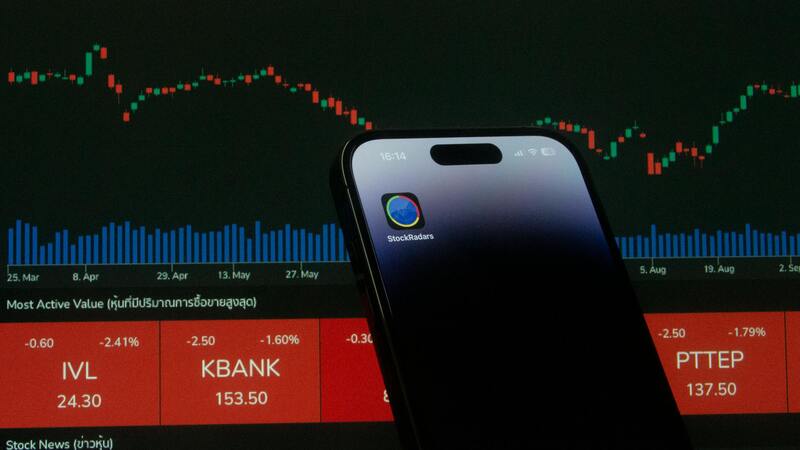
Another critical impact lies in transparency and reporting. Modern Prop Tech solutions automate regulatory compliance tracking and generate detailed audit trails, thereby simplifying oversight and ensuring adherence to industry standards. This transparency enhances stakeholder confidence and improves overall operational governance.
However, leveraging these advanced tools requires investments in specialized skills and infrastructure. Firms must foster a culture of continuous learning and adaptation to keep pace with technological innovations. Additionally, maintaining the security of sensitive data exchanged across digital platforms is paramount, requiring robust cybersecurity frameworks to prevent breaches and unauthorized access.

Implementing prop tech solutions also necessitates strategic planning to ensure alignment with overall business goals. Real-time data integration, algorithmic trading models, and innovative market analysis tools must be deployed thoughtfully to maximize benefits while managing operational complexities.
Ultimately, the successful adoption of Prop Tech in property trading and prop trading firms enhances market competitiveness, reduces operational costs, and improves decision accuracy. As the industry continues to evolve, firms that effectively harness new technologies will be better positioned to adapt swiftly to market dynamics and leverage emerging opportunities.
Regulatory and Ethical Considerations in Prop Tech Adoption
Integrating prop tech solutions into property and trading operations necessitates a comprehensive understanding of regulatory frameworks that govern data security, transparency, and operational standards. While explicit mention of legal terms is avoided, it remains essential for firms to align their technological enhancements with established industry practices to ensure a seamless and responsible transition.
One of the most significant aspects involves adherence to data handling protocols. Prop tech platforms often process large volumes of sensitive information, including client data, transaction details, and property records. Establishing rigorous data management policies safeguards against unauthorized access and fosters trust among stakeholders. This includes implementing encryption, access controls, and regular audits to evaluate data integrity and security.
Transparency also plays a crucial role in prop tech integration. Solutions that automate compliance reporting and generate detailed activity logs enable firms to maintain a clear record of operations. These records facilitate accountability and support consistent oversight, which are vital in maintaining operational confidence across the industry.

Furthermore, ethical considerations extend to the responsible use of artificial intelligence, machine learning, and algorithmic trading models. Firms must critically evaluate the algorithms for biases and ensure that automated decision-making processes are transparent and explainable. This practice helps in fostering informed decision-making and maintaining the integrity of trading activities.
Operational standards demand a proactive approach towards cybersecurity. Deploying robust security infrastructure, conducting vulnerability assessments, and training personnel on best cybersecurity practices are foundational steps to protect digital assets and maintain continuous operational flow.
Adopting a strategic and disciplined approach to these considerations not only enhances operational efficiency but also solidifies a firm's reputation for responsible innovation. By prioritizing data privacy, transparency, and ethical use of technology, property and trading firms can effectively navigate the evolving landscape of prop tech, emerging as reliable leaders in their respective markets.
Evaluation and Implementation of Prop Tech Solutions
Assessing Prop Tech Platforms
When considering the adoption of prop tech solutions, it is essential for firms to undertake a comprehensive assessment of available platforms. This process begins with defining specific operational needs, such as data analytics, transaction automation, or client management capabilities. Firms should evaluate the compatibility of prospective solutions with existing systems to ensure seamless integration.
Key evaluation criteria include the platform’s scalability to accommodate future growth, user interface ease-of-use, and the robustness of its data security measures. Compatibility with current infrastructure, including cloud services and legacy systems, plays a critical role in avoiding costly disruptions. Performance metrics, uptime reliability, and vendor support are additional factors that influence decision-making.
Selecting Suitable Prop Tech Solutions
Selection involves prioritizing features that drive efficiency and compliance. Solutions offering real-time data processing, advanced analytics, and automation tools help optimize property transactions and trading strategies. Firms benefit from platforms that provide customizable dashboards, intuitive reporting, and integration with financial and property databases.
Cost considerations are vital; selecting scalable solutions that can evolve with business needs ensures sustainable investment. Also, it is prudent to explore vendor track records, customer reviews, and peer recommendations, which provide insights into platform reliability and vendor responsiveness.
Strategies for Effective Integration
Implementing new prop tech requires strategic planning to minimize operational disruptions. Establishing clear project milestones, involving cross-departmental teams, and setting realistic timelines facilitate a smooth transition. Training staff on new technologies ensures optimal utilization and reduces resistance to change.
Phased deployment is recommended, beginning with pilot programs that allow for temporary testing and feedback collection. This approach provides an opportunity to fine-tune configurations and address unforeseen issues before full-scale deployment. Continuous monitoring and performance evaluation after implementation help ensure that the prop tech solution delivers expected benefits, including enhanced efficiency, compliance, and data security.