
Overview of Prop Trading and Proprietary Trading
Proprietary trading, often referred to as prop trading, involves financial institutions and professional traders engaging in the buying and selling of securities using the firm’s own capital. Unlike trading on behalf of clients, prop traders operate with the primary goal of generating profit directly for their organization. This approach allows firms to leverage their expertise, advanced trading strategies, and sophisticated technology to capitalize on market opportunities swiftly and efficiently.
Prop trading plays a crucial role in the financial markets by contributing to market liquidity, efficiency, and price discovery. It enables firms to deploy capital in highly strategic ways, often focusing on short-term gains derived from market volatility, arbitrage opportunities, and algorithmic trading methods. The significance of prop trading has grown with the advancement of trading technology solutions, which have expanded traders' capabilities and increased operational efficiency.
Historically, prop trading was characterized by manual decision-making and physical trading floors. Today, however, it is predominantly driven by high-speed algorithms, data analytics, and integrated trading platforms that allow traders to analyze markets in real-time and execute complex strategies with precision and speed. As financial markets evolve continuously, the importance of innovative trade technology solutions becomes even more pronounced in maintaining a competitive edge in prop trading environments.
The Role of TradeTech Solutions in Prop Trading
TradeTech solutions are the backbone of modern proprietary trading operations. These platforms facilitate the seamless execution of trades, data analysis, risk management, and compliance processes. They are designed to enhance traders’ decision-making capabilities by providing real-time market insights, automating complex trading strategies, and enabling rapid response to market events. The integration of sophisticated trading technology ensures that prop trading firms maintain agility and efficiency in fast-paced financial markets.

Advanced TradeTech platforms are equipped with features that support algorithmic trading, statistical analysis, and risk assessment, which are vital for optimally deploying capital and minimizing exposure. They also facilitate compliance monitoring, order management, and connectivity with global exchanges. As a result, trade technology solutions serve as an integral component that enhances trading performance, operational risk management, and strategic decision-making in proprietary trading operations.
Core Components of TradeTech Solutions
- Real-Time Market Data Feeds
- Trade Execution Engines
- Risk Management and Analytics Tools
- Order Management Systems (OMS)
- Connectivity with Multiple Exchanges and Liquidity Providers
- Automated Trading Algorithms
- Compliance and Surveillance Modules
Each component works in concert to provide traders with a comprehensive and reliable technological ecosystem that supports dynamic trading approaches and swift decision-making.
The Role of TradeTech Solutions in Prop Trading
TradeTech solutions are the backbone of modern proprietary trading operations, enabling firms to execute high-speed trades with precision and efficiency. These technologically advanced platforms facilitate quick access to market data, automate the execution of trading strategies, and serve as critical tools for managing the inherent risks associated with trading. By providing a seamless interface between traders and global financial markets, TradeTech ensures that firms can maintain a competitive edge in the dynamic environment of financial trading.

Automation provided by TradeTech platforms allows traders to implement complex algorithms that analyze market trends, identify trading opportunities, and execute orders with minimal latency. This automation reduces human error, accelerates decision-making, and enhances the consistency of trade execution. Additionally, these systems are designed to incorporate detailed risk management modules, which monitor real-time exposures, calculate potential losses, and trigger predefined risk controls to protect trading capital.
Furthermore, advanced connectivity options embedded in TradeTech solutions enable traders to access multiple exchanges and liquidity pools simultaneously. This interconnectedness ensures optimal order placement and execution, reducing slippage and improving fill rates. Real-time analytics and comprehensive reporting functionalities offer traders valuable insights into their performance, helping refine strategies and improve overall profitability.
Security features are another vital aspect of TradeTech systems. Given the sensitive nature of trading data and the importance of uninterrupted operations, robust encryption, multi-factor authentication, and intrusion detection protocols are standard components. Such features uphold data integrity and safeguard trading activities from potential cyber threats, fostering confidence in the technological infrastructure that supports prop trading.
Core Components of TradeTech Solutions
- Real-Time Market Data Feeds
- Trade Execution Engines
- Risk Management and Analytics Tools
- Order Management Systems (OMS)
- Connectivity with Multiple Exchanges and Liquidity Providers
- Automated Trading Algorithms
- Compliance and Surveillance Modules
These components work in a unified manner, delivering a comprehensive ecosystem that supports rapid decision-making, strategic adaptability, and operational security. This synergy enhances a firm’s ability to capitalize on fleeting market opportunities while maintaining disciplined risk controls.

Effective TradeTech solutions also include sophisticated back-office integration, performance analytics, and customizable reporting features. These functionalities enable traders and managers to review historical performance, conduct scenario analysis, and adapt strategies dynamically. By doing so, firms can sustain a high level of operational efficiency, refine their trading approaches continually, and sustain competitive advantage over time.
Core Components of TradeTech Solutions
TradeTech solutions are composed of several specialized systems that work synergistically to optimize the performance and security of proprietary trading operations. These core components are integral to executing rapid, accurate trades and maintaining effective risk management. An understanding of these elements provides insight into how modern prop trading firms leverage technology to sustain a competitive edge.
Trading Platforms
Trading platforms serve as the central hub for traders to analyze market data, execute trades, and monitor positions in real time. Modern platforms are equipped with advanced charting tools, customizable interfaces, and algorithmic trading capabilities. They support quick order placement and modification, enabling traders to respond swiftly to market developments. Compatibility with multiple devices and seamless integration with other TradeTech modules further enhance usability and operational efficiency.
Order Execution Systems
The order execution engine is a critical element that facilitates rapid and precise trade placement across various exchanges and liquidity providers. These systems employ smart routing algorithms to identify the best prices and optimal order paths, minimizing slippage and transaction costs. High-frequency trading firms particularly depend on low-latency execution systems to capitalize on fleeting market opportunities, ensuring trades are executed within milliseconds of signal generation.
Risk Management Tools
Effective risk management is embedded within TradeTech architectures through sophisticated tools that monitor exposure, calculate real-time risk metrics, and enforce trading limits. These systems enable traders and risk managers to respond promptly when risk thresholds are approached or breached, thereby protecting the firm's capital. Automated risk controls can prevent over-leverage, unauthorized trades, and adverse market movements, sustaining operational stability.
Data Analytics
Advanced data analytics modules process vast amounts of market and trading data to identify patterns, forecast trends, and generate actionable insights. These analytics support strategic decision-making, enhance trade timing, and refine risk assessments. Visualization dashboards, scenario testing, and historical performance analysis help traders adjust strategies proactively and improve overall profitability.
Connectivity Infrastructure
Robust connectivity with multiple exchanges and liquidity providers ensures traders have access to diverse markets and sufficient liquidity. High-speed data feeds and redundant communication pathways reduce latency and prevent connectivity failures, which are critical for maintaining uninterrupted trading flow. Secure transmission protocols also protect sensitive data during transfer, reinforcing operational integrity.
Collectively, these primary elements form a resilient and dynamic technological foundation vital for prop trading success. They enable rapid data processing, precise trade implementation, comprehensive risk oversight, and strategic adaptation—all essential attributes for firms engaged in high-stakes, fast-paced markets.
Features and Capabilities of Effective TradeTech Platforms
TradeTech solutions are instrumental in elevating the efficiency and effectiveness of proprietary trading operations. Advanced platforms are engineered to deliver high-speed execution, ensuring that traders can capitalize on fleeting market opportunities with minimal latency. The reliability of these systems is crucial; consistent uptime and fail-safe mechanisms reduce the risk of missed trades or operational disruptions during critical market moments.
Customization options are another hallmark feature, allowing firms to tailor interfaces, trading algorithms, and risk parameters to their specific strategies and risk appetite. Real-time data access provides traders with the most up-to-date market information, essential for making informed decisions amidst volatile conditions. Automation capabilities, including algorithmic trading and bot-driven strategies, streamline trading workflows, enhance accuracy, and facilitate rapid response to market shifts. These features collectively contribute to improved trade precision, risk management, and overall performance.
Moreover, sophisticated tradetech platforms incorporate intelligent order management systems (OMS), execution management systems (EMS), and integrated analytics tools. These components work synergistically to deliver a seamless trading experience, enabling rapid order routing, comprehensive trade tracking, and detailed performance analysis. Such functionalities are vital for staying competitive in today's fast-paced trading environments.

Integration of TradeTech in Prop Trading Strategies
Effectively integrating TradeTech solutions into proprietary trading strategies involves aligning technology capabilities with strategic objectives. This integration ensures that traders can leverage automation for executing complex strategies, utilize analytics for predictive insights, and maintain agility in dynamic markets.
Most successful firms establish systematic workflows where TradeTech platforms serve as the backbone for all trading activities. These systems enable traders to automate routine tasks, such as order placement and risk monitoring, freeing cognitive resources for strategy development and market analysis. Furthermore, real-time data feeds and analytical dashboards provide continuous market surveillance, assisting traders in adjusting strategies swiftly based on evolving conditions.
Implementation also entails rigorous testing and continuous optimization, ensuring that the technology adapts to changing market landscapes and trading goals. Firms often develop custom algorithms and modules tailored to their niche markets, supported by comprehensive backtesting to validate performance prior to deployment.
Security and Compliance in TradeTech Solutions
Robust security measures underpin the trustworthiness of TradeTech platforms, safeguarding sensitive data and ensuring operational integrity. Implementing encrypted data transmission, multi-factor authentication, and strict access controls prevents unauthorized access and data breaches.
Compliance features are embedded within these solutions to assist firms in adhering to market regulations, reporting standards, and internal policies. Automated audit trails, activity logs, and compliance checks facilitate transparent documentation of all trading activities, supporting oversight and regulatory examinations.
Constant updates and security patches address emerging threats, while multi-layered safeguards protect critical infrastructure from cyber threats. These measures not only maintain the security of operational environments but also reinforce confidence among traders and stakeholders.
Selecting and Implementing TradeTech Solutions
The selection process for TradeTech solutions involves evaluating several key factors: compatibility with existing infrastructure, scalability to accommodate growth, ease of customization, and vendor support. Firms should conduct thorough needs assessments, considering their trading volume, strategy complexity, and technological capabilities.
Implementation requires a structured approach that includes stakeholder involvement, comprehensive testing, and staff training. Deployment phases often encompass pilot testing, feedback collection, and incremental rollout to ensure system stability and user proficiency. Ongoing technical support and periodic upgrades are essential to maintain optimal performance and adapt to evolving market conditions.
Future Trends in TradeTech for Prop Trading
The trajectory of TradeTech innovation points toward increased adoption of artificial intelligence (AI) and machine learning (ML) algorithms, which enhance predictive analytics and automate decision-making processes. Quantum computing, although still emerging, promises significant speed advantages for complex calculations and market simulations, potentially transforming trading strategies.
Furthermore, the integration of blockchain technology could provide transparent and tamper-proof transaction records, streamlining compliance and settlement processes. Adaptive, cloud-based solutions are also gaining prominence, offering greater flexibility, scalability, and cost efficiency for prop trading firms.
Core Components of TradeTech Solutions
TradeTech solutions are built upon several fundamental components that ensure they effectively support prop trading operations. These elements are designed to optimize trading performance, provide real-time data insights, and facilitate swift transaction execution.
- Market Data Infrastructure: Reliable and high-speed access to live market data is essential. This component aggregates data from multiple sources, ensuring traders have comprehensive and timely market information to inform their decisions.
- Order Management System (OMS): The OMS streamlines the process of order placement, modification, and execution. It provides traders with control over order flow, reduces errors, and enhances execution speed—crucial factors in high-stakes prop trading environments.
- Execution Algorithms: Sophisticated algorithms enable the automation of trade execution based on pre-defined criteria. These algorithms help optimize trade timing, reduce market impact, and improve the overall efficiency of trade execution.
- Risk Management Tools: Integrated risk management modules monitor exposure levels and enforce compliance with internal and external guidelines. These tools enable traders to swiftly respond to market fluctuations and safeguard the firm's capital.
- Connectivity & Integration: Seamless integration with various trading venues and internal systems ensures that technological infrastructure supports multiple trading strategies and workflows without bottlenecks.
- Analytics & Reporting: Advanced analytics tools provide insights into trading performance, strategy effectiveness, and market trends. Regular reports support continuous improvement and strategic planning.
Features and Capabilities of Effective TradeTech Platforms
Effective TradeTech platforms must combine precision, speed, and flexibility. They should adapt to the specific needs of trading firms, whether they prioritize algorithmic trading, high-frequency trading (HFT), or discretionary strategies.
- Low Latency Performance: High-speed systems minimize transmission delays, enabling traders to capitalize on rapid market movements.
- Scalability: As trading volumes increase, platforms should accommodate growth without compromising performance.
- Customization: The ability to tailor interfaces, strategies, and workflows allows firms to optimize their trading environment.
- Robust Security: Protecting sensitive data and trade information from cyber threats is a top priority. Platforms should incorporate advanced security protocols, including encrypted connections and user authentication.
- Regulatory Compliance Features: Built-in capabilities support adherence to market regulations and facilitate audit processes, ensuring operations remain compliant.
- Seamless Integration: Compatibility with existing systems and external data sources is vital for a cohesive trading infrastructure.

Overview of Prop Trading and Proprietary Trading
Proprietary trading, commonly referred to as prop trading, involves financial firms or traders investing their own capital in the markets to generate profits. Unlike client-focused trading models, prop traders operate with the primary goal of capital appreciation, employing diverse strategies ranging from scalping to macroeconomic analysis. These traders often utilize advanced trading technologies to stay competitive in fast-moving markets. Prop trading firms function as independent entities that provide traders with direct access to financial exchanges and sophisticated tools, enabling rapid decision-making and execution.
Successful prop trading requires a combination of skilled personnel, disciplined risk management, and cutting-edge technology. It emphasizes liquidity provision, market efficiency, and the ability to adapt quickly to fluctuating market dynamics. As financial markets evolve, so does the necessity for technological solutions that enhance trading efficiency, monitor portfolio performance, and ensure compliance with operational standards.
The Role of TradeTech Solutions in Prop Trading
TradeTech solutions are central to modern prop trading operations, offering tools that streamline trading workflows, improve execution speed, and enhance data analysis capabilities. These technologies serve as the backbone for managing large volumes of transactions and providing traders with real-time insights. Effective trade technology connects different components of the trading ecosystem, from order management and market analysis platforms to risk oversight tools.
By integrating TradeTech solutions, prop firms can automate routine tasks, optimize trading algorithms, and efficiently analyze market data. This integration fosters a proactive approach to market opportunities, allowing traders to respond swiftly to market volatility, execute complex strategies, and maintain a competitive edge. The deployment of advanced trade technology also supports strategic diversification, enabling firms to explore new asset classes and trading techniques with minimal operational friction.
Core Components of TradeTech Solutions
- Order Execution Systems: Enable rapid order placement and cancellation, reducing latency and improving fill rates.
- Market Data Feeds: Provide real-time access to market information, essential for informed decision-making.
- Risk Management Modules: Monitor positions, enforce risk limits, and generate alerts to mitigate potential losses.
- Strategy Automation Engines: Allow for algorithmic trading, backtesting, and deployment of automated strategies.
- Performance Analytics Tools: Offer detailed reports on trading activities, profitability, and strategy effectiveness.

Features and Capabilities of Effective TradeTech Platforms
TradeTech platforms designed for prop trading should incorporate several key features that optimize the trading process:
- Low Latency Performance: Essential for high-frequency trading strategies, reducing delays in data transmission and order execution.
- Scalability: Platforms must support growing trading volumes without compromising performance or stability.
- Customization: Flexibility to tailor interfaces, algorithms, and workflows to match specific trading styles.
- Security Protocols: Advanced encryption and multi-factor authentication protect sensitive data and ensure operational integrity.
- Regulatory Support: Built-in features facilitate compliance and simplify audit procedures.
- Integration Capabilities: Compatibility with external data sources and other institutional systems ensures a cohesive tech ecosystem.

Overview of Prop Trading and Proprietary Trading
Proprietary trading, commonly referred to as prop trading, involves financial firms, such as asset managers, hedge funds, or specialized trading firms, utilizing their own capital to trade various financial instruments. Unlike client-driven trading, prop traders aim to generate profits solely through market speculation, leveraging their expertise, strategies, and technological infrastructure. This approach allows firms to implement advanced trading strategies without the constraints of client mandates or regulatory restrictions tied to client funds. Prop trading firms often focus on high-frequency trading, arbitrage, and quantitative strategies to maximize returns while managing inherent risks effectively.
The Role of TradeTech Solutions in Prop Trading
TradeTech solutions serve as the backbone of modern prop trading operations. These technological platforms enable traders to access real-time market data, execute trades efficiently, and automate complex strategies. By integrating sophisticated algorithms, analytics, and risk management tools, trade tech platforms streamline trading workflows and enhance decision-making accuracy. They facilitate rapid execution, precise risk controls, and strategic adjustments in response to dynamic market conditions. As markets evolve rapidly, the ability to deploy reliable, rapid, and scalable solutions becomes critical for prop trading firms aiming for competitive advantage and operational resilience.
Core Components of TradeTech Solutions
- Market Data Feeds: Provide essential real-time information to facilitate timely trading decisions, including prices, order book depth, and news updates.
- Order Execution Systems: Ensure swift and reliable placement of orders across multiple exchanges and trading venues, minimizing latency and slippage.
- Risk Management Modules: Monitor trading positions, enforce predefined limits, and generate alerts to prevent excessive exposure or losses.
- Strategy Automation Engines: Support algorithmic trading, backtesting of strategies, and deployment of automated trade executions.
- Performance Analytics Tools: Offer insights into trading activities, assess profitability, and refine strategies based on historical data and live performance metrics.
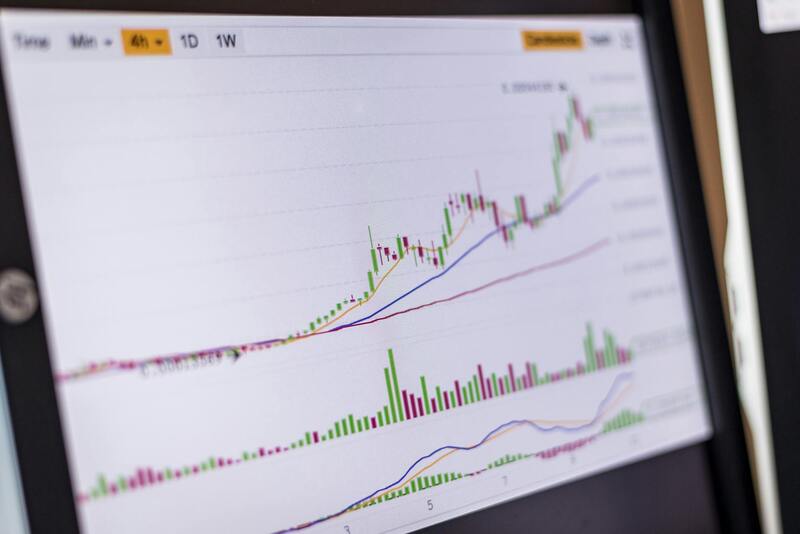
Features and Capabilities of Effective TradeTech Platforms
TradeTech platforms tailored for prop trading must incorporate advancements that address high-speed trading demands and operational complexity. Key features include:
- Low Latency Performance: Critical for strategies reliant on rapid data processing and order execution, especially in high-frequency trading environments.
- Scalability: Platforms must accommodate increasing trading volumes without degrading performance, ensuring seamless expansion as strategies evolve.
- Customization: Flexibility in setting up interfaces, workflows, and algorithms to align with specific trading models and risk profiles.
- Security Protocols: Robust encryption mechanisms, multi-factor authentication, and data integrity systems safeguard sensitive information and maintain operational integrity.
- Regulatory Support: Features facilitating compliance, such as audit trails, reporting tools, and adherence to trading standards, simplify oversight processes.
- Integration Capabilities: Compatibility with external data sources, execution venues, and institutional systems for a unified trading ecosystem.
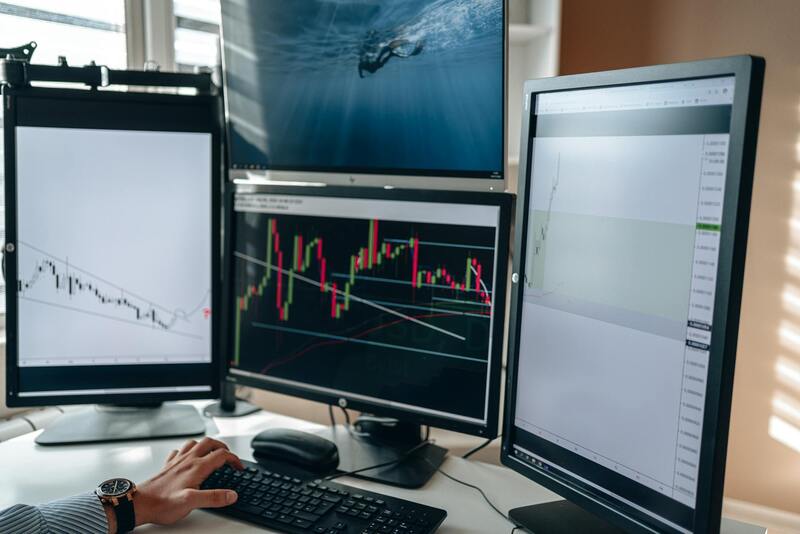
Selecting and Implementing TradeTech Solutions
Choosing appropriate TradeTech solutions requires a thorough evaluation of a firm’s trading objectives, capacity, and infrastructure. It involves assessing factors such as technological robustness, scalability, security, and integration ease. When implementing new systems, firms should prioritize seamless integration with existing workflows, comprehensive testing, and staff training to maximize efficiency. Ongoing maintenance and updates ensure the platform remains capable of meeting evolving market demands and technological advancements. This strategic approach minimizes operational disruptions and optimizes trading capabilities.
Future Trends in TradeTech for Prop Trading
Advancements in artificial intelligence, machine learning, and data analytics promise to revolutionize TradeTech solutions further. The integration of these technologies aims to enhance predictive analytics, automate complex decision-making processes, and optimize execution strategies. Cloud computing and distributed ledger technologies may offer scalable and transparent infrastructure options, fostering more efficient and secure trading environments. Emphasizing cyber-security, real-time compliance monitoring, and adaptive algorithms will be essential in maintaining competitive edges in an increasingly digital landscape. Continuous innovation ensures that prop trading operations stay ahead of market shifts and technological developments, ultimately leading to more refined, agile, and resilient trading strategies.
Optimal Utilization of TradeTech Solutions in Prop Trading
Maximizing the effectiveness of trade technology within proprietary trading operations involves a meticulous approach to the deployment and ongoing management of these systems. Firms must prioritize continuous performance monitoring, regularly reviewing key metrics such as execution speed, accuracy, and system uptime. Implementing real-time analytics dashboards allows traders and IT teams to identify potential bottlenecks or malfunctions promptly, ensuring trading remains fluid and resilient.

Another critical aspect is the customization of trade technology platforms to align with specific trading strategies and risk management protocols. This includes configuring algorithms to address particular asset classes or market conditions, setting adaptive risk parameters, and integrating bespoke analytics tools. Customization enhances decision-making accuracy and responsiveness, empowering traders to exploit market opportunities proactively.
Effective Training and Skill Development
Successful integration of trade tech solutions goes beyond technical deployment. Comprehensive training ensures that traders and support staff are proficient in utilizing the new systems effectively. Ongoing education programs, supplemented with detailed documentation and dedicated support channels, foster confidence and competence across the trading team. This continuous learning environment helps mitigate operational risks associated with technological complexities and promotes a culture of innovation and adaptability.
Maintaining Security and Data Integrity
Implementing rigorous security protocols is paramount to safeguarding proprietary trading strategies and sensitive data. Techniques such as encryption, multi-factor authentication, and regular vulnerability assessments help protect against cyber threats and unauthorized access. Additionally, maintaining data integrity through daily backups and audit trails ensures the reproducibility and accountability of trading activities, which is crucial for post-trade analysis and compliance audits.
Strategic System Updates and Scalability
Regular system updates are essential to retain optimal performance and incorporate new features that align with evolving market conditions. Scalability should be a fundamental consideration during initial deployment, allowing firms to expand their trading capacity without overhauling existing infrastructure. Cloud-based solutions provide flexible scalability options, enabling firms to dynamically adjust resources in response to fluctuating market volume and complexity.
Monitoring and Continuous Improvement
Implementing a structured feedback loop, with systematic reviews of system performance and trader input, drives continuous improvement. Data-driven insights facilitate the identification of underperforming components or emerging operational bottlenecks. Establishing robust governance frameworks ensures that technological enhancements are aligned with strategic goals, fostering long-term growth and competitive advantage in proprietary trading.
Future Technological Innovations in TradeTech
Emerging technologies are set to further revolutionize trade execution and management. Artificial intelligence and machine learning algorithms are increasingly capable of predictive analytics, risk assessment, and autonomous trading decision-making, dramatically reducing latency and human error. Cloud computing platforms offer scalable, cost-efficient infrastructure, enabling rapid deployment and integration of new tools. Distributed ledger technologies promise enhanced transparency and security, streamlining post-trade reconciliation and settlement processes.
Adopting these innovations necessitates careful planning, with an emphasis on cybersecurity, compliance, and integration with existing systems. Forward-thinking firms will continuously evaluate emerging trends, ensuring their trade tech stack remains at the forefront of technological advancements, thereby maintaining agility and resilience amidst dynamic markets.
