
Understanding Prop Trading and Its Business Model
Proprietary trading, commonly known as prop trading, involves financial firms trading stocks, commodities, currencies, or derivatives using their own capital rather than client funds. This approach allows firms to generate profits directly from market activities while maintaining control over their trading strategies and risk management protocols. Prop trading firms serve as active players in the financial markets, often engaging in high-frequency trading, arbitrage, or directional bets, leveraging their resources and market expertise to uncover opportunities for profit.
At its core, a prop trading business functions as an independent entity within larger financial organizations or as standalone firms dedicated solely to trading activities. These firmsallocate significant capital to traders who have demonstrated the ability to generate consistent returns. Unlike traditional investment firms that manage client assets and focus on long-term growth, prop trading focuses on short to medium-term positions, aiming to exploit market inefficiencies and short-lived opportunities.
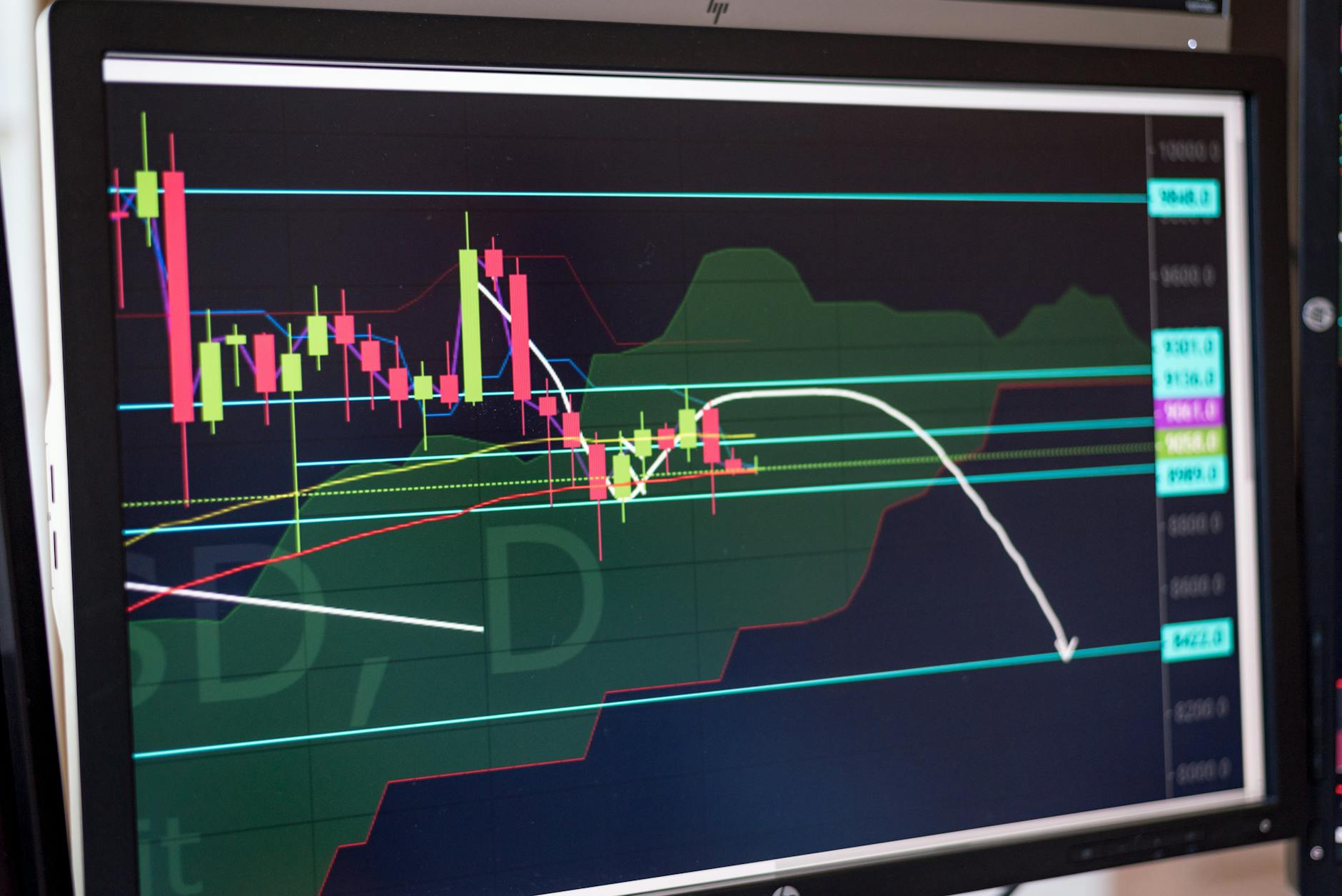
Prop trading firms adopt comprehensive risk management measures to protect their capital and maximize profitability. These measures involve setting strict trading limits, employing advanced analytics for market analysis, and implementing algorithmic and quantitative models to inform decisions. Traders within these firms typically undergo rigorous training, emphasizing disciplined trading habits, sound risk management, and strategic planning.
The role of prop trading in financial markets extends beyond individual profits. It helps improve market liquidity, discover price discrepancies, and contribute to overall market efficiency. As a critical component of the financial ecosystem, prop trading firms enable the development of innovative trading techniques and technological advancements that drive the industry forward.
Prerequisites and Skills Needed to Start Prop Trading
Embarking on a career in proprietary trading requires a combination of educational background, technical proficiency, and practical trading experience. Successful traders position themselves with a thorough understanding of financial markets, trading instruments, and strategic execution. These foundational elements are crucial to navigate the complexities of prop trading environments effectively.
Educational qualifications often include degrees in finance, economics, mathematics, or related disciplines, providing a solid theoretical understanding of markets and quantitative analysis. However, practical skills tend to outweigh formal education, especially in fast-paced trading settings. Aspiring prop traders should develop proficiency in key technical skills such as chart analysis, market timing, and risk assessment.
Technical expertise in trading platforms, programming languages such as Python or R, and data analysis tools enhances a trader's ability to develop automated strategies and interpret market data efficiently. Understanding how to operate trading software, execute complex orders, and utilize analytical tools is vital for staying competitive.
Furthermore, cultivating trading knowledge involves mastering various trading styles—scalping, day trading, swing trading, or algorithmic trading—each with its specific methodologies and risk profiles. Consistent practice, coupled with a disciplined approach to trading psychology, helps traders refine their decision-making processes under pressure.

It’s imperative for traders to build a strong risk management mindset—understanding position sizing, stop-loss placement, and profit-taking techniques. The ability to adapt strategies based on market conditions, while maintaining emotional resilience, distinguishes seasoned professionals from novices.
Gaining Practical Experience Through Simulated Trading
Before committing real capital, practicing through simulated or paper trading allows aspiring traders to sharpen their skills without financial risk. This approach facilitates the testing of strategies, understanding of market behavior, and development of discipline—elements essential for sustained growth in prop trading.
Building a Track Record and Confidence
Progressing in prop trading often depends on establishing a consistent track record of profitable trades. Regular evaluation of performance metrics, such as the risk-reward ratio, win/loss rates, and drawdowns, helps traders identify areas for improvement. Enhanced confidence derived from demonstrated success can open doors to more advanced trading opportunities and capital allocation within a firm.
In summary, starting prop trading hinges on a blend of educational credentials, technical aptitude, disciplined trading practice, and psychological resilience. Developing these competencies creates a solid foundation capable of tackling the dynamic and competitive nature of proprietary trading environments.

Understanding Prop Trading and Its Business Model
Proprietary trading, commonly known as prop trading, involves trading financial instruments using a firm’s own capital to generate profits. Unlike traditional trading where traders execute trades on behalf of clients, prop traders operate as independent specialists, taking on the risk and reward directly. The core of a prop trading firm’s business model hinges on the ability to identify profitable trading opportunities across various markets, such as equities, commodities, forex, and derivatives. Successful prop trading firms continually refine their methods to adapt to evolving market conditions, leveraging advanced technology, quantitative analysis, and disciplined risk management.
For aspiring traders intending to start prop trading, understanding how these firms capitalize on market movements is crucial. They typically provide traders with a trading capital pool—sometimes through programs that require traders to meet certain performance benchmarks—allowing the trader to maximize profit potential while adhering to strict risk parameters. This model hinges on the trader's ability to execute well-researched strategies within predefined risk limits, ensuring sustained profitability and firm stability.

Prerequisites and Skills Needed to Start Prop Trading
Successfully entering the field of prop trading requires a combination of technical skills, a disciplined mindset, and a comprehensive understanding of financial markets. Aspirants should prioritize acquiring a deep knowledge of market fundamentals, technical analysis, and trading psychology. Financial literacy, including a grasp of order types, market structures, and trading platforms, forms the foundation for effective decision-making.
Moreover, developing robust risk management skills is essential for protecting capital and ensuring long-term viability. This includes mastering techniques such as position sizing, setting appropriate stop-loss orders, and determining realistic profit targets. An understanding of leverage and its prudent application also plays a crucial role in managing trade risks effectively.
- Strong analytical skills to interpret market data and economic indicators
- Proficiency in chart reading and technical analysis tools
- Discipline and emotional resilience to adhere to trading plans
- Knowledge of risk management and money management principles
- Ability to adapt strategies according to market dynamics
Practical experience through simulated trading offers a dedicated pathway for honing these skills before committing real funds. Virtual trading environments provide traders with invaluable opportunities to test strategies, learn from mistakes, and build confidence in their decision-making processes without financial repercussions.

Deep Dive into the Official Methods to Start Prop Trading
When considering how to start prop trading through legitimate channels, understanding the official pathways is essential. These methods ensure that aspirants are engaging with structured programs designed to test and develop their trading skills while adhering to established industry standards. Formal education, specialized training programs, and direct applications to reputable proprietary trading firms form the core routes for entry into the prop trading industry.
Engaging with Certified Prop Trading Educational Programs
One of the most reliable steps is enrolling in certified educational programs offered by recognized financial training institutions or industry organizations. These programs are tailored specifically to equip traders with the necessary foundational knowledge and practical skills. They focus on financial markets, trading strategies, risk management, and use of advanced trading platforms, often culminating in a comprehensive certification. Participating in such courses demonstrates a trader’s commitment and readiness to prospective firms.

Applying Directly to Reputable Prop Trading Firms
Another well-established route involves submitting explicit applications directly to firms known for their structured onboarding processes. These firms often require candidates to undergo rigorous evaluation procedures that include written assessments, simulated trading challenges, and interviews. Successful completion of these steps indicates a candidate’s ability to meet the firm’s standards and operational procedures.
Applicants typically prepare by studying the firm’s specific trading requirements and policies. Exercising familiarity with their evaluation criteria can considerably increase the chances of acceptance. Many firms also provide detailed application guidelines, along with pre-qualification assessments intended to evaluate fundamental trading competencies and psychological resilience.
Partaking in Proprietary Trading Challenges and Assessments
Numerous prop trading companies offer official trading challenges designed as a means for prospective traders to demonstrate their skills. These challenges simulate real trading environments and require traders to meet defined performance targets within set risk parameters. Passing these evaluations not only qualifies candidates for a funded trading account but also provides a formal recognition of their trading proficiency.
Preparation for these challenges involves rigorous practice using verified simulated trading platforms, understanding firm-specific rules, and refining risk management techniques. Participants should focus on consistent performance and adherence to strategy, as these are often critical factors in passing the challenge stages.
Official Compliance and Documentation
To ensure transparency and adherence to regulatory standards, applicants may need to provide official documentation verifying their identity, trading experience, and financial literacy. This process guarantees that candidates are qualified and capable of managing capital responsibly. Maintaining detailed records and demonstrating a history of disciplined trading can enhance credibility in official applications.
Utilizing Simulated Trading Platforms Under Certified Conditions
Simulated trading remains an essential tool for traders aiming to qualify for proprietary programs. It allows for practicing under conditions that closely mimic live markets, ensuring that traders develop technical skills, emotional resilience, and discipline. Many companies endorse or provide access to their proprietary trading simulators, which serve as a bridge toward qualifying for their funded accounts.
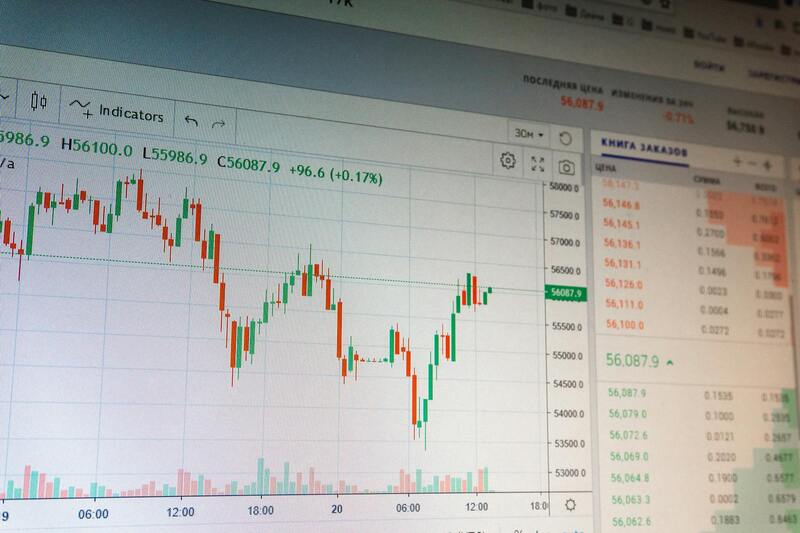
Conclusion: Building a Path Through Official and Recognized Methods
Starting prop trading through verified channels involves a strategic combination of formal education, targeted applications, and rigorous testing within simulated environments. These steps not only establish a solid foundation of trading competence but also align with the industry’s standards for responsible capital management. Engaging with licensed programs and adhering to established evaluation processes paves a clear and trustworthy path toward becoming a successful proprietary trader.
Applying and Qualifying for a Prop Trading Program
Securing a position within a proprietary trading firm requires a meticulous approach to application processes and assessment standards. This phase involves several crucial steps designed to evaluate a trader’s readiness and capability to manage real capital responsibly. The process typically begins with submitting a comprehensive application, which includes detailed personal information, trading experience, and sometimes evidence of financial literacy and discipline demonstrated through official documentation. These applications are scrutinized to ensure candidates meet the firm’s criteria and are equipped with the necessary skills to proceed.
Following initial screening, applicants often participate in a structured evaluation process that might involve a trading challenge or assessment period. During this phase, candidates are required to demonstrate their trading skills within a controlled environment—either through simulated platforms or live trading under supervision. Success in these assessments is frequently contingent upon meeting specified profit targets while adhering to risk management rules. Evidence of disciplined trading behavior, consistent performance, and emotional resilience are critical factors in passing these evaluations.

Many proprietary trading firms utilize proprietary simulators or assessment tools that replicate real-market conditions, enabling candidates to showcase their skills without risking actual capital. These platforms provide detailed feedback on trading decisions, risk management, and adherence to trading parameters, serving as invaluable tools for both evaluators and aspiring traders. Candidates who excel in these tests demonstrate their capacity to execute strategic trades, control emotions, and follow rules established by the firm—key qualities for long-term success in prop trading.
Applicants should prepare thoroughly by studying the specific evaluation criteria of each firm, practicing on simulated platforms, and maintaining a disciplined trading routine. Building a robust trading record in simulated environments not only boosts confidence but also enhances credibility during the application process. Engaging with official training modules, participating in webinars, and reading industry materials can further improve a trader’s prospects of acceptance into a formal program.
Official Documentation and Due Diligence
During the application process, traders are often required to submit official documents verifying their identity, residency, trading experience, and sometimes educational background. This step ensures transparency and facilitates compliance with operational standards. Accurate and complete documentation expedites the review process and can positively influence a firm’s decision to offer a funded account.
Engaging with Certification Programs and Educational Resources
Many firms and industry organizations provide certification courses and educational resources that can enhance a trader’s knowledge and skills. Sometimes, completing these programs can serve as a credential that strengthens an applicant’s profile. These certifications often cover essential topics such as risk management, trading psychology, and market analysis, forming a comprehensive foundation for professional success.
Success in starting prop trading lies in aligning your preparation and evaluation efforts with official, recognized pathways. Meticulously completing application requirements, demonstrating consistent discipline and skill in simulated or live environments, and leveraging educational resources all contribute to a structured and transparent route for aspiring traders to enter proprietary trading programs and develop their careers within this dynamic industry.
Funding and Capital Allocation in Prop Trading
Securing appropriate funding is a critical step in prop trading. Once a trader gains acceptance into a proprietary trading program, the firm allocates a trading capital based on the trader’s demonstrated skills, experience, and adherence to risk management protocols. This capital acts as the core resource through which trading activities are conducted, providing traders with the financial leverage necessary to execute diverse trading strategies while managing exposure effectively.
Unlike retail trading, prop traders operate with the firm’s capital, which reduces the need for personal financial investment and allows traders to focus entirely on strategy execution and risk management. The allocation process often involves detailed assessments of trading history, simulated performance, and compliance with firm-specific trading rules. This ensures that capital is distributed to traders most likely to generate consistent profits without exposing the firm to undue risk.
Once capital is allocated, traders must adhere to strict risk control parameters. Firms typically set maximum drawdown limits, daily loss thresholds, and position size restrictions to safeguard the allocated funds. This disciplined approach helps prevent significant losses that could threaten both the trader’s account and the firm's overall capital pool.
Progression within a prop trading firm often hinges on performance metrics. Traders are evaluated based on their consistency, risk-adjusted returns, and ability to follow trading protocols. High-performing traders may receive increased capital allocations, access to more sophisticated trading tools, or even opportunities to trade on additional markets or instruments. This structured progression encourages disciplined growth and ensures traders focus on sustainable profitability rather than short-term gains.
Utilizing Capital Efficiently and Scaling Up
Maximizing the use of allocated capital involves strategic planning, diversification of trading strategies, and continuous performance assessment. Skilled traders often diversify their trading methodologies—for example, combining scalping, swing trading, and trend following—to optimize capital deployment across different market conditions. Regularly analyzing performance metrics allows traders to identify strengths and areas for improvement, facilitating smarter capital scaling decisions.
Scaling a trading operation within a firm’s framework requires incremental increases in capital based on consistent, verified results. Many firms utilize a tiered funding system where traders start with a small allocated amount and, upon meeting specific performance benchmarks, gain access to larger pools of trading capital. This systematic scale-up helps balance the pursuit of higher returns with risk management, fostering a sustainable trading career.

Understanding Prop Trading and Its Business Model
Proprietary trading, commonly known as prop trading, involves firms or traders using their own capital to execute trades across various financial markets. Unlike traditional investment models where capital is allocated and managed on behalf of clients, prop trading firms leverage their resources, aiming to generate profits through strategic buying and selling of securities, commodities, or currencies. The core advantage of this approach is the ability to implement aggressive trading strategies without external pressure from clients or investors, enabling traders to operate with greater flexibility and risk appetite.
Prop trading firms often structure their operations around a performance-based compensation model, where traders retain a significant portion of the profits they generate. This setup encourages traders to maximize their trading efficiency and develop innovative strategies, knowing that their earnings directly depend on their results. In such environments, firms invest in sophisticated trading technology, real-time data analysis tools, and risk management systems, creating a highly competitive landscape focused on sustained trading excellence.
Operators within this ecosystem typically establish strict rules for risk management and position sizing, ensuring that losses are contained while capitalizing on market opportunities. The typical profit-sharing arrangements vary but generally reward traders for consistent profitability, risk discipline, and strategic growth. Over time, successful traders may receive increased capital allocations, access to more advanced trading tools, or opportunities to diversify into additional markets and instruments, fostering a scalable career path within the prop trading environment.

Prerequisites and Skills Needed to Start Prop Trading
Launching a career in prop trading necessitates a combination of specialized skills, disciplined financial acumen, and sometimes prior trading experience. At its core, prospective traders should possess a robust understanding of financial markets, analytical abilities to interpret data, and the capacity to develop and adapt trading strategies under evolving market conditions. Moreover, a resilient mental framework is essential to handle the psychological pressures that accompany high-stakes trading activities.
Key skills include:
- Strong quantitative and technical analysis capabilities
- Risk management knowledge, including position sizing and stop-loss implementation
- Discipline to adhere to trading rules and protocols
- Adaptability to rapidly changing market information
- Understanding of trading platforms and data analysis tools
While formal education in finance, economics, or related fields can be advantageous, many traders build their expertise through dedicated training, online courses, and hands-on practice using demo accounts. It’s also beneficial to develop a solid trading plan and maintain consistent record-keeping to evaluate performance and refine approaches continuously.
Researching and Choosing the Right Prop Trading Firm
Selecting the appropriate prop trading firm requires meticulous research to identify firms that align with your trading style, risk preferences, and professional goals. The selection process involves evaluating multiple factors such as firm reputation, training opportunities, risk management protocols, compensation structures, and available markets.
Important considerations include:
- Track record and industry standing of the firm
- Support systems, including mentorship and educational resources
- Transparency in operational policies and performance assessments
- Risk controls and drawdown limits
- Type of trading instruments and markets accessible
- Fee structures or cost implications, if any
Engaging with current or former traders can provide valuable insights into the firm's operational environment. Furthermore, reviewing online forums, industry reviews, and official firm disclosures can help ensure that your choice is grounded on reputable and reliable information.

Securing Your Position and Continuous Development in Prop Trading
Once you've successfully met the qualifying criteria and gained access to a prop trading firm’s capital, the focus shifts towards maintaining a disciplined approach to trading and continuously refining your skills. Sustained success in prop trading hinges on a trader’s ability to adapt to evolving market conditions, implement robust risk management practices, and leverage ongoing educational resources. Building a structured routine that emphasizes analysis, trading discipline, and performance review is essential for long-term growth.
To secure your position and ensure consistent performance, consider the following key strategies:
Adherence to Risk Management Protocols
Effective risk management is the cornerstone of sustainable prop trading. This entails setting strict maximum drawdown limits, employing stop-loss orders, and maintaining appropriate position sizes relative to your capital. Many firms enforce these protocols to protect both the trader and the firm’s overall capital pool. Consistent adherence minimizes the risk of significant losses that could jeopardize your trading privileges.
Performance Monitoring and Record-Keeping
Keeping detailed trading logs helps identify strengths and weaknesses in your approach. Recording entry and exit points, rationale behind trades, and outcomes provides valuable data for analysis. Regularly reviewing these records enables traders to recognize patterns, adjust strategies, and avoid recurring mistakes.

Continual Education and Strategy Refinement
Markets are dynamic, and successful traders stay ahead by engaging in ongoing learning. This involves reading industry publications, participating in webinars, and studying advanced trading techniques. Many prop trading firms offer educational resources or mentorship programs, which can be instrumental in elevating your trading acumen.
Experimenting with small adjustments to your strategies based on data and market developments can lead to improved results. Keeping an open mind and being willing to adapt strategies in response to market shifts is vital for longevity in prop trading careers.
Networking and Community Engagement
Connecting with other traders provides opportunities to exchange insights, share experiences, and learn new approaches. Online forums, trading communities, and industry conferences serve as platforms for professional growth. Engaging with a network of traders can also offer emotional support and motivation, which are important for maintaining discipline during challenging periods.
Maintaining Psychological Resilience and Discipline
The emotional aspect of trading cannot be overlooked. Maintaining control over psychological responses such as fear and greed is critical. Developing routines like meditation, setting realistic goals, and practicing patience support mental resilience. Discipline in sticking to your trading plan, even during high-volatility periods, helps sustain steady performance and protect capital.
Members of allowed prop trading communities often benefit from mentorship programs, structured training modules, and performance assessments. These tools assist traders in refining their skills and ensuring alignment with firm standards, thereby increasing the likelihood of success within the firm’s ecosystem.
Long-Term Growth and Career Progression
As proficiency and confidence grow, traders may explore advanced trading instruments or diversify their trading portfolios. Some firms offer pathways for traders to ascend into roles with increased capital allocation or managerial responsibilities. Such progression requires demonstrated consistency, risk control, and the ability to generate sustained profits.
In essence, ongoing development involves a blend of disciplined trading practices, strategic learning, performance analysis, and community engagement. Achieving and maintaining success in prop trading is a continual journey of adaptation, education, and perseverance.
