
What Are Prop Firms in Trading?
Definition of Proprietary Trading Firms
Proprietary trading firms, commonly known as prop firms, are specialized financial organizations that engage in trading financial instruments using their own capital. Unlike traditional brokerage firms that facilitate client trades and earn commissions or fees, prop firms utilize their invested funds to generate profit directly from the markets. The core objective of a prop firm is to leverage its resources and expertise to maximize returns, often through advanced trading strategies and technological tools.
These firms operate under a distinct model where the primary focus is on profit generation through trading activities. Individual traders employed or sponsored by prop firms do not trade client assets; instead, they trade the firm’s proprietary capital. This allows traders to access significant trading funds that might not be available through personal capital alone, enabling them to execute larger trades, diversify their strategies, and potentially increase profit margins.
Unlike investment managers or fund operators who handle third-party money, prop firms are solely responsible for the financial outcomes of their trading activities. They often thrive on highly disciplined, strategic approaches to trading, emphasizing risk management and technical expertise. The structure and operational methods of prop firms can vary widely, but a common element is the focus on trading performance and capital utilization to achieve profitability.

How Prop Firms Operate
Proprietary trading firms operate through a combination of expert traders, advanced technology, and structured risk management protocols. These organizations typically recruit talented traders or develop internal talent through rigorous evaluation processes. Once onboard, traders are granted access to the firm's capital to execute trades based on set strategies and risk parameters.
Prop firms often employ sophisticated trading software, real-time market analysis, and automated systems to enhance decision-making. They establish clear guidelines to control risk exposure, including daily loss limits and position sizing rules. The goal is to optimize profit potential while maintaining strict risk controls to protect the firm's capital.
Profit sharing arrangements are common, where traders may receive a percentage of the profits generated through their trades. This incentivizes high performance and careful risk management. Profitable traders are rewarded with increased capital, better trading conditions, or both, fostering a competitive yet disciplined environment for trading.
Types of Prop Trading Firms
- Independent Prop Firms: Typically smaller, these firms operate with a focus on niche markets or specific trading styles. They often nurture in-house talent and provide training programs.
- Institutional Prop Firms: Larger organizations often affiliated with financial institutions, these firms leverage extensive resources and advanced infrastructure to support high-frequency trading, algorithmic strategies, and global markets.
- Hybrid Firms: Combining elements of proprietary trading and asset management, these firms diversify their strategies and trading activities across various financial instruments and markets.
Funding and Capital Allocation
Funding in prop firms is a critical aspect, as it directly impacts trading capacity and potential profits. Firms allocate capital based on traders’ experience, past performance, and strategic fit. Traders may start with a set trading capital, which can grow with consistent performance, or they might be given access to large pools of capital right from the outset.
Capital is managed carefully, with risk limits strictly enforced to prevent significant losses. This approach ensures that the firm's aggregated trading portfolio remains resilient against market volatility, and it enables traders to test new strategies within controlled environments.
Trader Recruitment and Evaluation
Prop firms seek talented traders through various selection processes, including trading tests, interviews, and performance assessments. Candidates are evaluated on their trading skills, risk management discipline, and strategic thinking. Many firms also provide training and mentorship programs to nurture promising traders.
Evaluation criteria often include consistency of profitability, adherence to risk controls, and emotional resilience under market pressure. The recruitment process is designed to identify individuals capable of managing capital responsibly while generating sustainable profits.
Benefits and Risks for Traders
Traders working under prop firms benefit from access to substantial trading capital, state-of-the-art technology, and supportive risk management frameworks. They often retain a share of the trading profits, which can lead to high earnings based on performance.
However, engaging with prop firms entails certain risks, including the pressure to perform continuously and the strict risk limits that can lead to trading restrictions or disqualification if exceeded. The environment demands disciplined trading strategies and strong emotional control to succeed.
Understanding How Proprietary Trading Firms Operate
Proprietary trading firms operate by leveraging their own capital to engage in financial markets, differing from traditional investment entities that trade on behalf of clients. Their core objective is to generate profits through various trading strategies executed by skilled traders, who typically operate within predefined risk parameters established by the firm. The organization’s structure often includes specialized trading desks focusing on equities, derivatives, forex, or commodities, depending on the firm’s expertise and market focus.
These firms utilize advanced trading technology, including high-frequency trading algorithms, quantitative models, and sophisticated analytics, to identify and capitalize on market opportunities. The technological infrastructure allows traders to execute rapid, precise trades, often at sub-millisecond speeds, which is crucial in high-volume trading environments. Additionally, proprietary trading firms maintain extensive research teams that develop models and refine strategies aligned with current market dynamics.

The organizational hierarchy in prop firms typically involves a team of analysts, traders, risk managers, and support staff. Traders are trained to follow specified guidelines and risk limits, ensuring that their activities align with the firm's overall risk appetite. The risk management department continuously monitors trading activities, employing real-time analytics to prevent excessive losses and maintain financial stability.
Trading Strategies Employed by Prop Firms
- Market Making: Providing liquidity by quoting buy and sell prices, earning profits through bid-ask spreads.
- Statistical Arbitrage: Exploiting price discrepancies between related securities using complex algorithms.
- Trend Following: Investing in assets exhibiting strong directional momentum, aiming to capitalize on sustained price moves.
- High-Frequency Trading (HFT): Executing a large number of small trades at high speed to profit from tiny price movements.
- Event-Driven Strategies: Trading around news events, earnings releases, or economic reports that can lead to volatility.
Each strategy requires specific technological tools and risk controls, with firms often customizing their approaches based on market conditions and internal expertise.
Organizational Structure of Prop Firms
The structure generally includes the following key departments:
- Trading Desk: The frontline where traders execute strategies, monitor markets, and manage their positions under risk policies.
- Research and Development: Teams focused on strategy development, model backtesting, and technological innovation.
- Risk Management: Responsible for setting risk limits, monitoring compliance, and implementing safeguards to protect capital.
- Operations and Technology: Ensures systems stability, order execution efficiency, and data security.
- Compliance and Support: Handles regulatory reporting, administrative support, and trader onboarding processes.
The integration of these units fosters an environment where innovation, disciplined risk management, and operational efficiency are prioritized, enabling the firm to remain competitive in dynamic markets.
Definition of Proprietary Trading Firms
Proprietary trading firms, commonly known as prop firms, are specialized financial entities that use their own capital to engage in market trading activities. Unlike traditional investment firms or hedge funds that manage client assets, prop firms allocate their funds directly into various trading strategies aimed at generating profits. These firms focus on leveraging advanced technological tools, sophisticated algorithms, and proprietary trading strategies to capitalize on market opportunities across different asset classes, including equities, futures, options, and forex.
Prop firms often operate with a high degree of flexibility, allowing traders to execute a broad range of trading styles—from short-term scalping and day trading to longer-term swing trading—within a structured risk management framework. The primary goal of these firms is to maximize returns by employing an array of research-backed strategies while maintaining strict oversight on risk exposure.

Operational Foundations of Prop Firms
Proprietary trading firms serve as hubs of innovation and discipline within financial markets. By deploying their capital, they facilitate liquidity, refine trading algorithms, and develop new strategies, often pushing the boundaries of traditional trading methods. Traders within these companies typically operate under clearly defined risk parameters and performance metrics, which helps balance aggressive trading with prudent risk control.
Such firms generally possess a robust infrastructure—including cutting-edge trading platforms, high-speed data feeds, and sophisticated risk management software—that enables rapid decision-making and execution. The collective effort of research teams, experienced traders, and technology specialists creates an environment conducive to sustained profitability and continuous strategy improvement.
Distinctive Characteristics of Prop Firms
- Utilization of firm’s own capital for trading activities
- Focus on implementing proprietary strategies
- Emphasis on rigorous risk management protocols
- Modern technological infrastructure for trading execution
- Compensation models typically based on profit sharing
Benefits of Working as a Trader in Prop Firms
Professionals who join prop trading firms often find an environment rich in resources and mentorship opportunities. Traders gain access to significant leverage, state-of-the-art technology, and dedicated risk management teams. Moreover, performance-based incentive structures motivate traders to develop and refine their strategies continually. By working within the firm’s infrastructure, traders are positioned to execute more precise, data-driven trades that would be challenging independently.
These firms also foster a culture of continuous learning, with regular strategy sessions, trading reviews, and technological updates designed to enhance trader skillsets and keep pace with evolving markets.
Conclusion
Proprietary trading firms play a pivotal role in financial markets by providing liquidity, fostering innovation, and supporting traders with cutting-edge tools and risk oversight. Their operational models enable skilled traders to leverage both technology and capital effectively, helping maximize market opportunities while managing potential downsides robustly. Understanding the inner workings of these firms is essential for traders seeking to align with a reputable and professionally managed environment that emphasizes strategic growth and disciplined risk-taking.
Funding and Capital Allocation in Prop Firms
Within proprietary trading firms, the process of funding and capital allocation is a foundational element that significantly influences trader performance and overall firm operations. Prop firms allocate a specific pool of trading capital to individual traders based on a variety of factors, including experience, proven track record, and adherence to risk management protocols. This allocation enables traders to execute sizable positions without risking their personal capital, fostering an environment conducive to strategic, high-volume trading.
The capital allocation process typically involves stringent assessment procedures that evaluate a trader's skill level, consistency, and capacity to manage risk. Firms often utilize simulated trading or trial periods to gauge trader capabilities before providing actual trading capital. During this phase, traders demonstrate their ability to generate profit while adhering to defined risk limits, such as maximum drawdown thresholds and position-sizing rules.
Risk management remains integral to how capital is distributed across the trading team. Many firms implement real-time monitoring systems that oversee trading activity, ensuring traders operate within established parameters. Ongoing oversight prevents excessive losses, preserves the firm's capital, and promotes disciplined trading practices. Capital is typically allocated in proportion to a trader’s demonstrated skill and consistency, with more successful traders often receiving increased funding to optimize profit potentials.
Culture of Risk Management and Capital Efficiency
Effective risk management is embedded deeply within the funding strategy of prop firms. Capital is not allocated indiscriminately; instead, traders are required to follow strict operational guidelines that prioritize capital preservation. These include predefined stop-loss levels, leverage limits, and position-sizing policies designed to mitigate downside risk while allowing for strategic profit-making. The dynamic nature of markets demands that firms maintain agility in reallocating capital, often adjusting trader funding based on recent performance and ongoing risk assessments.
Funding Criteria and Ongoing Support
- Performance benchmarks established during evaluation phases
- Consistent trading results over a defined period
- Adherence to risk management policies
- Trading discipline and strategic execution
Once funded, traders typically receive ongoing support from the firm’s resources, including access to advanced trading platforms, comprehensive analytics tools, and dedicated risk management teams. These resources are designed to optimize trading outcomes and reinforce disciplined practices. The allocation of trading capital is viewed as a strategic partnership, where the firm’s capital is deployed to generate profits, and careful attention is paid to risk-adjusted returns.
Implications for Traders and Firms
Well-structured funding models create a balanced ecosystem where traders can leverage significant capital to maximize opportunities, while firms maintain control through rigorous risk monitoring. This symbiotic relationship enables traders to operate at the cutting edge of market movements, executing larger trades that might be impractical with personal funds alone. Furthermore, transparent capital allocation policies incentivize traders to refine their strategies continuously and adhere strictly to risk control measures, fostering an environment of sustainable growth.
Understanding How Prop Firms Fund and Manage Trading Capital
Capital Allocation and Risk Management Strategies
Proprietary trading firms employ sophisticated strategies to allocate capital effectively across their roster of traders. Central to this process is a rigorous risk management framework that ensures the firm’s capital is protected while maximizing profit potential. These strategies often involve setting predefined risk limits for individual traders, such as maximum daily loss thresholds, position size restrictions, and stop-loss protocols that align with the firm’s overall risk appetite.
Advanced analytics and real-time monitoring tools play a critical role in this environment. They allow risk managers to intervene promptly if a trader’s activity deviates from established parameters. This dynamic oversight helps mitigate potential losses and maintain the stability of the firm’s trading operations, even during volatile market conditions.
Furthermore, firms frequently employ quantitative models to determine the optimal distribution of capital among traders. These models consider numerous factors including the trader’s historical performance, risk-adjusted returns, the consistency of trading strategies, and market conditions. By doing so, prop firms can balance the pursuit of profit with rigorous risk controls, ensuring sustainable growth and capital preservation over the long term.
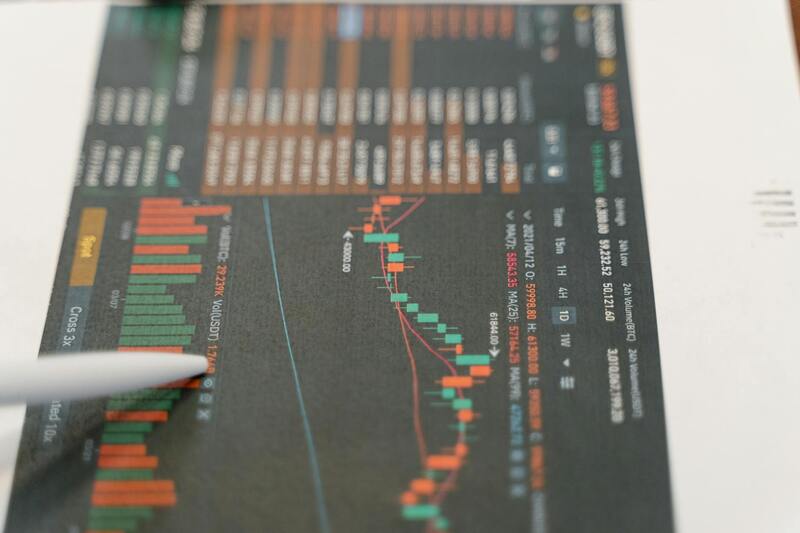
Trade Verification and Continuous Monitoring
To uphold high standards of trading discipline, prop firms often implement comprehensive evaluation processes prior to and after traders are funded. These include simulated trading tests, known as trial phases, where traders demonstrate their ability to generate consistent returns within risk parameters. Successful completion of these assessments is a prerequisite for capital allocation.
Once traders are active, continuous monitoring of trading activity is essential. Firms utilize state-of-the-art software systems that scrutinize every trade for adherence to risk policies and strategic guidelines. This ongoing oversight facilitates swift corrective actions if necessary, preserving the integrity of the trading environment.
Regular performance review sessions are common, where traders are provided with feedback and additional training resources to refine their abilities. Such evaluations are not merely about enforcing compliance—they serve as opportunities to identify talented traders capable of scaling their activities and managing larger portions of the firm’s capital.

Impacts on Trader Development and Firm Stability
Effective capital management and rigorous oversight foster an environment conducive to trader development. Traders benefit from access to premium tools and ongoing support, which can translate into heightened trading skills and improved performance over time. In addition, transparent and well-structured funding procedures motivate traders to adhere to best practices and continuously optimize their strategies.
From the firm’s perspective, disciplined capital allocation and monitoring reduce exposure to excessive risk, contributing to overall stability. Savvy management of capital and risk positions prop firms to adapt swiftly to changing market conditions, protecting their assets while enabling traders to explore a wide array of trading opportunities that were previously inaccessible with personal funds alone.

Funding and Capital Allocation
Proprietary trading firms typically allocate capital to their traders based on specific criteria that align with the firm’s risk management policies and strategic objectives. The process begins with a comprehensive evaluation of a trader’s skill set, trading history, and risk appetite. Traders who demonstrate consistent profitability and disciplined trading behavior are often granted access to larger pools of capital, which amplifies their potential returns.
Firms employ structured funding programs, where traders start with a defined, smaller capital base. As traders showcase their ability to adhere to risk limits and sustain profitability over time, their funding levels are gradually increased. This tiered approach incentivizes disciplined trading practices and minimizes unnecessary exposure to market volatility.
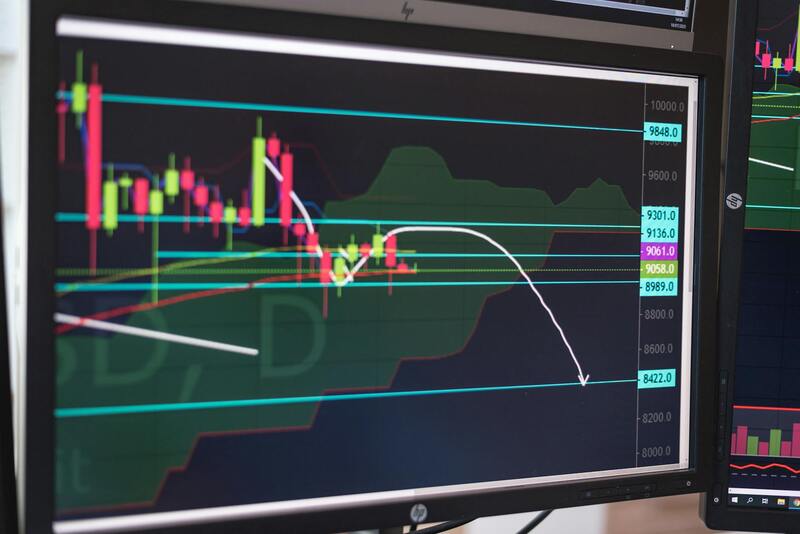
Capital is often managed through automated risk systems that monitor trading activities in real-time. These systems ensure traders operate within predefined risk parameters, significantly reducing the chance of substantial losses that could impact the firm's overall stability. A transparent view of capital flows and risk positions allows firm managers to make informed decisions about funding adjustments, frequently optimizing trader performance and safeguarding assets.
Trader Recruitment and Evaluation
Recruiting traders within proprietary trading firms involves a multifaceted process that emphasizes skill assessment, discipline, and risk management capabilities. Most firms conduct rigorous evaluations, including simulated trading tests or trial periods, to gauge a trader's ability to generate consistent profits while managing downside risks.
During the evaluation phase, traders are observed meticulously, with attention paid to their trading strategies, reaction to market fluctuations, and compliance with the firm’s risk policies. High-performing traders are often provided with mentorship opportunities, advanced training resources, and access to sophisticated trading platforms. This environment promotes continuous development, enabling traders to refine their skills and adapt their strategies to evolving market conditions.
The selection process typically involves screening for traits such as emotional resilience, analytical capability, and a disciplined approach to trading. Once onboarded, traders undergo ongoing performance reviews, ensuring they meet the firm's standards for risk and profitability. Successful traders who consistently demonstrate their effectiveness may receive increased funding and autonomy, empowering them to maximize their trading potential.

This rigorous approach to recruitment and evaluation fosters a professional environment where skill, discipline, and risk awareness are paramount. It also aligns the trader’s objectives with the firm’s goal of generating steady, sustainable returns, creating a mutually beneficial partnership that emphasizes responsible trading practices and strategic capital management.
Understanding the Funding and Capital Allocation in Prop Firms
Proprietary trading firms allocate significant capital to their active traders, enabling them to execute a high volume of trades with substantial financial backing. Instead of using traders' personal funds, prop firms leverage their own capital, which is managed according to the firm’s risk management policies. This capital allocation is carefully designed to optimize profit generation while minimizing exposure to significant losses. Traders are provided with predetermined trading limits and position sizes that fit within these risk parameters, ensuring that the firm's capital is protected even during adverse market conditions.
Funding levels vary depending on the trader’s experience, proven performance, and adherence to risk guidelines. Once a trader demonstrates competence and consistency during evaluation phases, they typically receive increased funding, allowing for larger trading sizes and diversified strategies. To facilitate effective capital deployment, prop firms often utilize advanced risk management tools and real-time monitoring systems. These systems help ensure that trading activities align with the firm’s objectives, monitor drawdowns, and automatically intervene if risk thresholds are breached.

Trader Recruitment and Ongoing Evaluation
Recruitment processes in prop trading firms are designed to identify traders with the potential to generate consistent profits while managing investment risks effectively. The selection criteria often include assessing technical skills, emotional resilience, decision-making under pressure, and adherence to trading discipline. Candidates typically undergo simulated trading tests or trial periods, where their ability to produce sustainable returns is closely monitored. These evaluations focus not only on profitability but also on risk management and compliance with firm policies.
Once traders are onboarded, they are subjected to continuous performance reviews. This array of assessments ensures that trading behavior remains aligned with the firm’s standards. High performers who demonstrate disciplined risk management and consistent profitability are frequently given access to larger capital pools, more autonomy, and advanced training resources. This incentivizes ongoing development and fosters a professional trading environment where skill and discipline are rewarded.

Regulatory Environment and Industry Trends
While proprietary trading firms operate under various industry guidelines, they often adapt to evolving regulatory frameworks that impact financial markets globally. Recent trends include increased transparency, stricter risk controls, and compliance standards designed to promote responsible trading practices. Innovations such as the integration of sophisticated data analytics, machine learning algorithms, and automation tools are transforming the landscape of prop trading. These advancements enable firms to enhance their risk mitigation strategies and improve profitability through more precise trade execution.
The modernization of trading infrastructure and the adoption of regulatory-compliant systems are crucial for maintaining market integrity and operational efficiency. Additionally, industry trends indicate a growing emphasis on trader development programs, fostering a culture of continuous improvement and strategic risk-taking. As the market environment evolves, prop firms remain agile, leveraging technology and regulatory insights to stay competitive and sustainable in the dynamic financial ecosystem.

Understanding Proprietary Trading Firms: An In-Depth Analysis
Definition of Proprietary Trading Firms
Proprietary trading firms, commonly known as prop firms, are specialized financial entities that trade with their own capital rather than managing client assets. These firms engage in the buying and selling of financial instruments across various markets—including stocks, futures, options, and forex—aiming to generate profits for their own accounts. Unlike traditional asset management firms, prop firms operate on a model that emphasizes risk-taking, skill, and disciplined trading strategies, with revenue primarily derived from successful trades rather than client fees or commissions. This setup allows traders within these firms to capitalize on market opportunities with the backing of substantial financial resources, fostering an environment where calculated risk is rewarded with the potential for significant returns.
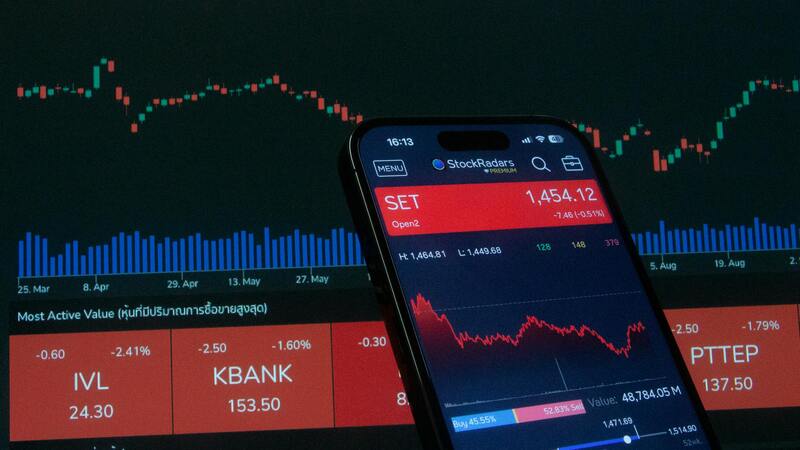
How Prop Firms Operate
Operationally, prop firms provide traders with access to capital, advanced trading platforms, and analytical tools necessary for executing high-frequency and strategic trades. These firms often employ risk management protocols designed to monitor trading activity and prevent excessive losses. They establish trading limits, employ real-time monitoring systems, and enforce strict compliance measures to uphold disciplined trading practices. Traders are usually assessed through rigorous evaluation programs designed to ensure they meet the firm's standards for skill, discipline, and risk management. After successful onboarding, traders operate as independent professionals within the firm’s infrastructure, leveraging its resources to optimize their trading strategies while adhering to set risk parameters. The firm's revenue-sharing models often incentivize traders to maximize performance, aligning individual and corporate success.
Types of Prop Trading Firms
Proprietary trading firms vary based on their operational focus and structure. The most common types include:
- Market Maker Firms: These firms provide liquidity to markets by quoting buy and sell prices, profiting from bid-ask spreads. They often employ high-frequency trading algorithms to maintain tight spreads and rapid execution.
- Quantitative Firms: These utilize sophisticated mathematical models, algorithms, and data analytics to identify trading opportunities, often employing automation and machine learning techniques.
- Discretionary Trading Firms: Rely on individual traders’ skills and judgment for executing trades, often supported by robust research and market analysis tools.

Funding and Capital Allocation
Capital allocation is a fundamental element in prop trading operations. Firms allocate funds based on traders’ demonstrated competence, risk management capabilities, and trading history. Some firms provide traders with a fixed amount of capital after completing a rigorous evaluation process, while others gradually increase trading limits as traders prove their consistency and profitability. This approach ensures that risk is spread across multiple traders and strategies, maintaining a balanced portfolio of trading approaches. The firms strategically allocate resources to diversify risk and capitalize on multiple market opportunities, often utilizing proprietary algorithms and data analytics to determine optimal capital deployment. Advanced risk assessment models help to monitor exposure levels in real-time, adjusting funding allocations dynamically based on market conditions and trader performance.
Trader Recruitment and Evaluation
Recruitment at prop firms typically involves a comprehensive evaluation process designed to assess a trader’s skill set, strategic decision-making, psychological resilience, and risk management discipline. Candidates often undergo simulated trading tests or express interest through application programs, followed by a series of trading assessments where their performance is scrutinized in real market conditions. This process helps the firm identify traders who demonstrate consistent profitability, disciplined trading behaviors, and the ability to adapt to evolving market environments.
Once recruited, traders are subject to ongoing performance reviews, with firms offering continuous education, mentorship, and skill development programs to enhance their trading capabilities. The evaluation framework emphasizes not only profitability but also adherence to risk controls and strategic discipline, which are critical to sustaining long-term trading success within the firm's ecosystem.
Benefits and Risks for Traders
Trading within a prop firm offers several advantages, including access to significant trading capital, state-of-the-art technology, and risk management support. Traders benefit from structured environments that provide training, mentorship, and resources to refine their strategies, which can accelerate their growth and earning potential. Additionally, the profit-sharing arrangements often incentivize traders to outperform, aligning their incentives with the firm's success.
However, these benefits come with inherent risks. Traders are responsible for adhering to strict risk controls, and failure to manage positions can lead to losses, which may affect their trading accounts or evaluations negatively. The competitive environment also requires continuous skill development and psychological resilience to handle high-pressure scenarios. While the structured environment minimizes some risks associated with solo trading, traders must remain disciplined and proactive to succeed in such settings.
Regulations and Industry Trends
The operational landscape for prop firms is influenced by evolving regulatory standards that promote transparency, integrity, and responsible trading. The industry adopts advanced technological tools—including data analytics, automation, and compliance software—to maintain high standards of operational conduct. Trends indicate a growing emphasis on trader development programs that foster continuous learning and strategic skill enhancement, as well as an increased focus on risk management practices that limit potential losses and ensure market stability.
