
Overview of FTMO and Prop Trading Firms in the USA
Proprietary trading firms, often referred to as prop firms, have gained considerable prominence within the financial industry, especially among traders seeking access to substantial capital without risking their personal funds. Among these, FTMO stands out as a well-known international entity that offers opportunities for traders worldwide, including those based in the United States. FTMO operates by providing qualified traders with capital to trade various financial instruments such as forex, commodities, indices, and cryptocurrencies. The firm evaluates traders through a rigorous assessment process that ensures they have the skills to manage risk effectively and generate profits within specified parameters.
In the context of US financial markets, numerous other prop trading firms also serve traders with legitimate and regulated operations. Companies like SMB Capital, Maverick Trading, and T3 Trading Group are examples of U.S.-based prop firms that operate under strict regulatory oversight, ensuring transparency, compliance with financial standards, and adherence to trading best practices. These firms typically offer structured programs that include training, funding, and profit-sharing arrangements tailored to US traders’ needs.

While FTMO mainly operates through online platforms and global assessment programs, US-based prop firms often have physical offices and more direct oversight. Nevertheless, the core role remains consistent: connecting talented traders with the financial resources necessary to execute large-scale trades, thereby fostering growth and profit potential in the financial markets. The competitive landscape for prop trading in the US demands adherence to strict operational standards, ensuring that all trading activities are conducted within established legal frameworks.
For traders interested in participating in these regulated environments, understanding the operational models of firms like FTMO is essential. These models typically revolve around initial evaluation phases, continuous performance monitoring, risk management protocols, and profit-sharing agreements. The presence of reputable major players and responsible operators creates a trustworthy environment where traders can develop their skills while aligning with industry standards.
Overview of FTMO and Prop Trading Firms in the USA
Proprietary trading firms operating within the United States serve as vital intermediaries between capital and skilled traders. Among the most notable is FTMO, a company renowned for its structured evaluation system, which assesses traders through rigorous testing phases before providing access to trading funds. Although FTMO originated outside the US, its expansion into the American market exemplifies the increasing demand for transparent and professional prop trading options within the country.
In addition to FTMO, numerous U.S.-based prop trading firms focus on fostering talent and facilitating large-deal execution with substantial capital backing. These firms typically maintain physical office locations, providing traders with direct support, mentorship, and access to resources that enhance trading performance. The physical presence fosters a collaborative environment, allowing for real-time coaching, strategy discussions, and immediate feedback, which are crucial for traders aiming to refine their skills.
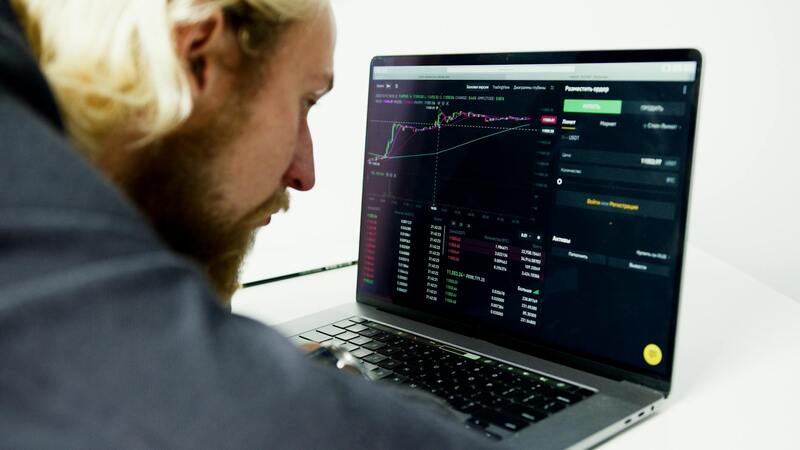
Unlike online-only models, US prop firms often emphasize adherence to stringent operational protocols. Many safeguard traders’ capital and ensure compliance through advanced risk management systems, monitoring trading activities and performance metrics continually. This oversight helps to create a disciplined trading environment, which is critical in maintaining stability and promoting responsible trading practices.
For traders aiming to participate in these programs, understanding the operational models of prominent firms like FTMO and their US counterparts is essential. These models generally involve several key components: initial evaluation phases to test trading skills, ongoing performance assessments to maintain trading salaries or funding, and profit-sharing arrangements designed to incentivize high performance while safeguarding the firm's capital.
Furthermore, the emphasis on transparency and professionalism by reputable firms ensures that traders focus on skill development and strategic growth within a structured framework. As the industry continues to evolve, reputable US prop firms are remaining committed to providing secure, well-regulated environments where talented traders can thrive, develop their trading careers, and contribute significantly to market liquidity and stability.
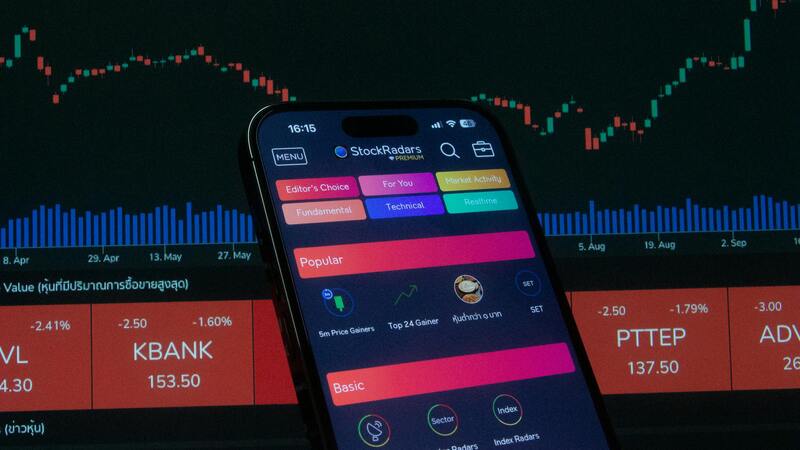
Understanding the Evaluation Process and Funding Phases of FTMO for US Traders
When US traders seek access to FTMO’s proprietary funding, they must undergo a comprehensive evaluation process designed to assess their trading competence and risk management skills. This multi-stage assessment ensures that only traders with proven capabilities gain access to funded accounts, aligning with established trading standards within regulated environments.

The initial phase, often referred to as the 'Challenge,' involves strict trading parameters that test traders’ ability to sustain consistent performance without breaching risk limits. These limits typically include maximum daily loss caps, total drawdown thresholds, and a predetermined profit target. Successful completion of this phase signifies that the trader has demonstrated both strategic discipline and risk awareness.
Following the challenge, traders enter the 'Verification' stage, which is a shorter, less rigorous assessment aimed at confirming the trader's ability to maintain disciplined trading behavior over a set period. Passing this phase results in the trader being allocated a funded account, with FTMO providing the capital necessary for trading according to predefined rules.
Funded traders operate within a profit-sharing structure, receiving a percentage of the profits generated. The specifics of profit splits often vary based on the trader’s performance, with reputable firms offering transparent arrangements that motivate responsible trading practices. Ongoing monitoring ensures adherence to risk parameters, and traders' payouts are processed periodically following the successful achievement of profit milestones.

It is crucial for US traders to fully understand the evaluation criteria and the conditions governing funded accounts. These conditions are designed not only to protect the firm's capital but also to foster skill development and responsible trading practices, which are central to the sustainability of prop trading models in a regulated environment. Traders are encouraged to meticulously analyze the rules, ensure compliance during their evaluation, and maintain discipline throughout their trading careers on funded accounts.
FTMO Prop Firm USA: Navigating Funding and Trading Conditions
US traders interested in FTMO or similar prop trading firms must understand the comprehensive framework that governs their trading activities, funding procedures, and profit-sharing agreements. These elements are essential for maintaining transparency, ensuring disciplined trading practices, and maximizing the potential benefits of working with a reputable firm.
Funding Allocation and Management
Once a trader successfully passes the evaluation stages, they are granted access to a funded account. This account is established within the parameters set by the firm, adhering to specific risk management rules to protect the firm's capital while providing traders with an opportunity to operate with substantial leverage. During trading, firms typically offer predefined daily and overall drawdown limits, which traders must strictly observe to prevent account suspension or termination.
Funding setup involves meticulous verification processes, often including initial account configuration, risk management training, and confirmation of compliance with standard trading practices. US regulations might influence account management procedures, especially regarding disclosures, privacy policies, and transaction transparency, ensuring traders operate within a clear and structured environment.

Profit Sharing and Compensation Structures
US traders typically participate in profit-sharing arrangements that align their interests with those of the firm. Once trades generate profits exceeding the predefined thresholds, traders are eligible for payouts based on agreed percentages, often ranging from 70% to 80%. These profit splits motivate traders to employ disciplined and strategic trading approaches. Additionally, many firms incorporate monthly or quarterly payout cycles, which depend on consistent performance and adherence to trading rules.
It is critical for traders to understand how profits are calculated, especially regarding commissions, fees, and other deductions that may impact net earnings. Clear communication regarding payout procedures, minimum profit targets, and the process for resolving disputes ensures transparency and fosters trust between traders and the firm.
Withdrawal Procedures and Conditions
Withdrawal requests are processed in accordance with the firm's policies, which often stipulate specific payout periods and minimum withdrawal amounts. US traders should be aware that some firms may require ongoing compliance with trading rules for a specified period before approving withdrawals. This ensures that traders maintain responsible trading behaviors and reduce risks to the firm's capital.
Effective withdrawal processing involves secure transaction methods, compliance with both federal and state banking regulations, and timely communication. Maintaining detailed records of trading activities and earnings can streamline withdrawal procedures and support compliance with reporting obligations.
Considerations for US Traders in the Prop Trading Scene
Compared to other entities in the US trading ecosystem, reputable prop firms differentiate themselves through rigorous trader evaluation, transparent profit-sharing models, and adherence to regulated standards. Understanding the nuances of each firm's policies, supported by a robust legal framework, helps traders select the right partner to advance their careers.
Proactive management of trading accounts, ongoing skill development, and staying updated on regulatory changes are crucial for sustained success in the prop trading industry. These practices not only enhance trader performance but also foster long-term partnerships with prop firms dedicated to responsible trading.
New technological advancements and evolving regulatory environments require traders to stay informed and adaptable, ensuring they leverage opportunities within a compliant framework while managing risks effectively.
Funding and Withdrawal Processes for US Traders
Funding and withdrawal procedures are critical components of trading with a prop firm like FTMO in the USA. Traders must understand the precise channels and requirements involved in managing their accounts and accessing profits. Typically, the process begins with the initial deposit of the trading capital provided by the firm, which can vary depending on the trading program and the trader’s qualifications.
Once funded, traders execute their strategies within the specified trading rules, and profits accumulate based on their performance. When it comes time to withdraw earnings or risk capital, a series of verification and compliance steps often apply. These steps include validating identity through official documentation, reviewing trading activity to ensure adherence to stipulated trading rules, and confirming that the profit-sharing calculations are accurate.

Fund withdrawal methods are designed to be secure, efficient, and compliant with financial regulations. Common options include electronic transfers to linked bank accounts, wire transfers, or digital payment systems that support secure and traceable transactions. Each method requires traders to submit a request through the firm's secure portal, after which the processing times typically range from 24 to 72 hours, depending on the selected method and banking procedures.
To streamline this process, traders are advised to keep their account details updated and to maintain detailed records of all transactions. This not only facilitates smooth withdrawals but also aids in resolving any discrepancies that might arise during processing. It is also essential to familiarize oneself with the firm’s policies regarding withdrawal limits, processing fees, and any required documentation to ensure a seamless experience.
Key Considerations for US Traders
- Verification Requirements: Complete all identity and trading activity verifications prior to requesting a withdrawal.
- Minimum Withdrawal Amounts: Be aware of minimum thresholds set by the firm to avoid unnecessary delays.
- Processing Times: Understand typical timeframes and plan trades accordingly to avoid cash flow disruptions.
- Tax Implications: Consult with tax professionals to understand reporting obligations tied to profits, especially considering the complex tax landscape in the US.
- Security Measures: Use strong, unique passwords and enable two-factor authentication to secure trading accounts and withdrawal requests.
Adhering to these guidelines ensures that US traders can effectively manage their earnings and maintain compliance with the firm’s operational standards while optimizing their trading outcomes. Additionally, staying informed about updates in banking regulations and technological innovations can further improve withdrawal efficiency and security.
Funding and Withdrawal Processes for US Traders
For US-based traders participating in FTMO or similar proprietary trading firms, understanding the funding and withdrawal mechanisms is crucial for effective account management and sustained trading success. These processes are designed to ensure transparency, security, and compliance with financial regulations while providing traders with timely access to their earnings.
Account Funding and Capital Allocation
Initially, traders typically fund their accounts through verified bank accounts or approved electronic transfer methods. Once the account is active and funded, traders can start executing trades based on the firm’s allocated capital. The funding process often involves a verification step where traders must provide necessary identification and banking details aligned with anti-money laundering policies.
Account growth is influenced by trading performance, with firms often offering scaling plans to encourage consistent profitability. As traders demonstrate skill and risk management discipline, their trading capital can increase, enabling access to larger positions and higher profit potential. It is essential for traders to adhere strictly to the firm's trading rules to qualify for account scaling and continued funding.
Profit Management and Withdrawals
Profits generated within the trading account are typically subject to the firm’s profit-sharing agreement. After meeting the minimum trading criteria and ensuring compliance with all rules, traders can initiate withdrawals. The process involves submitting a withdrawal request through the firm’s secure platform, where it is reviewed for adherence to policies.

Most firms aim to process withdrawal requests promptly, usually within a predetermined timeframe such as 24 to 72 hours. However, actual processing times can vary depending on the payment method and regulatory compliance checks. It is advisable for traders to keep their banking information current and promptly address any verification requests to prevent delays.
Managing Tax Obligations and Reporting
Profits earned through prop trading are considered taxable income in the United States. Traders are responsible for reporting earnings accurately and complying with tax obligations. Many firms provide detailed trading statements and documentation to facilitate reporting. Traders should consult with tax professionals to understand applicable deductions, reporting deadlines, and potential implications of their trading activity.
Security and Anti-Fraud Measures
Given the sensitive nature of financial transactions, firms implement robust security protocols. These include multi-factor authentication, encryption, and continuous monitoring of account activity. Traders are encouraged to follow best practices for cybersecurity, such as using strong passwords and avoiding shared devices, to protect their accounts during funding and withdrawal procedures.
Summary of the Process for US Traders
- Complete verification of identity and banking details.
- Fund the trading account through secure transfer methods.
- Engage in trading within the specified rules and risk parameters.
- Achieve performance benchmarks to unlock further funding opportunities.
- Request withdrawals via the firm’s platform, ensuring all compliance requirements are met.
- Receive funds within the stipulated processing time, compatible with selected payment methods.
Maintaining thorough records of all transactions and staying informed about the firm’s policies ensures smooth operational flow. This approach not only aligns with best practices but also helps prevent misunderstandings and facilitates rapid resolution of any issues that may arise during the funding or withdrawal process.
Funding and Withdrawal Processes for US Traders
For traders participating in FTMO and similar prop trading firms in the USA, understanding the funding and withdrawal procedures is essential for maintaining smooth operations and ensuring compliance with established protocols. These processes are designed to provide transparency, security, and efficiency, allowing traders to access their funds swiftly once performance objectives are met.

Funding Procedures
Funding typically occurs through secure bank transfers or electronic payment systems that comply with financial regulations in the USA. Traders are required to link approved banking accounts to their trading profiles, which often involves completing verification steps such as providing bank statements or proof of ownership. These measures help prevent fraudulent activities and ensure that funds are correctly allocated.
Once accounts are verified, traders can deposit funds or leverage the firm's initial capital as per the prevailing guidelines. In some cases, firms may also offer multiple funding tiers, enabling traders to start with varying account sizes aligned with their risk tolerance and trading experience.
Withdrawal Protocols
Withdrawing profits and remaining capital involves submitting a formal request through the proprietary firm's platform. It’s crucial that traders adhere to the firm’s specified withdrawal windows and documentation requirements, which may include confirming identity and banking details. Processing times for withdrawals vary, but firms aim to clear these within a reasonable timeframe, utilizing secure payment channels to prevent unauthorized access.
Most firms support a variety of withdrawal options suited to US traders, such as bank wire transfers, ACH payments, or electronic wallets. It’s recommended that traders keep accurate transaction records to facilitate tracking and for tax reporting purposes, as earnings from trading activity are subject to local tax obligations.
Best Practices for US Traders During Transactions
- Ensure all account information, including banking details, is current and verified.
- Use only secure, encrypted methods provided by the firm for transactions.
- Keep thorough documentation of all funding and withdrawal activities for future reference.
- Be aware of processing times and plan transactions to avoid unnecessary delays.
- Review and comply with any additional documentation or compliance requirements set by the firm.
Maintaining diligent records and following firm procedures for funding and withdrawals helps safeguard assets and maintains smooth operational flow. Proper adherence minimizes the risk of transaction delays and ensures that traders can access their funds when needed, supporting sustainable trading practices in the U.S. regulatory environment.
Comprehensive Approaches to Funding and Withdrawals for US Traders in FTMO and Prop Symbiotic Firms
For traders operating within the US ecosystem, understanding the specific procedures for funding their accounts and withdrawing profits is paramount. Most reputable prop trading firms have established secure and transparent channels that align with regional banking practices and financial regulations.

Funding Methods Familiar to US Traders
Typically, firms provide multiple options tailored to US traders. These include traditional bank wire transfers, ACH transfers, and electronic wallets compatible with US financial institutions. Ensuring that banking details are accurate, verified, and up-to-date is essential to prevent delays in processing. Some firms may also support credit card payments or third-party payment processors that are compliant with US regulations.
It’s recommended that traders maintain a consistent record of all transactions, including deposit receipts and confirmation emails. These documents serve not only for personal record-keeping but also assist with tax reporting obligations, as earnings are taxable under US law. Many firms also enforce minimum deposit requirements, which vary depending on the firm’s policies and the trading account type.
Withdrawal Procedures and Best Practices
Withdrawal processes are designed to maintain security while providing timely access to funds. Usually, traders need to submit a withdrawal request through their user dashboard, selecting their preferred payment method. Once initiated, the firm reviews the request, often verifying identity and ownership through standard compliance checks.
Processing times differ among firms but generally range from 24 hours to a few business days. It is advisable for traders to plan their transactions to coincide with the firm's designated processing windows to minimize delays. Interestingly, some firms may impose withdrawal limits or require additional documentation if withdrawal amounts surpass certain thresholds.
Tax Implications and Record-keeping
Funds withdrawn from prop trading accounts are subject to US tax laws. Traders should maintain meticulous records of all funding and withdrawal activities, including dates, amounts, and supporting documentation. This practice facilitates compliance with IRS regulations and streamlines the tax filing process.
Security and Compliance Considerations
Adherence to security protocols is non-negotiable. Traders must ensure their account credentials remain confidential and employ two-factor authentication where available. Using encrypted and authorized channels for bank transactions further mitigates the risk of unauthorized access.
Additionally, maintaining compliance with firm-specific requirements, such as submitting identity verification documents during the withdrawal process, supports smooth operational flow and can prevent account restrictions or delays.
Visual Overview of the Process

Final Recommendations for US Prop Traders
- Always verify banking information before initiating transactions.
- Keep comprehensive records for tax and internal audit purposes.
- Use secure channels and enable extra security features offered by the firm.
- Plan transactions around processing times and firm-specific policies.
- Stay informed of any updates in banking or tax regulations affecting prop trading activities.
By adhering to these best practices, US traders can ensure seamless management of their funding and profit withdrawal processes, reinforcing a sustainable and compliant trading strategy within the prop trading landscape.
