
Definition and Overview of Prop Trading Firms
Proprietary trading firms, commonly known as prop trading firms, are specialized financial institutions that trade financial instruments such as stocks, commodities, currencies, and derivatives using their own capital. Unlike traditional investment firms or brokerage services that manage client funds, prop firms allocate their resources to active trading strategies aimed at generating profit. These firms often employ traders who operate under the firm’s capital, providing them with the leverage, tools, and infrastructure needed to execute sophisticated strategies.
The core function of a prop trading firm is to leverage market expertise and advanced technology to maximize trading profits. They focus on high-frequency trading, arbitrage, market making, and other complex trading techniques that require rapid execution and deep market insights. This operational model allows them to retain a significant portion of the gains, after compensating their traders through profit-sharing arrangements.

Distinguishing prop trading firms from other trading entities, such as hedge funds or asset managers, is primarily based on the source of capital and the operational focus. While hedge funds manage external client assets for a fee and a share of the profits, prop firms trade their own capital solely with the objective of profit maximization. This internal focus allows them to streamline decision-making and swiftly adapt to market fluctuations.
Furthermore, prop trading firms often provide traders with proprietary platforms and advanced analytical tools, empowering them to identify optimal entry and exit points. The collaborative environment and access to significant capital enable traders to undertake strategies that might be inaccessible to individual investors or smaller trading desks.

In essence, proprietary trading firms are pivotal players in the financial ecosystem, leveraging their capital, technology, and trading expertise to capitalize on market movements. They serve as both market makers and liquidity providers, contributing to efficient and dynamic markets while generating substantial profits from their trading activities.
Definition and Overview of Prop Trading Firms
Proprietary trading firms, or prop trading firms, are specialized entities that utilize their own capital to engage in financial market transactions. Unlike investment funds or asset managers that handle external client money, prop firms trade with their own resources, aiming to generate profits directly from market activities. This model allows for a highly streamlined decision-making process, as traders are empowered to execute strategies rapidly without extensive external approval processes.
Central to the operations of prop trading firms is their focus on market speculation, arbitrage, and trend-following strategies across various asset classes, including equities, commodities, fixed income, and forex. Traders within these firms are typically highly skilled professionals who leverage proprietary platforms, advanced analytical tools, and comprehensive market data to identify optimal trading opportunities. The firms’ significant capital base enables traders to take sizable positions, which can lead to substantial gains when market conditions align with their strategies.
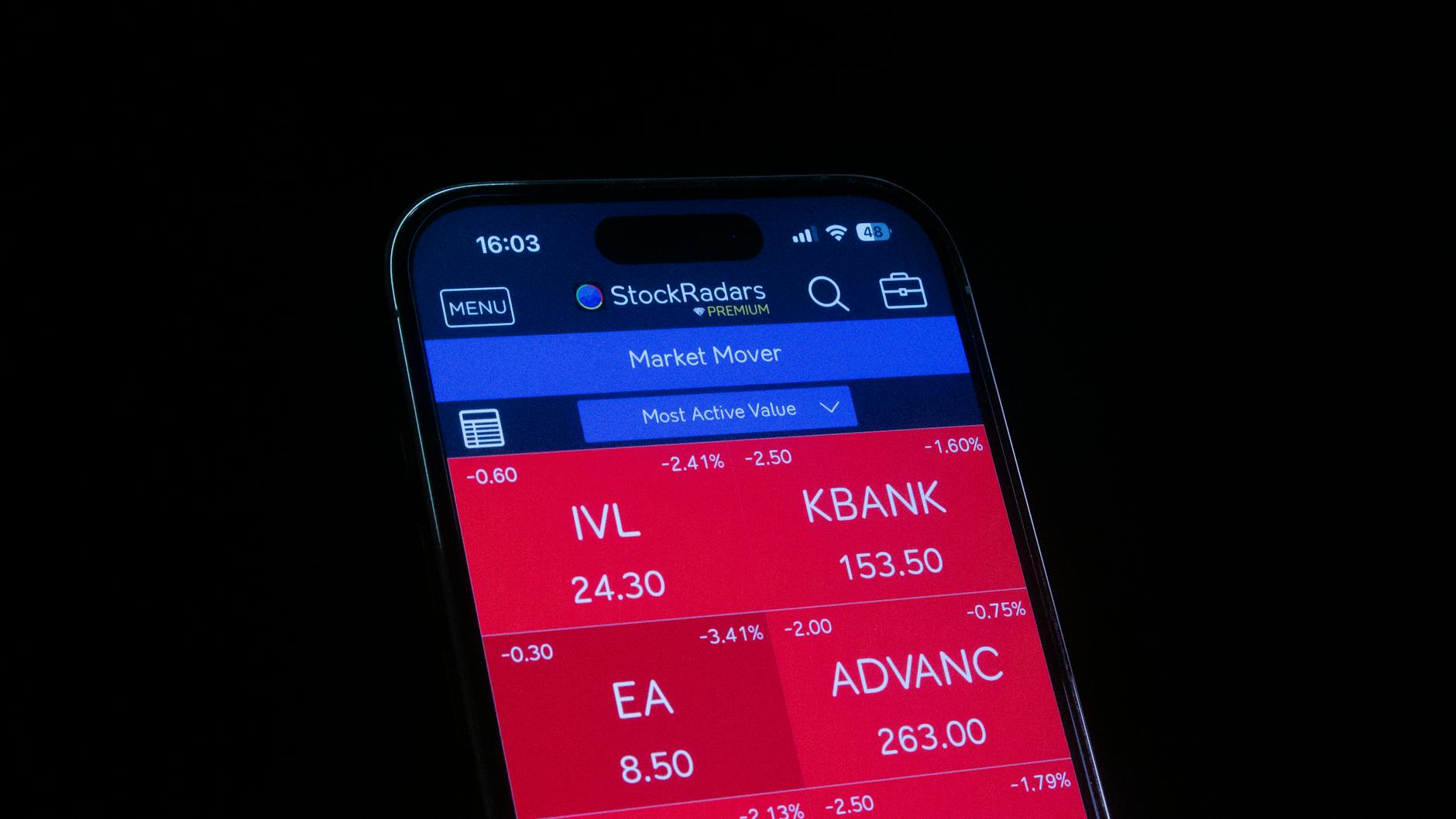
Unlike hedge funds or mutual funds, which have a broader client-base and focus on managing external investments, prop firms mainly aim to amplify their own profit margins. They often act as market makers and liquidity providers, contributing to trading volume and market stability. This internal focus promotes rapid execution, high-frequency trading, and innovative trading strategies that leverage the firm's technological capabilities.
Key Features that Differentiate Proprietary Trading Firms from Other Financial Entities
- Capital Utilization: Use of own capital for trading rather than managing external funds.
- Trading Focus: Emphasis on market speculation and liquidity provision.
- Technology: Investment in cutting-edge trading platforms and analytical tools.
- Trader Autonomy: Empowered traders with significant decision-making authority.
- Profit Sharing: Competitive structures that incentivize traders through profit splits.
Overall, prop trading firms act as vital catalysts within the financial markets, deploying their resources and expertise to generate profits while actively participating in market dynamics. Their ability to adapt swiftly and operate with considerable flexibility makes them unique in the broader spectrum of financial institutions.
Criteria and Requirements for Joining Instant Prop Firms
Joining an instant prop firm typically involves a rigorous evaluation process designed to assess a trader’s skill set, trading discipline, and risk management capabilities. Unlike traditional proprietary trading programs that require extensive pre-trading evaluations or funding periods, instant prop firms aim to expedite the onboarding process through standardized assessments and verification steps. These firms often utilize online testing platforms that evaluate a trader’s ability to execute trades under simulated conditions, assess decision-making speed, and demonstrate consistent risk management practices.
To qualify for entry, traders usually need to meet specific baseline criteria, including a minimum account balance, a proven track record of profitability, and adherence to risk limits. Many firms expect applicants to demonstrate a clear understanding of different markets, including equities, forex, commodities, or cryptocurrencies, depending on the firm’s trading focus. Additionally, some instant prop firms may require traders to pass a series of compliance checks or background verifications to ensure legitimacy and adherence to regulatory standards.
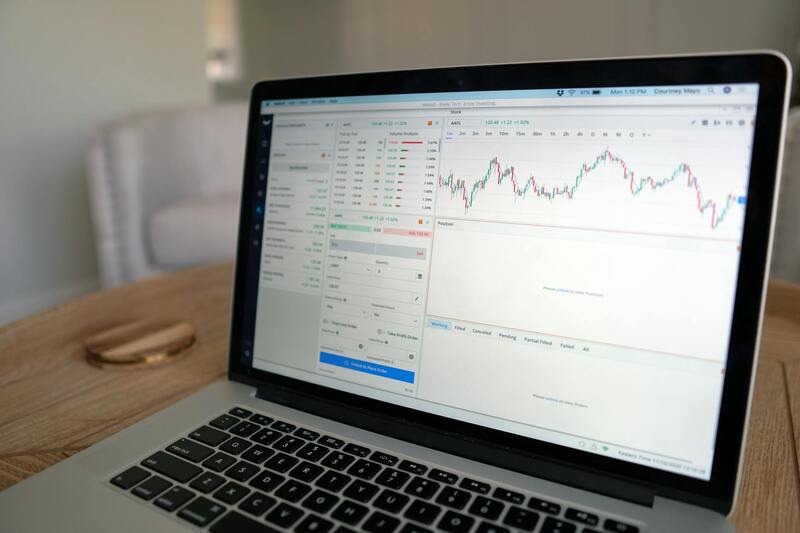
Funding Structures and Profit Sharing
Instant prop firms typically operate with flexible funding models that allow traders rapid access to trading capital following successful evaluation. These models can range from fixed funding pools to tiered platforms where traders' performance determines their access to larger capital allocations. Once accepted, traders usually start trading with a predefined capital amount, which can be scaled up as they demonstrate consistent performance and risk compliance.
Profit sharing arrangements vary across firms but commonly involve a split of the net profits generated by the trader. Profit splits may start at 70% for the trader and 30% for the firm, with potential increases based on performance milestones. Some firms also implement bonus structures or performance-based incentives to motivate traders and reward consistent profitability over time. Importantly, these arrangements are usually transparent and structured to align the trader’s interests with the firm’s overall profitability.
Risks and Considerations of Instant Prop Trading
While instant prop firms offer rapid access to trading capital and streamlined onboarding, they also entail specific risks that traders must consider. The accelerated evaluation process often involves shorter time frames to demonstrate profitability, which can pressure traders to take on higher risk levels. Traders should be mindful of strict risk limits set by the firm, such as daily loss caps or maximum drawdowns, to avoid early account termination or profit clawbacks.
Furthermore, the fast-paced environment of instant prop trading demands disciplined trading strategies and robust risk management practices. Traders who lack sufficient experience or do not adhere to predefined trading plans may face increased risks of losses. It is also essential to understand the firm’s policy on trading restrictions, withdrawal processes, and support services to ensure smooth operations and avoid misunderstandings.
How to Choose a Reliable Instant Prop Firm
Selecting a reputable instant prop firm involves careful research and due diligence. Key factors include the firm’s transparency regarding their funding criteria, profit-sharing policies, and risk management rules. It is beneficial to review user testimonials, professional reviews, and industry reputation to gauge the firm’s credibility. A reliable firm should have clear contractual agreements, responsive support teams, and well-defined trading terms.
Additionally, consider the firm’s technology infrastructure, including trading platforms and analytical tools, which impact trading efficiency. The proximity of the firm’s operations to your trading style and markets of interest is also crucial. Compatibility with your preferred trading instruments, platforms, and time zones can influence your overall success within the program.
Future Trends in Instant Prop Trading
The landscape of instant prop trading continues to evolve with advancements in fintech, automation, and trading algorithms. Increasing integration of artificial intelligence and machine learning is expected to enhance evaluation processes, risk assessment, and real-time trading analytics. Moreover, expedited onboarding procedures and scalable funding models are likely to become more sophisticated, making the entry process even smoother for skilled traders.
As the market environment shifts, there will be a continued emphasis on transparency, regulatory compliance, and risk controls. New platforms may introduce innovative ways for traders to demonstrate their abilities and access larger capital pools. Ultimately, the evolution of instant prop firms aims to foster a more inclusive and efficient trading ecosystem, enabling talented traders to capitalize on emerging opportunities swiftly and securely.
Criteria and Requirements for Joining Instant Prop Firms
Prospective traders seeking to participate in instant prop firms must meet specific criteria designed to assess their skills, discipline, and risk management capabilities. These standards ensure that traders are prepared to handle the responsibilities that come with trading large capital pools. Generally, these requirements include a demonstrated track record of consistent profitability, a solid understanding of market dynamics, and proficiency in the trading instruments offered by the firm.
Key qualifications often involve a minimum trading experience, which can range from several months to multiple years, depending on the firm. Traders should be adept at utilizing technical analysis, fundamental analysis, and disciplined risk control techniques. Demonstrating the ability to adapt to different market conditions without deviating from risk parameters is essential for acceptance.
In terms of risk management standards, firms typically require traders to adhere to strict drawdown limits and profit targets. A disciplined approach to position sizing and stop-loss application is critical to prevent excessive losses and preserve trading capital. Additionally, many instant prop firms assess a trader’s mental resilience, as the capacity to maintain composure during volatile market swings directly impacts trading performance and consistency.
Learned trading habits, such as maintaining detailed trading journals and following well-established trading plans, are often scrutinized. Some firms may conduct simulated trading assessments or review trading history to verify the trader’s ability to manage risk and execute strategies effectively. These evaluations are designed to ensure that traders possess not only technical proficiency but also the emotional discipline necessary for sustained success.
Maintaining ongoing education and staying updated with market developments can significantly enhance a trader’s suitability for instant funding opportunities. Continuous improvement in trading skills and risk management practices align with the demands of instant prop trading environments, ultimately increasing the likelihood of successful funding and profit sharing.
Funding Structures and Profit Sharing
Instant prop firms operate with innovative funding models that aim to efficiently allocate capital and optimize profits for both the firm and traders. These firms typically start by providing traders with a specified trading account size, sometimes based on predefined criteria such as trading performance, skill assessments, or initial trials. The allocated capital serves as the foundation for trading activities without requiring traders to invest their own funds, lowering entry barriers and enabling rapid scaling of trading operations.
Risk management is a core element in how instant prop firms structure their funding models. Firms often implement strict risk controls, including daily and overall drawdown limits, to protect their capital base. Drawdowns are monitored continuously, and traders are required to adhere to predefined risk parameters. Exceeding these limits may result in the immediate suspension or termination of trading privileges, emphasizing the importance of disciplined risk management from participants.
Profit sharing arrangements in instant prop firms are designed to incentivize consistent, profitable trading. Compensation typically takes the form of a split of the profits generated by the trader once specific targets are achieved and after deducting risk penalties if applicable. The profit split ratios vary among firms but are generally structured to reward sustained performance while maintaining a balanced risk-reward ratio. These arrangements motivate traders to perform consistently and responsibly, fostering a sustainable trading ecosystem.

Furthermore, some firms incorporate scaling features, allowing traders to access larger accounts upon demonstrating consistent success over time. As traders grow their accounts and meet ongoing performance metrics, the firms may increase trading capital, thereby providing opportunities for higher earnings and more significant market influence. The tiered approach encourages ongoing development and accountability among traders, reinforcing professional growth within the prop trading environment.
Funding Structures and Profit Sharing in Instant Prop Firms
Instant proprietary trading firms typically employ diverse funding and profit sharing models designed to incentivize skillful traders while managing risk effectively. Unlike traditional models that require traders to secure their own capital before trading, instant prop firms provide immediate access to trading capital upon successful completion of verification stages, streamlining the onboarding process.
The core of these models revolves around profit splits, where the trader and the firm share the gains generated from trading activities. Most firms establish clear thresholds and conditions under which profits are divided, often with a focus on rewarding consistent performance. Typical profit sharing ratios can range from 50/50 to 70/30, favoring the trader as they demonstrate reliability and profitability over time.

Aside from profit distribution, many instant prop firms incorporate scaling features that enable traders to access larger trading accounts as they prove their capabilities. This tiered approach encourages long-term development, where traders who sustain profitability and adhere to risk management rules can unlock progressively higher trading capital, leading to increased earning potential and market influence.
Funding arrangements are also often structured to ensure capital preservation. Firms implement strict risk controls such as daily loss limits, overall drawdown caps, and position size restrictions. These measures help balance the firm's desire for profitability with the need to limit exposure to adverse market movements. Traders are typically required to adhere to these rules meticulously; failure to do so can result in account suspension or termination, safeguarding the firm’s assets while fostering disciplined trading habits.
Some firms adopt fixed fee models, where traders pay a one-time fee to access trading accounts, removing the need for profit sharing until specific profit targets are achieved. Others offer performance-based compensation, with payout rates adjusted based on trader performance metrics, such as consistency, risk management, and overall profitability. This approach aligns trader incentives with firm objectives, encouraging responsible trading and long-term growth.
Visualizing Funding and Profit Sharing Dynamics

Ultimately, robust funding and profit sharing frameworks are vital in fostering a mutually beneficial environment where skilled traders are rewarded fairly, and firms maintain disciplined risk levels. Such systems motivate ongoing performance improvements and support the sustainable growth of professional trading careers within the instant prop trading ecosystem.
Understanding the Funding and Profit Sharing Models of Instant Prop Firms
Once traders demonstrate proficiency and meet the necessary criteria, instant prop firms typically implement structured funding schemes coupled with profit-sharing arrangements designed to align interests. These models are integral to fostering a framework where traders can access substantial capital with minimal delay, while firms safeguard their risk exposure and incentivize performance.
Funding Structures and Capital Allocation
Many instant prop firms employ scalable funding pools that can vary based on trader performance, experience, and adherence to risk management protocols. Initially, traders may start trading with a predefined amount of capital, which can be increased as they demonstrate consistent profitability and prudent risk management. This phased approach allows traders to expand their trading capacity without requiring extensive formalities or traditional funding periods.
In some cases, instant funding is provided through a 'step-up' process, where traders earn access to larger accounts by meeting specific milestones, such as reaching profit targets or maintaining low drawdowns over a defined period. This dynamic allocation ensures that traders have the opportunity to grow their trading operations in a controlled manner, backed by the firm’s capital at each stage.
Profit Sharing and Compensation Frameworks
Profit sharing within instant prop firms is designed to motivate consistent performance while maintaining manageable risk levels. Typically, firms retain a percentage of the profits generated, with the remaining allocated to the trader. This split can vary widely, often ranging from 70/30 in favor of the trader in many cases, reflecting the trader’s skill premium while ensuring the firm’s continued operational stability.
Some firms implement tiered profit-sharing models, where the percentage of profits allocated to traders improves as they hit higher profit benchmarks or demonstrate sustained discipline. Performance bonuses can also be incorporated into the structure, rewarding traders who meet or exceed predetermined goals, thereby fostering a meritocratic environment.

Ensuring Fairness and Transparency
Robust and transparent communication of funding mechanisms and profit-sharing formulas is essential for building trust. Clear documentation outlining profit splits, payout schedules, performance benchmarks, and risk management rules allows traders to evaluate the firm's offerings accurately.
Additionally, some firms utilize real-time dashboards displaying account metrics, allowing traders to monitor their performance and remaining risk thresholds continuously. These tools contribute to a transparent trading environment, helping traders make informed decisions while aligning their activities with firm policies.
Summary
In essence, well-structured funding models and profit-sharing agreements create a symbiotic relationship between traders and firms. When implemented effectively, these frameworks empower talented traders to scale their trading operations efficiently, while firms benefit from a motivated and responsible trading workforce that contributes to mutual growth.

Additional Considerations When Engaging with Instant Prop Firms
As traders explore opportunities within instant prop firms, understanding the core operational and operational support structures becomes crucial. These firms often provide a streamlined onboarding process that emphasizes rapid access to trading capital, with official procedures designed to verify traders' skills, risk management strategies, and trading backgrounds. This verification process involves comprehensive assessments, such as skill tests, trading plan submissions, and simulations, which are conducted through secure online platforms ensuring data confidentiality and fairness.
Furthermore, instant prop firms typically implement sophisticated risk management protocols to safeguard both the firm's capital and the interests of traders. These protocols include real-time monitoring of trading activities, automated stop-loss and take-profit orders, and predefined trading limits that prevent excessive risk exposure. Such measures serve to create a disciplined trading environment, ensuring that traders operate within set parameters while maintaining agility and responsiveness that are vital for successful trading.
Another key aspect involves the support infrastructure provided by instant prop firms. Many companies offer comprehensive educational resources, including webinars, tutorials, and mentorship programs, aimed at enhancing trader skills and understanding of market dynamics. This ongoing support helps traders adapt to changing market conditions and refine their strategies for sustained profitability. Additionally, robust customer service channels ensure that traders have access to technical assistance and clarifications whenever needed, fostering a professional and responsive trading environment.
Regarding the technology stack employed, leading instant prop firms leverage cutting-edge trading platforms integrated with advanced analytics, algorithmic trading tools, and real-time data feeds. These technological features enable traders to execute decisions swiftly and accurately, maximizing trading opportunities while minimizing operational risks.
Financial transparency remains a major pillar of reputable instant prop firms. Transparent profit-sharing arrangements, clear payout schedules, and detailed documentation are laid out in a manner that traders can easily understand and verify. This openness promotes trust and allows traders to focus on honing their skills, knowing that the financial agreements are fair and straightforward.
In sum, traders looking into instant prop firms should prioritize those with well-structured operational procedures, comprehensive risk management, reliable technological platforms, and transparent financial practices. Carefully assessing these factors ensures a productive and secure trading partnership, aligned with strategic growth objectives.
