What’s a Prop Firm?

Definition of a Prop Firm
A proprietary trading firm, commonly known as a prop firm, operates as a specialized financial enterprise that utilizes its own capital to engage in market trading activities. Unlike traditional investment companies that manage client funds, prop firms allocate their resources to execute trading strategies across various financial instruments, including stocks, options, futures, and forex. The primary aim of these firms is to generate profit through active market participation, leveraging advanced technology, skilled traders, and data-driven analysis.
The core purpose of a prop firm revolves around deploying its capital to identify lucrative trading opportunities while managing inherent market risks efficiently. They often employ sophisticated algorithms, quantitative analysis, and automated trading systems to stay competitive in diverse and dynamic financial environments. By relying on their internal capital, these firms are able to maintain autonomy over trading decisions, minimize external influence, and focus on maximizing profitability.
How Prop Firms Differ from Other Trading Entities
Distinct from asset management companies or brokerage firms that handle clients' money, prop firms trade exclusively with their own funds. This distinction grants a unique level of flexibility and control over trading strategies, risk management, and capital deployment. Moreover, the profit-sharing models in prop firms typically reward successful traders through commissions or profit splits, incentivizing performance and innovation.
While many other financial institutions focus on long-term investments or client portfolios, prop firms often pursue both short-term gains through day trading and swing trading, as well as longer-term positions. Their operations are characterized by rapid decision-making processes, reliance on cutting-edge technology, and fostering a performance-driven culture.
Business Model of Prop Trading Firms
The operational framework of a prop trading company centers around capital allocation and risk management. These firms often invest significant resources in exploring and deploying innovative trading strategies, backed by robust research and sophisticated trading infrastructure. They typically generate revenue by capturing margins on trading activities, with profit potential directly linked to the proficiency of their traders and the efficiency of their systems.
Many prop firms offer training programs or mentorship opportunities for aspiring traders, aiming to cultivate talent and improve overall performance. Additionally, the firms often implement strict risk controls, such as maximum loss limits per trader or per trading day, to protect their capital from substantial downturns.
Types of Trading Strategies Used by Prop Firms
- High-Frequency Trading (HFT): Utilizes super-fast algorithms to execute large volumes of trades within milliseconds.
- Algorithmic Trading: Employs complex mathematical models to identify and capitalize on market inefficiencies.
- Swing Trading: Focuses on capturing gains over days or weeks based on technical or fundamental analysis.
- Day Trading: Involves buying and selling within a single trading day to take advantage of short-term market movements.
- Statistical Arbitrage: Exploits pricing inefficiencies between correlated assets through quantitative models.
How to Become a Trader at a Prop Firm
Entering a prop trading firm typically requires a combination of financial knowledge, trading skills, and a proven track record of profitability. Many firms conduct rigorous evaluations, including simulated trading tests and interviews, to assess a candidate's ability to manage risks and execute strategies effectively. Aspiring traders often begin by completing educational courses or certification programs that focus on market fundamentals, trading psychology, and technical analysis.
While formal trading experience can provide a significant advantage, demonstrating discipline, analytical thinking, and a consistent profit pattern are crucial factors that firms consider. Successful candidates often start with lower capital allocations, gradually increasing their trading scope as they prove their capability and adapt to the firm's risk parameters.
Advantages of Trading with a Prop Firm
Working with a proprietary trading firm offers several benefits:
- Access to significant capital, which allows traders to execute larger trades than personal funds would permit.
- Comprehensive training programs and resources that help traders improve their skills.
- Potential earning opportunities through profit-sharing commissions.
- Advanced trading technology, research tools, and infrastructure often unavailable to individual traders.
- Support from experienced risk managers and trading mentors.

How Prop Firms Differ from Other Trading Entities
Proprietary trading firms, commonly known as prop firms, occupy a distinct niche within the financial trading landscape. Unlike hedge funds, which generally manage pooled investor capital across a broad spectrum of assets and strategies, prop firms trade with their own proprietary capital. This focus on internal capital allows for a more streamlined decision-making process and often fosters a culture of innovation and agility in strategy deployment.
Asset management companies, on the other hand, handle client funds adhering to regulatory frameworks and fiduciary duties, emphasizing client transparency and long-term portfolio growth. Their operations are typically more structured, with extensive compliance protocols to ensure investor protection. In contrast, prop firms prioritize quick execution and tactical agility, often aiming for short to medium-term profits through active trading.
Retail traders represent the individual segment of market participants, operating independently or through online brokerage accounts. The key difference lies in scale and resources: retail traders usually have access to limited capital, trading platforms, and analytical tools, compared to the sophisticated infrastructure available at prop firms. Prop trading entities often provide their traders with advanced technology, real-time research, and direct credit lines, enabling larger and more complex trades.

Another point of differentiation is risk management practices. Prop firms typically enforce strict risk controls and instant trade monitoring to safeguard their capital, which enhances the overall stability of their operations. Additionally, profit-sharing models align the interests of traders with the firm, incentivizing performance while maintaining rigorous oversight.
Market focus also distinguishes these entities. Prop firms often specialize in specific asset classes such as equities, futures, options, or forex. This specialization allows them to develop targeted strategies, leverage technological advantages, and build a deep understanding of particular markets. Conversely, hedge funds may diversify broadly across asset classes to optimize risk-adjusted returns.

Overall, while each trading entity operates within the financial ecosystem, the core distinctions lie in capital sources, operational methodologies, risk controls, and strategic focuses. Understanding these differences can assist aspiring traders and investors in choosing the environment that best aligns with their skills, objectives, and resources.
Understanding the Business Model of Prop Trading Firms
Prop trading firms operate on a distinctive business model that centers around leveraging proprietary capital to generate trading profits. Unlike traditional financial institutions that primarily manage client funds, prop firms allocate their own resources to identified trading strategies, aiming for consistent profitability. This model hinges on skilled traders executing positions across various markets, including equities, derivatives, commodities, or forex.
Revenue generation in prop firms primarily depends on the profits earned from trading activities. When traders successfully execute profitable trades, a substantial portion of the gains is retained by the firm, often shared with the trader through a performance-based compensation structure. This incentivizes traders to perform at their best, aligning their interests with the firm's profitability goals.
Another key aspect of the business model is risk management. Prop firms implement rigorous risk controls to safeguard their capital. This includes setting strict limits on trade sizes, loss thresholds, and position durations. Advanced trading technology and real-time monitoring tools are employed to oversee risk exposure continually, preventing significant losses that could jeopardize the firm’s financial stability.
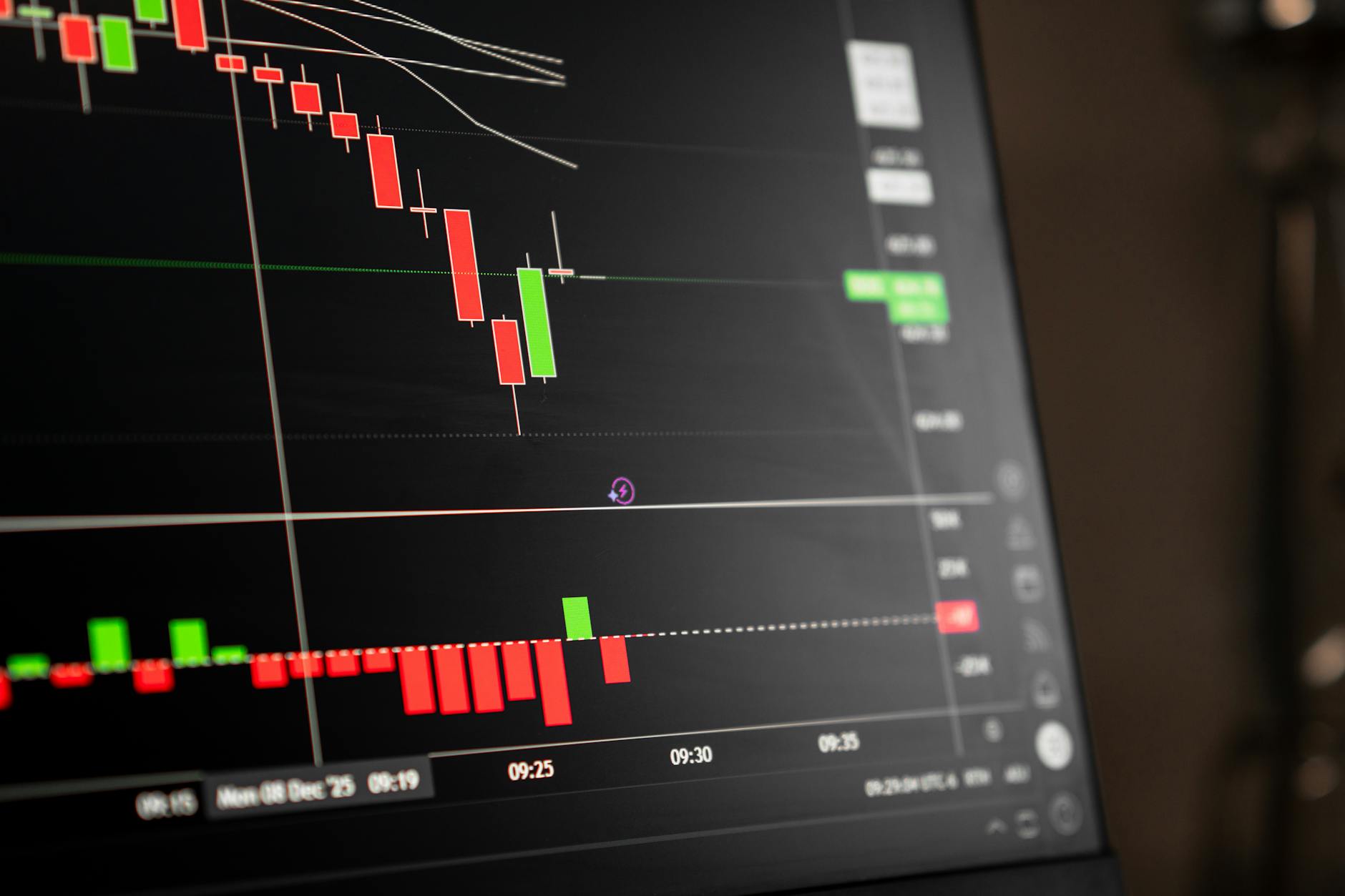
Traders are typically compensated through a combination of base salaries, performance bonuses, and profit sharing. Many firms adopt a tiered system, where the top performers reap higher shares of the profits, fostering a competitive yet professional environment. This incentive structure not only motivates traders but also ensures a commitment to disciplined trading practices.
Moreover, prop firms often provide traders with sophisticated technology platforms, access to advanced analytical tools, and enhanced market data. These resources are integral to executing high-frequency strategies and making informed decisions swiftly. The infrastructure investment allows traders to capitalize on fleeting market opportunities while maintaining tight risk controls.
Types of Trading Strategies Employed by Prop Firms
Prop trading firms utilize a diverse array of strategies tailored to their expertise and market focus. Some common approaches include:
- Algorithmic Trading: Leveraging automated systems to execute trades based on pre-defined algorithms that analyze market data rapidly and execute orders with precision.
- Market Making: Providing liquidity by continuously quoting buy and sell prices, earning profits from bid-ask spreads, and offsetting risks with hedging techniques.
- Swing Trading: Capitalizing on short- to medium-term price movements by holding positions over days or weeks.
- Scalping: Making numerous small trades to profit from minor price fluctuations within very short timeframes.
- Event-Driven Strategies: Trading around news events, earnings reports, or economic releases that can trigger significant market moves.
The choice of strategy depends largely on the firm's expertise, market conditions, and technology capabilities. Successful prop firms continually adapt and optimize their trading models to remain competitive in dynamic markets.
Definition of a Prop Firm
Proprietary trading firms, commonly known as prop firms, are specialized financial companies that engage in trading financial securities using their own capital. Unlike other trading entities that execute trades on behalf of clients or investors, prop firms focus on maximizing their own profits through strategic market participation. They allocate considerable resources to develop sophisticated trading infrastructure, employ expert traders, and implement advanced technological systems to identify and capitalize on market opportunities. The core aim of a prop firm is to generate substantial revenue internally, which in turn fuels their growth and enhances their market influence.

Prop firms typically operate across various markets including equities, options, commodities, and foreign exchange. Their primary advantage lies in the ability to deploy large sums of proprietary capital in positions that are carefully managed to optimize returns. Importantly, traders within these firms often operate under structured profit-sharing arrangements, which serve as incentives aligned with the firm's overall profitability. This competitive atmosphere encourages skillful and disciplined trading practices designed to exploit short-term market fluctuations and long-term trends alike.
How Prop Firms Differ from Other Trading Entities
While traditional investment firms and hedge funds often manage pooled investor capital, prop trading firms differ primarily in their internal capital deployment. This distinction influences their operational approach, risk management, and strategic objectives:
- Ownership of Capital: Prop firms use their own money rather than client funds, allowing for more flexibility and control over trading strategies.
- Risk Management: As they bear their own risks, prop firms emphasize stringent risk controls and leverage advanced analytical tools to limit potential losses.
- Trading Strategies: Proprietary firms frequently focus on high-frequency trading, algorithmic strategies, and other quantitative approaches that require substantial technological infrastructure.
- Operational Independence: Unlike client-focused firms, prop firms are driven primarily by internal profit mechanisms, which influence their experimentation with innovative trading techniques.
Business Model of Prop Trading Firms
The fundamental business model of a prop trading firm revolves around deploying proprietary capital in various markets with the goal of generating profits. Their operational framework can be summarized as follows:
- Capital Allocation: The firm allocates a significant portion of its funds into diverse trading strategies including market making, scalping, trend following, and arbitrage.
- Technology and Infrastructure: Investing in cutting-edge trading platforms, real-time data feeds, and analytical software ensures quick execution and informed decision-making.
- Trader Development and Management: Skilled traders are recruited and trained to execute strategies that align with the firm's risk appetite and profitability goals.
- Risk Controls and Compliance: Rigorous risk management systems monitor trades continuously to protect against excessive losses, maintaining stability across market conditions.
- Profit Sharing and Incentives: Traders are often motivated through performance-based rewards, fostering a culture of disciplined risk-taking and strategic innovation.
Innovation remains a core component, with many prop firms dedicating resources to develop proprietary algorithms and leverage machine learning techniques for predictive analytics. Such investments are instrumental in maintaining a competitive edge in fast-moving markets.
Understanding How Prop Trading Strategies Are Implemented
Proprietary trading firms employ a variety of sophisticated strategies, each tailored to maximize profit while managing risk within dynamic market environments. These strategies are often backed by extensive data analysis, technological innovations, and specialized expertise in market behavior.
Primary Trading Approaches
At the core, prop firms utilize approaches such as scalping, where traders aim for quick trades with small profit margins, exploiting slight price discrepancies. Trend following is another common strategy, involving the identification and capitalizing on ongoing market directions. Market making, where the firm provides liquidity by continuously quoting buy and sell prices, helps capture bid-ask spreads and stabilize markets.
Arbitrage strategies take advantage of price differences between related assets or markets, executing simultaneous trades to lock in risk-free profits. Additionally, some firms incorporate statistical or algorithmic trading, leveraging complex models and automated systems to identify opportunities at high speed and precision.
Integration of Technology in Trading
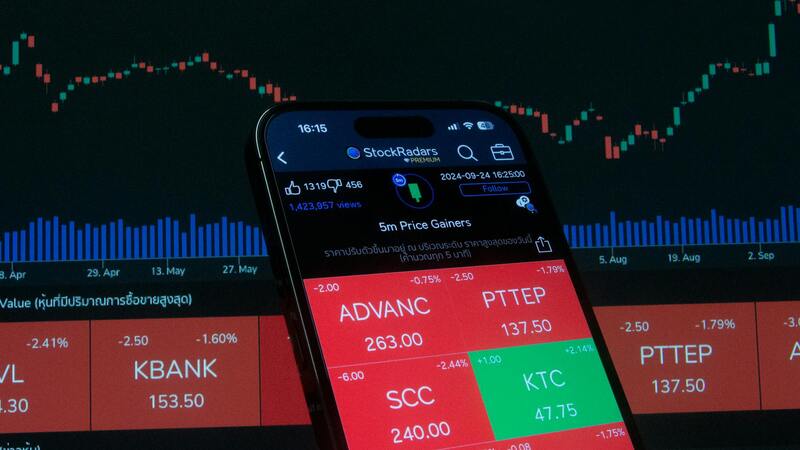
Modern prop trading firms heavily depend on technological advancements to implement these strategies efficiently. High-frequency trading (HFT) algorithms can execute thousands of trades within milliseconds, capturing fleeting opportunities that manual traders might miss. Real-time data feeds and advanced analytical software provide traders with insights into market trends, liquidity levels, and potential trade setups.
Risk Management and Strategy Optimization
While aggressive trading strategies can yield high returns, they also entail substantial risks. Effective risk management is integral to a prop firm’s operations, involving tight controls such as stop-loss limits, position sizing rules, and continuous monitoring of exposure levels. Quantitative models are often used to simulate different scenarios and optimize strategies further, ensuring the firm's resilience against unforeseen market fluctuations.
Customizing Strategies for Market Conditions
Prop firms often adapt their approaches based on prevailing market conditions, regulatory changes, and technological innovations. This flexibility enables them to exploit emerging opportunities while safeguarding against potential downturns.

What’s a Prop Firm? An In-Depth Look at Proprietary Trading Companies
Understanding the Core Concept of a Prop Firm
A proprietary trading firm, commonly referred to as a prop firm, is a financial organization that trades its own capital rather than managing client funds. These firms employ skilled traders and sophisticated trading strategies to generate profits, leveraging firm-owned assets to capitalize on market opportunities. The essence of a prop firm lies in its ability to deploy capital directly into various financial markets, including equities, commodities, forex, and derivatives, with the main aim of maximizing returns from trading activities.

Distinct Features that Set Prop Firms Apart from Other Trading Organizations
Unlike asset management firms or hedge funds managing client capital, prop firms focus exclusively on their own resources. This fundamental distinction influences their operational strategies, risk management procedures, and profit distribution models. Key differentiators include:
- Use of Firm Capital: Trading activities are financed by the firm's internal funds, not external investors.
- Focus on Proprietary Strategies: Development and application of unique, often automated, trading algorithms tailored to exploit market inefficiencies.
- Performance-Based Compensation: Traders are typically rewarded based on their individual or team profits, incentivizing high performance and strategic innovation.
- Operational Independence: Prop firms often operate with flexible strategies, adapting quickly to market changes without the constraints faced by managed funds.
This autonomous approach enhances their ability to experiment with trading tactics, employ advanced technology, and maintain rapid decision-making processes essential in high-frequency trading environments.
The Business Model: How Prop Trading Firms Generate Revenue
At the core of a prop firm’s operation is its trading model, which combines risk capital deployment with advanced analytical tools. The primary revenue streams for these firms include:
- Trading Gains: Profits earned from executing trades across various financial markets, often utilizing leverage to amplify returns.
- Strategic Development and Licensing: Some prop firms develop proprietary algorithms or trading systems that they license to external entities or traders.
- Training and Educational Services: Additional revenue can come from offering training programs or mentorship for aspiring traders, leveraging their expertise and technology infrastructure.
Successful prop firms maintain a rigorous risk management framework that balances high-reward strategies with safeguards against potential losses, ensuring operational stability over the long term.
Trading Strategies Employed Within Prop Firms
Prop firms leverage a diverse array of trading methodologies designed to capitalize on short-term market movements or long-term price trends. Some prevalent strategies include:
- High-Frequency Trading (HFT): Utilizing algorithms to execute large volumes of trades at lightning-fast speeds, capturing fleeting arbitrage opportunities.
- Momentum Trading: Riding the waves of market trends by buying assets exhibiting upward momentum and selling those showing signs of reversal.
- Statistical Arbitrage: Exploiting pricing inefficiencies between related securities through complex quantitative models.
- Market Making: Providing liquidity by continuously quoting buy and sell prices, gaining profits from the bid-ask spread while managing inventory risk.
These strategies are often combined with real-time data analytics and machine learning models to refine trading decisions dynamically, maximizing profitability and reducing exposure.
Pathways to Becoming a Trader at a Prop Firm
Joining a proprietary trading firm typically involves a structured process designed to assess and develop trading talent. The most common pathways include:
- Educational Background: A strong foundation in finance, mathematics, computer science, or related fields often serves as a baseline qualification.
- Trading Simulations and Assessments: Many firms utilize simulated trading environments or rigorous testing to evaluate a candidate's analytical skills, decision-making speed, and risk management capabilities.
- Mentorship and Training Programs: Access to intensive training modules aimed at refining trading strategies, understanding market systems, and mastering risk controls.
- Performance Track Record: Demonstrable success in live or simulated trading environments significantly boosts candidacy, often with a focus on risk-adjusted returns.
- Networking and Industry Engagement: Establishing connections within the trading community can open doors through internships, industry events, or online trading forums.
Once onboarded, traders typically start in a mentorship phase, gradually gaining access to live capital under strict risk parameters. Success in this environment can lead to more substantial trading responsibilities and profit-sharing arrangements, incentivizing continuous performance improvement.
How to Become a Trader at a Prop Firm
Embarking on a career as a trader within a proprietary trading firm involves several key steps that require preparation, skill development, and a solid understanding of the trading landscape. The process typically begins with acquiring a comprehensive education in financial markets, trading methodologies, and risk management principles. Aspiring traders should focus on honing their analytical skills, understanding trading platforms, and developing a disciplined trading approach that can withstand the pressures of real-time decision-making.
Many prop firms value practical experience immensely, so aspiring traders often start by demonstrating consistent performance through paper trading or simulated accounts. This helps build confidence and credibility, serving as a benchmark for their ability to generate profitable trades without risking real capital. Successfully establishing a track record of disciplined trading can significantly increase the chances of being recruited by a prop firm.
Once ready, candidates typically go through a rigorous evaluation process, which may include a series of assessments, interviews, and sometimes a trial period where their trading performance is closely monitored. During this phase, firms assess the applicant’s ability to follow strict risk management protocols, adapt to market conditions, and maintain emotional control under pressure.
Another crucial aspect of becoming a prop trader involves understanding the firm's trading infrastructure and closely aligning with its operational policies. Traders must be comfortable using the firm's preferred trading platforms, analytical tools, and communication channels. Successful integration often depends on the trader's ability to adapt their strategies to fit within the firm's risk appetite and trading environment.

Moreover, continuous education plays a vital role in maintaining a competitive edge. Many prop firms encourage ongoing professional development through training programs, seminars, and access to advanced trading analytics. Staying current with market trends, macroeconomic developments, and technological innovations helps traders optimize their strategies and contribute to the company's overall profitability.
In essence, becoming a trader at a prop firm demands a combination of technical competence, disciplined trading practices, and the capacity to adapt quickly to evolving market conditions. Success hinges on persistent effort, adherence to risk management strategies, and a commitment to continual learning and improvement.
Risks and Challenges Facing Prop Firms
Prop trading firms operate within a dynamic and highly competitive environment, where several risks and challenges influence their stability and growth prospects. Understanding these factors is crucial for traders, investors, and industry stakeholders aiming to navigate this sector effectively.
Market Volatility and Economic Fluctuations
One of the primary challenges that prop firms face is market volatility, which can significantly impact trading outcomes. Unexpected macroeconomic shifts, geopolitical tensions, and sudden geopolitical events can cause rapid price swings across asset classes. These fluctuations increase the difficulty of executing consistent trading strategies and managing risk effectively. Prop firms must continuously adapt their risk management frameworks to counteract the heightened exposure during periods of instability.
Technological Risks and Infrastructure Reliability
As the backbone of prop trading operations, technology infrastructure is vital. Disruptions such as hardware failures, connectivity issues, cybersecurity threats, or software bugs can cause delays or erroneous trades, undermining performance and risking financial losses. Maintaining top-tier technological safeguards, including robust cybersecurity measures and reliable data feeds, is essential to mitigate these risks. Additionally, staying ahead with technological innovations enables prop firms to optimize execution speeds and improve analytical capabilities.
Regulatory Environment and Compliance
Although the content focuses on operational aspects, the impact of evolving regulations cannot be overlooked. Prop firms must adhere to strict compliance standards regarding trading practices, risk disclosures, and reporting obligations. Changes in regulatory policies can lead to increased operational costs or restrictions on certain trading strategies. Keeping abreast of these developments and ensuring prompt compliance allows firms to sustain their operational license and reputation within the industry.
Talent Acquisition and Retention
The success of a prop trading firm hinges on the expertise of its traders. Attracting highly skilled traders and retaining them amid competitive compensation packages and evolving market demands is a continual challenge. Firms often invest in training, providing advanced tools, and fostering a supportive environment to keep their talent motivated and engaged. High turnover rates can disrupt trading continuity and erode accumulated knowledge and strategies.
Capital and Liquidity Management
Maintaining adequate capital reserves and liquidity levels is crucial for sustaining daily trading operations. Prop firms must carefully balance risk exposure to prevent substantial losses that could threaten their financial stability. In volatile markets, liquidity shortages can impair the firm's ability to execute large trades or take advantage of emerging opportunities, potentially leading to missed gains or increased costs.
Competitive Landscape and Market Saturation
The proliferation of new entrants into the prop trading sector intensifies competition. Larger firms with significant capital advantage often dominate the market, making it harder for smaller or newer firms to establish a foothold. To remain competitive, firms need to continuously refine their strategies, adopt cutting-edge technology, and differentiate through specialized niches or proprietary trading models.
Operational and Internal Risks
Operational risks, such as internal fraud, trade execution errors, or compliance violations, pose additional threats. Implementing strict internal controls, audit procedures, and real-time monitoring helps detect and prevent such issues before they escalate. Moreover, fostering a culture of transparency and accountability minimizes internal vulnerabilities.