
Definition and Role of Prop Trading Companies
Proprietary trading companies, commonly referred to as prop trading firms, are specialized financial entities that engage in trading financial instruments using their own capital rather than client funds. Their core function is to generate profits through active trading across multiple markets, including equities, commodities, forex, and derivatives. Unlike traditional investment firms that manage client assets, prop trading companies focus solely on their own portfolios to capitalize on market opportunities.
These firms are characterized by their autonomous trading operations, highly skilled traders, and advanced trading infrastructure. The primary goal is to exploit market mispricings, execute large-volume trades, and utilize proprietary algorithms to outperform standard market returns. This model enables prop trading firms to maintain greater flexibility in decision-making and risk management. They often attract traders who are compensated based on their performance, fostering a competitive environment geared toward maximizing profitability.

How Prop Trading Differs from Other Financial Institutions
- Ownership of Capital: Prop firms use their own funds rather than client investments, allowing for more direct control over trading strategies.
- Trading Focus: The emphasis is on profit generation through trading activity, as opposed to managing client portfolios or offering advisory services.
- Trader Incentives: Compensation structures typically reward individual or team performance, promoting a results-driven culture.
- Regulatory Framework: While they operate within financial regulations, prop firms often have different compliance obligations compared to banks or mutual funds.
Significance in Financial Markets
Prop trading companies contribute to market liquidity and efficiency by providing significant trading volume and facilitating price discovery. Their activities can influence market movements and volatility, especially during periods of high trading activity. The innovative trading strategies often employed by these firms can lead to the development of new market techniques and financial products, shaping the evolution of modern financial markets.
Structure and Business Model of Prop Trading Firms
Prop trading companies typically operate with a distinct organizational framework designed to maximize agility and trading efficiency. Central to their business model is the allocation of capital, which they deploy across various financial instruments to exploit market opportunities. Unlike traditional investment firms, prop firms finance their trading activities with internal funds, not client money, allowing them greater flexibility in strategy formulation and execution.
Funding sources for prop trading firms often include initial capital investments from founders, reinvested profits, and capital raised through strategic partnerships or institutional investors who seek access to innovative trading strategies and market insight. These funds are then allocated to traders or trading teams, who are provided with the necessary infrastructure, technology, and sometimes risk capital, to participate actively in markets.
Profit-sharing arrangements are a key component of the operational model, incentivizing traders through performance-based compensation. Traders typically earn a percentage of the profits generated from their trading activities, aligning their interests with the firm's overall success. This model encourages traders to employ disciplined, strategic approaches while giving them a sense of ownership over their results.
The organizational structure varies but generally includes specialized departments such as risk management, technology, compliance, and trading teams. Risk management teams focus on monitoring trading activity and maintaining position limits, ensuring that the firm’s risk profile remains aligned with its strategic objectives. Technology teams develop and maintain trading platforms, data analytics tools, and infrastructure necessary for rapid execution and real-time analysis. Compliance departments oversee regulatory adherence and internal policies, safeguarding the firm's operations and reputation.

Operational processes are reinforced by robust risk management protocols, including real-time monitoring, daily P&L tracking, and strict trading limits. These mechanisms enable prop firms to optimize their trading strategies while controlling exposure and safeguarding capital. The distinction lies in their ability to adapt swiftly to market conditions, leveraging their own capital and internal expertise to capitalize on opportunities that often require rapid decision-making and execution.
Overall, the internal business model of prop trading firms emphasizes efficiency, innovation, and performance-driven culture, which collectively foster competitive advantage in highly dynamic financial markets. Their ability to adapt organizationally and operationally to changing market landscapes remains a cornerstone of their success and resilience.
Variety of Asset Classes Handled by Proprietary Trading Firms
Proprietary trading companies operate across a diverse array of financial instruments, enabling them to capitalize on multiple market opportunities. Their ability to diversify trading strategies hinges on access to various asset classes, each with unique characteristics, liquidity profiles, and risk parameters. A typical prop trading firm's portfolio may include equities, futures, options, foreign exchange (forex), and occasionally, fixed income securities.
Equities remain a fundamental asset class, offering opportunities in both long and short positions across stock exchanges worldwide. Prop traders analyze market trends, earnings reports, and macroeconomic indicators to identify short-term price movements and capitalize on them efficiently. Futures contracts provide liquidity and leverage, enabling firms to speculate or hedge on commodities, index levels, or interest rates. These instruments are especially popular due to their transparency and standardized contracts.
Options trading presents advanced strategies for profit extraction and risk management. Prop trading firms employ various options strategies such as spreads, straddles, and strangles to leverage market volatility while managing downside risks effectively. Meanwhile, forex trading allows firms to access the global currency markets, often operating 24 hours a day, facilitating rapid trades based on geopolitical, economic, and monetary policy changes.
Some firms also extend into niche markets or emerging asset classes, including cryptocurrencies or emerging market securities, depending on their risk appetite and strategic objectives. By engaging across diverse markets, prop traders can leverage multiple catalysts, hedge exposures, and optimize returns while managing overall portfolio risks.
Understanding the underlying dynamics and correlations among these asset classes allows prop trading firms to develop sophisticated algorithms and trading models. These models incorporate real-time data and market sentiment, enabling traders to execute high-frequency trades or position themselves strategically for longer-term gains. Ultimately, the breadth of assets traded by prop firms underpins their ability to generate substantial profits while maintaining balanced risk exposures across different financial landscapes.
Types of Assets Traded by Prop Firms
Prop trading companies engage in a diverse array of financial instruments, leveraging their expertise to capitalize on market opportunities across multiple asset classes. The choice of assets often reflects the firm’s strategic focus, technological capabilities, and risk appetite.
Equities are among the most common assets traded by proprietary firms, encompassing shares of companies listed on major stock exchanges. Traders utilize both long and short positions, employing sophisticated strategies such as algorithmic trading, spread betting, and hedging to optimize returns.
Derivative products, including options and futures, allow prop firms to implement advanced trading strategies aimed at managing risk and enhancing profitability. These instruments enable firms to speculate on price movements or hedge existing positions effectively, often involving high leverage to amplify potential gains.
The foreign exchange (forex) market offers immense liquidity and 24-hour trading, making it a strategic choice for firms seeking rapid execution and diversification. Forex trading involves currency pairs and allows firms to exploit macroeconomic developments, political events, and monetary policy shifts.
Fixed income securities, such as government and corporate bonds, are also part of a prop trader’s portfolio. These assets provide income streams and serve as hedging tools during volatile periods, helping to stabilize overall portfolio performance.
Beyond traditional markets, many prop trading perspectives are expanding into emerging asset classes like cryptocurrencies or emerging market securities. In the realm of digital assets, proprietary firms leverage blockchain technology and advanced analytics to acquire and trade crypto assets, tapping into the growth potential of this nascent industry.
Illustrating these diverse assets, proprietary traders craft multi-pronged strategies that balance risk and reward, using real-time data analytics, quantitative models, and high-frequency trading systems. The ability to navigate multiple asset classes increases the firm's capacity for profit while spreading risk across different market environments.
Strategic Importance of Asset Diversification
Adopting a broad asset spectrum allows prop trading companies to adapt swiftly to market fluctuations, hedge against adverse movements, and capitalize on arbitrage opportunities. This diversification not only fosters resilience but also enhances the potential for sustained profitability in fluctuating markets.
By continuously analyzing market correlations and employing a dynamic approach to asset allocation, prop firms remain at the forefront of innovative trading practices. Whether through traditional equities or emerging digital tokens, the integration of multiple asset classes positions these firms to develop sophisticated, data-driven trading algorithms that are capable of delivering consistent performance across changing economic landscapes.
Risk Management and Compliance in Prop Trading Companies
Ensuring effective risk management and adherence to compliance standards constitutes the backbone of reputable prop trading companies. Robust risk management protocols are designed to safeguard both the firm's capital and its traders, fostering a controlled environment where trading activities are continuously monitored and optimized. These protocols typically involve advanced risk assessment models that evaluate potential exposures across different asset classes, timeframes, and market conditions. Real-time risk dashboards provide traders and risk managers with immediate insights, enabling swift intervention when markets experience volatility or unexpected developments.
Furthermore, disciplined use of stop-loss and take-profit orders helps in limiting downside risks and locking in gains effectively. Many firms implement predefined trading limits specific to individual traders, strategies, and overall exposure to prevent over-leverage and mitigate potential losses. Sophisticated portfolio diversification and hedging techniques further contribute to creating resilient trading portfolios capable of weathering adverse market movements.

Compliance measures are equally critical, maintaining transparency and aligning trading operations with regulatory frameworks. Prop trading companies often employ a team dedicated to monitoring compliance, ensuring trading practices do not contravene trading standards, anti-money laundering regulations, or other pertinent legal requirements. Automated systems are integrated to flag abnormal trading patterns, prevent market manipulations, and maintain prudent trading practices. Regular audits, comprehensive record-keeping, and internal controls are standard to reinforce accountability and operational integrity.
In addition, many firms establish strict protocols regarding data security to protect sensitive financial information and prevent unauthorized access. They also cultivate a culture of ethical trading, promoting trader education on compliance policies and ethical standards, thereby elevating operational credibility.
Industry Trends and Future Outlook
The landscape of prop trading is continually evolving with advancements in technology and market structure. Automation, artificial intelligence, and machine learning are increasingly integrated into trading algorithms, enhancing prediction accuracy and execution speed. The adoption of cloud computing allows for scalable, data-driven trading environments, making it easier to analyze vast datasets in real time and optimize strategies rapidly.
Emerging markets and asset classes, including digital currencies, continue to attract interest from prop firms eager to capitalize on growing opportunities. Decentralized finance platforms and non-fungible tokens are also influencing trading strategies, requiring companies to adapt swiftly to new paradigms.
Looking ahead, the enduring focus on data analytics, regulatory compliance, and technological innovation will define the success of prop trading firms. Those able to leverage these developments effectively will likely establish leading positions within an increasingly competitive landscape.
How to Choose a Prop Trading Company
Selecting a prop trading firm demands careful consideration of several critical factors:
- Reputation and Track Record: Investigate the firm’s history, trading performance, and industry reputation to ensure stability and reliability.
- Trading Capital and Resources: Assess the resources, technology infrastructure, and capital availability provided to traders, which directly impact trading capacity.
- Risk Management Framework: Ensure the firm’s risk protocols are rigorous and aligned with your trading style and risk appetite.
- Trading Style and Strategy Compatibility: Confirm that the firm supports your preferred trading approach, whether it’s algorithmic trading, discretionary trading, or a combination.
- Training and Support: Evaluate the level of trader development, mentorship, and educational resources available, vital for long-term growth.
- Fee Structure and Profit Sharing: Understand the firm’s compensation model, including profit splits, fees, and any additional costs involved.

Understanding the Structure and Business Model of Prop Trading Firms
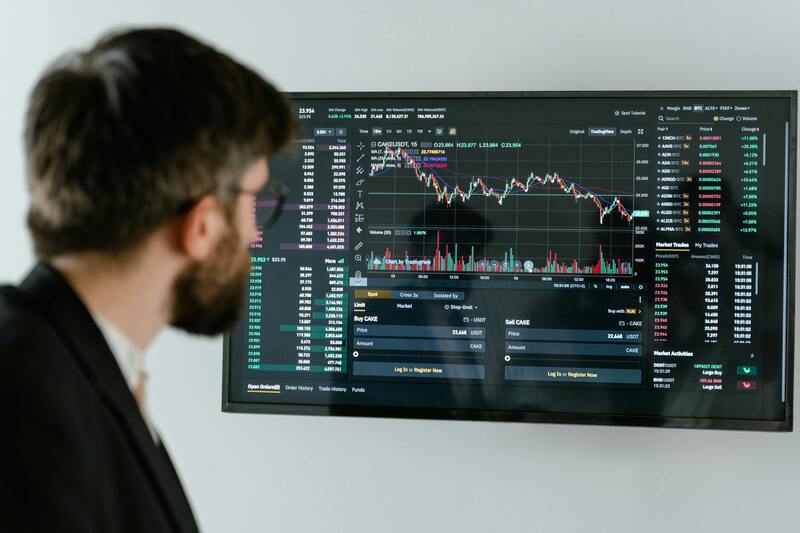
Proprietary trading firms operate under a distinct business model centered on leveraging both the firm's capital and the expertise of individual traders to generate profits. Unlike traditional brokerage services, which facilitate client trades and charge commissions or fees, prop trading companies focus on trading with their own assets, aiming to optimize returns by deploying sophisticated trading strategies. These firms typically capitalize on markets' volatility, exploiting short-term opportunities across various asset classes, including equities, commodities, forex, and derivatives.
Fundamentally, prop firms provide their traders with capital, technological tools, and risk management systems, creating an environment where traders can maximize their potential without the need for personal capital commitment. The company's infrastructure often includes advanced trading platforms, market data feeds, and algorithms that support real-time decision making. This synergy allows traders to execute high-frequency trades or complex strategies while the company manages overarching risk and compliance protocols.
Revenue Model
The primary revenue for prop trading companies emerges from the profits generated by their traders' activity. Profits are typically shared between the firm and the trader based on pre-agreed profit-sharing arrangements. Some companies also charge training fees, onboarding costs, or monthly platform fees, although many focus on incentivizing performance through profit splits.
This business approach aligns the interests of traders and firms, fostering a motivated environment where traders are incentivized to perform consistently. Moreover, these firms often implement strict risk controls, including daily loss limits and position size restrictions—I’ll explore this in detail later—to safeguard the company's capital while enabling traders to pursue lucrative opportunities.
The Role of Proprietary Trading in Financial Markets
Proprietary trading firms contribute significantly to market liquidity and efficiency by actively participating in various markets. Their capacity to execute large trades quickly and efficiently helps mitigate volatility and spreads, supporting overall market stability. By employing traders skilled in technical analysis, quantitative models, and risk management, these firms often act as market makers, contributing to more orderly trading environments.
Further, prop trading companies serve as invaluable incubators for trading talent. Many successful traders start their careers in prop firms, benefiting from the resources and mentorship available. The firm’s institutional knowledge and technological assets become critical assets for developing effective trading strategies and risk procedures.
Understanding the Trading Strategies Employed by Prop Firms
Proprietary trading companies deploy a diverse array of trading strategies tailored to maximize their returns while managing associated risks effectively. These strategies are developed through rigorous analysis, technological prowess, and often proprietary algorithms, making them a core aspect of the firm’s operational success.
Algorithmic and Quantitative Trading
One of the prevalent methods utilized by prop trading companies involves algorithmic and quantitative trading. This approach leverages complex mathematical models and computer algorithms to execute trades at speeds and frequencies unattainable by human traders. These models analyze vast datasets, identify patterns, and execute trades based on predetermined parameters, allowing firms to capitalize on minute market inefficiencies.
Technical and Fundamental Analysis
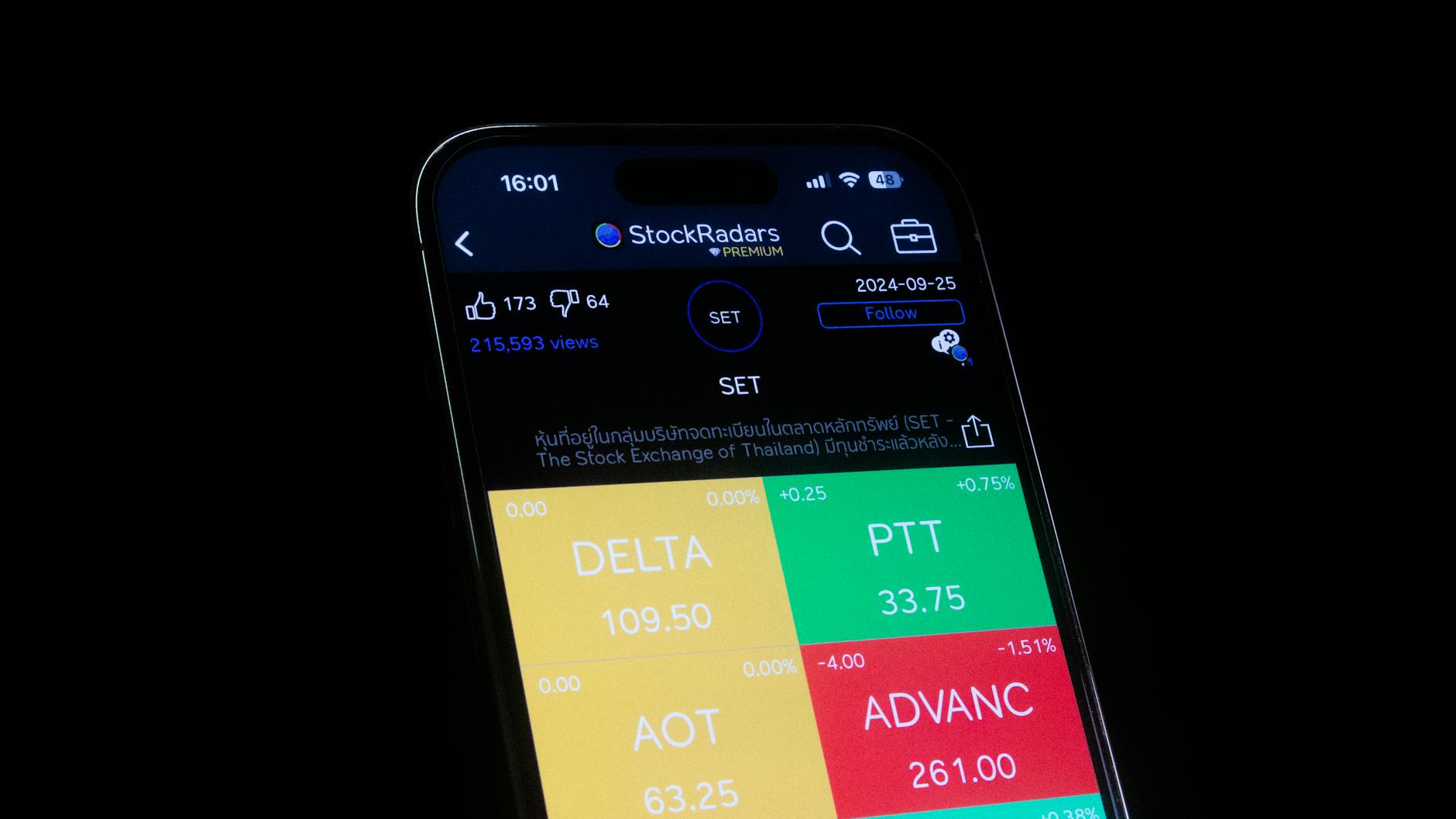
Technical analysis remains fundamental in many proprietary trading strategies. Traders use charts, indicators, and historical price data to predict future market movements. In conjunction, some firms integrate fundamental analysis, examining economic indicators, earnings reports, and geopolitical events to inform their trading decisions. The combination of these analytical techniques enables firms to develop a comprehensive view of market conditions.
Market-Making and Arbitrage
Market-making involves providing liquidity by simultaneously offering to buy and sell securities, profiting from bid-ask spreads. Arbitrage strategies seek to exploit price discrepancies between related assets or markets. These methods require significant technological infrastructure and swift execution capabilities, making them well-suited for dedicated proprietary trading environments.
Risk and Diversification
Despite employing sophisticated strategies, prop trading companies maintain rigorous risk controls and diversified trading portfolios. Diversification across asset classes, markets, and strategies helps mitigate potential losses from adverse events, preserving the firm's capital integrity and ensuring consistent performance.
Monitoring and Evaluating Prop Trading Performance
Regular performance evaluation is vital to maintaining a competitive edge in the prop trading industry. Firms utilize advanced analytics and reporting tools to monitor trader progress, strategy effectiveness, and risk exposure continuously.
Performance Metrics and Reporting
- Profit and loss (P&L) analyses
- Risk-adjusted returns
- Maximum drawdowns
- Trade frequency and accuracy
These metrics inform management decisions and help identify areas for strategic improvement, fostering an environment of continuous development.
Feedback and Training Programs
Many prop firms implement structured feedback mechanisms and ongoing training programs based on performance data. These initiatives aim to enhance trading skills, adapt strategies to evolving market conditions, and promote a culture of discipline and accountability among traders.
Technological Infrastructure Supporting Prop Trading Operations
Modern prop trading companies rely heavily on advanced technological infrastructure to execute strategies efficiently. This infrastructure encompasses high-speed trading platforms, real-time data feeds, and proprietary software that facilitate rapid decision-making and order execution.
Trading Platforms and Execution Systems
Customizable trading platforms provide traders with intuitive interfaces, algorithm integration capabilities, and connectivity to multiple markets. These systems are designed to minimize latency, ensuring trades are executed at the most favorable prices.
Data Management and Analysis Tools
Enhanced data management tools aggregate and analyze market information from diverse sources, enabling traders to identify opportunities swiftly. Machine learning and artificial intelligence algorithms are increasingly integrated to augment decision-making processes.
Cybersecurity and Data Integrity
Given the sensitive nature of trading data, prop firms invest heavily in cybersecurity measures. Secure servers, encryption protocols, and regular audits protect against malicious threats and ensure data integrity, which is crucial to maintaining operational stability.
Industry Trends and Future Outlook
As the proprietary trading sector continues to evolve, several key industry trends are shaping its future landscape. The integration of artificial intelligence (AI) and machine learning into trading strategies is expanding rapidly, allowing firms to enhance predictive analytics, automate complex decision-making processes, and adapt to market volatility with increased agility. These technologies enable traders to analyze vast datasets in real-time, identify trading opportunities swiftly, and execute strategies with precision, resulting in improved profitability. Another significant trend is the increasing reliance on high-frequency trading (HFT). Prop trading companies leverage ultra-low latency infrastructure to capitalize on minute price discrepancies across markets. Advances in fiber-optic connectivity, colocated servers, and optimized algorithms contribute to more successful HFT operations. As competition intensifies in this space, firms are investing heavily in developing proprietary infrastructure to maintain a technological edge. The adoption of cloud computing also plays a pivotal role in modern prop trading environments. Cloud platforms facilitate scalable data storage, collaborative analysis, and deployment of trading algorithms across multiple geographic locations. This flexibility supports rapid innovation and allows firms to respond swiftly to market developments. Additionally, regulatory developments and increased emphasis on transparency are influencing how prop trading companies operate. Firms are implementing more robust compliance measures and adopting best practices to ensure operational integrity. This focus enhances trust with counterparties and stakeholders, which is vital for long-term sustainability. Looking ahead, the industry is poised for growth driven by digital asset trading and cryptocurrencies. As digital assets gain mainstream acceptance, many prop firms are expanding their offerings to include cryptocurrency trading, leveraging blockchain technology and digital exchanges. This shift opens up new avenues and diversification opportunities but also requires sophisticated risk management strategies. Despite these advancements, the industry faces challenges such as technological dependencies, market complexity, and the need for continuous innovation. The capacity to maintain competitive edge hinges on firms' ability to invest in top-tier technology, recruit talented traders, and cultivate adaptive organizational cultures. Cumulatively, these trends suggest a future where prop trading companies will become more data-driven, technologically sophisticated, and strategically diversified. Firms that prioritize innovation, embrace regulatory evolutions, and cultivate resilient operational frameworks are well-positioned to thrive in this dynamic environment.
