Overview of Proprietary Trading Algorithms
Proprietary trading algorithms are sophisticated computational models used by trading firms to execute large volumes of trades automatically, based on predefined algorithms. These algorithms are at the heart of quantitative trading strategies, enabling firms to analyze vast amounts of market data rapidly and identify profitable trading opportunities with precision. They are designed to operate in fast-paced environments, taking advantage of minute market movements and executing trades with minimal human intervention.
The core purpose of proprietary trading algorithms is to automate decision-making processes, reduce emotional biases, and optimize trade execution. This automation allows firms to capitalize on fleeting market inefficiencies that are invisible or unmanageable through manual trading approaches. By leveraging complex mathematical models, these algorithms incorporate a variety of data sources, including price trends, volume, order book dynamics, and macroeconomic indicators, to generate trading signals.
Within prop trading firms, proprietary trading algorithms are essential tools that help maintain competitive advantage. Their role extends beyond simple order execution; they are integral in deploying high-frequency trading strategies, statistical arbitrage, market making, and other systematic trading approaches. Through the use of proprietary algorithms, firms can operate across multiple markets and asset classes simultaneously, ensuring they remain agile in dynamic financial environments.

These algorithms are meticulously crafted, tested, and refined to adapt to changing market conditions, ensuring their effectiveness over time. The development and deployment of proprietary trading algorithms require deep expertise in finance, computer science, and advanced mathematics, fostering a competitive edge that hinges on technological sophistication and data-driven decision making.
The Significance of Proprietary Trading Algorithms in Modern Finance
In the contemporary financial ecosystem, the importance of proprietary trading algorithms continues to grow as markets become more interconnected and trading volumes increase. Firms utilizing these tools can react to market movements within milliseconds, execute complex trading strategies across diverse instruments, and manage risk with high precision. Their ability to operate in highly automated environments not only enhances profitability but also improves the efficiency of the trading process.

With ongoing advancements in computing power, data analysis techniques, and machine learning, proprietary trading algorithms are evolving rapidly. This evolution enables trading firms to extend their capacity for innovation, optimize trading strategies continuously, and respond to market developments more swiftly than ever before. As a result, proprietary trading algorithms have become a cornerstone of institutional trading activity, shaping the landscape of modern finance in profound ways.
Development and Design of Trading Algorithms
The process of developing proprietary trading algorithms begins with identifying specific market opportunities and operational goals. It involves a multidisciplinary approach that combines financial expertise with advanced programming skills. Developers leverage quantitative methods to create models that can identify inefficiencies or exploit arbitrage opportunities. These models are then translated into algorithms that can be executed automatically within trading systems, ensuring rapid response times and precision.
Designing effective trading algorithms requires meticulous testing and validation. Backtesting is a fundamental step, where historical market data is used to simulate how the algorithm would have performed under past conditions. This process helps in fine-tuning parameters, assessing profitability, and identifying potential weaknesses. Forward testing or paper trading follows, allowing traders to observe algorithm performance in real-time, without risking capital, under current market dynamics.

Optimization is an ongoing aspect of algorithm design. Machine learning techniques have become instrumental in refining algorithms by enabling them to learn from new data, adapt to evolving market conditions, and improve performance over time. Parameter tuning, feature selection, and strategy diversification are vital components of this iterative process, ensuring the algorithms remain competitive and effective.
Technology and Infrastructure for Algorithm Deployment
Implementing proprietary trading algorithms demands robust technological infrastructure. High-performance computing hardware, low-latency networks, and secure data storage are critical components that enable rapid execution and data processing. Many firms develop in-house trading platforms tailored to their algorithms, while others utilize third-party solutions that offer modular flexibility.
Automation workflows, integrated with real-time market data feeds, facilitate seamless deployment of algorithms across various asset classes, from equities and commodities to digital assets. Cloud computing resources are increasingly leveraged for scalability, allowing firms to handle large-scale data analysis and backtesting efficiently. Robust monitoring systems are also vital to oversee algorithm performance, detect anomalies, and respond swiftly to any operational issues.

Risk Management and Compliance in Algorithmic Trading
The deployment of proprietary trading algorithms requires rigorous risk management frameworks. Automated trading intensifies the need for risk controls, which include setting firm threshold limits, stop-loss provisions, and real-time monitoring of trade executions. Sophisticated algorithms often incorporate risk parameters directly into their decision-making logic to prevent excessive losses and ensure adherence to trading strategies.
Compliance mechanisms are integrated into trading systems to ensure that algorithms operate within regulatory boundaries. These include pre-trade checks, audit trails, and automated reporting that demonstrate adherence to trading standards and market rules. Maintaining transparency and traceability of trading activities is essential for avoiding potential compliance issues and fostering confidence in algorithmic trading practices.
Performance Measurement and Optimization
Continuous assessment of algorithm performance is a cornerstone of proprietary trading operations. Metrics such as Sharpe ratio, profit factor, and drawdown are regularly analyzed to evaluate effectiveness. Data-driven insights guide iterative improvements, allowing firms to adjust parameters, incorporate new data sources, or migrate to more advanced models.
Advanced analytics and machine learning models facilitate predictive insights and identify patterns that may not be evident through traditional analysis. Incorporating adaptive strategies that respond to changing market conditions ensures sustained profitability and mitigates risks associated with static models. The process involves comprehensive monitoring dashboards, automated alerts, and periodic reviews to uphold operational excellence.
Development and Design of Trading Algorithms
The creation of proprietary trading algorithms hinges on a meticulous and strategic development process that combines data analysis, strategic formulation, and rigorous testing. Each algorithm begins with comprehensive data collection, encompassing historical market data, economic indicators, and alternative data sources. This foundation ensures that the trading logic is built on high-quality, relevant information, enabling better predictive capabilities and decision-making accuracy.
Strategic formulation involves translating market insights into quantifiable rules and mathematical models. Quantitative researchers and developers work collaboratively to design algorithms that can adapt to different market conditions. These strategies might include trend-following, mean reversion, arbitrage, or news-based trading, each calibrated to meet specific risk-return profiles.

Backtesting forms a critical phase where the proposed algorithms are tested against historical data to evaluate potential performance. This process involves simulating trades based on past market conditions, measuring key metrics such as profitability, drawdowns, and trading frequency. Advanced simulation environments allow developers to analyze how algorithms respond to different scenarios, ensuring robustness and resilience before deployment.
Optimizing algorithm performance involves fine-tuning parameters, incorporating machine learning techniques, and adjusting risk controls based on backtest results. Firms often leverage automated optimization tools that systematically explore parameter spaces to identify configurations that maximize profits while maintaining acceptable risk levels. This iterative process helps refine algorithms to adapt dynamically to evolving market environments.
Once validated through rigorous testing, algorithms are integrated into the trading infrastructure. Deployment includes setting up real-time data feeds, execution systems, and risk management controls. Continuous monitoring ensures that algorithms operate as intended, with automated alerts and fallback mechanisms in place to manage unexpected market anomalies or technical issues.
The deployment phase also emphasizes scaling strategies, where algorithms are tested at different trading volumes, and infrastructure resilience, ensuring the system can handle high-frequency or high-volume trading activities efficiently. Security measures safeguard algorithms and data against unauthorized access, maintaining the integrity of the trading process.
Overall, the development and design of proprietary trading algorithms demand a disciplined, data-driven approach that balances innovation with rigorous testing and adherence to best practices. This methodology provides a strong foundation for generating sustained trading success in competitive markets, facilitating the transformation of quantitative and strategic insights into executable, profit-generating trades.
Overview of Proprietary Trading Algorithms
Proprietary trading algorithms represent the core tools through which trading firms execute their market strategies with precision and speed. These algorithms are sophisticated sets of rules and calculations that analyze vast data streams to identify profitable trading opportunities. By leveraging advanced mathematical models and statistical techniques, proprietary algorithms can swiftly capitalize on market inefficiencies, much faster than human traders could. They often incorporate various inputs such as price movements, volume data, order book information, and macroeconomic indicators to generate real-time trading signals.
At their essence, these algorithms transform complex quantitative analysis into actionable trades. They are designed to work within specific parameters set by the firm, including risk limits, desired profit margins, and execution speed. Their ability to operate continuously across different market conditions makes them indispensable in high-frequency trading environments, where milliseconds matter. The continuous evolution of these algorithms involves rigorous testing, refinement, and adaptation to changing market dynamics to maintain their edge and profitability.

Types of Proprietary Trading Algorithms
There is a diverse range of proprietary algorithms, each tailored to specific trading objectives and market conditions. Understanding their core types helps firms deploy the most effective strategies in different scenarios. The primary categories include:
- Trend-following algorithms: These algorithms identify and capitalize on persistent market trends by analyzing momentum and directional movement. They are effective in markets with clear, sustained price movements.
- Mean reversion algorithms: Designed to exploit temporary deviations from historical averages, these algorithms assume asset prices will revert to their mean over time.
- Statistical arbitrage algorithms: These rely on complex statistical models to find pairs or groups of assets that temporarily deviate from historical relationships, enabling traders to profit from their convergence.
- Market-making algorithms: Focused on providing liquidity, these algorithms continuously quote buy and sell prices to capture profit from bid-ask spreads while managing inventory risk.
- Event-driven algorithms: These algorithms react to specific trading events such as earnings reports or economic releases, adjusting strategies to capitalize on the anticipated market reactions.
Each algorithm type requires specialized design considerations and risk controls but collectively they contribute to a diversified and resilient trading portfolio specific to proprietary trading firms' goals.

Development and Design of Trading Algorithms
The process of creating effective proprietary trading algorithms begins with a comprehensive analysis of market data and trading hypotheses. Developers leverage quantitative research to identify potential trading signals, testing a variety of model ideas through simulation and historical data analysis. This process involves rigorous validation to ensure that the algorithms perform reliably under diverse market conditions.
The design phase emphasizes creating algorithms that are both robust and adaptable, integrating sophisticated risk management techniques directly into their logic. Automated optimization tools are essential in this phase, systematically exploring parameter spaces to identify configurations that yield maximum profitability without exceeding predefined risk thresholds. These tools facilitate rapid iteration and refinement, ensuring that algorithms maintain effectiveness as market dynamics evolve.
Once a trading algorithm clears extensive backtesting and forward testing simulations, it advances to deployment. This transition involves embedding the algorithm within a secure, resilient trading infrastructure equipped with real-time data feeds, execution systems, and monitoring tools. Continuous assessment during operation helps detect any deviations or technical issues, with automated alerts enabling prompt rectification. Infrastructure resilience, including scalability and security measures, ensures the algorithm performs consistently even at high trading volumes.
Adopting a disciplined, data-driven development approach is crucial for building proprietary algorithms capable of generating sustainable returns. By balancing innovative modeling with rigorous testing and risk controls, trading firms can transform academic and strategic insights into high-performance trading systems that excel in competitive environments.

Development and Fine-Tuning of Proprietary Trading Algorithms
The creation of proprietary trading algorithms involves a meticulous process of development, testing, and optimization to ensure they perform effectively within dynamic market environments. Quantitative researchers and developers collaborate to craft algorithms that are both innovative and resilient, employing advanced mathematical models, statistical analysis, and machine learning techniques to identify profitable trading opportunities.
During development, algorithms are subjected to rigorous backtesting using historical market data. This process verifies their viability over different market conditions, ensuring they can adapt to varying volatility and trend environments. High-fidelity simulation environments enable developers to evaluate how algorithms react to real-time data, fine-tuning parameters to maximize profitability while managing risk exposure.

In addition to traditional statistical models, many firms integrate machine learning components into their algorithms. These systems can identify complex, non-linear patterns in data, enabling the algorithms to adapt to evolving market behaviors and improve predictive accuracy over time. This adaptive capacity enhances their profitability potential and helps sustain competitive advantages.
Once initial development and testing are complete, algorithms undergo forward testing in live markets through simulated trading environments or small-scale deployments. This phase assesses real-world performance, providing insights into operational efficiency, execution quality, and risk controls under actual trading conditions. Feedback from this stage guides further refinement, ensuring the algorithms are robust enough for full-scale deployment.

The design of effective trading algorithms demands a balance between computational complexity and operational efficiency. Overly complex models may generate more accurate predictions but can hamper execution speed, which is critical in high-frequency environments. Conversely, simpler models may lack flexibility but offer faster decision-making. Modern proprietary trading firms invest heavily in optimizing this balance, utilizing advanced hardware and scalable software architectures that facilitate rapid calculations without compromising on precision.
Integrated risk management features are embedded within algorithm structures to monitor and limit exposure proactively. Parameters such as maximum drawdown, position limits, and stop-loss triggers are coded directly into the algorithms, providing a safeguard against unexpected market movements. Continuous monitoring during trading ensures these risk controls adjust dynamically as market conditions shift, maintaining compliance with predefined thresholds.
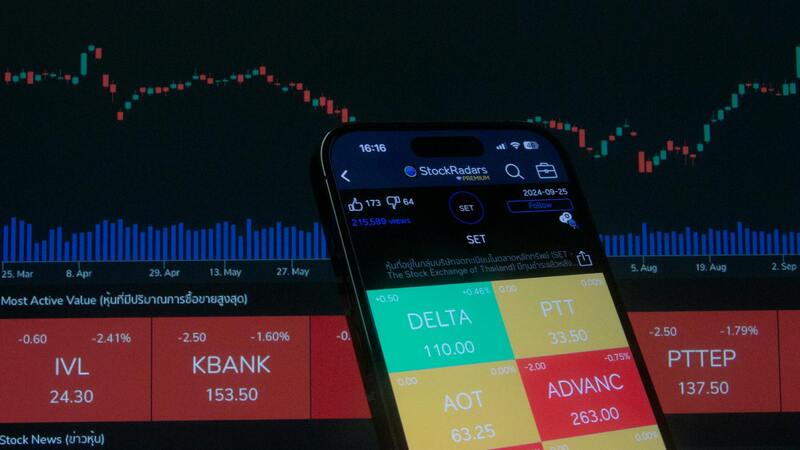
Finally, deployment infrastructure must support real-time data acquisition, order execution, and comprehensive performance analytics. Robust connectivity, redundancy, and security protocols are essential to prevent disruptions and safeguard proprietary information. Algorithm performance is regularly reviewed through sophisticated dashboards and reporting tools, allowing firms to refine models dynamically and sustain profitable operations in highly competitive markets.
Risk Management and Compliance in Algorithmic Trading
Implementing robust risk management protocols is fundamental to the success and integrity of proprietary trading algorithms. These protocols encompass a comprehensive set of measures designed to monitor potential risks, enforce operational limits, and ensure adherence to established trading guidelines. Automated risk controls are embedded within algorithmic models to facilitate instant response to market volatility, preventing excessive exposure that could jeopardize trading capital. Key parameters such as maximum drawdown limits, position size restrictions, and stop-loss thresholds are integrated directly into the trading algorithms to enable real-time adjustments, thereby minimizing the impact of adverse market movements.
Effective risk management also involves sophisticated monitoring systems that oversee trading activities continuously. These systems track compliance with predefined protocols, flag anomalies, and trigger alerts or automatic halts in trading if anomalies are detected. Such mechanisms are vital in maintaining operational discipline and safeguarding assets against unexpected market shifts or technical failures.

Furthermore, firms frequently adopt scenario analysis and stress testing methodologies to evaluate how algorithms perform under extreme market conditions. These tests simulate adverse scenarios—such as sudden liquidity shortages, geopolitical shocks, or rapid price swings—to assess an algorithm’s resilience and to fine-tune risk parameters accordingly. Incorporating such rigorous testing processes helps identify vulnerabilities early in the development cycle, allowing developers to enhance safeguards before deployment in live markets.
Compliance practices are equally critical in algorithmic trading. Standard procedures include maintaining detailed audit trails of trading decisions, implementing access controls, and ensuring transparency in data management. These measures support operational accountability and enable firms to demonstrate disciplined trading practices, especially during regulatory reviews or internal audits. Regular updates and reviews of compliance policies ensure that trading algorithms align with evolving market standards and operational best practices, preserving the firm's reputation and operational continuity.
Investment in cybersecurity is vital for protecting proprietary trading algorithms and sensitive data. Advanced encryption methods, secure data transmission protocols, and multi-factor authentication safeguard algorithms from unauthorized access or tampering. Protecting intellectual property rights associated with proprietary algorithms is also prioritized through legal arrangements, licensing agreements, and technological safeguards.

By maintaining a rigorous approach to risk management and adherence to compliance standards, proprietary trading firms can optimize algorithm performance while mitigating potential pitfalls. This disciplined methodology ensures sustainable growth and operational stability in the highly competitive landscape of algorithmic trading, allowing firms to capitalize on sophisticated trading strategies while controlling exposure to market uncertainties and operational risks.
Performance Measurement and Optimization of Proprietary Trading Algorithms
Monitoring the effectiveness of proprietary trading algorithms is crucial for sustained success in quantitative trading. Firms employ a variety of metrics to evaluate algorithm performance, focusing on key indicators such as profit and loss (P&L), Sharpe ratio, drawdown levels, and win/loss ratios. These indicators provide insight into how well an algorithm is executing strategies and managing risk under current market conditions.
Regular backtesting against historical data allows traders to identify potential weaknesses and refine algorithms accordingly. To ensure robustness, simulation environments mimic live trading scenarios, including slippage, transaction costs, and liquidity constraints. This process helps in optimizing parameters, enhancing responsiveness, and reducing the likelihood of unforeseen losses when deploying algorithms in actual markets.
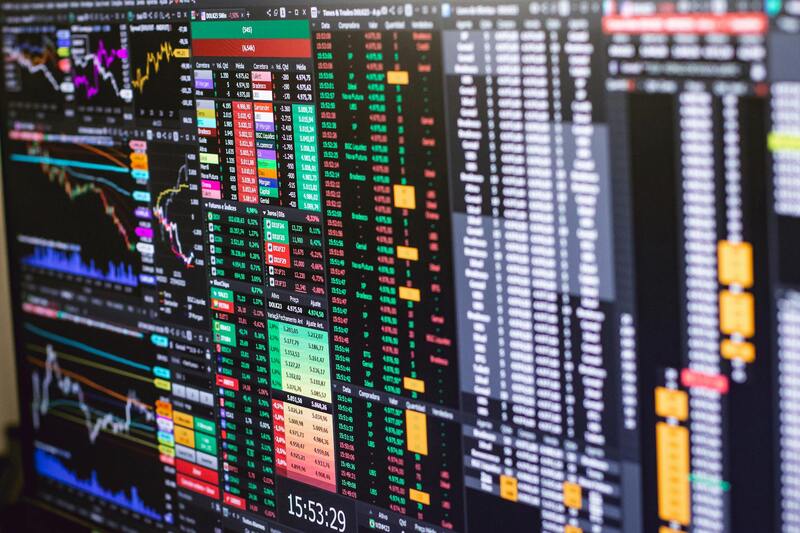
In addition to quantitative metrics, qualitative reviews of algorithm decision-making processes are equally vital. Analysts scrutinize trade entries and exits to evaluate decision logic, ensuring that algorithms adhere to strategic intents and risk limits. Incorporating machine learning techniques enables predictive adjustments to algorithm parameters, facilitating adaptive strategies that respond dynamically to shifts in market dynamics.
Optimization extends beyond the initial development phase. Continuous learning mechanisms, such as adaptive algorithms, evaluate ongoing performance and make autonomous adjustments. This iterative process allows firms to maintain competitive edge, improve profitability, and align trading activities with evolving market conditions.
Tools and Techniques for Algorithm Performance Enhancement
- Statistical analysis and anomaly detection
- Monte Carlo simulations for stress testing
- Machine learning models for predictive analytics
- Automated parameter tuning using genetic algorithms
Implementing these tools within a robust technological infrastructure ensures that proprietary algorithms operate at peak efficiency, offering traders a significant advantage in fast-moving markets. The integration of sophisticated performance measurement tools with disciplined management practices fosters a culture of continuous improvement, essential for long-term success in proprietary trading.
Performance Monitoring and Continuous Improvement of Proprietary Trading Algorithms
Effective performance monitoring remains a fundamental aspect of maintaining and enhancing proprietary trading algorithms. Proprietary trading firms employ advanced analytical tools and metrics to track algorithm efficiency, profitability, and adherence to risk parameters. This ongoing evaluation involves a combination of quantitative measures—such as win/loss ratios, average profit per trade, and drawdown levels—and qualitative assessments of decision-making logic.
The primary goal is to identify performance drift, uncover potential issues, and implement timely adjustments to algorithms. Regular backtesting against historical data and forward testing in simulated environments help traders understand how the algorithms perform across different market scenarios. These tests also enable fine-tuning of parameters to optimize trade entry and exit points, minimize false signals, and improve overall robustness.
Additionally, statistical and machine learning techniques can be employed to detect anomalies or deviations from expected behavior in real-time trading activities. This advanced analytics approach allows firms to preemptively address issues such as unintended risk exposures or suboptimal trade execution. Specialists use a combination of metrics and visual dashboards to gain insights into algorithm performance and uncover opportunities for enhancements.
To sustain a cutting-edge capability, proprietary trading firms often adopt iterative optimization approaches. These strategies include adaptive algorithms capable of learning from new data and market feedback. Machine learning models, such as reinforcement learning or neural networks, are integrated to dynamically adjust trading parameters based on evolving market conditions, thereby bolstering resilience and profitability.
Consistency in performance measurement depends heavily on robust technological infrastructure. High-speed data feeds, low-latency execution systems, and scalable cloud computing resources ensure that algorithms operate efficiently and data insights are delivered without delay. This technological backbone supports continuous improvement cycles and allows firms to implement complex analytical methods securely and reliably.
Moreover, firms cultivate disciplined operational procedures for ongoing review and refinement. These include routine validation of algorithm logic against current market conditions, comprehensive documentation of modifications, and adherence to systematic testing protocols. Transparent validation processes build confidence in algorithmic decisions and promote a culture of accountability.