
Understanding Proprietary Trading and Its Business Model
Proprietary trading, commonly known as prop trading, involves a financial firm or commercial bank investing its own capital to trade stocks, commodities, currencies, or other financial instruments. The core objective of a prop trading firm is to generate profits through strategic trading activities that leverage advanced algorithms, market insights, and disciplined risk management. Unlike traditional brokerage services that earn commissions or fees from clients, proprietary trading firms focus exclusively on their own investments to maximize returns.
Operating as a proprietary trading firm requires a keen understanding of the financial markets and the capacity to deploy capital efficiently. The firms’ traders employ a variety of trading strategies, including arbitrage, momentum trading, quantitative models, and algorithmic trading. These strategies are designed to exploit market inefficiencies, capitalize on short-term price movements, or leverage market trends to generate profit.

The profitability of a prop trading firm hinges on the effectiveness of its trading strategies, the skill of its traders, and robust risk management protocols. Since the firm’s capital is directly at risk, institutional discipline and disciplined risk controls are critical. Proprietary trading firms often utilize sophisticated technology, access to deep market data, and proprietary algorithms to stay competitive and identify lucrative trading opportunities.
While the primary goal is profit maximization, firms also aim to develop long-term trading expertise. This involves building a team of experienced traders, refining trading models based on financial markets’ dynamics, and continuously adapting strategies to changing market conditions. The success of a prop trading firm is thus a blend of strategic capital deployment, technological innovation, and disciplined execution.
Starting a prop trading firm requires a clear understanding of this business model, as well as the ability to develop and implement effective trading operations. In the subsequent sections, key steps such as establishing a legal structure, securing funding, and building the necessary technological infrastructure will be discussed in detail.

Understanding Proprietary Trading and Its Business Model
Proprietary trading, or prop trading, refers to a firm's practice of trading various financial instruments using its own capital to generate profits. This approach differentiates itself from brokerage operations where revenue primarily comes from client transactions. Prop trading firms leverage their own financial resources to execute trades across markets such as equities, commodities, forex, and derivatives. The core aim is to capitalize on market movements by deploying sophisticated trading strategies and advanced technology.
These firms operate on a model that prioritizes strategic capital allocation, often employing a team of skilled traders supported by proprietary algorithms. Technological innovation plays a crucial role, allowing traders to access high-frequency trading systems, real-time data feeds, and automated trading platforms. Risk management is embedded into every facet of operations, with firms implementing strict controls to mitigate potential losses and preserve capital.

The success of a proprietary trading enterprise hinges on the ability to develop, test, and optimize trading strategies continuously. This process involves analyzing market data, back-testing models, and employing quantitative methods to identify profitable opportunities. Skilled traders—either experienced professionals or quantitative analysts—execute trades based on well-defined parameters, adapting to market conditions in real-time.
Effective risk management practices are embedded in the firm’s operational approach. These include setting strict trading limits, employing stop-loss orders, and continuously monitoring trading activities to prevent outsized losses. As the firm grows, it invests in technological infrastructure such as robust trading platforms, secure data centers, and high-speed connectivity to ensure seamless execution of trades.
Building a sustainable prop trading business also involves cultivating a strong team culture that emphasizes discipline, ongoing education, and technological proficiency. Developing proprietary trading algorithms and harnessing data-driven insights ensures competitive edge and adaptability in dynamic markets.
Establishing appropriate operational protocols, adhering to regulatory standards, and maintaining comprehensive documentation are essential steps toward a resilient trading enterprise. Strategic planning around capital deployment, trader recruitment, and technology investments sets the foundation for a profitable and scalable proprietary trading firm.
Understanding Proprietary Trading and Its Business Model
Proprietary trading, often referred to as prop trading, involves a firm utilizing its own capital to execute trades across various financial markets. This business model centers around the pursuit of profit through sophisticated, data-driven trading strategies developed by skilled professionals or quantitative analysts. The core objective is to capitalize on market inefficiencies and price discrepancies, leveraging technological infrastructure and extensive market research to gain a competitive advantage.
At the heart of a successful prop trading enterprise is a continuous cycle of strategy development, testing, and fine-tuning. Employing quantitative analysis and algorithmic trading techniques allows firms to automate decision-making processes and adapt swiftly to volatile market conditions. Traders in these firms operate within well-defined risk parameters, executing high-frequency trades or longer-term positions based on proprietary models that are regularly validated through rigorous back-testing against historical data.
Effective risk management is integral to maintaining profitability and stability. This includes setting strict trading limits, employing stop-loss orders, and establishing real-time monitoring systems. These measures help protect against outsized losses and ensure consistent performance. As the firm scales, investments are made in technologically advanced platforms—encompassing high-speed connectivity, secure data centers, and sophisticated order execution systems—to sustain an edge in fast-moving financial markets.
Team culture plays a pivotal role in prop trading success. Discipline, continuous learning, and innovation are promoted to foster an environment where trading strategies evolve alongside changing market dynamics. Development of proprietary algorithms and harnessing big data analytics bolster the firm’s ability to identify new opportunities and adjust strategies effectively.

Legal Structure and Regulatory Requirements
Constructing a solid legal foundation is essential for a proprietary trading firm. It typically involves establishing a legal entity such as a corporation or limited liability company (LLC) that delineates ownership, liability, and operational responsibilities. The choice of legal structure influences tax treatment, compliance obligations, and ability to attract capital investment.
Compliance with licensing and reporting standards set forth by regulatory authorities ensures smooth operations and access to required financial markets. Depending on the jurisdiction and scope of activities, firms may need to register with financial regulatory bodies, obtain specific licenses, or adhere to industry standards such as the Anti-Money Laundering (AML) protocols and Know Your Customer (KYC) procedures. These measures contribute to the firm's reputation and operational stability.
Implementing comprehensive internal policies regarding trading practices, data security, and conflict of interest management helps cultivate a culture of integrity. This involves training staff on compliance matters, regular audits, and maintaining meticulous records of trading activities. Such practices not only ensure adherence to specific legal frameworks but also foster trust with investors and partners.
Image placeholder: 
Financial Planning and Capital Acquisition
Securing sufficient capital to launch and sustain trading activities is a foundational step. Initial funding sources often include personal savings, strategic partners, or small-scale investors. As the firm expands, attracting larger investments may involve pitching to institutional investors or high-net-worth individuals, emphasizing a robust risk management protocol and proven trading strategies.
Careful capital allocation, risk mitigation strategies, and transparent reporting are pivotal for maintaining investor confidence. Establishing transparent agreements with investors, including profit-sharing arrangements and risk disclosures, helps build long-term relationships that can support scaling efforts.
In sum, the successful establishment of a prop trading firm relies on a meticulously crafted legal and operational framework, strategic capital deployment, and adherence to established compliance standards. These elements create a resilient foundation for sustained growth and market competitiveness.
Building Trading Infrastructure and Technology
Establishing a robust technological framework is vital for the smooth operation of a proprietary trading firm. The core components include selecting a reliable trading platform that aligns with the firm's trading strategies, ensuring it supports the necessary order execution, market analysis, and customization features. Whether opting for popular professional trading software or developing proprietary solutions, the platform must provide real-time data, quick execution capabilities, and integration options.

Data feeds from reputable providers are essential to access real-time market information, news, and indicators. High-quality data integration allows traders to make informed decisions quickly, which is especially critical in fast-paced trading environments such as high-frequency or algorithmic trading. Reliable data feed subscriptions often involve comprehensive environmental controls to minimize latency and downtime, crucial for maintaining competitive advantages.
Risk management software forms the backbone of operational stability. These tools help monitor trading positions, enforce predefined risk limits, and automate alerts or stop-loss orders to mitigate potential losses. Proper integration of risk management systems enables real-time oversight of all trading activities, fostering disciplined trading practices and safeguarding capital.
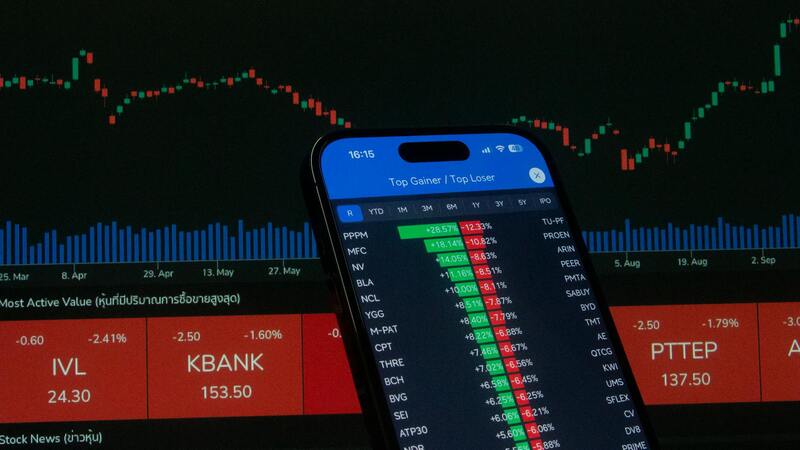
Secure server solutions and reliable internet connectivity are non-negotiable elements for maintaining operational uptime. Many firms host their trading infrastructure on cloud-based services or dedicated data centers, which provide scalable resources and enhanced security protocols. Encryption and multi-factor authentication safeguard sensitive information and trading credentials, protecting the firm against cyber vulnerabilities.
Investing in high-performance hardware, optimized networking setups, and redundancy systems ensures the technological backbone withstands market volatility and high transaction volumes. Regular maintenance, updates, and system tests are integral to keeping the infrastructure efficient and resilient.
Integrating Quantitative Analysis and Automation
To stay competitive, many prop trading firms incorporate quantitative analysis tools and build automation into their workflows. Developing algorithms that execute trades based on predefined criteria can improve efficiency and reduce human error. Automated trading systems require rigorous backtesting procedures to validate strategies using historical data, ensuring they perform reliably under various market conditions.
Implementing seamless integration between trading platforms, data sources, and risk management tools creates an interconnected ecosystem that enhances responsiveness and operational consistency. Additionally, ongoing monitoring of system performance, latency, and accuracy is essential for maintaining the technological edge necessary for profitability.
Understanding Proprietary Trading and Its Business Model
Proprietary trading involves a firm trading stocks, commodities, currencies, or other financial instruments using its own capital, aiming for profit rather than client funds. This business model centers on leveraging advanced trading strategies, sophisticated technology, and risk management practices to generate consistent returns. The core advantage of a prop trading firm is its agility—operating without client constraints allows for quicker adaptation to market conditions and the implementation of innovative trading algorithms.
Successfully establishing such a business requires a comprehensive understanding of how profits are derived and the key operational pillars that support sustainable growth. These include the development of robust trading strategies, the accumulation of sufficient capital, efficient technological infrastructure, and precise risk management protocols. Each element contributes to creating a resilient framework capable of navigating volatile markets while maintaining profitability.

Legal Structure and Regulatory Requirements
Establishing an appropriate legal entity forms the foundation of a compliant and operationally sound prop trading firm. Typically, firms are structured as LLCs, corporations, or partnerships, each offering distinct advantages in terms of liability protection, tax treatment, and management flexibility. Picking the right entity aligns with the scale of operations, investor relationships, and future growth plans.
Regulatory adherence is essential for maintaining credibility and operational integrity. Compliance involves adhering to existing financial market rules, implementing comprehensive record-keeping practices, and maintaining transparent reporting processes. While the specific requirements may vary depending on the jurisdiction and the instruments traded, firms often establish internal compliance departments or partnerships with legal advisors specializing in financial regulations.
Key Regulatory Elements:
- Registration with appropriate financial regulatory bodies, if applicable
- Adherence to Anti-Money Laundering (AML) and Know Your Customer (KYC) procedures
- Implementation of internal controls and compliance monitoring systems
- Secure management of trading accounts and client information (if applicable)
- Regular audit and reporting protocols to regulatory authorities
Building a legal and regulatory foundation is vital for smooth operations, fostering trust among investors and partners, and ensuring long-term sustainability of the trading enterprise.

Implementing Robust Operational Procedures and Compliance Systems
Establishing comprehensive operational procedures is critical for ensuring consistency, accountability, and efficiency within your prop trading firm. These procedures should detail every aspect of daily trading activities, risk management protocols, fund allocations, and administrative processes. Clear documentation helps mitigate risks associated with operational errors and fosters a culture of discipline and transparency.
Central to these procedures is the implementation of advanced compliance systems. These systems facilitate adherence to operational standards, regulatory rules, and internal policies. Incorporating automated trade surveillance tools, real-time risk monitoring modules, and audit trail functionalities allows for continuous oversight of trading activities, enabling quick identification and resolution of anomalies.
Regular training sessions are essential to keep staff updated on compliance obligations, technological updates, and procedural changes. An effective compliance program involves routine internal audits to verify adherence and identify areas for improvement. Enhanced record-keeping, secure data management practices, and straightforward reporting mechanisms should be embedded in all operational workflows.

Investing in specialized compliance software that aligns with your firm’s operational scale can significantly streamline procedures. Features such as automated KYC verification, AML screening, and trade monitoring are valuable tools to uphold regulatory standards and internal policies. Moreover, integrating these systems with your trading platforms enhances real-time oversight and reduces manual oversight risks.
Monitoring, Audit, and Continuous Improvement
Effective oversight requires establishing a schedule for regular internal and external audits. Internal audits help verify compliance with operational policies and identify inefficiencies, while external audits can provide objective assessments and enhance credibility. Feedback loops from these audits inform ongoing refinements of operational procedures.
Developing a culture of continuous improvement involves encouraging feedback from traders and support staff, tracking performance metrics, and implementing technological upgrades as needed. By proactively refining operational practices, a prop trading firm can adapt to evolving market conditions, regulatory changes, and technological innovations.
Operational Procedures and Compliance Systems
Establishing robust operational procedures is essential for the smooth functioning of a proprietary trading firm. These procedures should comprehensively cover daily trading activities, ensuring that each step—from trade initiation to closure—adheres to the firm’s internal policies and regulatory standards. Precise documentation and standardized workflows help minimize errors and promote consistency across all trading operations.
At the core of daily operations is the execution process. Traders must follow predefined protocols that specify how orders are placed, verified, and confirmed. Implementing automated order routing systems can streamline this process and reduce latency, which is crucial in high-frequency trading environments. Trade tickets, logs, and audit trails should be maintained meticulously to provide accountability and support compliance audits.
Monitoring activities are equally vital. Continuous oversight involves real-time tracking of trading activity, position limits, and exposure levels. Advanced trading platforms equipped with real-time analytics and alert systems facilitate immediate identification of anomalies or risk breaches. Automated compliance checks can flag prohibited trading behaviors, ensuring adherence to internal policies and external regulations.

To uphold internal standards and external obligations, firms must integrate comprehensive compliance management systems. These include automated Know Your Customer (KYC) processes, Anti-Money Laundering (AML) screening, trade monitoring, and reporting functionalities. Utilizing enterprise-grade software tailored to trading operations simplifies complex compliance workflows, enhances data accuracy, and minimizes manual review errors.
Regular compliance training for traders and staff ensures that everyone understands the latest procedures and regulatory updates. Moreover, periodic internal audits and external reviews serve as checks and balances, reinforcing adherence and highlighting areas for improvement. These audits also help verify that the firm’s operational practices align with industry best practices and evolving standards.
Having a clear escalation protocol in place is critical for swift response to operational disruptions or compliance violations. A dedicated compliance officer or team should oversee daily monitoring and handle incident investigations, ensuring that corrective actions are swiftly executed and documented. Such structured approaches foster a culture of accountability and operational integrity across the organization.
In addition, integrating technological tools like automated reporting dashboards and risk dashboards allows leadership to have real-time insights into firm performance and compliance status. This visibility supports proactive decision-making and strategic adjustments, mitigating potential issues before they escalate.
Efficient operational workflows and rigorous compliance systems establish a firm foundation for sustainable growth. They enable the trading team to operate within a controlled environment, reduce risks, and build trust with partners, investors, and regulatory bodies.
Effective Strategies for Scaling Your Proprietary Trading Firm
Scaling a prop trading firm involves strategic planning and operational excellence. Once initial trading operations are stable and profitability is established, the focus shifts towards expanding trading activities, increasing capital, and diversifying strategies. This process requires a combination of robust infrastructure, disciplined risk management, and targeted growth initiatives to ensure sustainable expansion without compromising the firm’s integrity or operational stability.
Expanding Trading Activities
Increasing trading volume demands coordination across trading desks and markets. To achieve this, the firm should invest in advanced trading platforms capable of supporting higher transaction throughput and complex order types. Expanding into new asset classes or geographic markets can also open up additional revenue streams, provided they are backed by thorough market research and a solid understanding of local trading environments. Implementing scalable system architecture enables the firm to handle increased data flow, transaction processing, and connectivity with multiple exchanges seamlessly.

Enhancing Capital Resources
Progressively increasing capital allows for larger trading positions, better risk diversification, and access to more lucrative markets. This can be achieved through internal accumulation of profits, attracting external investors, or establishing partnerships with strategic financiers. Structured funding mechanisms such as capital commitments, profit-sharing arrangements, or partnerships with institutional investors provide stability and enable scaling while maintaining control over trading strategies and risk management practices.
Diversifying Trading Strategies
As a firm grows, diversifying trading strategies mitigates concentration risk and uncovers additional opportunities. Incorporating various approaches such as algorithmic trading, options strategies, market making, and arbitrage ensures the firm is resilient across market cycles. Regular review and backtesting of these strategies help adapt to changing conditions and maintain a competitive edge. Moreover, diversifying strategies across different markets and instruments reduces vulnerability to localized shocks and enhances overall portfolio stability.
Investing in Human Capital
Scaling is not solely about infrastructure but also about people. Recruiting experienced traders, quantitative analysts, and risk managers is critical for sustainable growth. Developing a robust training and development program ensures that the team remains aligned with the firm’s strategic goals and operational standards. Creating an environment that fosters innovation and continuous improvement encourages traders to refine their strategies and adapt to evolving market conditions effectively.
Implementing Advanced Risk Management Systems
As trading activities expand, so do the potential risks. Implementing sophisticated risk management frameworks becomes imperative to monitor and control these risks in real time. Utilizing advanced analytics, automated alerts, and stress testing tools facilitates proactive risk mitigation. Maintaining strict risk limits and performing regular reviews ensures that the firm's growth is balanced with its risk appetite, preventing overexposure and potential losses.
Strategic Partnerships and Alliances
Partnering with technology providers, liquidity providers, and financial institutions can accelerate growth. Such collaborations can offer access to better execution venues, improved market data, and innovative trading tools. Establishing strategic alliances also enables knowledge sharing, enhances operational resilience, and opens doors to new markets and client segments.
Monitoring and Adjusting Growth Plans
Regular evaluation of growth initiatives and performance metrics is essential. This includes analyzing trading results, risk statistics, capital deployment efficiency, and operational costs. Data-driven insights guide strategic adjustments, ensuring that the firm’s expansion remains aligned with its long-term objectives. Flexibility in modifying strategies and operational procedures allows the firm to navigate market shifts and capitalize on emerging opportunities effectively.
By focusing on these core areas—expanding trading activities, securing additional capital, diversifying strategies, investing in talent, strengthening risk management, and fostering strategic partnerships—a proprietary trading firm can achieve sustainable growth. Success hinges on disciplined execution, continuous innovation, and maintaining a vigilant approach to risk and operational integrity, which collectively support the long-term viability and competitiveness of the enterprise.
