
What is a Liquidity Provider?
A liquidity provider is an entity or individual that acts as a key facilitator in financial markets by offering to buy and sell assets at specified prices, thereby ensuring market fluidity. Their primary function involves maintaining a continuous flow of buy and sell orders, which stabilizes prices and allows traders to execute transactions smoothly. Within the realm of proprietary trading firms, known as prop firms, liquidity providers play an essential role by supplying the necessary market depth that enhances trading efficiency and reduces the chances of significant price swings.
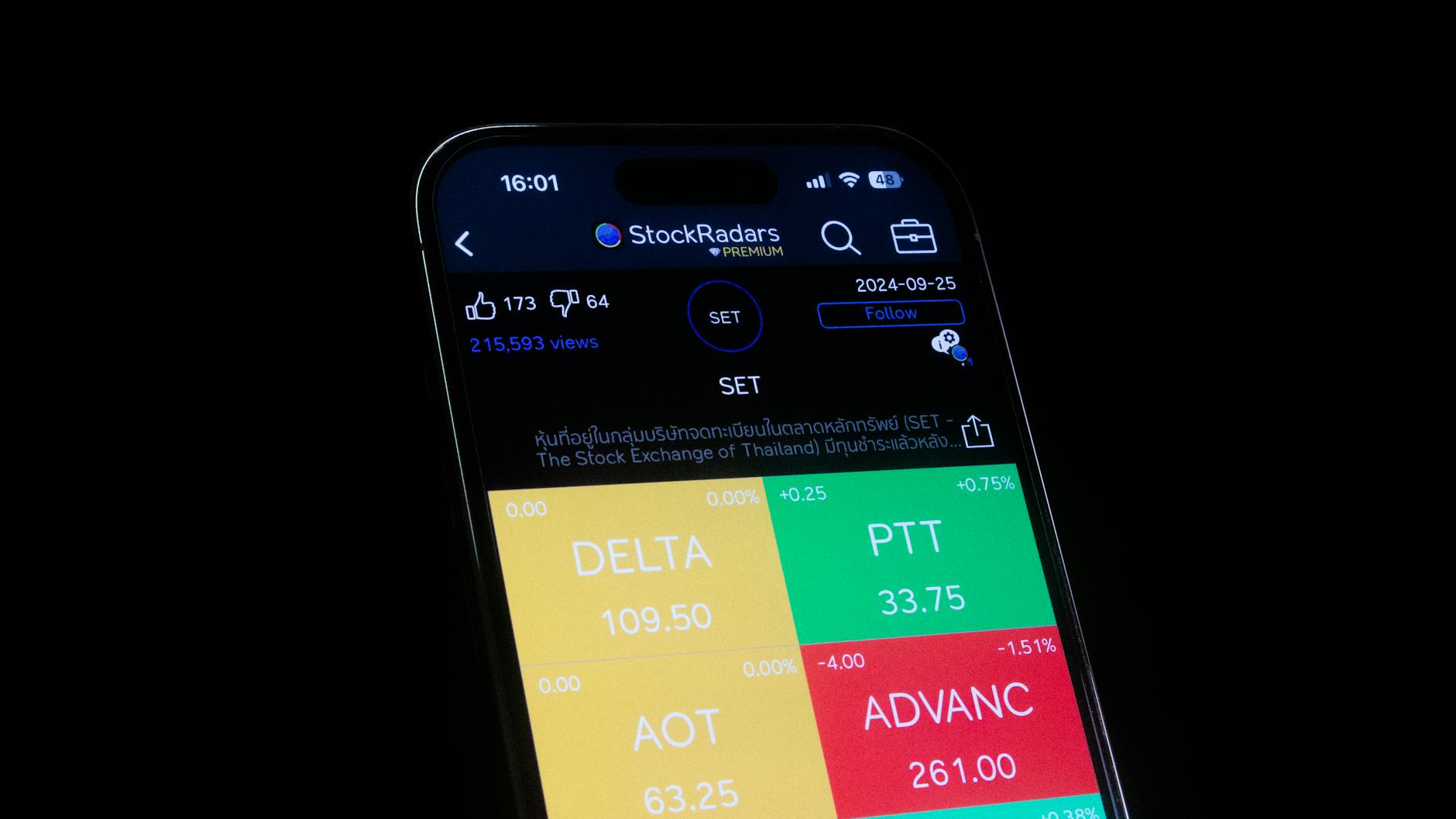
In essence, a liquidity provider acts as an intermediary that bridges the gap between buyers and sellers, ensuring that trading can occur without excessive price impact or delays. This activity is vital in markets characterized by high trading volumes and dynamic price movements, as it contributes to the overall stability and efficiency of the marketplace. They often operate across various asset classes, including equities, foreign exchange, commodities, and derivatives, playing a pivotal role in both retail and institutional trading environments.
Furthermore, the presence of liquidity providers enables market participants to enter and exit positions swiftly, which is crucial for strategies that depend on rapid execution and minimal slippage. Unlike traditional traders, liquidity providers do not have a speculative interest in the assets they facilitate. Instead, their primary goal is to profit from the bid-ask spread—the difference between the buying and selling prices—while managing the risks associated with holding large inventories of securities.

In high-frequency trading and other algorithmic strategies, liquidity providers are often integrated into complex systems that automatically respond to market conditions. This integration assists in maintaining order book depth and reducing volatility caused by large trades or sudden market shocks. Their activities support the transparency and fairness of trading environments, especially in markets where liquidity might otherwise be sparse or fragmented.
By providing continuous quotes and ensuring market liquidity, these entities help stabilize prices and facilitate efficient price discovery. Their participation is particularly crucial in markets where time-sensitive trades are common or where market stress can lead to decreased liquidity, thereby amplifying price swings and economic risks.
How Liquidity Providers Operate
Liquidity providers function as essential intermediaries within financial markets by continuously offering buy and sell quotes, even in the absence of immediate trading interest from other market participants. Their operations hinge on sophisticated algorithms and trading strategies designed to maintain a balanced inventory of securities, thereby ensuring that traders can execute orders promptly and with minimal price impact.
To facilitate a seamless trading environment, liquidity providers employ automated systems that monitor market conditions in real-time. These systems analyze price movements, trading volumes, and other market signals to adjust quotes dynamically. As market participants place buy or sell orders, liquidity providers absorb these trades by either increasing or decreasing their inventories, maintaining steady bid-ask spreads. This active management of inventories helps prevent large price swings and enhances overall market stability.

Their role is not merely to quote prices but also to assess risk carefully. As they hold large volumes of securities, liquidity providers must develop risk management techniques that mitigate potential losses from adverse price movements. Techniques include hedging strategies, using derivatives, and employing statistical models to predict future market behavior. This sophisticated risk management is vital for their profitability and market participation longevity.
Moreover, liquidity providers often collaborate with electronic trading platforms and exchange systems to integrate their quoting activities. The use of high-frequency trading (HFT) technology allows them to respond within fractions of a second, adjusting quotes as market data evolves. This rapid responsiveness helps to fill gaps in liquidity, especially during volatile periods or when market stress occurs, thus maintaining an orderly trading environment.
Beyond algorithmic trading, liquidity providers may also participate in market making activities, where they commit to providing continuous bid and ask prices for a wide range of securities. This commitment requires significant capital and technological investment but results in greater market depth and reduced transaction costs for other traders. As a result, liquidity providers play a vital part in ensuring that markets remain efficient, transparent, and resilient to shocks.
How Liquidity Providers Operate
Liquidity providers function as essential participants within the financial ecosystem by continuously offering bid and ask prices for various securities across different markets. Their primary responsibility lies in bridging the gap between buyers and sellers, ensuring that trades can be executed swiftly without significant price delays or excessive spreads. These providers operate through sophisticated algorithms and trading platforms that allow them to quote real-time prices based on a multitude of factors, including current market conditions, order flow, and technical indicators.
The operational model of liquidity providers involves maintaining sizable inventories of financial instruments, which enables them to meet market demand promptly. This activity requires constant monitoring of market variables and a high level of technological integration to adapt to rapid price fluctuations. Using advanced trading systems, they can adjust quotes in milliseconds, responding to changes in supply and demand, thereby minimizing potential slippage and enhancing execution quality for all market participants.

Furthermore, liquidity providers often employ complex risk management techniques to mitigate the financial exposure stemming from their activities. They utilize derivatives such as options and futures contracts to hedge potential losses from adverse price movements. Statistical models and predictive analytics also play a crucial role in estimating future market behavior, allowing liquidity providers to fine-tune their quoting strategies and optimize profitability.
This high-frequency operation model is highly reliant on cutting-edge technology and connectivity. Many providers are linked directly to electronic exchanges and trading platforms, ensuring minimal latency and maximum responsiveness. The integration of high-frequency trading (HFT) technology enables them to execute thousands of trades within fractions of a second, adjusting their quotes dynamically to accommodate evolving market data. This capability is especially significant during periods of high volatility, where rapid response times help maintain market stability by filling gaps in liquidity and preventing severe price dislocations.
Participation in Market Making
In many cases, liquidity providers undertake market making activities, wherein they commit to providing both bid and ask prices for a broad spectrum of securities consistently. This approach enhances market depth and reduces the bid-ask spread, translating into lower transaction costs for traders. Market making requires substantial capital because providers need enough inventory to fulfill their obligations and withstand potential adverse movements.
To sustain this activity, liquidity providers employ a variety of strategic tools, including automated trading algorithms, real-time risk assessments, and diversified portfolios. These mechanisms allow them to manage their exposure effectively, balancing the dual objectives of profitability and market stability. Their role in market making not only ensures continuous liquidity but also contributes to overall market transparency and resilience against shocks.

By fulfilling these functions, liquidity providers embed themselves as vital market infrastructure components. Their activities support smoother trade execution and foster an environment where price discovery is accurate and markets are less prone to extremes caused by sudden liquidity shortages.
Liquidity Providers and Proprietary Trading Firms
Proprietary trading firms, commonly known as prop trading firms, often rely heavily on liquidity providers to execute their sophisticated trading strategies. These firms utilize liquidity providers to gain access to continuous price streams and substantial market depth, which are crucial for implementing high-frequency trading algorithms and arbitrage strategies. By partnering with liquidity providers, prop firms can execute sizable orders with minimal market impact, ensuring their trading strategies remain effective without significantly disrupting the market. The relationship between prop trading firms and liquidity providers is built on mutual benefit. Prop firms benefit from the streamlined execution and reduced transaction costs made possible by liquidity providers, while providers gain by earning fees, spreads, or commissions through their service offerings. Liquidity providers enable prop traders to capitalize on fleeting market opportunities, often operating within tight timeframes where rapid access to liquidity can mean the difference between profit and loss. This collaboration is particularly critical during volatile market conditions, where quick, reliable executions can help prop firms manage risk and optimize trading performance. In many instances, prop trading firms utilize multiple liquidity providers to ensure redundancy and access to the best available prices across different trading venues, thus enhancing execution quality and ensuring resilience against liquidity shortages or disruptions.

Several key strategies employed by proprietary trading firms hinge on their ability to leverage liquidity provider services. These include arbitrage, market making, and statistical trading, all of which require rapid access to large volumes of liquidity. The seamless integration of these services supports prop traders in maintaining competitive edge and executing complex strategies with precision and efficiency.
Incentives and Compensation for Liquidity Providers
Liquidity providers typically earn revenue through spreads— the difference between bid and ask prices— and commissions for each transaction facilitated. Advanced technological infrastructure enables them to execute this process automatically, often deploying high-frequency trading algorithms that analyze market data in real-time. By continuously quoting prices and standing ready to buy or sell, they generate profits from market fluctuations and the bid-ask spread. In some cases, liquidity providers may also be compensated through fee-based arrangements, where exchanges or trading platforms charge for premium access to liquidity pools. These incentives motivate providers to maintain strict operational standards, ensuring high-quality service levels that benefit the overall market ecosystem. The anticipation of earning transaction-based income encourages liquidity providers to optimize their trading strategies, invest in technological innovation, and adapt swiftly to evolving market conditions.
Risks Faced by Liquidity Providers
While liquidity provision offers lucrative opportunities, it also involves significant risks. Market volatility can lead to adverse price movements that impact the inventory managed by liquidity providers, potentially resulting in substantial financial losses. Rapid price swings, especially during turbulent trading sessions, can force providers to liquidate positions at unfavorable prices. Another key risk is inventory risk— the possibility of holding positions that move against the provider’s expectations. To mitigate such risks, liquidity providers employ sophisticated risk management tools, including real-time hedging, diversification across multiple assets, and algorithmic adjustments based on market signals. Operational risks also pose challenges, encompassing system failures, connectivity issues, or software glitches that can impair trading activity. Additionally, regulatory shifts or market structure changes may influence liquidity provider operations, requiring continuous adjustment of strategies to maintain market engagement and reliability. Effective risk management is critical for liquidity providers to sustain their operations and continue supporting market functions without exposing themselves to unsustainable losses. Their ability to balance risk and reward plays a pivotal role in maintaining liquidity, especially during periods of high volatility or unexpected market shocks.
Role of Liquidity Providers in Enhancing Market Efficiency
Liquidity providers are fundamental to maintaining the robustness and efficiency of financial markets. Their core function involves continuously placing buy and sell orders for a variety of assets, which ensures that market participants can execute trades promptly and at transparent prices. By maintaining this constant presence, liquidity providers help narrow bid-ask spreads, making trading more cost-effective for all investors.
In practice, they serve as market makers, standing ready to trade at specified prices, which significantly reduces transaction costs and minimizes the impact of large trades on market prices. This functionality is especially vital during periods of heightened volatility, where rapid price adjustments can otherwise lead to wider spreads and decreased liquidity. Liquidity providers thus act as stabilizing agents, dampening abrupt price swings and helping to keep markets functional and orderly in diverse trading conditions.

Operational Mechanisms of Liquidity Provision
At their core, liquidity providers operate through sophisticated trading algorithms and high-frequency trading systems that enable swift and precise order management. These systems analyze market data in real-time, assessing price movements, order flow, and other market signals to adjust their quotes dynamically. The goal is to strike a balance between offering competitive prices and managing their own risk exposure.
Many liquidity providers utilize advanced risk mitigation strategies such as delta hedging, diversification across multiple assets, and automated adjustments based on market analytics. These tools help them maintain steady operations even in turbulent conditions. Additionally, their participation often involves close collaboration with electronic trading venues and exchanges to ensure seamless execution and order routing.
Effective liquidity provision requires a keen understanding of both market mechanics and technological infrastructure, allowing providers to capitalize on the bid-ask spread while managing inventory risks and operational challenges.
Significance of Liquidity Providers in Market Dynamics
The presence of liquidity providers contributes substantially to the overall health of financial markets. Their activity enhances the price discovery process by ensuring that trades can occur at fair and consistent prices, which is pivotal for investors, hedge funds, and institutional traders. This role becomes especially critical during times of market stress, where liquidity shortages can amplify volatility and lead to wider disparities between bid and ask prices.
Moreover, liquidity providers facilitate better market transparency and efficiency, encouraging more participation from various market players. Their ability to absorb large order flows prevents significant market disruptions and fosters a competitive environment where price movements reflect genuine supply and demand dynamics.
Liquidity Providers Within Prop Trading Firms
Proprietary trading firms often employ liquidity providers to support their trading activities. These firms benefit from the continuous stream of liquidity, allowing their traders to execute large positions without adversely impacting the market. In this context, liquidity providers serve as vital partners that enable prop traders to implement strategies across multiple asset classes, including forex, commodities, equities, and derivatives.
By integrating liquidity provision into their operational framework, prop trading firms can optimize trade execution, reduce transaction costs, and improve overall trading performance. This symbiotic relationship underscores the importance of legitimate and efficient liquidity provision methods, which are essential for sustaining competitive advantage in fast-paced markets.

Understanding How Liquidity Providers Contribute to Market Dynamics
In the realm of trading, liquidity providers play a pivotal role by ensuring that markets remain active and efficient. Their primary function is to continuously supply buy and sell quotes for specific assets, which facilitates smooth transaction execution for all market participants. These providers are often large, well-capitalized financial institutions or specialized trading entities that operate behind the scenes to support vibrant and stable markets.
Operational Mechanisms of Liquidity Providers
Liquidity providers utilize advanced electronic trading systems to monitor market conditions in real time. They quote bid and ask prices—essentially offering to buy or sell assets at specific prices—and stand ready to execute transactions when counterparties accept these quotes. This continuous quote provision essentially narrows bid-ask spreads, making it easier and more cost-effective for traders to enter and exit positions.
To maintain profitability, liquidity providers often employ algorithmic and quantitative trading techniques that help manage their inventory levels and optimize their quoting strategies. These algorithms analyze a multitude of market data, including price movements, order flow, and volatility, to determine optimal bid and ask prices. This sophisticated approach allows them to manage risks effectively while keeping markets liquid and efficient.

Key Aspects of Liquidity Provision
- Order flow management: Liquidity providers constantly analyze incoming orders to adjust their quotes and manage inventory risk effectively.
- Risk mitigation: Through hedging strategies and adaptive algorithms, they limit exposure to sudden market swings.
- Market stabilization: By standing ready to buy or sell, liquidity providers reduce price volatility and prevent drastic market moves.
Impact on Market Depth and Price Discovery
Liquidity providers significantly enhance market depth, which refers to the volume of buy and sell orders at various price levels. Increased market depth results in tighter spreads and more accurate price discovery—ensuring that asset prices more accurately reflect their underlying value. This environment fosters confidence among traders and encourages more active participation, ultimately contributing to market transparency and efficiency.
Integration with Prop Trading Entities
Proprietary trading firms often depend heavily on liquidity providers for seamless trade execution and optimal pricing. These firms leverage the stable and deep markets created by liquidity providers to carry out large or complex trades without causing excessive price movement. In turn, liquidity providers benefit by earning transaction fees and spreads, while prop firms enjoy improved execution quality and reduced trading costs.
By establishing robust partnerships with reputable liquidity providers, proprietary trading operations can maintain competitive advantages through enhanced market access, reduced slippage, and improved overall trading performance. The synergy between these entities underscores the sophisticated structure of modern financial markets, where legitimate and efficient liquidity provision is essential for sustained success.
Role of Liquidity Providers in Contemporary Market Dynamics
Automation and Technology in Liquidity Provision
Modern liquidity provision relies heavily on sophisticated technology and automation. Liquidity providers employ high-frequency trading (HFT) algorithms, which enable rapid execution of buy and sell orders across multiple markets. These algorithms analyze real-time market data to identify optimal trading opportunities, ensuring that liquidity is consistently available with minimal latency. The deployment of such advanced systems not only enhances efficiency but also maintains the stability of order books, providing continuity for traders relying on dependable market liquidity.

Besides automation, liquidity providers invest significantly in data infrastructure and connectivity. To maintain fast and reliable access to markets, these entities establish direct market access (DMA) channels designed to reduce transaction delays, ensuring that their quotes remain competitive and accurately reflect current market conditions.
Liquidity Provision in Different Asset Classes
While much focus is given to equity and forex markets, liquidity providers are active across diverse asset classes including commodities, fixed income, and derivatives. Each asset class presents its unique challenges and opportunities for liquidity providers, who adapt their strategies accordingly.
- Equities and Forex: Continuous order flow and high trading volumes require rapid quotes and dynamic position management.
- Commodities: Market conditions are often influenced by geopolitical events and supply-demand shifts, demanding real-time adjustments from liquidity providers.
- Derivatives: Complex products require deep understanding and precise quoting to support market makers and institutional traders.
Effective liquidity provision across these various domains sustains market integrity and accessibility, facilitating seamless trading experiences for a broad spectrum of market participants.
Collateral and Capital Management
Liquidity providers manage significant capital reserves and collateral pools to back their trading activities. Proper management ensures they can honor their quotes during volatile periods and absorb sudden market shocks. Use of advanced risk assessment models helps these providers optimize their capital allocation, balancing the dual goals of profitability and risk mitigation.
Market Impact and Strategic Considerations
The presence of liquidity providers can influence overall market behavior. Their activities may, at times, lead to tighter spreads and improved price accuracy, but excessive reliance could contribute to market fragility during extraordinary events. Consequently, many liquidity providers employ strategic measures such as inventory balancing and spread adjustment to minimize adverse impacts and sustain market stability.
In sum, liquidity providers play a vital role in maintaining the depth and efficiency of financial markets. Their use of cutting-edge technology, diversified asset class involvement, and sophisticated capital management underpin the vibrancy and resilience of modern trading environments.
Understanding the Role of Liquidity Providers in Modern Markets
Liquidity providers form the backbone of efficient financial markets, ensuring that buy and sell orders can be executed swiftly and at transparent prices. Their primary function revolves around maintaining liquidity, which is essential for facilitating smooth trading operations across various asset classes. These entities continuously quote bid and ask prices, standing ready to buy or sell securities, derivatives, or currencies, thereby enabling market participants to execute trades without causing significant price disruptions.

Operational Mechanics of Liquidity Providers
Liquidity providers operate by leveraging advanced trading platforms and sophisticated risk management tools. They deploy algorithms that analyze multiple data points, including order flow, historical price movements, and market volatility, to determine optimal quoting strategies. Their quotations typically involve maintaining tight bid-ask spreads, which enhance market efficiency and reduce transaction costs for traders.
In practice, these institutions hold large inventories of assets, allowing them to supply liquidity during periods of heightened trading activity. They adjust their quotes dynamically in response to market conditions, attempting to balance risk exposure with the need to maintain continuous liquidity provision. This dynamic quoting process is crucial during volatile market phases, where liquidity can otherwise dry up, leading to increased transaction costs and reduced trading volume.
The Significance of Liquidity Providers in Market Functionality
Without liquidity providers, markets could become fragmented and less accessible, especially during times of stress. Their presence ensures that asset prices reflect available information efficiently, fostering transparency and price discovery. By narrowing bid-ask spreads, they help reduce slippage and promote fair trading environments, benefiting retail investors, institutional traders, and proprietary trading firms alike.
Interaction Between Liquidity Providers and Proprietary Trading Firms
In the context of prop trading firms, liquidity providers often function as vital counterparts, facilitating larger trades and helping to manage market impact. Proprietary trading desks frequently rely on liquidity providers to access deep pools of assets quickly and at competitive prices. This partnership enhances the firms' ability to execute strategies involving high-frequency trading, hedging, and arbitrage, which depend heavily on rapid and reliable liquidity.
Incentives and Compensation Structures
Liquidity providers are typically compensated based on the spreads they earn—the difference between bid and ask prices—and the volume of trades executed. They might also receive rebates or incentives from exchange operators or trading platforms to promote continuous quoting activity. These rewards motivate them to maintain tight spreads and offer liquidity even during adverse market conditions.
Risks and Challenges Faced by Liquidity Providers
Operating as a liquidity provider entails exposure to significant risks, including adverse price movements, inventory imbalances, and sudden market shocks. Liquidity providers must develop robust risk management strategies, such as employing hedging techniques and diversifying asset holdings, to mitigate potential losses. Market volatility can lead to rapid changes in asset prices, challenging their capacity to honor quotes and maintain profitability.
Additionally, technological failures or cyber threats pose operational risks, underscoring the importance of maintaining high levels of infrastructure security and redundancy. Accurate risk assessment and real-time monitoring are critical for preventing unexpected financial exposure that could impair their market functions.
Effects on Prop Trading Strategies and Market Dynamics
The activities of liquidity providers influence the effectiveness of proprietary trading strategies, particularly in high-frequency and algorithmic trading domains. Their role in ensuring market depth allows prop trading firms to execute large orders with minimal market impact, optimizing trade execution and capturing fleeting arbitrage opportunities.
Moreover, liquidity providers can impact market volatility by adjusting their quotes and inventory levels, sometimes leading to increased price oscillations during rapid market moves. Prop trading firms need to adapt their strategies accordingly, often incorporating advanced analytics and real-time data to navigate these moving parts effectively.
Overall, liquidity providers contribute significantly to market resilience, offering the necessary infrastructure that underpins high-capacity trading environments. Their ability to manage risks, deploy innovative technologies, and adapt to evolving regulatory frameworks continues to shape the landscape of proprietary and institutional trading activities.
