
How to Choose a Prop Firm
Understanding Proprietary Trading and Prop Firms
Proprietary trading, commonly known as prop trading, involves firms trading securities, derivatives, currencies, or commodities using their own capital rather than client funds. These firms attract talented traders by offering leverage, capital access, and infrastructure optimized for high-frequency and strategic trading. Their primary goal is to generate profit through efficient trading strategies, with traders typically compensated based on their performance. Prop firms serve as vital intermediaries in the financial industry by providing traders with the necessary resources, tools, and capital to execute trades that might be otherwise inaccessible to individual traders. They often operate with varying models, from fully funded trading accounts to profit-sharing arrangements, which enables traders to leverage substantial capital while managing their risk exposure. Understanding how prop firms function involves recognizing the core components of their operations: capital allocation, risk management, and trader support systems. These elements shape the firm's trading environment and directly influence a trader’s potential for success. Prospective traders and investors should evaluate a firm’s operational framework, as well as its role within the broader financial ecosystem.

The Role of Prop Firms in the Financial Industry
Prop firms enhance market liquidity and efficiency by actively trading across various asset classes. They often specialize in particular markets, employing advanced technology and trading algorithms that enable rapid execution and analysis. The revenue generated from trading activities is redistributed to the traders based on pre-agreed profit shares, creating a mutually beneficial environment. These firms also serve as training grounds for aspiring traders, offering mentorship, training programs, and access to sophisticated trading platforms. This dual role helps cultivate talent and innovation within the trading community. Consequently, understanding the operational essence of prop firms is crucial, as it impacts trading strategies, risk management practices, and overall career development for traders seeking to leverage these platforms.
Evaluating Prop Firm Programs and Trading Models
Before selecting a prop firm, it’s essential to examine the specific programs and trading models they offer. Different firms may employ varied structures, such as funded trading accounts, evaluation programs, or profit-sharing models, each with unique requirements and benefits.
Funded Trading Accounts
In this model, traders are provided with capital to trade, often after passing an evaluation or assessment process. The firm covers the trading capital, and traders retain a share of the profits, while adhering to defined risk limits. This structure allows traders to manage substantial positions without risking personal funds.
Evaluation Programs
Many prop firms require traders to complete trading challenges to demonstrate their skills and adherence to risk parameters before being granted full access to trading capital. Evaluation programs typically entail strict rules regarding profit targets, drawdowns, and trading frequency, serving as a filter for consistent traders.
Profit-Sharing Models
Some firms operate entirely on profit-sharing arrangements, where traders use their own capital but share a portion of the profits with the firm. This model may suit traders confident in their strategies and risk management capabilities, providing flexibility and control.

Understanding Proprietary Trading and Prop Firms
Proprietary trading, conducted by firms that allocate their own capital to traders, offers a dynamic environment where skilled traders can leverage substantial resources to maximize their earning potential. Choosing the right prop firm involves understanding the various approaches and operational structures these firms employ. This knowledge enables traders to align their skills and preferences with the firm's methodologies, creating a mutually beneficial relationship that fosters growth and stability.

Different Trading Models in Prop Firms
Prop firms typically utilize a range of trading models tailored to different trader skill levels and risk appetites. These include funded trading accounts, evaluation or assessment programs, and profit-sharing arrangements. Each model offers distinct advantages and considerations that traders should evaluate carefully.
- Funded Trading Accounts: Traders are provided with an account funded by the firm after passing a rigorous assessment. This setup minimizes personal capital risk while enabling traders to handle larger positions.
- Evaluation Programs: Most firms require traders to complete specific challenges designed to assess their trading prowess and risk management discipline. Successful completion usually grants access to trading capital or profit-sharing arrangements.
- Profit-Sharing Models: Traders use their own capital but agree to share profits with the firm, offering flexibility for experienced traders confident in their strategies.
Visualizing Various Trading Structures

The Importance of Understanding Trading Structures
Each trading model has specific implications for risk management, earning potential, and operational flexibility. For instance, funded accounts often come with strict risk controls and performance targets, whereas profit-sharing models might provide more autonomy but require a high level of trading discipline. Knowing these differences ensures that traders select a program that aligns with their trading style, experience, and financial goals.
Assessing Funding and Capital Requirements
When selecting a prop firm, understanding the funding provisions and associated capital requirements is essential. Evaluate how much initial capital the firm supplies for trading activities. Some firms grant traders access to substantial trading accounts following initial evaluations, while others may offer smaller allocations that suit less experienced traders. The level of funding available directly impacts the volume of trades a trader can execute, their potential profit, and their overall trading flexibility.
Examine any minimum capital or trading performance criteria set by the firm. Many firms require traders to meet specific thresholds related to trading consistency, risk parameters, or profit targets within a defined timeframe. These prerequisites serve as benchmarks to ensure traders are prepared for active trading and can meet performance standards. Carefully review whether these requirements are realistic, considering your trading style and experience level.
Additionally, scrutinize the provisions for margin and leverage offered by the prop firm. Higher leverage can amplify gains but also increases risk, so it’s important that the firm’s leverage policies align with your risk appetite. Clarify whether the firm imposes any restrictions on the types of instruments, trading hours, or position sizes, as these can influence your trading approach.
Evaluating Initial Investment and Ongoing Costs
Some proprietary trading firms charge an upfront fee for participation, such as evaluation costs or technology access fees, which are deducted from your earnings or paid upfront. Others operate on a commission or profit-sharing basis without requiring an initial deposit. Review all associated costs meticulously to assess whether the overall financial commitment aligns with your budget and expected returns. Remember, transparency regarding fees is a key indicator of a reputable prop firm, as hidden charges can impact profitability and trading experience.
Analyzing Risk Management and Trading Limits
Effective risk management is at the core of every successful trading operation within a prop firm. Confirm what risk controls the firm enforces, such as maximum daily loss limits, position size restrictions, and overall risk exposure limits. These parameters safeguard both the trader and the firm from excessive losses and help maintain a disciplined trading environment.
Assess whether the firm employs real-time monitoring tools, automatic stop-loss triggers, or risk alerts. Firms with comprehensive risk management protocols provide traders with a structured framework to manage their trades prudently, reducing the likelihood of account suspension or termination due to breaching limits.

Implications for Trading Style and Strategy
Understanding the firm's risk limits helps tailor trading strategies to remain compliant. For instance, if a firm imposes strict daily loss caps, traders should develop approaches that focus on consistent small gains rather than high-risk, high-reward trades. Conversely, more flexible limits may allow for ambitious trading styles but require strict discipline and risk awareness.
Reviewing Profit Sharing and Compensation Structures
The profit-sharing model directly influences your earnings potential. Some prop firms offer a straightforward split, such as a 70/30 or 80/20 arrangement in favor of the trader, while others may implement tiered or performance-based structures. Examine how profits are calculated, including any charges for losses, fees, or platform access.
Clarity about payout frequency and methods is also crucial. Determine whether earnings are settled weekly, bi-weekly, or monthly, and ensure these schedules accommodate your financial planning. Confirm if there are any withholding taxes or additional costs that might affect the net income received.

Additional Compensation Factors
- Bonuses for achieving specific milestones or high-performance periods.
- Rebates or incentives for consistent trading discipline.
- Caps on maximum earnings per period to prevent burnout or overexposure.
Considering Technology, Trading Platforms, and Support
An advanced and reliable trading platform significantly enhances your ability to execute strategies effectively. Assess the functionalities offered by the firm’s preferred platforms, including order execution speed, compatibility with various devices, and access to analytical tools. Compatibility with popular trading software can streamline your workflow and improve decision-making processes.
Fast, dependable technology reduces the chances of execution errors and critical lag times during volatile markets. Investigate the availability of demo accounts to familiarize yourself with the platform before trading real capital. Additionally, note the level of technical support and customer service offered—timely assistance can resolve issues that could otherwise impede trading performance.
User Experience and Educational Resources
Choose a firm that provides comprehensive educational materials, webinars, and mentorship programs that match your learning curve. An intuitive interface and responsive support team contribute to a smoother onboarding process and ongoing trading operation.

Researching Reputation and Credibility of Prop Firms
When narrowing down your choices, review the firm’s reputation within the trading community. Seek feedback from experienced traders through forums, social media, and independent review sites. Consider whether the firm has a history of transparent operations, prompt payments, and constructive communication.
Look for signs of consistent positive engagement, such as active customer support, clear onboarding procedures, and documented success stories. A prop firm with a stable operational record and an open communication approach demonstrates professionalism and a commitment to supporting traders’ growth.
Evaluating Transparency and Communication
Assess the clarity of the firm’s policies regarding trading rules, risk management, profitability, and onboarding steps. Reliable firms provide detailed documentation and answer inquiries promptly. Be wary of firms that obscure fee structures, impose ambiguous trading rules, or lack detailed procedural guidance.
Expert Tip
Direct communication with the firm’s support team before committing can unveil nuances about operational practices and customer service quality, adding a layer of confidence in your choice.
Assessing Funding and Capital Requirements
Understanding a prop firm’s funding provisions is critical for aligning your trading ambitions with what the firm offers. Many firms provide various tiers of capital, often based on your trading performance during evaluation phases. Carefully review the initial capital allocation—whether it’s a fixed amount or scalable—and ensure it suits your trading style and risk management approach. Some firms require traders to contribute personal capital as a deposit or collateral, which should be weighed against the firm's funding capacity.
Evaluate the firm's policies on scaling up trading account sizes once certain profit milestones are achieved. Check if there are any restrictions on the types of financial instruments supported or limits on trading volume, as these factors influence your ability to maximize profit potential.
Consider the leverage offered by the firm, which significantly impacts your trading flexibility and risk exposure. Higher leverage can amplify gains but also increases potential losses, so determine if the firm's leverage ratios align with your risk tolerance.
Additionally, investigate the firm’s procedures for account funding and withdrawals. Transparent and straightforward funding processes facilitate smoother trading experiences, while complex or delayed withdrawal policies can hinder your ability to capitalize on profits effectively.

Key Considerations
- Availability of different funding tiers tailored to your trading skill level.
- Rules regarding scaling and profit targets for increasing account capacity.
- Leverage options and associated risk implications.
- Ease and transparency of depositing and withdrawing funds.
- Restrictions on trading instruments and volume limits.
Ultimately, your choice should balance sufficient capital allocation with manageable risk parameters to optimize trading performance and growth trajectory.
Analyzing Risk Management and Trading Limits
When selecting a prop firm, careful scrutiny of risk management policies and specific trading limits is essential. These parameters directly influence your trading strategies and potential profitability. Start by examining the firm's approach to risk controls, including max drawdown limits, position sizing rules, and stop-loss protocols. A robust risk management framework ensures that traders are protected against excessive losses, especially in volatile markets. Firms with clearly articulated strategies foster a disciplined trading environment, reducing impulsive mistakes and preserving capital over the long term.
Next, evaluate the trading limits imposed on account activity. These include daily, weekly, or monthly trading volume caps and maximum allowable position sizes. Such restrictions may impact your trading style, particularly if you prefer high-frequency or large-volume trades. It’s vital to verify whether these limits accommodate your trading approach and whether they provide enough flexibility to capitalize on market opportunities. If the limits appear too restrictive, it can hinder your ability to optimize profit potential.
Further, consider the firm’s margin and leverage policies in relation to risk management. While higher leverage offers increased trading capacity, it also amplifies the risk of significant losses. Ensure that the leverage ratios offered by the firm are compatible with your risk appetite and trading experience. A transparent outline of margin requirements and leverage application helps you manage exposure effectively and avoid unexpected margin calls during adverse market movements.

Another critical aspect involves the firm's policies on risk escalation and scaling. How does the firm handle traders who achieve profit milestones? Are there predefined thresholds that enable account scaling, or are additional evaluations required? Clear guidance on this process ensures that you can plan your growth trajectory with confidence. Equally, review whether the firm supports diverse trading instruments and markets, as restrictions here could limit diversification and strategic flexibility.
Transparency in these areas is paramount. Firms that provide detailed documentation and openly communicate their risk management practices allow traders to align their own risk parameters accordingly. This clarity minimizes surprises, helps manage expectations, and contributes to a more controlled trading environment—crucial for sustainable success in proprietary trading.
Assessing Profit Sharing and Compensation Structures
One of the critical factors in selecting a proprietary trading firm involves understanding how profits are shared and what compensation structures are in place. Transparent and equitable profit sharing arrangements are essential because they directly affect your earning potential and motivation. Evaluate whether the firm provides a clear outline of the profit split percentages, as well as any performance-based bonuses or incentives. It’s common for firms to take a fixed percentage of profits, but the specifics can vary widely.
Additionally, consider how the firm handles losses and drawdowns. Some firms implement clawback policies, where previous earnings are recouped if subsequent losses occur within a specific period or under certain conditions. This can influence the overall profitability and risk exposure for traders.
Furthermore, review the frequency and methodology of profit distribution. Some firms may offer weekly or monthly payouts, while others might do so at the end of a trading cycle. The consistency and reliability of payments contribute to a stable financial environment, enabling traders to plan and reinvest effectively.
It’s equally important to understand whether the structure incentivizes long-term growth or merely short-term gains. Firms with tiered profit-sharing models often motivate traders to improve their performance steadily, which can be more sustainable. Clarity about the payment structure, including any deductions or fees associated with the trading account, helps you gauge whether the firm aligns with your financial and professional goals.
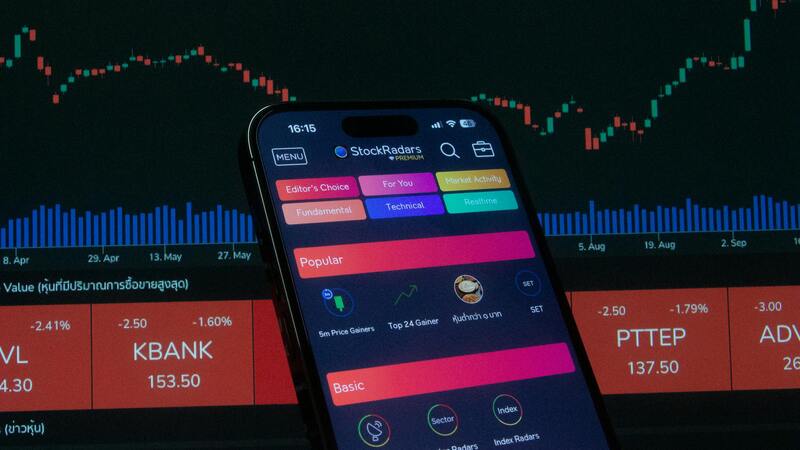
Ultimately, a well-defined, transparent profit sharing policy fosters trust and encourages traders to perform at their best. Knowing exactly how profits are divided and what deductions might apply provides a solid foundation for financial planning and helps prevent misunderstandings with the proprietary trading firm.
Analyzing Risk Management and Trading Limits
Effective risk management is a cornerstone of sustainable proprietary trading, making it essential to evaluate how a prop firm regulates trading activity. Key aspects include maximum drawdown limits, daily loss caps, and overall risk protocols designed to prevent excessive losses that could jeopardize both the trader and the firm. When reviewing these policies, ensure they provide clear guidelines that align with your trading style and risk appetite, as overly restrictive limits might hinder trading flexibility, whereas lenient policies could increase exposure to significant losses.
Furthermore, assess the firm’s approach to position sizing and leverage. Proper leverage management is critical; high leverage can amplify gains but also magnifies risks. A reputable firm will strictly monitor leverage ratios and enforce trading limits that promote responsible risk-taking. It’s vital to understand these thresholds beforehand, as they directly affect your ability to execute trades effectively while maintaining compliance with the firm’s risk parameters.

Additional considerations include the firm's policies on stop-loss orders and margin calls. Well-structured firms encourage or mandate the use of stop-losses to cap potential losses, which protects both your capital and the firm's interests. Margin call procedures should be clear, with defined actions and timelines that prevent abrupt liquidation of positions. Familiarity with these controls helps traders plan their strategies and trade with confidence.
Reviewing Profit Sharing and Compensation Structures
Understanding how profits are distributed is essential for assessing the sustainability of your trading income. Some firms operate on fixed payout models, while others employ tiered profit-sharing structures that incentivize consistent and improved performance. Clarity around deductions, platform fees, or other costs associated with trading accounts ensures there are no surprises when it comes time to receive payouts.
It's also important to evaluate how frequently profits are disbursed. Weekly, bi-weekly, or monthly payouts each have their advantages, affecting cash flow and financial planning. Firms with transparent and straightforward profit-sharing policies foster trust and motivate traders to perform at their best, knowing exactly how their efforts translate into earnings.
Considering Technology, Trading Platforms, and Support
The technological infrastructure underpinning your trading activities plays a crucial role in your overall experience and efficiency. Examine the offered trading platforms for user-friendliness, stability, and advanced features that suit your trading style. Reliable execution speeds, real-time data, and seamless interface are non-negotiable components that can significantly impact your trading outcomes.
Additionally, evaluate the level of technical support and educational resources provided. Responsive customer service can resolve issues swiftly, minimizing downtime. Educational materials and mentorship opportunities can also enhance your skills and understanding, helping you adapt to different market conditions and optimize your trading strategies.

In sum, the choice of technology and the quality of support services are vital considerations when selecting a prop firm. They influence not only your day-to-day trading efficiency but also your ability to grow and adapt within the trading environment.
Final Steps: Making a Well-Informed Choice and Navigating Onboarding
When you have thoroughly evaluated all aspects of prospective prop firms, the final stage involves making an informed decision that aligns with your trading goals, style, and preferences. This process requires a detailed comparison of shortlisted firms, careful review of their onboarding procedures, and clarity on the questions you should pose before committing. A disciplined approach ensures you select a partner that not only provides the necessary capital but also supports your growth as a trader.
Comparing Final Options
The comparison phase involves a comprehensive review of each firm's terms, conditions, and advantages. Create a structured checklist that includes the following key factors:
- Funding Capacity and Scalability: Verify whether the firm offers sufficient initial capital and the potential for growth based on your trading performance.
- Trading Conditions and Rules: Cross-reference rules such as maximum drawdown limits, trade frequency restrictions, and permitted trading instruments. Ensuring these align with your trading style minimizes disruptions later.
- Profit Sharing Models: Still, carefully examine how profits are split and whether there are any caps or hierarchical structures affecting your earnings.
- Risk Management Policies: Understand the firm’s expectations regarding risk controls, margin requirements, and limits to avoid inadvertently violating policies.
- Support and Educational Resources: Consider the availability and quality of ongoing support, training, and mentorship opportunities, which can be vital for continuous development.
Onboarding Procedures
Once you've identified the optimal prop firm, focus shifts to the onboarding process. This phase varies across firms but generally includes an account setup, verification steps, and initial training or orientation. Evaluate the following elements:
- Documentation and Verification: Confirm the requirements for identity verification, bank account linkage, and trading profile setup. Secure, straightforward procedures reduce onboarding delays.
- Training and Orientation: Some firms provide mandatory training sessions or resources to familiarize traders with specific rules, technology, and risk management tools.
- Platform Integration: Ensure the firm’s trading platform is compatible with your preferred devices and that onboarding provides sufficient technical support for smooth setup.
- Trial Periods and Evaluation: Understand whether there is a probation or evaluation period, allowing you to test the trading environment before fully committing.
Questions to Ask Before Finalizing Your Decision
To avoid potential misunderstandings, prepare a list of clarifying questions. Examples include:
- What is the process for scaling my trading account as I demonstrate consistent profitability?
- Are there any restrictions on trading styles, strategies, or instruments that I should be aware of?
- What are the detailed procedures for profit payouts, including frequency and method?
- How does the firm handle violations of trading rules or risk management policies?
- What ongoing support, educational resources, or mentorship opportunities are available to traders?
- Are there any hidden fees, costs, or penalties associated with the trading account or termination?
Finalizing Your Choice
By comparing the vetted options, understanding the onboarding flow, and asking these critical questions, you can confidently select a prop firm that complements your trading journey. Entering a partnership with clarity and preparedness sets a positive foundation for growth, profitability, and sustainable trading success.
