
Understanding Prop Trading Firms and Futures Trading
Proprietary trading firms, commonly known as prop firms, serve as vital entities in the global financial markets by enabling traders to utilize the firm’s capital to execute trades. These firms operate by providing talented traders with the financial resources necessary to participate in diverse trading instruments, including futures contracts. Futures trading involves agreements to buy or sell an asset at a predetermined price at a specified future date, and it is renowned for its liquidity, leverage options, and diverse asset classes. Prop firms specializing in futures offer a structured environment where skilled traders can leverage significant capital, thus amplifying their trading potential without risking personal funds.
Within the industry, prop firms maintain a strategic role by providing the infrastructure, training, and risk management protocols essential for successful futures trading. Their operations are centered around capital allocation, risk control, and profit sharing, fostering a professional trading ecosystem that benefits both the firm and the traders. By leveraging the firm's resources, traders can access advanced trading platforms, real-time data feeds, and professional support, all while focusing on executing strategies that align with their expertise.

Prop trading firms typically operate on a model that emphasizes disciplined risk management and strategic trade execution. They often recruit individuals with a proven track record or those who demonstrate a strong understanding of market dynamics. Through comprehensive evaluation processes and ongoing performance monitoring, these firms ensure that traders adhere to predefined risk parameters and trading rules, which are crucial in maintaining the firm’s overall stability and profitability in futures markets.

In summary, prop firms facilitate futures trading by providing a professional platform for qualified traders to deploy the firm’s capital strategically. Their focus on risk management, infrastructure support, and performance oversight enables skilled traders to thrive in a competitive environment, maximize returns, and contribute to the firm’s overall success in the futures market ecosystem.
Funded Trading Programs and Capital Allocation
One of the foremost approaches employed by prop trading firms to facilitate futures trading is through funded trading programs. These programs are designed to lower the entry barriers for traders, allowing them to access firm capital without the need for significant personal funds. Traders typically undergo a rigorous evaluation process, which includes demonstrating consistent profitability, adherence to risk management rules, and strategic discipline. Upon successful assessment, traders are allocated a portion of the firm's capital, enabling them to execute larger position sizes and leverage the firm’s resources to enhance their trading capacity.
Funded trading programs serve dual purposes: they enable traders to maximize their trading potential under professional oversight, and they provide firms with a method to identify high-performing individuals who meet their strategic and risk parameters. The capital allocated is managed within strict risk limits established by the firm, which helps in controlling downside exposure while capitalizing on market opportunities in futures trading.
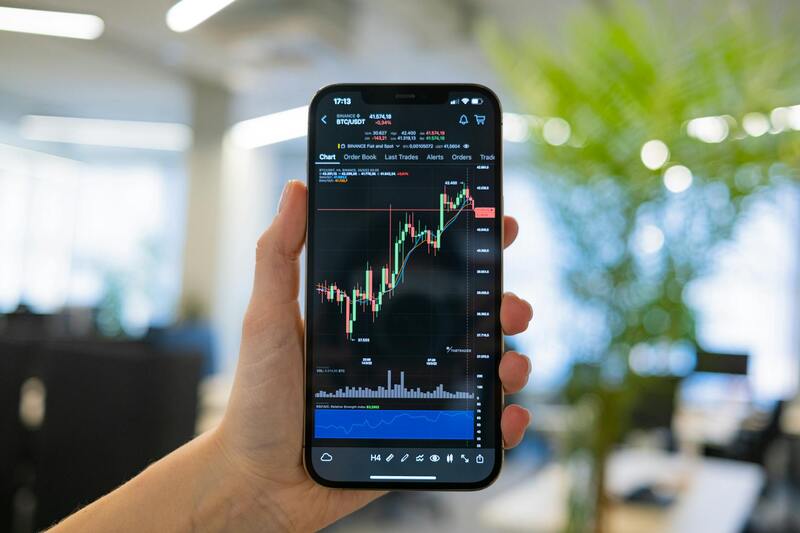
This model often involves phased funding, where traders start with a smaller capital share and, based on continued performance, receive increased allocations. Continuous performance monitoring and regular evaluations ensure that traders maintain adherence to risk management protocols, sustaining the integrity of firm capital and fostering sustainable trading practices.
Risk Management and Trading Rules in Prop Trading Firms
Effective risk management is the cornerstone of prop firms operating in the futures market. These firms establish comprehensive trading rules that traders must follow to mitigate potential losses and preserve capital. These rules typically include maximum daily loss limits, position size restrictions, and predefined stop-loss orders for each trade. Strict compliance with these protocols ensures that individual traders do not jeopardize the firm’s overall stability.
In addition, prop trading firms utilize advanced monitoring tools to track real-time trading activity. Automated alerts and tighter control mechanisms prevent traders from exceeding set risk parameters. Regular risk assessments and collaborative reviews of trading strategies help identify potential vulnerabilities and refine trading techniques, fostering a disciplined environment conducive to sustainable futures trading.
Maintaining transparency and consistency in applying risk management practices safeguards both the traders and the firm, aligning individual objectives with overall strategic goals.
Profit Sharing and Compensation Structures
Prop firms typically implement profit-sharing arrangements that incentivize traders to perform at their best. The structure often involves a split of the net profits generated, with traders receiving a percentage of their trading gains. These arrangements can vary based on the trader’s experience, performance consistency, and the firm's policies.
Some firms adopt tiered compensation models where traders initially receive a smaller share, which increases as they demonstrate sustained profitability and adherence to risk protocols. Additional benefits, such as performance bonuses, access to advanced trading technology, and educational resources, are commonly included to motivate and retain talented traders.
This compensation approach aligns the interests of traders and firms, fostering a collaborative environment where both parties seek to maximize futures trading results through disciplined, strategic operations.
Challenges and Best Practices in Prop Futures Trading
Engaging in futures trading through prop firms presents unique challenges, including market volatility, rapid decision-making demands, and the pressure of strict risk controls. Successful traders must cultivate a disciplined mindset, maintain rigorous adherence to trading rules, and apply continuous risk assessment techniques.
Best practices include developing robust trading plans, utilizing advanced analytics, and maintaining emotional discipline during turbulent market conditions. Ongoing education, regular performance reviews, and strategic adjustments contribute to long-term success. Furthermore, establishing clear communication channels with risk managers and leveraging technology for real-time analysis ensure traders remain aligned with firm expectations and risk limits.
By focusing on disciplined execution, ongoing skill development, and comprehensive risk mitigation strategies, traders can navigate the complexities of futures trading within proprietary environments, optimizing their performance and contributing to the firm's overall profitability.
Industry Trends and Future Outlook for Prop Firms in Futures Trading
The prop trading industry continues evolving as technological advancements reshape market participation. Increasingly sophisticated trading platforms, machine learning algorithms, and big data analytics enable traders to identify opportunities with greater precision. These innovations facilitate faster execution, improved risk assessment, and enhanced decision-making processes in futures trading.
Additionally, the rise of remote trading capabilities broadens the talent pool, allowing firms to access diverse skill sets across geographies. The integration of automated trading systems with human oversight is expected to expand further, offering new avenues for profit generation while maintaining risk controls.
As futures markets become more dynamic and interconnected, prop trading firms are likely to adopt more adaptive strategies, emphasizing continuous training, technological investments, and strategic partnerships. Embracing these trends will enable firms and traders alike to navigate an increasingly complex landscape, positioning themselves for sustained growth and innovation in the futures trading ecosystem.
Understanding Prop Trading Firms and Futures Trading
Proprietary trading firms, often referred to as prop firms, serve as specialized entities that provide traders with the resources, infrastructure, and capital necessary to execute futures trades. These firms act as intermediaries that facilitate individual traders in accessing the futures markets directly, allowing them to capitalize on market movements without risking their own capital. The core advantage of engaging with prop firms lies in their ability to offer substantial trading capital, advanced trading platforms, and comprehensive support systems, creating an environment conducive to professional growth and substantial revenue generation.
Futures trading involves contracts that obligate the purchase or sale of an underlying asset at a predetermined price and date. These instruments are crucial within the financial ecosystem due to their liquidity, leverage options, and diverse market applicability. Prop firms specializing in futures trading enable traders to leverage large positions with a fraction of the capital required when trading independently, thus amplifying potential profits while also imposing strict risk controls to mitigate losses.
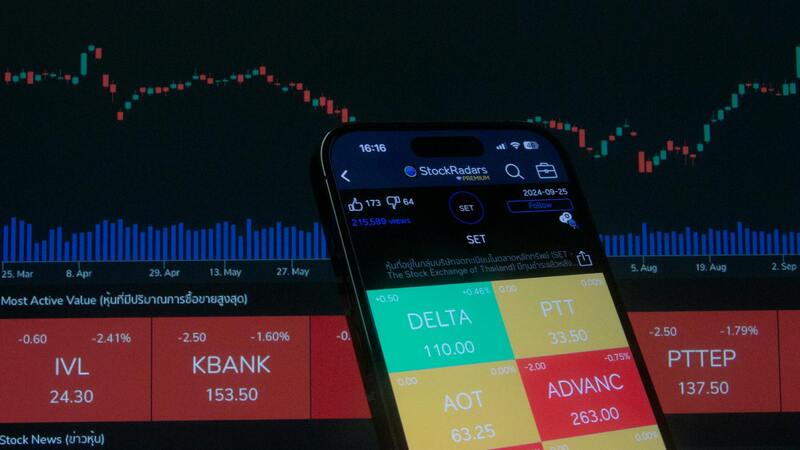
Traditionally, traders interested in futures markets faced obstacles such as high capital requirements, complex execution technologies, and rigorous risk management protocols. Prop firms address these challenges by offering tailored solutions that streamline the trading process, enhance market access, and incorporate sophisticated risk mitigation strategies. This synergy allows traders to focus on strategy development and execution, knowing that the infrastructure and capital backing support their trading objectives.
Key Features of Prop Trading Firms in Futures Markets
- Access to Large Capital Pools: Prop firms allocate significant trading capital, enabling traders to execute sizable positions and diversify their trading strategies effectively.
- Advanced Trading Technology: State-of-the-art platforms, algorithmic tools, and data analytics provide traders with crucial insights and execution speed.
- Risk Management Frameworks: Stringent risk controls such as position limits, stop-loss protocols, and continuous monitoring reduce the potential for catastrophic losses.
- Educational Support and Mentorship: Many prop firms invest in ongoing trainer-led courses, simulation environments, and performance reviews to refine trader skills.
- Profit Sharing Structures: Compensation models typically involve a split of profits generated from trading activities, incentivizing traders to maximize performance within the risk parameters.
Engaging with a prop firm that specializes in futures trading demands adherence to specific operational standards and performance benchmarks, ensuring that traders operate within a disciplined framework designed for mutual success. These collaborations create a symbiotic environment where skill development and strategic innovation flourish, ultimately fostering sustainable growth in the high-stakes arena of futures markets.
Understanding Prop Trading Firms and Futures Trading
Prop trading firms serve as essential partners for traders aiming to participate effectively in futures markets. These firms provide the necessary infrastructure, capital, and environment that enable traders to execute strategies on a larger scale than they might independently manage. Futures trading with a prop firm involves trading standardized contracts that obligate the buyer to purchase, or the seller to sell, an underlying asset at a predetermined price and date. This setup offers traders access to markets such as commodities, indices, currencies, and other financial instruments with substantial support.
One of the core advantages of engaging with a prop firm for futures trading is the integration of advanced trading technology. Proprietary platforms, algorithmic trading tools, and real-time data analytics are at traders' fingertips, empowering them with actionable insights and rapid execution capabilities. These technological resources are coupled with rigorous risk management protocols designed to protect both the trader and the firm. Profit sharing arrangements incentivize traders to optimize their strategies within defined risk parameters, fostering a performance-driven environment.
Furthermore, the culture within prop firms emphasizes continuous education and skill refinement. Many firms offer mentorship programs, simulation environments, and performance assessments to ensure traders are always evolving and adapting to market conditions. This disciplined approach not only enhances individual capabilities but also contributes to the overall stability and growth of the trading operation.

Benefits of Trading Futures through Prop Firms
- Access to substantial trading capital, allowing for larger position sizes and diversified strategies.
- Utilization of cutting-edge trading platforms and technology tools that enhance decision-making and execution speed.
- Structured risk management measures that mitigate potential losses, safeguarding both traders and the firm.
- Educational and mentorship programs that support skill development and strategic innovation.
- Profit sharing arrangements that align trader incentives with firm objectives, promoting performance-oriented trading.
Requirements to Join a Prop Firm for Futures Trading
Joining a prop firm as a futures trader typically involves meeting specific eligibility criteria designed to evaluate skill, discipline, and market understanding. Prospective traders are often required to demonstrate prior trading experience or pass trading assessments that evaluate their technical analysis, risk management, and trade execution capabilities. Some firms may host simulated trading tests or initial probation periods to assess an applicant’s proficiency before granting full access to trading capital.
Educational background related to financial markets, a solid understanding of futures contracts, and adherence to risk control measures are critical. Additionally, a trader’s mental discipline and ability to follow predefined rules are closely scrutinized because these qualities directly influence trading consistency and risk mitigation. Strong communication skills and the ability to work within a structured environment further enhance the likelihood of selection.
Once accepted, traders usually undergo an onboarding process that includes training on the firm’s trading policies, risk management protocols, and technology platform. Continuous performance evaluation ensures traders uphold standards that align with the risk appetite and operational goals of the prop trading environment.
Understanding Prop Trading Firms and Futures Trading
Proprietary trading firms, or prop firms, serve as specialized platforms where skilled traders have the opportunity to operate with the firm's capital in various markets, including futures. Futures trading involves contracts that obligate the buyer to purchase, or the seller to sell, an asset at a predetermined price at a specific future date. Prop firms facilitate futures trading by providing traders access to large liquidity pools and advanced trading infrastructure, which are often beyond the reach of individual traders. These firms operate under strict internal protocols to ensure disciplined trading and risk management, creating an environment conducive to strategic market participation.

By focusing on futures, prop firms enable traders to leverage significant capital, thus amplifying potential gains while also increasing risk exposure. Traders in these firms deploy a variety of strategies ranging from technical analysis and scalp trading to swing trading, employing sophisticated tools and real-time data feeds that enhance decision-making accuracy. The combination of professional support structures and proprietary technology empowers traders to execute trades with precision, manage risk effectively, and capitalize on fluctuating market dynamics.
Benefits of Trading Futures through Prop Firms
Choosing to trade futures within a prop firm framework offers several advantages. Firstly, it allows access to substantial trading capital, which can drastically increase profit potential compared to trading with personal funds. Secondly, traders benefit from advanced infrastructure, including high-speed execution platforms, real-time analytics, and comprehensive risk management tools that are typically unavailable to individual retail traders.
Furthermore, prop firms often foster a professional trading environment that emphasizes discipline, procedural adherence, and continuous performance improvement. This setup reduces emotional trading and encourages consistency, which are essential for sustaining profitability in futures markets. The collaboration with experienced risk managers and mentors also accelerates skill development, enabling traders to refine their strategies and adapt to changing market conditions more efficiently.
Requirements to Join a Prop Firm for Futures Trading
Prospective traders interested in futures trading through prop firms must meet specific criteria designed to evaluate their technical proficiency, discipline, and understanding of market mechanics. Typical requirements include a proven track record of trading success, often demonstrated through personal trading accounts or verified performance records. Candidates may need to pass rigorous testing, such as simulated trading assessments that gauge their technical analysis skills, risk management capabilities, and decision-making speed under pressure.
Educational backgrounds relevant to finance or economics can enhance prospects, but practical skills and disciplined trading behavior weigh heavily. Many firms prioritize mental resilience and adherence to risk controls, as these qualities are critical in managing the high leverage associated with futures contracts. Good communication skills and the ability to operate within a structured trading environment further increase the likelihood of acceptance.
Following selection, traders typically undergo comprehensive onboarding, which covers firm policies, trading protocols, risk management strategies, and technology platforms. Continuous evaluation ensures traders adhere to performance standards and risk parameters, maintaining a safe and profitable trading atmosphere.
Funded Trading Programs and Capital Allocation
Funded trading programs represent a core aspect of prop trading, where firms allocate capital to traders based on performance and skill assessments. This approach minimizes the financial barrier for traders seeking to engage in futures markets, allowing them to trade with significant leverage without risking personal capital beyond a set threshold. Once accepted, traders receive a portion of the profits generated from their trading endeavors, creating an incentive aligned with the firm’s profitability objectives.
Capital allocation is often tiered, with traders starting on smaller accounts and scaling up as they demonstrate consistent profitability and risk management discipline. The allocation process is transparent, with clear performance benchmarks tied to profit targets, drawdown limits, and trading consistency. This system not only motivates traders to adhere strictly to risk controls but also fosters the development of sustainable trading habits that benefit both the trader and the firm in the long term.
Conclusion
Engaging in futures trading through a prop firm revolutionizes access to the markets by combining skilled trading with institutional-grade resources. With stringent assessment processes, traders can leverage substantial capital, advanced technology, and expert support to optimize their strategies. The tailored risk management frameworks and performance-based capital allocation structures within these firms create an environment where talented traders can thrive and achieve consistent profitability in highly dynamic futures markets.
Ensuring Transparency and Compliance in Prop Trading
For traders engaging with prop trading firms in futures markets, maintaining transparency and adhering to established standards are fundamental for a sustainable trading career. Reputable firms implement clear protocols that outline trading parameters, risk management policies, and profit-sharing arrangements. These protocols ensure that traders operate within predefined boundaries, which are communicated openly and documented thoroughly.
Transparency extends to how firms evaluate performance, allocate capital, and share profits. Traders should expect detailed performance reports, regular feedback, and access to comprehensive records of their trading activity. Such practices not only foster trust but also empower traders to make informed decisions and refine their strategies.
Furthermore, compliance with industry standards involves adherence to best practices in trading discipline, risk management, and reporting. Firms often employ advanced monitoring tools that oversee trading activities in real time. These systems detect irregularities or deviations from set protocols, ensuring that both the firm and traders uphold integrity and professionalism in their operations.
Secure trading environments are also achieved through robust cybersecurity measures. Protecting sensitive data and trade information minimizes vulnerabilities and supports a stable trading infrastructure, making the environment conducive to disciplined and compliant futures trading.
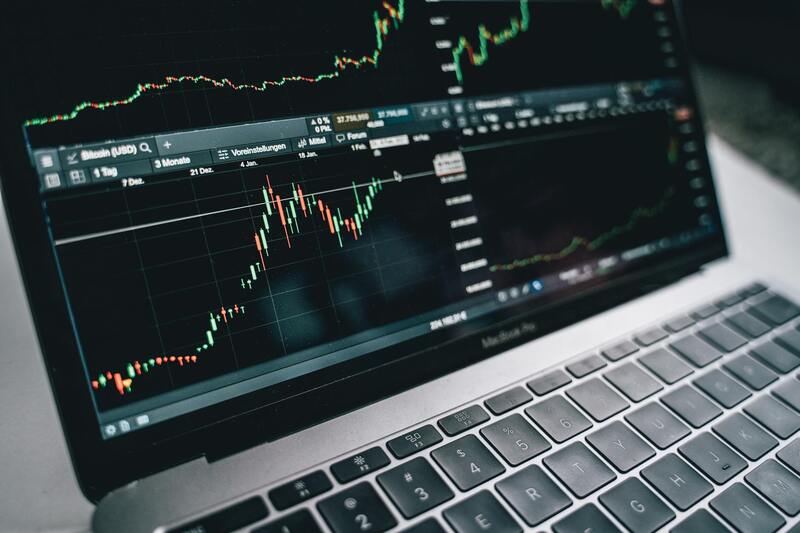
Continuous Education and Skill Development in Futures Prop Trading
Prop firms committed to fostering long-term success emphasize ongoing education and skill development for their traders. These programs include access to market analysis tools, educational seminars, and mentorship opportunities that help traders stay ahead in the evolving futures landscape.
Staying updated with market trends, economic indicators, and geopolitical events is crucial for effective futures trading. Prop firms often provide resources such as webinars, newsletters, and research reports to equip traders with the latest insights.
Moreover, robust training programs focus on refining trading strategies, enhancing technical analysis skills, and understanding complex order types and leverage mechanics. This continuous learning environment ensures traders are well-prepared to adapt to market volatility and implement disciplined, strategic approaches.
Empowering traders with knowledge not only improves individual performance but also contributes to the overall reputation and stability of the prop trading industry. Skilled traders are better equipped to manage risks, optimize profit potential, and maintain adherence to firm policies, thus creating a resilient and professional trading ecosystem.
Funded Trading Programs and Capital Allocation
Participating in funded trading programs is a core pathway for aspiring futures traders within prop firms. These programs typically involve traders being granted access to significant capital resources to execute futures trades, allowing them to scale their strategies without risking personal funds. The allocations are often tailored based on the trader’s experience, skill level, and proven track record during evaluation periods.
Funded traders are granted specific trading limits and guidelines designed to align with the firm’s risk appetite. These limits include maximum drawdowns, daily loss thresholds, and overall trading budgets, which are strictly enforced through sophisticated risk management systems. By working within these parameters, traders can leverage the firm’s capital while adhering to disciplined trading practices that protect both their own and the firm’s financial interests.
Outside of capital allocation, prop firms invest heavily in infrastructure to support funded traders. This includes providing high-performance trading hardware, real-time market data feeds, and advanced analytical tools. Such resources are crucial for executing timely, well-informed futures trades, especially in volatile markets. The combination of capital and technology enables traders to develop and refine strategies with greater confidence and efficiency.
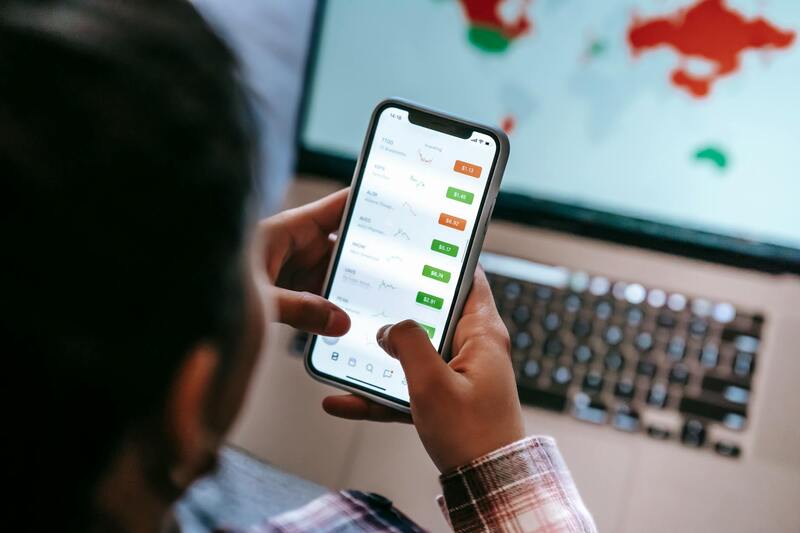
Moreover, trading accounts within these programs are monitored continuously to ensure adherence to established risk parameters. Failures to comply can result in account restrictions or termination, emphasizing the importance of disciplined trading behavior. Effective communication channels between traders and firm management foster a culture of transparency and ongoing improvement, which is vital for long-term success in futures trading.
Overall, funded trading initiatives serve as a foundation for traders to expand their market exposure and develop sustainable strategies. These programs not only mitigate the financial risks associated with personal trading capital but also promote a professional environment conducive to long-term trading careers.
Effective Strategies for Aspiring Futures Traders within Prop Firms
Engaging in prop firm trading futures hinges on disciplined execution, continuous learning, and leveraging the firm's resources to optimize performance. Aspiring traders must develop a comprehensive understanding of market dynamics, technical analysis, and risk management techniques tailored specifically for futures markets. These strategies often involve diligent planning, including setting precise entry and exit points, utilizing stop-loss orders, and maintaining adaptability to market volatility.
To thrive in this environment, traders should focus on mastering trading platforms and analytical tools provided by their prop firms. These resources often include sophisticated charting software, real-time news feeds, and algorithmic trading capabilities. Proper utilization of these tools enhances decision-making speed and accuracy, which is crucial given the rapid fluctuations typical of futures markets.

Furthermore, maintaining a meticulous trading journal can help identify strengths, weaknesses, and recurring mistakes. Regular review of trading performance encourages data-driven adjustments and the refinement of strategies over time. Traders should also keep abreast of macroeconomic indicators and global news that significantly influence futures prices, such as geopolitical developments, supply chain disruptions, and central bank policies.
Developing a Robust Risk Management Framework
Effective risk management is the backbone of sustainable futures trading. Prop firms typically establish comprehensive trading rules to safeguard both the firm’s and traders’ capital. These rules often include daily loss limits, position size restrictions, and mandatory rest periods for traders after significant drawdowns. Adhering strictly to these protocols minimizes exposure to catastrophic losses and encourages disciplined trading behavior.
In addition, traders should employ diversification strategies across different futures contracts to spread risk. Incorporating technical stop-loss orders and profit targets ensures that trades are closed systematically without emotional interference. Constantly monitoring open positions and being prepared to adapt to changing market conditions is essential for protecting gains and limiting losses.
Capital Efficiency and Scaling Opportunities
One of the most compelling aspects of working within a prop firm is the access to substantial trading capital. Managed properly, this capital enables traders to execute larger positions, increasing the potential for profits without risking personal funds. Many prop firms also offer gradual scaling programs, where successful traders can expand their trading sizes as they demonstrate consistent profitability and sound risk management.
Scaling strategies involve incrementally increasing position sizes, provided traders adhere to predefined risk parameters. Such an approach not only maximizes earnings but also helps develop a trader’s capacity to manage larger portfolios effectively. It’s vital, however, to balance growth with disciplined risk controls to prevent overexposure in volatile futures markets.
Final Considerations for Futures Traders in Prop Firms
Continuous education and staying updated with market trends remain integral to sustained success. Traders should engage in ongoing training sessions, webinars, and industry seminars focused on futures trading methodologies and technological innovations. Networking with other professionals and sharing insights can further enhance trading strategies and decision-making processes.
Lastly, cultivating mental resilience and emotional discipline is essential. Futures trading often involves rapid price movements and unpredictable outcomes that can challenge a trader’s composure. Maintaining a consistent trading routine, taking regular breaks, and detaching emotionally from individual trades support long-term performance and professional growth.
