
Overview of Proprietary Trading in Futures Markets
Proprietary trading, often abbreviated as prop trading, is a specialized form of trading where firms use their own capital to execute trades in the futures markets. Unlike external clients or third-party funds, these firms rely solely on their resources to generate profits through market speculation, arbitrage, and hedging strategies. The primary objective is to leverage trading expertise and advanced technology to achieve consistent returns, often at a scale that can significantly impact the firm's financial health.
Futures trading within a proprietary trading setup involves significant capital deployment across various derivative contracts, including commodities, indices, currencies, and interest rates. Firms engaged in futures prop trading employ sophisticated analytical tools and trading algorithms to identify opportunities with high potential upside and manage associated risks effectively.

One of the defining characteristics of proprietary futures trading is the autonomy it provides from external obligations. These firms are not bound by the same customer-focused constraints as brokerages or financial advisors, which allows them to execute high-frequency trades and implement aggressive strategies aimed at capturing short-term market movements.
Distinguishing proprietary trading futures from other types of trading entities is essential. While hedge funds and asset managers operate by managing external investor funds, prop trading firms focus on their capital, aiming to maximize internal gains. This focus on self-directed capital often results in a higher appetite for risk and the deployment of innovative, sometimes aggressive, trading tactics.
The success of proprietary trading firms hinges on their ability to adapt swiftly to market conditions, utilize cutting-edge technology, and maintain disciplined risk management protocols. As a result, they form a unique segment within the broader financial trading ecosystem, characterized by a relentless pursuit of competitive edges in the futures markets.
Types of Proprietary Trading Strategies for Futures
Proprietary trading firms employ a diverse array of strategies tailored to exploit market inefficiencies, capitalize on short-term price movements, and maximize internal capital growth. Among these, algorithmic trading stands out as a fundamental approach, leveraging complex mathematical models and high-speed execution to identify and act on trading opportunities rapidly. These algorithms analyze vast datasets—ranging from price patterns to macroeconomic indicators—to execute trades with minimal latency, often in fractions of a second.
Scalping represents another prevalent strategy, involving rapid, small-margin trades intended to profit from minor price fluctuations within a single trading session. Scalpers typically make dozens or hundreds of trades daily, relying on high leverage and strict discipline to rapidly close positions and realize consistent gains. This approach demands sophisticated order execution systems and real-time market data feeds to identify fleeting opportunities.
Trend following is a more directional strategy where traders analyze historical price data to determine prevailing market trends and position accordingly. By employing technical indicators such as moving averages, momentum oscillators, and breakout signals, trend followers aim to ride sustained movements in futures prices until signatures of trend reversals emerge. This method often requires patience and disciplined risk management, as trends can persist for extended periods.
Additionally, some firms apply a concept known as statistical arbitrage, which involves modeling relationships between correlated assets or contracts to identify mispricings. When such anomalies are detected, trades are initiated to capitalize on a return to historical equilibrium, often executed through automated systems for rapid deployment.
Another sophisticated approach involves the use of machine learning and artificial intelligence models. These systems analyze complex patterns in large datasets, adapting dynamically to changing market conditions. They can generate trading signals that combine multiple data sources, including news sentiment analysis, order book dynamics, and macroeconomic indicators, to enhance decision-making accuracy.
Integrating Strategies for Superior Performance
Most successful proprietary futures trading firms develop a blend of these strategies, balancing high-frequency, short-term tactics with longer-term trend-following and statistical arbitrage. This diversification helps mitigate risks associated with market volatility and ensures more consistent performance across different market regimes. It also allows firms to adapt swiftly to market stimuli, optimizing their use of capital and maintaining a competitive edge in fast-moving futures markets.
Risk Management and Capital Allocation in Proprietary Futures Trading
Effective risk management is fundamental to maintaining a sustainable proprietary trading operation in futures markets. Firms implement robust risk assessment protocols that continuously monitor market exposure, leverage levels, and portfolio diversification. These measures help to prevent significant losses and ensure that trading activities align with overall risk appetite.
One core component of risk control involves setting strict trading limits for individual traders and overall trading positions. These limits are typically based on factors such as the volatility of the underlying contracts, historical price movements, and current market conditions. Automated alerts and kill-switch mechanisms are often employed to enforce these limits without delay, effectively shielding the firm from unforeseen adverse movements.
Capital allocation strategies are designed to optimize the utilization of available funds, balancing risk and opportunity. Prop trading firms allocate capital based on the relative risk-return profiles of different strategies and markets. For example, high-frequency trading strategies may receive a fraction of the total capital, given their rapid turnover and dependence on technological infrastructure, while longer-term trend-following positions might be allocated a larger share to capitalize on sustained market movements.

Most firms employ comprehensive portfolio risk models that quantify potential drawdowns and stress-test trading positions under various market scenarios. These models enable traders and risk managers to make informed decisions about position sizing and leverage, ultimately safeguarding the firm's capital base.
Furthermore, continual performance evaluation through real-time analytics helps identify underperforming strategies, facilitating timely adjustments or reallocations. Such disciplined approach to risk and capital enhances the robustness of proprietary futures trading operations, allowing them to navigate volatile markets and sustain profitability over time.
Implementation of Advanced Risk Management Tools
- Real-time market monitoring systems that track volatility, liquidity, and price gaps
- Automated order execution controls that prevent over-leverage
- Predictive analytics to model potential adverse moves
- Dynamic portfolio optimization algorithms
By integrating these sophisticated tools, proprietary trading firms can proactively manage exposures and adapt to rapid market shifts, ensuring stability and resilient growth within their futures trading operations.
Risk Management and Capital Allocation in Proprietary Futures Trading
Effective risk management forms the backbone of successful proprietary trading operations in futures markets. Firms allocate capital strategically across various trading strategies, balancing potential returns against the inherent risks of each approach. The application of comprehensive risk models allows traders and risk managers to analyze potential drawdowns under different scenarios, ensuring that loss tolerances are maintained within acceptable limits. These models help determine optimal position sizes, leverage levels, and the distribution of capital across multiple futures contracts, facilitating a balanced approach to risk.
Automated real-time analytics play a crucial role in monitoring trading performance and market conditions. They help identify underperforming strategies swiftly, enabling prompt adjustments, reallocation of capital, or strategy enhancements to safeguard profitability. Consistent performance evaluation through advanced analytical systems provides insights that inform decision-making processes, supporting continuous improvement in trading effectiveness.
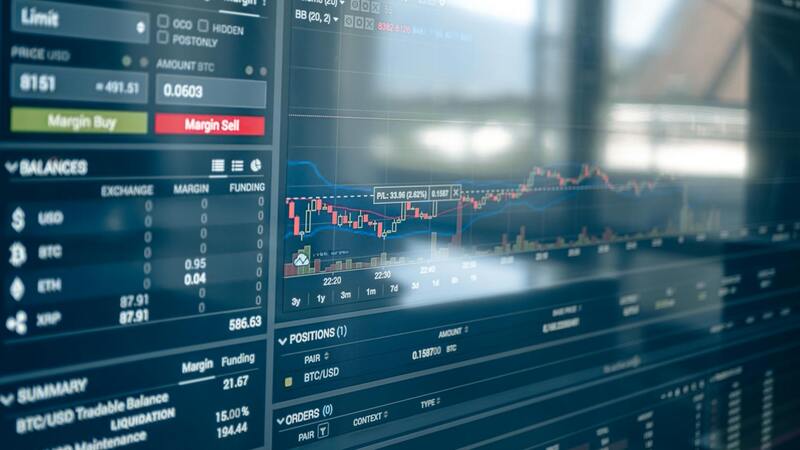
Implementation of Advanced Risk Management Tools
- Real-time market monitoring systems that track volatility, liquidity, and price gaps
- Automated order execution controls designed to prevent over-leverage and manage margin requirements
- Predictive analytics for modeling potential adverse market moves
- Dynamic portfolio optimization algorithms that adapt to changing market conditions
Incorporating these sophisticated tools into trading operations enhances the firm's ability to respond proactively to market fluctuations. They allow for dynamic adjustments to trading positions, ensuring exposures are managed effectively and potential losses are minimized. Such technological enhancements also support scalability and the consistent application of risk management principles across the entire trading portfolio, contributing to long-term stability and profitability.
Introduction to Proprietary Trading in Futures Markets
Proprietary trading, or prop trading, involves firms or individual traders using their own capital to execute trades in futures markets. This approach allows traders to capitalize on various market opportunities while bearing the risk and rewards internally. Proprietary futures trading leverages advanced strategies, cutting-edge technology, and rigorous risk management practices to generate profits amidst highly volatile and competitive markets.
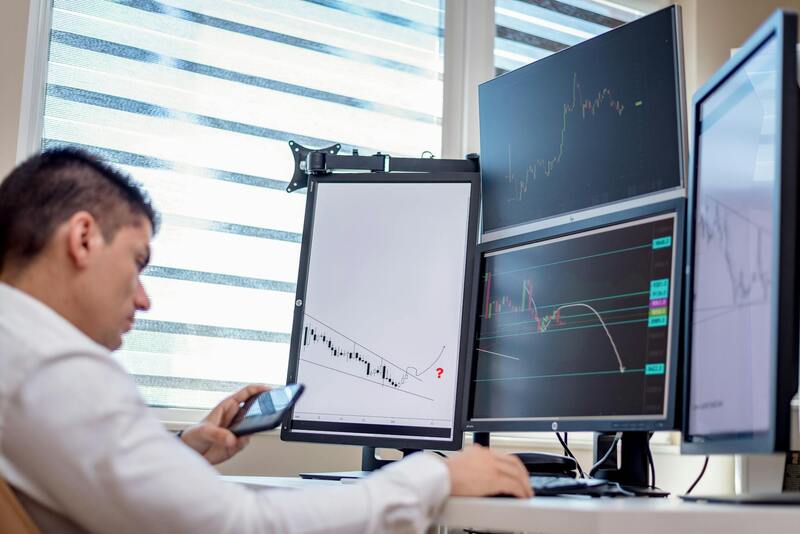
These firms typically operate with a focus on high-frequency trading, algorithmic strategies, and systematic approaches aimed at exploiting short-term market inefficiencies. Their success depends on developing innovative trading mechanisms, maintaining disciplined risk controls, and leveraging technology for real-time market insights.
Types of Proprietary Trading Strategies for Futures
Effective proprietary futures trading relies on a variety of strategies tailored to specific market conditions and trader expertise. The main strategies include:
- Trend Following: Identifying and capitalizing on sustained price movements by analyzing technical indicators and market momentum.
- Mean Reversion: Exploiting price deviations from historical averages, assuming that prices will revert to their mean over time.
- Breakout Trading: Entering positions when prices break through support or resistance levels, signaling a potential new trend.
- Spread Trading: Engaging in simultaneous buy and sell positions in related futures contracts to profit from price differentials.
- Statistical Arbitrage: Applying quantitative models to identify pricing inefficiencies across multiple assets and execute trades accordingly.
Systematic and Automated Strategies
Modern proprietary futures trading often emphasizes algorithmic and systematized approaches. These methods rely on sophisticated data analysis, machine learning models, and automated execution to optimize trading decisions and reduce emotional bias.

Implementing such strategies requires robust technological infrastructure, including advanced trading platforms, data feeds, and backtesting environments. Continuous refinement of algorithms ensures adaptability to evolving market conditions and enhances profit potential.
Risk Management and Capital Allocation in Proprietary Futures Trading
Managing risk is fundamental for sustaining profitability in proprietary futures trading. Firms adopt multiple techniques to balance risk exposure and capital deployment, ensuring long-term stability.
Key Risk Management Techniques
- Position Sizing: Carefully calibrated trade sizes relative to total capital to prevent overexposure in volatile markets.
- Stop-Loss and Take-Profit Orders: Predetermined exit points to limit losses and lock in profits, respectively.
- Margin Controls: Strict adherence to margin requirements minimizes the risk of margin calls and forced liquidations.
- Diversification: Spreading capital across various futures contracts reduces reliance on individual market movements.
- Real-Time Monitoring: Utilizing trading analytics tools to continuously assess risk levels and portfolio performance.
Capital Allocation Strategies
Effective capital allocation involves dynamically adjusting trading exposure based on market volatility and strategy performance. Proprietary firms often employ models that allocate capital proportionally to expected returns and historical risk-adjusted metrics. This disciplined approach ensures resources are directed where the likelihood of success is highest, maintaining a balance between risk and reward.

Such strategies are complemented by continuous performance analysis, allowing firms to identify underperforming trades and reallocate funds promptly. Incorporating these practices helps mitigate adverse market impacts and sustains competitiveness in ever-changing futures landscapes.
Regulatory Environment and Compliance for Prop Trading Firms
Operating within the framework of established regulations is critical for proprietary futures trading firms. Compliance involves adhering to rules set forth by financial authorities, ensuring transparent and ethical trading practices.
Structured Oversight and Reporting
Firms must maintain detailed documentation of trades, risk assessments, and capital allocations. Regular audits and internal controls help verify adherence to regulatory standards. Employing compliance officers and utilizing specialized software solutions streamlines these processes, reducing the risk of violations and penalties.
Technology-Driven Compliance Measures
Advanced trading systems incorporate compliance checks that automatically monitor for restricted trading activities, position limits, and proper reporting. These measures promote discipline and prevent inadvertent breaches, safeguarding the firm’s reputation and operational integrity.
By integrating these practices, proprietary trading firms maintain a disciplined, accountable environment that supports sustainable growth and ongoing participation in futures markets.
Technology and Tools Used in Proprietary Futures Trading
Proprietary trading firms leverage a sophisticated array of technological tools and platforms to gain a competitive edge in the futures markets. These technologies facilitate real-time data analysis, order execution, risk assessment, and compliance monitoring, ensuring that traders can respond swiftly and accurately to market developments.
At the core of proprietary futures trading is the use of high-performance trading software capable of handling massive volumes of data with minimal latency. Such systems integrate advanced algorithms designed to identify trading opportunities based on technical indicators, market sentiment, and macroeconomic data. These algorithms are often modified and optimized to suit specific trading strategies, whether it involves scalping, day trading, or longer-term position holding.
Another important technological component is robust order management systems (OMS). These platforms enable traders to place, modify, and monitor trades seamlessly across multiple futures exchanges. An OMS ensures order accuracy, manages execution priorities, and provides comprehensive audit trails, which are vital for maintaining operational integrity and compliance.
Risk management, a pillar of proprietary futures trading, is supported by specialized software that calculates real-time exposure, margin requirements, and potential drawdowns. These tools help traders and risk managers make informed decisions about capital allocation and position sizing, minimizing potential losses and safeguarding profitability.

Data visualization tools and dashboards are also integral to effective strategy implementation. They provide traders with clear, actionable insights, such as price trends, volume patterns, and indicators, allowing for quick decision-making in fast-moving markets.
Artificial intelligence (AI) and machine learning (ML) are increasingly incorporated into futures trading systems. These technologies enhance predictive capabilities by analyzing historical data to forecast potential price movements, refine trading algorithms, and adapt strategies dynamically to changing market conditions.
In addition to proprietary software solutions, many firms utilize cloud-based platforms for scalability and enhanced collaboration. These tools also support backtesting of new strategies under simulated conditions, providing traders with critical insights before applying them in live markets.
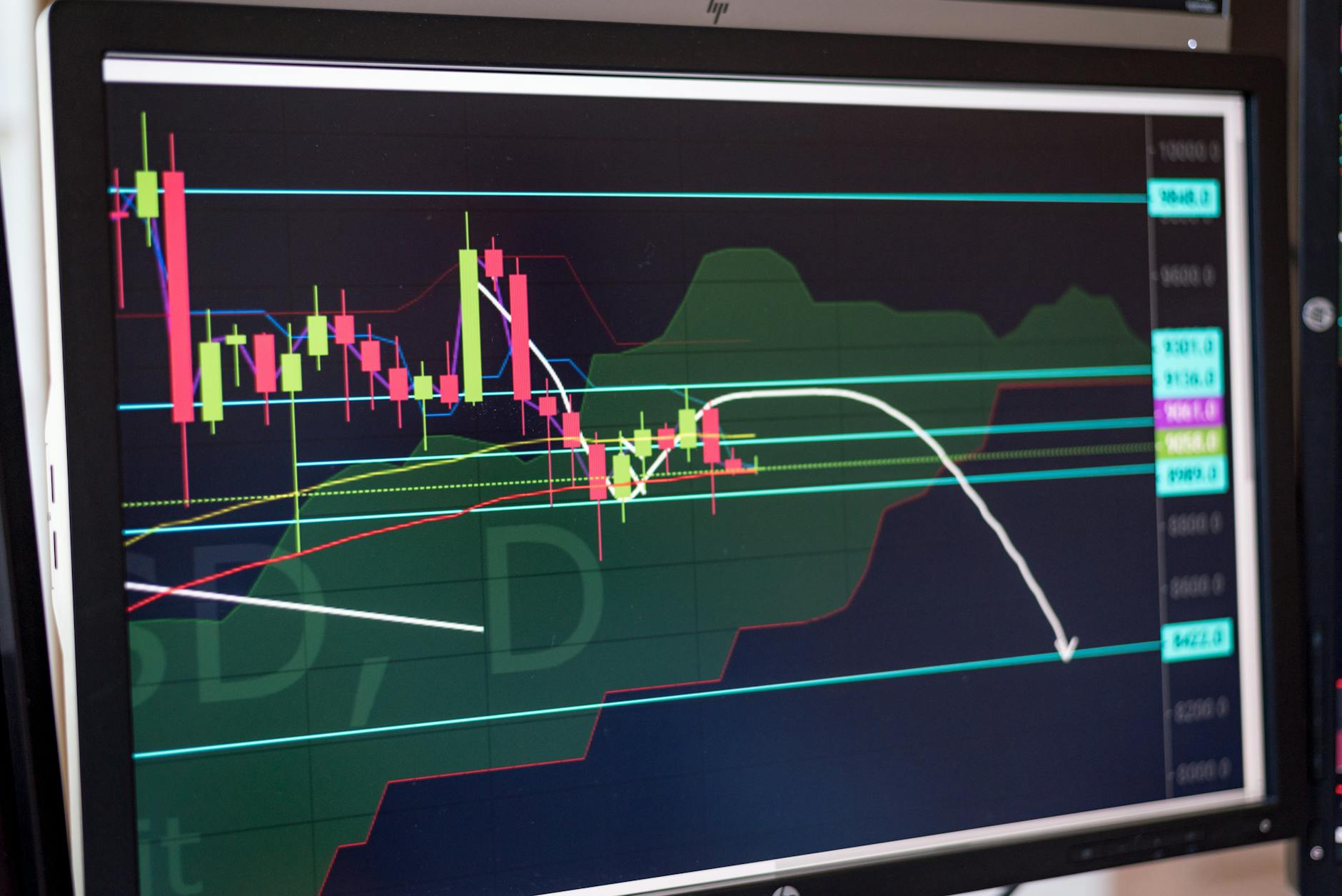
Cybersecurity measures are vital to protect trading infrastructure and sensitive data from potential threats. Firms implement advanced encryption, multi-factor authentication, and continuous monitoring to secure their operations against cyber-attacks.
Ultimately, the integration of cutting-edge technology and specialized tools enables proprietary futures trading firms to execute complex strategies efficiently, manage risks effectively, and adapt rapidly to market dynamics, fostering sustained profitability in a competitive environment.
Risk Management and Capital Allocation in Proprietary Futures Trading
Effective risk management and strategic capital allocation are foundational to the success of proprietary trading firms operating in the futures markets. Given the inherent volatility and leverage involved in futures trading, firms employ sophisticated methods to control exposure, optimize resource distribution, and ensure long-term profitability.
Risk Control Frameworks
Proprietary trading desks implement comprehensive risk control frameworks that integrate real-time monitoring, predefined limits, and automated alerts. These systems continuously assess market conditions, position sizes, and overall portfolio exposure. Such measures help prevent over-leverage and mitigate the impact of sudden market swings that could lead to significant losses.
One critical component of risk management involves setting strict stop-loss and take-profit levels. Automated execution of these orders helps traders lock in gains or cut losses at predefined thresholds, reducing emotional decision-making and ensuring discipline in trading practices. Additionally, firms often utilize scenario analysis and stress testing to evaluate how extreme market events could affect their portfolios, allowing them to prepare contingency plans.
Capital Allocation Strategies
Capital allocation within proprietary futures trading is a strategic process that aims to maximize returns while maintaining acceptable risk levels. Firms utilize quantitative models to determine optimal position sizing based on market volatility, historical performance, and current market conditions.
Portfolio diversification is another key aspect. Traders often spread their capital across different futures contracts—such as commodities, indices, or currencies—to mitigate sector-specific risks. Risk-adjusted return metrics guide allocation decisions, ensuring that capital is directed toward the most promising strategies and markets.
Technology’s Role in Enhancing Risk and Capital Management
The integration of advanced trading platforms and analytical tools enhances the precision of risk assessment and capital distribution. These platforms provide comprehensive dashboards that display real-time data, exposure metrics, and compliance alerts, enabling traders and risk managers to make informed decisions swiftly.
Furthermore, algorithmic trading systems incorporate risk management parameters directly into their decision-making processes. These algorithms can automatically adjust trading positions in response to market volatility, ensuring that capital is preserved during turbulent periods while capitalizing on favorable conditions.
Implementing Continuous Monitoring and Feedback Loops
Many proprietary firms adopt a continuous monitoring approach, where trading performance and risk metrics are regularly reviewed and recalibrated. Feedback loops help refine trading models and risk parameters, promoting adaptability and resilience in dynamic market environments.

Profiles of Proprietary Trading Firms Engaged in Futures
Proprietary trading firms specializing in futures markets often have distinct operational structures, risk management protocols, and market focuses that contribute to their unique profiles. These firms operate with substantial capital allocations, leveraging sophisticated technological tools to identify and execute high-probability trades across various futures contracts, such as commodities, financial indices, and currencies. Their success is driven by a combination of experienced traders, proprietary algorithms, and rigorous risk protocols, enabling them to adapt swiftly to changing market conditions.

Several notable firms have established reputations through their consistent performance and innovative trading approaches. Many of these firms employ team-based strategies, where traders collaborate closely with quantitative analysts and risk managers to develop and refine trading models. These models are often built upon proprietary algorithms that analyze vast data sets, identify arbitrage opportunities, and execute trades at lightning-fast speeds to capitalize on market inefficiencies.
The organizational structure of these firms typically emphasizes a balance between technological investment and disciplined risk oversight. They often maintain dedicated departments for compliance, ensuring that trading activities adhere to established protocols and industry standards. This rigorous approach fosters a disciplined trading environment conducive to sustained profitability and risk mitigation.
Additionally, leading proprietary firms tend to have intensive training programs designed to shape new traders with a focus on disciplined execution, risk awareness, and strategic thinking. Such training ensures that all team members uphold the firm’s standards and adapt to evolving market dynamics efficiently.
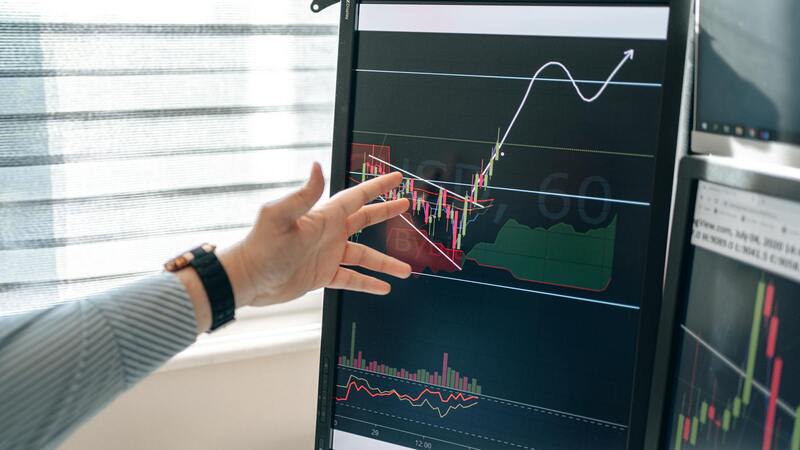
Understanding these profiles provides insights into how top-tier firms navigate the complexities of futures markets, leveraging cutting-edge technology, disciplined risk controls, and skilled trading teams to achieve competitive advantages. Their ability to continuously innovate and adapt to nearly instantaneous market shifts exemplifies the high level of expertise and strategic discipline required in proprietary futures trading.
