
Understanding Proprietary Trading and Prop Trading Firms
Proprietary trading, commonly known as prop trading, involves financial firms or individual traders engaging in the buying and selling of securities, commodities, or other financial instruments with the firm’s own capital. Unlike traditional investment services that trade on behalf of clients, prop trading firms focus solely on generating profits for themselves. This business model allows traders to access the firm’s financial resources, technology, and research to optimize their trading strategies and maximize returns.
Prop trading firms serve a vital role within the financial industry. They act as independent entities that leverage proprietary capital to participate in various markets, including equities, futures, options, and forex. These firms typically operate with a team of skilled traders who develop and implement innovative trading algorithms, strategies, and risk management techniques to capitalize on market opportunities.
The core purpose of a prop trading firm is to generate consistent profits through disciplined trading practices. Unlike hedge funds or asset managers that handle third-party funds, prop firms mostly depend on their own financial resources. They often provide traders with a share of the profits, along with access to advanced trading platforms, real-time market data, and analytical tools. This environment fosters high-performance trading, efficiency, and continuous strategy refinement.

Operating as a prop trading firm involves navigating complex financial markets with a focus on leverage, speed, and precision. The primary advantages include potential for substantial profitability, independence in decision-making, and the ability to develop proprietary trading strategies. However, it requires a thorough understanding of financial instruments, market behavior, and risk management techniques to thrive in this industry.
For entrepreneurs interested in establishing a proprietary trading enterprise, developing a clear understanding of the business model and operational structure is essential. It sets the foundation for subsequent steps, including legal setup, capital acquisition, and team building. With careful planning and adherence to industry standards, launching a proprietary trading firm can become a rewarding venture in the dynamic world of finance.
Legal and Regulatory Considerations
Establishing a proprietary trading firm involves navigating a framework of legal and regulatory requirements that ensure compliance with applicable financial standards and operational best practices. While the specifics vary depending on the jurisdiction and scope of trading activities, certain foundational elements must be addressed to create a compliant and sustainable enterprise.
One of the first steps is to register the business as a legal entity—typically a corporation or limited liability company (LLC)—to establish a formal operational structure. This process involves submitting the necessary documentation to relevant government agencies, obtaining a business license, and potentially registering for taxes. In many regions, registering as a financial services or trading entity may require adherence to specific statutes designed for firms engaging in securities, derivatives, or Forex trading.
Furthermore, it's essential to develop internal compliance policies that align with financial regulations. This includes implementing anti-money laundering (AML) protocols, adhering to know-your-customer (KYC) procedures, and establishing record-keeping practices that maintain transparency and facilitate audits. For firms operating in markets with possession of client funds or engaging in certain types of trading, additional licenses or registrations with financial oversight authorities may be necessary.

Another important aspect is understanding the contractual arrangements with traders. Clearly defined trading rules, profit-sharing agreements, and risk limits help establish accountability and protect the firm’s interests. Many firms also develop formal trading policies outlining permissible strategies and conduct expectations, which serve as a safeguard against misconduct and ensure operational consistency.
Engaging legal counsel familiar with financial services law is highly advisable. Experienced attorneys can assist in drafting comprehensive compliance documents, setting up the correct licensing structures, and navigating complex regulatory landscapes. This guidance minimizes the risks related to regulatory infringements and provides a framework for lawful, efficient operations.
It is equally vital to stay updated on evolving regulations. Financial markets are subject to continual oversight changes, and proactive compliance management can prevent costly penalties or operational disruptions. Many firms subscribe to regulatory newsletters or join industry associations to stay informed about new rules and industry best practices.
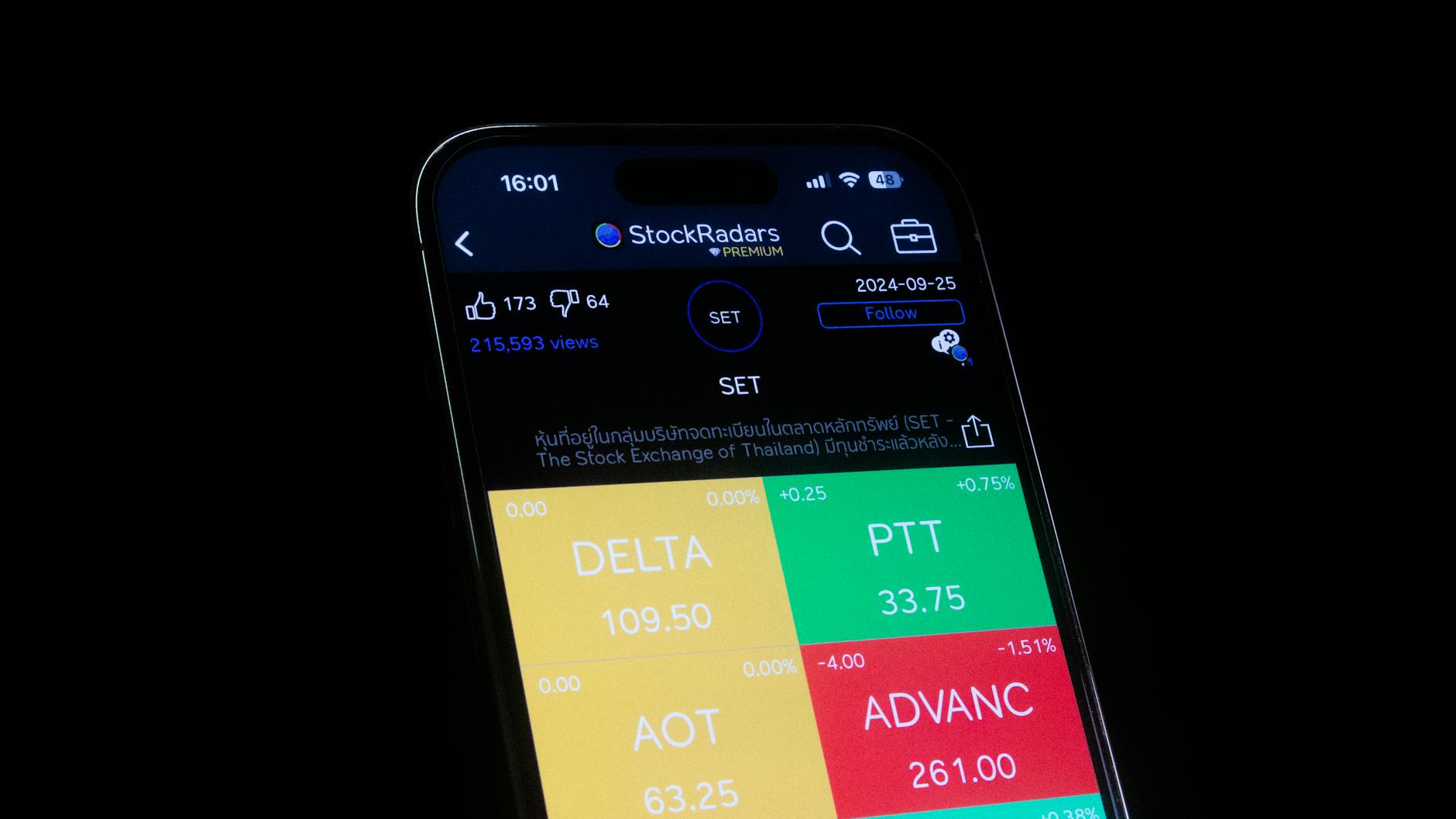
In summary, conscientious legal and regulatory planning is the backbone of a stable proprietary trading business. Proper registration, clear contractual agreements, compliance policies, and ongoing oversight form the foundation for legitimate, transparent operations. By aligning with these standards from the outset, a prop trading firm can operate confidently within the financial industry’s framework, paving the way for sustainable growth and success.
Establishing Official Foundations for Your Prop Trading Venture
Launching a proprietary trading firm with a focus on legal and operational rigor involves establishing a solid foundation through official procedures. This process begins with selecting an appropriate business structure, which can influence taxation, liability, and regulatory obligations. Common choices include LLCs, corporations, or partnerships, each with specific benefits suited to trading activities. Consulting with specialized legal and financial advisors is essential to choose the optimal structure aligning with long-term goals and operational needs.

Developing comprehensive operational protocols ensures consistency and accountability across trading activities. This includes creating internal policies for trade execution, risk assessment, data security, and staff conduct. Implementing detailed trading manuals and standard operating procedures (SOPs) supports transparency and helps maintain regulatory adherence. Beyond internal policies, formal licensing and registration processes are crucial. This involves applying for necessary permits with authorities responsible for financial services oversight. The specific licenses depend on geographic location and the scope of trading activities but typically include registration with regulatory agencies that oversee financial markets. Establishing clear contractual agreements with traders, investors, and partners further clarifies rights, responsibilities, and compliance expectations. These agreements outline profit sharing, risk management measures, confidentiality clauses, and dispute resolution procedures, providing legal safeguards for all parties involved.
Infrastructure and Technology for a Legally Compliant Trading Environment
Building a secure, compliant infrastructure is vital to operational success. This includes selecting trading platforms that adhere to industry standards for security, performance, and order execution transparency. Integrating reliable data feeds and risk management tools helps traders make informed decisions while maintaining control over trading activities.
Data security protocols must be rigorously implemented to protect sensitive information from unauthorized access or breaches. This involves using encryption, secure servers, and regularly updating cybersecurity measures to prevent cyber threats.
Additionally, establishing compliance monitoring systems allows continuous oversight of trading activities, flagging any irregularities or breaches in real time. Regular internal audits, coupled with automated compliance checks, support adherence to regulatory requirements and internal policies.

Finally, engaging with industry associations and participating in regulatory forums can provide ongoing updates on best practices, technological innovations, and compliance standards. This proactive approach fosters a culture of continuous improvement and operational excellence, positioning your prop trading firm as a reputable participant within the financial trading ecosystem.
Implementing Robust Compliance and Technological Frameworks
Beyond foundational setup, establishing a comprehensive compliance framework is essential to ensure that all trading operations meet operational standards and adhere to industry best practices. This includes deploying advanced monitoring tools that track trading activities in real time, enabling prompt identification of any discrepancies or irregularities. Automated systems should be integrated to flag potential risks or deviations from trading protocols, facilitating swift corrective actions.
Furthermore, regular audits are critical for maintaining transparency and accountability within the firm. Conducting internal audits, complemented by third-party reviews, helps verify that all processes align with established policies and technological protocols. Maintaining detailed logs of trading activities supports review processes and ensures traceability for audits or investigations.

Investing in cutting-edge cybersecurity measures plays a vital role in protecting sensitive client data and proprietary trading algorithms. Encryption of data at rest and in transit, along with secure access controls, ensures vulnerabilities are minimized. Regular updates to cybersecurity protocols are necessary to keep pace with evolving threats.
In addition, firms should establish clear policies for data privacy and security, including employee training programs that emphasize the importance of information security. These policies help in fostering a security-first culture, reducing the risk of internal breaches or accidental data leaks.
Engaging with Industry Standards and Regulatory Bodies
Active participation in industry forums and compliance organizations provides insights into emerging standards and regulatory updates. Staying informed allows your firm to adapt quickly to changing environments and implement necessary procedural adjustments.
Building relationships with regulatory bodies and industry associations can also facilitate smoother compliance processes, providing access to resources and best practices that enhance operational resilience and reputation.
The Role of Industry Partnerships and Continuous Improvement
Creating partnerships with technology providers and industry consultants offers ongoing access to innovative solutions that improve trading efficiency and compliance. Regularly reviewing and updating internal policies to incorporate technological advancements and regulatory changes ensures your firm remains competitive and compliant in a dynamic trading landscape.
Ultimately, a targeted approach to compliance and technology integration fosters a secure, transparent, and efficient trading environment, pivotal for long-term success in proprietary trading.

Developing Robust Administrative Structures and Operational Protocols
Establishing a proprietary trading firm demands a well-organized managerial framework that supports consistent operations and strategic growth. A comprehensive administrative structure encompasses clear roles and responsibilities, robust internal policies, and efficient communication channels that promote transparency and accountability. Structuring your team effectively ensures that trading activities are monitored and aligned with your firm's objectives, minimizing operational risks and fostering a disciplined trading environment.
Creating detailed operational protocols is crucial for managing daily activities, trade execution, and compliance procedures. These protocols should specify standard operating procedures (SOPs) for trade evaluation, risk controls, data security, and client or trader onboarding processes. Regular audits and updates to these procedures ensure adherence to best practices and accommodate evolving market conditions and technological advancements.

Implementing Advanced Trading Infrastructure
Equipping your firm with state-of-the-art trading infrastructure is vital for executing trades swiftly and reliably. This encompasses high-performance trading servers, reliable internet connectivity, and redundant data backup solutions to prevent downtime or data loss. Integrating sophisticated trading platforms and analytical tools enhances decision-making capabilities, allowing traders to identify opportunities and manage risks effectively.
Moreover, establishing secure access controls and employing encryption methods safeguards sensitive trading data from unauthorized access or breaches. The infrastructure should also facilitate real-time monitoring of trades and system performance, enabling quick responses to any anomalies or technical issues that may arise during high-volume trading periods.
Developing a Strong Data Management System
Data plays an essential role in prop trading, and managing it effectively impacts everything from strategy formulation to compliance reporting. Implementing a centralized data management system ensures that all trade records, market data, and risk metrics are organized, easily accessible, and securely stored. Such systems should support automated data validation and reconciliation processes to minimize errors.
Additionally, integrating data analytics and visualization tools provides actionable insights, supporting traders in optimizing their strategies and adjusting to market trends. Proper data governance policies, including regular backups and access restrictions, further enhance operational integrity and facilitate compliance with regulatory expectations.
Securing Capital and Funding Options
Establishing a robust capital foundation is crucial for the success of a proprietary trading firm. Typically, initial capital is sourced through personal funds, angel investors, or partnerships with experienced traders and financial backers who understand the risks and rewards associated with prop trading. Developing a compelling business plan that highlights the firm’s investment strategy, risk management protocols, and growth potential is essential when approaching potential investors.
One common funding approach involves creating a profit-sharing or equity arrangement that aligns the interests of traders and investors, incentivizing high performance while maintaining operational transparency. It is also possible to attract funding through structured agreements with trading firms, where capital is pooled from multiple sources and allocated based on predefined criteria.
Alternative funding options include participating in seed funding initiatives or industry-specific accelerators that cater to emerging trading firms. These avenues often provide not only capital but also mentorship, network connections, and strategic guidance that can accelerate growth.

Building a Financial Backing Network
Constructing a reliable network of financial backers involves transparent communication about trading strategies, risk controls, and performance metrics. Regular reporting and performance updates foster trust and demonstrate the firm's commitment to responsible trading practices. Engaging with industry peers and attending trading conferences can also open doors to potential funding partnerships.
Additionally, cultivating relationships with seed fund providers and institutional investors can lead to more substantial capital pools, especially as the firm demonstrates consistent profit generation and risk management discipline.

Creating an Investor-Driven Attraction Strategy
Effective marketing and communication of the firm’s capabilities and success metrics are pivotal to attracting ongoing investment. Thoughtful positioning in industry forums and publishing performance summaries help establish credibility. Clear articulation of risk management processes reassures investors of the firm’s commitment to structured and controlled trading. By consistently demonstrating transparency, and strategic growth, a prop trading firm can successfully attract the capital necessary for expansion.
Understanding Proprietary Trading and Prop Trading Firms
Proprietary trading firms, commonly known as prop trading firms, operate by utilizing the firm's own capital to execute trades across various financial markets. Their primary goal is to generate profits through skilled market analysis, strategic trade executions, and rigorous risk management. Establishing such a firm involves understanding the nuances of market operations and developing methodologies that capitalize on market inefficiencies while safeguarding the firm's assets.
These firms differ from traditional trading entities that manage client assets. Instead, they retain risk internally and focus heavily on cultivating a team of talented traders, developing proprietary algorithms, and deploying sophisticated tools to stay competitive. Building a successful prop trading business requires a concerted focus on establishing robust operational processes, fostering a culture of disciplined trading, and continuously refining trading strategies to adapt to evolving markets.

Requirements and Skills Needed to Launch a Prop Trading Firm
Launching a proprietary trading firm demands a combination of technical expertise, market knowledge, and business acumen. Key skills include:
- Strong analytical and quantitative skills to develop and refine trading algorithms.
- Experience in financial markets to understand market dynamics, liquidity, and volatility.
- Proficiency in programming languages such as Python, R, or C++ for developing trading models.
- Risk management expertise to minimize potential losses and protect capital.
- Effective leadership and team management abilities to oversee traders and support staff.
Beyond skills, the firm’s founders need to possess a strategic vision, an understanding of trading regulations, and the resilience to navigate the volatile nature of financial markets. Building a team of traders who exhibit discipline, adaptability, and a continuous learning mindset is crucial to maintaining a competitive edge and scaling the enterprise.
Legal and Regulatory Considerations
Ordinarily, establishing a prop trading firm involves navigating a complex landscape of compliance standards. Firm registration, licensing, and adherence to financial regulations vary by jurisdiction. It is essential to collaborate with legal professionals to understand obligations related to licensing, reporting, and operational compliance that ensure lawful business conduct.
Maintaining transparent trading records, appropriately managing client information, and implementing anti-money laundering procedures are fundamental to operating responsibly within this environment. Since proprietary trading involves substantial financial risk, firms are encouraged to establish internal compliance programs aligned with local regulatory frameworks to prevent violations and promote ethical standards.
Setting Up the Business and Infrastructure
Launching a prop trading firm requires a solid infrastructure foundation. This includes secure and scalable trading platforms, reliable data feeds, and high-performance computing resources to support algorithmic strategies. Additional considerations involve:
- Legal entity formation, such as registering LLCs or corporations suited to the firm's operational scope.
- Securing office space equipped with powerful hardware and network security measures.
- Implementing robust cybersecurity protocols to protect sensitive information and trading algorithms.
- Integrating risk management systems capable of real-time monitoring and automatic intervention to prevent excessive losses.

Developing Trading Strategies and Risk Management
The core of any profitable prop trading firm lies in its trading strategies and risk controls. Effective strategies are often grounded in thorough market analysis, quantitative modeling, and back-testing to validate performance historically. Firms should emphasize:
- Developing diversified trading methodologies across multiple asset classes to mitigate risks.
- Utilizing high-quality data and machine learning techniques to uncover actionable insights.
- Implementing real-time risk assessment tools that monitor exposure levels continually.
- Setting strict position limits and stop-loss protocols to contain losses during adverse market movements.
- Regularly reviewing trading performance metrics and adjusting strategies accordingly.
Successful risk management involves not just employing defensive measures but fostering a culture where traders understand the importance of discipline, transparency, and adherence to predefined trading parameters.
Scaling the Prop Trading Business and Future Growth
Once a prop trading firm has established a solid foundation through effective strategies, disciplined risk management, and a stable team, focusing on scaling operations becomes essential for long-term success. Expansion strategies should be approached systematically, emphasizing technology enhancement, market diversification, and talent acquisition.
Expanding Market Reach and Asset Classes
Broadening the scope of trading activities will diversify risk and increase revenue streams. This can involve entering new asset classes such as commodities, options, futures, or cryptocurrencies. Each asset class requires tailored strategies and risk controls, so comprehensive research and development are critical before deployment. Additionally, expanding into different geographic markets can open up new liquidity pools and trading opportunities, provided that the firm adapts to regional regulatory and market nuances.
Investing in Advanced Trading Technologies
Continuous technological innovation is pivotal for maintaining a competitive edge. Upgrading trading infrastructure with faster servers, low latency connectivity, and sophisticated data analytics platforms ensures traders can capitalize on fleeting market opportunities. Implementing machine learning models for predictive analytics and automated decision-making can further enhance performance. Moreover, integrating comprehensive cybersecurity measures can protect trading algorithms and sensitive data from potential threats, safeguarding the firm’s intellectual property.

Enhancing Capital Resources
Access to increased capital is vital for prop trading growth. Firms can explore various funding avenues, including partnerships with institutional investors, strategic alliances, or reinvesting profits to fuel expansion. Establishing relationships with capital providers interested in high-conviction trading strategies can accelerate growth. Additionally, employing leverage responsibly can amplify returns without exposing the firm to disproportionate risks.
Recruiting and Developing Top Talent
Growth depends heavily on skilled traders, quantitative analysts, and technology experts. A structured recruitment process targeting experienced professionals ensures that new team members align with the firm's culture and strategic objectives. Investing in ongoing training and professional development keeps the team at the forefront of market trends and technological advancements. Creating a collaborative environment that encourages innovation and disciplined trading can lead to sustained performance improvements.
Long-term Planning and Sustainability
Building a resilient prop trading firm involves strategic planning that incorporates risk mitigation, regulatory compliance, and technological evolution. Setting clear milestones for growth, regularly reviewing performance metrics, and adapting strategies based on market conditions are essential activities. Emphasizing transparency and accountability within the organization fosters trust among stakeholders and supports sustainable development.
