
Definition and Overview of Trading Firms
Trading firms are specialized entities that engage in the buying and selling of financial instruments across various markets. Their primary function is to execute trades with the goal of generating profits through market movements, leveraging a combination of strategic analysis, rapid transaction execution, and advanced technology. These firms operate with significant capital, allowing them to participate in large volume transactions and influence market liquidity.
Traditionally, trading firms are distinguished by their operational focus on high-frequency trading, market making, and proprietary trading strategies. They often employ professional traders supported by sophisticated algorithms and quantitative models to capitalize on market inefficiencies. These firms play a crucial role in providing liquidity, discovering prices, and stabilizing financial markets, making them an integral part of modern trading ecosystems.
Within the scope of the financial industry, trading firms are recognized for their ability to adapt quickly to changing market conditions, exploiting minute price discrepancies that are not accessible to retail investors. Their activities span across different asset classes, including equities, commodities, currencies, and derivatives, contributing to overall market efficiency and depth.
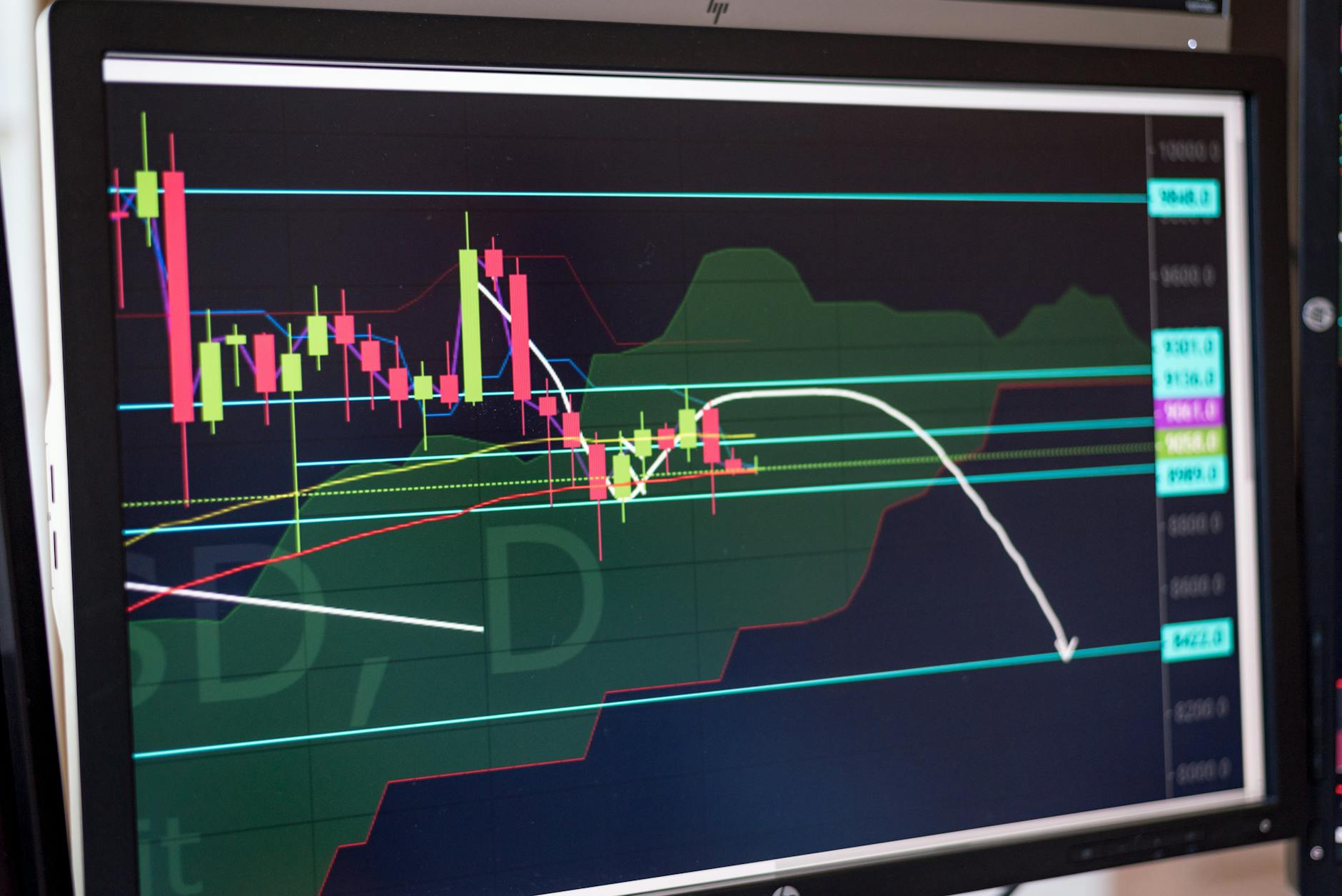
By harnessing vast amounts of real-time data and implementing complex trading algorithms, trading firms can execute large volumes of trades in fractions of a second. Their success depends largely on technological innovation, skilled human judgment, and stringent risk management protocols. As major participants in global financial markets, their influence extends beyond mere profit generation; they also help facilitate liquidity and market stability, making their activities essential for efficient financial operations.
Understanding the role and functions of trading firms provides insights into the intricate workings of the financial markets, highlighting their importance as modern financial institutions that combine financial expertise with cutting-edge technology to operate effectively in competitive environments.
Structure and Business Models of Prop Trading Firms
Proprietary trading firms, commonly known as prop trading firms, operate through various structured models designed to maximize their trading strategies and profitability. These firms often adopt a decentralized or centralized operational structure, depending on their size and scope. Centralized firms typically maintain a unified team of traders and analysts that execute trades across multiple asset classes, leveraging shared resources like advanced trading platforms and data analytics tools. Decentralized models, on the other hand, delegate trading activities to individual traders or small teams, allowing for specialization and a tailored approach to different markets.
Business models within prop trading firms focus primarily on deploying proprietary capital to trade financial instruments with the aim of generating profit. These firms often employ a mix of quantitative and discretionary trading strategies. Quantitative models leverage complex algorithms and statistical analysis to exploit market inefficiencies, while discretionary strategies rely on the expertise and intuition of seasoned traders.
Many prop trading firms operate under a profit-sharing or fee-based compensation structure. Traders are typically incentivized through performance-based rewards, aligning their interests with the firm's overall success. Such incentives often include a percentage of the profits they generate, fostering a motivated and competitive trading environment.

Another crucial aspect of their business model involves risk management protocols. Since trading with proprietary capital entails significant exposure, firms implement strict risk controls, including position limits, stop-loss orders, and real-time monitoring systems. These measures are vital for protecting capital and ensuring sustainable operations.
Furthermore, many prop trading firms diversify their strategies across asset classes, such as equities, derivatives, currencies, and commodities, to hedge risks and capitalize on different market opportunities. This diversification, combined with the use of cutting-edge technology, enables these firms to remain agile and responsive to rapid market changes.

In essence, the structure and business models of prop trading firms are designed to optimize their trading capacity, manage risk effectively, and capitalize on fleeting market opportunities through a combination of technology, expertise, and strategic planning.
Structure and Business Models of Prop Trading Firms
Proprietary trading firms operate with a distinct organizational framework centered around maximizing trading efficiency and managing risk effectively. Their core business model involves deploying their own capital across various financial markets, employing a mix of traditional discretionary methods and advanced quantitative strategies. Such firms often recruit highly skilled traders who are given access to trading capital and sophisticated technological tools, with their compensation tied directly to performance. This alignment incentivizes traders to generate profits while adhering to the firm's risk management policies.
In terms of operational structure, many prop trading firms organize teams based on asset classes or trading strategies. For instance, some focus predominantly on equities through a fundamental or technical analysis approach, while others specialize in derivatives or foreign exchange markets, utilizing algorithmic trading models. The organizational layout typically includes risk management units that monitor trading activity in real-time, compliance teams that oversee adherence to set protocols, and research divisions that continuously seek market insights.

One of the defining characteristics of these firms is their remuneration system. Profit sharing is often employed as an incentive, with traders receiving a percentage of the profits they generate, fostering a results-driven culture. Additionally, some firms utilize equity or equity-like structures, where traders may share in the firm’s overall success. This structure encourages a high level of accountability and encourages traders to develop innovative approaches to exploit market inefficiencies.
The technological infrastructure is another vital component of these firms. Most capitalize on advanced trading platforms, algorithmic trading software, high-frequency trading tools, and real-time data analytics. These technological assets enable rapid order execution, real-time risk assessment, and strategic flexibility, which are critical for navigating fast-moving markets.
Risk management strategies within prop trading firms are rigorous. They often include predefined position limits, algorithmically enforced stop-loss instructions, and real-time monitoring systems to detect unusual trading activity. Such measures are essential in protecting the firm's proprietary capital from excessive losses while maintaining sustainable trading practices.

Across the industry, firms diversify their strategies across multiple asset classes and often employ hybrid models that combine quantitative algorithms with discretionary decision-making. This diversification allows them to hedge risks across markets and capitalize on fleeting opportunities created by market volatility. Overall, the structure and business models of trading firms are designed to foster innovation, optimize capital deployment, and ensure rigorous risk controls, helping them stay resilient in dynamic market environments.
Understanding the Business Models of Trading Firms
Trading firms operate under diverse business models designed to maximize efficiency, risk management, and profit generation. A core aspect of these models involves allocating capital to skilled traders or sophisticated algorithms that exploit market inefficiencies. These firms often employ a hybrid approach, combining discretionary trading — where experienced traders make judgment-based decisions — with algorithmic strategies that execute trades based on complex mathematical models and real-time data analysis.
One predominant business model is proprietary trading, where firms allocate their own capital to undertake trades across various asset classes such as equities, commodities, currencies, and derivatives. These firms benefit from their access to superior technological infrastructure and market intelligence, enabling them to capitalize on brief but profitable market movements. They focus on high-frequency trading (HFT), algorithmic strategies, and statistical arbitrage, which require rapid execution and ultra-low latency systems.
Another model involves the use of managed accounts or fund-based strategies, where the firm's expertise is directed towards managing external investors’ capital. This approach emphasizes consistent returns over the long term and often involves rigorous risk management protocols to safeguard investor assets. These firms balance aggressive trading tactics with comprehensive compliance measures to meet the expectations of their clients and regulatory standards.

Additionally, some trading firms operate on a market-making basis, providing liquidity by continuously quoting bid and ask prices for specific securities. These firms profit from the spread—the difference between buying and selling prices—and implement sophisticated risk controls to prevent exposure to adverse market movements. This role is vital in maintaining overall market liquidity and stability.
Key Elements that Define Business Models
- Capital Deployment: Whether firm capital or external resources, efficient deployment enhances profitability.
- Trading Strategy: Hybrid models combining quantitative and discretionary elements are common for flexibility and risk mitigation.
- Technology Infrastructure: The backbone enabling rapid and accurate trade execution, real-time analytics, and risk control.
- Risk Management: Robust systems to monitor, limit, and mitigate potential losses and adverse market impacts.
- Client and Investor Relations: For firms managing external capital, transparent communication and compliance are vital components.
Overall, the business models of trading firms are tailored to leverage their strengths in market analysis, technological capabilities, and strategic risk management, positioning them to thrive amidst market volatility and evolving financial landscapes.
Structure and Business Models of Prop Trading Firms
Proprietary trading firms operate under diverse structural frameworks and business models designed to optimize profitability, manage risk, and adapt to changing market conditions. Understanding these models involves examining how capital is allocated, strategies are implemented, and technological infrastructure supports operations.
Capital Deployment Strategies
Central to any trading firm is its approach to capital deployment. Some firms utilize their own accumulated capital to execute trades, allowing for full control over their strategies and risk management. Others may leverage external funding sources or investor capital, which necessitates transparent reporting and strict compliance protocols. Hybrid models often combine these approaches, balancing internal resources with external investments to diversify risk and maximize trading capacity.
Trading Strategies and Business Models
Trading firms employ a wide spectrum of strategies aligned with their risk appetite and market focus. These include:
- Market Making: Continuously quoting bid and ask prices to provide liquidity, earning the spread while managing inventory risk with sophisticated hedging techniques.
- Algorithmic Trading: Utilizing automated systems driven by quantitative models to execute high-frequency trades, capture arbitrage opportunities, or exploit market inefficiencies.
- Discretionary Trading: Relying on traders’ judgment and experience to make trading decisions, often blending fundamental analysis with technical insights.
- Hybrid Strategies: Combining quantitative algorithms with discretionary input, allowing firms to adapt swiftly to market shifts while maintaining systematic discipline.
Technological Infrastructure
The backbone of modern prop trading firms is their technological infrastructure. High-frequency and algorithmic trading depend on ultra-fast data feeds, low-latency execution platforms, and advanced analytics. These tools enable traders to make informed decisions, execute trades rapidly, and monitor real-time risk exposure effectively.

Risk Management and Compliance
Effective risk controls are integrated into every aspect of a firm's operations, encompassing real-time position monitoring, stop-loss mechanisms, and scenario analysis. These measures ensure that risks are minimized and that trading activities stay within predefined parameters. Additionally, firms adopt compliance protocols to adhere to reporting standards and avoid regulatory pitfalls—implementing routine audits and documentation systems as part of their operational procedures.
Client and External Capital Interactions
For firms managing external capital, transparency and adherence to strict reporting standards are paramount. Clear communication channels, comprehensive disclosures, and rigorous performance tracking foster trust and facilitate ongoing relationships with investors. In contrast, proprietary-focused trading units are primarily driven by internal targets, emphasizing agility and innovation in strategy deployment.
Overall, the operational and business model distinctions among prop trading firms arise from their unique strategic goals, trading philosophies, and technological capabilities. By adeptly combining capital deployment models, sophisticated strategies, and cutting-edge technology, these firms position themselves to leverage market opportunities and mitigate potential risks effectively.

Structure and Business Models of Prop Trading Firms
Proprietary trading firms operate under diverse structural configurations, each tailored to optimize trading efficiency, risk management, and profitability. The core business models revolve around the deployment of proprietary capital to execute trades across various markets, employing sophisticated strategies that can range from algorithmic to discretionary trading. These firms often partition their operations into specialized units, each focusing on different asset classes such as equities, commodities, currencies, or derivatives, allowing for diversification and strategic flexibility.
Many prop trading firms operate with a profit-sharing model where traders receive a percentage of the profits generated from their trading activities. This structure incentivizes skillful decision-making and risk management while aligning individual trader objectives with the firm’s overarching financial goals. Additionally, some firms adopt a principal trading model, where they trade using their own capital without external investors, emphasizing independence and agility in executing market strategies.
Operational frameworks within these firms include the use of trading desks, research teams, risk management systems, and technological infrastructure. They often integrate advanced analytics, quantitative models, and automated trading algorithms to capitalize on market inefficiencies. Maintaining a robust risk control environment is critical to prevent losses that could undermine the firm’s stability, particularly given the high leverage commonly used in prop trading activities.

Some firms operate as hybrid entities, combining proprietary trading with client-based activities to diversify revenue streams. These hybrids require strict governance and separation of trading activities to uphold operational integrity and strategic focus.
Technological Infrastructure and Trading Platforms
Cutting-edge technology is at the heart of prop trading firms, enabling rapid data analysis, automated execution, and real-time risk assessment. These firms often employ proprietary trading platforms alongside leading third-party software solutions. The technological landscape includes:
- High-frequency trading (HFT) systems designed for ultra-fast order execution
- Quantitative research platforms utilizing large datasets for pattern recognition
- Simulation and backtesting environments to refine trading algorithms
- Real-time risk management tools for dynamic position monitoring
The integration of machine learning and artificial intelligence is increasingly prevalent, providing sophisticated predictive insights and adaptive trading strategies. These technological capabilities enable trading firms to respond swiftly to market movements, execute complex trades with precision, and maintain a competitive edge in volatile environments.

Structure and Business Models of Prop Trading Firms
Proprietary trading firms employ diverse structures and business models, designed to optimize their trading strategies and risk management. One common approach involves the establishment of specialized trading desks, each focusing on specific asset classes such as equities, derivatives, commodities, or foreign exchange. These desks operate semi-autonomously, allowing for tailored strategies and risk controls, yet remain under the overarching corporate governance of the firm.
Many firms adopt a performance-based compensation structure, where traders are incentivized through profit-sharing arrangements aligned with their trading performance. This model fosters a high-performance culture and encourages traders to innovate and refine their methodologies continually. Additionally, some firms maintain dedicated research teams that develop quantitative models and trading algorithms, which are integrated into the trading process to enhance decision-making precision.
Hybrid business models are increasingly prevalent, merging proprietary trading with client services such as asset management or brokerage. These hybrid entities benefit from diversified revenue streams and enhanced market insights, but they must also implement rigorous operational separation to maintain transparency and manage conflicts of interest effectively.

Operational scalability and technological integration are central to the success of these models. Firms invest heavily in adaptive trading infrastructure and analytics tools, which allow them to respond swiftly to market dynamics and optimize their trading strategies across multiple asset classes.
Role of Prop Trading Firms in Financial Markets
Proprietary trading firms serve as vital market participants, providing liquidity and facilitating price discovery through their active trading activities. By engaging in high-volume trades, these firms help stabilize markets and increase efficiency, especially during periods of volatility. Their strategies often involve market-making functions, arbitrage opportunities, and tactical positioning based on analytical insights.
Furthermore, prop trading firms contribute to the development of innovative trading approaches and financial products. Their research-driven approach and technological infrastructure enable rapid adaptation to evolving market conditions, which can influence broader market trends and investment strategies across the industry.
Regulations and Compliance for Trading Firms
Firms operating within this realm are subject to detailed regulatory frameworks that ensure transparent and fair market practices. These regulations often stipulate capital adequacy requirements, risk management procedures, and reporting obligations to oversight bodies. Compliance teams within trading firms rigorously monitor activities to prevent misconduct and ensure adherence to these standards.
To uphold operational integrity, firms implement strict internal controls mandated by regulatory bodies. This includes segregation of trading activities, comprehensive audit trails, and systematic risk assessments. These measures help mitigate operational risks and foster trust among clients and market participants.
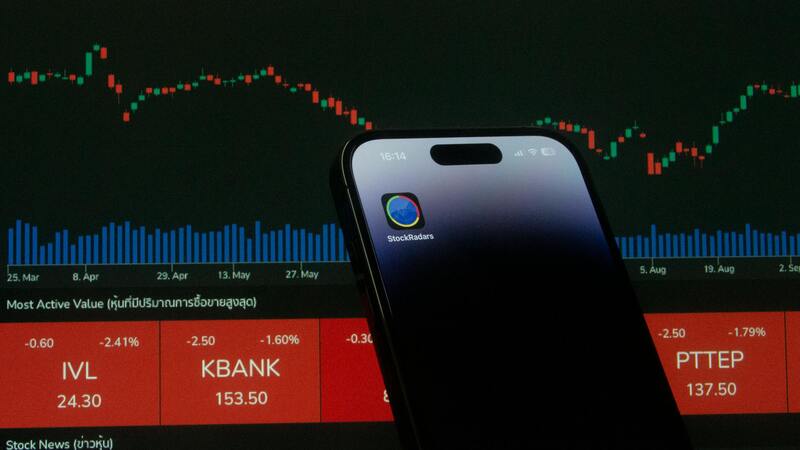
Regular audits and continuous training programs keep staff updated on compliance practices, reinforcing a culture of ethical trading and accountability. The adoption of advanced compliance software further ensures real-time monitoring and quick detection of irregularities, maintaining the firm’s reputation and operational stability.
Understanding the Business and Operations of Trading Firms
Definition and Overview of Trading Firms
Trading firms, particularly proprietary trading firms, are specialized entities that facilitate the buying and selling of financial instruments using their own capital. Unlike traditional brokerage firms that execute client orders, prop trading firms leverage their resources to profit directly from market fluctuations. These firms employ sophisticated trading strategies, extensive research analysis, and advanced technology platforms to identify lucrative opportunities across a broad spectrum of financial products, including equities, commodities, foreign exchange, and derivatives.

Types of Trading Firms
Trading firms can be categorized based on their operational focus and business models. The main types include:
- Market Makers: Firms that provide liquidity by continuously quoting buy and sell prices for specific securities or commodities, profiting from the bid-ask spread.
- Prop Trading Firms: Entities that trade using their own capital to generate profits through market speculation, arbitrage, and algorithmic strategies.
- Hedge Funds and Investment Funds: While not exclusively trading firms, these organizations often engage in substantial proprietary trading activities as part of their investment strategies.
- Specialist Firms: Firms focusing on niche markets or specialized financial instruments, often employing unique trading algorithms and strategies.
Structure and Business Models of Prop Trading Firms
Proprietary trading firms typically operate with a structured organizational hierarchy designed to optimize trading efficiency and risk management. The core business model revolves around capital deployment in various trading strategies, which can be classified into:
- Human-Driven Trading: Experienced traders employing discretionary trading strategies based on market analysis.
- Algorithmic and Quantitative Trading: The use of algorithms to execute trades based on pre-defined parameters, enabling rapid decision-making and execution.
- Hybrid Models: Combining human expertise with automated trading systems to leverage advantages of both approaches.
Profit sharing arrangements, risk management protocols, and technological capabilities are integral components of these models, defining how trades are executed and profits are distributed within the firm.
Impact of Prop Trading Firms on Financial Markets
Trading firms play a pivotal role in ensuring market liquidity and price discovery. Through their continuous buying and selling activities, they reduce bid-ask spreads and facilitate smoother market operations. Their rapid response to market information also helps to correct mispricings and improve overall efficiency. Moreover, their technological innovations often set industry standards for trading speed, data analysis, and risk management practices, influencing broader market infrastructure development.
Regulations and Compliance for Trading Firms
Operating within strict regulatory frameworks, trading firms are required to adhere to specific standards that promote transparency and fairness. These include maintaining sufficient capital reserves, implementing comprehensive risk controls, and reporting trading activities to oversight authorities. Compliance teams are tasked with monitoring adherence to these regulations, ensuring internal processes align with legal requirements, and executing periodic audits.
Most firms implement rigorous internal controls such as segregation of trading funds, detailed audit trails, and adherence to anti-money laundering (AML) procedures. They also utilize sophisticated compliance software for real-time monitoring and anomaly detection, supporting proactive risk mitigation. Regular training ensures that staff stay informed about evolving regulatory standards, fostering an environment of continuous compliance and operational integrity.
Technology and Trading Platforms Employed by Firms
Advanced technology is central to the operational effectiveness of trading firms. They utilize high-performance trading platforms optimized for speed and reliability, incorporating features like algorithmic trading engines, real-time data feeds, and risk management modules. These platforms enable traders and quantitative analysts to identify, test, and execute strategies swiftly across multiple markets.

Challenges and Operational Risks for Prop Trading Firms
Despite their technological edge and strategic capabilities, trading firms face numerous challenges. Market volatility, rapid technological evolution, and regulatory changes require continuous adaptation. Risk management remains critical; firms must effectively identify, quantify, and mitigate various risk types—market risk, liquidity risk, operational risk, and technological risks. Failures in risk controls can lead to significant financial losses or reputational damage.
Additionally, attracting and retaining skilled traders and quantitative analysts is highly competitive. The reliance on sophisticated algorithms and technology infrastructure also demands substantial investments, which can pressure profitability during downturns or market contractions. Cybersecurity remains a perpetual concern, necessitating ongoing investment in secure systems to protect sensitive data and trading infrastructure.
