
Definition and Role of a Forex Prop Trading Firm
Forex proprietary trading firms, commonly known as prop trading firms, operate as specialized entities that facilitate the trading activities of skilled traders using the firm’s own capital. Unlike traditional brokerage companies that primarily serve client accounts, prop trading firms focus on deploying their funds to generate profit through strategic foreign exchange transactions. This operational model enables traders within these firms to access substantial trading capital, advanced tools, and resources that might be unavailable in personal accounts, creating an environment conducive to high-volume and high-stakes trading.
The core function of a forex prop trading firm is to identify talented traders capable of managing significant risk and executing disciplined trading strategies. These firms typically operate by providing selected traders with capital, with the expectation that a percentage of the profits generated will be retained as compensation. This arrangement aligns the interests of the traders with those of the firm, fostering a performance-based culture that emphasizes risk management, strategic execution, and consistent profitability.
Unlike retail forex brokers that cater to individual traders seeking to speculate with their funds or leverage, forex prop trading firms act as trading partners that deploy their substantial capital base to amplify potential profits. They offer traders the leverage needed to scale their trading strategies effectively, often providing access to cutting-edge trading platforms, real-time market data, and research tools that enhance trading precision.

Furthermore, these firms often establish strict guidelines and risk controls to protect their capital and ensure sustainable trading practices. The process typically involves rigorous vetting and evaluation of prospective traders, with an emphasis on proven trading performance, discipline, and the ability to manage risk effectively. This systematic approach differentiates them from individual traders operating independently, as it involves structured assessments and ongoing performance reviews to maintain a high standard of trading excellence.
Business Model and Revenue Streams
Forex prop trading firms operate through diverse revenue channels that are centered around their core activity of facilitating trading with their capital. A primary income source is profit sharing, where a predetermined percentage of the profits generated by traders' activities is retained by the firm. This performance-based model incentivizes traders to maximize their effectiveness while aligning the firm's interests with successful trading outcomes.
In addition to profit sharing, many prop trading firms charge trading fees or monthly platform fees to traders, covering access to sophisticated trading software, research tools, and market data feeds. These fees also contribute to the firm’s revenue, especially if the firm operates a structured licensing or subscription model. Certain firms may implement a funding fee structure, where traders are required to pay initial or ongoing fees for the privilege of trading with the firm’s capital, although this is less common in the industry.

Another significant aspect of their revenue model involves funding arrangements. Firms typically provide traders with a trading account size based on assessment criteria, and the trading activity is often structured to ensure adherence to risk limits. Successful traders who consistently perform well may receive larger capital allocations, which directly increases potential profit-sharing avenues for the firm.
Trade settlements, commissions, and spreads also contribute to the financial health of these firms. Some might operate as market makers, earning from spreads, while others may take fees on each trade executed through their platforms. Overall, the combination of these diversified revenue streams creates a sustainable business model that supports ongoing operations and investments in technology and talent.
Funding and Capital Allocation
Fundamental to the operations of a forex prop trading firm is the process of capital allocation. These firms use their assets to seed traders' accounts, coupling their capital with traders’ expertise to generate profit opportunities. They carefully assess and allocate capital based on traders’ proven skills, risk management discipline, and consistency. This dynamic process allows firms to optimize their exposure to market opportunities while maintaining stringent controls to limit potential losses.
Traders often start with smaller allocations during the initial evaluation phase. As they demonstrate competence, their capital support increases, enabling them to execute larger trade volumes. This phased approach mitigates risk for the firm and encourages traders to focus on sustainable trading habits.

Such a systematic capital distribution facilitates efficient utilization of the firm’s resources, allowing multiple traders to operate simultaneously across various currency pairs and market conditions. Proper funding strategies, combined with risk oversight, are essential to ensuring the long-term profitability of both the firm and its traders.
Trader Selection and Evaluation Process
Effective trader onboarding is paramount in establishing a high-performance trading environment. The selection process typically involves an intensive vetting protocol, designed to verify technical skills, trading discipline, and theoretical knowledge. This process often includes assessments using simulated trading environments or evaluation accounts, with strict criteria governing profitability, risk management, and decision-making consistency.
Candidates are required to demonstrate a solid understanding of market dynamics, effective use of trading strategies, and adherence to predefined risk limits. Regular performance evaluations are conducted once traders are onboarded, ensuring they continue to meet the firm's standards. This structured approach reduces exposure to unanticipated losses and promotes continuous skill development.

In this environment, transparency and accountability are intrinsic elements. Traders operate under clear rules and are subject to ongoing reviews, fostering a culture of disciplined trading that benefits both traders and the firm in achieving long-term profitability.
Trading Strategies and Technologies
Forex prop trading firms equip traders with cutting-edge trading technology and strategic tools. These include advanced charting systems, algorithmic trading platforms, and access to comprehensive market data. Many firms support multiple trading styles—ranging from scalping and day trading to swing trading—depending on the trader’s expertise and preferences.
Algorithmic and quantitative trading are increasingly prevalent, leveraging computational models to execute trades swiftly and efficiently. Firms invest heavily in technologies such as artificial intelligence, machine learning, and big data analytics to optimize trading decision-making and manage risk proactively.
Traders benefit from proprietary or licensed software that enhances their ability to analyze market trends ahead of market movements. They also gain from integrated risk management platforms that automate the enforcement of trading limits, reducing the likelihood of significant losses due to human error or emotional trading biases.

This technological foundation not only improves trading efficiency but also ensures transparency, real-time monitoring, and compliance with risk control protocols essential for sustainable profit generation.
Funding and Capital Allocation
One of the core operational aspects of a forex prop trading firm is its approach to funding and capital distribution. These firms typically secure their capital from a combination of internal reserves, strategic investors, and sometimes external funding sources. The primary goal is to have a substantial trading capital base that can be allocated efficiently among talented traders to maximize returns while managing overall risk exposure.
Capital allocation strategies are designed to optimize risk-adjusted returns. Prop firms often implement tiered funding models where traders are initially provided with a set amount of capital based on their skills and performance during evaluation phases. As traders demonstrate consistent profitability and risk management discipline, they may unlock access to larger trading funds. This phased approach incentivizes discipline and mitigates potential losses.
Leverage plays a crucial role in the leverage strategies of forex prop trading firms. While leverage amplifies trading positions and potential gains, it also significantly increases risks. Firms carefully calibrate leverage ratios in accordance with their risk appetite and market conditions, often employing sophisticated risk management systems to oversee trading activities in real time. This approach allows firms to scale their trading activities while keeping adverse outcomes under control.
Effective risk management is embedded within the capital allocation process. Proprietary firms leverage quantitative models, stress testing, and scenario analysis to forecast potential losses and adjust their capital deployment accordingly. The integration of these methods ensures that while traders utilize leverage for profit potential, overall risk exposure remains within predefined limits, protecting both traders' capital and the firm’s long-term stability.
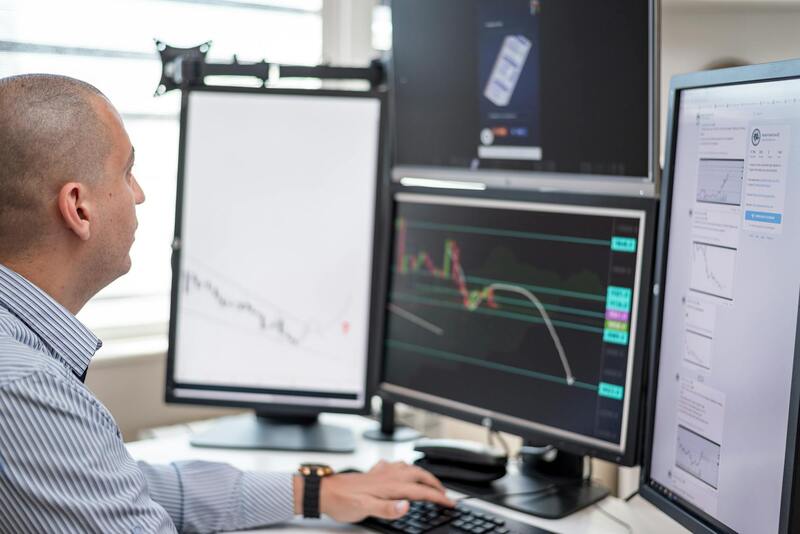
- Capital sourced from multiple channels ensuring liquidity
- Allocation based on performance and risk assessment
- Leverage strategically used to amplify trading capacity
- Risk mitigation through quantitative models and limits
By maintaining a disciplined approach to funding, profitability, and risk management, forex prop trading firms position themselves to sustain growth while providing traders with the necessary resources to optimize their trading skills and strategies.
Trader Selection and Evaluation Process
Choosing the right traders is fundamental for a forex prop trading firm’s success. Firms employ rigorous evaluation methods to identify talented individuals with strong analytical skills, discipline, and a sound understanding of market dynamics. The selection process typically begins with application screening, where applicants' trading experience, educational background, and trading philosophy are assessed.
Following initial screening, candidate traders often undergo testing phases designed to evaluate their trading performance under virtual or live conditions. These simulations are structured to measure consistency, risk control, and strategic adaptability. During this period, firms monitor traders’ ability to stick to predefined rules while generating profits within acceptable risk parameters.
Evaluation metrics include win-rate, average return per trade, maximum drawdown, and adherence to risk management protocols. Traders who demonstrate a disciplined approach and the capacity to adapt to changing market conditions are often offered funding opportunities. Many firms also conduct interviews and psychological assessments to ensure traders possess the mental resilience required for high-pressure trading environments.
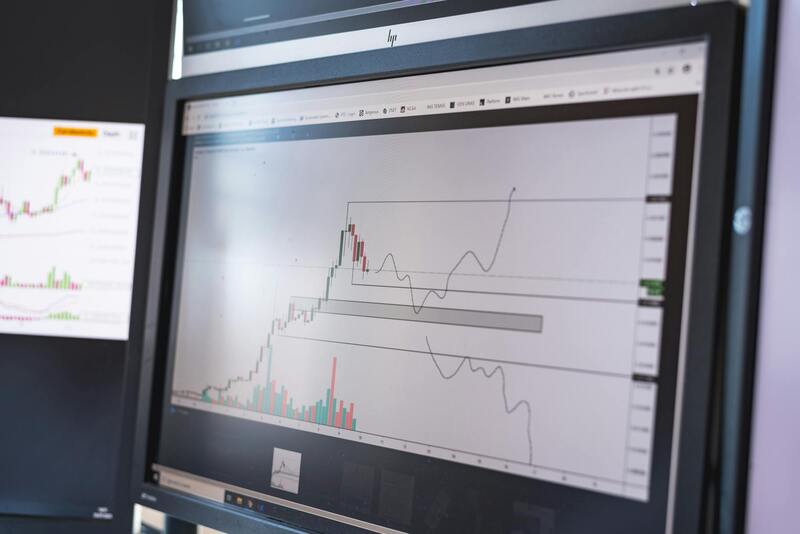
- Performance testing in simulated trading environments
- Evaluation of risk management discipline
- Analysis of profitability consistency
- Psychological assessments for resilience
This comprehensive evaluation framework is crucial for identifying traders who can operate profitably and sustainably within a structured trading environment, aligning individual skill sets with the firm's strategic objectives.
Funding and Capital Allocation
Forex prop trading firms typically provide traders with an account size that reflects a substantial capital base, enabling them to execute larger volume trades without risking their personal funds. This approach allows traders to leverage significant sums, which can potentially enhance profit opportunities. The process for securing funding involves a rigorous assessment phase where traders demonstrate their ability to manage risk and generate consistent returns. Once traders meet the firm’s performance benchmarks, they are allocated a trading account that the firm centrally finances, rather than the trader personally bearing the trading capital.
The allocation of trading capital is often tiered, with initial funding levels serving as a stepping stone toward larger accounts. Firms may categorize traders into different tiers based on their proven ability to meet profit targets while controlling downside risk. This tiering facilitates effective risk management on the firm’s part, ensuring that traders operate within predefined limits and avoid excessive losses that could jeopardize the firm’s capital.
Firms allocate capital based on factors such as trading consistency, adherence to risk management protocols, and psychological resilience. This structured approach ensures that only traders with proven discipline and skill are entrusted with significant funds. The allocation process also involves ongoing performance monitoring, ensuring that traders maintain their performance levels over time and adjust strategies as necessary to adapt to evolving market conditions.

Effective capital allocation allows firms to scale successful traders into larger accounts, thereby increasing their trading capacity and potential profit share. Conversely, traders who fail to perform consistently may be subject to reduced funding or probationary periods, ensuring the firm’s capital remains protected while fostering a disciplined trading environment.
Overall, structured funding and capital management are central to the operational framework of a forex prop trading firm, balancing trader development with risk mitigation to sustain profitable growth.
Regulatory Environment and Legal Considerations
Understanding the framework in which forex prop trading firms operate is essential for maintaining compliance and ensuring smooth operations. While these firms are primarily governed by financial authorities, their adherence to established guidelines enhances transparency and accountability in their trading activities. Many firms implement comprehensive policies to align with industry standards, including risk disclosure, anti-money laundering measures, and data security protocols.
It is common for forex prop trading firms to adopt rigorous Know Your Customer (KYC) procedures and maintain strict internal controls. These measures facilitate proper identification of traders, prevent fraudulent activities, and promote a trustworthy trading environment. Additionally, firms often develop detailed compliance manuals that delineate operational procedures, risk management policies, and trader conduct expectations. Regular audits and internal reviews further reinforce adherence to regulatory protocols and promote operational integrity.

The legal architecture surrounding forex prop trading firms varies by jurisdiction but commonly includes licensing requirements and financial reporting obligations. These regulations serve to protect investors and uphold market standards. Firms may need to obtain specific licenses from financial regulatory bodies, such as securities commissions or forex authorities, depending on their operational scope and geographical location. Such licensing procedures often involve demonstrating operational competence, financial stability, and adherence to anti-fraud measures.
In certain regions, regulations also impact how profit sharing, fee structures, and trader remuneration are structured. Transparent contractual arrangements and clear disclosure of fee models contribute to building trust with traders and investors alike. Moreover, many firms emphasize the importance of data privacy and cybersecurity practices to protect sensitive information related to trading accounts and personal data.

Staying informed about evolving regulations and best practices is vital for both traders and firm administrators. Engagement with industry bodies, participation in regulatory consultations, and ongoing staff training help ensure that operations remain aligned with current legal standards. This proactive approach not only mitigates risks but also bolsters the firm’s reputation for integrity and professionalism in the competitive forex trading landscape.
Funding and Capital Allocation
Forex prop trading firms typically operate by providing traders with a funded account, which allows them to trade with the firm's capital rather than their own. This model reduces individual traders' financial risk while enabling firms to leverage their resources efficiently. Capital allocation is often based on rigorous evaluation criteria, including trading performance, risk management skills, and adherence to firm policies.
The amount of capital allocated to traders can vary significantly depending on various factors such as experience, trading record, and the specific rules of the firm. Many firms implement tiered funding structures, where traders can access larger sums after demonstrating consistent profitability over certain periods. This approach incentivizes disciplined trading and aligns trader performance with firm interests.

Fund distribution methods differ among firms, with common approaches including profit-sharing agreements, salary plus performance bonuses, or a combination of both. Transparent communication regarding profit splits, drawdown protections, and withdrawal policies is essential to maintain trust and clarity. Effective capital management not only supports sustainable growth but also ensures that traders operate within safe risk parameters, ultimately benefiting the overall stability of the firm.
Trader Selection and Evaluation Process
Successful forex prop trading firms implement comprehensive selection processes designed to identify traders with the potential to generate consistent profits while managing risk effectively. Initially, traders often undergo evaluation phases, which can include passing a series of trading challenges or simulated accounts that assess their skill level, strategy robustness, and discipline.
During this assessment, firms look for traders with a proven track record of profitability, solid understanding of market dynamics, and the ability to adapt to changing conditions. Evaluation metrics may include risk-to-reward ratios, win-loss ratios, and adherence to predefined trading plans. These procedures help ensure that only traders who meet the firm's performance standards gain access to funded accounts.

Ongoing monitoring and performance reviews are core components of trader assessment. Firms typically use advanced analytics and trading oversight platforms to track real-time trading activity, assess compliance with risk limits, and evaluate overall profitability. Regular feedback sessions and targeted training are employed to support trader development, reinforce best practices, and mitigate potential losses.
Trading Strategies and Technologies
In the competitive environment of forex prop trading, the deployment of sophisticated trading strategies and cutting-edge technology is crucial. Many firms encourage traders to develop or utilize proven strategies that incorporate technical analysis, fundamental analysis, or a combination of both. Automated trading systems, commonly known as algos or bots, are also widely used to execute trades efficiently, reduce emotional biases, and capitalize on short-term market opportunities.
Technological infrastructure plays a vital role in a firm’s operational effectiveness. Robust trading platforms, high-speed connectivity, and secure data management systems enable seamless execution and monitoring of trades. Integration of advanced analytical tools such as predictive algorithms, real-time news feeds, and risk management software enhances decision-making capabilities.
Risk control tools are embedded within trading platforms to enforce restrictions like maximum drawdown limits, position size caps, and trading hours. These measures help in maintaining a disciplined trading environment conducive to long-term profitability. Additionally, ongoing research and adoption of innovative techniques, including machine learning models and sentiment analysis, are shaping the future of professional forex trading.
Regulatory Environment and Legal Considerations
Successfully operating as a forex prop trading firm requires strict adherence to an array of regulatory standards and legal frameworks established by financial authorities in each jurisdiction. These standards are designed to ensure transparent operations, fair practices, and the protection of client and trader interests. Compliance with these regulations involves rigorous internal audits, transparent reporting procedures, and implementing anti-money laundering (AML) protocols. Many firms also register with relevant financial regulatory bodies, which can vary depending on geographic location, to demonstrate their commitment to lawful conduct and operational integrity.
Legal considerations extend beyond regulatory compliance to encompass intellectual property rights, data security, and contractual obligations. Proper licensing and licensing renewals are crucial, as they affirm a firm’s authorization to operate within the legal boundaries set forth by authorities. Moreover, establishing clear contractual agreements with traders, outlining their rights, responsibilities, and profit-sharing arrangements, minimizes potential disputes and clarifies expectations. Documenting all trading activities, safeguards, and compliance procedures forms the backbone of transparent operations and builds trust with stakeholders.

Additionally, firms often work with legal experts to interpret and stay updated on evolving laws and regulations, which can influence trading practices, capital requirements, and operational protocols. Developing internal policies that align with these legal frameworks is essential for avoiding regulatory penalties and maintaining a reputable market presence. For traders, understanding the legal environment helps in navigating compliance issues such as reporting income for tax purposes and adhering to capital controls, which ultimately contributes to a stable and secure trading environment.
Legal considerations also involve cybersecurity measures to protect sensitive trader and firm data from cyber threats. Implementing secure trading platforms, encrypted communications, and routine security audits are vital practices. As the industry evolves with technological advancements, continuous legal review and compliance updates are critical to uphold operational integrity and avoid potential legal disputes that may arise from breaches, misrepresentations, or unintentional violations.

Key Methods to Find and Verify a Reliable Forex Prop Trading Firm
Successfully participating in forex prop trading requires choosing a reputable and transparent firm that upholds high operational standards. To ensure the firm you consider aligns with professional practices, focus on official methods of verification. Starting with comprehensive research involves examining the firm’s public disclosures, official website, and verified client testimonials. Platforms specializing in industry reviews and professional trading communities can provide insights into the firm's reputation, track record, and trader experiences.

Prioritize firms that provide transparent documentation of their licensing, regulatory adherence, and operational protocols. Accessing official regulatory databases allows traders to confirm the firm’s registration status and compliance history. Engaging directly with the firm through official channels to request detailed information about their operational standards, risk management procedures, and funding processes helps in assessing their legitimacy and professionalism.
Due Diligence Through Industry Recognition and Certifications
Authentic forex prop trading firms often hold certifications or endorsements from recognized industry associations or relevant financial authorities. Verifying these credentials through official certification bodies ensures the firm's commitment to high standards of trading and operational integrity. Attend industry conferences, webinars, or seminars that feature reputable firms which showcase their compliance measures and operational policies. These events offer a chance to validate claims made on their official websites and gain additional insights from industry experts.
Communication and Transparency
Reliable firms prioritize open communication and transparency. Clear and comprehensive contracts, detailed operational policies, and responsive customer service are key indicators of a credible firm. Confirm that the firm provides detailed information regarding their trader evaluation process, risk management protocols, and profit-sharing models. It’s advisable to have legal or financial professionals review any contractual documentation before onboarding to ensure all terms and conditions are explicitly clear and meet industry standards.
Assessing Technological Infrastructure and Security Protocols
A trustworthy forex prop trading firm invests in robust trading platforms and security measures. Inspect the firm's trading environment, including the security of their software, encryption practices, and data protection policies. Reliable firms utilize secure communication channels and safeguard trader information against cyber threats. Demonstrating transparency about their technological infrastructure, such as cybersecurity audits and ongoing system updates, further reinforces a firm's credibility.
Track Record and Performance Verification
Verifying a firm's operational track record involves examining their historical performance, trader success stories, and payment histories. Reputable firms often publish aggregated performance data and provide references or case studies. Independent verification of payment records and compliance with stipulated profit distribution methods illustrate their commitment to fair and transparent practices.
Conclusion
Utilizing official documents, credible review platforms, professional verification services, and direct communication channels forms the foundation for confirming a forex prop trading firm’s legitimacy. By focusing on transparency, technological robustness, and verified industry recognition, traders can identify firms that operate with integrity, fostering a secure environment for growth and profitable trading collaborations.
