
Understanding Prop Trading and Forex Prop Firms
Proprietary trading firms, commonly known as prop firms, serve as specialized entities that allocate capital to skilled traders to execute trades on their behalf. These firms focus primarily on financial markets, with a significant portion dedicated to forex trading, given its high liquidity and 24-hour operation. Unlike traditional investment firms or asset managers who invest client funds, prop firms use their own capital to generate profits, thus creating a unique environment that encourages aggressive and innovative trading strategies.
Forex prop firms act as intermediaries that train, fund, and support traders, providing the necessary infrastructure to execute trades efficiently. They often offer performance-based funding, meaning traders are granted access to larger trading capital based on their proven skills and consistency. This setup enables traders to maximize their earnings potential without risking their personal capital, which is a fundamental advantage in the fast-paced world of forex trading.

Unlike hedge funds or investment banks that manage client assets, forex prop firms focus solely on proprietary trading. Their primary goal is to leverage talented traders' skills to increase the firm's capital and generate profits. The operational model usually involves a combination of trader development programs, performance evaluations, and risk management systems designed to protect the firm's capital while optimizing trading outcomes.
Another distinguishing aspect is how prop firms differentiate themselves from retail forex brokers. While brokers offer platforms for individual traders to execute their trades, prop firms hire traders, provide them with capital, and often implement rigorous trading objectives and risk guidelines that must be adhered to meticulously.
In essence, forex prop firms stand at the intersection of trading expertise and capital deployment, creating a mutually beneficial environment. Skilled traders gain access to substantial capital and resources, while firms benefit from the collective profits generated through strategic and disciplined trading activities. This synergy makes prop trading a dynamic and lucrative pathway for experienced forex traders seeking to elevate their trading careers.
Requirements for Starting a Forex Prop Firm
Establishing a forex proprietary trading firm involves several foundational steps to ensure operational stability and success in the competitive trading environment. A critical component is securing appropriate funding, which serves as the investment capital for traders and the firm's trading activities. Typically, this capital is accumulated through personal savings, investor contributions, or partnerships with financial backers, creating a pool that supports trading operations at scale. The amount of initial capital significantly influences the firm's capacity to onboard traders and pursue diverse trading strategies.
Furthermore, a professional infrastructure is essential. This includes setting up a robust trading environment with reliable hardware and software, high-speed internet, and secure data management systems. Advanced trading platforms tailored to forex markets are necessary to facilitate seamless execution, real-time market analysis, and risk management. Additionally, operational systems for accounting, compliance monitoring, and performance tracking should be integrated to ensure smooth functioning and transparency.
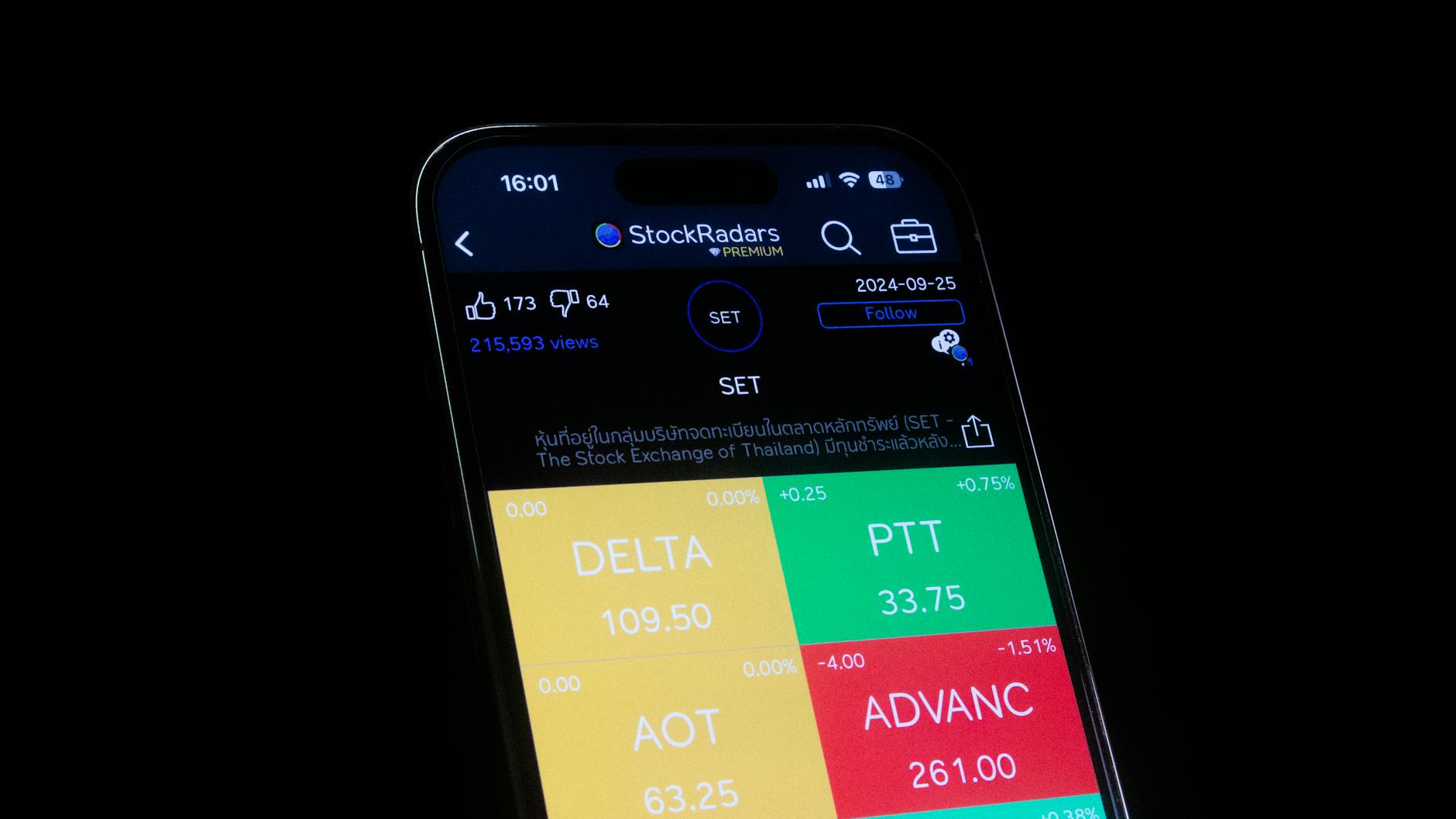
Regulatory considerations play a pivotal role in the setup process. While many jurisdictions require licensing or registration, the focus should be on adhering to established standards for financial operations, client fund protection, and internal controls. Engaging with legal and financial advisors during this stage helps ensure the firm complies with applicable rules and maintains rigorous compliance protocols, fostering trust with traders and investors.
Operational Structure and Business Planning
In addition to capital and infrastructure, developing a comprehensive business plan is crucial. This document should outline the firm’s target market, risk management policies, trading strategies, profit-sharing arrangements, and marketing plans. Clearly defining the firm's goals and operational procedures not only aids in securing funding but also provides a strategic road map for sustainable growth.
Securing Necessary Licenses and Permissions
Depending on the jurisdiction, registering the business and obtaining necessary licenses might involve interactions with financial authorities or regulatory bodies. This process ensures the firm operates within legal frameworks, enhances credibility, and provides a solid foundation for future scaling efforts. It's also advisable to establish internal policies for anti-money laundering (AML), know your customer (KYC), and data protection, aligning with financial industry best practices.
Funding and Capital Management
Securing adequate funding is one of the fundamental steps in establishing a reputable forex prop firm. Many entrepreneurs leverage personal savings, seek investments from private investors, or form strategic partnerships with financially capable entities. It’s essential to maintain transparent and detailed financial records to demonstrate the firm’s stability and operational transparency, which reassures stakeholders and potential investors.
Proper capital management extends beyond initial funding. Implementing rigorous cash flow monitoring, reserve policies, and risk capital allocation ensures the firm can withstand market fluctuations and support its trading operations sustainably. Establishing a dedicated treasury function assists in overseeing daily financial activities, optimizing profit reinvestment, and managing expenses effectively.

Developing or Choosing Trading Strategies
The core of a successful forex prop firm lies in its trading strategies. When developing or selecting strategies, emphasis should be placed on consistency, risk-adjusted returns, and adaptability to changing market conditions. Many established firms employ quantitative methods, algorithmic trading, or hybrid approaches that combine technical analysis with fundamental insights.
Consider backtesting historical data to evaluate the robustness of strategies and ensure they align with the firm’s risk management policies. Regular review and adjustment of trading algorithms are necessary to stay aligned with market dynamics. Engaging professional analysts or employing in-house quant teams can significantly enhance strategy development.

Building and Managing a Trading Team
A competent trading team is the backbone of any successful forex prop firm. Recruitment should focus on experienced traders with proven track records, strong analytical skills, and disciplined risk management approaches. Conduct thorough interviews, evaluate past trading performance, and verify references to select traders who align with the firm’s risk appetite and operational standards.
Ongoing training and performance monitoring are critical to maintaining high standards. Implementing a comprehensive evaluation system helps identify top performers and address any areas needing improvement. Providing competitive incentives and fostering a collaborative environment encourages trader retention and motivation.

Legal, Regulatory, and Compliance Aspects
Establishing a forex prop firm involves establishing a framework for legal and compliance considerations. Drafting clear contractual agreements with traders, outlining terms, profit-sharing arrangements, and compliance requirements ensures transparency and mutual understanding.
Develop internal policies covering data protection, anti-money laundering (AML), knowledge your customer (KYC), and transaction monitoring. Adopting best practices in compliance fosters integrity, enhances credibility, and positions the firm as a trustworthy participant in the financial markets.

Scaling and Growing the Prop Firm
After establishing a solid operational foundation, scaling involves expanding the trading team, increasing capital reserves, and diversifying trading strategies. Strategic marketing efforts, participation in trading communities, and networking with industry professionals can attract qualified traders and investors.
Investing in advanced trading technologies, data analytics, and risk management tools supports sustainable growth. Additionally, forming alliances with financial institutions or prop fund networks can provide access to larger pools of capital and broader trading opportunities.

Funding and Capital Management
Securing initial capital is a critical step in establishing a forex proprietary trading firm. Entrepreneurs often utilize personal savings, seek investments from private investors, or raise funds through strategic partnerships. Demonstrating a clear business plan and risk management framework can attract credible capital sources. It is essential to maintain comprehensive financial records and implement strict oversight of fund allocation to ensure operational efficiency and transparency.
Effective capital management involves balancing available funds with trading activities to mitigate risks while optimizing profit potential. Establishing dedicated accounts for trading capital, reserve funds, and operational expenses ensures clarity and control. Diversifying funding sources can also provide financial resilience against market fluctuations, enabling sustained growth.
In addition to raising funds, maintaining liquidity is vital for accommodating rapid market movements and executing trades without delays. Employing cash flow analysis and establishing contingency reserves help safeguard operational stability during turbulent market conditions.
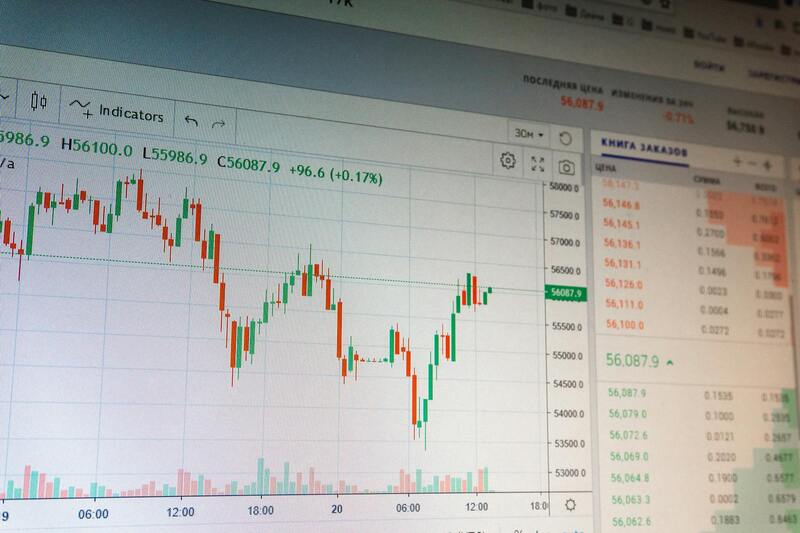
Strategic risk management measures are integral to capital management. This includes setting trading limits, employing stop-loss strategies, and diversifying trading instruments and strategies to prevent overexposure to specific assets or market conditions.
Developing or Choosing Trading Strategies
Creating a profitable forex trading approach requires thorough research, testing, and refinement. Traders and firm owners typically evaluate various strategies, including scalping, day trading, swing trading, and trend following, selecting those best aligned with their risk appetite and market expertise.
Backtesting is a fundamental process to assess strategy performance against historical data, helping to identify potential pitfalls and optimize parameters. Simulated trading environments, or demo accounts, are invaluable for testing strategies without risking real capital.
Another approach involves adopting algorithmic trading systems or expert advisors that utilize quantitative models and automation to execute trades efficiently. These tools require careful development, continuous monitoring, and periodic updates to adapt to changing market dynamics.

Success in developing trading strategies hinges on consistent evaluation and adjustment. It is crucial to incorporate risk management tools, such as position sizing and hedging techniques, to protect the firm's capital. Additionally, maintaining a trading journal to record decision rationales and outcomes can facilitate ongoing improvement and strategic refinement.
Building and Managing a Trading Team
The effectiveness of a forex prop firm often depends on the quality and cohesion of its trading team. When assembling a team, selecting traders with proven track records, disciplined trading habits, and a strong understanding of market fundamentals and technical analysis is paramount.
Internally, establishing clear roles and responsibilities, along with comprehensive training programs, fosters a culture of continuous learning and consistency. Regular performance reviews and goal setting help motivate traders, providing feedback to enhance their trading skills and adherence to risk parameters.
Technology plays a vital role in team management. Utilizing trading platforms with collaborative features, performance analytics, and risk control tools enables efficient oversight and support for traders' activities.
Additionally, creating a supportive environment that encourages transparency and knowledge sharing can improve overall trading performance and foster team cohesion.
Funding and Capital Management
Securing initial capital and establishing effective capital management practices are essential steps in starting a forex prop firm. Most entrepreneurs opt to raise funds through personal savings, private investors, or partnerships with established entities that see value in the firm's strategic approach. Once initial funding is secured, prudent capital management encompasses risk mitigation techniques, such as setting strict maximum drawdown limits and diversifying trading strategies to prevent overexposure in volatile markets.
Maintaining adequate liquidity is critical for executing trades smoothly and satisfying capital requirements for trader accounts. Regular audits and financial oversight help ensure that the firm's capital remains healthy and compliant with internal standards. Transparent record-keeping and detailed reporting of trading activity, profits, and losses not only assist in internal management but also build trust with stakeholders.

Implementing Regulation and Compliance Protocols
While operating a prop trading firm involves various operational considerations, establishing sound regulation and compliance protocols ensures sustained legitimacy and operational integrity. Developing internal policies aligned with industry standards and ensuring rigorous adherence to them reduces operational risks.
This includes comprehensive procedures for client onboarding, trade monitoring, and reporting, along with thorough record-keeping practices. Implementing systems for regular internal audits and compliance checks helps identify potential issues early, minimizing operational disruptions. Employing experienced compliance officers or consultants can further enhance adherence to evolving industry standards.
Additionally, utilizing technology solutions for trade surveillance and reporting not only strengthens oversight but also facilitates quick response to any anomalies. These measures safeguard against compliance breaches, uphold transparency, and promote a professional reputation within the trading community.

Legal, Regulatory, and Compliance Aspects
Launching a forex proprietary trading firm demands strict adherence to a comprehensive framework of legal and regulatory standards that govern the financial services industry. While operating within this framework, it’s essential to develop a robust compliance infrastructure designed to uphold transparency, protect client interests, and maintain operational integrity.
Establishing Internal Policies and Procedures
Begin with developing detailed internal policies that address market conduct, risk management, client onboarding, trade execution, and reporting protocols. These policies should reflect industry best practices and be tailored to align with the regulatory expectations relevant to your operating region.
Incorporating clear procedures for employee conduct, trade supervision, and internal audits ensures that your firm adheres to high standards of accountability. Regular training for your team on compliance requirements and ethical trading practices enhances overall operational discipline.
Implementing Risk Management and Due Diligence
Effective risk management mechanisms should be integral to your compliance system. This involves scrutinizing trading activities to prevent excessive risk-taking, monitoring for suspicious activities, and establishing contingency plans for technological or operational failures.
Due diligence procedures for onboarding traders and clients help verify their backgrounds, financing sources, and trading intentions, reducing exposure to unauthorized or illicit activities.
Utilizing Technology and Automated Systems
Modern compliance relies heavily on technological solutions such as trade surveillance systems, automated reporting tools, and real-time monitoring software. These tools facilitate the detection of irregular trading patterns, ensure timely compliance checks, and streamline the reporting process for regulatory audits.
Audits and Continuous Improvement
Regular internal audits are critical in identifying and rectifying compliance gaps. Engaging external auditors periodically provides an impartial review of your practices and supports continuous improvement in regulatory adherence.
Staying updated on evolving regulations through industry networks and consulting with legal advisors ensures your compliance measures remain effective and aligned with current standards.

Understanding Prop Trading and Forex Prop Firms
Prop trading firms operate as proprietary trading entities that utilize their own capital to engage in financial markets, primarily aiming to generate profits through skilled trading strategies. Forex prop firms specifically focus on currency trading, providing traders access to substantial capital pools, often in exchange for a share of the profits. By establishing a formal structure, these firms can capitalize on market opportunities without risking personal assets, fostering an environment conducive to high-volume trading and strategic innovation.
Legitimate forex prop firms maintain transparent operations, adherence to industry standards, and vetted trading methodologies. They often provide traders with a trading platform, risk management tools, and performance metrics to ensure efficient management of funds and adherence to predefined trading parameters. This arrangement benefits both the firm and the traders, creating a symbiosis focused on consistent profitability and operational integrity.

Starting a forex prop firm requires meticulous planning and adherence to established industry practices. It involves setting up a structured business entity, acquiring necessary licenses or certifications where applicable, and establishing operational protocols. Transparency, robust risk controls, and compliance with regulatory frameworks are crucial to building a reputable firm capable of sustaining long-term growth in the competitive forex landscape.
Requirements for Starting a Forex Prop Firm
- Comprehensive Business Plan: Outlining operational goals, target markets, funding strategies, and risk management policies.
- Financial Capital: Adequate seed funding or access to capital sources to support trading activities and operational expenses.
- Infrastructure Setup: Reliable trading platforms, secure servers, and technology solutions to facilitate seamless execution and monitoring.
- Legal and Compliance Framework: Understanding licensing requirements, establishing internal policies, and implementing compliance measures to meet industry standards.
- Experienced Trading and Management Team: Skilled professionals with expertise in forex markets, risk control, and operational management.
Business Model and Revenue Streams
A legitimate forex prop firm primarily derives revenue through profit sharing arrangements with traders, subscription fees for trading access, or performance-based compensation structures. Additional income may come from technological services, training programs, or consultancy offerings. Ensuring transparent and fair revenue-sharing policies enhances trader confidence and promotes a sustainable operational environment.

Funding and Capital Management
Capital allocation is fundamental to the success of a forex prop firm. Proper management includes maintaining adequate liquidity, diversifying trading portfolios, and implementing risk controls such as stop-loss orders and trading limits. Sources of funding can include personal investments, external investors, or lines of credit, all managed with strict oversight to prevent overexposure. Transparent record-keeping and compliance with financial regulations ensure accountability and operational stability.
Developing or Choosing Trading Strategies
A key component for a thriving prop firm is the deployment of effective trading strategies. These can range from algorithmic and quantitative models to discretionary trading approaches rooted in technical and fundamental analysis. Successful firms often develop proprietary systems that offer an edge in the market, coupled with rigorous backtesting, ongoing assessment, and adjustments to adapt to evolving market conditions.

Building and Managing a Trading Team
Recruiting skilled traders capable of executing strategies within risk parameters is vital. A transparent selection process, continual training, and performance evaluation foster an environment of accountability and growth. Clear communication of trading policies, risk management procedures, and profit-sharing agreements align team objectives with the firm’s overall mission. Effective management includes providing traders with ongoing education, monitoring trading performance, and implementing corrective measures whenever necessary.
Advanced Strategies for Expanding and Sustaining Your Forex Prop Firm
Successfully scaling a forex proprietary trading firm involves a strategic approach to increasing trading capital, diversifying your trading portfolio, and securing additional funding. These steps are critical in maintaining competitive advantage and ensuring long-term growth within the highly dynamic forex market environment.
Expanding Trading Capital
One of the primary concerns for a prop firm looking to scale is expanding its trading capital base. This can be achieved through several legitimate avenues, including reinvesting profits, attracting new external investors, or establishing relationships with financial institutions willing to provide lines of credit. Each of these methods requires meticulous financial management and transparent reporting to build trust and demonstrate operational stability to stakeholders.

Implementing tiered funding structures can also encourage traders to perform well by offering increased capital allocation as they meet performance benchmarks. Together with sound risk management policies, this strategy promotes both trader accountability and firm growth, creating a sustainable cycle of profitability and capital expansion.
Diversifying Trading Strategies
To mitigate risks and seize diverse market opportunities, a reputable prop firm must develop or incorporate multiple trading strategies. This diversification can include algorithmic trading, trend-following methods, scalping, and fundamental analysis-driven approaches. Each strategy should be rigorously backtested across different market conditions to validate its effectiveness before deployment.
Regular evaluation and adjustment of strategies are essential to adapt to evolving market dynamics. Employing advanced analytic tools and quantitative models enhances decision-making processes, improving overall trading performance and reducing susceptibility to market volatility.
Securing Additional Funding Sources
As your firm expands, establishing relationships with external financing entities becomes increasingly vital. Approaching institutional investors, private equity funds, or specialized forex investment pools can provide the necessary capital infusion to support larger trading operations. Maintaining transparency regarding trading performance, risk management practices, and compliance efforts is crucial for attracting credible investors.
In addition, some firms explore strategic partnerships or joint ventures with financial technology companies to leverage their technological innovations and market access. Such collaborations should always be pursued through official channels, with clear contractual agreements that outline roles, profit-sharing, and risk mitigation measures.
Implementing Robust Risk Management and Operational Oversight
Scaling a forex prop firm effectively depends heavily on rigorous risk oversight and operational discipline. This includes setting strict trading parameters, ongoing monitoring of trading activities, and deploying advanced risk mitigation tools such as real-time alerts and automated trading safeguards.
The establishment of internal audit processes and comprehensive compliance programs ensures operational integrity and builds confidence among investors and partners. By adhering to structured policies and maintaining transparency, your prop firm can navigate expansion challenges effectively, maintaining a strong foundation for sustainable growth.
