
Overview of Proprietary Trading in Canada
Proprietary trading, often referred to as prop trading, involves trading financial instruments using a firm's own capital rather than clients’ funds. In Canada, this practice has gained prominence within the financial sector, serving as a crucial avenue for traders and institutions looking to generate profits through market speculation. Prop trading firms operate by leveraging advanced trading technologies, data analytics, and sophisticated strategies to capitalize on market movements across equities, commodities, derivatives, and foreign exchange.
Within the Canadian financial industry, prop trading firms contribute significantly to market liquidity, facilitate the development of trading talent, and foster innovation in trading methodologies. These firms often attract skilled traders by offering structured programs, profit-sharing arrangements, and access to substantial trading capital. The sector's growth is driven by Canada's robust financial markets, regulated trading environment, and technological infrastructure that supports high-frequency and algorithm-driven trading styles.

Canadian traders and firms engaged in prop trading operate within a framework that emphasizes risk management, capital efficiency, and strategic execution. They often collaborate closely with financial exchanges and brokerages, employing cutting-edge software solutions for real-time market analysis and decision-making. Overall, prop trading continues to be an integral part of Canada’s financial landscape, providing opportunities for skilled traders to deploy their expertise while contributing to the vibrancy and efficiency of domestic and international markets.
Legal and Regulatory Environment
Operating within the realm of prop trading in Canada necessitates adherence to a comprehensive framework of regulations and standards that promote transparency, fair practice, and market stability. Canadian securities regulators, such as the Ontario Securities Commission (OSC) and the Investment Industry Regulatory Organization of Canada (IIROC), oversee the activities of trading firms to ensure compliance with established policies. These organizations establish licensing protocols, monitor trading activities, and enforce standards designed to protect investors and maintain orderly markets.
Canadian proprietary trading firms often need to register with relevant regulatory bodies, particularly if their operations involve managing client accounts or engaging in activities that resemble securities trading. Registration processes require firms to demonstrate financial stability, robust risk management protocols, and adherence to anti-money laundering laws, among other criteria. Compliance with Know Your Customer (KYC) and Anti-Money Laundering (AML) policies is critical for maintaining operational licenses and avoiding sanctions.

Additionally, firms involved in high-frequency trading and algorithmic strategies must implement strict controls to prevent market manipulation and ensure their trading algorithms comply with fair trading standards. This includes maintaining transparent audit trails of trade decisions, risk controls, and order handling processes. Many professional prop trading environments also deploy advanced compliance software to monitor trading activity continuously and detect potential violations in real-time.
Specific licensing requirements can vary depending on the scope of operations, the type of securities involved, and whether firms deal directly with retail clients or solely within institutional trading spaces. Overall, maintaining compliance with Canadian regulatory standards is essential for sustainable operations, protecting both the firms and the broader financial market ecosystem.

Canadian regulators are also increasingly focused on transparency and accountability when it comes to proprietary trading practices. As a result, firms are encouraged to implement rigorous internal controls, clear operational procedures, and ongoing staff training to stay aligned with evolving regulatory expectations. Adopting best practices in compliance not only facilitates continued licensing but also enhances the firm’s reputation within the professional trading community.
It is recommended for emerging traders and firms interested in prop trading in Canada to consult detailed regulatory guides, engage with legal and compliance experts, and stay updated on legislative amendments to navigate the regulatory environment effectively and uphold the high standards required for operation.
Types of Prop Trading Firms in Canada
Canadian proprietary trading landscape is diverse, accommodating various operational models tailored to different trader profiles and strategic objectives. Broadly, these can be categorized into institutional prop trading firms, independent traders operating through proprietary accounts, and funding programs that provide capital to aspiring traders.

Institutional Prop Trading Firms
These firms typically operate as large entities with substantial resources and infrastructure. They employ a team of professional traders, utilize sophisticated trading algorithms, and often focus on high-frequency trading, arbitrage, and market-making strategies. Institutional firms often have extensive risk management protocols, compliance systems, and advanced technological platforms to execute trades across various asset classes such as equities, derivatives, and fixed income securities. Their trading operations are tightly regulated and require significant initial capital, making them most suitable for seasoned traders with proven track records.
Independent Traders and Solo Proprietors
This category comprises individual traders who trade using their own capital, often affiliated with a proprietary trading firm or operating independently. Many Canadian traders begin their journey in this manner, utilizing personal savings or small-scale funding sources to capitalize on market opportunities. While they may work within a broader firm's infrastructure, independent traders often focus on niche strategies such as day trading, swing trading, or algorithmic trading. Their requirements typically include robust trading technology, access to real-time market data, and disciplined risk management processes to mitigate potential losses.
Funding Programs and Trading Academies
Funding programs have grown in popularity, offering traders the opportunity to access larger amounts of capital without risking personal funds. These programs evaluate traders’ skills and trading histories before providing seed capital, often in exchange for a share of profits. Such initiatives are attractive for traders seeking to scale their strategies without significant personal financial exposure. Furthermore, many academies and training centers in Canada collaborate with funding programs to develop trader skills, providing structured education, mentorship, and simulated trading environments designed to prepare traders for live market conditions.

Funding and Capital Access for Canadian Prop Traders
Access to adequate capital remains a cornerstone for successful proprietary trading operations in Canada. Unlike retail trading, where personal funds are predominantly used, prop traders leverage firm-funded accounts or participate in funded trading programs that provide them with substantial capital reserves. These arrangements enable traders to maximize their investment potential, implement larger position sizes, and diversify their strategies without risking personal funds beyond initial requirements.
Prop firms in Canada typically have structured funding models. Some provide direct account funding after a rigorous evaluation process, where traders demonstrate consistent profitability and adherence to risk management protocols. Others utilize funded accounts sponsored through trading academies or partnerships, where traders may start with a demo account and progress to live trading under supported conditions.
To qualify for such capital access, traders must often meet certain criteria:
- Proven trading track record: Demonstrated profitability over a set period or across specific strategies.
- Risk management discipline: Sound understanding and application of position sizing, stop-loss placement, and profit targets.
- Trading knowledge and skills: Proficiency in technical analysis, market fundamentals, and trading psychology.
- Formal assessments or evaluations: Completion of trading simulations or assessments that verify competency.
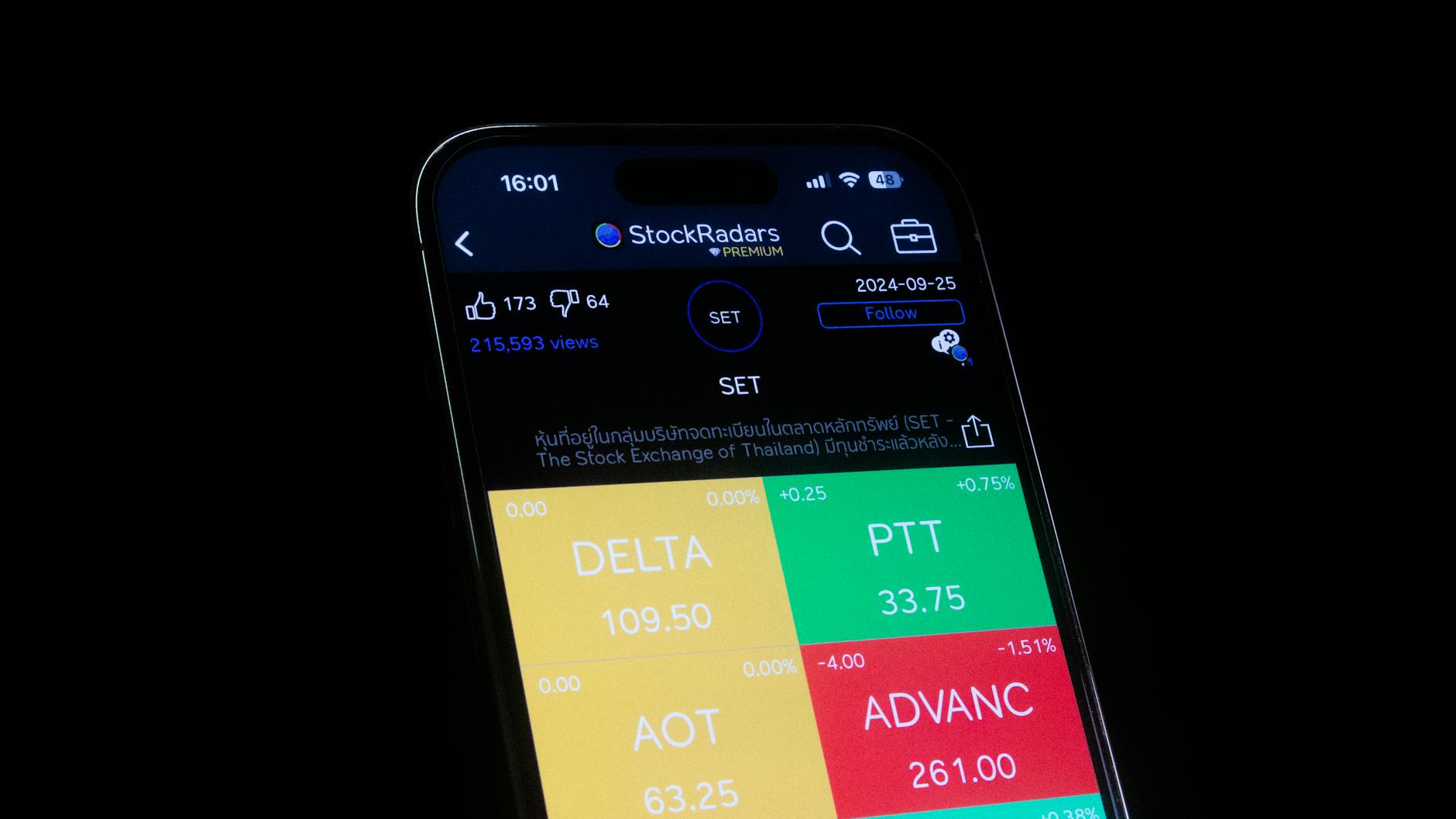
Additionally, many prop trading firms are increasingly integrating technology to facilitate capital deployment, such as using algorithm-driven risk controls and real-time reporting tools. These innovations ensure that traders operate within acceptable risk parameters, safeguarding both their own capital and that of the firm. For traders seeking strategic growth, partnerships with funding programs and their associated trading academies serve as vital pathways to expand their operational scale, refine their skills, and enhance their profitability potential.
Funding and Capital Access for Canadian Prop Traders
Within the Canadian proprietary trading landscape, securing adequate funding is a critical factor for traders aiming to scale their operations and increase profitability. Prop trading firms offer various funding models, ranging from firm-sponsored accounts to funding partnerships that facilitate access to substantial capital pools. These arrangements are designed to empower traders by providing the necessary financial resources to execute larger positions, diversify trading strategies, and capitalize on more opportunities within active markets.
Most strategic funding options include:
- Company-Provided Capital: Many prop trading firms allocate proprietary funds directly to successful traders, often based on performance evaluations and risk management standards. This allows traders to operate with significant leverage while adhering to firm-imposed risk limits.
- Funding Programs and Partnerships: Some firms operate structured funding programs through partnerships with trading academies or investment entities. Traders typically undergo rigorous assessments to qualify, which include demonstrating profitability, risk discipline, and market knowledge.
- Performance-Based Incentives: Several platforms offer profit-sharing schemes where traders keep a percentage of their earnings after meeting specified benchmarks, incentivizing consistent performance and responsible trading behavior.
Technology plays an increasingly vital role in capital access. Advanced risk management software, real-time analytics, and algorithmic trading tools are integrated into trading platforms to monitor and control risk exposure actively. These innovations help protect both traders and firms from excessive losses, ensuring sustainable growth for all parties involved.

Furthermore, aspiring traders often leverage demo accounts and simulated trading environments offered by many firms to hone their skills before transitioning to live capital. This staged approach allows traders to build confidence and demonstrate the ability to manage risk effectively, which is crucial for securing funding and expanding their trading responsibilities.
Access to capital through these structured routes not only amplifies trading capacity but also encourages disciplined trading practices. As firms place emphasis on risk control and consistent profitability, traders are motivated to develop robust strategies that withstand market fluctuations and volatile conditions.
Technological Innovations Enhancing Capital Deployment
Recent advances in trading technology continue to reshape how capital is deployed within the Canadian prop trading sector. Real-time reporting tools enable constant monitoring of performance metrics and risk exposure, allowing traders to make informed decisions swiftly. Algorithmic risk controls automatically adjust positions or halt trading activity if predefined thresholds are breached, minimizing the potential for large losses.
Additionally, cloud-based platforms facilitate seamless communication between traders and firm administrators, ensuring transparency and accountability. Such systems streamline the process for traders to access additional capital or adjust their funding levels based on ongoing performance evaluations.

In conclusion, the ability for traders in Canada to gain access to significant trading capital is facilitated through a combination of firm-funded accounts, structured funding programs, and state-of-the-art technological solutions. These mechanisms collectively foster a disciplined trading environment, encouraging sustainable growth and profitability for traders seeking to expand their presence in the competitive landscape of prop trading.
Funding and Capital Access for Canadian Prop Traders
Access to funding remains a pivotal factor for traders aspiring to succeed within the proprietary trading landscape in Canada. Many top-tier prop trading firms offer structured funding programs that provide traders with the necessary capital to execute their strategies without risking their personal funds. These programs frequently operate on a profit-sharing basis, where traders earn a percentage of the profits generated, aligning incentives between traders and firms.
Additionally, some firms support traders through initial seed capital, scaling as traders demonstrate consistent performance. This model encourages traders to develop and refine strategies in a controlled environment, with continual access to increased capital based on their track record. The deployment of cutting-edge technological platforms allows traders to manage their risk exposure effectively, ensuring that capital is allocated efficiently and responsibly.
From a practical standpoint, traders can access capital through various channels:
- Firm-funded accounts, which are usually contingent on passing specific evaluation phases that test trading skills and risk management capabilities.
- Structured funding programs that provide incremental capital as traders meet performance benchmarks.
- Partnership arrangements where traders and firms share profits, fostering a mutually beneficial relationship.
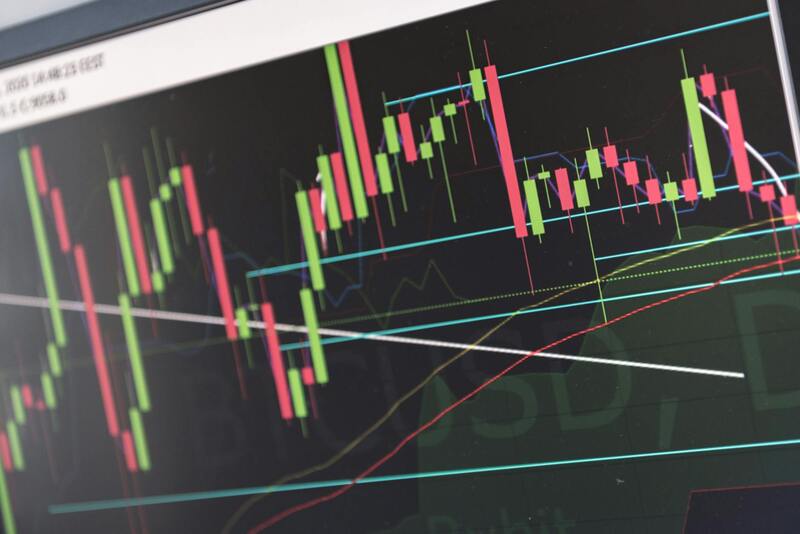
Moreover, technological innovations have significantly enhanced capital deployment efficiency. Real-time monitoring tools allow traders to receive instant feedback on their performance and risk levels, enabling timely adjustments to trading strategies. Automated risk controls, such as stop-loss orders and position limits, help in maintaining disciplined trading practices. Cloud-based communication systems facilitate transparent and seamless exchanges between traders and management teams, providing quick access to additional funds or adjustments based on market conditions and trader performance.
For Canadian traders, understanding the various avenues for capital access combined with leveraging technological advances creates opportunities for sustained growth. It not only reduces personal financial risks but also enhances the capacity to capitalize on market opportunities with ample and well-managed funds. The symbiotic relationship between innovative funding models and technological infrastructure represents a cornerstone for thriving in the highly competitive prop trading sector in Canada.
Funding and Capital Access for Canadian Prop Traders
Access to sufficient capital remains a core component for successful proprietary trading in Canada. Prop trading firms employ various mechanisms to ensure traders are equipped with adequate resources, allowing them to execute large-volume trades and implement diverse strategies without personal capital constraints.
One common approach is structured funding programs that progressively increase trading capital based on performance metrics. These programs typically involve multiple evaluation phases, where traders demonstrate consistent profitability and adherence to risk management protocols. As traders advance through these phases, they gain access to larger pools of capital, enabling more ambitious trading strategies.
Additionally, many firms offer dedicated capital accounts, which are funded upfront based on the trader’s experience and proven track record. These accounts often come with predefined risk limits and leverage constraints designed to protect both the trader and the firm’s assets. Such arrangements foster an environment of trust and mutual growth, incentivizing traders to develop sustainable trading practices.

Another innovative avenue for capital access involves partnerships with financial institutions and investment firms. These partnerships can offer traders access to broader liquidity pools, sophisticated trading tools, and risk mitigation resources. By leveraging institutional backing, traders can scale their operations more confidently, ensuring they meet the demands of modern markets.
Modern technological infrastructure greatly enhances capital deployment. Cloud-based platforms facilitate seamless transfer of funds, real-time performance monitoring, and instant risk assessment. Automated risk controls such as stop-loss orders and strict position limits help traders manage potential losses prudently. Instantaneous communication channels between traders and management teams enable quick adjustments to trading strategies or funding levels in response to shifting market conditions.
By understanding these various funding options and leveraging technological advances, traders in Canada can access the capital necessary to explore diverse trading strategies, mitigate personal risks, and capitalize on emerging market opportunities. This symbiotic relationship between innovative funding models and tech infrastructure is essential for sustained growth and competitiveness in the Canadian proprietary trading landscape.
Challenges and Risks in Canadian Prop Trading
Engaging in proprietary trading within the Canadian financial markets entails navigating a spectrum of challenges and risks that demand comprehensive understanding and strategic management. Market volatility remains a primary concern, as rapid price fluctuations can significantly impact trading positions and profitability. Canadian traders must be adept at leveraging advanced analytical tools and real-time data to respond swiftly to market movements, ensuring that their risk exposure is minimized and their positions remain aligned with their risk appetite.
Another critical challenge involves maintaining robust risk management protocols. This includes adhering to strict leverage limits, implementing disciplined stop-loss strategies, and continuously monitoring trading performance. Canadian prop traders often utilize sophisticated software solutions that automate risk controls, enabling timely interventions to limit losses and protect capital. Moreover, understanding the intricacies of market liquidity is vital, as lower liquidity can lead to wider spreads and slippage, adversely affecting trade execution and overall profitability.
Regulatory and compliance requirements specific to the Canadian market also introduce notable complexities. Traders must stay informed about rules imposed by entities such as the Investment Industry Regulatory Organization of Canada (IIROC) and other relevant authorities. Keeping abreast of regulatory changes ensures that trading practices remain within the prescribed legal framework and helps avoid penalties or operational disruptions.

Operational risks, including technology failures, cyber threats, or data breaches, further aggravate the landscape. Traders invest significantly in secure, resilient technological infrastructure to safeguard sensitive information and ensure seamless trading execution. Regular system audits, cybersecurity protocols, and disaster recovery plans are integral components of a comprehensive risk mitigation framework.
Additionally, the competitive environment in Canadian prop trading necessitates continuous skill development and technological adaptation. Traders must stay updated with the latest market algorithms, machine learning models, and trading platforms. Adapting to evolving market conditions and integrating innovative strategies are essential to maintaining an edge in this fast-paced landscape.
Ultimately, proactive risk management, adherence to regulatory standards, and ongoing technological upgrades form the foundation for sustainable prop trading operations in Canada. Embracing these elements enables traders to navigate inherent uncertainties and capitalize on emerging opportunities within the dynamic Canadian financial markets.
