
What Is a Prop Firm?
A proprietary trading firm, commonly known as a prop firm, is a financial organization that invests its own capital in the stock market and other trading avenues to generate profit. Unlike traditional investment firms or asset management companies that manage clients’ funds, prop firms allocate their resources to skilled traders who execute trades on their behalf. This model enables traders to leverage the firm’s capital, providing access to larger trading positions and potential for higher returns. The core purpose of a prop firm is to enable traders to capitalize on market opportunities without risking their personal funds, as the firm assumes the financial risk.

Prop trading differs fundamentally from typical retail trading. While individual traders generally use their personal accounts and capital, traders within a prop firm operate using the firm’s resources, often under specific agreements that define their trading scope and compensation. This environment fosters a high-performance culture where traders are incentivized by profit-sharing arrangements, performance bonuses, or fixed salaries combined with performance metrics.
Understanding Proprietary Trading
Proprietary trading is the practice of trading securities, derivatives, commodities, or other financial instruments with a firm’s own funds rather than client money. The primary goal is to achieve substantial gains through short-term, strategic trades based on market analysis, technical indicators, or quantitative models. Prop firms often employ a diverse team of traders, quantitative analysts, and risk managers working collaboratively to optimize trading strategies and manage risks effectively.
Differences from Other Financial Entities
- Asset Management Firms: Manage clients’ investments and operate under strict fiduciary responsibilities.
- Brokerages: Facilitate trades for retail or institutional clients but do not trade primarily with their own capital.
- Prop Firms: Use their own funds and prioritize maximizing internal profits through active trading strategies.

By focusing solely on proprietary capital, prop firms create an environment where skilled traders can operate on potentially larger scales, employing advanced tools and strategies that might be inaccessible in conventional investing models. This setup results in a dynamic trading ecosystem where speed, skill, and innovation are paramount to success.
Definition and Overview of Prop Firms
Proprietary trading firms, commonly referred to as prop firms, are specialized financial entities that employ traders to utilize the firm's own capital in executing trading strategies across various markets, including equities, commodities, derivatives, and currencies. Unlike traditional investment management, where firms manage client funds, prop firms dedicate their financial resources to internally generated trading activities aimed at maximizing profit margins. The core objective is to leverage the expertise of professional traders, sophisticated technology, and strategies to generate substantial internal gains, significantly contributing to the firm’s profitability.

The operational model of prop firms differs notably from other financial institutions. These firms foster an environment where talented traders can capitalize on market opportunities using the firm's capital, often implementing aggressive trading tactics that are designed to exploit short-term market inefficiencies. In exchange for their trading efforts, traders typically receive a share of the profits, though compensation structures can vary greatly depending on the firm's policies. Such arrangements encourage a high-performance culture grounded in innovation, strategic execution, and risk management.
Key Characteristics of Prop Firms
- Use of Internal Capital: All trading activities are conducted solely with the firm's own funds, excluding client securities or investments.
- Trader Incentivization: Compensation models often include profit splits, performance bonuses, or a combination of fixed salaries with performance-based rewards.
- Focus on Short-term Strategies: Market inefficiencies are rapidly exploited through technologically advanced trading algorithms, high-frequency trading, and other quantitative methods.
- Risk Management: Robust risk controls are embedded into daily operations to prevent catastrophic losses and ensure sustainable profit generation.

Distinct Features of Prop Firms
Compared to other financial entities such as asset management firms or brokerage houses, prop trading firms focus intensely on maximizing internal profits through active, high-frequency trading models. Asset managers handle client assets under fiduciary standards, seeking steady growth over long periods, whereas brokerages primarily facilitate transactions for clients. Prop firms, however, concentrate solely on leveraging their capital, allowing traders to operate with enhanced leverage ratios and access to cutting-edge trading technology, which collectively create an environment rife with opportunity for skilled traders.
Advantages of the Prop Trading Model
- Access to Capital: Traders can implement larger, more aggressive trades without being constrained by personal funds.
- Advanced Technology: Utilization of sophisticated trading platforms, real-time data feeds, and algorithmic tools enhances trading precision and speed.
- Performance-driven Environment: Well-structured incentive plans motivate traders to optimize strategies and execute at peak efficiency.
- Learning Opportunities: Participation in a professional, collaborative trading environment accelerates skill development and industry insights.
In stark contrast to retail trading, the prop firm model emphasizes rigorous risk controls, ongoing strategic analysis, and a focus on sustainable profit through disciplined trading protocols. This environment fosters the development of highly skilled traders capable of navigating volatile markets with a combination of quantitative analysis, technical expertise, and quick decision-making.
Details on How Prop Firms Operate
Proprietary trading firms function by providing their traders with the capital necessary to execute trades directly in the financial markets. Unlike retail traders, who rely on personal funds or accounts managed through brokerage platforms, traders within a prop firm utilize the firm’s capital, allowing for larger and more aggressive trading positions. This structure is based on a funding model where the firm allocates a predetermined trading capital to each trader, often determined through an evaluation process that assesses their skills, strategies, and risk management capabilities.
Operationally, prop firms employ a variety of trading strategies that can range from day trading and scalping to swing trading and algorithmic-based systems. The strategies selected often align with the firm’s overall risk management policies and market focus. Many prop firms specialize in certain asset classes, such as equities, forex, commodities, or derivatives, enabling traders to develop deep expertise within specific sectors.
The relationship between the firm and traders is typically governed by performance-based agreements, where compensation depends on the profits generated rather than fixed salaries. Depending on the firm’s structure, traders may retain a percentage of their trading profits, often around 50%, with the remainder reinvested as part of the firm’s operational expenses. This profit-sharing model incentivizes consistent performance and diligent risk management.
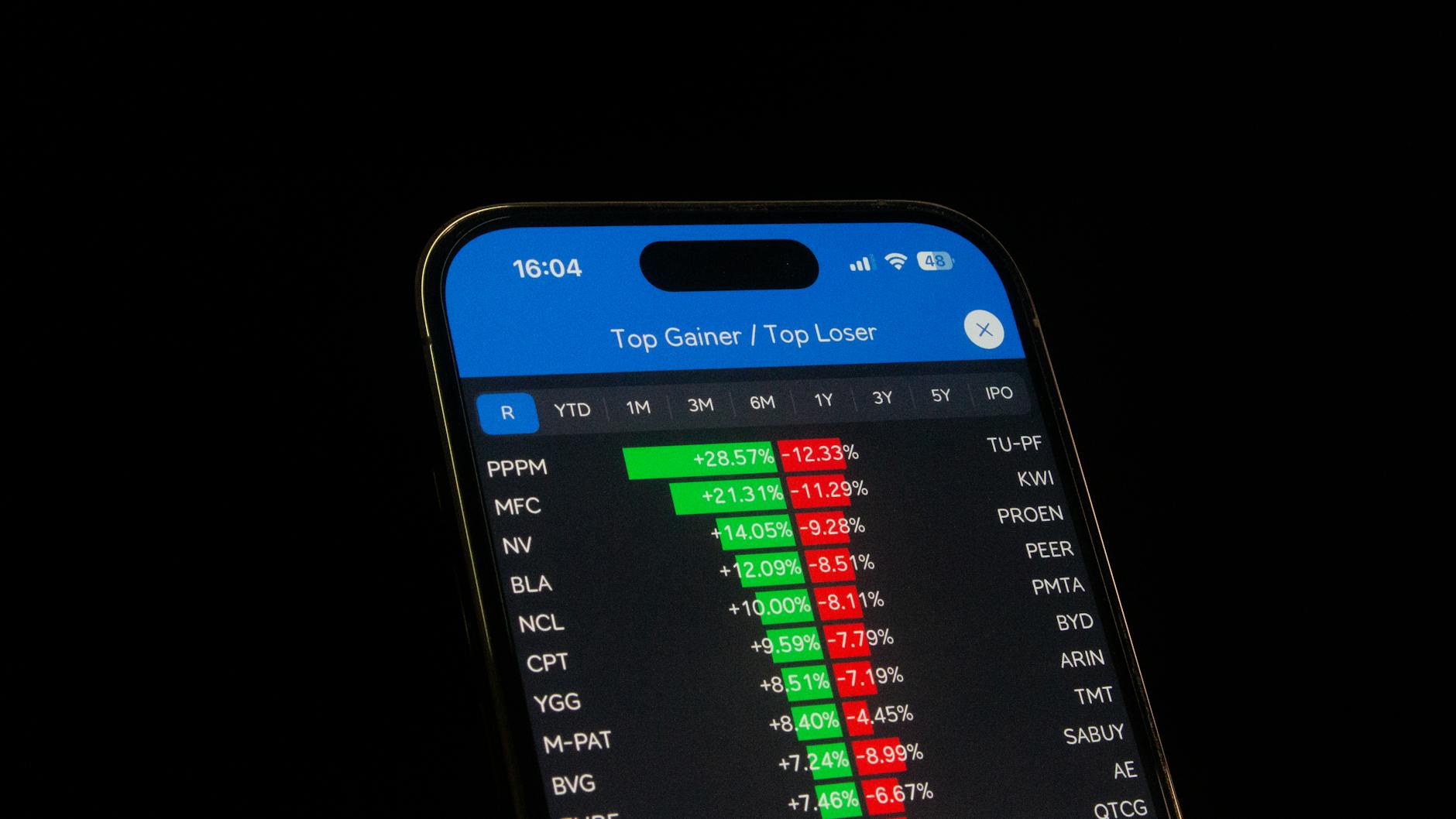
Risk management is integral to the operation of prop firms. These firms implement strict risk controls such as maximum drawdown limits, position sizing rules, and continuous monitoring of trading activity to prevent significant losses that could jeopardize the firm’s capital. The use of real-time analytics and automated trading systems further enhances risk mitigation efforts and ensures compliance with internal policies.
Moreover, trading desks within prop firms often foster a collaborative environment encouraging information exchange, strategy optimization, and peer review. This culture promotes continuous learning and adaptation to evolving market conditions, equipping traders with insights and tools to improve their performance systematically.
Types of Prop Trading Firms
- Independent Proprietary Firms: These are fully dedicated to proprietary trading with their own capital, often focusing on specific asset classes or trading styles.
- Bank-Owned Prop Firms: These operate as subsidiaries of larger banking institutions, leveraging the bank’s balance sheet to support trading activities.
- Hybrid Firms: Combining retail and proprietary trading elements, these firms might offer training programs or funding opportunities alongside their core trading operations.
Operational Models and Strategies of Prop Firms
Prop trading firms employ a variety of operational models tailored to their specific objectives and resources. These models are centered around deploying proprietary capital to generate trading profits, often using sophisticated strategies that span multiple asset classes including equities, commodities, forex, and derivatives. The core aim is to leverage leverage and advanced technology to identify and capitalize on market inefficiencies.
Many firms prioritize algorithmic and quantitative trading methods, which rely on complex mathematical models and high-speed computing systems to execute trades at a pace unachievable for manual trading. These strategies can involve statistical arbitrage, market making, trend following, or market neutral approaches, each requiring specialized expertise and infrastructure.

Additionally, prop firms often utilize risk analytics platforms and real-time market monitoring tools to ensure that trading activities stay within predefined risk parameters. This diligent oversight helps in preventing substantial losses while optimizing profit potential. Performance metrics are continuously evaluated, and traders are provided with detailed feedback to foster ongoing improvement in strategies and execution skills.
Risk Management and Compliance within Prop Firms
Robust risk management protocols are a cornerstone of prop trading operations. These include strict limits on maximum drawdowns, strict position sizing rules, and a comprehensive oversight mechanism that tracks all trading activity. Automated systems and alerts are deployed to flag risky behavior or deviations from internal policies, ensuring discipline and consistency across trading desks.
The internal controls extend to compliance with market regulations, maintaining transparency and integrity within trading activities. Although specific regulatory frameworks may vary depending on geographic location, prop firms generally adhere to industry best practices to uphold their operational standards and safeguard their capital.
Collaborative Environment and Continuous Development
Many proprietary trading environments foster a culture of collaboration, where traders share insights, review strategies, and brainstorm new approaches. This environment encourages continuous learning, adaptation to market changes, and the development of innovative trading techniques. Training programs are often integrated into the firm’s structure, ensuring that traders stay up-to-date with the latest tools, market developments, and risk management techniques.
Modern prop firms also prioritize the well-being and development of their traders, offering mentorship and performance-based incentives that motivate disciplined trading and strategic growth. The combination of technological sophistication, disciplined risk protocols, and a collaborative atmosphere creates a dynamic setting for successful proprietary trading.

Key Methods to Secure a Position with a Prop Firm
Landing a role within a proprietary trading firm involves a combination of demonstrating trading acumen, fulfilling specific application criteria, and showcasing a commitment to disciplined trading. Prospective traders should focus on building a robust trading record, often through simulated trading accounts or personal trading ventures, which highlights their ability to develop effective strategies and manage risk effectively.
Most prop firms emphasize the importance of a strong understanding of financial markets, technical analysis, and risk management practices. Candidates may be expected to pass a rigorous evaluation process that tests these skills through various trading simulations or assessments. These evaluations often include tasks such as trading specific instruments within set risk parameters, adhering to predefined profit and loss targets, and demonstrating consistency over time.
Networking also plays a pivotal role. Engaging with the trading community through industry events, online forums, or educational platforms can enhance visibility and credibility. Establishing relationships with current traders or recruiters can provide valuable insights into a firm’s expectations and application process. Additionally, some proprietary firms offer internship opportunities or trading challenges designed to identify promising talent and provide a pathway into the firm.

Financial literacy and technical skills form the foundation of a successful application. Traders should be proficient in using trading platforms, understanding market orders, and analyzing charts and indicators. Improving these skills through online courses, mentoring programs, and practical trading exercises increases the likelihood of passing a firm's screening process.
While technical competence is crucial, firms also evaluate personality traits such as discipline, resilience, and the ability to handle stress. Demonstrating a professional attitude and a consistent trading methodology can set candidates apart during interviews and assessments.
Ongoing Development and Training
Most reputable prop firms prioritize continuous development. Once onboarded, traders often undergo rigorous training programs that include mentorship, advanced technical analysis, and risk management workshops. These programs are designed to refine trading strategies and adapt to shifting market conditions. Successful traders frequently participate in ongoing performance reviews aimed at identifying areas for improvement and reinforcing disciplined trading habits.
Furthermore, many prop firms invest heavily in the latest trading technology, providing traders access to cutting-edge tools and real-time market data. Familiarity and proficiency with these systems are critical for maintaining a competitive edge within the firm.

Types of Proprietary Trading Firms
Prop trading firms come in various structures, each tailored to different trading styles, risk management philosophies, and operational strategies. Understanding these types helps traders identify environments that best suit their skills and career ambitions.
From Small Boutique Firms to Large-scale Operations
Many proprietary trading firms range from small, specialized entities to large, globally recognized organizations. Small firms might focus on niche markets or specific asset classes, offering a more personalized training environment and closer mentorship. Conversely, larger firms often have extensive capital resources, sophisticated technology infrastructure, and broader market access, enabling traders to operate across multiple asset classes and geographical regions.
Exclusive and Non-exclusive Prop Firms
Some prop firms operate on an exclusive basis, requiring traders to sign non-compete agreements and adhere strictly to their internal trading policies. These firms often have proprietary algorithms, custom trading platforms, and tightly controlled risk parameters, emphasizing the firm's competitive advantage.
Other firms are non-exclusive or allow traders to participate in multiple firms simultaneously, offering more flexibility but potentially with less rigid oversight. Traders should evaluate their preferred working environment and strategic goals when choosing between these models.
Specialized vs. Diversified Prop Firms
Specialized prop trading firms focus intensely on specific markets, such as equities, futures, options, or forex. This specialization allows traders to develop deep expertise and sophisticated strategies within a narrow domain.
In contrast, diversified prop firms operate across a broad spectrum of assets and markets, providing traders with opportunities to diversify their risk and adapt to varying market conditions. Diversification can be advantageous for traders seeking a range of trading opportunities and exposure to multiple revenue streams.
Technology-Centric vs. Manual Trading Firms
Technology-centric firms heavily rely on algorithmic and high-frequency trading systems, often employing quantitative analysts and programmers to develop automated strategies. Traders in these environments typically work alongside proprietary algorithms, focusing on technical execution and rapid decision-making.
Manual trading firms, on the other hand, emphasize the trader’s intuition, technical analysis, and discretionary decision-making. These firms prioritize experienced traders with strong market sense and the ability to adapt strategies in real time.
Hybrid Models
Some prop firms combine elements of manual and automated trading, employing a hybrid approach where traders can utilize algorithms as part of their strategy but retain discretionary control. Such models aim to harness the advantages of automation while benefiting from human judgment and experience.

Understanding the Different Models and Structures of Prop Trading Firms
Proprietary trading firms adopt varied operational models, each optimized to leverage specific trader skills and market approaches. Recognizing these distinctions is crucial for traders seeking to align with a firm's methodology that matches their expertise and trading style.
Manual Trading Models
In manual trading-focused prop firms, traders rely heavily on their analytical skills and intuition to make trading decisions. These firms often emphasize discretionary decision-making, where traders interpret market signals, technical analysis, and macroeconomic indicators to execute trades. The emphasis is on experience, market judgment, and adaptability, with traders developing and refining their strategies in real-time without relying on automated systems.
Automated and Algorithmic Trading Models
On the other end of the spectrum are firms specializing in algorithmic and high-frequency trading. These companies develop sophisticated algorithms that execute trades at lightning-fast speeds, often exploiting minuscule price discrepancies across markets. Traders working within these environments focus on coding, quantitative analysis, and the continuous optimization of algorithms. Human oversight is typically maintained, but the primary decision-making process is driven by automated systems designed to capitalize on rapid market movements.

Hybrid Trading Firms
Many prop firms now adopt hybrid models that combine manual discretion with automated systems. These firms recognize that human intuition and judgment remain valuable, especially in volatile or unpredictable markets, while automation can enhance speed and reduce emotional bias. Traders in hybrid models often use algorithms to identify potential setups but retain control to execute decisions based on market nuances that automated systems might overlook.
Structural Variations within Prop Firms
Beyond operational models, proprietary trading firms vary significantly in terms of organizational structure:
- Small Boutique Firms: Often emphasize specialized trading strategies or niche markets and provide personalized training and mentorship for traders.
- Large Conglomerates: These organizations typically offer extensive resources, sophisticated technology, and broader market access but may involve more bureaucratic processes.
- Dedicated Sector Firms: Focused solely on certain asset classes like equities, futures, or forex, allowing traders to develop deep expertise within a specific domain.
Understanding these structural differences helps traders select a prop firm that complements their career goals, trading style, and preferred market focus.
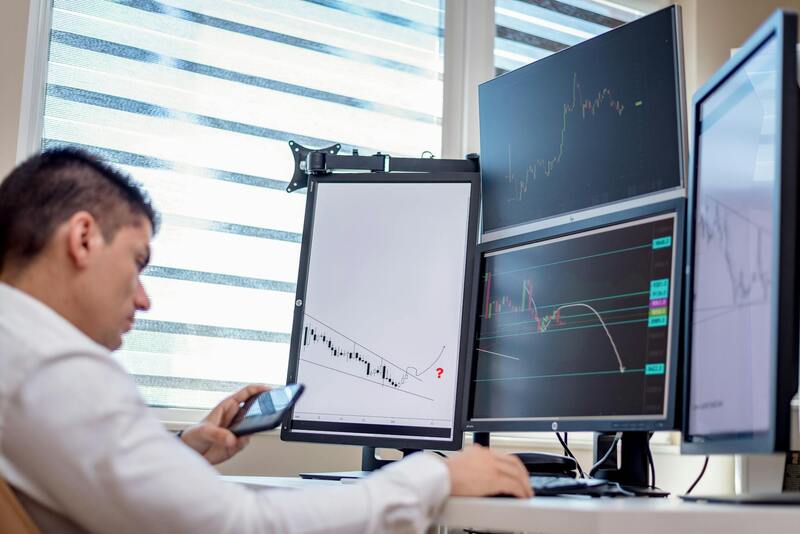
Understanding the Latest Developments and Industry Standards for Prop Firms
As proprietary trading firms continue to evolve within the financial landscape, adherence to industry standards and regulatory frameworks remains crucial for maintaining operational integrity and trader confidence. Although the industry comprises a range of models and operational strategies, establishing and following known best practices helps ensure transparent, efficient, and fair trading environments.
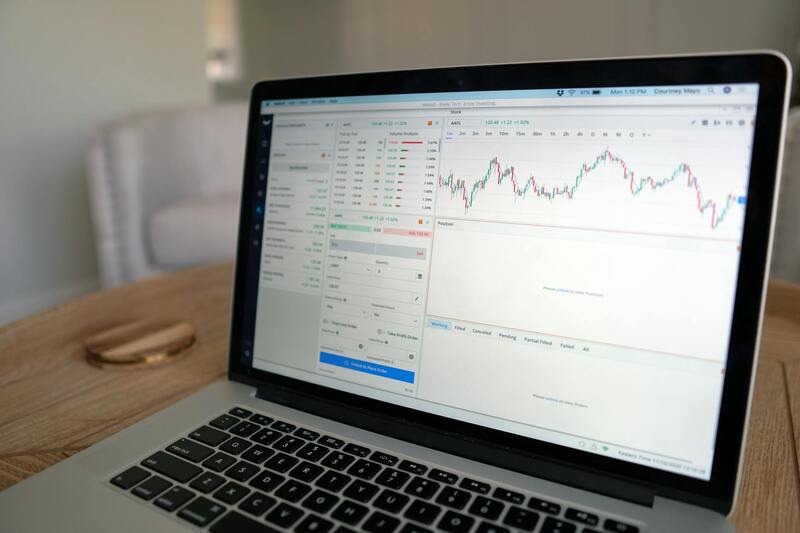
One of the primary aspects of maintaining high standards involves rigorous compliance with established operational protocols, which encompass risk management procedures, trader qualification processes, and audit mechanisms. These measures serve to safeguard both the firm's capital and the interests of traders, ensuring that trading activities align with best practices for market conduct and financial integrity.
Additionally, several industry-wide guidelines foster increased transparency in trading activities. This includes clear disclosure of fee structures, profit-sharing arrangements, and the terms of trader engagement. Transparent communication helps reduce misunderstandings and fosters long-term trust between prop firms and their traders.
Risk management remains at the core of proprietary trading standards. Prop firms typically implement layered risk controls such as maximum drawdown limits, position size restrictions, and real-time monitoring systems. Advanced technology enables traders and risk managers to track trading activity instantaneously, providing opportunities for timely intervention if a position exceeds predefined risk parameters.
Furthermore, many firms adopt comprehensive training and development standards that promote trader skill enhancement and foster consistency in trading approaches. Industry-standard training programs focus on both technical skills and psychological resilience, recognizing the importance of trader well-being in achieving sustainable success.
As the industry adopts digital solutions, cybersecurity measures have also become a key component of operational standards. Protecting sensitive data and ensuring the integrity of trading systems against cyber threats are critical, especially given the high-value, real-time nature of proprietary trading activities.
Instituting a culture of continuous improvement is another hallmark of reputable prop firms. Regular reviews of trading strategies, risk policies, and compliance procedures help firms adapt to dynamic market conditions and technological innovations. This proactive stance contributes to resilience and long-term competitiveness.
Display of industry best practices within proprietary trading firms is essential for building confidence among traders, investors, and regulatory bodies. By prioritizing transparency, risk management, compliance, and ongoing education, prop firms can establish a sustainable and reputable operational framework that supports both growth and stability in the trading arena.
