
Overview of Proprietary Trading Firm Management
Proprietary trading firms, also known as prop firms, operate as specialized financial entities that engage in trading activities using their own capital to generate profits. Effective management of these firms encompasses a multifaceted approach that integrates organizational structure, operational procedures, compliance protocols, and technological systems. The core goal is to optimize trading performance while maintaining operational integrity and regulatory adherence.
Structurally, prop firms typically consist of skilled traders, risk managers, technology specialists, and administrative personnel. Each element plays a vital role in ensuring smooth operations and consistent profitability. The leadership must establish clear policies to guide trading strategies, risk controls, and capital deployment.
Operationally, these firms focus heavily on developing robust trading strategies and maintaining disciplined risk management practices. The management team is responsible for overseeing daily trading activities, monitoring market conditions, and adjusting strategies accordingly. Effective communication channels, clear reporting lines, and centralized decision-making faculties are essential for streamlining operations.

In addition, managing proprietary trading firms involves navigating various regulatory frameworks designed to oversee trading activities, ensure transparency, and mitigate systemic risks. While trading practices differ across jurisdictions, maintaining compliance with relevant standards and guidelines is crucial for sustaining operational licenses and avoiding sanctions.
Furthermore, successful management requires a strategic approach to resource allocation, trader development, and technology integration. These aspects are integral to enhancing profitability, minimizing risks, and adapting to evolving market environments. Maintaining a clear focus on these core areas allows proprietary trading firms to remain competitive and resilient amidst challenging financial landscapes.
Overall, the management of proprietary trading firms demands a comprehensive understanding of financial markets, organizational dynamics, and technology applications. By integrating these elements effectively, firms can build sustainable trading operations rooted in strategic planning, disciplined execution, and regulatory compliance.
Risk Management and Compliance Systems
Proprietary trading firms depend heavily on sophisticated risk management and compliance frameworks to safeguard their assets and uphold market integrity. Utilizing advanced risk systems allows firms to continuously monitor exposure levels, identify potential vulnerabilities, and implement timely controls to prevent significant losses. These systems typically encompass real-time analytics that track market volatility, position sizes, and leverage ratios, enabling traders and managers to react swiftly to adverse market movements.
Effective compliance systems are integral to maintaining adherence to industry standards and regulatory requirements. These include automated trade surveillance, transaction monitoring, and detailed audit trails that ensure transparency and accountability. Adherence to these protocols not only mitigates operational risks but also fosters trust with stakeholders and market counterparts.
Implementation of standardized procedures for trade approval, documentation, and reporting enhances operational consistency. Regular audits and internal reviews further reinforce compliance efforts, reducing the likelihood of violations or reputational damage. Some firms incorporate integrated compliance modules directly into their trading platforms, which streamline monitoring and ensure that all trades conform to established guidelines without delays or errors.
Beyond technological tools, fostering a culture of compliance is pivotal. Continuous training programs for traders and staff, along with clear policies and updated guidelines, help reinforce the importance of ethical trading practices. Maintaining open communication channels between risk officers, compliance teams, and traders ensures a collective effort toward risk mitigation and regulatory adherence.

Leveraging cutting-edge software solutions tailored to proprietary trading environments enhances a firm’s ability to operate within the regulatory landscape while optimizing risk-adjusted returns. The integration of these systems into daily operations forms a cornerstone of best practices for managing complex trading activities and navigating evolving market conditions efficiently.
Technology Infrastructure for Proprietary Trading
Effective management of proprietary trading firms hinges on the deployment of robust technological frameworks designed to facilitate seamless trading operations, rigorous compliance monitoring, and swift decision-making. Proprietary trading firm management solutions encompass a comprehensive suite of tools that integrate trading platforms, data feeds, risk analytics, and compliance modules into a cohesive environment. This integrated approach ensures that traders operate within predefined risk parameters while harnessing real-time market data to capitalize on trading opportunities.

Core components of these management solutions include:
- Trading Platforms: Customizable and scalable software that supports algorithmic trading, order execution, and market access. These platforms often feature low latency capabilities to capitalize on fleeting market opportunities, thereby increasing profitability potential.
- Data Management Systems: Reliable data ingestion and processing engines that handle high-frequency data streams, historical data analysis, and real-time market updates. Accurate and timely data is critical for making informed trading decisions and conducting post-trade analysis.
- Risk Analytics Tools: Sophisticated analytics software that evaluates market risk, trading performance, and portfolio exposure. These tools enable proactive risk mitigation by identifying anomalies or deviations from intended risk profiles before significant losses occur.
- Compliance Modules: Automated systems that monitor trades for regulatory adherence, flagging suspicious activities or violations instantly. Such modules are often embedded within trading platforms to streamline compliance workflows and ensure that all trades meet internal guidelines and external regulations.
- Security Protocols: Advanced cybersecurity measures including encryption, multi-factor authentication, and access controls to safeguard sensitive trading data and firm infrastructure from cyber threats.
Complementing technological tools, managing proprietary trading operations requires adherence to best practices for infrastructure deployment:
- Regular System Audits: Periodic reviews and stress testing of hardware and software components to ensure their reliability and security under different market conditions.
- Scalable Architecture: Designing systems that can easily expand to support increased trading volumes or new asset classes without degradation of performance.
- Integration Capabilities: Seamless connectivity between trading software, risk management modules, and back-office systems to facilitate synchronized operations and data consistency.
- Global Connectivity: Use of high-speed, geographically distributed servers to reduce latency and improve execution times across international markets.

Implementing these solutions is not a one-time event but an ongoing process that requires continuous evaluation and upgrades. As market conditions evolve and regulatory demands increase, proprietary trading firms must leverage state-of-the-art technologies and adhere to stringent operational protocols. This proactive approach ensures not only the smooth functioning of trading activities but also fortifies the firm's resilience against operational and market risks, setting a foundation for sustainable growth and competitive advantage.
Risk Management and Compliance Systems
Implementing robust risk management and compliance systems is a cornerstone of effective proprietary trading firm management. These systems are designed to proactively identify, assess, and mitigate potential threats that could impact the firm’s financial health and operational stability. A comprehensive risk management framework integrates advanced tools that monitor trading activities in real time, ensuring adherence to predefined risk parameters and limits established by the firm’s policies.
Key components of these systems include real-time risk dashboards, which provide traders and risk officers with instant visibility into trading exposures, margin levels, and potential breaches of risk thresholds. Automated alerts and escalation protocols facilitate swift responses to unusual activities, minimizing adverse impacts. Additionally, stress testing modules simulate extreme market conditions to evaluate the robustness of trading strategies and capital buffers under adverse scenarios.
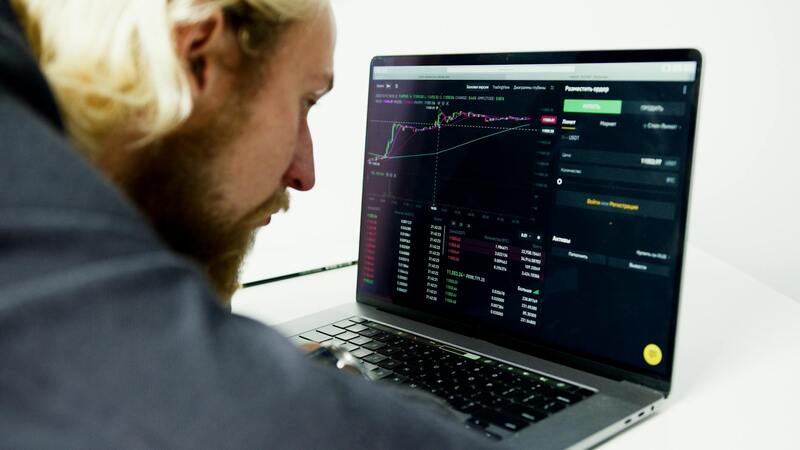
Ensuring compliance with regulatory standards and internal policies is equally vital. Integrated compliance systems automate the tracking of trading activities against regulatory requirements, flag deviations, and generate audit trails for review. These systems are regularly updated to reflect changes in market standards, allowing firms to maintain transparent operations and foster trust with stakeholders.
Effective risk management and compliance strategies leverage data analytics to uncover patterns and forecast potential vulnerabilities. Incorporating machine learning models enhances predictive capabilities, enabling firms to adapt swiftly to evolving market dynamics and regulatory landscapes.

Capital Allocation and Funding Strategies
Effective capital management forms the backbone of a successful proprietary trading operation. Firms leverage sophisticated methods to allocate funding across various trading desks and strategies, aiming to maximize returns while maintaining a balanced risk profile. Centralized capital pools are often established, allowing the firm to dynamically assign funds based on real-time performance analytics and market opportunities.
Through detailed capital allocation models, firms can identify high-potential trading strategies and adjust funding levels accordingly. This includes implementing tiered funding structures, where more capital is directed toward proven strategies with consistent performance, while emerging approaches receive limited initial funding to test their viability.
Automated capital deployment tools are essential for maintaining agility in fast-paced markets. These systems continuously analyze market data, trading results, and risk metrics to reallocate funds proactively. Moreover, integrating these tools with risk management frameworks ensures that capital deployment aligns with the firm's risk appetite and compliance standards.

Funding strategies are also supported by diversified sources, including proprietary capital, external investors, and financing options. This broad approach enhances the firm's ability to scale operations and seize market opportunities without over-leveraging or exposing the firm to undue risk. Proper due diligence procedures, combined with ongoing monitoring, ensure that all funding sources operate within the established risk and compliance parameters.
Data-driven decision-making in capital management allows for nuanced control and flexibility. By utilizing predictive analytics and scenario modeling, firms can simulate potential market developments and adjust capital allocations proactively to cushion against adverse conditions. This results in a resilient trading environment capable of weathering volatility while capitalizing on strategic opportunities.
Operational Workflow and Process Optimization
Efficient operational workflows form the backbone of a successful proprietary trading firm. These workflows encompass every step from trade execution to post-trade analysis, ensuring that all processes are streamlined for maximum efficiency and minimal risk exposure. Implementing standardized procedures and automation tools reduces human error and accelerates decision-making cycles, which are critical in fast-moving markets.
Automated order routing and execution systems integrate seamlessly with trading platforms, facilitating rapid entry and exit points that align with the firm’s strategic objectives. These systems leverage algorithms designed for optimal timing and pricing, enabling traders to capitalize on fleeting market opportunities without hesitation.
Regular review and refinement of operational processes guarantee continuous improvement. Root cause analyses of trade discrepancies or delays reveal underlying inefficiencies, allowing solutions to be implemented promptly. Combining process automation with rigorous oversight fosters a resilient infrastructure capable of adapting swiftly to market or regulatory changes.
Technology Integration and Automation
Advanced integration of trading platforms with risk management and compliance systems creates a cohesive operational environment. This interconnected setup allows for real-time data flow, which is essential for immediate risk assessment and compliance checks before executing trades. Automation not only boosts speed but also enhances precision, ensuring adherence to predefined trading rules and risk parameters.
Trade lifecycle management tools facilitate end-to-end process oversight, from order placement to settlement and reporting. These tools generate audit trails that are vital for internal reviews and external audits, reinforcing transparency and accountability. Incorporating machine learning algorithms can further enhance operational workflows by predicting potential bottlenecks or risk exposures before they materialize.
Data-Driven Decision Making in Operations
Operational decision-making increasingly relies on data analytics. By monitoring transaction volumes, execution times, and error rates, firms can identify operational bottlenecks and implement targeted improvements. Data visualizations and dashboards offer intuitive insights, enabling management to make informed decisions quickly and effectively.
Implementing continuous improvement frameworks, such as Kaizen or Six Sigma, helps maintain operational excellence. Regular training ensures that staff are proficient with new automation tools and workflows, minimizing disruptions and fostering a proactive operational culture.
Ultimately, an integrated and automated operational workflow reduces costs, mitigates risk, and enhances the overall agility and resilience of the proprietary trading firm, positioning it for sustained competitive advantage in dynamic markets.
Risk Management and Compliance Systems
Effective risk management and compliance systems are fundamental components of proprietary trading firm management solutions. These systems are designed to provide real-time oversight, enforce trading limits, and ensure adherence to internal policies and external regulations. Proprietary trading firms often deploy sophisticated software platforms that continuously monitor trading activity, flag anomalous behavior, and enforce pre-set risk thresholds. These platforms integrate seamlessly with trading engines to provide instant alerts to risk managers, allowing for swift intervention when necessary.
An essential aspect of compliance involves comprehensive audit trails that document every transaction, order modification, and compliance review. These records facilitate accurate reporting to regulators and internal review committees, reinforcing operational integrity. Automation in compliance checks ensures consistency and reduces manual errors, which is particularly crucial given the volume and velocity of trade executions.
Advanced risk management solutions incorporate scenario analysis, stress testing, and predictive analytics. Scenario analysis evaluates potential outcomes under different market conditions, helping firms develop robust risk mitigation strategies. Stress testing examines portfolio resilience during extreme market events, ensuring that firms maintain sufficient liquidity and capital buffers. Predictive analytics, leveraging machine learning, enable firms to identify early warning signs of increasing risk exposure or operational anomalies.

Compliance systems also extend beyond transaction monitoring to include anti-money laundering (AML) procedures, know your customer (KYC) checks, and fraud detection algorithms. Incorporating these layers of scrutiny ensures the firm maintains a clean operational record and adheres to the highest standards of corporate governance.
Capital Allocation and Funding Strategies
Strategic capital allocation is a core aspect of managing proprietary trading operations. Firms invest in diversified trading strategies, balancing risk and return to optimize overall portfolio performance. Accurate capital allocation requires sophisticated modeling tools that analyze historical performance, market conditions, and trading P&L metrics. These tools help determine the appropriate capital levels for different trading desks and strategies, minimizing idle capital while ensuring sufficient liquidity for active trading.
Funding strategies are aligned with the firm’s risk appetite and operational needs. Many firms utilize a combination of internal capital, external funding, and leverage to bolster trading capacity. Proper management of these sources involves continuous assessment of credit risks and funding costs, ensuring agility in market deployment and resilience during market downturns.

Furthermore, capital and funding decisions are supported by dynamic models that simulate various market scenarios, allowing management to proactively adjust allocations in response to evolving conditions. Transparent procedures and disciplined governance structures underpin these strategies, keeping the firm aligned with its risk management framework and strategic objectives.
Trader and Talent Management
Managing talent effectively is central to maintaining a competitive advantage in proprietary trading. This involves not only recruiting skilled traders with proven track records but also implementing continuous training programs to enhance their capabilities. Modern management solutions incorporate performance metrics, behavioral analytics, and peer benchmarking to identify high performers and areas for development.
Trader management platforms facilitate real-time feedback, goal setting, and incentive alignment, fostering a results-driven culture. These tools enable firms to monitor individual performance against risk-adjusted metrics, encouraging disciplined trading practices that align with the firm’s risk appetite and strategic goals.
Additionally, talent retention strategies are increasingly reliant on sophisticated HR systems that offer career development pathways, competitive compensation structures, and personalized training modules. By creating an environment that nurtures expertise and innovation, firms can attract and retain top trading talent essential for sustained growth.

Overall, robust trader management solutions serve as a foundation for operational stability, skill development, and long-term strategic success in proprietary trading activities.
Advanced Data Analytics and Real-Time Performance Monitoring
Proprietary trading firms increasingly depend on sophisticated data analytics tools to optimize their operational efficiency and trading performance. These systems integrate vast quantities of real-time market data, trader activity metrics, and risk indicators to facilitate informed decision-making at all levels. Advanced analytical platforms leverage machine learning algorithms and artificial intelligence to identify patterns, predict market movements, and assess trader behavior with exceptional precision.
Implementing comprehensive performance dashboards enables firms to monitor individual and team-level performance dynamically. These dashboards provide granular insights into profit and loss statements, risk exposure, and adherence to trading strategies, empowering managers to intervene proactively when deviations are detected. Such continual oversight helps maintain disciplined trading practices and aligns individual actions with the firm’s strategic objectives.

Furthermore, behavioral analytics tools analyze traders' decision-making patterns, support personalized coaching, and identify areas requiring improvement. When combined with historical performance data, these analytics foster a culture of continuous development and accountability. As a result, firms can better gauge the effectiveness of their training initiatives and adapt strategies accordingly.
Operational Workflow and Process Optimization
Enhancing operational workflows is vital for maintaining agility and minimizing errors within proprietary trading environments. Modern management solutions focus on streamlining trading processes through automation, centralized data repositories, and standardized procedures. Automated trade execution systems reduce latency and human error, ensuring trades are processed swiftly and accurately in response to evolving market conditions.
Standardizing processes across teams minimizes discrepancies and enhances compliance, while workflow management tools coordinate tasks such as trade approval, risk assessments, and performance reviews seamlessly. These systems often feature customizable modules that adapt to the specific needs of each firm, facilitating a scalable and flexible operational structure.

Through continuous process evaluation and refinement, firms can identify bottlenecks, redundancies, and opportunities for automation. Emphasizing process efficiency not only reduces operational risk but also enhances trader focus on strategic decision-making, ultimately driving better trading outcomes and long-term growth.
