Overview of Prop Firms in Canada
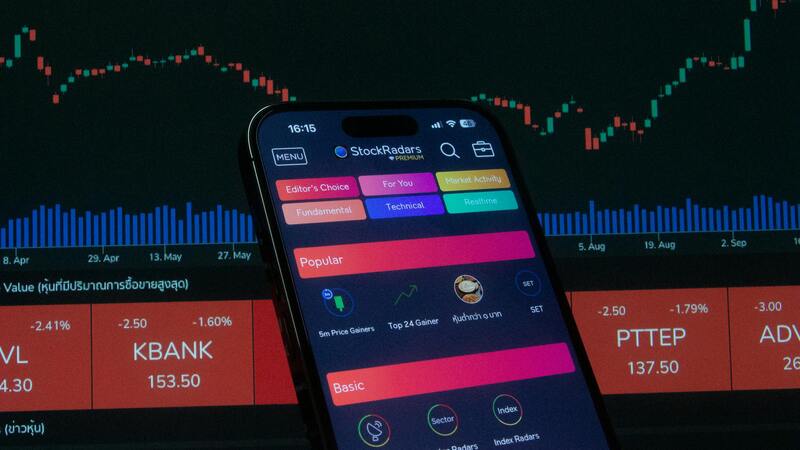
Proprietary trading (prop trading) firms in Canada play a pivotal role in the financial trading landscape. These firms provide traders with the opportunity to access significant trading capital, enabling them to execute large-scale trades without risking personal funds. Canadian prop firms are distinguished by their focus on fostering talent, offering structured training programs, and providing advanced trading infrastructure tailored to local market conditions. Unlike individual retail trading, prop trading firms act as intermediaries that empower skilled traders to maximize their trading potential while sharing profits generated through active market participation.
Canadian prop trading firms often operate across various asset classes, including equities, options, futures, and FX markets. They differ from traditional brokerages by emphasizing trader development and capital allocation. This partnership model allows traders to leverage the firm's resources, such as state-of-the-art trading platforms, research tools, and risk management systems, which collectively enhance trading efficiency and effectiveness.

One notable benefit of collaborating with Canadian prop firms is the access to local market insights and favorable trading conditions. These firms often have a deep understanding of Canadian financial regulations and market trends, enabling traders to make informed investment decisions. Additionally, the camaraderie and community within Canadian prop trading environments foster continuous learning and growth among traders. The integration of advanced risk management protocols ensures the sustainability of trading activities, providing a structured environment for profit generation while mitigating potential losses.
By partnering with a Canadian prop firm, traders also gain exposure to a network of experienced professionals and mentorship opportunities. This setup not only enhances trading skills but also provides valuable industry connections. Overall, Canadian prop firms are dedicated to creating a supportive ecosystem where talented traders can thrive, access substantial trading capital, and develop their careers within the financial services sector.
Regulatory Environment and Legal Considerations
Canadian proprietary trading firms operate within a structured regulatory framework designed to ensure transparency and stability within the financial markets. These regulations are overseen primarily by the Investment Industry Regulatory Organization of Canada (IIROC), which establishes strict standards for operating procedures, capital requirements, and trader conduct. Adherence to these regulatory standards fosters a secure environment for traders and firms alike, promoting fair trading practices and investor confidence.
Moreover, Canadian prop firms must comply with provincial securities laws, which vary across jurisdictions but share common principles aimed at protecting market integrity. This compliance includes rigorous background checks, mandatory disclosures, and adherence to anti-money laundering (AML) and know-your-client (KYC) protocols. For traders, understanding these frameworks is crucial, as it influences how firms manage risks, handle client funds, and uphold market standards.
Legal considerations also extend to contractual agreements between traders and firms. These contracts clearly delineate profit-sharing arrangements, capital allocation, and the scope of trading activities permitted. Transparent contractual terms ensure both parties understand their rights and responsibilities, reducing potential misunderstandings and disputes. Also, employment or independent contractor classifications influence tax obligations and reporting requirements, which are important factors for traders operating within this regulatory landscape.

Impact on Traders and Firm Operations
Regulatory oversight plays a significant role in shaping the operational practices of Canadian prop firms. It necessitates robust internal controls, regular audits, and comprehensive risk management strategies. These measures protect both the firm’s capital and traders’ interests, fostering a disciplined trading environment that emphasizes risk mitigation and responsible trading behavior.
For traders, compliance with these standards provides an added layer of security, ensuring their activities are conducted within established legal parameters. This creates a trustworthy context where traders can focus on developing their strategies and executing trades confidently, knowing that their firm operates under stringent regulations designed to uphold market integrity.
Types of Prop Trading Firms in Canada
Canadian proprietary trading firms operate under a variety of structures, each designed to meet specific trader needs and operational models. The most common types include proprietary firms, funding programs, and partnership-based models. Understanding these distinctions is essential for traders aiming to align with a firm that suits their trading style and career goals.
Proprietary Firms
These firms typically employ their own capital to trade financial markets. Traders within proprietary firms are often granted access to significant trading funds in exchange for adhering to the firm’s risk management strategies and profitability targets. Proprietary firms in Canada usually maintain strict internal policies to ensure disciplined trading practices, including performance assessments, compliance protocols, and ongoing training initiatives. Such firms often operate with a combination of in-house expert traders and industry veterans, fostering an environment of mentorship and skill development.
Funding Programs
Funding programs have gained prominence as an accessible pathway for traders to leverage external capital without initially risking personal funds extensively. These programs typically evaluate traders through a testing or assessment phase focused on consistency, risk management, and trading discipline. Successful completion often results in funding support from the firm, allowing traders to execute larger trades with reduced personal financial exposure. Many Canadian firms offer structured evaluation challenges, making them attractive options for traders looking to prove their capabilities before gaining access to substantial trading capital.
Partnership Models
Partnership-based prop firms operate on a profit-sharing basis, where traders and the firm share in the profits generated through trading activities. These models often involve collaborative decision-making and may include shared risk responsibilities. Such arrangements foster a team-oriented environment where traders benefit from the firm’s resources, technology, and risk management infrastructure while maintaining a significant level of independence. Partnerships can be appealing for experienced traders seeking a flexible yet supported trading environment.

Operational Structures and Focus Areas
- Proprietary firms: Capital contribution by the firm, disciplined risk controls, internal training programs.
- Funding programs: Evaluation-based access to external capital, emphasis on trading consistency.
- Partnership models: Profit-sharing agreements, collaborative decision-making, flexible trading arrangements.
Each model offers unique advantages and operational nuances, but all aim to support traders within a framework that promotes responsible trading and profitability while adhering to the regulatory standards observed in Canada. Trader preferences might include factors like capital access, risk management policies, and flexibility, which can guide their choice of firm type.
Funding, Profit Sharing, and Compensation Structures
Canadian proprietary trading firms employ diverse models to fund traders, often tailored to align with their operational philosophy and risk management strategies. Typically, firms provide traders with access to trading capital either through an internal fund or external funding arrangements. Internal funding involves the firm committing its own capital, which allows for a controlled environment where risk parameters are strictly monitored. Conversely, some firms utilize external funding sources, enabling traders to access larger pools of capital based on proven performance metrics.
Profit sharing arrangements are central to the compensation structure within Canadian prop firms. These agreements delineate how profits generated from trading activities are distributed between traders and the firm. The split often considers factors such as trader experience, trading track record, and the amount of capital allocated. Standard models include fixed percentage splits, where traders receive a predetermined share of the profits, or tiered structures that incentivize consistent performance by increasing trader share based on profitability milestones.

Compensation arrangements in Canadian prop firms extend beyond just profit sharing. Many firms incorporate base salaries or stipends, especially during training or evaluation phases, complemented by performance bonuses that reward traders for exceeding targets. These additional incentives foster motivation and align trader effort with the firm's overarching profitability goals. Furthermore, some firms adopt a tiered compensation system, rewarding traders based on their cumulative performance levels over specified periods, thereby promoting sustained discipline and strategic trading practices.
To support traders' success, many Canadian prop firms also offer comprehensive training programs, risk management tools, and access to cutting-edge trading technology. These resources are integral to ensuring traders operate within predefined risk parameters, thus maintaining stability and profitability for both parties involved. Firms also typically establish detailed compliance protocols and reporting mechanisms as part of their operational oversight, promoting transparency and responsible trading behaviors.
Requirements and Qualifications for Canadian Prop Traders
Prospective traders aiming to join Canadian proprietary trading firms must meet specific criteria that demonstrate their skill, discipline, and understanding of the financial markets. A strong foundation in trading strategies, risk management, and technical analysis is essential. Many firms prefer applicants with prior trading experience, although some are open to entry-level traders who demonstrate analytical aptitude and a disciplined approach to trading.
Educational background in finance, economics, or related fields can be advantageous, but practical trading proficiency and a proven track record often weigh more heavily. Traders must typically pass evaluation processes, which include simulated trading assessments to demonstrate consistency, discipline, and adherence to risk parameters. These evaluations help firms gauge a trader’s potential to generate sustainable profitability within a controlled environment.
Additional qualifications may include knowledge of specific trading platforms, familiarity with market regulations in Canada, and the ability to execute trades efficiently under pressure. Successful traders also exhibit strong emotional discipline, analytical thinking, and adaptability to changing market conditions, which are critical for long-term success within prop trading environments.
Advantages and Risks of Trading with Canadian Prop Firms
Engaging with Canadian prop firms offers several advantages, notably access to significant trading capital, structured risk management frameworks, and professional development resources. Traders benefit from the firm’s infrastructure, including advanced technology, research support, and mentoring programs designed to refine trading skills and strategies. This environment fosters a disciplined approach, often leading to enhanced profitability compared to solo trading.
However, there are inherent risks associated with prop trading in Canada. The reliance on firm-generated capital means traders are subject to strict risk controls, which can restrict trading flexibility. Profit-sharing arrangements also mean traders do not retain 100% of their gains, which could limit earning potential during periods of high profitability. Moreover, performance evaluations and stringent compliance requirements necessitate consistent discipline and adherence to protocols, creating pressure to perform continually.
Trade setbacks or deviations from risk parameters can lead to account restrictions or termination, emphasizing the importance of disciplined and responsible trading practices. It is essential for traders to thoroughly understand these dynamics and maintain a proactive approach toward risk management to navigate the challenges effectively.
Selecting the Right Prop Firm in Canada
Choosing a suitable proprietary trading firm involves a comprehensive evaluation of several key factors. Traders should assess the firm’s reputation, operational transparency, and track record within the market. It is vital to understand the firm’s funding models, profit-sharing structures, and risk management policies to ensure alignment with personal trading goals and risk appetite.
Compatibility with trading style and personal values plays a crucial role. Firms offering robust training programs, technological support, and a collaborative environment tend to foster greater trader development. Additionally, clarity regarding payout schedules, evaluation criteria, and ongoing support services can significantly impact the overall trading experience.
Prospective traders should also seek feedback from existing or former traders regarding the firm’s management and culture. Ensuring the firm complies with any applicable industry standards and maintains a transparent operational framework contributes to a secure and constructive trading environment. Making an informed choice directly influences long-term success and professional growth within the prop trading landscape in Canada.
Overview of Prop Firms in Canada
Canadian proprietary trading firms, often referred to as prop firms, serve as pivotal players within the financial marketscape. They primarily operate by providing traders with capital to execute trades, allowing individuals to leverage their expertise without risking their personal funds. These firms are known for fostering competitive environments that emphasize disciplined risk management, technological innovation, and trader development. Canadian prop firms are distinguished by their diverse operational models, often shaped by regional market conditions, trading styles, and the specific commodities or financial instruments they focus on. Many of these firms operate with a strong emphasis on regulatory compliance, transparency of operations, and offering tailored support to both novice and experienced traders. They typically attract individuals who possess a robust understanding of market analysis, strong risk control skills, and a commitment to continuous professional growth. With the country's sophisticated financial sector and accessible technological infrastructure, prop firms in Canada have grown extensively, providing opportunities for traders to access significant capital, advanced trading platforms, and mentorship programs. This ecosystem supports the development of profitable trading careers, particularly for those who excel in strategy, discipline, and adaptability.

Regulatory Environment and Legal Considerations
The regulatory framework governing prop trading operations in Canada emphasizes transparency, compliance, and the protection of market integrity. While proprietary trading firms are not directly regulated as financial institutions, their operational practices are subject to oversight by Canadian authorities, including securities commissions and financial consumer agencies.
Prop firms must adhere to strict standards concerning client relations, record-keeping, and financial disclosures. This oversight ensures that traders and investors are safeguarded against unethical practices and that firms maintain high operational standards. Additionally, firms often implement internal compliance units to monitor activities, prevent misconduct, and promote responsible trading practices.
Legal considerations also entail understanding the contractual arrangements between traders and firms, including profit sharing agreements, risk management policies, and operational terms. Clear documentation and transparent communication are essential to fostering a professional working relationship and minimizing disputes.

Types of Prop Trading Firms in Canada
Canadian prop firms can generally be categorized into distinct types based on their operational focus and structure:
- Traditional Proprietary Trading Firms: These firms employ in-house traders who execute strategies across various asset classes, including stocks, options, futures, and forex. They typically provide training, risk management tools, and capital allocation tailored to trader expertise.
- Funding Programs and Evaluation Firms: Focused on assessing traders' skills through evaluation periods, these firms provide capital once specific profit and risk management criteria are met. They often operate with structured testing protocols and performance metrics.
- Hybrid Models: Combining elements of both traditional firms and evaluation programs, these entities offer ongoing support and capital for experienced traders, while also maintaining rigorous assessment standards for newcomers.
Each type of firm accommodates different trader profiles and preferences, making it essential for individuals to evaluate their own skills, goals, and trading style when selecting a firm.

Funding, Profit Sharing, and Compensation Structures
The infrastructure of capital allocation and profit distribution is a central component of prop trading in Canada. Depending on the firm’s model, traders may access funds through different mechanisms:
- Recurring Capital Grants: Firms provide traders with a specified amount of capital on an ongoing basis, often based on performance metrics and risk management adherence. Traders pay a percentage of their profits as fees, with the remainder retained as income.
- Profit Sharing Agreements: Most prop firms operate on a profit-sharing basis, typically ranging from 50% to 80% of the profits. The exact split depends on the trader’s experience level, contribution to the firm, and contractual terms.
- Profit splits are often designed to incentivize disciplined trading and consistent performance.
- Risk management protocols are integral to determining payout eligibility and retaining capital access.
- Performance Bonuses and Incentives: Some firms implement bonus structures for traders who surpass certain benchmarks, encouraging higher productivity and strategic innovation.
- Risk Management and Drawdown Rules: Regulations are typically in place to restrict traders from excessive risk exposure, safeguarding both the trader and the firm’s capital. These rules include maximum drawdown limits and stop-loss protocols that are strictly enforced.
Understanding the detailed compensation frameworks and operational policies of a prospective prop firm is crucial. Such clarity ensures traders can develop strategies aligned with profit targets, risk limits, and ongoing earning potential. Transparent profit sharing models foster a trustworthy and mutually beneficial partnership, vital for long-term success in the Canadian trading landscape.
Overview of Prop Firms in Canada
Prop trading firms in Canada serve as specialized financial institutions that provide traders with access to significant trading capital in exchange for a share of the profits generated. Unlike traditional investment firms, these companies focus solely on trading activities, leveraging the skills and strategies of individual traders to grow their capital pools. Canadian prop firms often cater to various trading styles, including equities, futures, forex, and options, creating opportunities for traders with diverse expertise.

Many of these firms operate across multiple provinces, complying with regional regulations and offering tailored programs that include training, risk management, and performance evaluation. The reputation and stability of a prop firm significantly influence a trader’s decision to partner, making it crucial to turn to recognized and transparent companies. With access to substantial capital and supportive infrastructure, Canadian prop firms enable skilled traders to amplify their market impact without risking their own personal funds.
Regulatory Environment and Legal Considerations
Canadian prop firms operate within a framework of guidelines that promote responsible trading and risk management. While regulatory oversight varies, the industry emphasizes transparency, adherence to market standards, and clear contractual agreements. Firms typically establish formal policies on trading practices, profit sharing, and risk controls that protect both the trader and the firm’s capital investments.
Traders interested in joining a prop firm should thoroughly review contractual terms and understand the parameters of their engagement. This includes compliance with trading protocols, reporting requirements, and the firm’s operational guidelines. The emphasis remains on professional and ethical trading, fostering an environment where traders can develop their skills within structured operational boundaries.
Types of Prop Trading Firms in Canada
- Investment Focused Firms: Specialize in specific assets such as equities, commodities, or forex, providing traders with tailored platforms for these markets.
- Technology-Driven Firms: Offer advanced trading tools, algorithms, and algorithmic trading opportunities to tech-savvy traders.
- Training and Development Firms: Combine trading capital with educational resources, ideal for emerging traders looking to gain experience while trading on a pro-rata basis.
- Hybrid Firms: Integrate elements of proprietary trading with external market analysis, providing a diverse scope for professional traders.
Funding, Profit Sharing, and Compensation Structures
Canadian prop firms typically fund traders through structured programs that require initial evaluation and ongoing performance. Funding levels can range from modest amounts to multi-million dollar facilities, depending on the firm’s capacity and the trader’s track record.
Profit sharing models are a fundamental aspect of these arrangements. Many firms adopt a tiered structure where traders receive a higher percentage of profits as their performance and experience grow. Common splits range from 50% to 80%, with robust risk management criteria influencing payout eligibility.
Compensation may also include performance bonuses and incentives structured around achieving predefined benchmarks. These bonuses motivate traders to maintain disciplined strategies and consistent results while aligning their goals with the firm’s objectives.
Requirements and Qualifications for Canadian Prop Traders
Qualified traders often demonstrate a proven track record of profitability, robust risk management, and fundamental market knowledge. Depending on the firm, prerequisites may include:
- Minimum trading experience, usually ranging from 1 to 3 years.
- Ability to demonstrate consistent profitability over a specified period.
- Compliance with risk management protocols, including maximum drawdown limits.
- Technical proficiency in trading platforms and analysis tools.
- Strong understanding of market regulations and ethical trading standards.
Some firms also conduct assessment periods or trading simulations to evaluate skill levels before formal onboarding. Successful traders gain access to capital, resources, and mentorship, fostering an environment conducive to sustained growth and profitability.
Overview of Prop Firms in Canada
Prop trading firms in Canada serve as pivotal platforms for traders seeking to leverage institutional capital while operating in a dynamic and competitive financial environment. These firms provide skilled traders with access to trading capital, eliminating the need for personal risk exposure. Canadian prop firms are characterized by their diverse operational models, typically categorized into proprietary-only firms, which focus solely on their trading activities, and hybrid models, which combine proprietary trading with client services. The Canadian market benefits from an influx of innovative firms that emphasize technological advancement, data analytics, and trader development programs, fostering an ecosystem that supports both beginners and experienced traders alike.
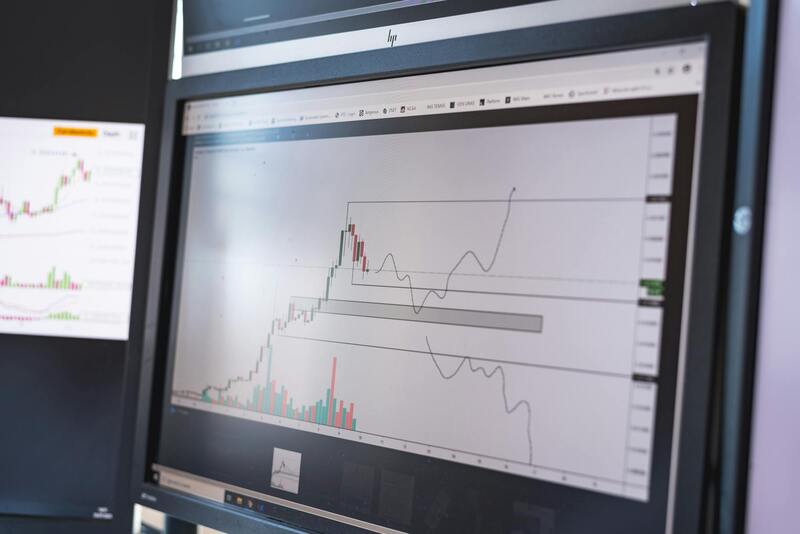
Canadian prop firms often collaborate with global financial markets, providing traders with exposure to North American equities, commodities, futures, and forex markets. These firms tend to prioritize transparency, trader education, and risk management, reflecting the nation’s strong emphasis on regulatory compliance and ethical trading standards. Whether operating out of major financial hubs like Toronto or Vancouver, these firms are integral to the broader financial ecosystem, contributing to market liquidity and innovation.
Regulatory Environment and Legal Considerations
Operating in Canada involves adherence to a framework of regulations designed to ensure fair trading practices, transparency, and investor protection. While the country’s regulatory landscape is comprehensive, prop trading firms typically conform to guidelines set forth by authorities such as the Investment Industry Regulatory Organization of Canada (IIROC) and provincial securities commissions. These regulations encompass licensure, reporting requirements, and compliance protocols that uphold industry standards. For traders, understanding these frameworks is crucial; it ensures engagement with reputable firms committed to maintaining ethical standards and operational integrity.
Canadian regulations emphasize the importance of clearly defined trading terms, risk disclosures, and dispute resolution processes. Prop firms often implement strict internal policies aligned with these standards, which also influence their risk management strategies and payout structures. Traders should seek firms with a transparent regulatory record, a visible compliance framework, and adherence to best practices, fostering an environment of trust and operational stability.
Images – Placeholder for Regulatory Documentation

Types of Prop Trading Firms in Canada
Canadian prop trading firms span a spectrum of operational models, each tailored to different trader profiles and strategic objectives. Key types include:
- Traditional Proprietary Firms: Focusing exclusively on their trading strategies, these firms often employ highly trained traders and invest in advanced infrastructure to optimize their market presence.
- Hybrid Firms: Offering a combination of proprietary trading and client services, these firms may provide trading capital to external traders while also handling client accounts, creating diversified revenue streams.
- Remote Trading Firms: These firms facilitate remote trading opportunities and often utilize cloud-based platforms, allowing traders across Canada to participate without physical office dependencies.
- Specialized Niche Firms: Focusing on specific asset classes such as commodities, forex, or crypto, these firms cater to traders with specialized expertise and strategies.
Funding, Profit Sharing, and Compensation Structures
Funding models in Canadian prop firms are designed to provide traders with significant capital while maintaining risk controls. Common arrangements include:
- Fixed Capital Investment: Traders are allocated predefined trading capital based on their experience and performance metrics.
- Profit Sharing: Compensation is typically a percentage of the profits generated, with splits ranging from 50% to 80% in favor of the trader. Many firms employ tiered structures that increase trader share as performance and experience improve.
- Bonuses and Incentives: Additional rewards may be offered for surpassing benchmarks, maintaining low drawdowns, or achieving consistent profitability over specified periods.
- Drawdowns and Risk Limits: Firms establish strict maximum loss thresholds to protect capital, with traders required to adhere to these parameters to remain active.
Requirements and Qualifications for Canadian Prop Traders
Entry into Canadian prop trading programs generally necessitates demonstrable skills, experience, and commitment. Typical prerequisites include:
- Trading Experience: A minimum of 1 to 3 years actively trading, with verifiable results and a consistent track record.
- Risk Management Skills: Demonstrated ability to manage exposure, adhere to drawdown limits, and protect capital effectively.
- Market Knowledge: A deep understanding of trading instruments, market mechanics, and relevant regulations.
- Technical Proficiency: Skilled use of trading platforms, analytical tools, and data management systems.
- Assessment & Evaluation: Many firms conduct simulated trading tests or evaluate trading logs to qualify candidates.
By meeting these prerequisites, traders gain access to institutional resources, mentorship, and the opportunity to grow within a structured environment that rewards skill and discipline.

Complying with Official Procedures for Canadian Prop Trading Success
For traders aspiring to establish a career with reputable prop firms in Canada, understanding and adhering to official operational procedures is crucial. These procedures encompass a combination of thorough application processes, compliance with firm-specific policies, and ongoing performance evaluations that ensure traders meet established standards.
Formal Application and Certification Processes
Most Canadian prop trading firms require prospective traders to complete detailed application forms that verify their trading background, skills, and understanding of industry standards. Applicants often submit verified trading logs, demonstrate proficiency through simulated trading assessments, or participate in interview sessions that evaluate their market insight and psychological resilience. Successful candidates may undergo certification programs that familiarize them with firm protocols, risk management techniques, and trading platforms.
Adherence to Risk Management and Compliance Procedures
Once accepted, traders must strictly follow predefined risk management protocols issued by the firm. This typically involves maintaining activity within set drawdown limits, adhering to specific trading hours, and utilizing approved instruments and strategies. Firms implement real-time monitoring tools to oversee trading activity and ensure compliance with these risk parameters, thus protecting both the firm's capital and the trader's standing within the organization.
Documentation, Reporting, and Performance Monitoring
Consistent documentation of trading activity is a fundamental factor in official procedures. Traders are required to submit periodic reports detailing their trades, profit/loss statements, and risk metrics. Many firms use proprietary platforms that automatically log this data, providing immediate feedback and enabling ongoing performance assessment. These procedures facilitate transparency and accountability, ensuring that traders demonstrate sustained discipline and competence.
Utilization of Official Trading Platforms and Tools
Canadian prop firms typically require traders to utilize designated trading platforms equipped with the latest analytical and risk management tools. Proper training on these platforms is provided to ensure traders can execute strategies efficiently and adhere to compliance standards. These platforms often feature preset risk limits, audit trails, and reporting capabilities aligned with regulatory and firm policies.
Continuous Education and Skill Development
Engaging in ongoing education is another official aspect of successful prop trading in Canada. Firms encourage or mandate participation in webinars, workshops, and evaluation sessions that bolster traders' market knowledge and technical skills. This commitment to continual improvement not only enhances individual performance but also aligns with the firm’s standards of professionalism and regulatory expectations.
Official Communication and Ethical Conduct
Maintaining clear and professional communication with firm officials, compliance officers, and other traders is essential. Ethical conduct, honesty in reporting, and adherence to confidentiality agreements contribute to a trustworthy environment vital for long-term success. Violating these procedures can result in disciplinary action or termination, emphasizing the importance of integrity in proprietary trading activities.