
Overview of Proprietary Trading and the Prop Trading Industry
Proprietary trading, commonly referred to as prop trading, involves financial firms utilizing their own capital to execute trades in various markets. Unlike traditional brokerages that primarily facilitate client transactions, prop trading firms engage directly in buying and selling financial instruments such as equities, commodities, currencies, and derivatives to generate profits. This practice contributes significantly to market liquidity and efficiency, often serving as a vital component within the broader financial ecosystem.
The prop trading industry has evolved considerably over the years, driven by technological advancements, regulatory changes, and the pursuit of sophisticated trading strategies. These firms operate with distinct business models designed to maximize returns while managing associated risks diligently. Their primary goal is to leverage unique market insights, advanced algorithms, and expert traders to capitalize on market opportunities across different asset classes.
At the core of the prop trading industry is a focus on talent acquisition and risk management. Firms often invest in highly skilled traders who demonstrate a robust understanding of market dynamics, technical analysis, and quantitative techniques. In return for their trading expertise, traders typically receive profit-sharing arrangements and incentives aligned with performance metrics. This mutually beneficial setup encourages innovation and disciplined trading within strict risk parameters.

The industry's growth is also influenced by the increasing demand for diverse trading strategies, the availability of sophisticated trading platforms, and the development of comprehensive risk management systems. As the industry continues to adapt to market changes, a focus on compliance and transparency remains critical to maintaining integrity and fostering sustainable growth across the sector.
Types of Prop Trading Firms and Business Models
Proprietary trading firms operate under a variety of structures, each tailored to their strategic goals, technological capabilities, and target markets. The most common categories include independent proprietary firms, bank-affiliated prop desks, and hedge fund managed trading units. Understanding these distinctions is essential for traders and investors seeking to align with firms that match their expertise and risk appetite.
Independent prop trading firms typically focus exclusively on trading activities, leveraging in-house capital to generate profits. They tend to have a more flexible operational environment, allowing traders significant autonomy in developing and executing trading strategies. These firms often emphasize a merit-based culture, rewarding traders based on performance metrics such as profitability, consistency, and risk management skills.
Bank-affiliated prop desks are integrated within larger financial institutions. They leverage the bank’s extensive resources, market access, and regulatory infrastructure. These firms often have stricter compliance requirements but benefit from a broader scope of trading instruments and clients. The integration also facilitates access to large pools of capital and provides a buffer against market volatility, enabling traders to implement more complex strategies.
Hedge fund managed trading units are a blend of proprietary trading and asset management. They typically manage a diversified portfolio, combining proprietary trading insights with client assets. Traders in these setups often operate under sophisticated risk controls, with a focus on delivering alpha through innovative strategies. Revenue models here revolve around performance fees and profit sharing, aligning trader incentives with firm-wide performance goals.
Operational Business Models
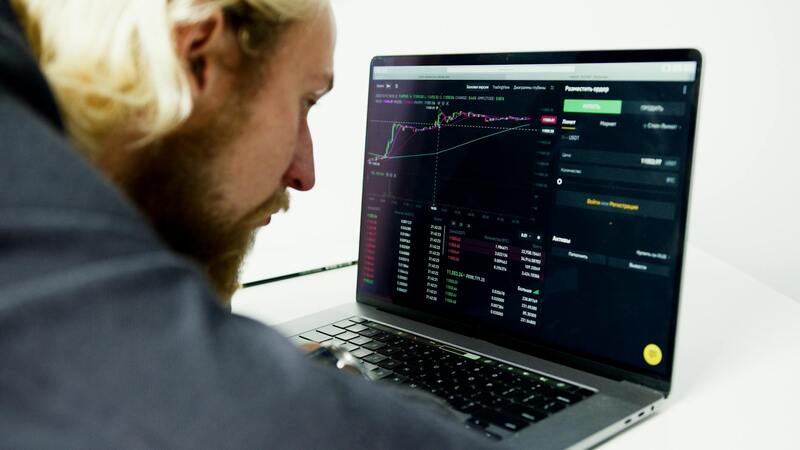
Operational models vary significantly across the prop trading industry. Some firms rely heavily on discretionary trading, where skilled traders make decisions based on their analysis and market intuition. Others emphasize quantitative trading, utilizing algorithms and statistical models to execute trades at high speeds and volumes.
Revenue generation in these firms is primarily driven by trading profits. A typical operating model involves traders utilizing firm capital to execute trades across various asset classes such as equities, forex, commodities, and derivatives. The firm's infrastructure, including trading platforms, data feeds, and risk management tools, plays a critical role in supporting efficient and profitable trading activities.
Many prop firms adopt a hybrid approach, combining discretionary and algorithmic strategies to diversify risk and optimize returns. This flexible setup allows firms to adapt quickly to changing market conditions while leveraging technological advancements to stay competitive.
Revenue Streams and Growth Opportunities
Revenue streams in the prop trading industry are primarily derived from the profits generated through trading activities. Firms often reinvest profits into expanding their trading capacities, investing in technology infrastructure, or attracting top talent. Some firms offer proprietary training programs or trading accelerators, creating additional revenue sources.
Growth opportunities in this industry are increasingly linked to the ability to harness emerging technologies such as artificial intelligence, machine learning, and big data analytics. Firms that can incorporate these tools into their trading models tend to outperform competitors, positioning themselves for sustainable growth in the evolving market landscape.
Moreover, developing strategic partnerships with technology providers and financial data companies can enhance a firm’s trading capabilities, opening new markets and asset classes. Maintaining a focus on innovative and legitimate methods of trading remains a cornerstone for ongoing success in the competitive prop trading ecosystem.
Understanding Legitimate Methods of Entering the Prop Trading Industry
Gaining entry into the prop trading industry through official channels involves a series of structured, transparent processes that focus on skill, knowledge, and adherence to established standards. Aspiring traders and firms can pursue reputable pathways such as obtaining certifications, participating in recognized training programs, and building a credible track record through consistent, compliant trading activities.
Building a Solid Foundation Through Certification and Education
Successful entry begins with acquiring relevant financial certifications that demonstrate competence in trading principles, risk management, and market analysis. Certifications such as the Chartered Market Technician (CMT), Financial Risk Manager (FRM), or specialized prop trading courses provided by recognized institutions serve as credible indicators of a trader’s dedication and aptitude. These programs often include comprehensive modules on trading strategies, regulatory environments, and ethical practices, ensuring that participants are well-prepared for professional engagement.
Participating in Recognized Training and Mentorship Programs
Many established prop trading firms and educational providers offer structured training programs designed to equip traders with practical skills while emphasizing compliance and professionalism. These programs typically involve rigorous coursework, simulated trading exercises, and mentorship opportunities, enabling traders to develop disciplined, strategic approaches aligned with market standards.
Engagement with these programs not only enhances an individual’s trading capabilities but also establishes a credible history that can facilitate eventual integration into reputable trading firms. Many firms prefer to evaluate candidates with demonstrated commitment through reputable training pathways, recognizing the value of proven education and mentorship as part of their selection criteria.
Engaging with Regulated and Transparent Prop Trading Firms
Official channels for entering the prop trading industry also include establishing relationships with firms known for adhering to industry standards of transparency and professionalism. These firms often provide formal onboarding processes, clear trade allocation structures, and compliance oversight. Demonstrating such transparency during the hiring process or trading partnership discussions underscores a trader’s dedication to legitimate trading practices.

Development of a Robust Trading Record and Portfolio
Maintaining a consistent and compliant trading record is crucial for establishing credibility within the prop trading industry. Traders should focus on transparent documentation of trades, adhering strictly to risk management guidelines, and demonstrating their ability to sustain profitability under real-market conditions.
This portfolio of verified trading activity can serve as a key asset when approaching prospective firms or applying for official prop trading programs, showcasing not only proficiency but also compliance with all operational standards.
Conclusion
Proprietary trading offers opportunities for traders and firms to participate in the markets through legitimate, well-structured pathways. Success in this industry hinges on acquiring recognized certifications, engaging with reputable training programs, establishing transparent operations, and maintaining a credible trading record. By following these formal methods, participants contribute to the integrity and professionalism of the prop trading ecosystem, fostering sustainable growth and market confidence.
Understanding Official Methods for Entering the Prop Trading Industry
Engaging with the prop trading industry requires adherence to established and recognized pathways that uphold professional standards and operational integrity. For traders seeking to join reputable firms or establish themselves within this field, leveraging legitimate methods such as obtaining certified trading qualifications, participating in recognized training programs, and developing verifiable trading records are essential steps. These approaches ensure a solid foundation for a credible career in proprietary trading and demonstrate a trader's commitment to disciplined and compliant trading practices.
Official Certifications and Professional Development
One of the primary avenues for establishing legitimacy within the prop trading industry is through acquiring relevant certifications that validate a trader’s knowledge of market principles, risk management, and trading ethics. Certifications from recognized financial education bodies or industry-specific training providers can significantly enhance a trader’s profile. Additionally, participation in courses covering advanced trading strategies, market analysis, and compliance standards helps traders stay aligned with industry expectations. These formal qualifications serve as proof of competence, fostering trust with prospective trading firms or partners.

Participation in Reputable Training Programs
Beyond individual certifications, engaging in comprehensive training programs offered by established organizations provides practical skills and industry insights vital for success. These programs often include simulated trading environments, mentorship from experienced traders, and assessments that evaluate a participant's readiness for live trading. Enrolling in such recognized training pathways not only refines a trader’s strategies but also signifies a commitment to professional growth, making them more attractive to reputable prop trading firms.
Developing and Documenting a Verifiable Trading Record
An essential aspect of building credibility involves maintaining a detailed and transparent trading record. This record should encompass all trading activity, including execution details, risk management adherence, and profitability metrics. Traders should focus on consistent performance under real-market conditions, ensuring that their trading history reflects practical skills and disciplined operational standards. A comprehensive portfolio of verifiable trades acts as a valuable asset when applying to official prop trading programs or engaging with firms seeking trustworthy partners.
Using trading journals, audit trails, and performance summaries not only supports transparency but also demonstrates an ongoing commitment to ethical trading practices. Proper documentation aids in showcasing a trader’s ability to adhere to risk controls and operational standards mandated by industry frameworks.
Engaging with Reputable Prop Trading Firms
Participants should target partnerships with established firms known for their transparency and adherence to professional standards. These firms often have clear onboarding procedures, including background checks, skill assessments, and compliance evaluations. Establishing relationships with such firms often involves rigorous vetting processes designed to ensure mutual trust and operational integrity.
Conclusion
Participation in the prop trading industry through official channels safeguards traders and firms alike. By securing recognized certifications, completing reputable training programs, and maintaining verifiable trading records, individuals demonstrate their professionalism and commitment to ethical trading. These methods collectively foster a secure and credible environment where traders can thrive while contributing to the integrity of the broader trading community.
Effective Risk Management and Capital Allocation Strategies
Within the prop trading industry, the success of trading operations hinges significantly on robust risk management protocols and strategic capital allocation. Reputable firms implement comprehensive risk assessment procedures that involve detailed analysis of market conditions, volatility indices, and individual trader performance metrics. This vigilant approach helps in identifying potential vulnerabilities before they impact the firm's financial stability. This systemic evaluation extends to establishing clear risk limits, which are adhered to rigorously through automated systems and manual oversight.
Proper capital allocation is equally critical, ensuring that each trading account is provisioned according to its risk profile and expected return. Prop firms often adopt diversified allocation models that balance high-volatility instruments with more stable assets, maintaining an optimal risk-reward ratio. This stratagem minimizes drawdowns and preserves capital to sustain long-term trading viability.

Furthermore, advanced risk mitigation tools such as stop-loss orders, automated position sizing, and real-time monitoring dashboards are routinely employed. These systems function as a safeguard against unforeseen adverse market movements, helping maintain adherence to predefined risk parameters and ensuring disciplined trading practices.
Profit Sharing, Compensation Structures, and Incentive Programs
Edit: Compensation models in the prop trading industry align traders’ incentives with firm profitability, fostering a culture focused on consistent performance and risk-conscious trading. These structures often include a base salary combined with performance-based shares, commissions, or profit splits. Such schemes motivate traders to optimize their strategies while adhering to strict risk controls, as their earnings are directly linked to measurable outcomes.
Profit-sharing agreements typically involve transparent calculations based on net gains, with clear delineation of the sharing percentage applied after deducting operational costs and risk provisions. This transparency ensures mutual trust and aligns interests between traders and firms.
Incentive programs may also incorporate bonuses for achieving specific performance milestones, adherence to compliance standards, and demonstrating disciplined trading behaviors. These initiatives contribute to a professional environment emphasizing sustainable growth and ethical conduct.
Adherence to Regulations, Industry Standards, and Best Practices
Maintaining high standards of compliance is foundational to the stability and reputation of the prop trading sector. Firms dedicate substantial resources to establishing internal policies aligned with industry best practices and official guidelines. These policies govern traders’ activities concerning transparent record-keeping, anti-fraud measures, and conflict of interest management.
Regular audits, both internal and external, serve to verify adherence and identify areas for improvement. Additionally, comprehensive employee training programs are conducted to ensure that all personnel are well-informed about operational protocols and compliance standards.

Prop firms often work closely with regulatory bodies and leverage industry associations to stay current with evolving requirements. This proactive approach not only prevents compliance issues but also elevates the industry’s overall integrity and professionalism.
Emerging Trends and the Future Trajectory of the Prop Trading Environment
The prop trading industry continues to evolve with technological innovations and changing market dynamics. Emphasis on algorithmic and high-frequency trading is escalating as firms invest more in quantitative research and machine learning tools. Additionally, increased transparency and stringent operational standards are shaping the development of industry best practices and official certification processes.
Looking ahead, ongoing advancements in data analytics, cloud computing, and cybersecurity are expected to further streamline trading operations and risk control mechanisms. Moreover, the industry is likely to witness an expansion of training and certification programs designed to equip traders with up-to-date skills and uphold high-quality standards.
Risk Management and Capital Allocation in Proprietary Trading
Effective risk management and strategic capital allocation are fundamental pillars of successful proprietary trading operations. These elements serve as the backbone for safeguarding firm assets while enabling traders to capitalize on market opportunities responsibly.
Prop firms implement comprehensive risk management frameworks that encompass real-time monitoring, predefined risk limits, and systematic procedures for exception handling. These measures help prevent excessive exposure and protect against significant losses that could destabilize the firm’s financial health. Advanced trading platforms integrated with risk analytics provide traders and risk officers with instant access to portfolio metrics, ensuring parameters are maintained within acceptable thresholds.
Capital allocation strategies are meticulously designed to optimize resource distribution across different trading desks and strategies. Firms analyze historical data, market volatility, and trader performance when assigning trading capital. Often, capital is apportioned dynamically based on ongoing performance metrics, allowing successful traders to scale their operations while limiting risks for others. This adaptive approach fosters a performance-driven environment that rewards skill and discipline.

Implementing tiered risk controls further enhances resilience. For example, initial trades may be subject to stricter limits, which are gradually eased as traders demonstrate consistent risk discipline. This phased approach encourages prudent trading behaviors and promotes ongoing education about risk awareness.
Moreover, many firms employ stress testing and scenario analysis to assess potential vulnerabilities under extreme market conditions. These techniques enable them to refine risk mitigation strategies and adjust capital buffers accordingly. Such proactive measures ensure that the firm remains resilient amid turbulent markets and unforeseen events.
Adherence to robust risk management practices also involves detailed documentation and regular review processes. These procedures allow for continuous improvement, ensuring that policies evolve alongside market developments and technological advances. Consequently, prop trading firms can sustain profitability while maintaining a disciplined approach to market engagement.
Technological Tools Supporting Risk and Capital Strategies
- Algorithmic risk assessment modules integrated within trading platforms
- Automated stop-loss and profit-taking triggers
- Real-time market data feeds and analytics dashboards
- Scenario simulation software for stress testing
The integration of these technological solutions enhances decision-making processes, providing traders and risk managers with accurate and timely information. This synergy optimizes trading performance, minimizes unforeseen losses, and sustains a healthy balance of risk and profitability within the prop trading ecosystem.
Regulations, Compliance, and Industry Standards
Within the prop trading industry, adherence to established regulatory frameworks and compliance protocols plays a crucial role in maintaining operational integrity and safeguarding stakeholder interests. Prop trading firms operate in an environment where transparency, ethical operational practices, and adherence to industry standards are critically evaluated by oversight bodies and market participants. These firms implement comprehensive compliance programs that include rigorous client onboarding procedures, detailed documentation of trading activities, and strict supervision of traders' conduct.
One of the key aspects of compliance involves implementing policies aligned with financial reporting and record-keeping standards. Accurate and timely record maintenance supports audits, enhances transparency, and ensures that trading operations meet prescribed regulatory expectations. Additionally, many firms implement anti-money laundering (AML) measures and know-your-customer (KYC) procedures to prevent illicit activities and verify the identities of all trading participants.
Adherence to Industry Standards
- Code of Conduct and Ethical Trading Practices
- Standardized Risk Management Protocols
- Regular Audits and Internal Controls
- Employee and Trader Training on Compliance Procedures
- Implementation of Technological Safeguards for Data Security
Technological infrastructure plays a vital role in supporting compliance functions. Many firms deploy compliance management software that monitors trading activities in real time, flagging suspicious transactions or deviations from established policies. Automated alerts and comprehensive audit trails enable swift responses to potential violations, reducing the risk of regulatory sanctions and reputational harm.
Industry organizations and associations also establish best practices and guidelines to promote high standards across the prop trading sector. These standards influence the development of internal policies and ensure uniformity in risk management, trader conduct, and operational procedures.
Training and Continuing Education
Continuous training programs for traders and staff are essential components of compliance. These initiatives update personnel on evolving regulatory requirements, technological advancements, and industry trends. Well-informed teams are better equipped to operate ethically, recognize compliance risks, and implement controls effectively.

Advanced and Diversified Capital Deployment in the Prop Trading Industry
One of the defining features of the prop trading industry is its sophisticated approach to capital deployment. Instead of leveraging external investor funds, proprietary firms allocate their own capital, affording them greater flexibility and control. This autonomous management enables firms to tailor their trading strategies precisely, adjusting their risk appetite and investment focus based on real-time market conditions and internal analytics.
Modern prop trading firms utilize a blend of traditional and innovative capital deployment methods. These include diversification across multiple asset classes such as equities, derivatives, forex, commodities, and emerging markets. By spreading capital across these domains, firms aim to mitigate risks associated with market volatility and sector-specific downturns. This multi-asset approach also facilitates exploiting a broader range of trading opportunities, which contributes to stabilized profitability over time.

Technology-Driven Capital Management Tools
Advanced financial technology plays a critical role in efficient capital management. Proprietary trading firms leverage sophisticated trading platforms and algorithms that monitor market conditions continuously. These tools evaluate risk-reward scenarios and adjust capital allocations dynamically, ensuring that the firm's resources are deployed optimally. Capital is often allocated in proportion to the perceived opportunity and the firm's risk threshold, allowing for swift reallocation during volatile periods.
Quantitative models and statistical algorithms further refine capital deployment strategies by providing predictive insights based on historical data and real-time analytics. This data-driven approach enables proprietary firms to maintain a balanced risk profile while pursuing aggressive profit targets.
Leverage and Scaling Strategies
Leverage is a critical component of capital deployment for prop trading firms. By borrowing capital, firms amplify their trading size, which magnifies both potential gains and losses. Proper management of leverage involves rigorous risk controls and margin management practices. Many firms adopt tiered scaling strategies, incrementally increasing their position sizes as traders demonstrate consistent profitability and adherence to risk protocols.
Scaling strategies also involve the phased expansion of trading operations. As traders prove their skill and risk discipline, firms may allocate additional capital to their accounts. This systematic approach ensures sustainable growth and reduces exposure to excessive risk concentrations.
Capital Preservation and Liquidity Management
In addition to aggressive capital deployment, preserving capital and maintaining liquidity are central tenets of prudent prop trading operations. Firms implement strict stop-loss protocols and position limits to safeguard against unforeseen market shifts. Maintaining sufficient liquidity ensures that traders can execute orders efficiently without undue market impact or slippage.
Liquidity management also encompasses managing credit lines, collateral, and cash flow. These financial buffers provide resilience during turbulent market conditions, enabling firms to endure periods of drawdown while positioning themselves for future opportunities.
Measuring and Evaluating Capital Effectiveness
Effective use of capital is continually assessed through key performance indicators (KPIs) such as return on capital (ROC), risk-adjusted returns, and capacity utilization rates. Proprietary firms conduct regular evaluations to identify capital inefficiencies and optimize allocation models accordingly. These assessments are supported by advanced analytics, enabling informed decision-making that aligns with the firm’s overall strategic objectives.
In essence, advanced capital deployment strategies rooted in technological innovation and disciplined risk management underpin the operational success of today's prop trading entities. By balancing aggressive trading with prudent capital preservation, these firms maintain a competitive edge and foster sustainable growth within a rapidly evolving financial landscape.
