Understanding Proprietary Trading in India
Proprietary trading, commonly known as prop trading, involves financial firms and individual traders executing trades with their own capital, rather than on behalf of clients. In the Indian financial landscape, prop trading firms play a pivotal role in enhancing market liquidity, discovering new trading strategies, and contributing to market efficiency. These firms operate across various asset classes, including equities, derivatives, commodities, and forex markets, leveraging their own resources to capitalize on market movements.
Indian proprietary trading firms utilize sophisticated trading systems, advanced algorithms, and high-speed connectivity to identify and execute profitable trades. By doing so, they help stimulate trading volumes and promote market depth, which benefits all market participants. Unlike traditional brokerage firms that primarily serve clients, prop trading firms focus on generating profits through independent trading activities, often employing a team of skilled traders, quantitative analysts, and technologists.

In the context of India’s rapidly growing financial markets, proprietary trading firms have become essential contributors to the overall trading ecosystem. Their operations are tightly integrated with the broader financial infrastructure, including stock exchanges, clearinghouses, and regulatory bodies. By identifying and exploiting short-term price movements, these firms add a layer of efficiency and liquidity, which ultimately benefits retail and institutional investors alike.
Given the dynamic and competitive nature of Indian markets, prop trading firms continually adapt their strategies to capitalize on emerging market opportunities. This involves a blend of technical analysis, market research, and advanced trading algorithms. As the Indian economy expands and market connectivity improves, these firms are poised to play an increasingly influential role in shaping the evolution of the country’s financial trading landscape.

Understanding Proprietary Trading in India
Proprietary trading firms operate as independent entities within India's financial ecosystem, focusing on generating profits through their own trading activities rather than client services. These firms utilize advanced trading strategies, leveraging sophisticated algorithms, high-speed execution platforms, and comprehensive market analysis to capitalize on short-term price fluctuations across various financial instruments such as equities, derivatives, commodities, and currencies.
In India, the rise of proprietary trading is closely linked with technological advancements and the expansion of digital financial infrastructure. These firms often employ quantitative analysts and data scientists to develop and refine trading models, allowing them to identify market inefficiencies rapidly. Their ability to execute large volumes of trades within fractions of a second provides a competitive edge in highly volatile markets, where timing and precision are crucial.

Furthermore, Indian proprietary trading firms contribute significantly to market liquidity. By actively participating in both upward and downward price movements, these firms ensure smoother market operations and reduce bid-ask spreads. Their activities support price discovery mechanisms and facilitate deeper market participation from diverse investor groups.
As India’s economic landscape continues to evolve, the role of prop trading firms becomes even more prominent. They often work closely with institutional investors, hedge funds, and asset managers to optimize trading strategies and risk management practices. The integration of data analytics, machine learning, and artificial intelligence has revolutionized trading approaches, enabling Indian firms to adapt swiftly to changing market conditions and regulatory landscapes.
With the rapid expansion of market connectivity, especially through the growth of electronic trading platforms and real-time data feeds, proprietary trading firms in India are positioned for sustained growth. Their capacity to deploy complex trading models and access multiple asset classes makes them vital players in enhancing overall market efficiency and stability.

Overall, proprietary trading in India is characterized by a combination of innovative strategies, cutting-edge technology, and active market participation, which together help shape the country's financial markets into more efficient and liquid structures. These firms continue to evolve with the market, adopting new techniques and expanding their footprint in India's diversified trading environment.
Understanding Proprietary Trading in India
Proprietary trading in India involves firms utilizing their own capital to engage in trading activities across various financial markets. These firms seek to generate profits from market movements by deploying advanced trading algorithms, high-frequency trading systems, and data-driven strategies. As the Indian financial landscape becomes increasingly sophisticated, the role of proprietary trading firms has expanded beyond traditional trading approaches, integrating cutting-edge technology and analytical tools to adapt swiftly to dynamic market conditions.
Indian proprietary trading firms operate across multiple asset classes, including equities, commodities, currencies, and derivatives. Their core focus is on leveraging market inefficiencies and executing trades at optimal times to maximize returns. These firms often employ a range of strategies, from statistical arbitrage and momentum trading to quantitative analysis, all aimed at achieving consistent profitability while managing risk effectively.

Key Features of Proprietary Trading in India
- Utilization of Advanced Technologies: Adoption of high-performance computing, machine learning, and artificial intelligence to develop and execute trading strategies swiftly.
- Focus on Market Efficiency: Arbitrage opportunities and price discrepancies are exploited for profit, contributing to market liquidity and efficiency.
- Risk Management: Sophisticated risk control systems are implemented to monitor exposure, prevent significant losses, and ensure sustainable trading operations.
- Data-Driven Approach: Real-time data feeds, historical analysis, and predictive modeling form the backbone of trading decisions.
Impact on Indian Financial Markets
Proprietary trading firms in India enhance market depth and liquidity, facilitating smoother price discovery processes. Their active participation at high speeds helps in reducing bid-ask spreads and amplifies volatility, which can be advantageous for other market participants. Moreover, these firms often collaborate with brokerages and institutional investors to share insights, making market movements more transparent and predictable over time.
Operational excellence among Indian prop traders hinges on their ability to adapt to evolving regulations, adopt innovative trading techniques, and maintain robust technological infrastructure. The rapid growth in electronic trading platforms and real-time data dissemination directly supports these objectives, allowing firms to execute complex strategies with minimal latency.
Image Placeholder

Funding Models and Capital Requirements
Proprietary trading firms in India operate through a variety of funding models tailored to their strategic approach and scale. A common method involves the allocation of internal capital, where the firm’s own funds are employed to engage in trading activities. This approach grants full control over trading decisions and profit distribution, with the primary requirement being sufficient initial capital to meet trading obligations and risk management standards.
Beyond internal funds, many prop firms secure seed funding or initial capital injections from external investors. These investors might include high-net-worth individuals, venture capitalists specializing in financial technology, or institutional partners seeking exposure to proprietary trading profits. Such funding allows firms to leverage larger trading positions and diversify strategies without immediately impacting their internal cash flows.

Additionally, some firms operate through a hybrid model, combining internal capital with externally sourced funds. This strategy enables a balance between autonomy and scalability, allowing the firm to expand operations while maintaining control over risk parameters.
The capital requirements for these firms are dictated by the nature of their trading strategies and the regulatory landscape. Typically, a higher capital base is necessary for engaging in high-frequency trading, options market strategies, or large-scale arbitrage activities. Firms must adhere to prudent risk management practices, ensuring that their capital buffers are adequate to withstand periods of market volatility.
In the context of the Indian financial ecosystem, access to capital is also influenced by the firm's compliance history, trading track record, and technological infrastructure. As the industry evolves, innovative funding mechanisms like performance-based funding or partnership models are gaining traction, providing new avenues for firms to bootstrap operations and scale efficiently.
Technology and Infrastructure in Indian Prop Trading
Proprietary trading firms in India are increasingly leveraging advanced technology and robust infrastructure to enhance their trading capabilities. The competitive edge in the industry is largely driven by automation, speed, and data analytics, which necessitate significant investments in hardware, software, and connectivity. Firm infrastructure typically includes high-frequency trading (HFT) servers located close to major exchanges to minimize latency, sophisticated trading algorithms, and comprehensive risk management systems that operate seamlessly across various trading platforms.
Modern Indian prop firms utilize cutting-edge trading platforms that facilitate rapid execution and real-time data analysis. These platforms are integrated with multiple data feeds, including market depth, order flow, and economic indicators, enabling traders to make informed and swift decisions. Cloud computing solutions have also gained popularity, providing scalability and flexibility while reducing hardware maintenance costs. Moreover, artificial intelligence (AI) and machine learning (ML) are increasingly being integrated to identify trading opportunities, optimize strategies, and improve prediction accuracy based on historical market data.

Communication technology is another critical component, with firms deploying low-latency fiber optic connections and co-location services to ensure rapid access to the exchanges. Secure data centers equipped with fail-safe mechanisms are essential for safeguarding sensitive information and maintaining operational continuity, especially in volatile markets. The investment in high-quality technological infrastructure translates into higher operational efficiency, reduced transaction costs, and the ability to execute complex trading strategies in real-time.
Risks and Compliance in Technological Adoption
While advanced technology offers distinct advantages, it also brings specific challenges that firms must manage diligently. Cybersecurity is paramount, given the sensitive financial data and high-speed trading operations. Firms implement strict security protocols, including encryption and continuous monitoring, to prevent breaches. Additionally, compliance with the norms set by financial regulators involves regular audits of trading algorithms, infrastructure resilience, and data integrity checks. Staying updated with technological regulations and ensuring transparency in algorithmic trading practices are vital to maintaining credibility and operational excellence.

As the Indian market continues to evolve, so does the technological landscape of prop trading firms. The focus is shifting towards integrating more sophisticated AI-driven tools, enhancing cybersecurity measures, and optimizing data analytics to stay competitive. Future developments are likely to see even greater automation and the adoption of emerging technologies that can provide real-time insights and faster execution, ultimately contributing to the dynamic growth of proprietary trading in India.
Funding Models and Capital Requirements
Proprietary trading firms in India operate under various funding structures, each with its own set of capital prerequisites and operational implications. Understanding these models is essential for aspiring traders and entrepreneurs aiming to establish or join a prop trading firm. Typically, there are three primary funding avenues: firm-funded capital, trader-invented capital, and external investment sources.
Firm-funded capital involves the firm providing the initial trading capital to traders, often after a thorough assessment of their skills and trading approach. Such firms generally have a predetermined minimum capital requirement, aligned with the markets they operate in and the risk appetite. These minimums are designed to ensure that the firm can sustain its trading activities without overexposure and can maintain sufficient margins for trading.
Trader-invented capital models allow individual traders to contribute their personal funds to trading pools managed by the firm. This approach typically requires the trader to demonstrate consistent profitability and risk management capabilities before being granted access to the firm's infrastructure and resources.

External funding scenarios occur when firms secure capital through investments from venture capitalists, private equity, or institutional investors. This model facilitates larger trading operations, with the added advantage of diversified risk management and access to significant trading capital. However, it also involves higher scrutiny, detailed operational transparency, and adherence to specific regulatory standards.
Capital requirements for Indian prop trading firms are dictated by their operational scope and the markets they target. For equity trading, minimum margins and trading limits are set by exchanges and regulatory bodies, while derivatives trading might entail higher collateral and risk assurances. Firms engaging in high-frequency trading or algorithmic strategies often need substantial infrastructure and risk controls, which influence their capital and operational frameworks.
Ensuring compliance with capital adequacy norms not only stabilizes trading activities but also safeguards against market volatility. As regulatory oversight intensifies with technological advancements, transparency and prudent capital management remain at the core of sustainable proprietary trading operations.
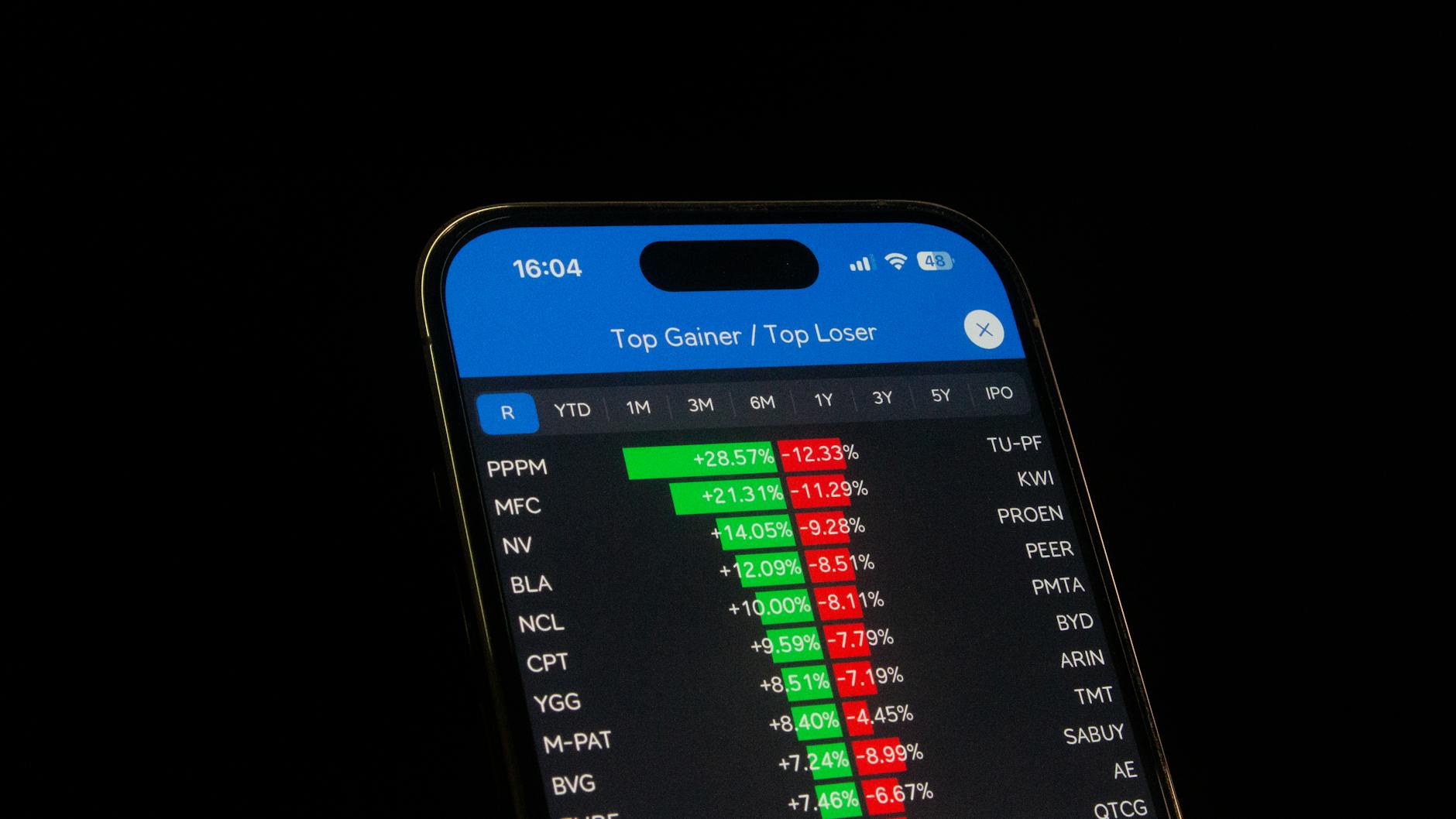
In summary, choosing an appropriate funding model is a pivotal decision in the landscape of Indian proprietary trading. It influences risk-taking capacity, growth potential, and operational stability. Firms must align their capital strategies with their technological infrastructure, trading strategies, and compliance commitments to succeed in this competitive environment.
Methods to Establish and Operate Proprietary Trading Firms in India
Securing Operational Capital through Professional Funding Sources
Establishing a proprietary trading firm in India necessitates substantial initial capital, which can be sourced through various reputable means. One of the most consistent avenues is through institutional investors who specialize in supporting trading ventures with proven strategies and a clear track record. These investors often provide the necessary liquidity and financial backing in return for a share of trading profits, ensuring both parties align their interests toward profitable trading activities.
Another legitimate method includes attracting high-net-worth individuals (HNWI) and family offices. These stakeholders usually seek diversification of their investment portfolios through participation in proprietary trading. To maintain transparency and adhere to industry standards, firms engaging these sources should have well-structured private placements, clear profit-sharing agreements, and compliance documentation.
Leveraging Trading Simulations and Demonstrated Skill to Secure Capital
Before committing extensive capital, prospective Indian prop firms frequently utilize simulated trading environments to demonstrate their trading effectiveness. These simulations mimic real-market conditions and are conducted on live data, enabling traders to showcase their strategies without risking actual capital. Success in such simulations can attract seed funding from investors or partners looking for proven trading expertise, thus serving as an official step towards acquiring trading capital for live operations.

Utilizing Trading Alliances and Strategic Partnerships
Forming strategic alliances with established financial institutions or trading technology providers can facilitate access to necessary funding and infrastructure. These partnerships often come with shared resources, risk management frameworks, and access to advanced trading platforms. Such collaborations can be formalized through joint ventures or profit-sharing agreements, offering a legitimate and structured route to operation and expansion.
Regulatory Compliance and Transparent Operations
Adherence to the frameworks mandated by authorities like the Securities and Exchange Board of India (SEBI) ensures that a prop trading firm operates within the legal boundaries of the Indian financial system. This involves meticulous documentation of trading activities, maintaining required capital adequacy ratios, and adhering to guidelines around trader conduct, risk management, and reporting standards. Transparent operations foster trust among investors and regulatory bodies, creating a stable environment for long-term growth.
Official Licensing and Registration Processes
Acquiring the necessary licenses, such as registration with the SEBI as a trading member or a market intermediary, is a crucial formal step. These registrations require submission of detailed business plans, proof of operational capital, and adherence to statutory norms. Once registered, firms must implement robust internal controls, conduct regular audits, and ensure compliance with ongoing reporting obligations, which collectively legitimize their trading activities.

Summary of Key Methods for Official and Authentic Funding
- Partnering with institutional investors and venture capitalists specialized in trading ventures
- Engaging high-net-worth individuals and family offices through structured offerings
- Utilizing simulated trading to attract early-stage funding and demonstrate competence
- Forming strategic partnerships with established financial entities and technology providers
- Securing necessary regulatory licenses and ensuring ongoing compliance
By following structured procedures rooted in transparent practices and adhering to the regulatory framework, Indian proprietary trading firms can establish a solid foundation for sustainable growth and operational success. The emphasis on legitimate funding channels and compliance serves as a cornerstone for building reputation, attracting investment, and fostering long-term profitability within the dynamic Indian financial markets.
Ensuring Transparency and Trust Through Proper Funding and Operations
For proprietary trading firms in India, maintaining transparency and adherence to established operational protocols are essential to establish credibility and foster sustainable growth. Legitimate funding methods include fostering relationships with institutional investors who have a proven track record in trading ventures. These partnerships are often formalized through detailed agreements that outline investment terms, risk management policies, and reporting requirements, ensuring clarity and accountability.
Another widely used approach involves engaging high-net-worth individuals and family offices. These entities are often interested in diversifying their portfolios through structured offerings that comply with regulatory standards. Proper documentation of these investments and transparent communication about trading strategies help build trust and mitigate misunderstandings about the firm's operations.
Simulated trading or paper trading is a strategic tool employed by many Indian proprietary trading firms to demonstrate trading competence to potential investors. This practice not only corroborates the firm's skill but also serves as a proof-of-concept that legitimizes subsequent funding rounds. By showcasing consistent, risk-managed trading results, firms can attract serious investments and form strategic alliances with established financial institutions.

Strategic Partnerships and Licensing
Establishing strong strategic alliances with existing financial service providers and technology innovators can significantly enhance a model’s operational credibility. These collaborations often facilitate access to advanced trading technologies, data analytics, and secure trading platforms, all of which are pivotal for legitimate and efficient trading activities.
Securing the requisite licenses and registration from regulatory bodies such as the Securities and Exchange Board of India (SEBI) is a vital formal step in legitimizing operations. These licenses typically involve comprehensive documentation, adherence to capital adequacy norms, and ongoing compliance with reporting standards. Maintaining rigorous internal controls and conducting regular audits further ensure that all trading activities align with statutory requirements, reinforcing the firm’s commitment to integrity.
Implementing Compliance and Oversight Mechanisms
Proprietary trading firms must develop robust internal compliance frameworks to monitor operational activities continuously. These frameworks include detailed risk management policies, trade verification procedures, and independent audit processes to prevent fraudulent activities and unapproved trading practices. Transparency in reporting trading results and capital usage enhances investor confidence and supports long-term credibility.
Moreover, adherence to anti-money laundering (AML) protocols and data security measures are integral components of a compliant trading environment. These practices protect both the firm and its clients from potential violations or cyber-threats, further establishing trust in the firm’s operational integrity.