
Overview of Prop Trading Solutions
Prop trading solutions play a pivotal role in the landscape of modern financial markets, providing traders and trading firms with comprehensive tools and infrastructures designed to enhance their trading capabilities. Proprietary trading, often referred to as "prop trading," involves firms using their own capital to execute trades across various asset classes, including equities, commodities, forex, and derivatives. The primary goal of these solutions is to optimize trading strategies, improve execution efficiency, and manage risk more effectively.
Through sophisticated technological platforms, prop trading solutions facilitate real-time market analysis, algorithmic trading, and automated decision-making processes. These platforms empower traders to capitalize on fleeting market opportunities with precision and speed, which are vital in highly volatile environments. Furthermore, they enable firms to implement tailored risk management protocols, monitor trading performance continuously, and ensure compliance with regulatory standards.

By leveraging official and well-established trading tools, firms can foster a more disciplined, transparent, and strategic approach to trading activities. In essence, these solutions are designed to streamline operational workflows, facilitate better decision-making, and ultimately, enhance profitability while minimizing exposure to unintended risks.
As the trading environment evolves, the demand for integrated, reliable, and scalable prop trading solutions continues to grow. This expansion underscores the importance of deploying platforms that are not only feature-rich but also capable of seamlessly integrating with broader technological ecosystems, ensuring traders and firms remain competitive in a dynamic market setting.
Types of Prop Trading Solutions
Prop trading solutions come in various forms, tailored to meet the specific needs of different trading entities. These include standalone trading platforms, API-driven integration tools, and comprehensive trading ecosystem packages. Each type offers distinct advantages depending on the scale of operations, asset classes involved, and technological sophistication of the trading firm.
For small to mid-sized trading firms, customizable trading terminals with built-in risk management and analytics are often sufficient. Larger institutions often prefer advanced, multi-layered platforms that integrate with institutional data feeds, infrastructure for high-frequency trading, and extensive compliance modules.
Key Features of Effective Prop Trading Platforms
- Real-time Data and Market Analysis
- Algorithmic and Automated Trading Capabilities
- Robust Risk Management Tools
- Customizable User Interfaces
- Seamless Integration with Market Data Providers
- Advanced Order Management and Execution Systems
- Compliance and Reporting Functions
Technology Infrastructure and Integration
Building a resilient and scalable prop trading environment necessitates a solid technological backbone. Effective solutions rely on high-performance servers, low-latency data feeds, and cloud-enabled infrastructure to ensure uninterrupted trading activities. Moreover, integration with various market data sources, broker APIs, and internal risk management systems allows for a unified and efficient trading ecosystem.
Trade execution speed and data accuracy are fundamental, requiring infrastructure that minimizes delays and maximizes data integrity. As such, many firms adopt colocation services near major exchange hubs to further reduce latency and enhance operational efficiency.
Risk Management and Compliance Tools
Managing risk is intrinsic to proprietary trading. Leading prop trading solutions incorporate advanced tools that monitor exposure levels, enforce trading limits, and flag irregular trading patterns. Compliance modules help firms adhere to regulatory standards through audit trails, real-time reporting, and automated record keeping, thereby fostering transparency and accountability inside trading operations.
Choosing the Right Prop Trading Solution
Selecting an optimal prop trading platform involves evaluating features, scalability, ease of integration, and the vendor’s track record. Traders should consider solutions that align with their specific asset focus, trading frequency, and technological capabilities. Thorough due diligence ensures that the chosen platform supports long-term growth and adapts to evolving trading strategies.
Emerging Trends in Prop Trading Technology
The landscape of prop trading solutions is continuously evolving with innovations such as AI-driven trading models, machine learning algorithms, and blockchain integration. These advancements aim to improve predictive analytics, enhance transaction security, and streamline settlement processes.
Implementing and Optimizing Prop Trading Solutions
The successful deployment of prop trading solutions requires meticulous planning, staff training, and ongoing assessment. Regular updates, performance monitoring, and feedback integration are crucial for maintaining optimal efficiency and adapting to market changes.
Types of Prop Trading Solutions
Prop trading firms have a diverse array of solution types designed to support various trading activities, risk management strategies, and operational workflows. These solutions are engineered to enhance efficiency, scalability, and precision in trading operations, ensuring traders can focus on strategy development and execution without technical hindrances.
Software Platforms
At the core of many prop trading operations are specialized software platforms that facilitate order execution, market analysis, and portfolio management. These platforms often feature customizable interfaces, real-time data feeds, and integration capabilities with multiple trading venues. They support diverse asset classes such as equities, derivatives, forex, and commodities, allowing traders to execute complex strategies seamlessly.
Risk Management Tools
Robust risk management solutions are integral to safeguarding trading capital. These tools enable firms to set predefined exposure limits, monitor leverage ratios, and assess the potential impact of trades. Automated alerts notify traders when they approach risk thresholds, while detailed reporting helps compliance teams review trading patterns and enforce risk policies continuously.
Algorithmic Trading Systems
Algorithmic trading solutions leverage quantitative models and machine learning to identify trading opportunities and execute orders automatically. These systems are designed to minimize latency, optimize order placement, and adapt to changing market conditions. For prop trading firms aiming to utilize systematic trading approaches, algorithmic systems are indispensable for achieving consistent performance.
Integration and Customization
Modern prop trading solutions are built with flexible architectures that allow integration with existing infrastructure, such as high-frequency trading servers, data analytics tools, and back-office systems. Customizable APIs and SDKs enable firms to tailor functionalities according to their unique trading philosophies and operational requirements, ensuring a cohesive technological environment.
Specialized Solutions for Asset-Specific Strategies
Some prop trading solutions are tailored to specific asset classes or trading styles. For example, platforms designed for forex scalping may emphasize ultra-low latency execution and advanced charting tools, while those for options trading might focus on risk analytics and complex derivatives management. Selecting a solution aligned with the firm's core focus enhances operational efficiency and trading edge.
Scalability and Cloud-Based Options
Scalability is vital for prop trading firms anticipating growth or fluctuating trading volumes. Cloud-based solutions provide elastic resources that can expand or contract based on demand, reducing hardware costs and enabling rapid deployment across multiple locations. Cloud integration also facilitates remote access, real-time collaboration, and centralized data management.
Overview of Prop Trading Solutions
Proprietary trading (prop trading) solutions are sophisticated platforms designed to empower trading firms with advanced tools, automation capabilities, and comprehensive management features. These solutions serve as the technological backbone for traders looking to capitalize on market opportunities while maintaining rigorous risk controls and operational efficiency. With a focus on delivering seamless execution, real-time analytics, and customizable workflows, modern prop trading platforms are pivotal in achieving competitive trading performance in fast-paced markets. They integrate comprehensive data streams, facilitate algorithmic trading, and offer versatile APIs that allow traders and technologists to craft bespoke strategies aligned with institutional standards.

In addition, these solutions often feature modular design architectures that enable incremental upgrades and integration with auxiliary systems such as compliance monitoring, order routing, and back-office management. Their ability to adapt to different asset classes, trading styles, and market conditions makes them an indispensable component for prop trading firms striving for agility and precision in their strategies.
Types of Prop Trading Solutions
Prop trading platforms come in various forms, each catering to specific operational needs and strategic objectives:
- Pre-configured Platforms: These are ready-to-use solutions designed for quick deployment, offering essential features for firms seeking straightforward implementation with minimal customization.
- Customizable Trading Suites: Platforms that provide robust APIs and SDKs, allowing firms to tailor functionalities, workflows, and interfaces closely aligned with their proprietary strategies and risk parameters.
- Algorithmic Trading Engines: Specialized solutions emphasizing high-frequency and algorithmic trading, equipped with low-latency data feeds, backtesting modules, and advanced risk controls suited for quantitative traders.
- Cloud-Based Trading Platforms: Solutions that leverage cloud infrastructure to provide scalable resources, remote access, and integration capabilities, catering especially to firms with multiple trading locations or remote teams.
Choosing the appropriate type hinges on operational complexity, strategic focus, and the desired level of customization, ensuring the platform aligns with the firm's growth objectives and trading philosophy.
Key Features of Effective Prop Trading Platforms
Successful prop trading solutions encompass critical functionalities that support the entire trading lifecycle, from market analysis to execution and risk management:
- Real-Time Data Processing: Continuous streaming of market data ensures traders make informed decisions based on the latest information.
- Fast Order Execution: Low-latency order routing capabilities are essential for exploiting fleeting opportunities in high-frequency trading environments.
- Risk Management Tools: Integrated risk limits, margin controls, and real-time P&L tracking safeguard against excessive exposure and facilitate compliance adherence.
- Customizable User Interface: Modular dashboards and flexible layouts allow traders to personalize workflows, enhancing efficiency and situational awareness.
- Backtesting and Strategy Development: Built-in tools for strategy simulation enable traders to refine algorithms and validate trade ideas before deployment.
- Integration Capabilities: Compatibility with existing data sources, brokerage APIs, and analytics tools ensures a cohesive trading environment.
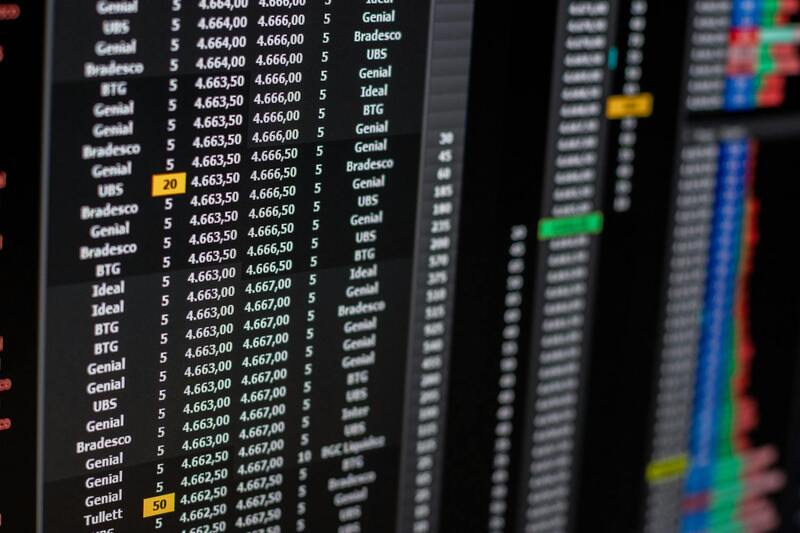
The combination of these features creates a resilient and adaptable system that supports traders in executing strategies efficiently while maintaining rigorous oversight of risks and operational metrics.
Technology Infrastructure and Integration
Robust technology infrastructure forms the backbone of any successful prop trading operation. Ensuring high-speed, reliable connectivity minimizes latency issues and guarantees swift execution of trades. This involves deploying state-of-the-art servers, fiber optics, and optimized network architectures that support the high demands of active trading environments. Equally important is the seamless integration of trading platforms with various data feeds, brokers, and analytical tools. Such integration allows for streamlined workflows, comprehensive data analysis, and quick response times, thereby enhancing overall trading performance.
Effective prop trading solutions are designed with open APIs and modular architectures, facilitating effortless connection with third-party data providers, algorithmic development environments, and risk management systems. This interoperability ensures traders have a unified view of market data, positions, and performance metrics, enabling more informed decision-making. Additionally, cloud-based infrastructure offers scalability and redundancy, providing resilience against technical failures and supporting the fluctuating demands of dynamic trading strategies.

To maintain competitive advantages, firms invest in low-latency data centers and colocated servers near major exchanges. This proximity reduces transmission times, critical for executing high-frequency strategies. Moreover, secure networking protocols deflect cyber threats and protect sensitive trading data, maintaining regulatory compliance and operational integrity.
Importance of Real-Time Data and Connectivity
Real-time access to market data plays an essential role in prop trading. Traders depend on live feeds to identify opportunities and react swiftly to market shifts. Advanced solutions incorporate direct market access and premium data subscriptions, combining multiple sources for comprehensive insights. Simultaneously, reliable connectivity ensures continuous data flow and order execution without interruption, which is essential in volatile markets.
Investment in redundant internet pathways and failover systems further safeguards against connectivity disruptions, ensuring that trading operations remain uninterrupted even during network outages or technical glitches. This level of infrastructural robustness is fundamental to maintaining trading efficiency and minimizing risks associated with technical failures.
Risk Management and Compliance Tools
Implementing comprehensive risk management and compliance tools is vital for maintaining operational integrity and safeguarding proprietary trading activities. Effective prop trading solutions encompass a suite of risk controls designed to monitor and limit exposure, prevent excessive losses, and ensure adherence to trading parameters. These controls include real-time position monitoring, stop-loss and take-profit orders, and dynamic margin management systems that automatically adjust based on market conditions and trader activity.
Compliance monitoring tools serve to uphold regulatory standards, detect irregular trading patterns, and generate audit trails. Automated surveillance systems analyze trading behavior, flag suspicious activities, and ensure that all transactions conform to internal policies and external regulations. Additionally, data security measures—such as encryption protocols, multi-factor authentication, and regular security audits—protect sensitive trading data from cyber threats and unauthorized access, reducing operational risks.

Choosing the Right Prop Trading Solution
Selecting an appropriate prop trading platform requires a detailed understanding of an firm's specific trading objectives, infrastructure compatibility, and technological requirements. Consideration should be given to the platform’s scalability, customization options, and the ability to integrate seamlessly with existing systems, such as execution brokers, data feeds, and risk management modules.
Beyond technical specifications, evaluation criteria include the platform's user interface, analytical capabilities, and support services. A solution offering intuitive usability combined with advanced analytical tools can enhance trader efficiency and decision-making. Furthermore, consistent technical support and regular updates from the provider ensure the platform remains aligned with evolving market conditions and regulatory landscapes.
Emerging Trends in Prop Trading Technology
Advancements in artificial intelligence and machine learning are increasingly integrated into prop trading solutions, enabling predictive analytics, enhanced market insights, and automated decision-making. These technologies facilitate rapid adaptation to market changes and improve the precision of trading strategies. Additionally, the rise of cloud-based platforms offers a flexible, scalable environment that reduces costs and simplifies system management.
Decentralized trading platforms and blockchain technology are also gaining traction, offering increased transparency and security. These innovations are transforming how prop traders access liquidity, execute trades, and manage data integrity. Staying abreast of these trends allows firms to remain competitive and leverage the latest tools for optimized performance.
Implementing and Optimizing Prop Trading Solutions
Successful deployment of prop trading technology involves careful planning, testing, and ongoing optimization. It begins with a clear assessment of trading needs and infrastructure capabilities, followed by selecting solutions that align with strategic goals. Implementation should include comprehensive training for traders and support staff to maximize the platform’s functionalities and integrate best practices into daily operations.
Continuous performance evaluation and feedback are crucial. Firms should utilize analytics and reporting tools to identify areas for improvement, adjust risk parameters, and refine trading strategies. Regular software updates and hardware maintenance ensure the system operates at peak efficiency, minimizing downtime and technical issues. Additionally, fostering collaboration between traders, IT specialists, and compliance officers promotes a cohesive environment where innovations and adjustments are seamlessly incorporated.
Risk Management and Compliance Tools
Implementing robust risk management and compliance tools is an integral aspect of effective prop trading solutions. Modern platforms are equipped with real-time monitoring capabilities that enable traders and risk officers to oversee trading activities proactively. Automated risk assessment algorithms analyze market conditions, trading behavior, and exposure levels to alert teams of potential issues before they escalate. These tools facilitate compliance with internal policies and external regulations, ensuring that trading operations adhere to industry standards.
Advanced risk management features include limit management systems that prevent traders from exceeding predefined risk thresholds. These systems incorporate dynamic stop-loss and take-profit orders, which adapt to market volatility to protect capital. Additionally, stress testing functionalities simulate various market scenarios, providing insights into how trading strategies perform under adverse conditions. Such preparations help institutions identify vulnerabilities and implement mitigation strategies to safeguard assets.

Trade Surveillance and Audit Trails
Trade surveillance features are pivotal for maintaining transparency and accountability within trading environments. These systems track all trading activities, flag suspicious behaviors, and generate audit trails that support thorough reviews during internal or external audits. Audit logs record every transaction, modification to trading parameters, and user activity, providing an immutable record to verify compliance and investigate discrepancies.
Automation in surveillance reduces manual oversight requirements, enhances accuracy, and accelerates response times to potential compliance breaches. Clear documentation and detailed reporting empower firms to demonstrate adherence to trading standards and reduce operational risks.
Data Security and Integrity Measures
The security of sensitive trading data is non-negotiable in prop trading operations. Encryption protocols, multi-factor authentication, and secure access controls safeguard platforms from unauthorized intrusion. Regular security audits and real-time threat detection systems ensure vulnerabilities are identified and mitigated promptly.
Maintaining data integrity involves employing blockchain technology and distributed ledgers where appropriate. These measures ensure that transaction data remains tamper-proof and transparently verifiable, reinforcing trust in the technological infrastructure that underpins trading activities.
By integrating these comprehensive risk management and compliance tools, prop trading firms can enhance operational security, maintain regulatory standing, and achieve consistent trading performance. The goal is to create a resilient environment that supports scalable growth while minimizing exposure to unforeseen risks.
Overview of Prop Trading Solutions
Prop trading solutions serve as the backbone of proprietary trading firms, offering advanced platform architectures, seamless integration capabilities, and comprehensive tools that enable traders to execute strategies efficiently. These solutions are designed to optimize trading operations by providing real-time data feeds, sophisticated order execution systems, and adaptive analytics. Effective prop trading solutions foster a competitive edge, ensuring traders can leverage technological innovations to capitalize on market opportunities quickly and accurately. Additionally, they support a broad array of asset classes, from equities and commodities to cryptocurrencies and derivatives, enabling firms to diversify their trading portfolios and enhance profitability.
Types of Prop Trading Solutions
Prop trading solutions are categorized based on their deployment models, technological architecture, and operational scope. Understanding these distinctions helps firms select the most suitable platform for their strategic goals.
- Proprietary Software Platforms: Custom-developed solutions tailored specifically to a firm’s trading algorithms and risk management protocols. They typically offer high flexibility and integration capabilities but require substantial upfront investment and ongoing maintenance.
- Cloud-Based Trading Platforms: Hosted on secure cloud servers, these platforms present scalable and cost-efficient options that facilitate remote access and collaboration. Cloud solutions are often equipped with real-time analytics and automated risk controls.
- Third-Party Trading Software: Commercially available platforms provided by specialized vendors, offering a wide range of features out of the box. These solutions are generally quicker to implement and come with dedicated support, making them ideal for quick deployment and enterprise scalability.
- Hybrid Solutions: Combining in-house customizations with third-party components to balance adaptability with reliability. Hybrid platforms are optimal for firms seeking tailored functionalities without sacrificing proven infrastructure stability.
Key Features of Effective Prop Trading Platforms
Top-tier prop trading platforms possess multiple core features that enhance trading performance, mitigate risks, and ensure operational integrity.
- Real-Time Data Integration: Continuous, high-speed access to market data allows traders to make informed decisions swiftly and execute trades at optimal prices.
- Advanced Order Execution: Features such as algorithmic trading, order routing, and execution analytics maximize efficiency and reduce latency.
- Risk Management Tools: Built-in capabilities for position sizing, stop-loss management, and exposure monitoring help control risks dynamically.
- Customizable User Interface: An intuitive, adaptable environment enhances trader productivity and ease of use.
- Automated Trading Strategies: Support for development and deployment of algorithmic models enables scalable and consistent execution of trading hypotheses.
- Comprehensive Reporting and Analytics: Data-driven insights assist in strategy refinement, performance assessment, and compliance documentation.
Technology Infrastructure and Integration
The backbone of any prop trading operation relies heavily on robust technological infrastructure. High-performance servers, low-latency networking equipment, and resilient backup systems are essential for maintaining uninterrupted trading activities. Seamless integration with financial data providers, order execution venues, and risk management systems ensures coherence across the trading ecosystem.
Integration often involves APIs (Application Programming Interfaces) that facilitate communication between different software modules, allowing for real-time data synchronization and automation. Moreover, adopting scalable cloud solutions enables firms to expand computing resources dynamically based on trading volume and market volatility, ensuring the platform remains responsive under changing conditions.

Risk Management and Compliance Tools
Effective prop trading solutions incorporate comprehensive risk management and compliance functionalities. These tools are designed to monitor, analyze, and mitigate potential risks inherent in fast-paced trading environments.
- Real-Time Risk Monitoring: Continuous assessment of trading positions relative to predefined risk thresholds helps prevent overexposure.
- Automated Limit Checks: Enforcing trading limits automatically to avoid violations and ensure adherence to internal policies.
- Audit Trails and Transaction Logs: Maintaining detailed records of all trading activities supports transparency and facilitates external audits.
- Reporting and Regulatory Compliance: Generating compliant reports in accordance with regulatory frameworks simplifies oversight and reduces compliance burdens.
- Security Protocols: Encryption, multi-factor authentication, and intrusion detection protect sensitive trading data and intellectual property.
These capabilities help trading firms maintain operational compliance, manage financial and operational risks effectively, and foster trust among stakeholders and clients.
Implementing and Optimizing Prop Trading Solutions
Successfully deploying and refining prop trading solutions requires a strategic approach that focuses on seamless implementation, comprehensive staff training, ongoing system optimization, and rigorous performance monitoring. These practices ensure that proprietary trading firms can maximize their technological investments, enhance trading efficiency, and maintain a competitive edge in dynamic markets.
Deployment Strategies
Effective deployment begins with a thorough assessment of the existing infrastructure and a clear understanding of operational requirements. When integrating new prop trading platforms, firms should adopt a phased implementation process that minimizes disruptions. This includes initial pilot testing to identify potential issues, followed by full-scale rollout once stability is confirmed. During deployment, coordination with IT teams, traders, and compliance personnel is essential to ensure all stakeholders understand the platform's functionalities and operational procedures.

Staff Training and Development
Robust training programs are critical to empower traders and technical staff with the knowledge needed to utilize prop trading solutions effectively. Training should cover platform features, risk management protocols, and troubleshooting procedures. Leveraging interactive modules, simulation environments, and real-world scenarios enhances learning outcomes, enabling staff to adapt quickly to new tools. Continuous education and updates on software enhancements help maintain high levels of operational competence.
Ongoing Optimization
Prop trading platforms require periodic reviews to identify areas for improvement. Analyzing trading data, latency metrics, and system performance reports helps pinpoint bottlenecks or inefficiencies. Leveraging analytics tools and user feedback, firms can implement incremental updates, optimize algorithms, and refine risk controls to adapt to evolving market conditions. This iterative process ensures the platform remains aligned with strategic objectives and operational needs.
Performance Monitoring
Consistent performance monitoring is vital to sustain optimal trading conditions. Establish key performance indicators (KPIs) related to execution speed, system uptime, error rates, and risk thresholds. Automated monitoring tools provide real-time alerts to notify teams of anomalies, enabling swift responses and minimizing potential losses. Additionally, maintaining comprehensive logs of trading activities aids in compliance, troubleshooting, and historical analysis for future enhancements.
Integrating Feedback and Continuous Improvement
To enhance prop trading solutions continually, firms should establish feedback loops involving traders, IT personnel, and compliance officers. Regular review sessions, operational audits, and performance reports facilitate collaborative efforts to refine platform functionalities. Emphasizing adaptability, firms can incorporate new technologies, update algorithms, and enhance user experiences to stay ahead in a competitive trading landscape.
By maintaining a disciplined approach to deployment and ongoing optimization, proprietary trading firms can harness the full potential of their prop trading solutions, thereby improving execution quality, managing risks proactively, and achieving sustained growth.
